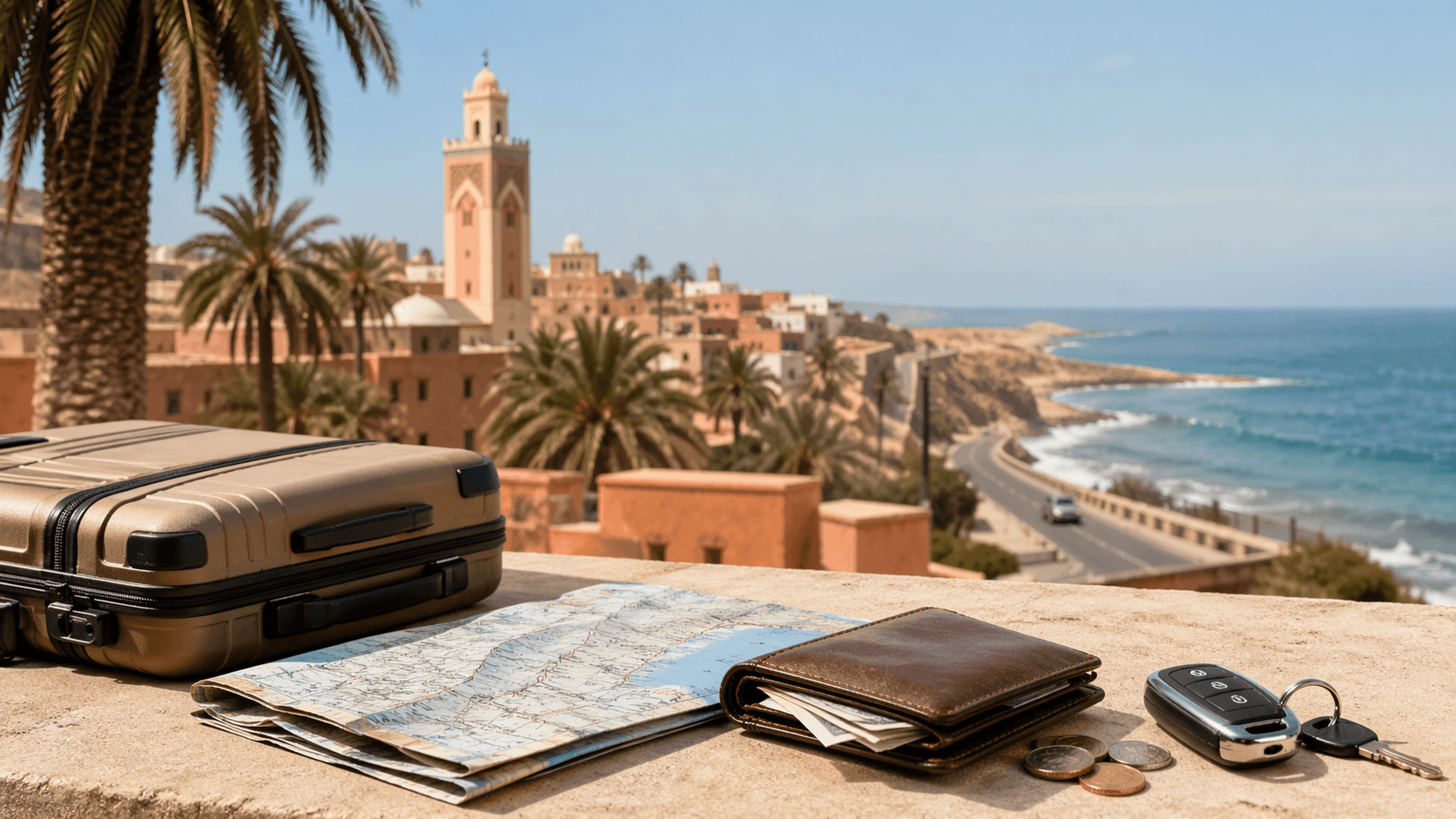


October and November are excellent months to visit Morocco, while September is better for warm coastal holidays. Morocco weather November brings typical daytime highs around 21–25°C in many cities, with cooler evenings and occasional rain. October is generally warmer, making it suitable for sightseeing, road trips, and Sahara adventures.
Autumn is an excellent season for exploring Morocco, but weather conditions change significantly between September and November. Marrakech becomes more comfortable, Atlantic destinations remain mild, and the Sahara is easier to explore.
Understanding morocco weather november conditions helps travellers choose suitable destinations, activities, and clothing.
Our local travel team recommends comparing regional forecasts before booking. Morocco's coastline, inland cities, mountains, and desert can experience very different temperatures during the same week.
How Does Morocco Weather November Vary by Region?
Morocco weather November conditions are generally mild during the day, with cooler evenings and more rainfall than in summer. However, temperatures depend on the destination.
November Temperatures in Morocco's Major Cities
Typical daytime highs based on historical climate averages are:
|
Destination |
Daytime high |
Weather conditions |
|---|---|---|
|
Marrakech |
23–25°C |
Mild days, cool evenings |
|
Agadir (Morocco) |
24°C |
Mild Atlantic climate |
|
Casablanca |
21°C |
Cooler, scattered rain |
|
Fes |
19–21°C |
Cool mornings, chance of showers |
|
Tangier |
19–21°C |
Wind with occasional rain showers |
These are rough seasonal averages, not a prediction for November 2026.
The main advantage of morocco weather november is that it is more comfortable to sightsee than in the hottest summer months.
Morocco November Rainfall & What to Pack
November is a month of increasing rainfall, especially in the north and in Atlantic coastal regions.
Anyone researching morocco weather november should pack a light waterproof jacket, comfortable walking shoes and warm evening clothing.
Mountain locations need more layers as it can be much colder at higher elevations.
Local tip: Although Marrakech can be warm at midday, open-air riad courtyards are cooler after sunset. Bring a jacket to dinner.
Morocco Weather September: Is It Still Too Hot?
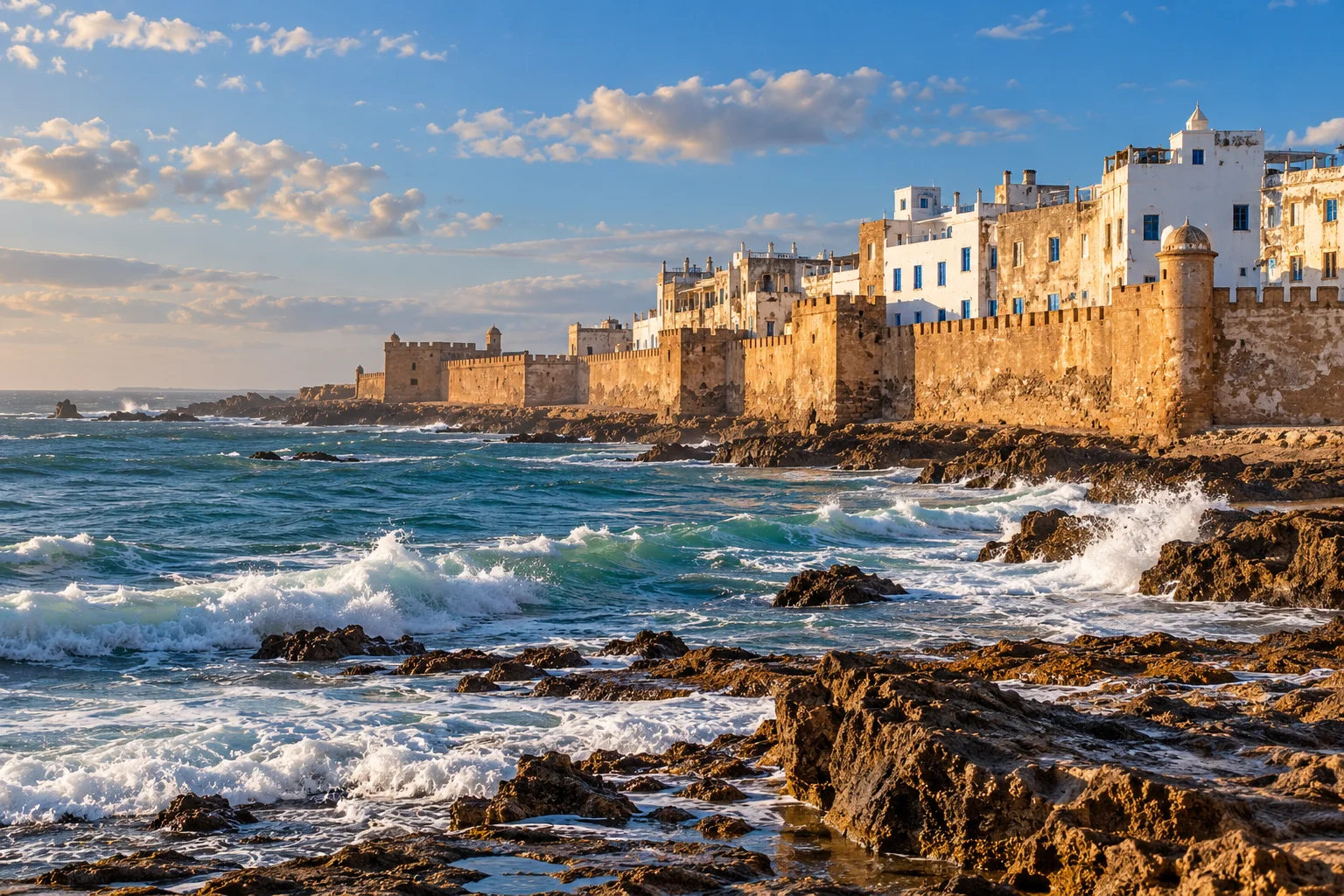
Morocco's September weather is still warm, especially in the inland cities of Marrakech and Fes.
September is a transition month between summer and autumn. Early September often feels hotter than the final weeks.
September Temperatures: Coast vs Inland
Marrakech can still experience daytime temperatures above 30°C. Agadir and Essaouira benefit from Atlantic breezes, although occasional hot winds can raise temperatures.
Compared with morocco weather november, September offers warmer evenings and generally lower rainfall risks.
Visitors sensitive to heat should prioritize coastal destinations or schedule city sightseeing during cooler hours.
What to Do in Morocco During September
Morocco in September is particularly suitable for Atlantic beaches, surfing around Taghazout, and coastal sightseeing in Essaouira.
Plan longer outdoor activities before 11 a.m. when temperatures are high. Keep afternoons flexible during hotter days.
September also works for road trips, especially when routes include coastal stops rather than long desert excursions.
Local tip: Start Marrakech medina visits around 8–9 a.m. during hot September days. Visit museums or shaded gardens later.
Morocco Weather October: Is It Ideal for Travel?
Morocco weather October offers a good balance between warm daytime conditions and comfortable sightseeing temperatures.
October is particularly suitable for visitors who want to combine cultural cities, mountains, and desert destinations.
Morocco Temperature October: Heat and Rain
Marrakech often experiences average daytime highs around 28–30°C in October, while coastal cities remain milder.
Rain becomes more possible as the month progresses, particularly in northern Morocco.
When comparing October with morocco weather november, October generally provides warmer afternoons and slightly longer daylight hours.
Where to Visit in October
Morocco in October works well for Marrakech, Fes, Essaouira, Agadir, and Chefchaouen.
Visitors can combine city sightseeing with mountain excursions or coastal road trips without the strongest summer heat.
October is also useful for multi-city driving itineraries. For ideas on routes, check out our Morocco Road Trip Guide.
When comparing October and morocco weather in November, travellers should consider daylight hours, rainfall, and their preferred temperatures.
Local tip: If you want to explore Jemaa el-Fna and the gardens of Marrakech, try to do it on an October afternoon. Bring a sweater if you plan on rooftop dining at night.
Is November Weather Good for Sahara Trips and Road Travel?
Yes. October and November are generally good months to visit the Sahara as daytime temperatures become less extreme.
The Moroccan National Tourist Office recommends autumn as a suitable season for desert travel.
Sahara Desert Weather in November
In the Sahara, many autumn days are still sunny, but temperatures drop sharply after sunset.
Those searching morocco weather november should be aware that desert nights are much cooler than daytime conditions.
Bring warm trousers, a fleece and jacket for overnight desert camps in Merzouga and Erg Chebbi.
Check the bedding and heating arrangements before you book accommodation.
November Weather in the Atlas Mountains
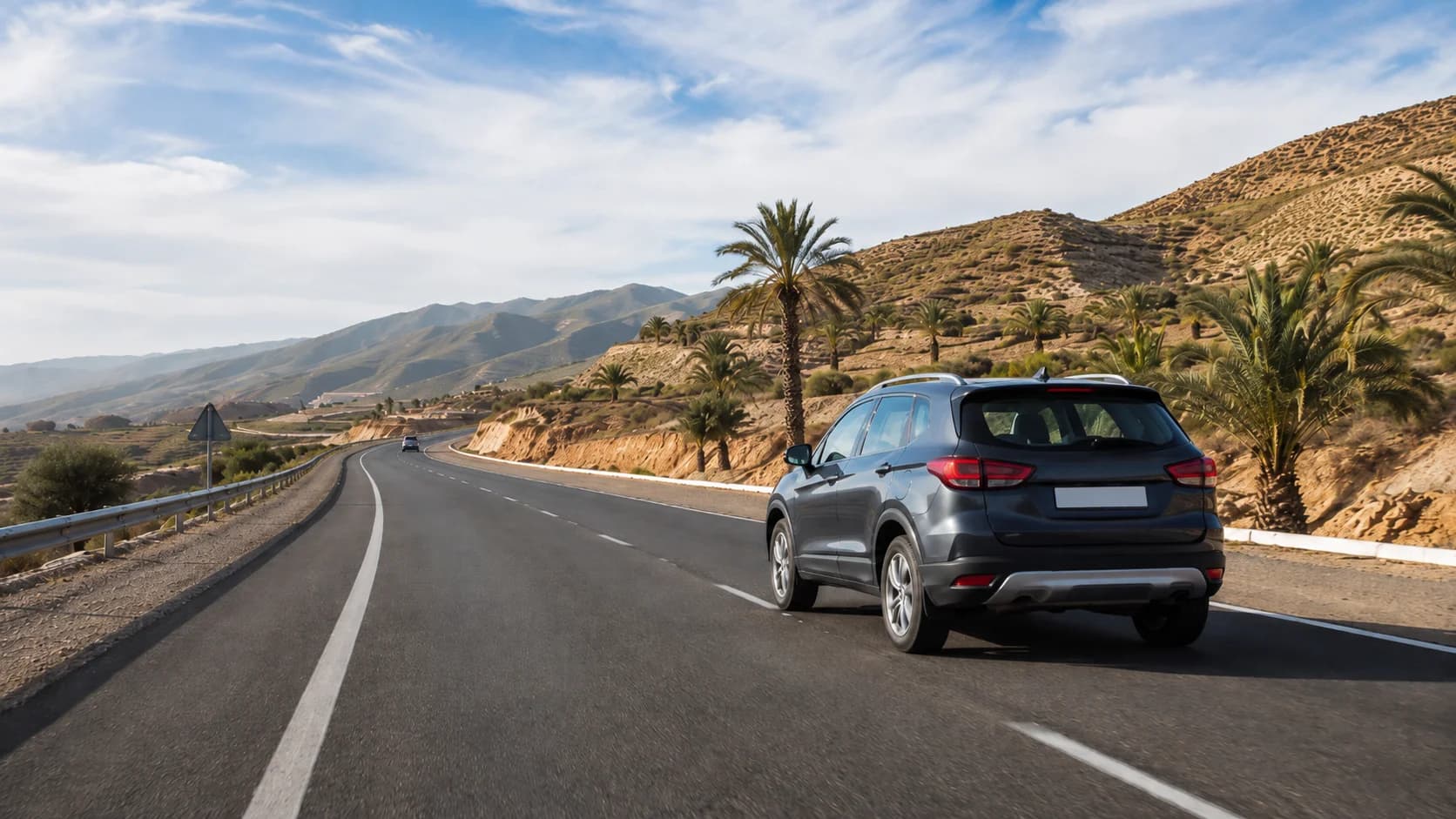
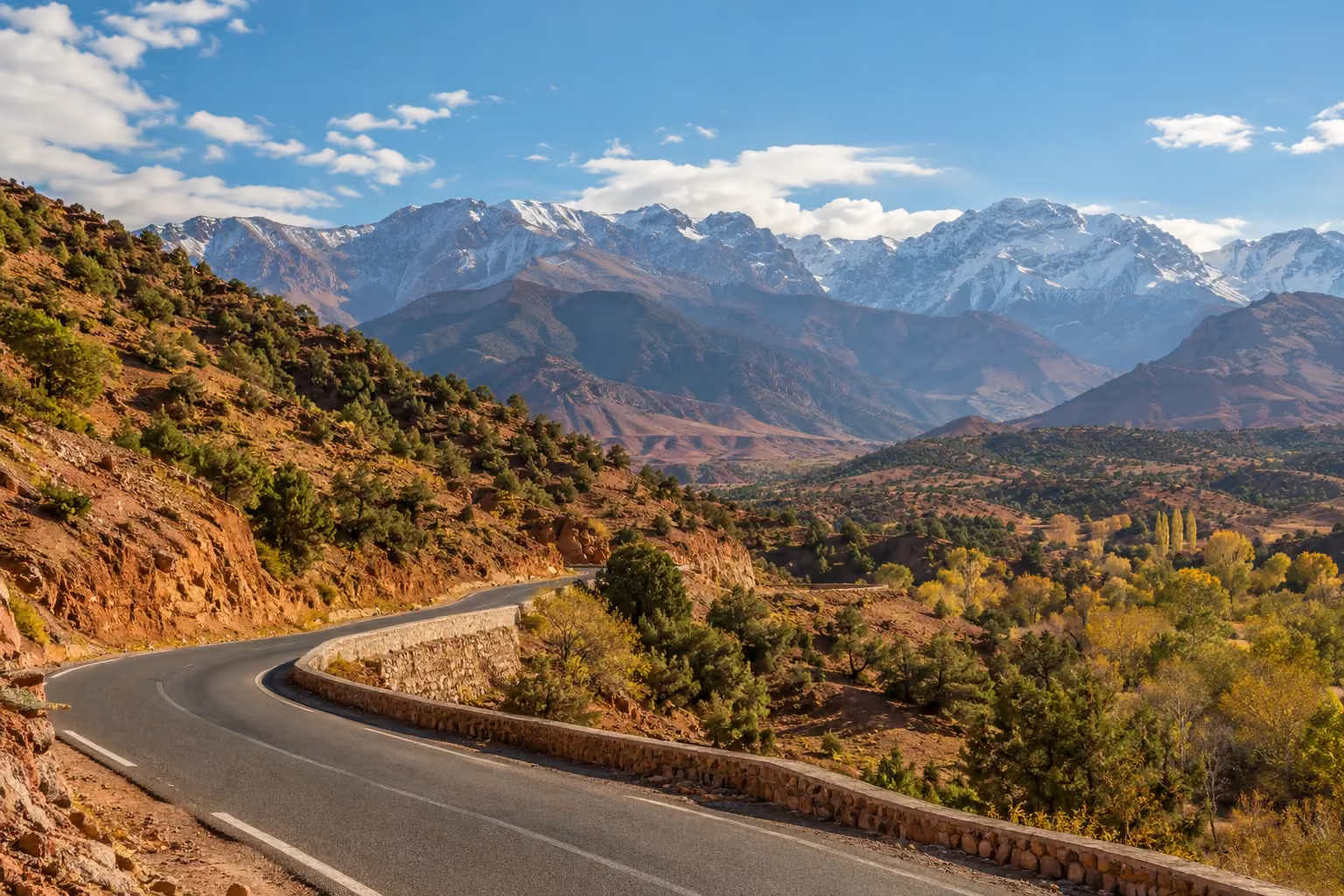
Autumn is also pleasant for driving through Ouarzazate and the Dades Valley.
However, journeys through high-altitude passes can be affected by rain and changing mountain conditions.
Travellers can check Morocco weather November forecasts to plan safer times to drive across the Atlas.
If you are travelling from Marrakech to Merzouga, allow at least 3–4 days with overnight stops.
Anyone who wants to travel later can compare seasonal conditions in our Morocco in Winter Guide.
Local tip: Check conditions at Tizi n'Tichka before crossing the High Atlas. Avoid driving mountain roads after dark.
Common Mistakes to Avoid
Knowing what Morocco weather is like in November helps you avoid common autumn travel problems.
-
Expecting the same weather everywhere: Compare city forecasts before choosing destinations.
-
Packing only summer clothes: Bring warm layers for evenings in November and desert camps.
-
Ignoring northern rainfall: Have indoor options prepared for rainy days in Tangier, Fes and Casablanca.
-
Underestimating mountain conditions: Check forecasts before driving through the Atlas Mountains.
-
Planning too many activities: Allow extra time for changing weather and shorter November daylight hours.
Check destination forecasts again 48 hours before longer journeys, especially when visiting mountains or desert regions.
Easier Option: Car Rental in Morocco
MarHire offers car rental in Morocco for travellers exploring different regions during autumn.
Available services include airport and hotel delivery, eligible no-deposit vehicles, and 24/7 WhatsApp support.
Visitors can compare vehicle types for coastal journeys, city visits, and mountain routes. Check insurance, mileage, and pickup conditions before confirming a reservation.
FAQ: Morocco Autumn Weather
Is October a Good Time to Visit Morocco?
Yes, October is an excellent month for sightseeing, road trips, and desert excursions. Marrakech is generally warm without peak summer heat, while Atlantic destinations remain comfortable. Rain is possible, especially farther north, so pack layers and check forecasts.
What Is the Weather Like in Morocco in November?
21–25°C is a useful daytime range for several Moroccan cities in November, although conditions vary. Morocco weather November brings mild afternoons, cooler evenings, and increasing rainfall. Agadir stays relatively warm, while northern destinations and mountain regions can be colder.
Is September Too Hot for Morocco?
No, September is not too hot everywhere, but inland cities can remain uncomfortable during midday. Marrakech often exceeds 30°C, while Atlantic coastal towns benefit from sea breezes. Choose morning activities, shaded breaks, and coastal destinations if heat is a concern.
Is Autumn a Good Time for a Sahara Trip?
Yes, October and November are generally favorable for Sahara travel because daytime heat becomes more manageable. Desert nights can be cold, especially later in autumn. Pack warm layers, confirm camp facilities, and check road conditions before crossing the Atlas Mountains.
Our Recommendation
Choose September for coastal holidays, October for first-time sightseeing, and November for cultural trips and Sahara adventures.
Budget travellers should compare travel dates, while families and self-drive visitors benefit from flexible itineraries.
Explore MarHire car rental options for your autumn journey.