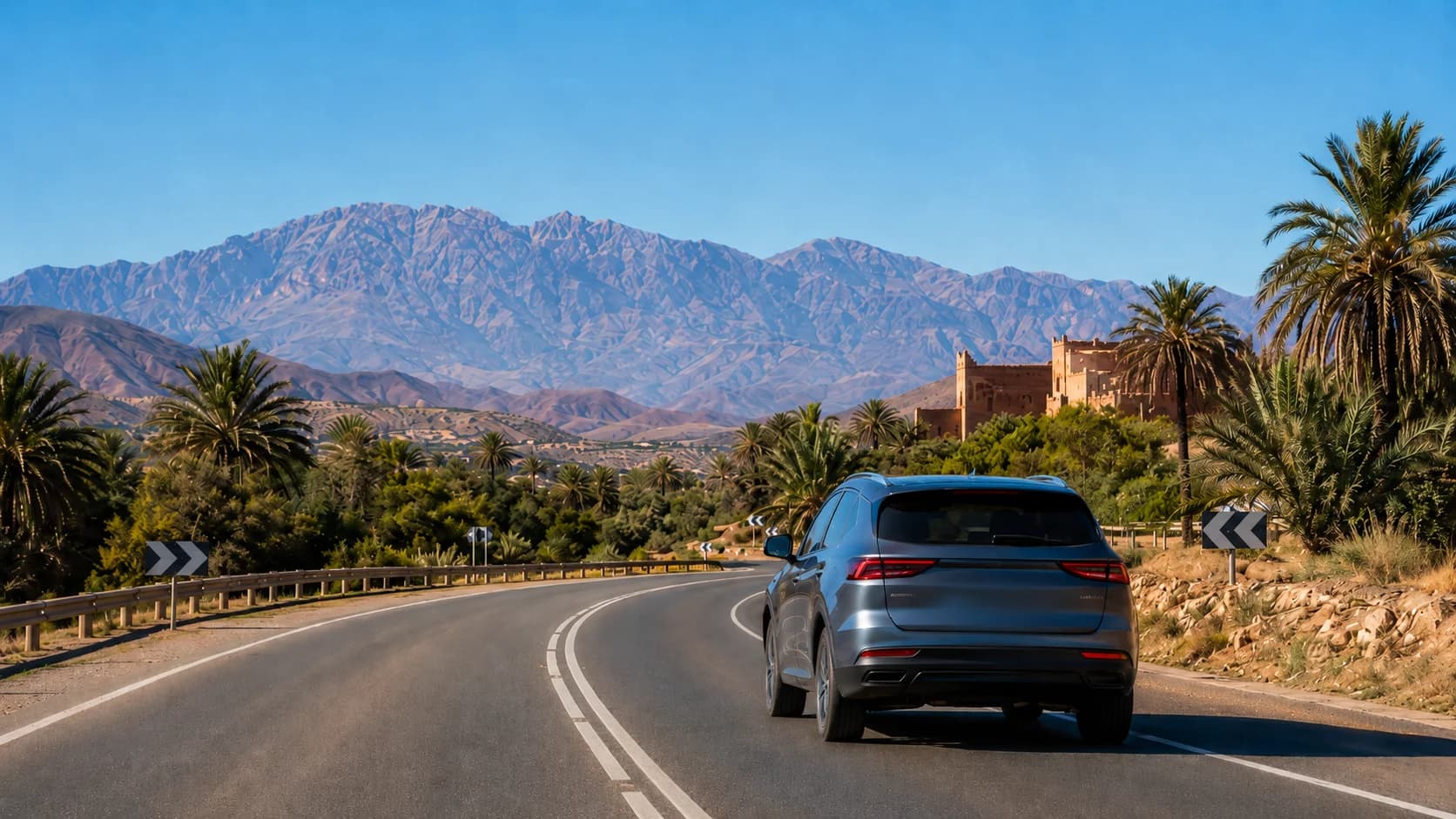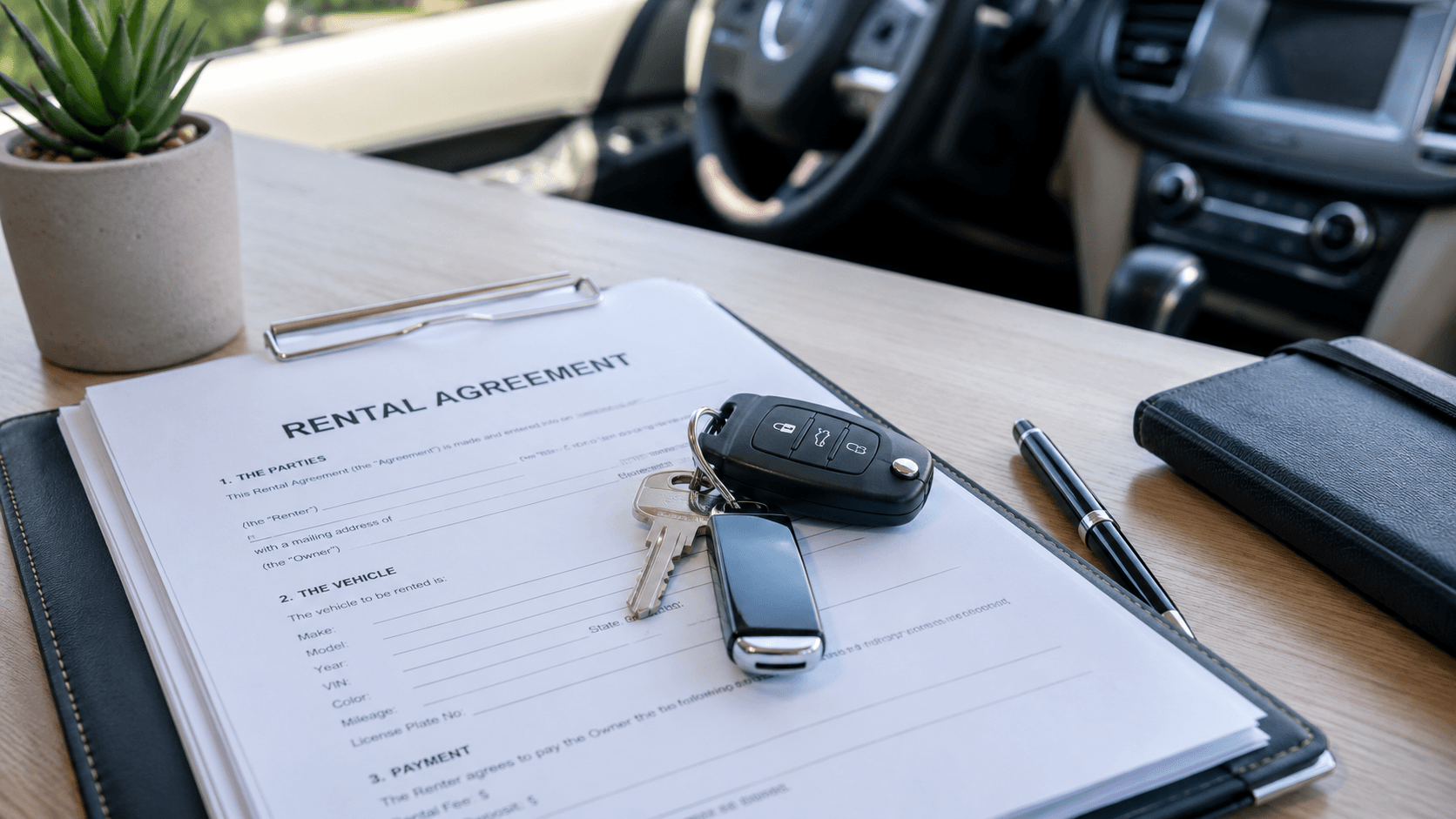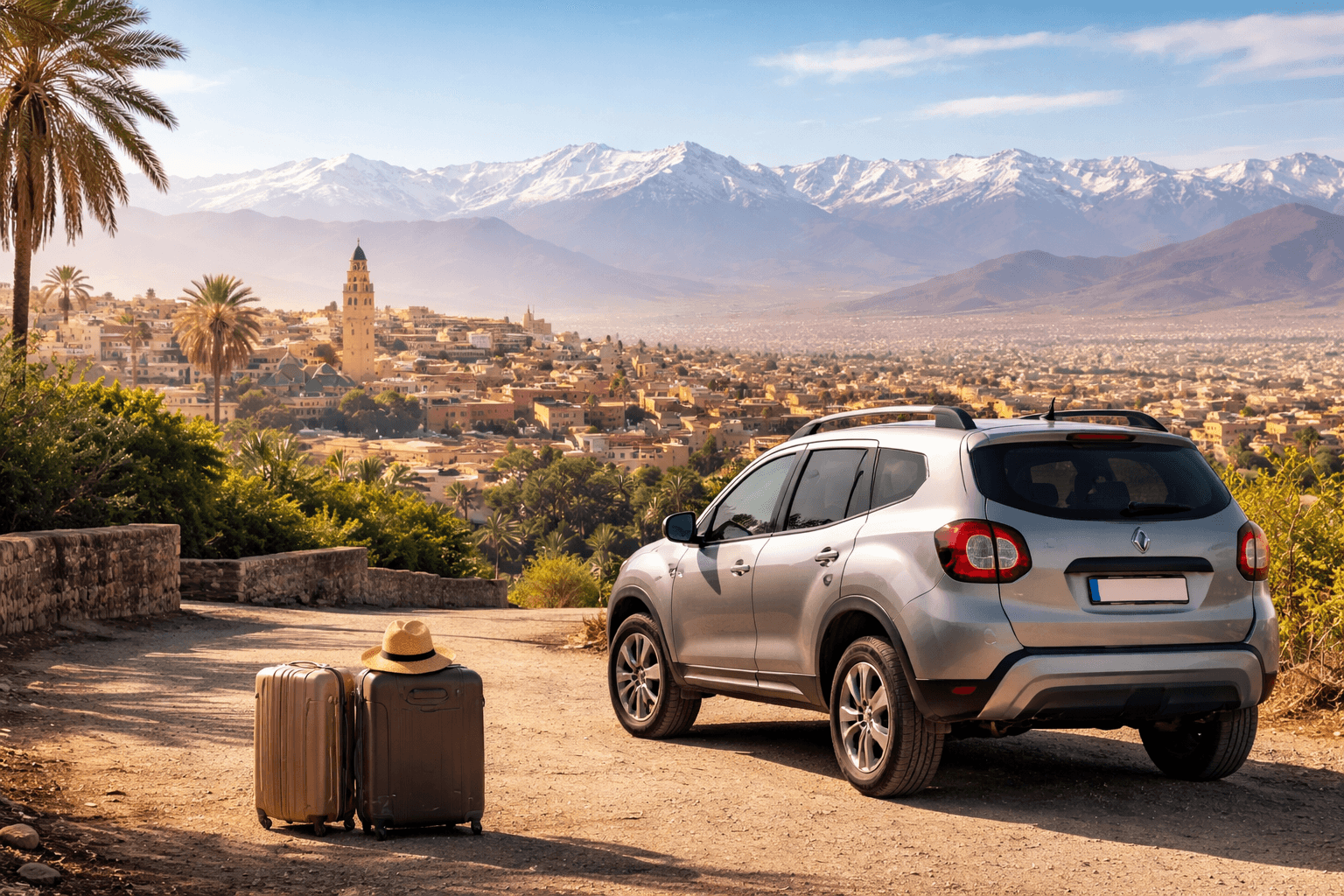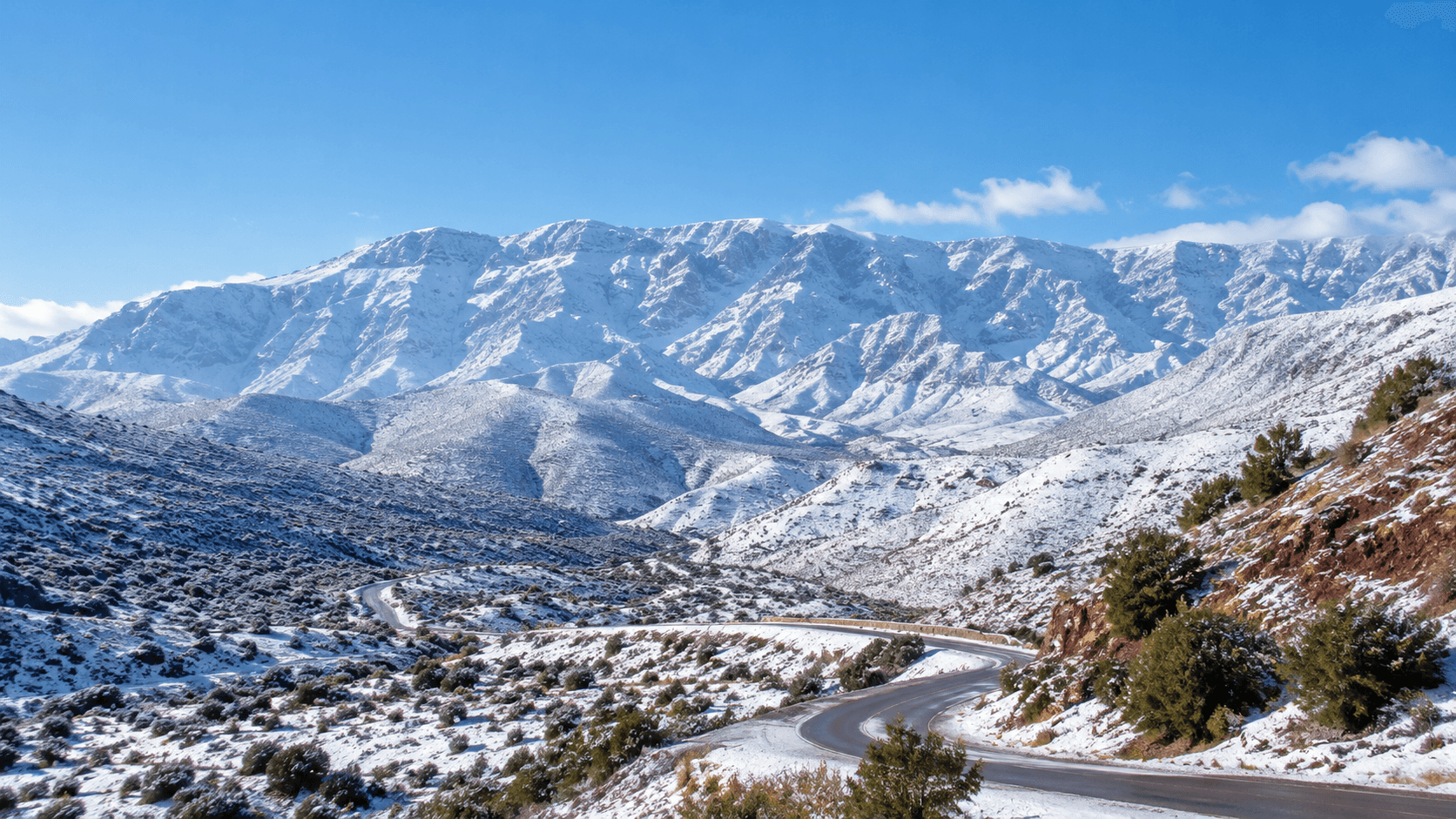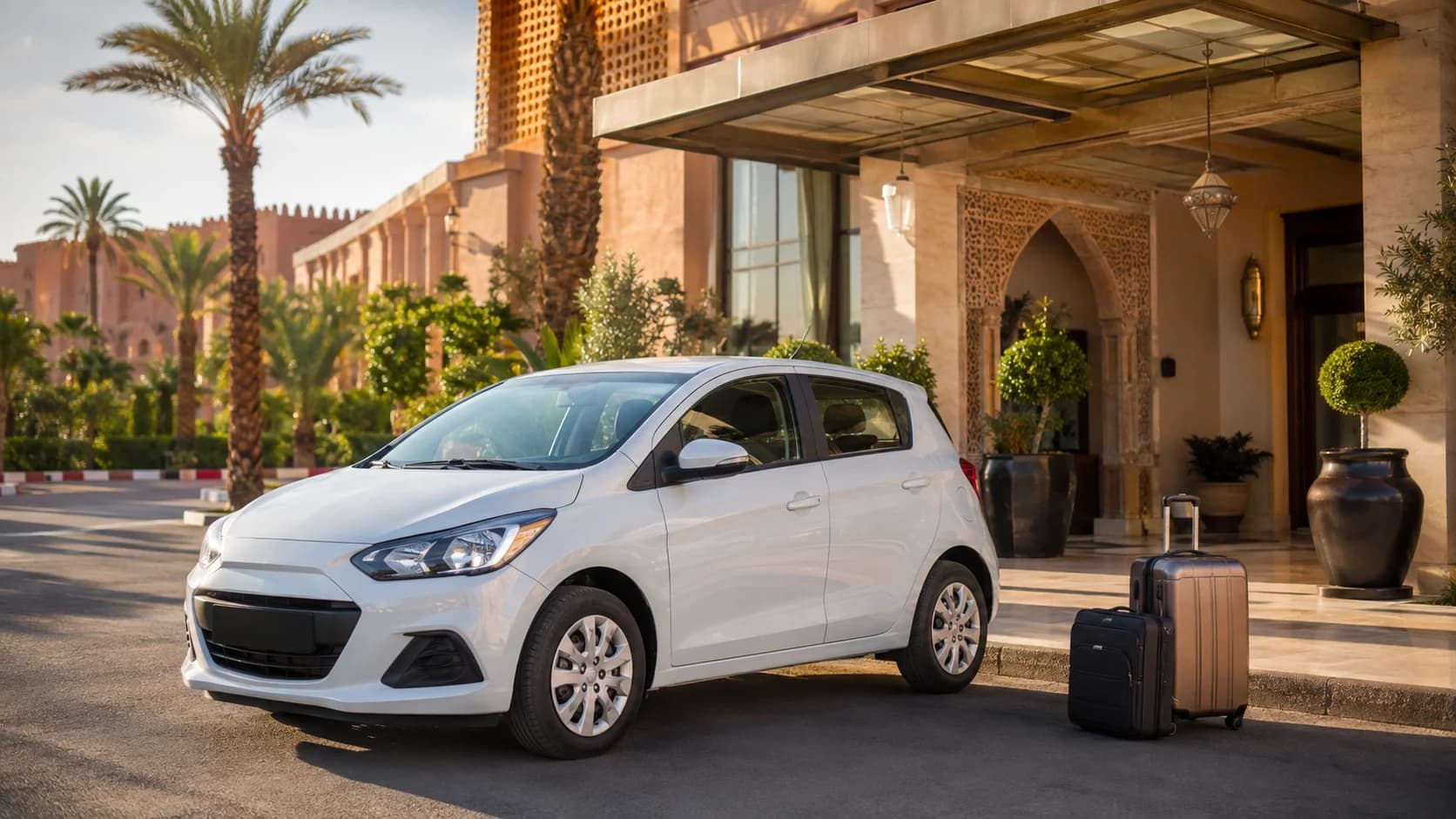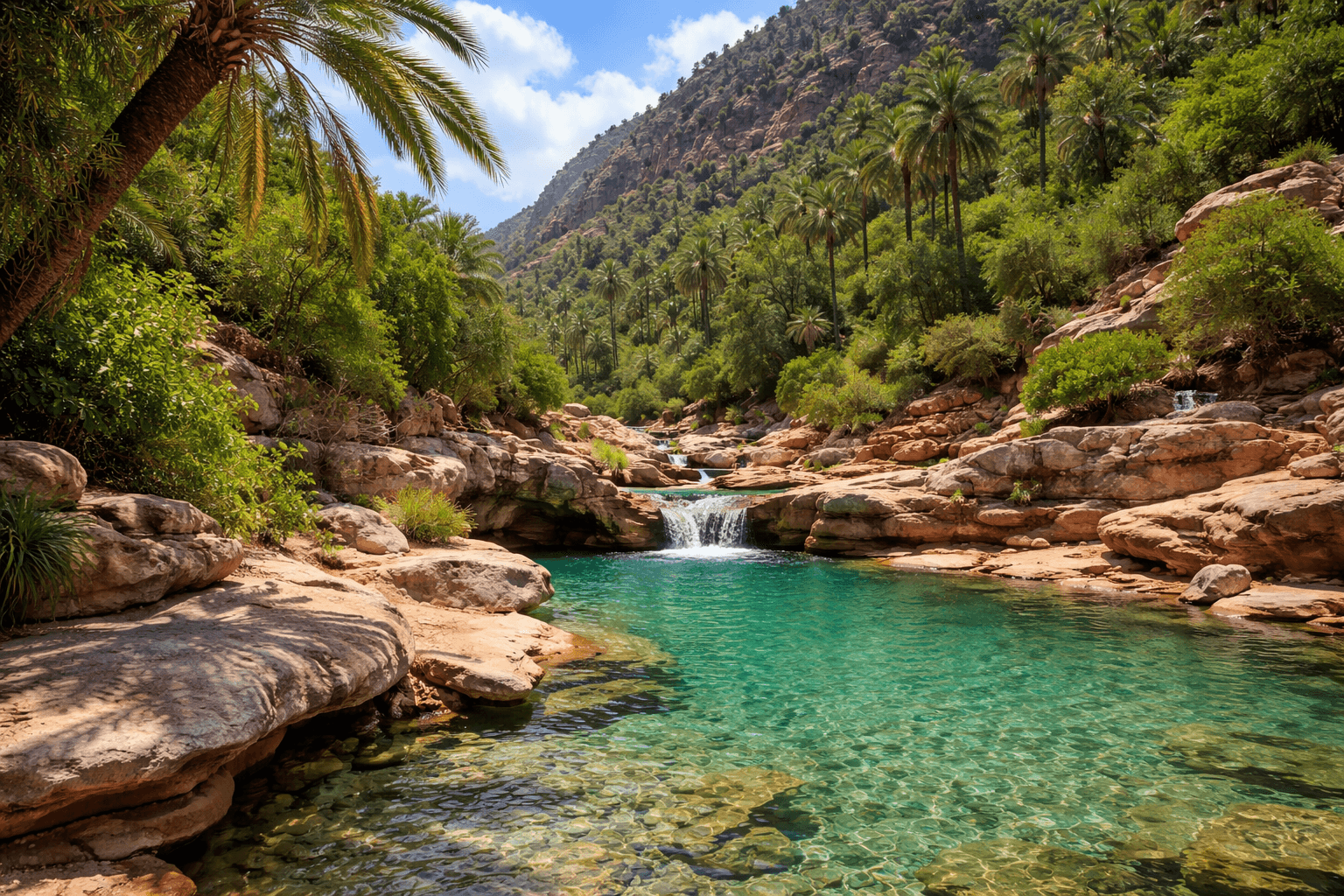







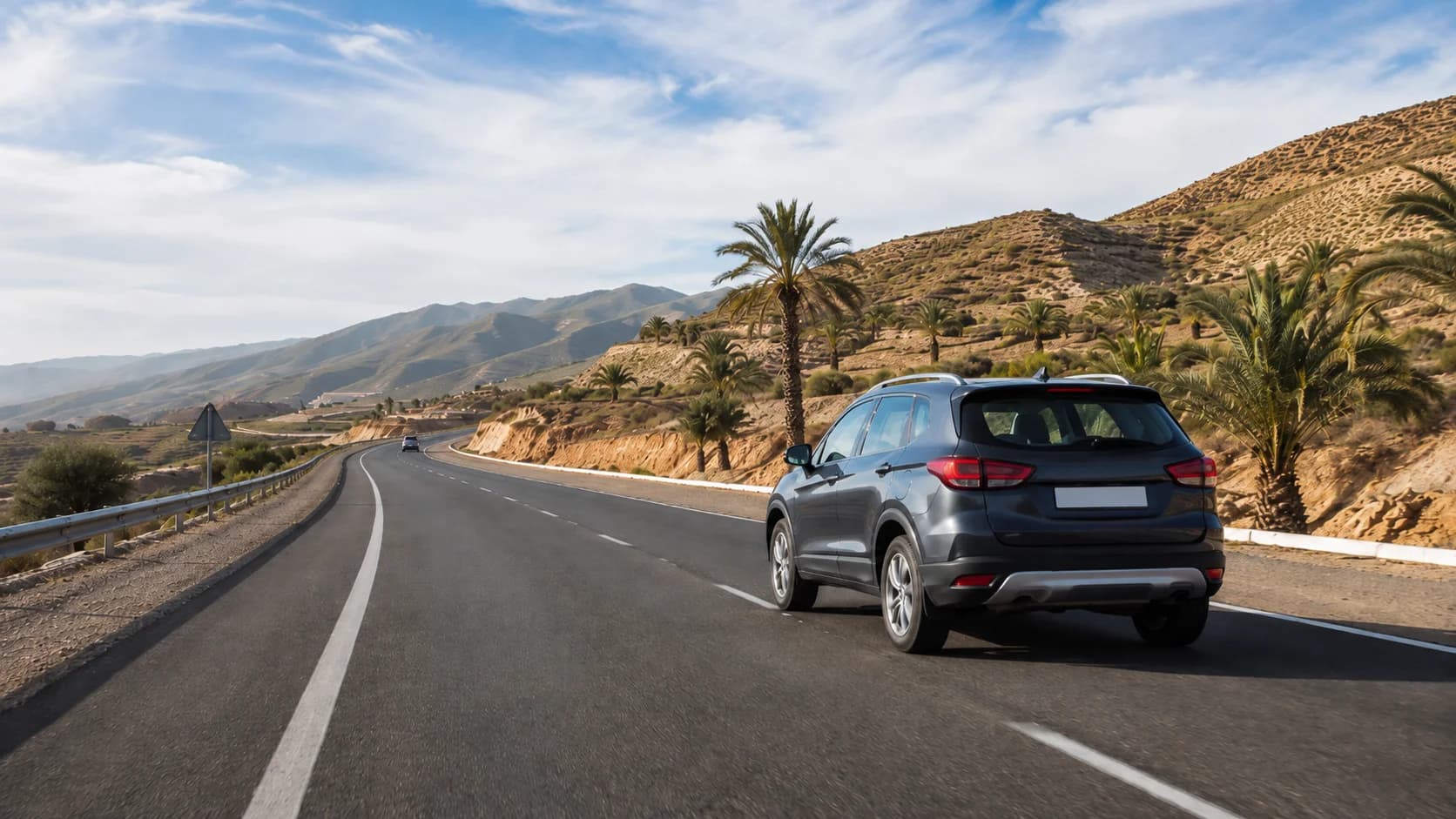
Yes, tourists can rent a car and drive around Morocco, and self-driving is a practical way to travel between destinations such as Marrakech, Casablanca, Rabat, Tangier, Fes, Agadir and Essaouira. However, driving conditions are not identical to those in Europe, North America or every visitor's home country.
Major roads and motorways can make intercity travel straightforward, while dense city traffic, motorcycles, pedestrians, rural roads, mountain routes and night driving require greater attention. Morocco has also strengthened road-safety enforcement, including action against speeding, drink-driving, mobile-phone use and failure to wear seat belts.
For tourists, the safest approach is therefore not to ask whether driving in Morocco is completely safe, but whether they are comfortable adapting their driving style to local road conditions.
Table of Contents
- Can tourists legally drive in Morocco?
- How safe are Moroccan roads?
- What makes driving different for tourists?
- City driving in Morocco
- Motorways and intercity driving
- Mountain and rural roads
- Night driving
- Police checks and traffic enforcement
- Choosing a safe rental car
- Insurance and rental conditions
- What to do after an accident
- Rental car versus private driver
- Safety checklist for tourists
- Frequently asked questions
Is It Safe to Drive in Morocco?
Yes, it is generally possible for tourists to rent and drive a car in Morocco safely if they drive defensively, follow local traffic laws, choose suitable routes and avoid unnecessary risks such as speeding or unfamiliar roads after dark.
The main challenges are usually busy urban traffic, motorcycles and pedestrians, variable road conditions outside major routes, mountain driving and reduced visibility at night. Official UK travel advice specifically warns that poor lighting can make night driving hazardous and that secondary and mountain roads can become more difficult in poor weather.
A tourist who is comfortable with unfamiliar traffic will usually have more flexibility with a rental car. Someone who dislikes dense city driving or long unfamiliar routes may prefer a private driver for part or all of the trip.
Driving in Morocco at a Glance
| Question | Practical Answer |
|---|---|
| Can tourists drive in Morocco? | Yes, with an appropriate valid driving licence and any additional documents required for their nationality |
| Which side of the road? | Right-hand side |
| Are rental cars suitable for road trips? | Yes, provided the vehicle matches the route, passengers and luggage |
| Are major intercity routes easier? | Generally more predictable than small rural or mountain roads |
| Is city driving difficult? | It can be demanding in dense traffic |
| Is night driving recommended? | Extra caution is needed because visibility and lighting can be poorer |
| Are traffic laws enforced? | Yes, including enforcement focused on speeding, alcohol, phones and seat belts |
| Should tourists wear seat belts? | Yes |
| Is drink-driving acceptable? | No |
| Best approach | Defensive driving, route planning and realistic daily distances |
Can Tourists Legally Drive in Morocco?
Foreign visitors can drive in Morocco, but they need to check the licence requirements that apply to their nationality before collecting a rental car.
Morocco's National Road Safety Agency, NARSA, states that Moroccan citizens living abroad and foreign nationals may drive in Morocco using a valid driving licence issued abroad for up to one year from the beginning of their residence or temporary stay.
However, that does not mean every traveler has identical documentation requirements.
For example, current UK government travel advice states that British drivers should carry both their UK driving licence and the 1968 version of the International Driving Permit when driving in Morocco.
The safest rule is therefore:
Check the requirements for your own licence country and confirm the rental company's requirements before arrival.
Rental companies may also impose their own minimum driver age, minimum period of licence ownership or other eligibility rules.
Bring the original documents requested by the rental company rather than relying only on photographs stored on your phone.
How Safe Are Morocco's Roads?
Morocco has an extensive road network connecting its main tourism and business destinations, but road risk should be taken seriously.
The World Health Organization's Morocco road-safety country profile reported 3,685 officially reported road deaths in 2021, while WHO's estimated total for that year was approximately 6,900 deaths, or 18.6 per 100,000 people.
Those figures are useful context rather than a prediction of the risk facing an individual tourist.
Morocco has continued developing its road-safety system since then. In July 2026, WHO highlighted Morocco's national road-safety governance, its use of crash data to target enforcement and its focus on major risk factors. WHO also reported that the country's number of road fatalities was falling.
The practical conclusion for travelers is simple:
Morocco is a country where tourists can self-drive, but defensive driving matters.
What Makes Driving in Morocco Different for Tourists?
The biggest adjustment is often not the road itself. It is the number of different road users sharing the same space.
Depending on the location, a driver may encounter:
-
cars
-
taxis
-
buses
-
trucks
-
motorcycles
-
scooters
-
bicycles
-
pedestrians
-
animals
-
slower agricultural or local vehicles
This means a tourist should avoid assuming that every other road user will behave exactly as expected.
Leave more following distance, look carefully before changing lanes, slow down where visibility is limited and expect activity near villages, junctions and urban streets.
Defensive driving is more useful than trying to match the pace of the most aggressive driver around you.
Is City Driving in Morocco Safe?
City driving is manageable, but major urban areas can be the most stressful part of a Moroccan road trip.
Marrakech
Marrakech can have dense traffic involving cars, taxis, scooters, buses, bicycles and pedestrians, particularly around central districts and major junctions.
Drivers unfamiliar with the city should concentrate on lane positioning and avoid following navigation instructions blindly into narrow streets.
Casablanca
Casablanca is Morocco's largest urban area and can involve heavier traffic, multi-lane roads and busy commuting periods.
If your objective is mainly an intercity road trip, collecting your vehicle and leaving the busiest central areas can be easier than repeatedly driving through dense city traffic.
Fes
Modern Fes is accessible by car, but the historic medina is fundamentally different from normal urban driving. Plan parking and accommodation access before arriving rather than assuming your navigation application can take the vehicle directly to every riad.
Tangier
Tangier combines modern boulevards with hills, dense central districts, port traffic and busy approaches around major roads.
Rabat and Agadir
Both can be relatively straightforward for experienced visitors, but normal urban precautions still apply around roundabouts, pedestrians, motorcycles and rush-hour traffic.
Essaouira
The wider city and surrounding roads are manageable by car, while access around the historic medina requires more parking awareness.
The common lesson is:
Use the rental car for mobility, but do not assume every accommodation entrance or historic-center street is designed for direct vehicle access.
Are Morocco's Motorways Safe for Tourists?
For many visitors, Morocco's principal intercity roads and motorways are the easiest part of self-driving.
Common road-trip connections include routes between:
-
Casablanca and Rabat
-
Rabat and Tangier
-
Casablanca and Marrakech
-
Marrakech and Agadir
-
major coastal and inland cities
These roads generally provide a more predictable driving environment than small rural routes.
However, drivers should still remain alert around trucks, overtaking traffic, motorway exits, toll areas and changes in traffic speed.
Official foreign travel advice also warns drivers to be cautious around overloaded trucks and vehicles overtaking where road margins may be limited.
Do not treat a good motorway as a reason to exceed the posted limit.
What About Mountain Roads?
Mountain driving requires a different level of planning.
Routes through the Atlas or Rif regions can include:
-
curves
-
steep sections
-
changes in elevation
-
reduced visibility
-
slower vehicles
-
narrow road sections
-
changing weather
-
occasional road works
A route that looks short on a map can therefore take considerably longer than the straight-line distance suggests.
Official travel guidance notes that secondary and mountain roads may become particularly hazardous during poor weather.
For mountain journeys:
-
Leave with sufficient daylight.
-
Check the route and weather conditions.
-
Avoid rushing to meet an unrealistic arrival time.
-
Keep adequate fuel.
-
Use engine braking appropriately on long descents.
-
Avoid risky overtaking.
-
Stop if fatigue becomes a problem.
A larger vehicle is not automatically safer. A well-maintained compact car may be perfectly adequate for paved roads, while an SUV may provide extra clearance, luggage room or comfort depending on the route.
Choose the vehicle for the actual journey rather than simply choosing the largest option available.
Is It Safe to Drive in Morocco at Night?
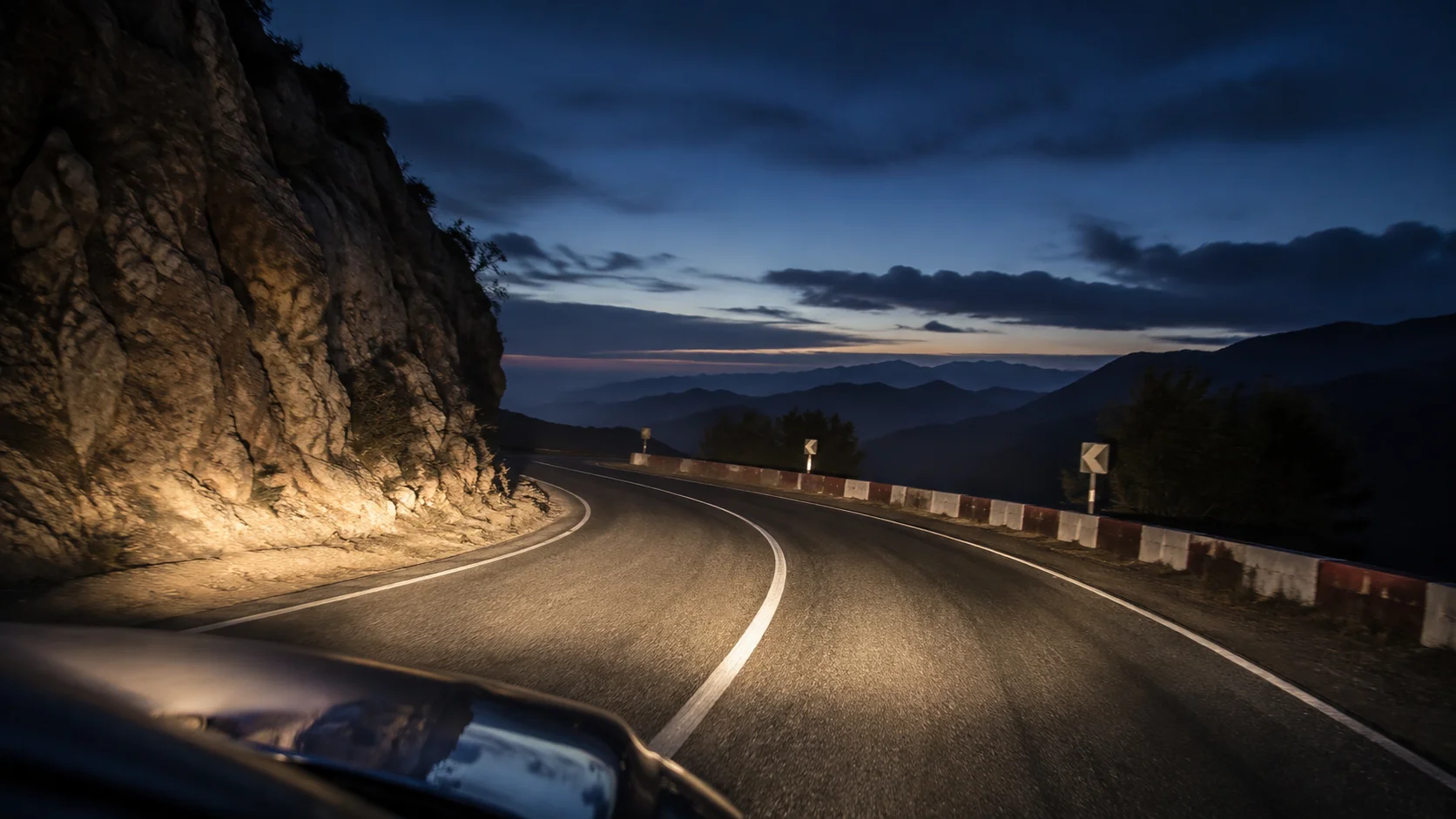
Tourists should be more cautious about night driving, particularly outside major urban areas.
The UK's current Morocco travel guidance explicitly notes that poor lighting can make night driving dangerous.
Night driving can make it harder to see:
-
pedestrians
-
cyclists
-
animals
-
unlit or poorly visible vehicles
-
road edges
-
construction
-
changes in the road surface
When possible, schedule unfamiliar intercity and mountain journeys during daylight.
This is particularly useful on the first day of a trip, when a traveler may already be tired after a flight.
If your flight arrives late and your destination is several hours from the airport, spending the night nearby or arranging a private transfer may be more comfortable than immediately beginning a long unfamiliar drive.
Are There Police Checkpoints and Speed Controls in Morocco?
Yes. Tourists may encounter police or gendarmerie controls as well as speed enforcement.
Drivers should treat them as normal road-safety enforcement and follow the instructions given.
WHO reported in July 2026 that Morocco's national enforcement strategy specifically prioritizes five major road-safety violations:
-
excessive speed
-
drink-driving
-
mobile-phone use
-
failure to use seat belts
-
failure to use motorcycle helmets
The easiest strategy for tourists is simply to follow posted signs and local traffic law rather than trying to predict where enforcement will occur.
Can You Drink Alcohol and Drive in Morocco?
The safe answer is do not drink and drive.
Current UK government travel advice describes drink-driving as a serious offence in Morocco and warns that drivers found with alcohol in their system may face fines and possible imprisonment.
If alcohol is part of an evening out, use another transportation option and leave the rental vehicle parked.
Are Seat Belts Important in Morocco?
Yes.
Seat-belt use is one of the areas specifically targeted by Morocco's road-safety enforcement strategy.
NARSA also repeatedly emphasizes seat-belt use in its road-safety campaigns.
Every passenger should use the appropriate restraint available in the vehicle.
Families traveling with babies or young children should arrange the appropriate child restraint before pickup rather than assuming one will automatically be inside the vehicle.
How Should Tourists Choose a Safe Rental Car?
The safest rental car is not necessarily the most expensive one.
It is the vehicle that is suitable for:
-
the driver's experience
-
passenger count
-
luggage
-
route
-
trip duration
-
terrain
-
parking requirements
Compact or Hatchback
Often suitable for couples, city travel and normal paved-road journeys.
Sedan
Useful for longer intercity driving when passengers want additional cabin and luggage comfort.
SUV
Can make sense for families, larger luggage loads, longer journeys or routes where additional clearance and seating comfort are useful.
7-Seater or MPV
Better for larger groups when passenger space and luggage capacity have been planned correctly.
Do not reserve a seven-seat vehicle for seven passengers and then assume there will automatically be enough room for seven large suitcases.
Passenger capacity and luggage capacity are different questions.
What Should You Inspect Before Leaving With the Rental Car?
Before driving away, take a few minutes to inspect the vehicle.
Check:
-
tyres
-
visible body damage
-
lights
-
mirrors
-
windscreen
-
fuel level
-
dashboard warning lights
-
brakes
-
air conditioning where important
-
spare wheel or supplied puncture equipment
-
required vehicle documents
Photograph or record existing visible damage according to the rental company's procedure.
Also make sure you understand:
-
the fuel policy
-
mileage allowance
-
insurance
-
excess or deductible
-
deposit conditions
-
roadside-assistance procedure
-
accident procedure
-
return location
-
return time
These checks are valuable anywhere in the world, not only in Morocco.
Does Rental Car Insurance Make Driving Safe?
Insurance protects against certain financial risks. It does not make risky driving safe.
Before accepting a vehicle, understand what the rental agreement actually covers.
Pay attention to terms such as:
-
collision damage
-
theft
-
excess
-
tyres
-
glass
-
underbody
-
roadside assistance
-
excluded uses
-
unauthorized drivers
Do not assume that the phrase "full insurance" has exactly the same legal meaning at every rental company.
Ask what amount, if any, you remain responsible for after covered damage.
That question is often more useful than simply asking:
"Is the car insured?"
What Should You Do If You Have an Accident in Morocco?
First make sure everyone is safe and contact the appropriate emergency authorities if anyone is injured or the situation requires official assistance.
Then contact the rental company as soon as possible and follow the accident procedure stated in the rental contract.
UK travel guidance notes the use of the constat amiable, an accident-report form completed and signed by the parties involved.
Depending on the circumstances, police or gendarmerie involvement may also be necessary.
Do not make assumptions about liability at the roadside. Document the situation, follow official instructions and notify the rental provider.
Is a Rental Car or Private Driver Safer for Your Trip?
There is no universal answer.
A rental car may be better if you:
-
are a confident driver
-
want to stop spontaneously
-
plan several destinations
-
prefer independent travel
-
are comfortable using navigation
-
understand defensive driving
A private driver may be better if you:
-
dislike unfamiliar traffic
-
arrive after a long overnight flight
-
plan a difficult journey after dark
-
want to work or relax during transfers
-
are traveling with a large group
-
prefer not to navigate mountain or city traffic
You can also combine the two.
For example, a traveler could use an airport transfer on arrival, collect a rental car the next morning and self-drive for the remainder of the trip.
That can be particularly practical when the flight lands late.
Which Moroccan Road Trips Are Suitable for Self-Driving?
Many common tourist routes work naturally as rental-car journeys.
Examples include:
Casablanca → Rabat → Tangier
A logical northbound route linking major Atlantic and northern cities.
Marrakech → Essaouira
A popular journey between Marrakech and the Atlantic coast.
Marrakech → Agadir
Useful for travelers combining Marrakech with southern Atlantic destinations.
Tangier → Asilah
A relatively short northern Morocco trip that allows travelers to explore beyond Tangier.
Fes → Meknes
A practical journey for visitors exploring Morocco's imperial cities.
Other itineraries involving mountain regions, remote areas or very long distances require more planning.
The important question is not only:
Can the car drive there?
Ask:
Is the route suitable for my experience, vehicle, weather, departure time and daily schedule?
That produces much safer travel decisions.
Morocco Driving Safety Checklist for Tourists
Before starting a road trip, confirm that you have:
-
a valid driving licence
-
any required International Driving Permit
-
passport or required identification
-
rental documentation
-
insurance information
-
emergency and rental-company contact details
-
offline or reliable navigation
-
adequate fuel
-
a realistic route
-
sufficient daylight for difficult roads
-
the correct vehicle for passengers and luggage
-
appropriate child restraints where required
While driving:
-
wear seat belts
-
obey posted speed limits
-
avoid mobile-phone use
-
never drink and drive
-
leave adequate following distance
-
expect motorcycles and pedestrians
-
slow down in villages and congested areas
-
avoid aggressive overtaking
-
take breaks on long journeys
-
avoid unnecessary night driving on unfamiliar roads
What Travelers Should Know Before Deciding to Self-Drive
The biggest mistake is assuming Morocco is either extremely dangerous to drive in or exactly the same as driving at home.
Neither assumption is useful.
A confident driver may find Morocco an excellent country for a road trip because a car gives access to destinations, coastal routes, smaller towns and multi-city itineraries that would otherwise require several transfers.
At the same time, tourists should respect the country's real road-safety challenges.
WHO highlighted Morocco's improving road-safety governance in July 2026, including better use of crash data and targeted enforcement. However, the organization also continues to treat road injuries as a major public-safety issue, and its earlier Morocco profile shows why cautious driving remains important.
The best approach is therefore neither fear nor overconfidence.
It is preparation.
Frequently Asked Questions
Is Morocco safe to drive around as a tourist?
Tourists can self-drive around Morocco, and many major destinations are connected by good primary roads. However, travelers should use defensive driving techniques and take additional care in dense city traffic, on secondary roads, in the mountains and after dark.
Can foreigners rent a car in Morocco?
Yes. Foreign visitors can rent cars in Morocco if they meet the rental company's age, licence and documentation requirements. Morocco's NARSA states that foreign nationals may drive using a valid foreign licence for up to one year during a temporary stay, although additional requirements can apply depending on nationality.
Do I need an International Driving Permit in Morocco?
It depends on the licence and country involved. For example, current UK travel advice requires British drivers to carry the 1968 International Driving Permit alongside their UK driving licence. Travelers from other countries should verify the rule applicable to their licence before departure.
Is driving in Marrakech difficult?
Marrakech can be demanding for first-time visitors because cars share busy streets with taxis, motorcycles, bicycles and pedestrians. Drivers who are confident in urban traffic can adapt, while less experienced visitors may prefer to avoid the busiest central areas.
Is driving in Casablanca safe?
Driving in Casablanca is possible, but traffic can be dense and multi-lane urban roads require attention. Allow additional travel time during busy periods and avoid rushed lane changes.
Is it safe to drive between cities in Morocco?
Intercity driving on principal routes can be easier than navigating dense urban centers. Drivers should still follow posted limits, remain alert around trucks and overtaking traffic, and plan difficult or unfamiliar routes during daylight.
Should tourists drive in Morocco at night?
Night driving is best minimized on unfamiliar rural, secondary and mountain roads. Official travel advice warns that poor lighting can make driving after dark more hazardous.
Are there speed cameras and police checks in Morocco?
Traffic enforcement is active. Morocco's national road-safety programme uses targeted enforcement, with speeding, drink-driving, mobile-phone use and seat-belt violations among its priority areas.
Is an SUV necessary for driving in Morocco?
No. A normal compact car or sedan is suitable for many paved tourist routes. An SUV may be preferable when additional luggage space, passenger comfort or ground clearance is useful. Vehicle choice should depend on the actual itinerary.
Is renting a car worth it in Morocco?
It can be especially useful for travelers visiting several cities, making day trips or exploring places outside major rail connections. Travelers who do not enjoy unfamiliar traffic may find private transfers or a car with a driver more comfortable.
Should You Rent and Drive in Morocco?
For many tourists, yes.
Renting a car in Morocco can be a practical way to explore the country independently, especially when an itinerary includes several cities, coastal routes, smaller destinations or day trips.
But the safest travelers are those who adapt.
Drive defensively, respect posted limits, avoid alcohol, wear seat belts, expect motorcycles and pedestrians, plan mountain routes carefully and minimize unfamiliar driving after dark.
If those conditions sound comfortable, self-driving can provide significantly more flexibility.
If dense traffic, long-distance navigation or mountain roads would make the trip stressful, consider combining a rental car with airport transfers or a private driver for the more demanding parts of the itinerary.
The goal is not simply to have a car.
It is to choose the transportation option that lets you explore Morocco comfortably, legally and safely.