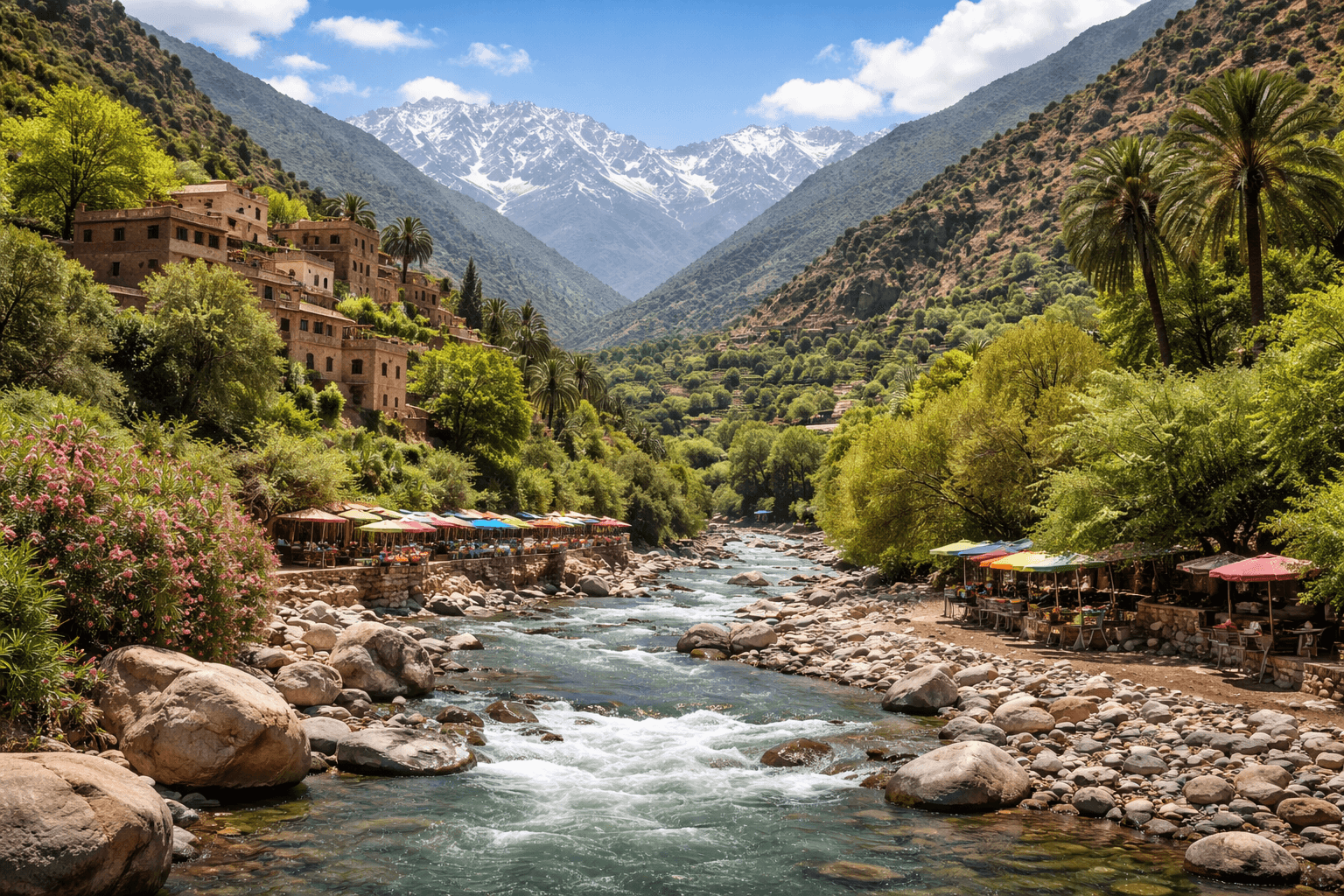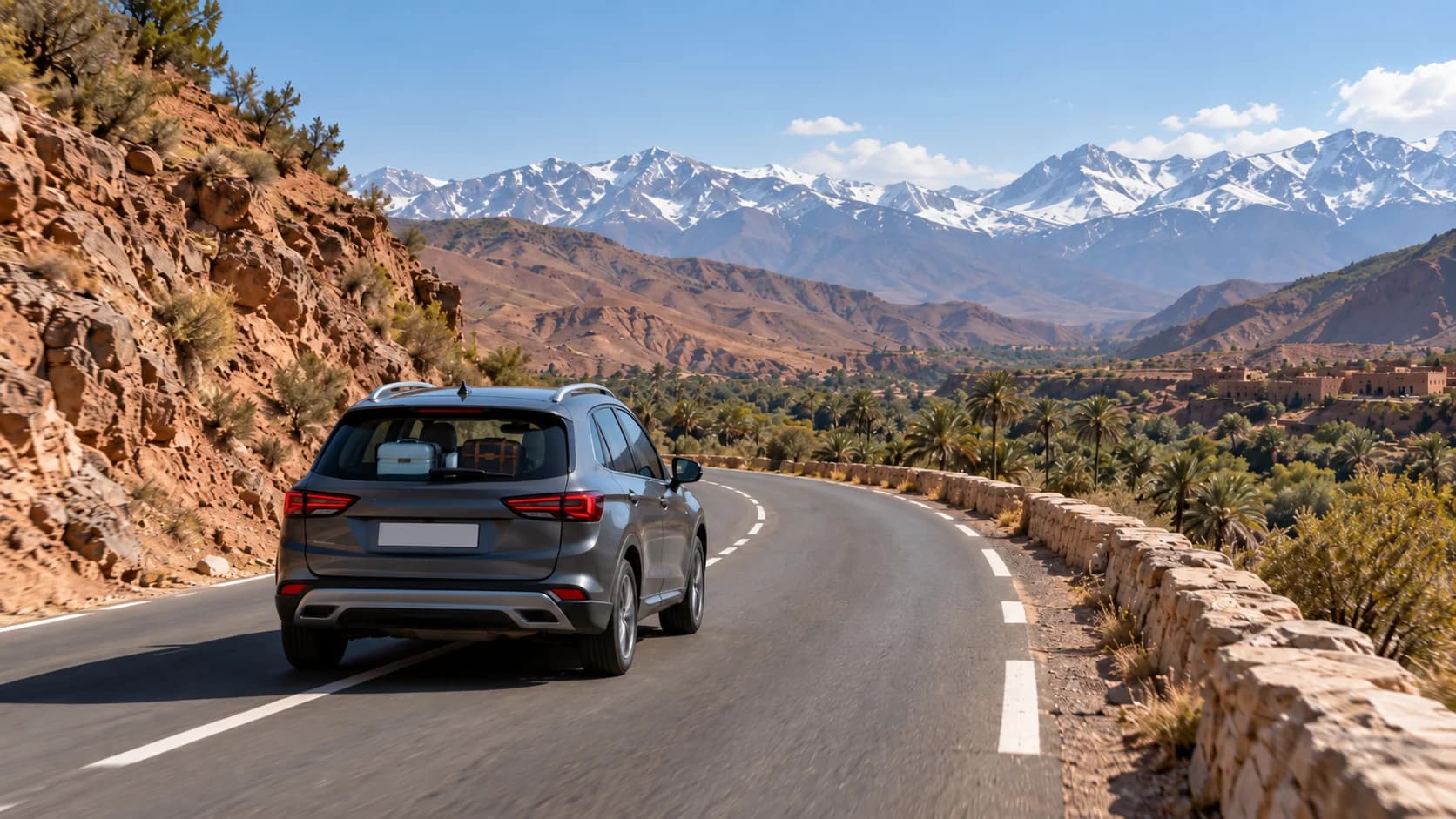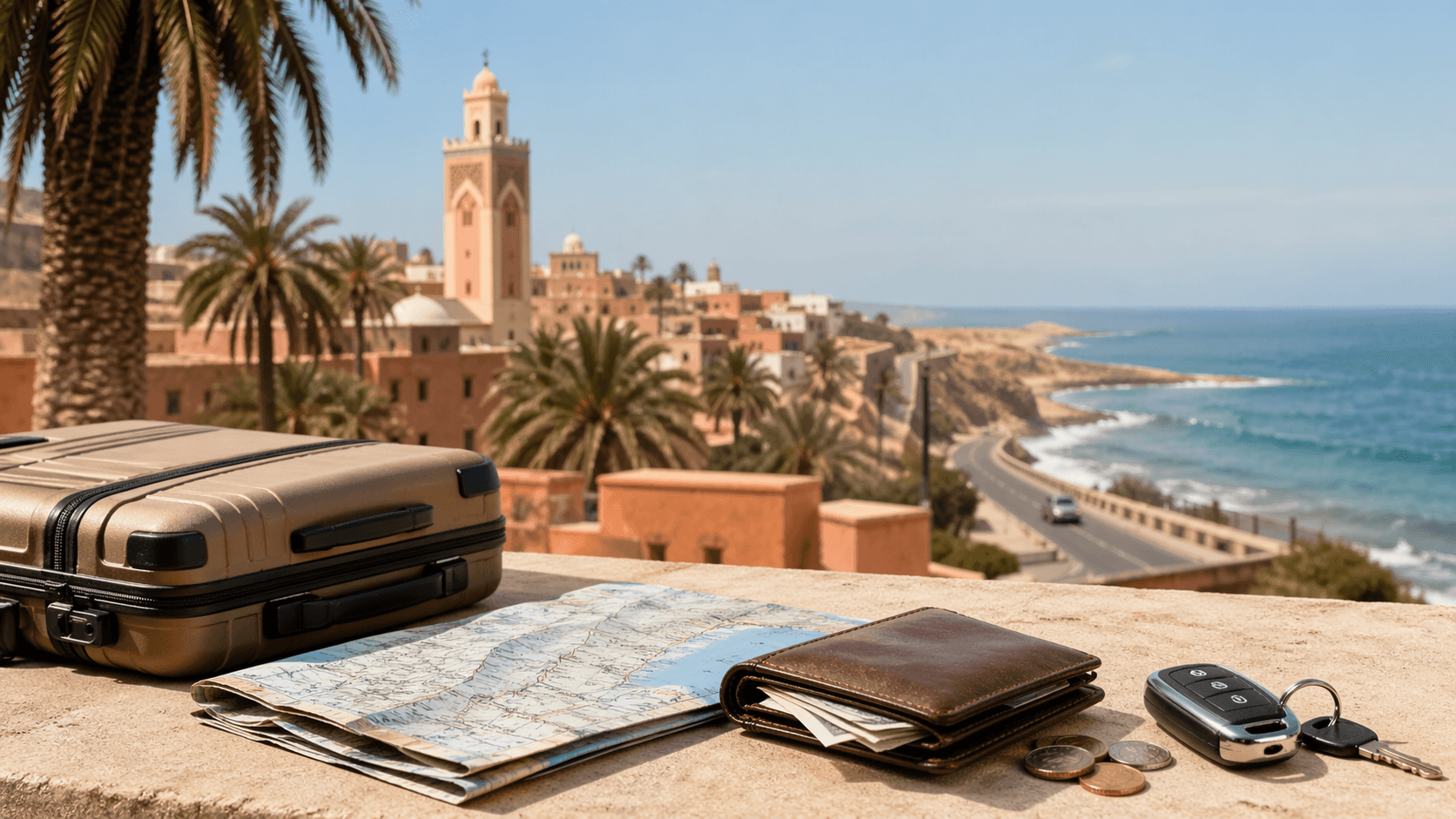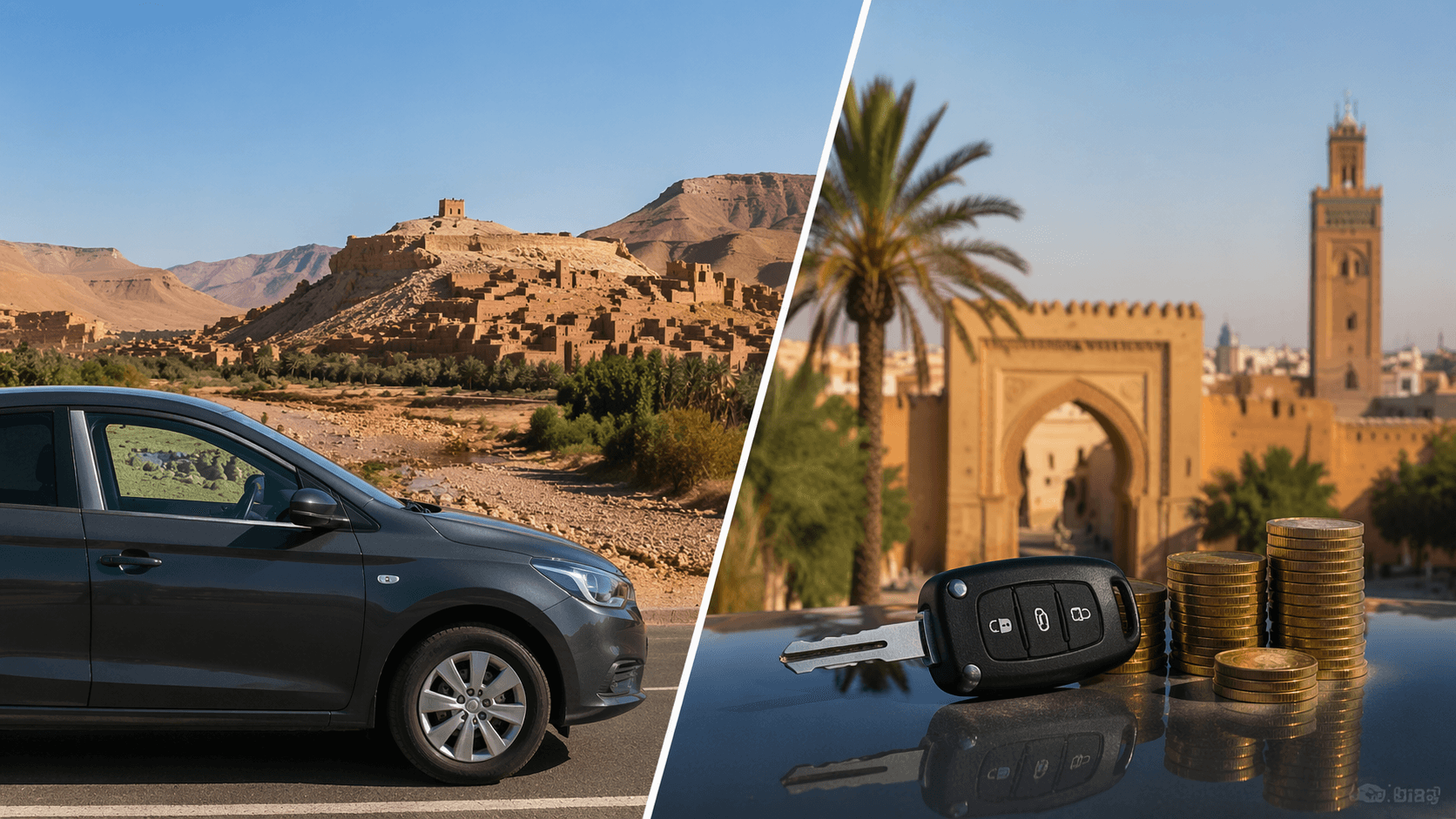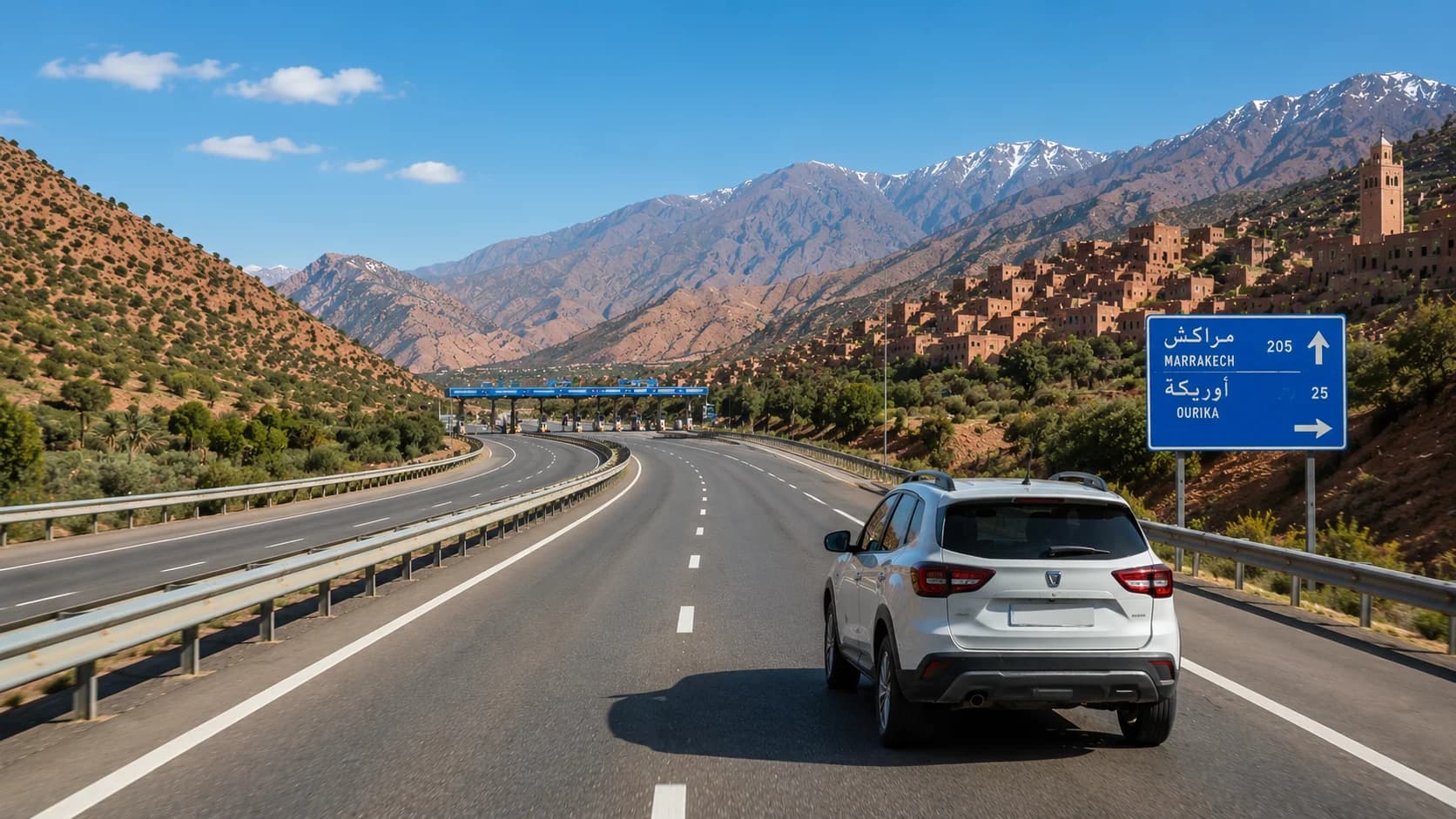







Many travelers automatically picture Morocco as a spring or autumn destination, but winter may actually be one of the country’s most rewarding seasons. Between December and February, Morocco offers something few destinations can match: sunny Atlantic beaches, snow-covered mountains, crisp desert skies, lively medinas without peak-season crowds, and lower travel prices across many regions.
One of the biggest surprises for first-time visitors is how varied Morocco’s winter climate really is. You can have lunch in mild coastal sunshine, drive past snowy Atlas peaks in the afternoon, and sleep under clear Sahara stars the same night. Winter also brings a calmer atmosphere to major destinations like Marrakech and Fes, where sightseeing becomes more comfortable compared to the hotter months.
For travelers looking to avoid overcrowded destinations in Europe while still enjoying good weather, Morocco in winter is an excellent choice. Coastal cities stay relatively mild, the desert becomes pleasant instead of extremely hot, and mountain landscapes transform completely after snowfall. Morocco’s official tourism platform also promotes winter travel for desert experiences, mountain escapes, and cultural city breaks across the country.
Whether you are planning a Christmas escape, a New Year road trip, a winter sun holiday, or a mountain adventure, this guide explains exactly what to expect from Morocco in winter and how to plan the best possible trip.
Before deciding on travel dates, it is also worth reading our complete guide to Best Time to Visit Morocco for a season-by-season comparison.
Why Winter Is Underrated in Morocco
Winter is one of Morocco’s most underrated travel seasons because it combines comfortable temperatures, varied scenery, and fewer tourists. While many travelers focus only on spring or summer, winter often delivers a better balance between sightseeing conditions and overall value.
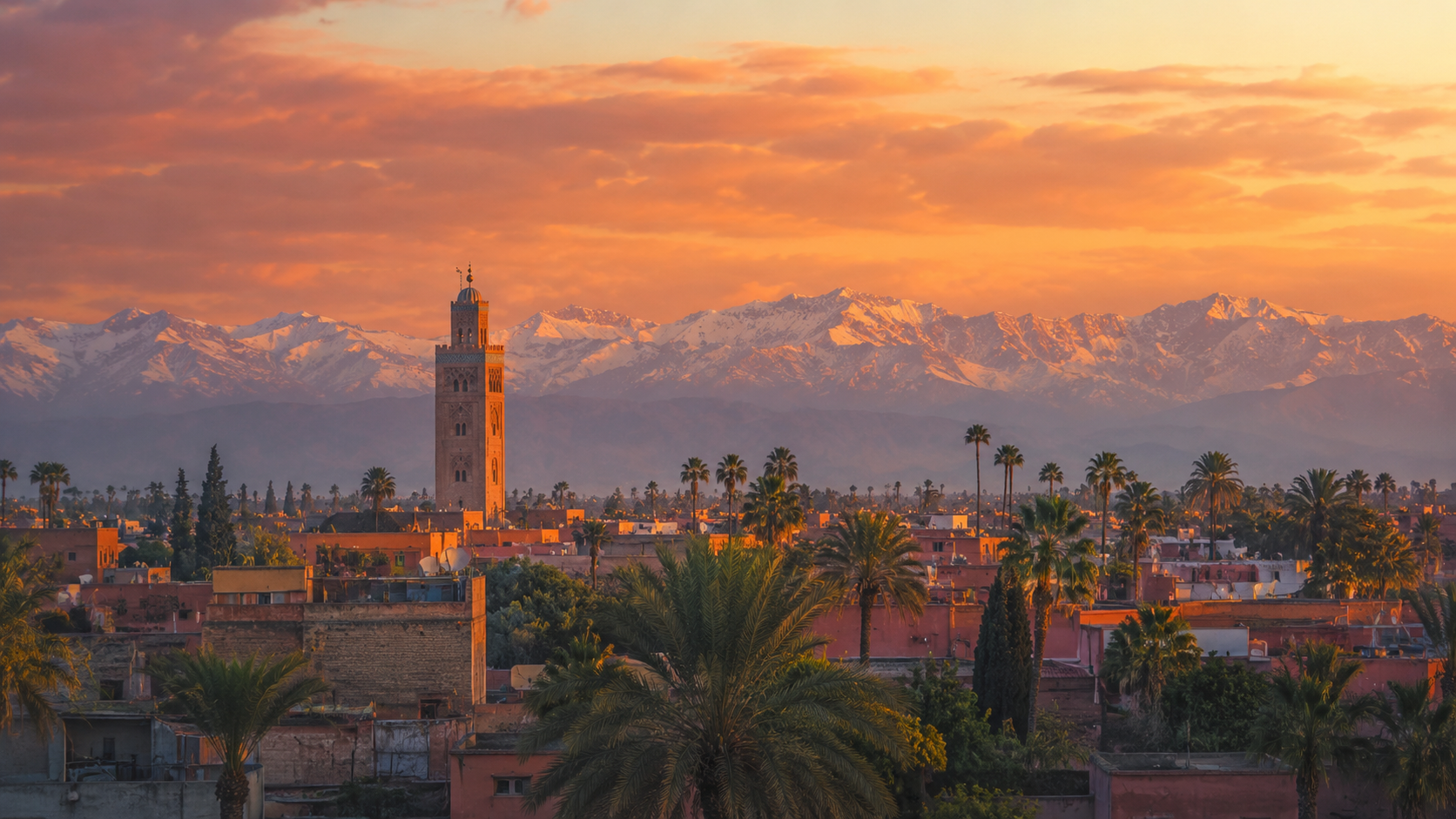
In cities like Marrakech, daytime temperatures are usually pleasant for walking, visiting gardens, exploring souks, and enjoying rooftop dining. The desert becomes dramatically more comfortable than in summer, especially during the day when temperatures remain ideal for excursions and overnight camps. Meanwhile, the Atlas Mountains can receive heavy snow, creating landscapes that many visitors never expect to see in North Africa.
Another major advantage is pricing. Outside the Christmas and New Year holiday period, accommodation and transport can be noticeably cheaper than during spring or summer peaks. Attractions are also less crowded, making winter an excellent time for travelers who prefer a slower and more authentic atmosphere.
Winter is especially appealing for:
- Couples looking for a relaxed city break
- Road-trip travelers
- Desert lovers
- Photographers
- Travelers escaping colder European winters
- Visitors wanting lower-season prices
Morocco’s diversity becomes even more visible during winter because different regions experience completely different climates at the same time.
Winter Weather by Region: Coast, Interior, Atlas & Desert
One reason winter travel works so well in Morocco is that the country has several climate zones. Conditions can vary significantly depending on where you go.
Atlantic Coast
Coastal cities like Agadir, Essaouira, Casablanca, and Rabat remain relatively mild throughout winter. Agadir is particularly popular because it often enjoys sunny weather and daytime temperatures around 20°C during much of the season. Morocco’s tourism authorities regularly present Agadir as a year-round sunshine destination thanks to its Atlantic climate.
The coast is ideal for:
- Winter sun holidays
- Relaxed road trips
- Surfing
- Seaside cafes and promenades
- Families wanting mild weather
Rain is possible, especially farther north, but long periods of sunshine are still common.
Interior Cities
Cities such as Marrakech and Fes have cooler winters than many travelers expect. Days are often sunny and pleasant, but mornings and evenings can become surprisingly cold. Temperatures can drop close to freezing overnight in some inland areas.
This is one reason winter packing matters more in Morocco than people assume.
Atlas Mountains
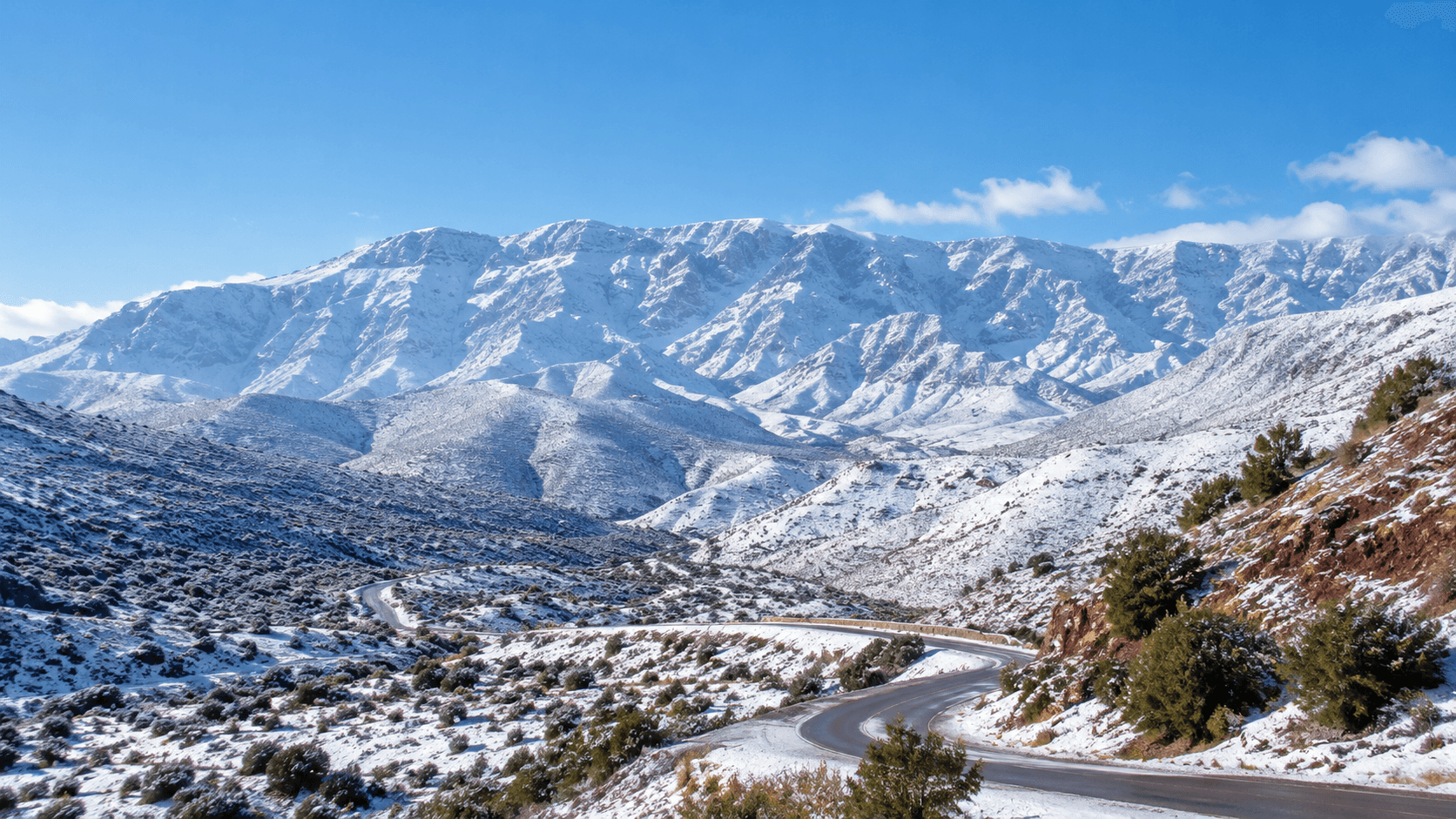
The Atlas Mountains experience real winter conditions. Snowfall is common at higher elevations between December and February, especially around Oukaimeden and the High Atlas region near Marrakech. Roads can occasionally become difficult during storms, particularly in mountain passes.
The snowy scenery creates one of Morocco’s most unique winter experiences. Travelers can even combine warm city days with snowy mountain excursions in the same trip.
Our full Atlas Mountains Guide explains the region in much more detail.
Sahara Desert
Winter is widely considered one of the best seasons for visiting the Sahara. During summer, desert heat can become intense, especially in Merzouga and southeastern Morocco. In winter, daytime conditions are far more comfortable for camel rides, desert camps, and photography.
However, nights become cold, sometimes very cold. Temperatures can drop close to freezing overnight in the dunes, especially in January.
Marrakech in Winter
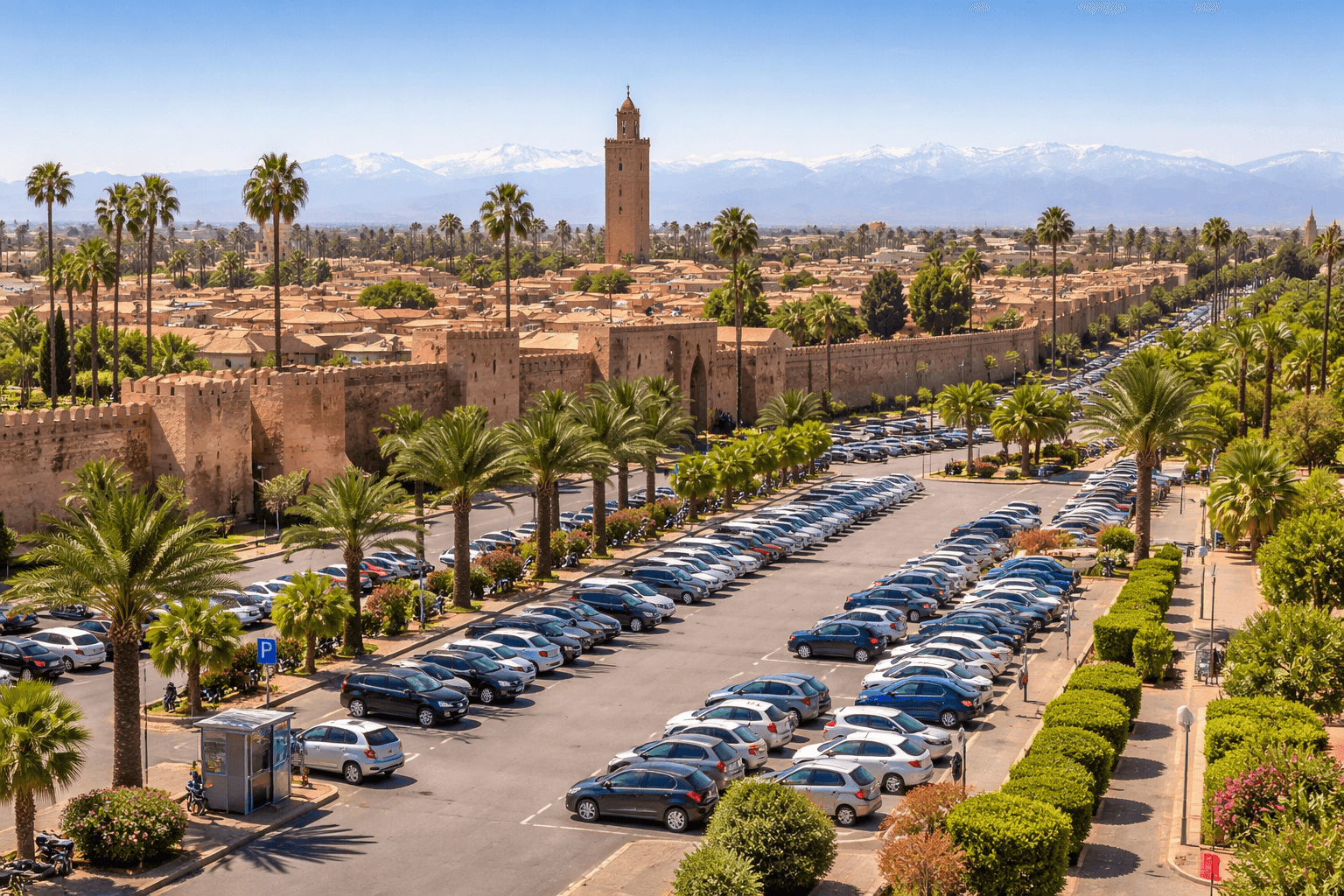
Marrakech is one of Morocco’s best winter destinations because the city becomes easier to explore without extreme heat. During spring and summer, long afternoons in the medina can feel exhausting for some travelers. In winter, sightseeing becomes much more comfortable.
The city’s gardens, riads, museums, souks, and rooftop cafes are especially enjoyable under mild winter sunshine. Many travelers are surprised by how pleasant daytime conditions feel between December and February. Even during cooler weeks, afternoons often remain perfect for walking around the medina or relaxing in outdoor courtyards.
Winter is also a great time for:
- Hammam experiences
- Food tours
- Shopping in the souks
- Atlas day trips
- Photography
- Rooftop dining
At night, temperatures can drop quickly, especially in riads with open courtyards. Travelers should always bring warmer layers for evenings.
The city becomes busier during Christmas and New Year, when many European visitors arrive for winter sun holidays. Outside those dates, Marrakech often feels calmer and more relaxed than during peak tourist seasons.
If you are planning your first visit, our detailed Marrakech Travel Guide covers neighborhoods, attractions, transport, and travel planning tips.
Desert in Winter: The Best Time for the Sahara
For many travelers, winter is actually the best season to visit Morocco’s desert regions. During summer, daytime temperatures in the Sahara can become extremely intense. Winter changes the entire experience.
In Merzouga and surrounding dune areas, daytime conditions are generally pleasant for:
- Camel excursions
- Desert camps
- Sandboarding
- Photography
- Scenic drives
- Stargazing
The air also tends to be clearer during winter, creating excellent visibility and dramatic sunrise and sunset colors over the dunes.
One important thing to understand is that desert winters bring strong temperature contrasts. Days can feel warm in direct sunlight, but nights become genuinely cold. Travelers staying overnight in camps should pack proper layers, warm socks, and insulated outerwear.
Winter is also one of the best times for long desert road trips because cooler conditions make driving far more comfortable.
Popular winter desert routes include:
- Marrakech → Ait Benhaddou → Dades → Merzouga
- Fes → Midelt → Erfoud → Merzouga
- Agadir → Tata → Zagora
For photographers and road-trip travelers, winter often offers Morocco’s best desert conditions overall.
Skiing at Oukaimeden: Yes, Really
Many people are shocked to discover that Morocco has a ski resort. Oukaimeden, located in the High Atlas Mountains south of Marrakech, is Africa’s highest ski resort and can receive significant snowfall during winter.
Depending on snowfall levels, the area can offer:
- Skiing
- Snowboarding
- Snow play
- Mountain cafes
- Scenic winter landscapes
Road access is usually possible from Marrakech in a few hours, making it one of the country’s most unusual day trips.
Conditions vary heavily from year to year because snowfall changes depending on winter storms. Some seasons bring excellent snow coverage while others remain lighter. Travelers should always check recent conditions before planning a ski-focused trip.
Even if you are not interested in skiing itself, the mountain scenery during winter is impressive and completely different from what many people expect from Morocco.
Christmas & New Year in Morocco
Morocco is not traditionally a Christmas destination in the European sense, but many hotels, riads, and tourist areas still organize festive dinners, decorations, and New Year celebrations for international visitors.
Marrakech is especially popular during the holiday season, with rooftop restaurants, luxury riads, and hotels offering special events and winter packages. Agadir also attracts travelers looking for warmer coastal weather during the European winter.
Christmas in Morocco tends to feel more relaxed and less commercial than in many Western countries. Travelers often choose Morocco specifically because it combines winter sunshine with a different cultural atmosphere.
New Year’s Eve can be lively in:
- Marrakech
- Agadir
- Casablanca
- Luxury desert camps
It is important to book accommodation and transport early for late December because demand rises significantly during the holiday period.
What to Pack for Winter Morocco
Packing correctly for Morocco in winter is important because temperatures vary more than most travelers expect.
Essentials include:
- Layers for changing temperatures
- A warm jacket for evenings
- Comfortable walking shoes
- Sunglasses
- Sunscreen
- A scarf or light hat
- Warm sleepwear for desert camps
- Rain protection for northern cities
For mountain or desert trips, warmer clothing becomes especially important. Even sunny winter days can turn cold after sunset.
Travelers visiting multiple regions should pack for several climates at once:
- Mild coast
- Cool cities
- Cold mountains
- Chilly desert nights
This variety is one reason Morocco feels so unique in winter.
Winter Driving: Roads, Snow & Rain
Winter is an excellent season for Moroccan road trips, but conditions require more preparation than in summer.
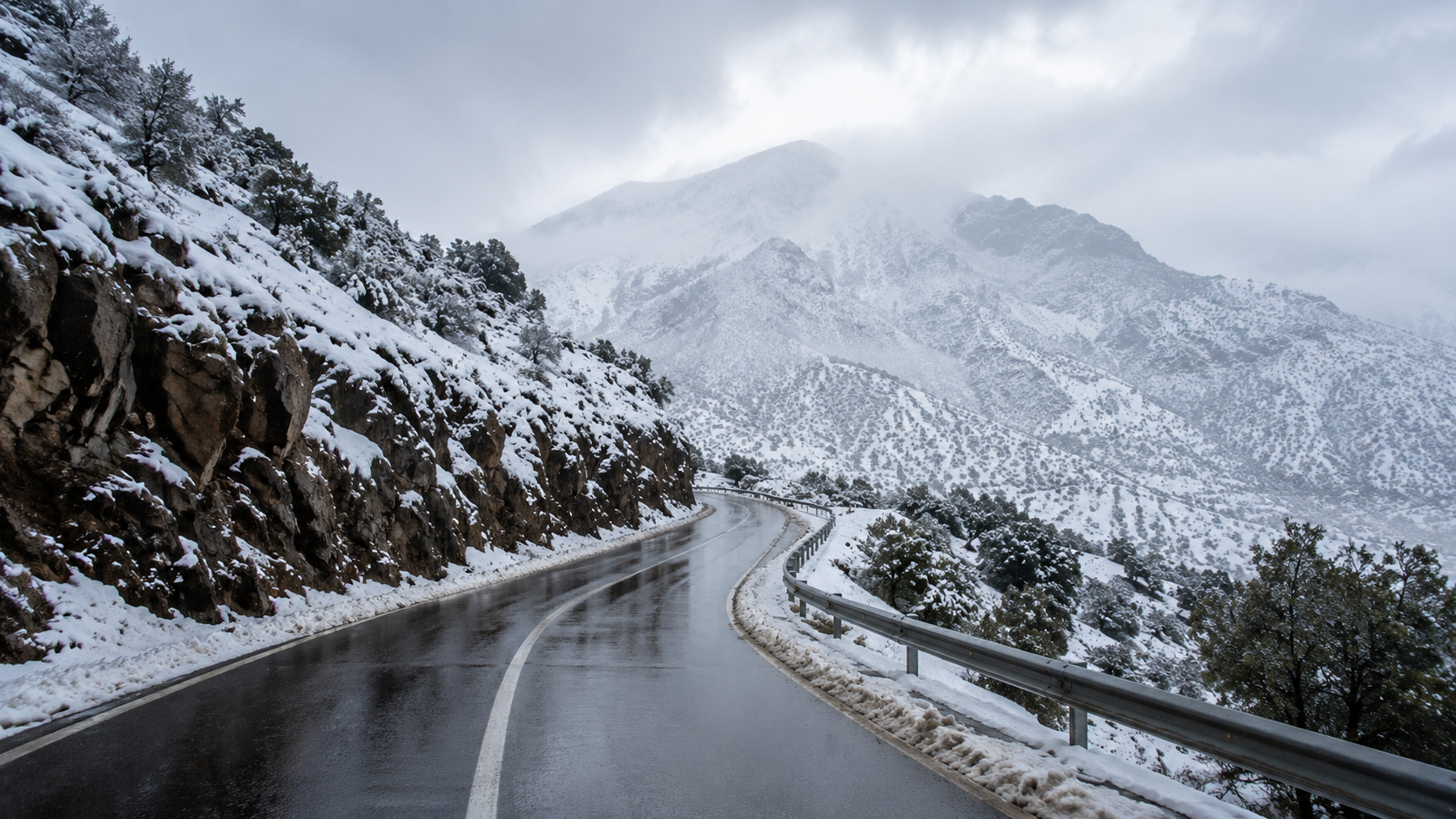
Most highways and major roads remain accessible throughout winter. Coastal routes and southern desert roads are generally straightforward during normal weather conditions. However, mountain regions can experience:
- Snow
- Ice
- Fog
- Temporary closures
- Heavy rain
Drivers planning Atlas crossings should always monitor forecasts before departure. Rural roads may also become slippery during storms.
Winter driving advantages include:
- Cooler temperatures
- Less crowded roads
- Better sightseeing comfort
- More pleasant long-distance driving
For travelers wanting flexibility between cities, mountains, and desert regions, renting a car is often the easiest option. Explore available vehicles through Car Rental Morocco before your trip.
Prices & Crowds in Winter
Winter can offer excellent value in Morocco, especially outside holiday weeks. Accommodation prices often drop compared to spring and summer, and many destinations feel calmer.
The main exception is the Christmas and New Year period, when demand increases significantly in cities like Marrakech and Agadir.
Advantages of winter travel include:
- Lower hotel prices outside holidays
- Fewer crowds at attractions
- Easier restaurant reservations
- Better photography conditions
- More relaxed sightseeing
For travelers balancing weather, budget, and comfort, winter is often one of Morocco’s smartest seasons overall.
Is Morocco Good in Winter? Final Verdict
Yes, Morocco is absolutely worth visiting in winter.
Few destinations offer the same combination of:
- Mild coastal weather
- Snow-covered mountains
- Comfortable desert conditions
- Rich cultural cities
- Lower-season value
- Easy regional variety
Winter is especially ideal for travelers who dislike extreme summer heat or overcrowded tourist seasons. Whether you want a Marrakech city break, a Sahara road trip, an Atlas adventure, or a coastal escape, winter opens up experiences that many visitors completely overlook.
Morocco in winter is not just “good for the season.” For many travelers, it may actually be the best time to visit the country.
FAQ
1. Is Morocco good in winter?
Yes. Winter is one of Morocco’s best travel seasons thanks to mild coastal weather, comfortable desert temperatures, fewer crowds, and lower prices outside holiday periods.
2. Is Morocco warm in December?
Many parts of Morocco remain mild in December, especially coastal cities like Agadir. However, evenings and mountain regions can become cold.
3. Does it snow in Morocco?
Yes. Snow is common in the Atlas Mountains during winter, especially in higher elevations around Oukaimeden and the High Atlas region.
4. Can you ski in Morocco?
Yes. Oukaimeden in the Atlas Mountains is Morocco’s best-known ski resort and can receive significant snowfall during winter.
5. Is the Sahara too cold in winter?
Days are usually comfortable, but nights can become very cold. Warm clothing is essential for overnight desert stays.
6. What is Marrakech like in winter?
Marrakech is usually sunny and pleasant during the day in winter, making sightseeing far more comfortable than during hotter months.
7. Is Morocco expensive in winter?
Outside Christmas and New Year, winter can actually be one of the more affordable times to visit Morocco.
8. What should I pack for Morocco in winter?
Bring layers, warm evening clothing, comfortable shoes, and extra insulation for mountain or desert trips.
9. Is Agadir warm in winter?
Agadir is one of Morocco’s warmest winter destinations thanks to its Atlantic coastal climate.
10. Are roads safe in Morocco during winter?
Most major roads remain accessible, but mountain routes may experience snow or temporary weather-related difficulties.
11. Is Morocco crowded during winter?
Most destinations are quieter during winter except around Christmas and New Year holidays.
12. What is the best winter destination in Morocco?
It depends on your travel style. Marrakech is ideal for culture, Agadir for winter sun, and Merzouga for desert experiences.
Book with MarHire
Winter is one of the best times to experience Morocco’s diversity, from sunny Atlantic beaches to snowy Atlas peaks and clear Sahara nights. Whether you are planning a Marrakech city break, a coastal road trip, or a desert adventure, the right transport makes winter travel much easier and more flexible.
With MarHire, you can explore Morocco at your own pace with reliable vehicles suited for cities, mountains, and long-distance winter routes.
Browse available options through Car Rental Morocco and start planning your Morocco winter escape today.