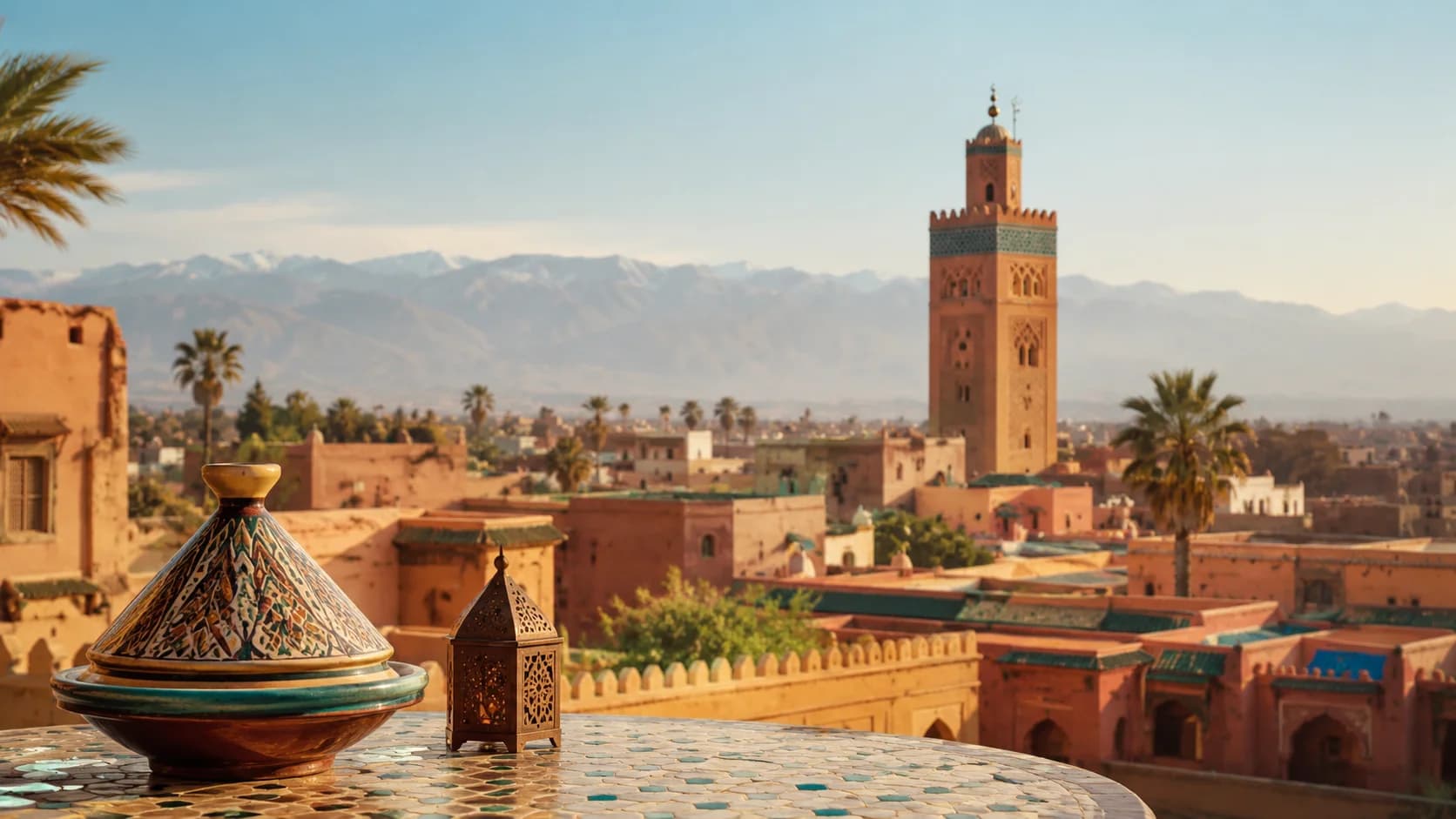




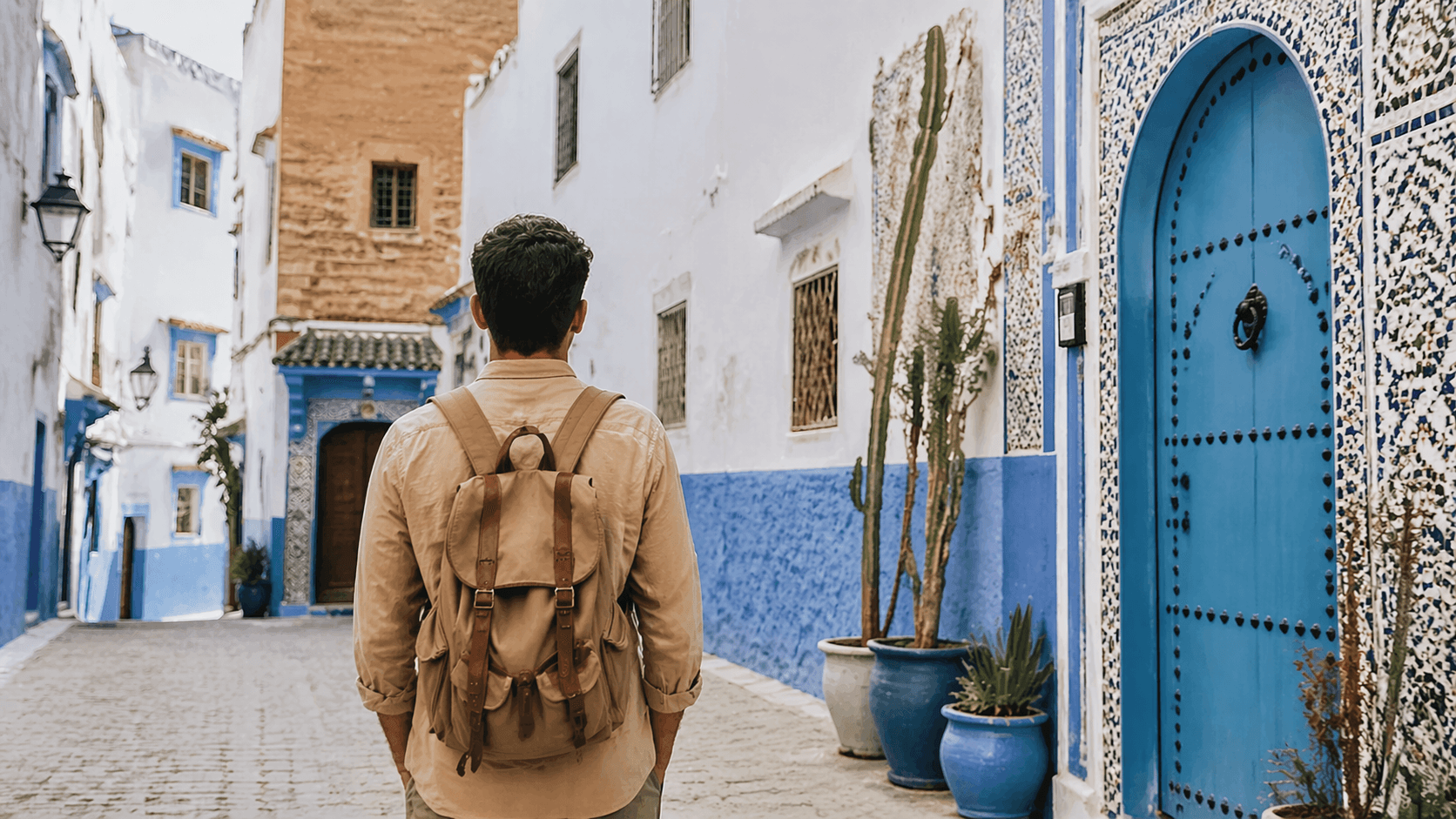
Solo travel in Morocco can be rewarding, memorable, and very manageable with the right preparation. Morocco welcomes large numbers of international visitors every year, and popular destinations such as Marrakech, Agadir, Fes, Casablanca, Tangier, Essaouira, and Chefchaouen are well established on the tourism map. Morocco’s official tourism portal presents the country as a year-round destination with major city, coastal, and cultural circuits, while the UK’s current travel advice says most visits are trouble-free, though travelers should still take normal safety precautions and stay alert in busy places.
So, is Morocco safe for solo travelers? In general, yes, for most travelers who plan sensibly, stay aware of their surroundings, and avoid unnecessary risks. The biggest issues solo visitors are more likely to face are not extreme dangers, but practical travel problems: getting overcharged, unwanted attention, confusion in busy medinas, persistent “guiding” offers, transport misunderstandings, and basic pickpocketing risks in crowded areas. Good preparation usually makes a huge difference.
This guide explains how to approach solo travel Morocco safety in a realistic way. It covers general street awareness, solo female travel advice, moving around cities, choosing transport, handling scams, selecting accommodation, and keeping emergency information close at hand. With the right habits, Morocco can be a strong destination for independent travelers who want culture, coast, food, day trips, and flexibility.
General Safety Overview
For most solo travelers, Morocco feels busiest rather than inherently unsafe. The pace can be intense in historic city centers, especially in medina districts where streets are narrow, foot traffic is heavy, and many people may approach visitors for directions, sales, taxis, tours, or unsolicited help. That environment can feel overwhelming if it is your first solo trip in North Africa, but it is usually more about confidence and awareness than panic.
A smart approach is to treat Morocco like any major travel destination where street awareness matters. Keep your phone secure, avoid displaying large amounts of cash, stay attentive in transport hubs and crowded markets, and do not assume every helpful stranger is offering help for free. In tourist-heavy zones, confidence matters. Walking calmly, knowing your route, and not looking rushed or lost often reduces unwanted attention.
It is also worth keeping perspective. Current official travel advisories from both the UK and the U.S. do not say travelers should avoid Morocco entirely; they advise awareness, preparation, and extra caution, particularly in crowded public places and transport-related locations. That is a different message from saying Morocco is unsafe for tourism overall.
For most visitors, the practical safety formula is simple: choose well-reviewed accommodation, use known transport options, avoid isolated situations late at night, and keep your plans flexible enough that you do not feel pressured into bad decisions. Solo travelers who follow those basics usually do well.
Safety Tips for Solo Female Travelers
Solo female travel Morocco is absolutely possible, but it often requires more active boundary-setting than some travelers expect. Women traveling alone may receive more attention than male travelers, especially in busy medinas, tourist centers, and transport areas. That does not mean Morocco is off-limits for solo women. It means preparation, confidence, and situational awareness matter more.
A practical first step is dressing in a way that helps you feel comfortable and avoids drawing unnecessary attention. Morocco includes a wide range of dress styles, especially in major cities and beach areas, but modest and travel-practical clothing often helps solo women blend in more comfortably. This is less about strict rules and more about reducing friction in public spaces.
It also helps to be firm, brief, and polite when declining unwanted conversation. A simple “no, thank you” and continuing to walk is often more effective than engaging too much. If someone keeps following or pushing unwanted help, head toward a busier shop, café, hotel entrance, or family-heavy area rather than continuing into a quiet street. Daytime exploration is usually easier than very late wandering, especially if you do not yet know the area well.
Many solo female travelers also find that pre-arranging airport pickup, choosing a riad or hotel with strong recent reviews, and using organized transport for longer transfers reduces stress significantly. If you prefer more control over intercity or airport movement, Private Driver Morocco can be a comfortable option for selected routes, especially on arrival days or early departures. Internal planning like this often matters more than broad fear-based advice.
Navigating Moroccan Cities Safely
The safest way to navigate Moroccan cities is to understand that not every street works the same way. Newer districts in Casablanca, Rabat, Agadir, and parts of Marrakech often feel easier to read, with wider roads, clearer layouts, and more straightforward movement. Medina areas are different. They can be beautiful and rewarding, but also disorienting, crowded, and full of small interactions competing for your attention.
Before going out, pin your accommodation on your phone, download offline maps, and note one or two major landmarks nearby. If your battery dies, knowing the name of a gate, square, mosque area, or major street can save time and stress. It is also wise to screenshot your accommodation address and keep it accessible without internet. These simple habits help you avoid relying too much on strangers for directions.
At night, stick to areas with visible foot traffic, restaurants, hotels, or open shops. That does not mean every evening walk is unsafe, but solo travelers should be more selective after dark, especially in places they have not already explored during the day. If a lane feels too quiet, too pushy, or just wrong, trust that feeling and take a more public route. Choosing the slightly longer visible route is often the better decision.
You should also be cautious with anyone who insists a road is “closed,” claims your destination is “that way,” or starts “guiding” you without being asked. This is one of the most common medina frustrations for tourists. When possible, walk with purpose, use your map discreetly, and enter a shop or café to re-check directions if needed.
Transportation Safety
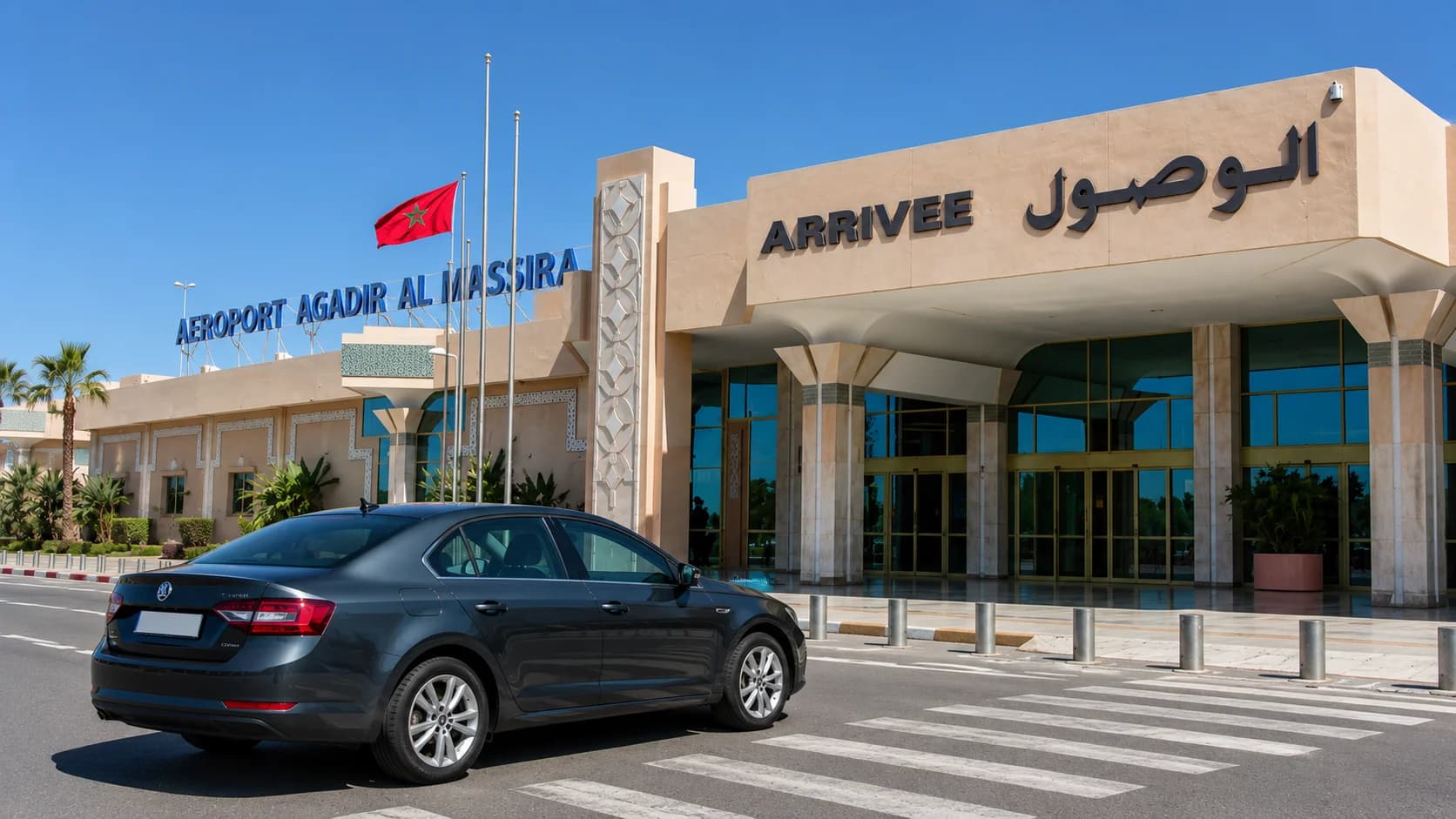
Transport choices have a major impact on Morocco travel safety for solo visitors. Airport arrivals, late-night station exits, and unfamiliar taxi systems can be the moments when travelers feel most vulnerable, not the sightseeing itself. Reducing uncertainty on arrival is one of the best things you can do for your trip.
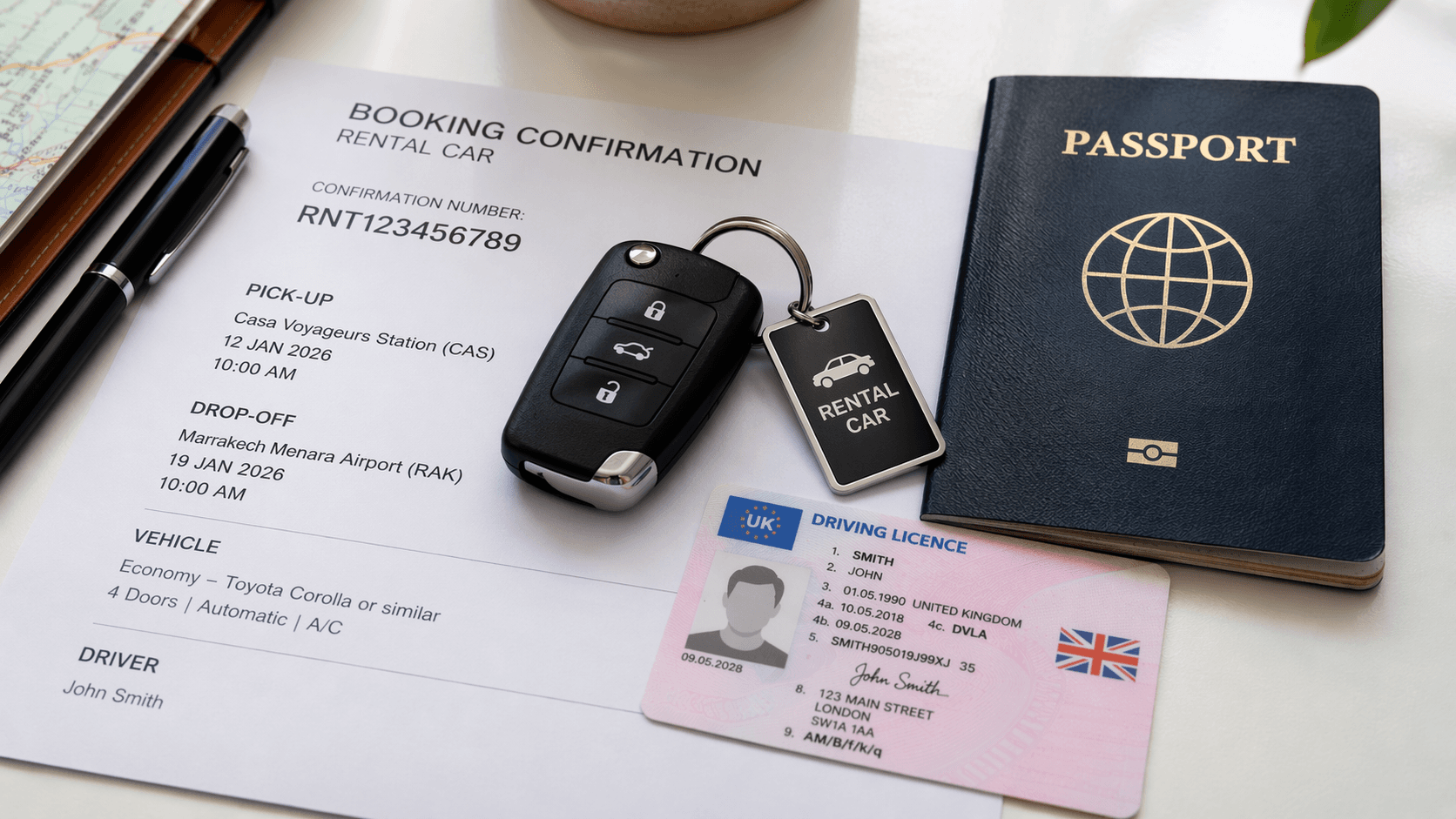
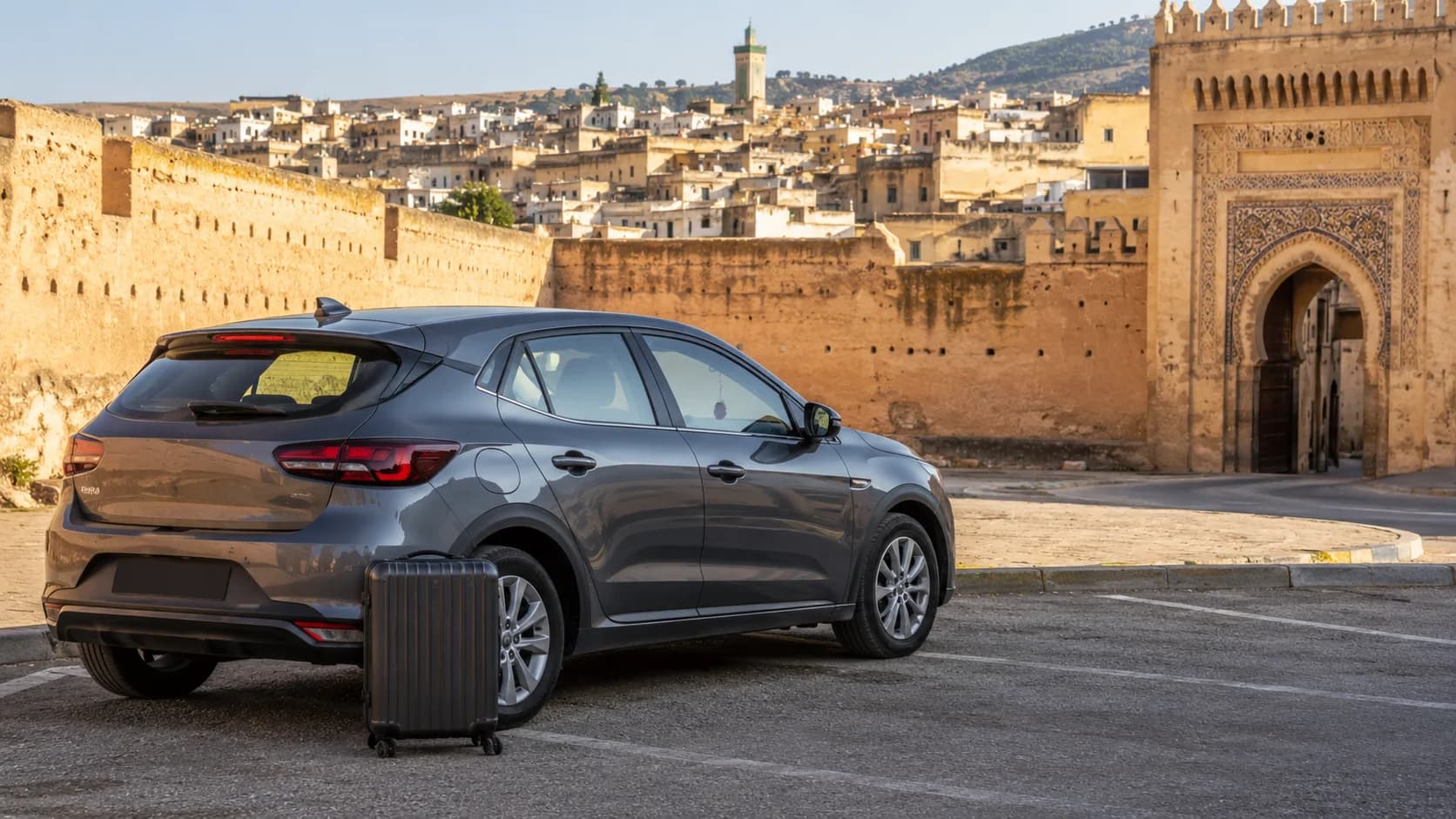
For airport and hotel transfers, pre-booking is often the easiest approach. It gives you a known pickup point, a clear destination, and less pressure from on-the-spot negotiations. For travelers who want full flexibility across different regions, Car Rental Morocco can be a good option if you are comfortable driving and want to avoid repeated transport bargaining.
If you use taxis, confirm the arrangement clearly before departure when necessary and avoid getting into vague transport situations with people who approach you unofficially at stations or outside airports. The safest transport choice is usually the one with the fewest unknowns: known driver, known price logic, known route, and known destination.
For intercity travel, Morocco has established bus and rail networks on major routes, but solo travelers should still keep basic precautions in mind: watch bags during loading and unloading, keep valuables on you rather than in easily opened outer pockets, and avoid arriving somewhere new very late at night if you can help it. In practical terms, daylight arrivals are usually easier.
Accommodation Safety
Accommodation can make or break a solo trip. A well-located riad, guesthouse, or hotel with strong recent reviews often improves both comfort and security. Prioritize places with clear check-in communication, visible recent feedback about staff helpfulness, and a location that is easy to reach without complicated last-minute navigation.
If you are staying in a medina, it helps to arrange guidance or pickup with the property in advance, especially for your first arrival. Once you know the route, returning becomes easier. Inside the property, use the room safe if available, lock your door properly, and keep passport, backup card, and emergency cash separated rather than stored all together.
Ground-floor rooms are not automatically bad, but some solo travelers prefer upper floors in guesthouses or hotels with staffed reception. What matters most is not luxury but reliability, location, and clear communication.
Common Scams & How to Avoid Them
Most problems solo travelers face in Morocco are small scams or pressure tactics rather than serious crime. The classic example is the unsolicited guide: someone notices that you are checking directions, then offers to help, walk you somewhere, or lead you through the medina, only to demand payment later. The simplest response is not to engage. If you need help, ask inside a shop, café, hotel, or from clearly established staff instead.
Another common issue is exaggerated pricing in tourist-heavy areas. That can apply to taxis, market items, or informal “services.” The goal is not to become suspicious of everyone, but to slow down and avoid rushed decisions. Ask calmly, compare when possible, and do not be pressured into accepting a price or service you did not request. Solo travelers sometimes feel awkward saying no, but a calm no is one of the best safety tools you have.
You may also hear lines such as “this road is closed,” “your hotel is that way,” or “the square is shut today.” These are often attempts to redirect tourists into unwanted guiding or shopping situations. Unless you see an obvious closure, do not assume the statement is true. Re-check your route yourself.
More broadly, be careful with anyone who pushes urgency. Scams often rely on speed, confusion, or social pressure. The safest response is usually to stop, step aside, and verify before agreeing to anything.
Emergency Contacts & Resources
It is smart to save a few core numbers before you arrive. According to current UK travel advice for Morocco, the main emergency numbers are 190 for police, 150 for ambulance and fire, and 177 for the gendarmerie. Keep these in your phone and also written offline in case your battery dies.
You should also save your accommodation number, travel insurer emergency contact, bank card cancellation line, and your embassy or consulate’s local contact page. Current foreign travel advice also recommends appropriate travel insurance that covers your itinerary, activities, and emergency expenses.
In most situations, the best response order is simple: move to a safer public place, contact local emergency services if needed, inform your accommodation or tour contact, and then contact your insurer or embassy support line for the next step if the issue is serious.
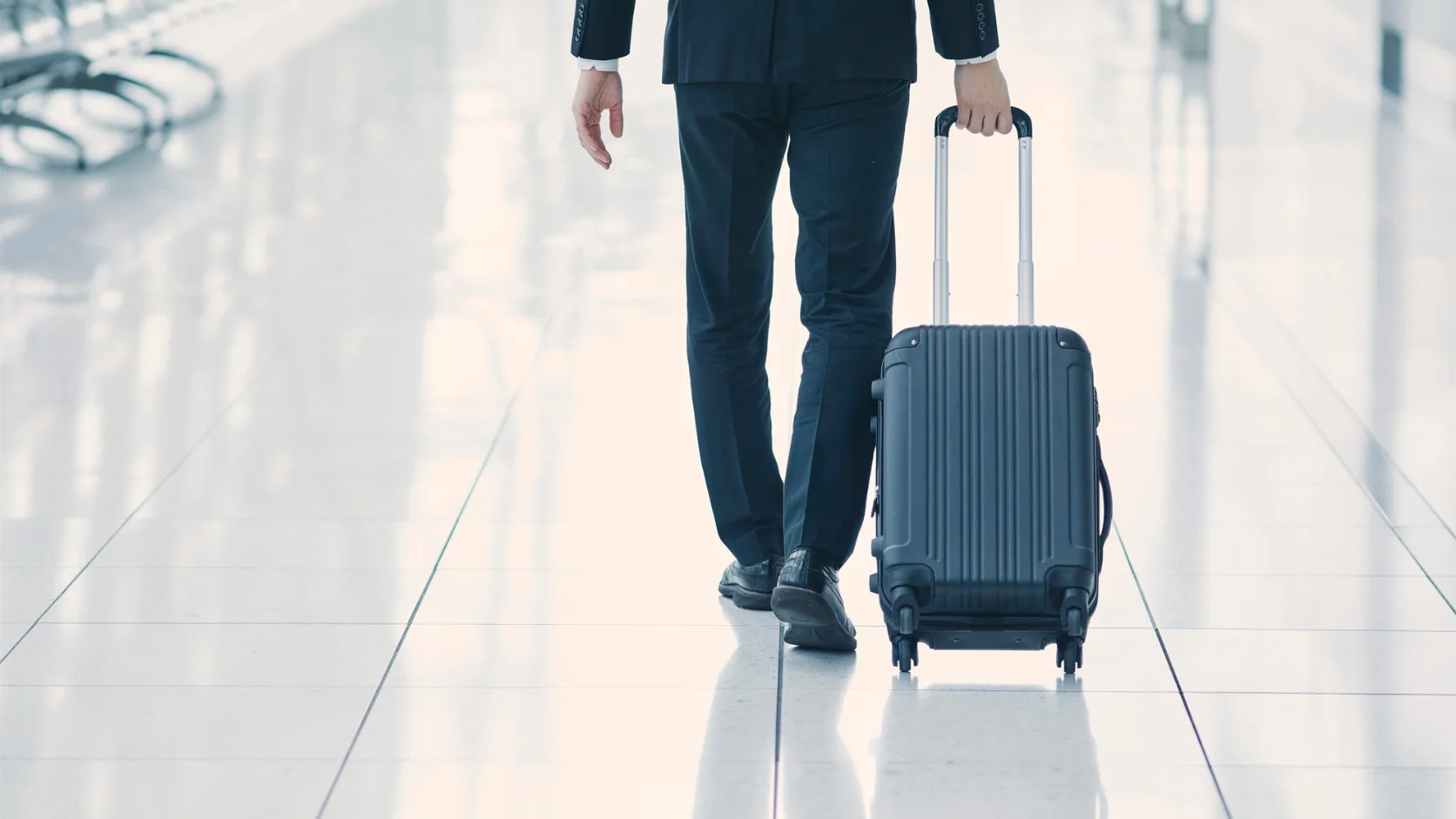
MarHire’s Practical Safety Recommendations for Solo Travelers
At MarHire, our view is simple: Morocco can be an excellent solo destination when the logistics are handled well. Many safety problems become much smaller when you reduce uncertainty around arrival, transfers, route planning, and accommodation access.
That usually means arriving in daylight when possible, choosing a well-reviewed stay, keeping your first-day transport simple, and not overloading your itinerary. It also means accepting that a smooth trip is often built on small decisions: good pickup planning, good accommodation location, and not putting yourself under pressure to “figure everything out on the spot.”
For travelers who want more independence between cities, a self-drive option can give freedom and predictability when planned well. For travelers who prefer easier transfers, especially on arrival or for longer intercity routes, a private driver can reduce friction even more. The safest trip is not always the most complicated one. It is usually the one with the fewest unknowns.
FAQ
1. Is Morocco safe for solo travelers?
Yes, generally. Most solo trips to Morocco are trouble-free when travelers take sensible precautions, stay alert in crowded areas, and plan transport and accommodation carefully.
2. Is Morocco safe for solo female travelers?
Yes, but solo female travelers usually benefit from stronger boundary-setting, more careful arrival planning, and extra awareness in busy public areas.
3. What are the most common tourist scams in Morocco?
Common issues include unsolicited guiding, overcharging, false route advice, and pressure-based sales tactics in busy tourist zones.
4. Is it safe to walk alone at night in Morocco?
It depends on the area, but solo travelers should generally prefer well-lit, populated streets and avoid wandering late in unfamiliar or quiet areas.
5. What emergency number should I call in Morocco?
Current UK travel advice lists 190 for police, 150 for ambulance and fire, and 177 for gendarmerie.
6. Is public transport safe in Morocco?
Major transport options are widely used, but solo travelers should still watch their belongings, avoid vague unofficial offers, and plan arrivals carefully, especially at night.
7. Should solo travelers rent a car in Morocco?
It can be a good option for travelers who are confident drivers and want more control over timing and routes, especially between cities. Safe route planning matters.
8. What should solo female travelers wear in Morocco?
There is no single rule, but many travelers find modest, practical clothing helps them feel more comfortable and reduces unwanted attention in some settings.
9. Is Morocco safe for first-time solo travelers?
Yes, but it is usually easier when travelers start with well-known destinations, keep their first transfers simple, and avoid overcomplicating the first few days.
10. What is the best way to stay safe in Moroccan medinas?
Use offline maps, stay aware of your route, avoid relying on unsolicited guides, and move toward busier public places if you feel uncomfortable.
Book with MarHire
Traveling solo in Morocco can be exciting, flexible, and very rewarding when the practical details are handled well. Whether you want to move independently between cities or keep arrivals and long transfers simple, choosing the right transport setup can make your trip feel much easier from day one.
Explore Car Rental Morocco for flexible self-drive travel, book Private Driver Morocco for smoother point-to-point transfers.