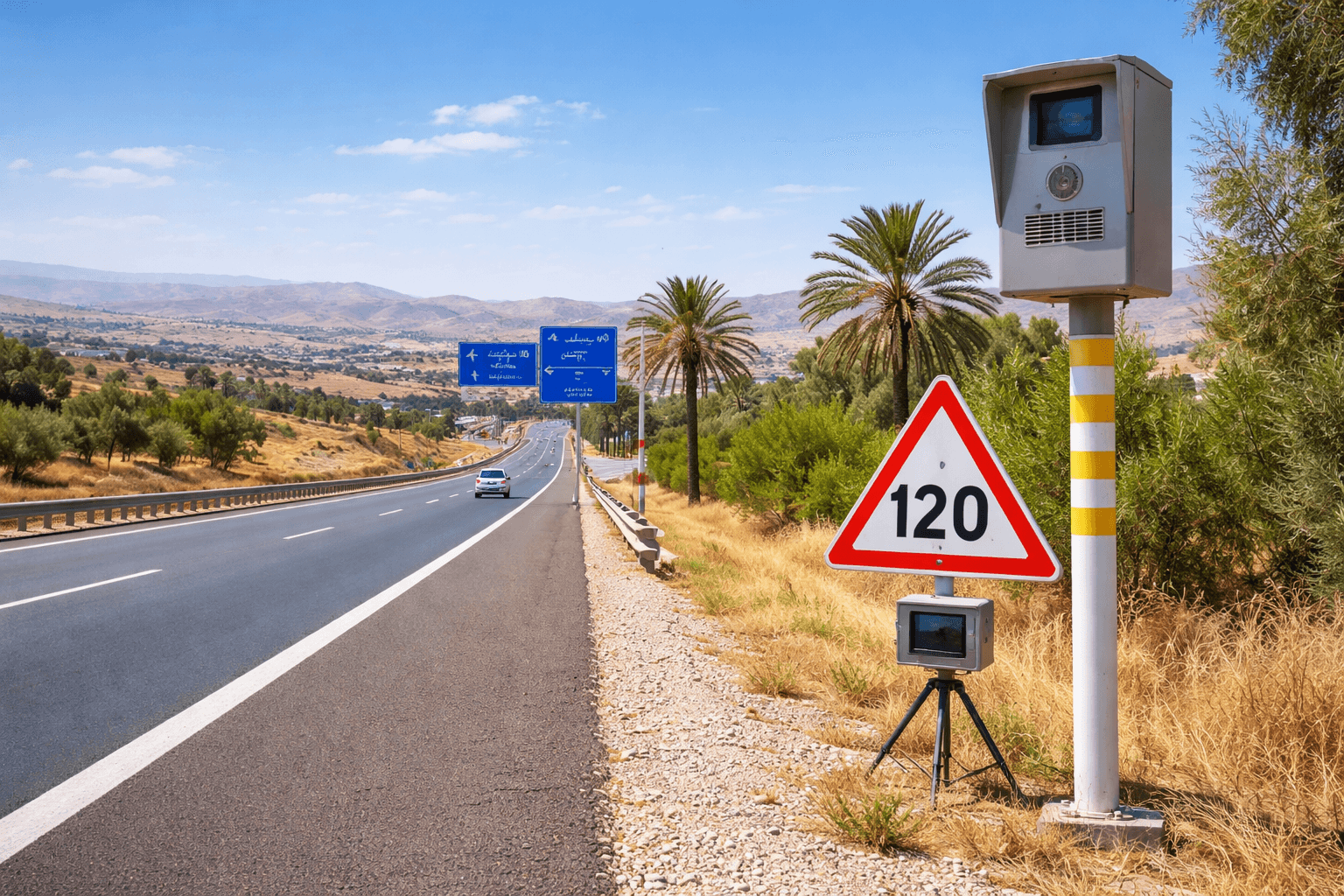



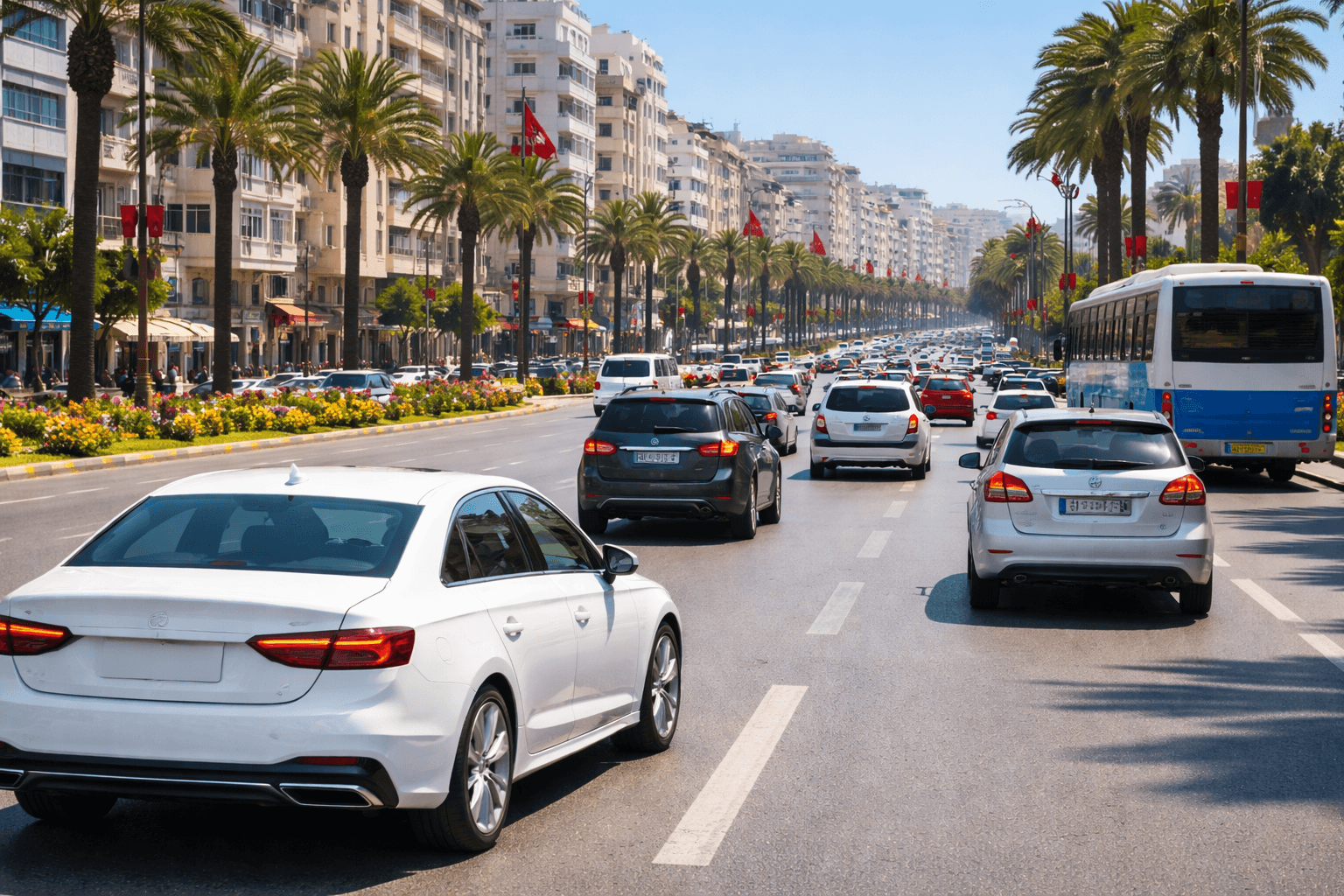
Driving in Morocco is often easier than first-time visitors expect, but it does come with its own rhythm. The main challenge is usually not the road itself. It is understanding how local traffic flows, how drivers communicate, and how to stay calm in situations that may feel faster or more informal than at home. Morocco drives on the right, major routes are well used by tourists, and road enforcement is real, with regular document checks and speed enforcement on many routes. GOV.UK advises drivers to carry insurance, licence, and registration documents at all times in Morocco, while practical driving guides for the country consistently note that speed cameras and police checks are common.
That means etiquette matters almost as much as rules. A visitor who drives smoothly, leaves space, watches mirrors, and avoids reacting emotionally will usually do far better than someone who tries to “win” every interaction. Morocco’s own road-safety authorities place major emphasis on vulnerable road users such as pedestrians and cyclists, and NARSA’s recent road-safety materials show they remain a large share of victims on Moroccan roads.
This guide explains the practical side of driving etiquette Morocco visitors should understand: how Moroccan driver behavior often works, what horn use usually means, how to handle roundabouts, how to park with less stress, and how to interact properly with traffic police.
For broader trip planning and vehicle options, start with Car Rental Morocco before getting on the road.
Understanding Moroccan Driver Behavior
Moroccan driving culture is best understood as alert, communicative, and adaptive. Local drivers often make decisions quickly, use eye contact and vehicle position as signals, and expect other road users to stay aware. To tourists, that can initially feel aggressive. In practice, it is often better described as highly interactive. Practical road guides for Morocco repeatedly warn visitors to stay observant at intersections, roundabouts, and mixed urban traffic because local flow can be more dynamic than in many European settings.
The most important thing is not to copy the most impatient behavior you see. Instead, drive predictably. Keep a steady speed, signal early, and do not assume that everyone around you will brake late or hold back for you. Even when you technically have priority, defensive driving is usually the smarter choice. Morocco’s safety environment also includes a significant risk to pedestrians and other vulnerable users, which is one reason NARSA continues to focus public messaging on them.
Tourists also benefit from dropping the idea that every road interaction is personal. A driver pulling forward, flashing lights, or sounding the horn is not always angry. Often, they are simply communicating intention. The best response is calm awareness, not confrontation. In Morocco, smooth driving is usually about reading the road early and making your own actions easy for others to predict. That matters much more than proving a point.
Horn Honking: What It Really Means
Horn use is more common in Morocco than many tourists are used to. It often functions as a form of quick communication rather than pure anger. Travel guides written from on-road experience in Morocco note that drivers frequently use the horn to signal presence, passing intention, or warning, especially in tighter city traffic and mixed road environments.
That said, horn meaning is context-dependent. A short beep may simply mean “I’m here,” “I’m passing,” or “watch out.” It does not always mean frustration. The right tourist response is not to imitate frequent horn use, but to understand it without panicking. If you hear a horn behind you or near a junction, check mirrors, surroundings, and road position first.
The etiquette rule is simple: use the horn sparingly, treat other horns as information, and stay calm. In Morocco, overreacting is usually less helpful than reading the situation.
Right of Way Rules in Morocco
As a practical rule, vehicles approaching from the right generally have priority at unsigned intersections, and vehicles already on a roundabout usually have priority unless signals or traffic lights indicate otherwise. Several Morocco driving guides state these principles clearly, and they align with the caution tourists are advised to use at junctions and roundabouts.
The real etiquette lesson, however, is not to rely only on theory. In Morocco, you should always confirm what nearby drivers are doing before entering an intersection or pushing ahead because you believe you have the right of way. Some roundabouts and junctions can feel more fluid in practice, especially in busy urban areas.
So yes, know the rule. But also watch the flow. The safest style is cautious confidence: move clearly when it is your turn, but never force the issue.
Roundabout Etiquette
Roundabouts are one of the places where tourists notice Morocco’s driving style most. In general, vehicles already on the roundabout have priority, but some roundabouts are signal-controlled, and several practical guides warn that older layouts or local flow can feel less intuitive than expected.
The best etiquette at roundabouts is to slow down early, read signage and lights carefully, check both entry and circulating traffic, and avoid diving in just because another driver did. If the roundabout has lights, follow them even if it means yielding while already inside the circle. Some Morocco-focused travel sources specifically note that traffic-light-controlled roundabouts can surprise foreign drivers.
For tourists, the smartest habit is this: enter only when you fully understand the current flow. A two-second pause is better than a hurried decision. Most problems at roundabouts come from uncertainty, not speed.
Pedestrians & Cyclists on Moroccan Roads
Visitors should treat pedestrians, cyclists, scooters, and motorbikes as a constant part of the driving environment, especially in cities and mixed-use roads. NARSA’s safety materials emphasize that vulnerable road users remain heavily exposed on Moroccan roads, and recent NARSA data shows pedestrian mortality remains a serious issue.
In practical terms, this means you should expect sudden crossings, roadside walking, bicycles near the edge of the lane, and scooters appearing in gaps. In some places, a person may step into the road before you think they should. The correct etiquette is to reduce speed early, scan constantly near markets and neighborhoods, and never assume a marked crossing guarantees that all road users will behave in a predictable sequence.
This is also where a calm, non-rushed driving style matters most. In Morocco, good manners behind the wheel often mean giving extra margin to the least protected person on the road.
Parking in Moroccan Cities
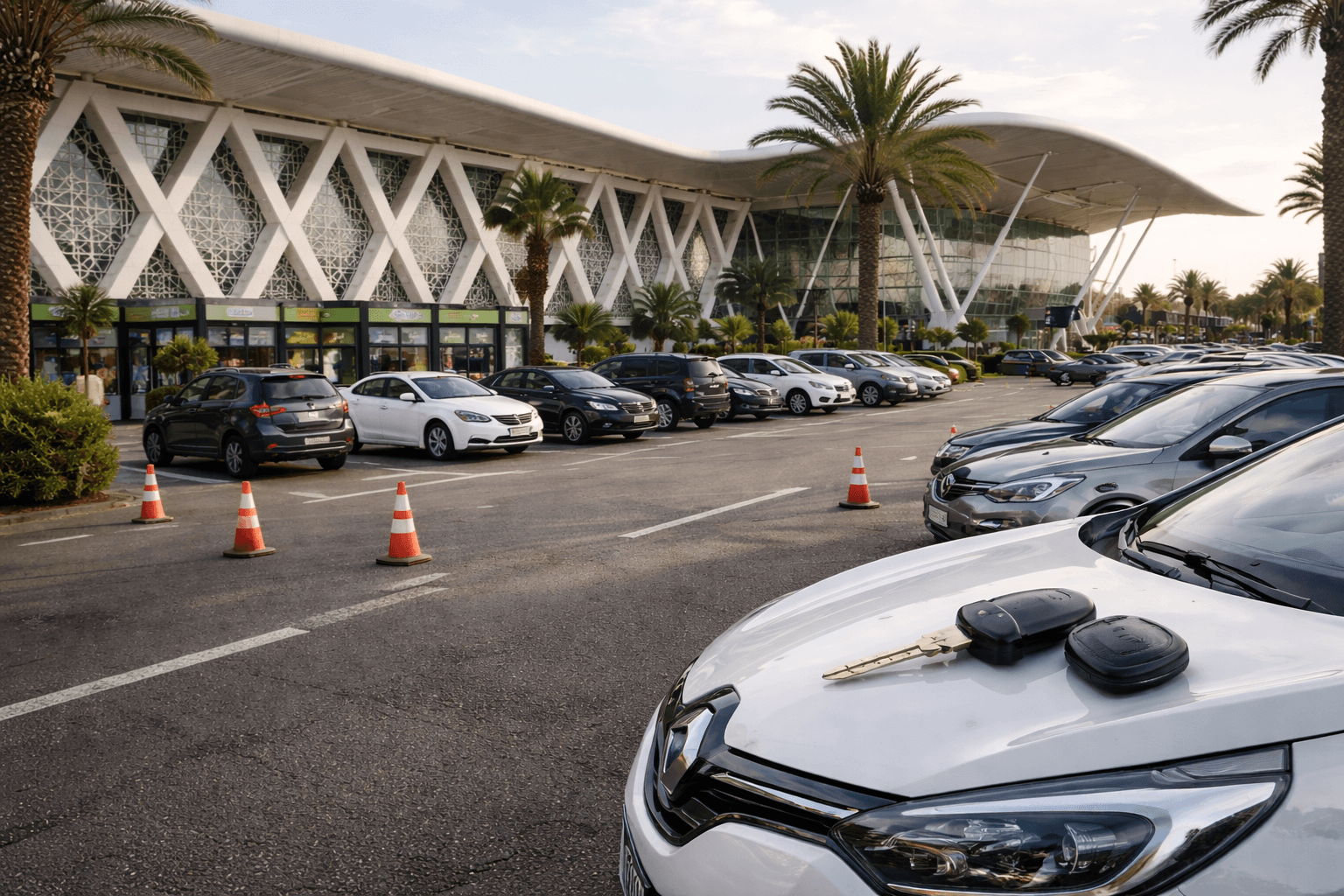
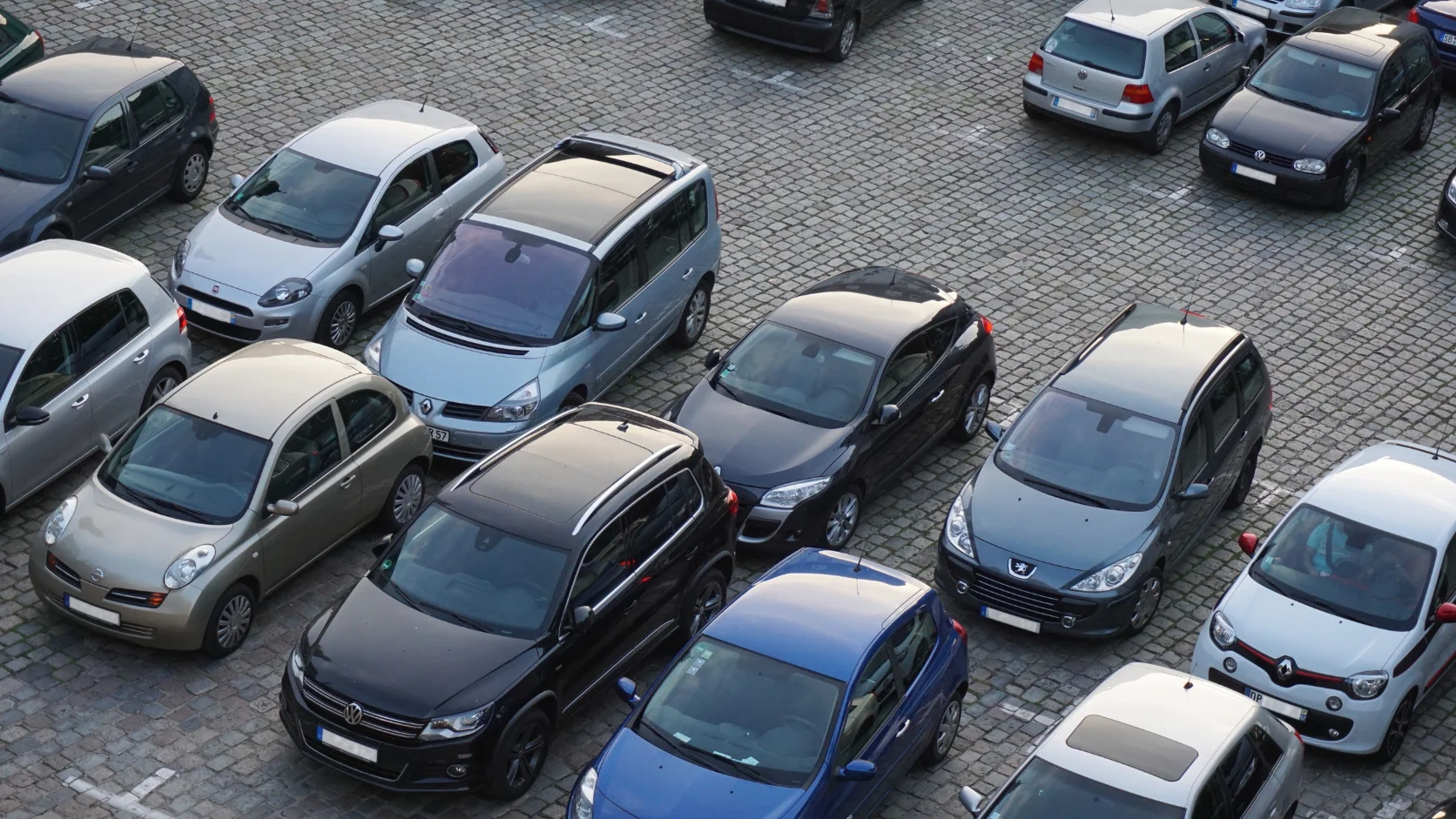
Parking etiquette in Morocco depends heavily on location. In busy cities, hotel areas, medina edges, beach zones, and commercial streets, finding the closest space is often less important than finding a legal and low-stress one. Tourists should avoid blocking access, double parking, or leaving the car somewhere “just for a minute,” especially in tighter urban areas. Practical Morocco driving guides also warn that illegal parking can draw fines and unnecessary hassle.
The smart approach is simple: park legally, accept a short walk, and avoid trying to improvise in crowded areas. In dense parts of Marrakech, Casablanca, Tangier, or Agadir, patience matters more than speed. If a spot looks awkward, narrow, or likely to block movement, keep going.
Etiquette-wise, a considerate parker causes less friction for everyone else. That is especially important in cities where traffic already relies on constant adjustment.
Interactions with Traffic Police
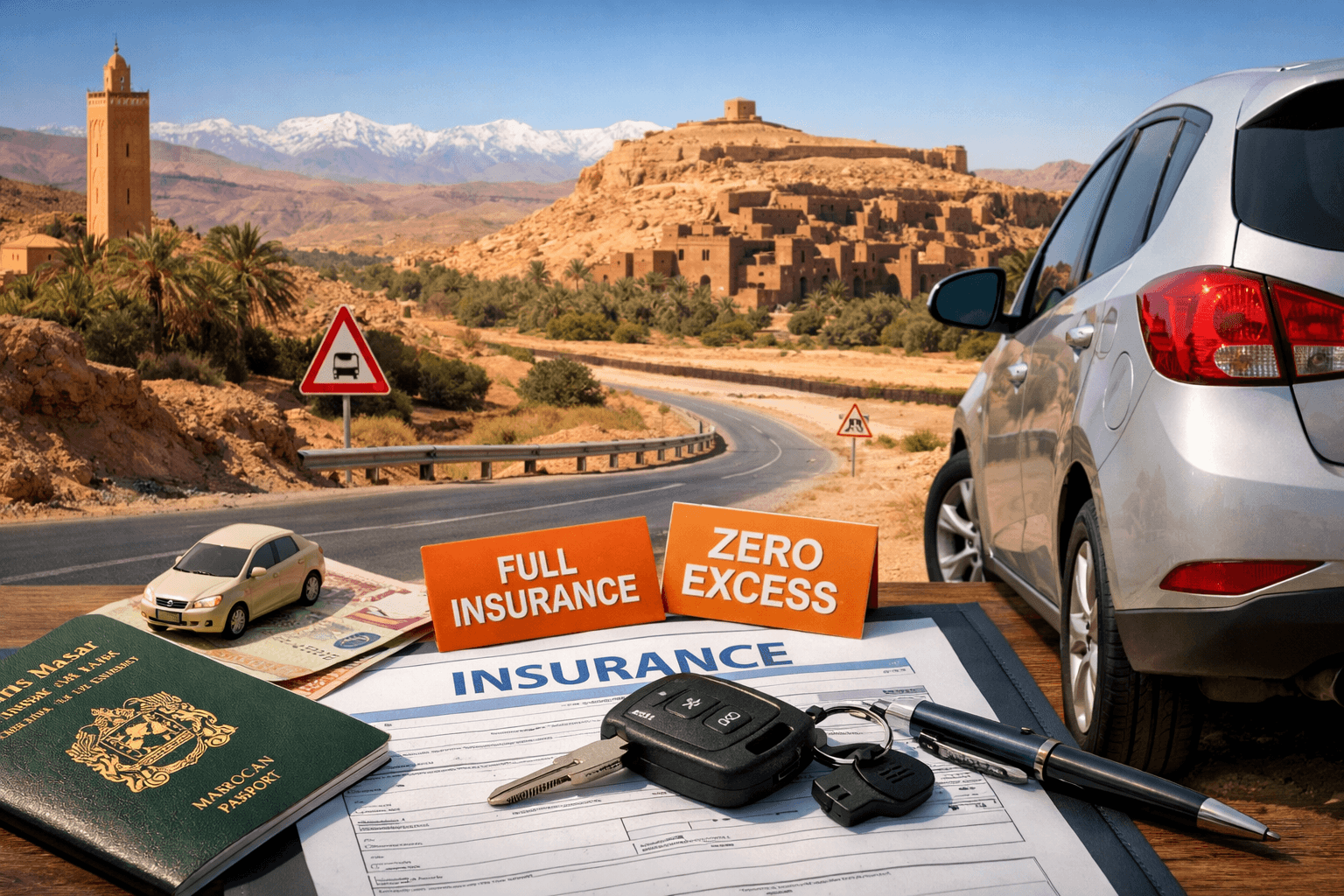
Tourists should expect occasional police or checkpoint interactions in Morocco, and the correct approach is calm cooperation. GOV.UK says drivers should always carry insurance, licence, and registration documents, and notes these can be requested by the authorities. Speed enforcement is also widely noted in Morocco-specific road guidance.
The etiquette here is straightforward. Slow down when approaching a checkpoint, follow hand signals, keep documents accessible, speak politely, and do not argue at roadside level. Most interactions are routine. Visitors who remain respectful and organized usually move on quickly. If something is unclear, ask calmly and keep the conversation practical.
What matters most is preparation. A driver who can immediately produce rental papers, licence, and insurance looks composed and credible. A driver who starts searching nervously through bags creates unnecessary tension.
Top 10 Etiquette Tips for Tourists
Here are the habits that make the biggest difference when driving in Morocco:
1. Drive predictably.
Early signals, steady speed, and clear lane position help other drivers read you correctly.
2. Treat the horn as information.
Do not panic every time you hear it. In Morocco, it often signals presence or intention rather than pure aggression.
3. Slow down before roundabouts.
Read the flow first, then commit. Signal-controlled roundabouts need extra attention.
4. Confirm priority visually.
Even when you think you have the right of way, check what others are actually doing.
5. Give extra space to pedestrians and cyclists.
NARSA’s road-safety materials make clear that vulnerable users are a major concern on Moroccan roads.
6. Keep documents ready.
Authorities may ask for them, and being prepared keeps checkpoints quick and calm.
7. Do not rush in cities.
Urban driving is usually easier when you accept a slower rhythm instead of pushing through gaps.
8. Park legally, not urgently.
A legal spot slightly farther away is better than a risky stop near the entrance.
9. Stay emotionally neutral.
Do not answer impatience with impatience. Defensive calm works better than ego.
10. Build time into your day.
The less rushed you feel, the more naturally you will drive with good road manners. This is especially helpful in mixed city traffic.
FAQ
1. Is driving in Morocco aggressive?
It can feel fast and highly interactive, especially in cities, but “adaptive” is often a better word than “aggressive.” Tourists usually do best by driving predictably and defensively.
2. What does horn honking usually mean in Morocco?
Often it means “I’m here,” “I’m passing,” or “pay attention,” not necessarily anger. Meaning depends on context, so check your surroundings first.
3. Who has priority at roundabouts in Morocco?
Generally, vehicles already on the roundabout have priority, unless traffic lights or signs indicate otherwise. Tourists should still approach cautiously because some layouts can be confusing in practice.
4. Do I need to carry documents while driving in Morocco?
Yes. GOV.UK says drivers should always carry insurance, licence, and registration documents.
5. Are police checkpoints normal in Morocco?
Yes. Routine checks and speed enforcement are commonly noted by official travel advice and practical driving guides.
6. Is parking difficult in Moroccan cities?
It can be in busier areas, especially near medinas, hotels, and popular commercial zones. Legal, low-stress parking is usually better than trying to stop as close as possible.
7. Should tourists drive differently around pedestrians in Morocco?
Yes. Visitors should be extra cautious because pedestrians and cyclists are a major safety concern on Moroccan roads, according to NARSA materials.
8. Is Morocco hard to drive in for tourists?
Usually not on major routes, but city traffic and roundabouts can take adjustment. Calm, defensive driving makes a big difference.
9. What is the best driving mindset in Morocco?
Stay alert, leave margin, avoid reacting emotionally, and treat local traffic as something to read rather than fight.
10. Should I choose an automatic car for Morocco?
Many tourists prefer automatic because it reduces stress in city traffic and roundabouts, especially if they already drive automatic at home.
Book with MarHire
Understanding driving etiquette Morocco visitors actually face on the road can make the whole trip easier. Once you know how traffic communicates, how roundabouts flow, and how to handle checkpoints calmly, driving becomes much more comfortable.
With MarHire, you can choose the right vehicle for city driving, coastal routes, or longer road trips across the country. Explore Car Rental Morocco and travel with more confidence from the first pickup.