






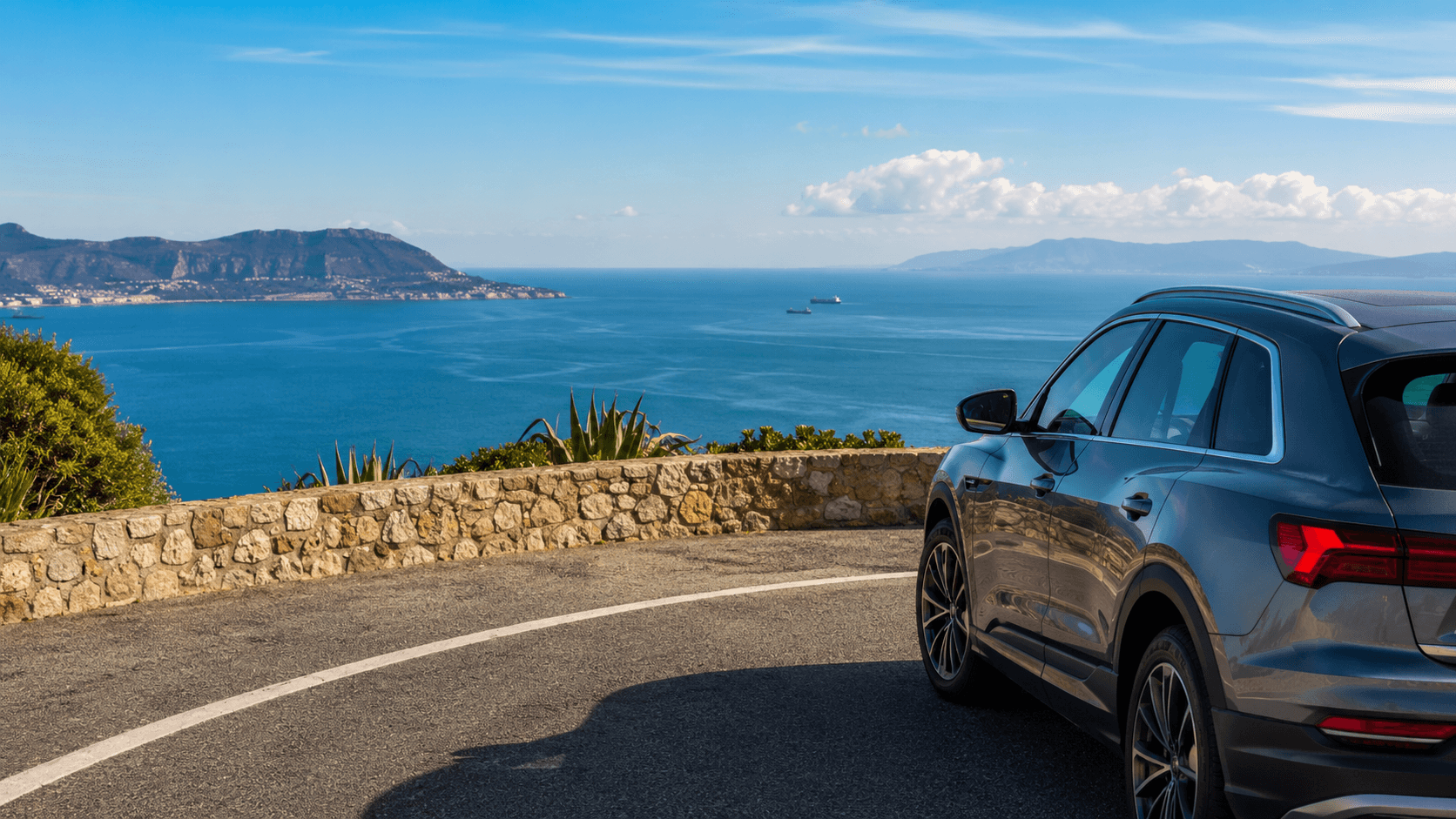
Few travel experiences offer as much variety in such a short distance as combining Morocco and Spain in a single trip. Separated by the Strait of Gibraltar, these neighboring countries provide a fascinating contrast between Europe and North Africa while sharing centuries of history, trade, architecture, and cultural influence.
In less than an hour, travelers can cross from Spain's Andalusian coast to northern Morocco, moving between two continents without taking a flight. One day you can be exploring the historic streets of Seville, and the next wandering through the medina of Tangier overlooking the Atlantic and Mediterranean.
The Morocco-Spain route has become increasingly popular among travelers seeking a richer Mediterranean experience. Southern Spain offers Moorish architecture, vibrant cities, and world-famous cuisine, while Morocco adds colorful souks, mountain villages, desert landscapes, and a completely different cultural atmosphere.
For first-time visitors, the combination provides an ideal introduction to both destinations. The logistics are relatively straightforward, ferry services operate year-round, and a well-planned itinerary allows travelers to experience highlights from both sides of the Strait.
This guide covers ferry crossings, itinerary planning, border procedures, transportation strategies, and practical advice for creating the ultimate Morocco-Spain adventure.
Why Combine Morocco with Spain?
Morocco and Spain are natural travel partners. Geographically, they sit only a few kilometers apart, but culturally they offer dramatically different experiences.
Travelers often choose a Morocco Spain trip because it provides:
Two Continents in One Vacation
Very few itineraries allow visitors to experience Europe and Africa during the same journey with such ease. The transition itself becomes part of the adventure.
Shared Historical Heritage
For nearly 800 years, Islamic dynasties ruled large parts of Spain. Cities such as Seville, Córdoba, and Granada still display strong Moorish influences that originated from North Africa.
Many travelers are surprised to discover architectural and cultural similarities between Andalusia and northern Morocco.
Excellent Transportation Connections
Unlike many multi-country trips, crossing between Spain and Morocco is simple thanks to regular ferry services operating throughout the year.
Exceptional Value
Morocco generally offers lower accommodation, dining, and transportation costs than Spain, allowing travelers to balance their overall travel budget while extending their trip.
Diverse Landscapes
Within a single itinerary you can experience:
- Andalusian cities
- Atlantic coastlines
- Mediterranean ports
- Blue mountain villages
- Imperial Moroccan cities
- Desert landscapes
- Historic medinas
Few destinations offer this level of variety in such a compact region.
Geography & the Strait of Gibraltar
The Strait of Gibraltar is one of the world's most important waterways. It connects the Atlantic Ocean with the Mediterranean Sea and separates Europe from Africa.
At its narrowest point, the Strait measures approximately 14 kilometers (8.7 miles).
On clear days, travelers standing in Tangier can see Spain, while visitors in Tarifa often enjoy views of Morocco's coastline.
This strategic location has made the region an important trading route for thousands of years. Phoenicians, Romans, Arabs, Portuguese, Spanish, and British powers have all played roles in shaping the area's history.
Today, the Strait remains one of the busiest maritime corridors on Earth, while also serving as one of the easiest ways for tourists to move between continents.
The crossing itself is often considered a highlight of the trip, especially when weather conditions allow views of both coastlines and the famous Rock of Gibraltar.
Ferry Routes: Tarifa–Tangier vs Algeciras–Tanger Med
Travelers generally choose between two main ferry routes.
Option 1: Tarifa → Tangier Ville
This is the most popular option for tourists.
Advantages:
- Fast crossing (approximately 1 hour)
- Arrives directly in central Tangier
- No additional transfers needed
- Excellent for city-based itineraries
- Ideal for travelers without vehicles
Best For:
- First-time visitors
- Backpackers
- City-break travelers
- Travelers using public transport
After arrival, visitors can immediately begin exploring the city center.
For travelers wanting to discover the city, our Tangier Travel Guide provides a detailed introduction to Morocco's northern gateway.
Option 2: Algeciras → Tanger Med
This route serves the large commercial port east of Tangier.
Advantages:
- More frequent sailings
- Larger ferries
- Better for travelers with vehicles
- Often slightly cheaper
Disadvantages:
- Arrival is approximately 40 km from central Tangier
- Requires onward transportation
Best For:
- Travelers with cars
- Road-trip itineraries
- Budget-focused travelers
Which Ferry Should You Choose?
For most tourists following a Spain-Morocco itinerary, Tarifa–Tangier Ville is the easiest and most enjoyable option.
The direct arrival into Tangier's city center eliminates the need for additional transfers and immediately immerses travelers in the Moroccan experience.
10-Day Spain-Morocco Combo Itinerary
Days 1–2: Seville
Begin your adventure in Seville, one of Spain's most beautiful cities.
Highlights include:
- Real Alcázar
- Seville Cathedral
- Plaza de España
- Santa Cruz district
- Flamenco performances
Spend two days exploring Andalusian culture before heading south toward Tarifa.
Day 3: Tarifa to Tangier
Take the morning ferry to Tangier.
Upon arrival:
- Explore the medina
- Visit the Kasbah
- Walk the Corniche
- Enjoy Moroccan cuisine
- Watch sunset overlooking the Strait
For maximum flexibility, consider booking:
Or:
Days 4–5: Chefchaouen
Travel into the Rif Mountains to reach Chefchaouen.
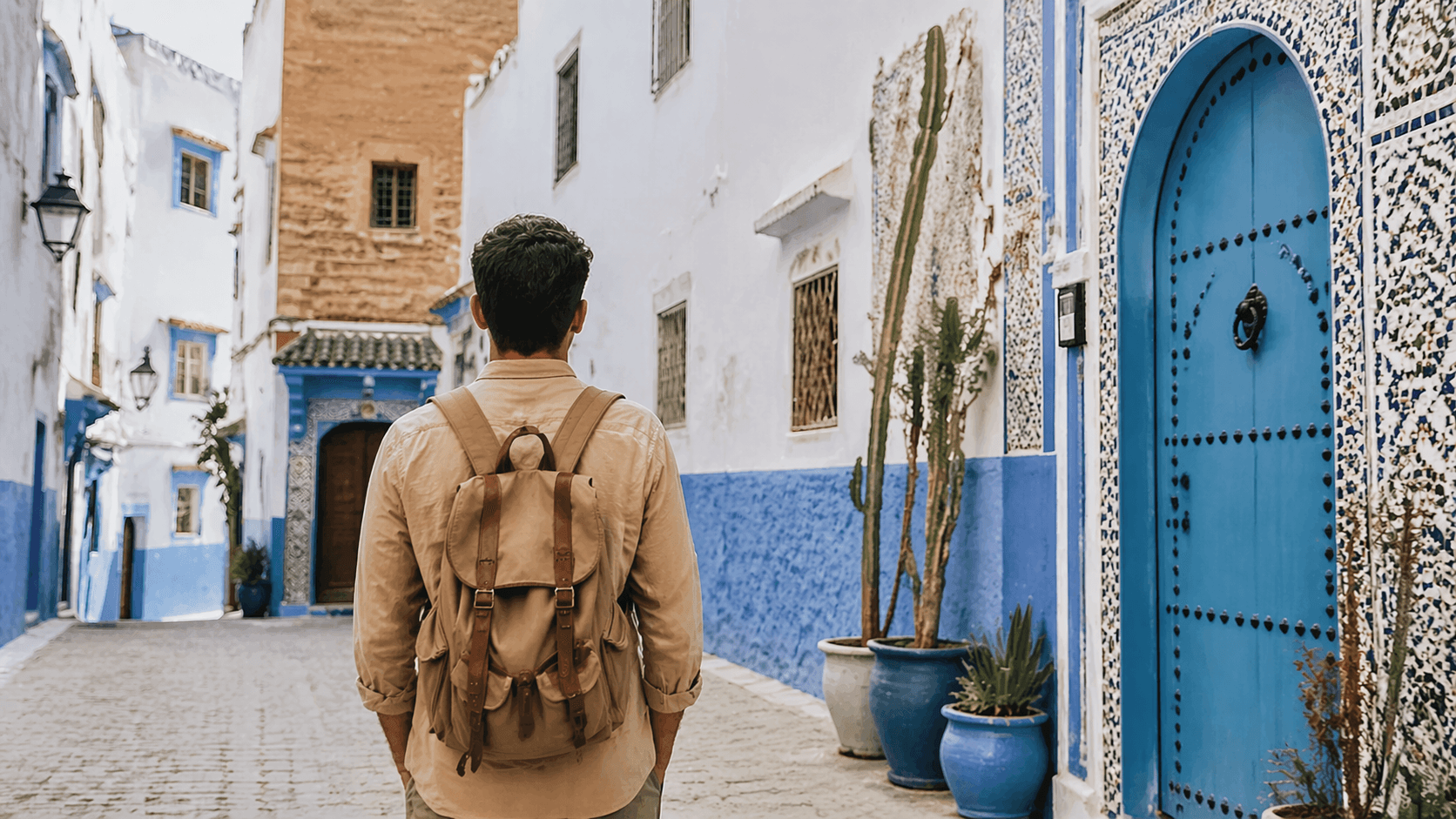
Known as Morocco's Blue City, Chefchaouen is one of the country's most photogenic destinations.
Highlights:
- Blue-painted streets
- Plaza Uta el-Hammam
- Mountain views
- Local handicrafts
- Relaxed atmosphere
Useful planning resource:
Chefchaouen Guide.
Spend two nights here to enjoy the city before moving south.
Days 6–7: Fes
Continue to Fes, Morocco's oldest imperial city.
Major attractions include:
- Fes el Bali
- Chouara Tanneries
- Bou Inania Madrasa
- Historic souks
- Traditional craftsmanship
Fes provides one of the most authentic cultural experiences in Morocco.
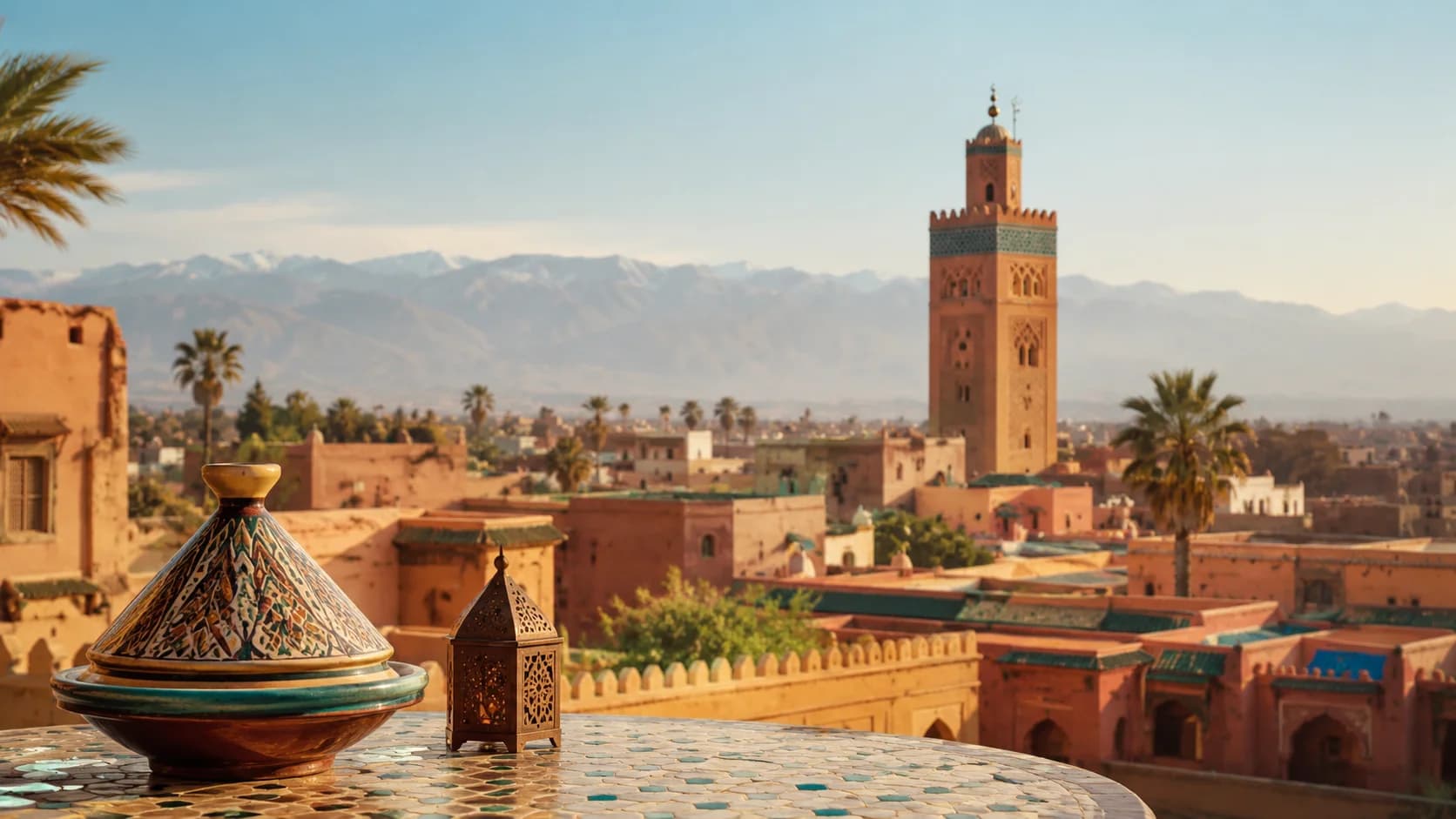
Days 8–10: Marrakech
Finish the Moroccan section of your trip in Marrakech.
Highlights:
- Jemaa el-Fna
- Bahia Palace
- Majorelle Garden
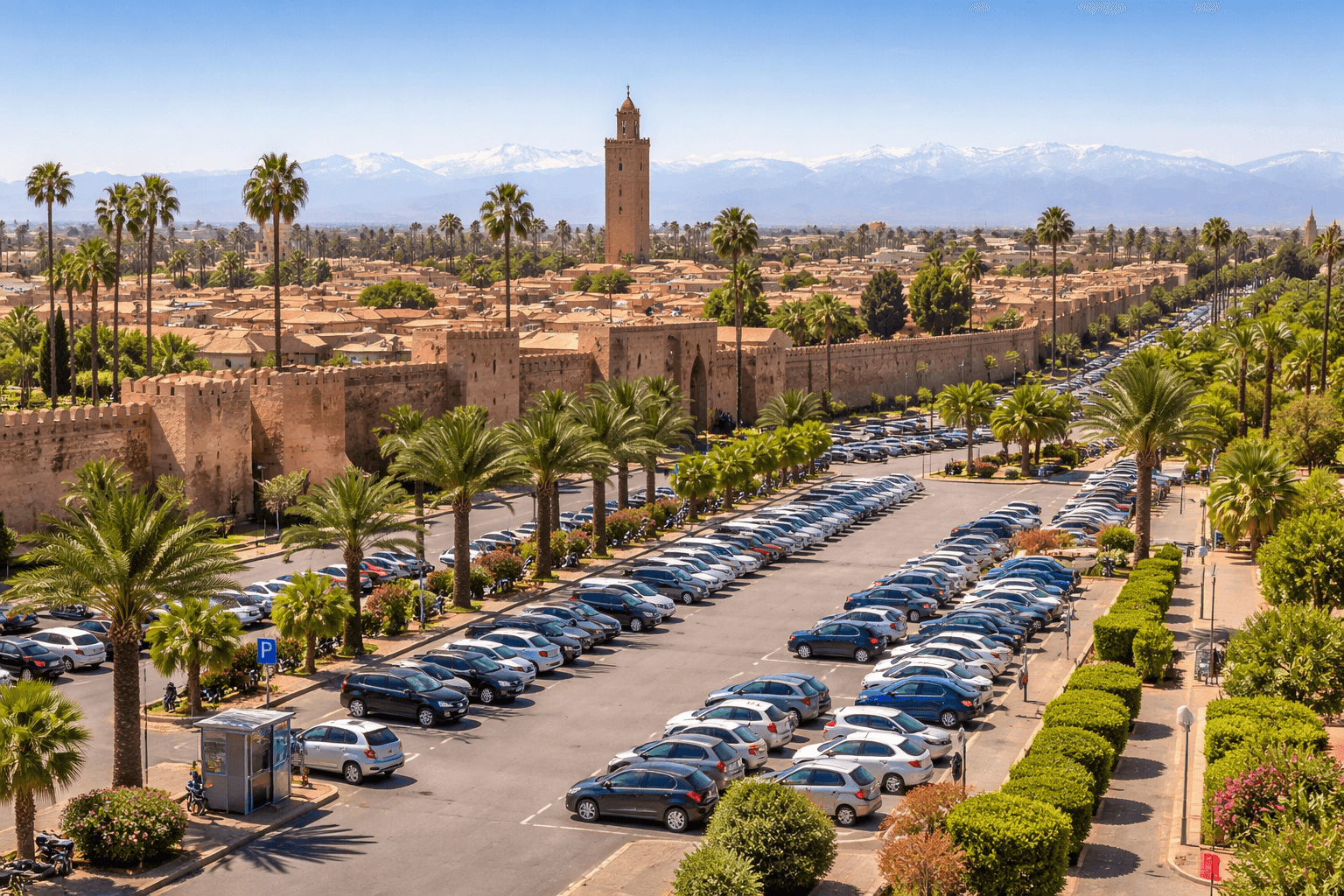
- Koutoubia Mosque
- Rooftop dining
Marrakech offers a dynamic finale combining culture, shopping, architecture, and nightlife.
From Marrakech, travelers can either fly home or continue exploring Morocco.
Alternative 14-Day Grand Combo
Travelers with additional time should consider extending the itinerary.
Suggested route:
- Seville (2 nights)
- Córdoba (1 night)
- Granada (2 nights)
- Tarifa (1 night)
- Tangier (2 nights)
- Chefchaouen (2 nights)
- Fes (2 nights)
- Marrakech (3 nights)
This itinerary allows travelers to fully appreciate the historic connection between Andalusia and Morocco.
Granada's Alhambra provides a particularly fascinating introduction to the Islamic heritage that links both countries.
The slower pace also reduces travel fatigue while creating more opportunities for cultural experiences.
Border, Customs & Passport Rules
Border procedures vary according to nationality.
Before traveling, always verify current requirements with official government sources.
General requirements typically include:
- Valid passport
- Sufficient passport validity
- Proof of onward travel if requested
- Accommodation information
- Compliance with visa requirements
When arriving by ferry, passport control may occur either onboard or upon arrival.
Travelers should allow additional time during peak summer periods when passenger volumes increase significantly.
Customs inspections are generally straightforward for tourists carrying personal belongings.
Always declare items if required by local regulations.
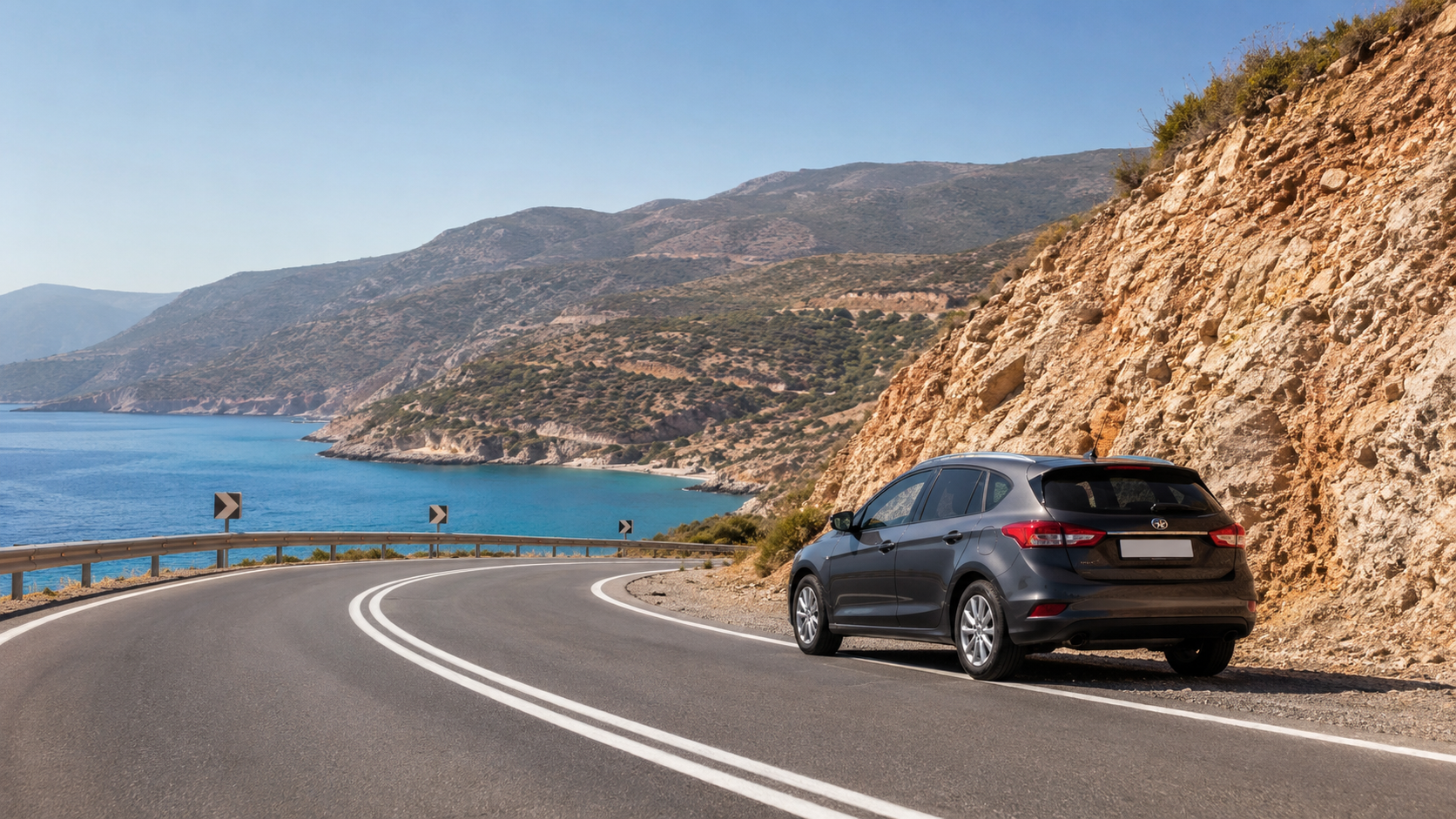
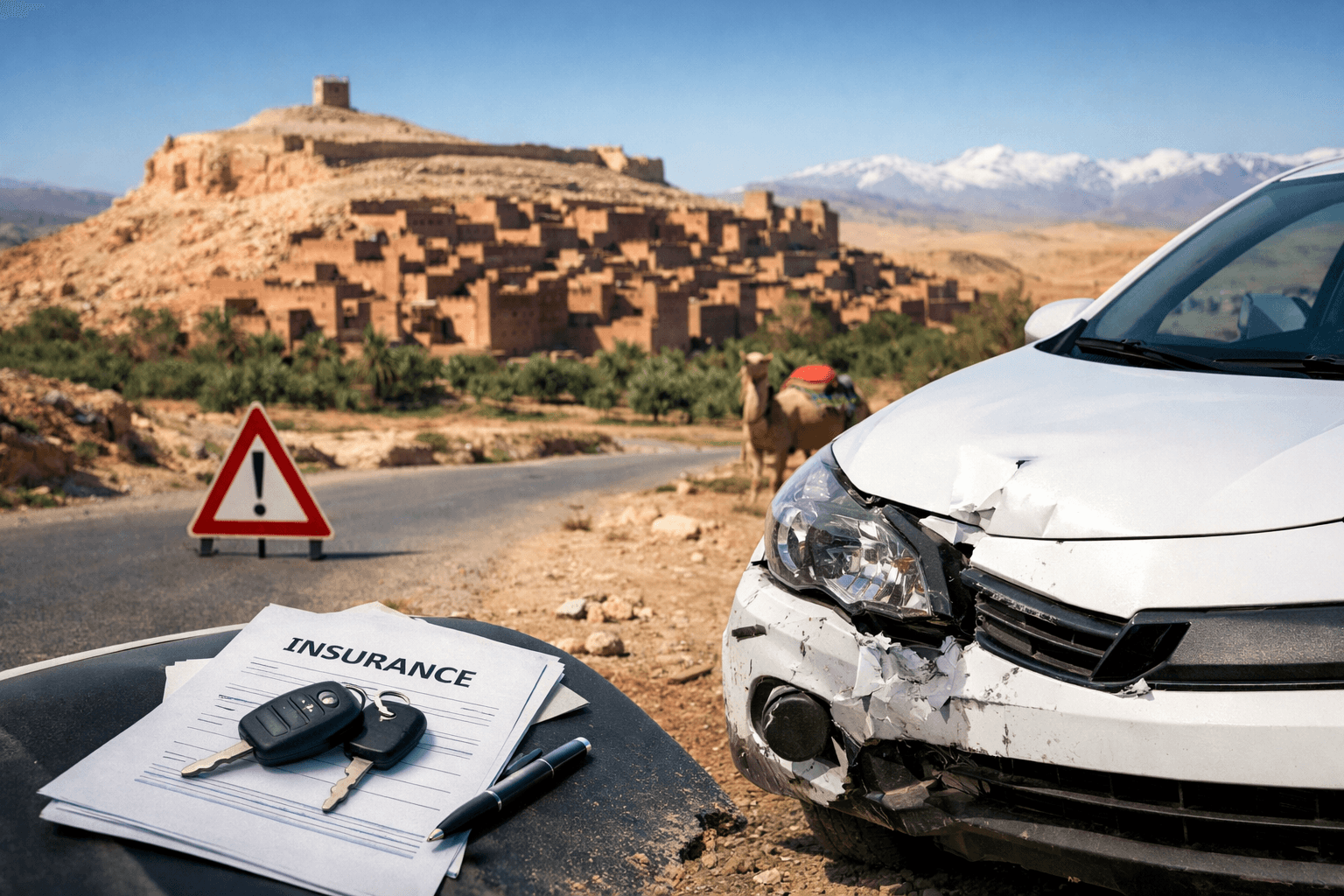
Can You Take a Spanish Rental Car to Morocco?
This is one of the most common questions travelers ask.
The answer is: sometimes, but often not.
Many Spanish rental companies prohibit taking vehicles into Morocco entirely.
Others may allow it only with:
- Written authorization
- Additional insurance
- Cross-border fees
- Advance notification
Even when permitted, paperwork can be complicated.
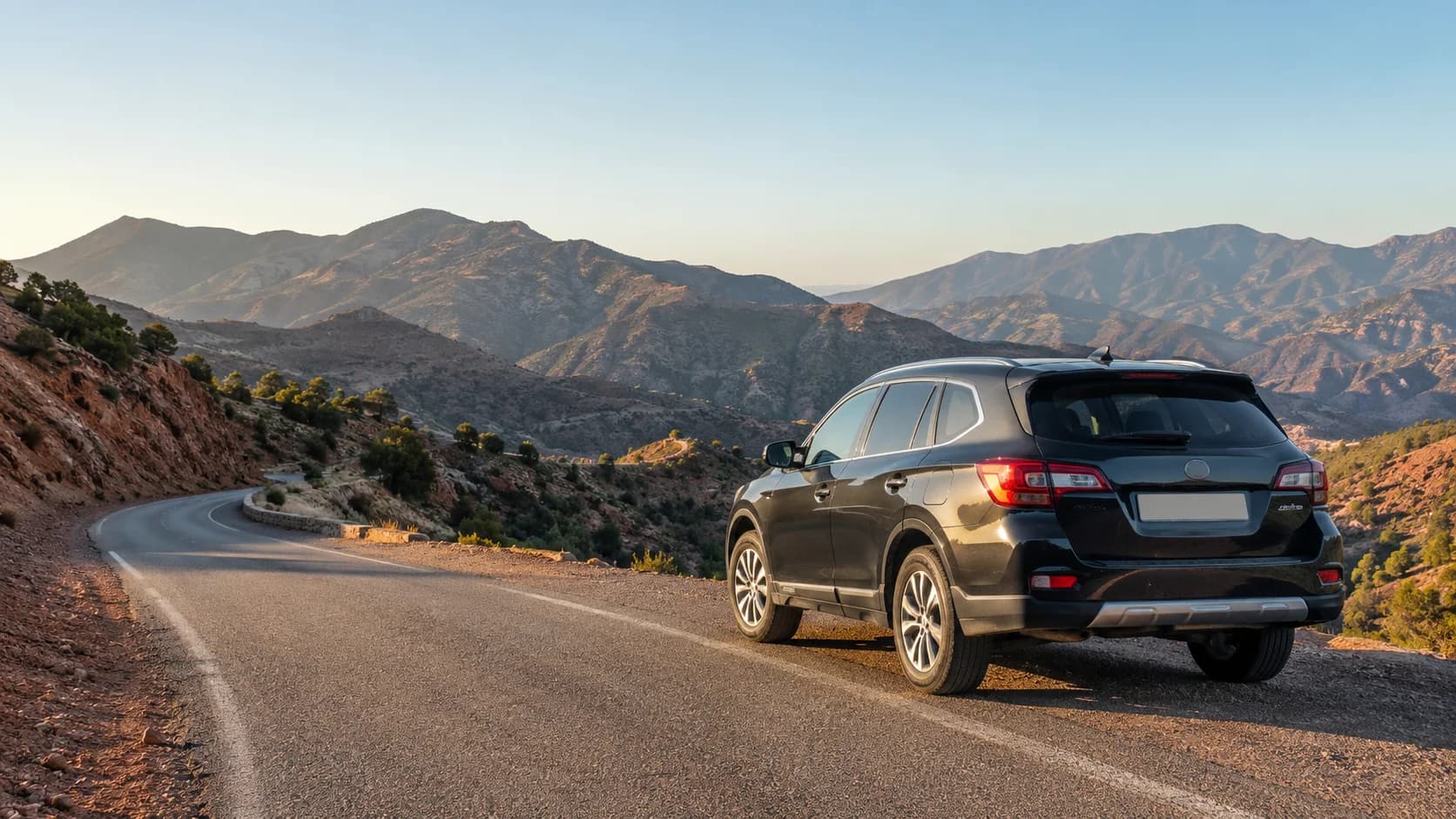
For most travelers, the easier solution is:
- Return the Spanish rental car before crossing.
- Take the ferry as a passenger.
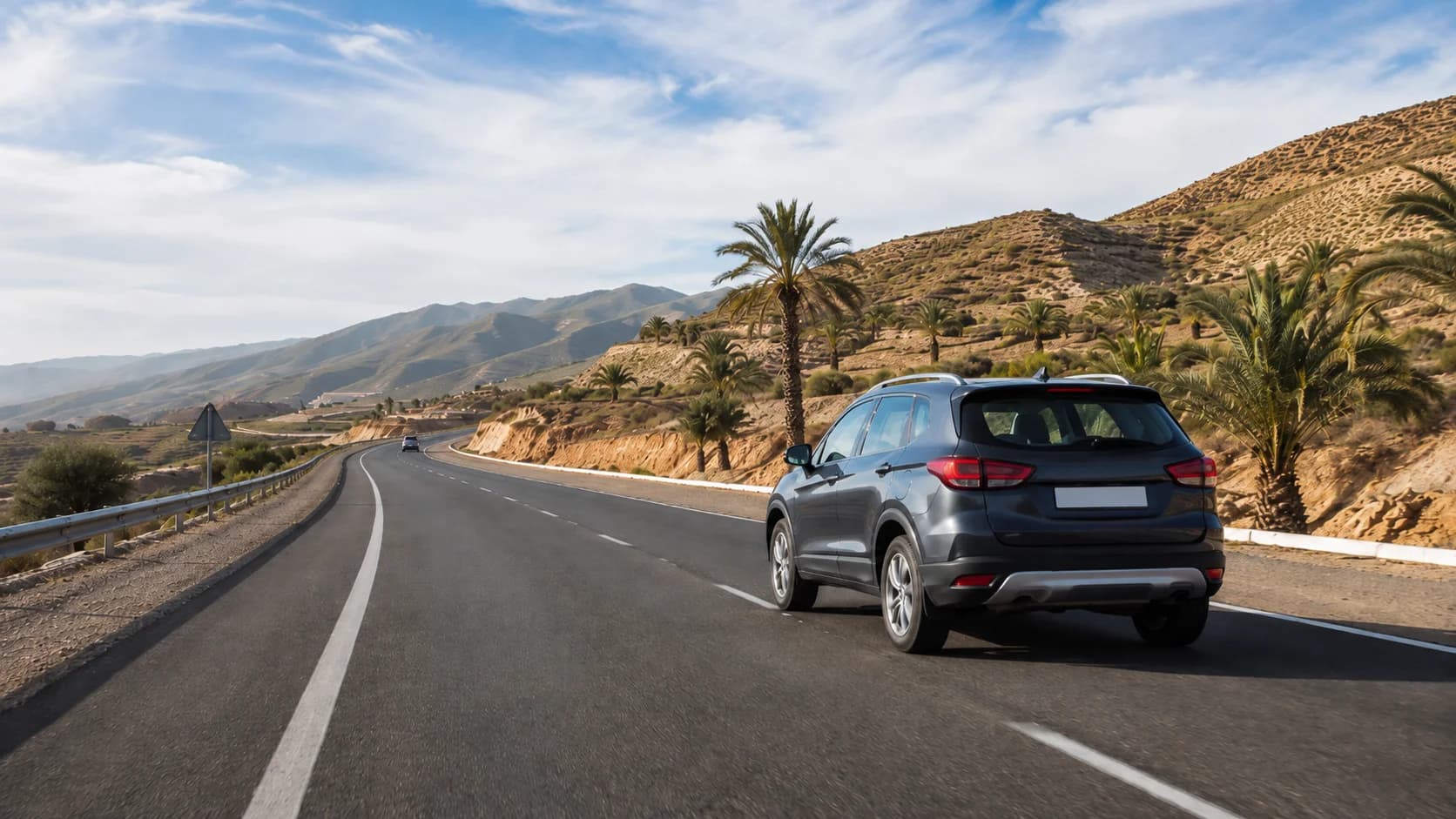
- Rent another vehicle in Morocco.
This approach avoids insurance complications and border-related issues.
For road trips beginning in Tangier, booking locally is usually the simplest option.
Currency, Language & SIM Cards
Currency
Spain uses the Euro (EUR).
Morocco uses the Moroccan Dirham (MAD).
Travelers should avoid assuming Euros are universally accepted in Morocco.
Card payments are increasingly common, but carrying local currency remains important.
Language
Spain:
- Spanish
Morocco:
- Arabic
- Amazigh
- French widely spoken
- English increasingly common in tourism
SIM Cards
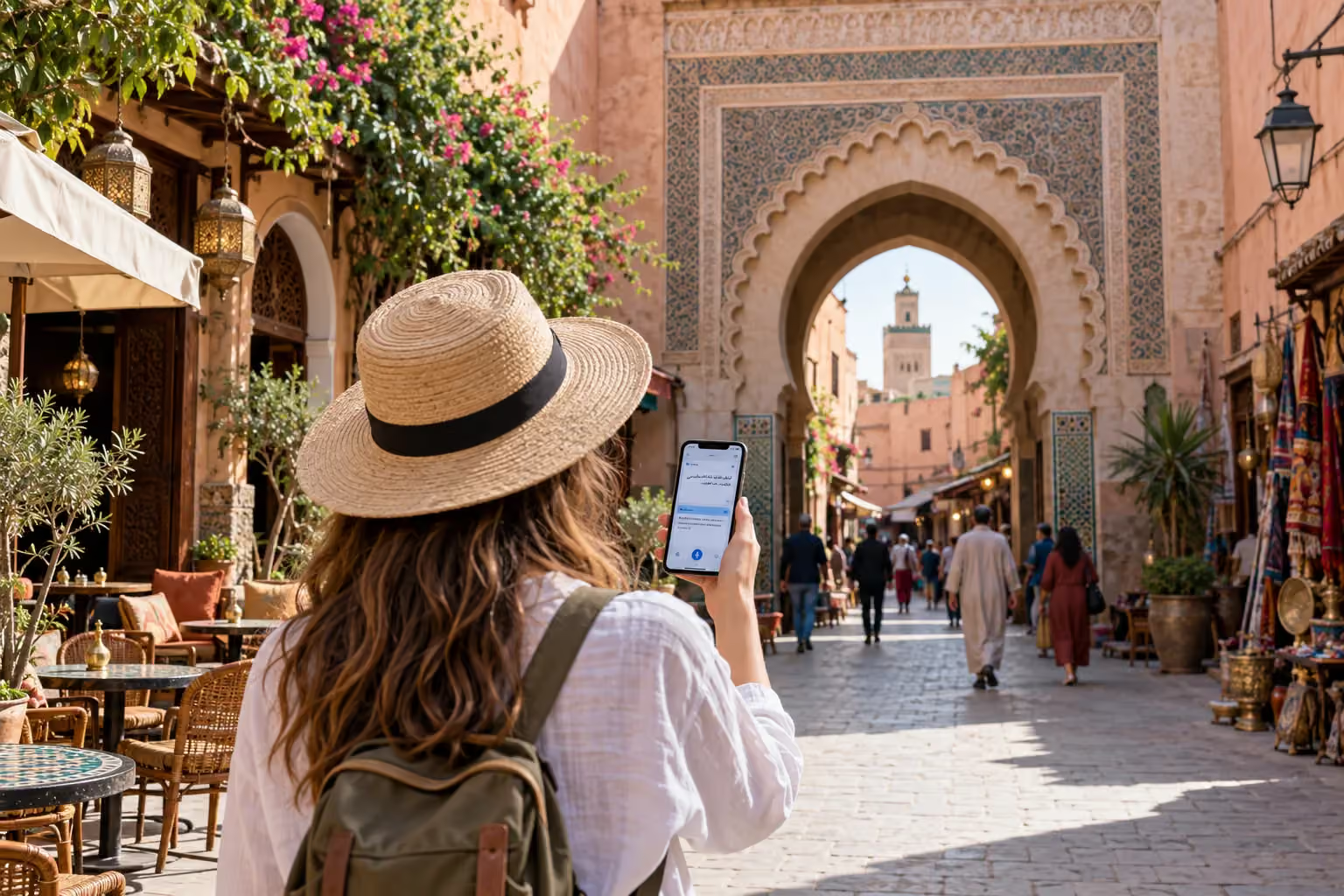
Most travelers purchase a local Moroccan SIM card upon arrival.
Benefits include:
- Lower costs
- Better coverage
- Reliable navigation
- Easy communication with hotels and drivers
Alternatively, many visitors now use international eSIM services for convenience.
One-Way Car Rental Strategies
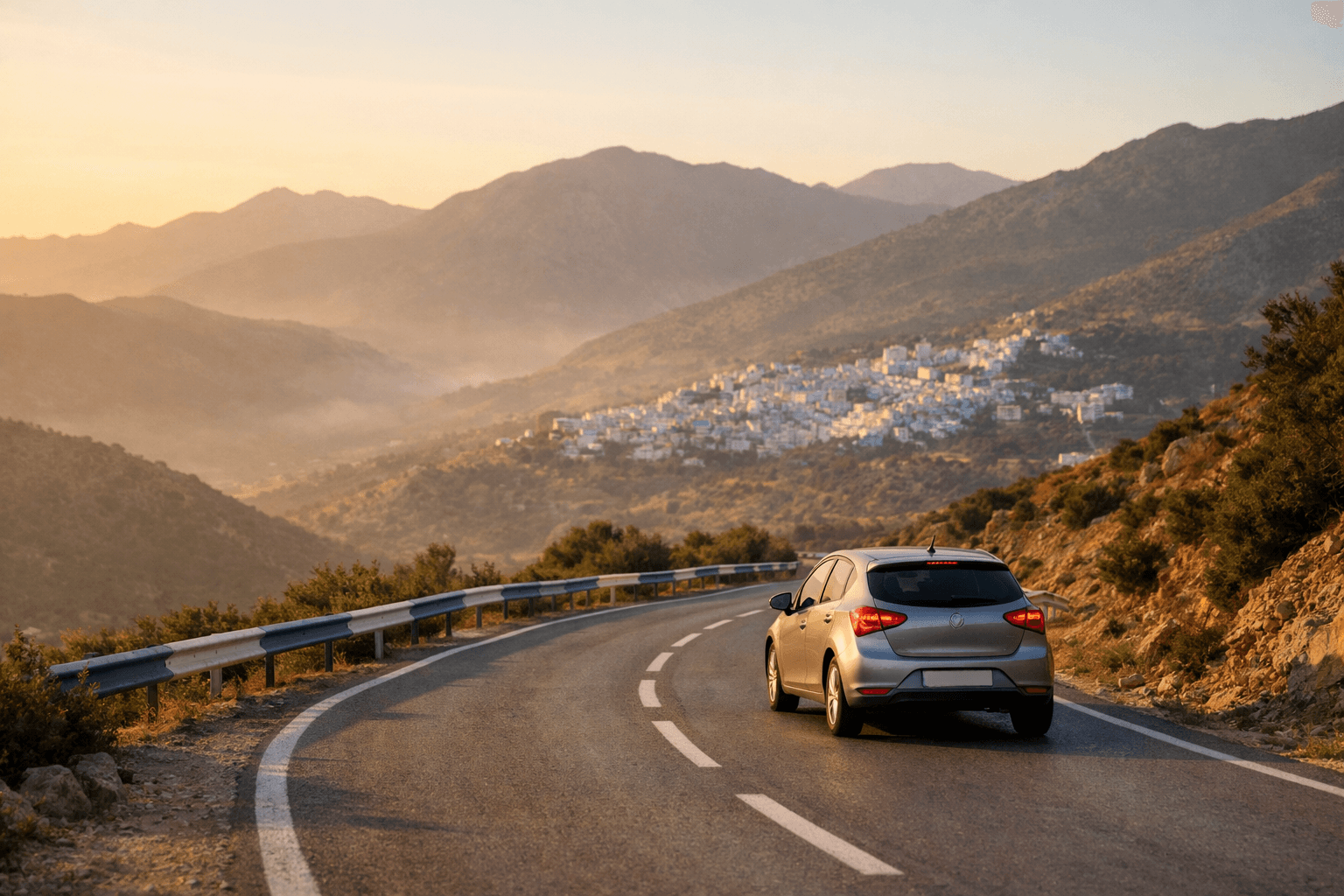
A successful Morocco-Spain itinerary often depends on smart transportation planning.
Recommended approach:
Spain
- Rent vehicle in Seville if needed.
- Return before ferry crossing.
Morocco
- Pick up a new rental in Tangier.
- Explore Chefchaouen, Fes, and Marrakech.
This approach offers maximum flexibility while avoiding cross-border complications.
Travelers preferring a stress-free experience can combine trains, ferries, and private transfers instead.
Common Mistakes to Avoid
Many travelers make avoidable planning mistakes.
Avoid:
- Booking ferries too late during peak season.
- Assuming Spanish rental cars can automatically enter Morocco.
- Underestimating border processing times.
- Carrying only Euros.
- Trying to visit too many cities in too few days.
- Spending only one night in Chefchaouen.
- Forgetting to verify passport validity requirements.
A slower itinerary usually creates a far more enjoyable experience.
FAQ
1. Can you visit Morocco and Spain in one trip?
Yes. The ferry connection between southern Spain and northern Morocco makes it one of the easiest multi-country itineraries in the Mediterranean.
2. How long is the ferry from Tarifa to Tangier?
The crossing typically takes around one hour.
3. Which is better: Tarifa or Algeciras?
Most tourists prefer Tarifa because ferries arrive directly in Tangier city center.
4. Do I need a visa for Morocco?
Visa requirements depend on nationality. Always check official government guidance before traveling.
5. Can I drive a Spanish rental car into Morocco?
Some companies allow it, but many do not. Always verify policies before booking.
6. Is Tangier worth visiting?
Yes. Tangier combines history, coastal scenery, and easy access to Spain.
7. How many days do I need for a Morocco Spain trip?
Ten days is the minimum recommended timeframe. Fourteen days allows a more relaxed experience.
8. Is Chefchaouen worth adding to the itinerary?
Absolutely. It is one of Morocco's most unique and photogenic destinations.
9. Can I take luggage on the ferry?
Yes. Standard tourist luggage is generally allowed.
10. Which currency should I carry?
Euros for Spain and Moroccan Dirhams for Morocco.
11. Is it easy to travel independently?
Yes. Ferries, trains, buses, rental cars, and private transfers make independent travel straightforward.
12. What is the best time for a Morocco Spain combo trip?
Spring and autumn typically provide the most comfortable weather across both countries.
13. Should I rent a car in Morocco?
A rental car offers maximum flexibility, especially for routes including Chefchaouen, Fes, and Marrakech.
Book with MarHire
Planning to cross from Spain into Morocco? MarHire makes the Moroccan side of your journey simple and stress-free.
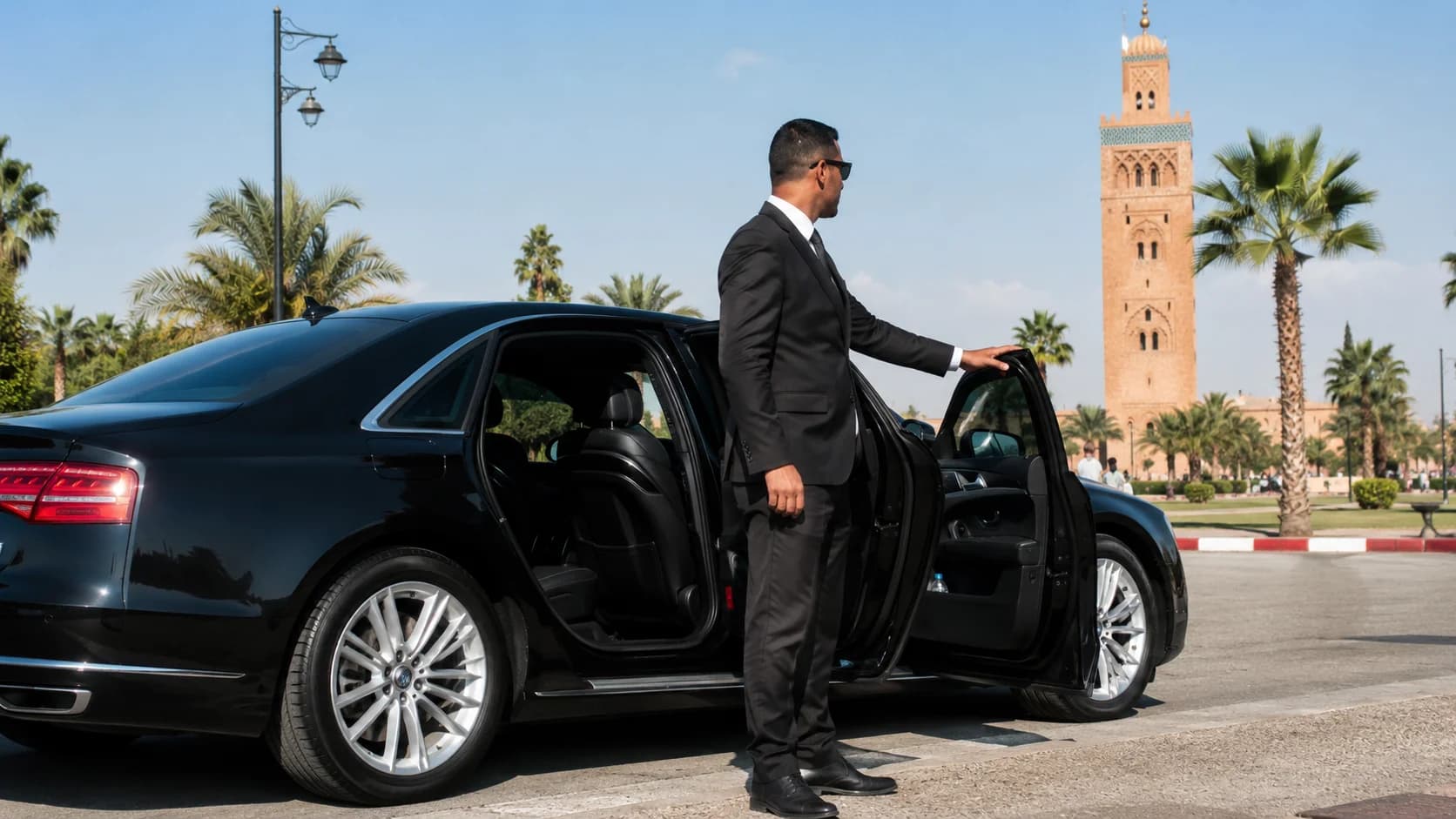
Whether you need a rental car in Tangier for a self-drive adventure or a professional private driver for a comfortable transfer to Chefchaouen, Fes, or Marrakech, our local team can help you travel efficiently from the moment your ferry arrives.
Explore northern Morocco with confidence and turn your Spain-Morocco itinerary into one seamless travel experience.