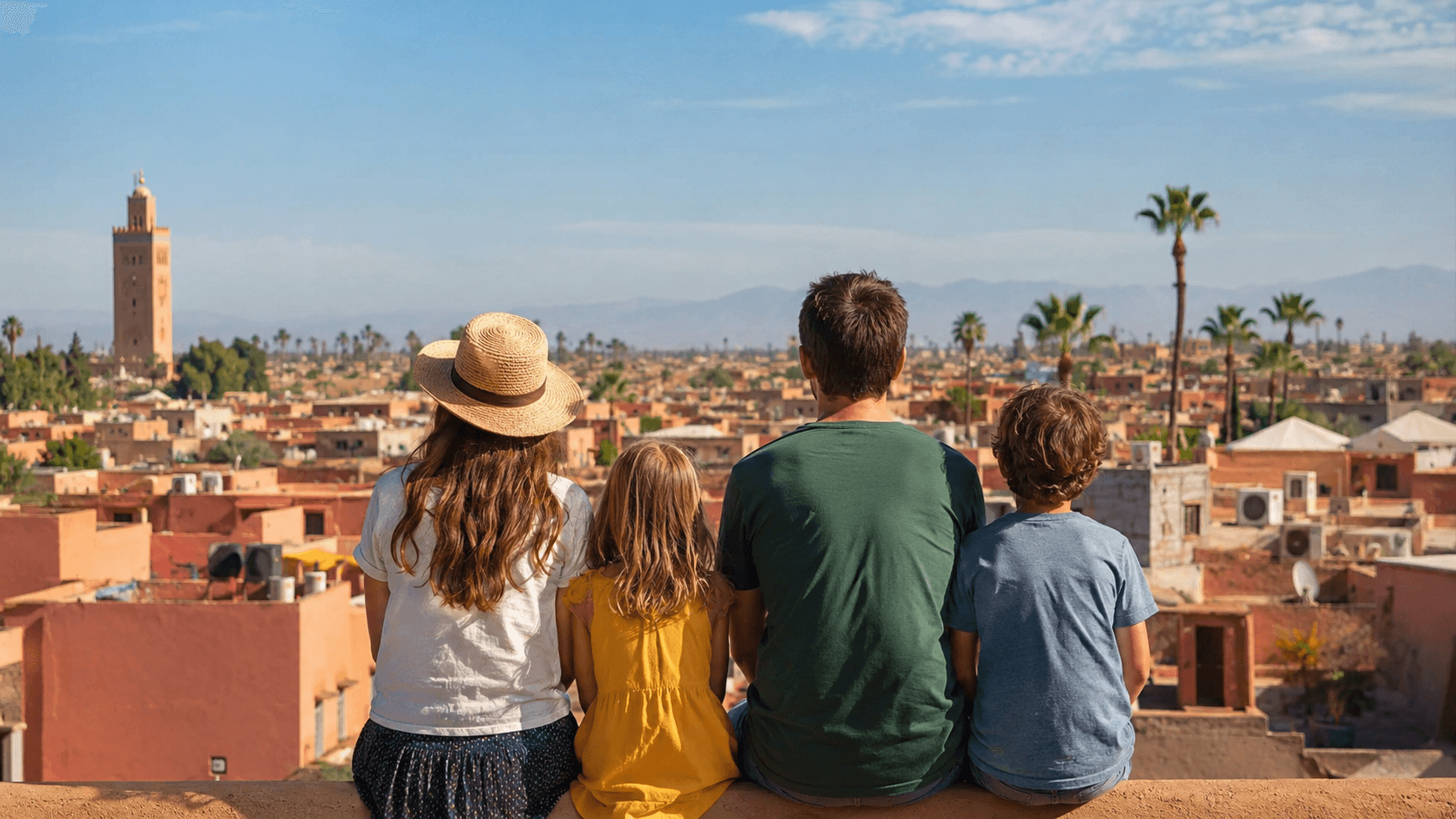


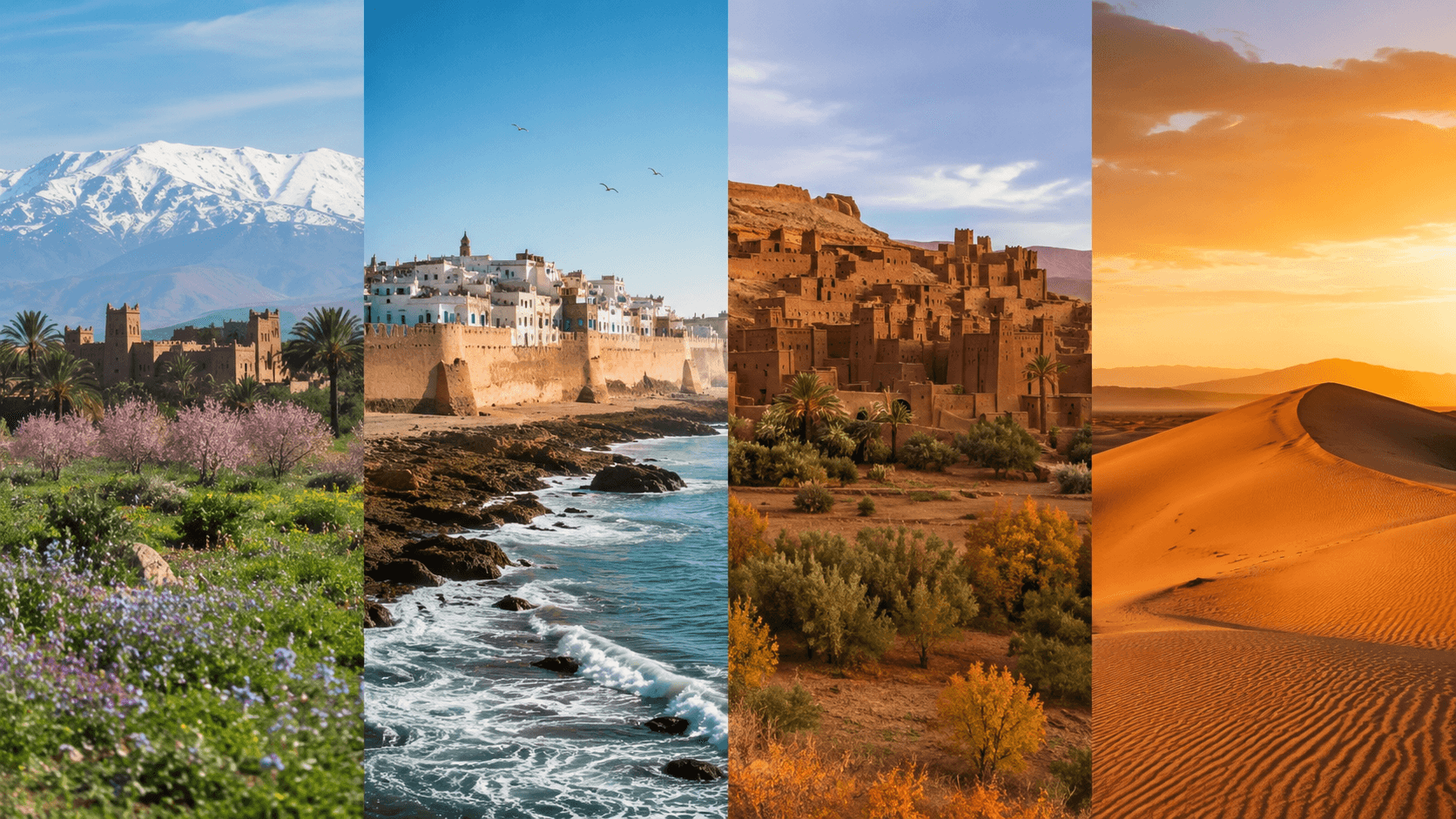
Morocco is one of those destinations that changes dramatically depending on when you visit. A spring road trip through the Atlas Mountains feels completely different from a summer beach escape in Agadir or a winter desert experience near Merzouga. Some travelers come for surfing and Atlantic sunshine, others for cultural city breaks in Marrakech and Fes, and many want to explore the Sahara under clear skies. The “best” time to visit Morocco depends entirely on the kind of trip you want.
One reason Morocco attracts travelers year-round is its geographic diversity. The country combines Atlantic and Mediterranean coastlines, mountain ranges, desert landscapes, and major historic cities, all with very different weather patterns. Morocco’s official tourism platform highlights experiences ranging from coastal surfing and hiking to medina exploration and Sahara adventures across multiple seasons.
For most travelers, spring and autumn are the easiest seasons overall. Temperatures are pleasant, landscapes look their best, and conditions are comfortable for road trips, city exploration, and desert travel. Summer works well for beaches and surfing but can become extremely hot inland. Winter is excellent for quieter travel, lower prices, and desert experiences, though mountain regions can become cold and snowy.
This month-by-month Morocco travel guide explains weather, crowds, prices, seasonal advantages, and the best activities throughout the year so you can plan the right trip at the right time.
Morocco’s Climate Zones Explained
Morocco does not have one single climate. Understanding the country’s major travel regions makes trip planning much easier.
Atlantic Coast
Cities like Agadir, Essaouira, Casablanca, and Rabat benefit from Atlantic influence, which keeps temperatures milder year-round. Summers are generally cooler than inland Morocco, while winters remain relatively comfortable. This makes the coast a strong option almost any time of year.
Imperial Cities & Inland Areas
Marrakech, Fes, Meknes, and parts of central Morocco experience more extreme temperatures. Summers can become very hot, especially in Marrakech, while winter mornings and evenings may feel surprisingly cold.
Atlas Mountains
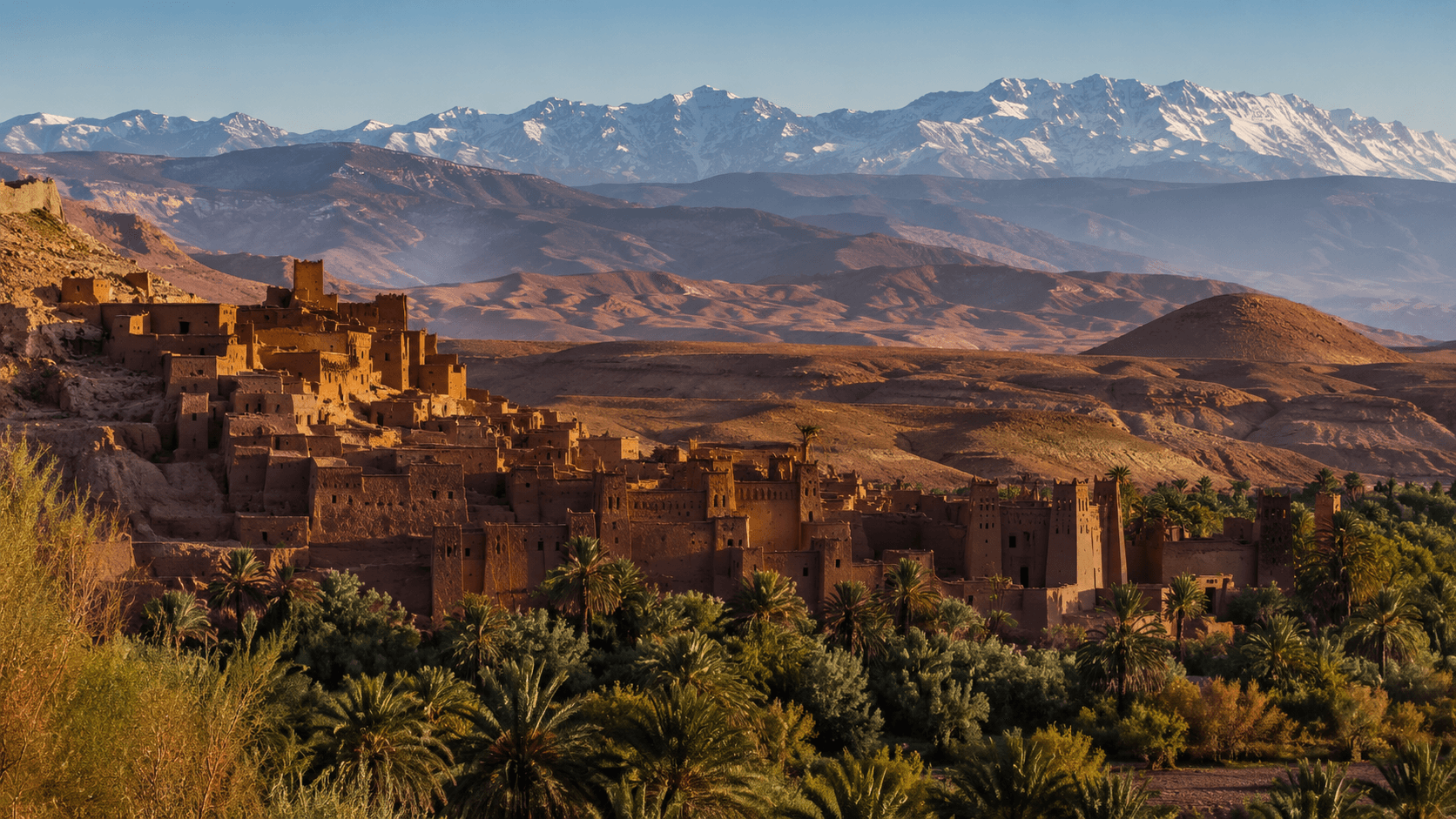
The High Atlas and Middle Atlas regions have cooler temperatures due to elevation. Winters can bring snow, while spring and autumn are ideal for trekking and scenic drives.
Sahara & Desert Regions
Merzouga and Zagora desert areas experience major temperature swings. Days may become extremely hot in summer, while winter nights can become cold. Spring and autumn are generally considered the best seasons for desert travel.
If you are planning a self-drive trip between these climate zones, our Morocco Road Trip Guide helps travelers understand routes, driving conditions, and seasonal road planning.
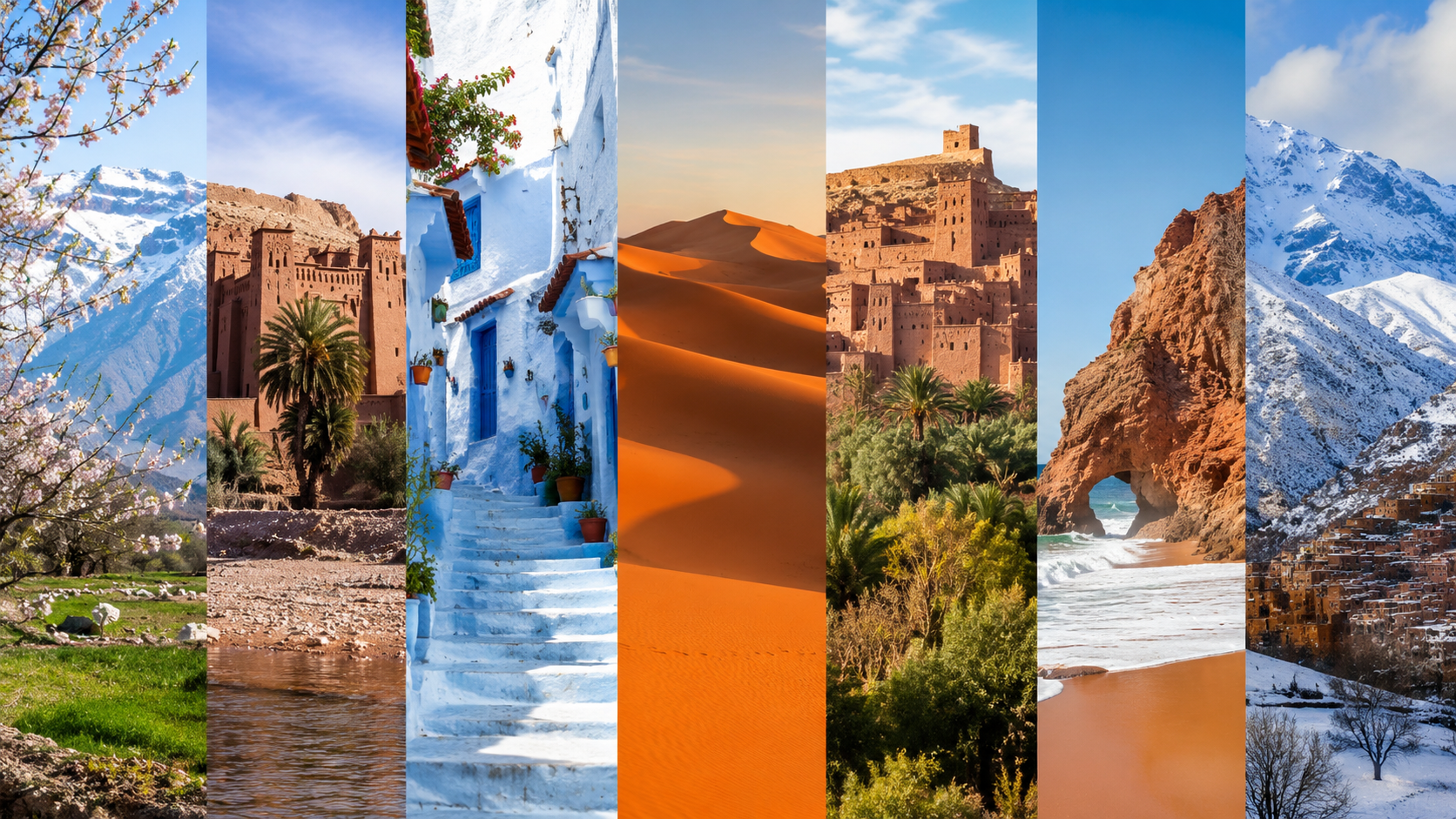
Month-by-Month Morocco Travel Guide
January in Morocco
January is one of Morocco’s coolest months. Coastal cities remain mild, while inland destinations like Marrakech and Fes experience chilly mornings and evenings. Snow often appears in the Atlas Mountains, creating beautiful scenery and occasional ski opportunities.
The Sahara becomes more comfortable during daytime hours, although desert nights can feel cold. January is excellent for travelers wanting fewer crowds and lower hotel prices after the holiday season.
Best for:
- Desert trips
- Cultural city breaks
- Surfing
- Winter sunshine escapes
Less ideal for:
- Swimming outside southern coastal resorts
- High mountain trekking
February in Morocco
February still feels like winter in many parts of Morocco, but temperatures begin slowly improving. Almond blossoms appear in some regions, and the landscapes start becoming greener.
This month works especially well for travelers wanting quieter cities and pleasant sightseeing weather without heavy tourism crowds. Surf conditions remain strong along the Atlantic coast.
Best for:
- Marrakech and Fes city trips
- Surfing around Taghazout
- Desert tours
- Budget-friendly travel
Less ideal for:
- Long beach holidays
- Mountain hiking at high elevation
March in Morocco
March marks the beginning of Morocco’s spring travel season. Temperatures become more comfortable across the country, landscapes turn greener, and flowers begin appearing in valleys and mountain regions.
For many travelers, March is one of the best balances between good weather, manageable crowds, and moderate prices.
Best for:
- Road trips
- City exploration
- Atlas scenery
- Desert experiences
Less ideal for:
- Very warm beach holidays
Many travelers searching “Morocco in March” choose this month because it allows comfortable travel across multiple regions without extreme heat.
April in Morocco
April is one of the most beautiful months to visit Morocco. Spring colors are visible across much of the country, temperatures are pleasant, and conditions are ideal for active travel.
Cities feel lively without reaching peak summer intensity. Desert conditions remain comfortable, and mountain routes become more accessible after winter.
Best for:
- Multi-city itineraries
- Hiking
- Desert tours
- Photography
- Road trips
Less ideal for:
- Travelers wanting very low prices
April is often considered one of the overall best times for a complete Morocco itinerary.
May in Morocco
May combines warm temperatures with relatively manageable tourism levels before summer peaks begin. Beaches become more attractive, while inland destinations remain comfortable.
This month is particularly strong for travelers wanting both coast and interior destinations in one trip.
Best for:
- Coast + city combinations
- Surfing
- Cultural travel
- Scenic drives
Less ideal for:
- Travelers seeking very quiet destinations
June in Morocco
June marks the start of Morocco’s summer season. Coastal cities remain pleasant, but inland areas begin heating up significantly.
Agadir and Essaouira become especially attractive due to Atlantic breezes, while desert travel starts becoming more demanding during midday hours.
Best for:
- Beach holidays
- Surf-adjacent travel
- Coastal road trips
Less ideal for:
- Long midday desert excursions
- Intense city sightseeing in peak afternoon heat
July in Morocco
July is hot across much of inland Morocco. Marrakech, Fes, and desert regions can experience very high daytime temperatures.
However, coastal cities remain more manageable, making Agadir, Essaouira, and northern coastal regions popular during summer.
Best for:
- Atlantic beach holidays
- Resort stays
- Early morning sightseeing
- Surf towns
Less ideal for:
- Midday desert travel
- Heavy walking itineraries inland
August in Morocco
August is Morocco’s busiest domestic holiday month. Beaches and resort areas become crowded, while inland heat remains intense.
Travelers who visit in August should prioritize slower pacing, coastal destinations, and accommodation with air conditioning or pools.
Best for:
- Family beach holidays
- Coastal resorts
- Evening-focused city exploration
Less ideal for:
- Fast-paced multi-city trips
- Long daytime outdoor excursions inland
September in Morocco
September is one of Morocco’s best travel months. Summer heat begins easing slightly, the sea remains warm, and crowds gradually reduce after peak holiday periods.
This month works extremely well for balanced itineraries combining beach, city, and desert experiences.
Best for:
- Road trips
- Beach + culture combinations
- Surfing
- Photography
Less ideal for:
- Travelers seeking the absolute lowest prices
October in Morocco
October is often considered the single best month to visit Morocco. Temperatures become comfortable almost everywhere, desert conditions improve dramatically, and travel feels easier overall.
Travelers searching “Morocco in October” often choose this month for full-country itineraries because conditions work well across nearly every region.
Best for:
- Desert travel
- Imperial cities
- Hiking
- Long self-drive itineraries
- Photography
Less ideal for:
- Travelers wanting empty tourist sites
November in Morocco
November brings cooler evenings and fewer crowds while still offering excellent conditions for many destinations.
The coast remains pleasant, desert travel becomes easier again, and cities feel calmer after autumn peaks.
Best for:
- Cultural trips
- Desert experiences
- Budget-conscious travelers
- Relaxed road trips
Less ideal for:
- Guaranteed beach swimming weather
December in Morocco
December combines festive atmosphere with cooler temperatures and lower tourism pressure outside holiday weeks.
The desert becomes especially attractive again, while mountain regions may begin seeing snow. Coastal areas remain mild compared to much of Europe.
Best for:
- Winter sun escapes
- Desert tours
- New Year trips
- Cultural travel
Less ideal for:
- Consistently warm swimming weather everywhere
Travelers planning winter desert trips should also explore our Sahara Desert Guide before choosing routes and overnight experiences.
Best Months for Each Region
Best Time for Morocco’s Coast
The Atlantic coast works well year-round, but May through October offers the warmest beach conditions. Surfing is strongest during autumn and winter, especially around Taghazout and Essaouira.
Best months:
- Beach holidays: June–September
- Surfing: October–March
- Balanced weather: April, May, September
Best Time for Imperial Cities
Marrakech, Fes, Meknes, and Rabat are most comfortable during spring and autumn. Summer can become extremely hot inland.
Best months:
- March–May
- September–November
Less ideal:
- July and August afternoons
Best Time for Atlas Mountains
Mountain travel depends heavily on altitude. Spring brings green landscapes and flowers, while autumn offers stable trekking conditions.
Best months:
- April–June
- September–October
Winter:
- Snow possible at higher elevations
Best Time for the Sahara Desert
The Sahara is best during cooler months. Spring and autumn provide the best balance of warmth and comfort.
Best months:
- October–April
Less ideal:
- July and August due to extreme daytime heat
Best Time for Specific Activities
Surfing
Best months:
- October–March
Taghazout and Essaouira become major surf destinations during this period.
Trekking
Best months:
- April–June
- September–October
These seasons offer the safest and most comfortable mountain conditions.
Desert Experiences
Best months:
- October–April
Cooler weather makes camel rides, camp stays, and dune exploration more enjoyable.
Cultural City Trips
Best months:
- March–May
- September–November
Cities remain active but temperatures become far more comfortable.
Road Trips
Best months:
- Spring and autumn
These seasons allow travelers to move comfortably between coast, mountains, cities, and desert regions.
If you are planning a flexible itinerary across several regions, Car Rental Morocco makes it easier to adapt your route to seasonal weather and avoid fixed schedules.
Peak Season vs Shoulder Season vs Low Season Pricing
| Season | Typical Period | Prices | Crowds | Weather |
|---|---|---|---|---|
| Peak Season | July–August, holiday periods | Highest | Busiest | Hot inland, busy coast |
| Shoulder Season | March–May, Sept–Oct | Moderate | Comfortable | Best overall balance |
| Low Season | Jan–Feb, parts of Nov | Lowest | Quietest | Cooler temperatures |
Spring and autumn generally provide the best balance between weather, crowd levels, and accommodation value.
Avoiding the Heat: July & August Strategies
Morocco can become extremely hot inland during midsummer, especially in Marrakech and desert regions. That does not mean you should avoid Morocco completely in July or August, but planning becomes more important.
Helpful strategies include:
- Prioritize coastal cities
- Schedule sightseeing early morning or evening
- Choose hotels with pools or air conditioning
- Limit midday walking
- Avoid aggressive multi-city itineraries
- Stay hydrated constantly
Agadir and Essaouira are usually much easier than Marrakech during peak summer heat because Atlantic breezes moderate temperatures.
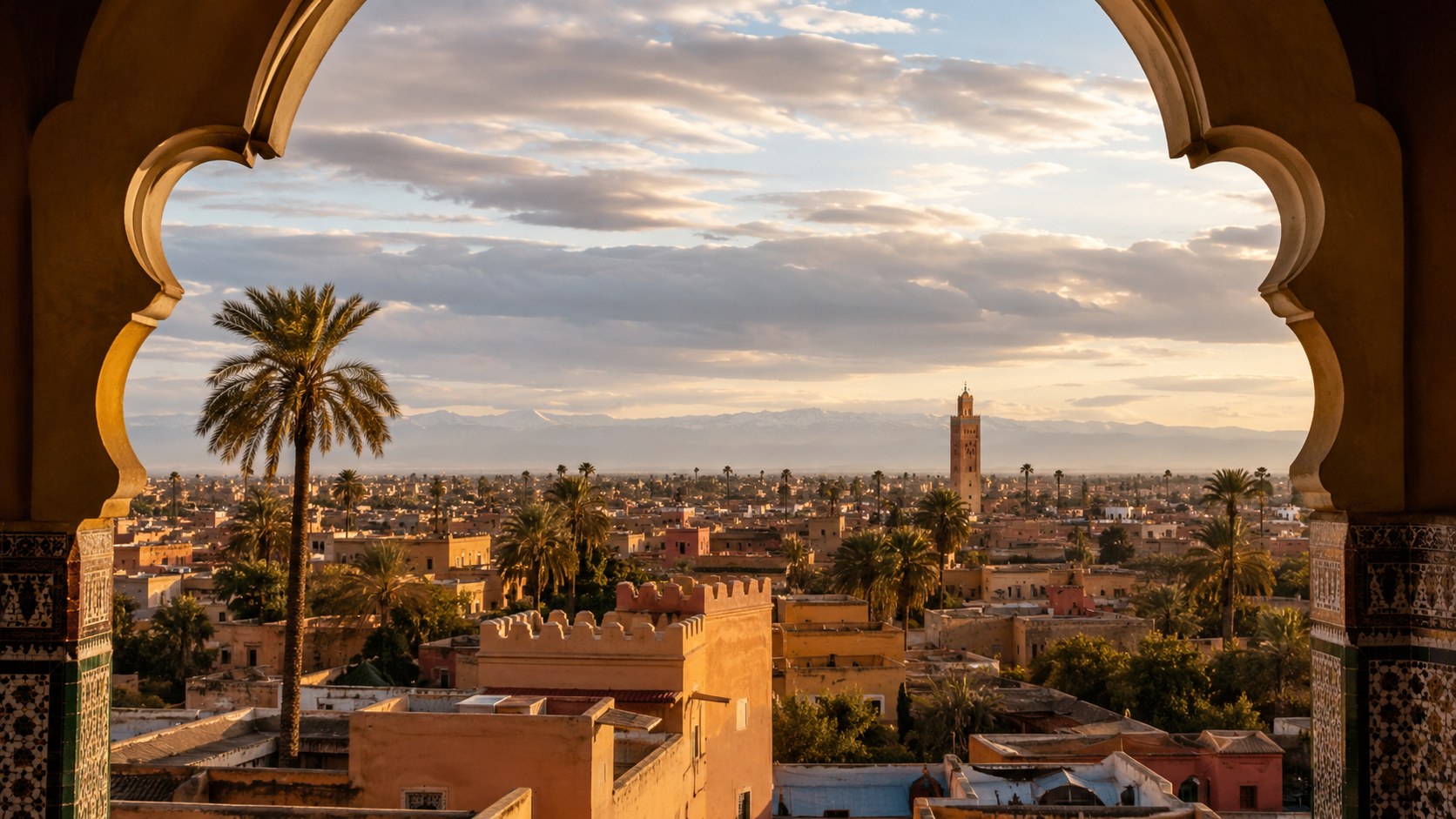
Weather Surprises Tourists Don’t Expect
Many travelers underestimate Morocco’s climate differences.
Common surprises include:
- Desert nights becoming cold in winter
- Snow in the Atlas Mountains
- Cooler-than-expected Atlantic beaches
- Major temperature differences between day and night
- Rainy periods in northern regions during winter
Morocco is not “hot everywhere all year.” Understanding regional climate differences improves trip planning significantly.
FAQ
1. What is the best month to visit Morocco?
For many travelers, October and April offer the best overall balance of weather, crowds, and travel comfort.
2. Is Morocco too hot in summer?
Inland cities and desert regions can become extremely hot in July and August, but coastal destinations remain more comfortable.
3. When is the cheapest time to visit Morocco?
January, February, and parts of November often offer lower accommodation prices and fewer crowds.
4. What is the best time for a Morocco road trip?
Spring and autumn are ideal because temperatures remain comfortable across multiple regions.
5. Is Morocco good in winter?
Yes. Winter is excellent for desert travel, city breaks, surfing, and quieter tourism overall.
6. When should I avoid the Sahara Desert?
July and August can become extremely hot during daytime hours.
7. What is the rainy season in Morocco?
Rain is more common between November and March, especially in northern and coastal regions.
8. Is Morocco crowded in August?
Yes. August is one of the busiest months for both international and domestic tourism.
9. What is the best month for Marrakech?
March, April, October, and November are usually considered the most comfortable.
10. What is the best month for Agadir?
Agadir works year-round, but May through October is especially popular for beach holidays.
11. Is Morocco cold at night?
Yes, especially in the desert and mountain regions during winter months.
12. What is the best time for surfing in Morocco?
October through March offers the strongest surf conditions.
13. Can you visit Morocco during Ramadan?
Yes, though opening hours and daily rhythms may change slightly depending on the city and year.
14. Is spring better than autumn in Morocco?
Both are excellent. Spring offers greener landscapes, while autumn often has warmer sea temperatures.
15. What season is best for the Atlas Mountains?
Spring and autumn provide the most stable and comfortable trekking conditions.
Book with MarHire
The best time to visit Morocco depends on the kind of experience you want. Spring and autumn are ideal for balanced itineraries, summer works best for coastal escapes, and winter offers quieter travel with excellent desert conditions.
Whether you are planning a road trip through imperial cities, a beach holiday in Agadir, or a Sahara adventure near Merzouga, timing your trip properly can completely change the experience.
With Car Rental Morocco, you can travel between Morocco’s regions at your own pace and adapt your itinerary to the season, weather, and style of trip you want most.