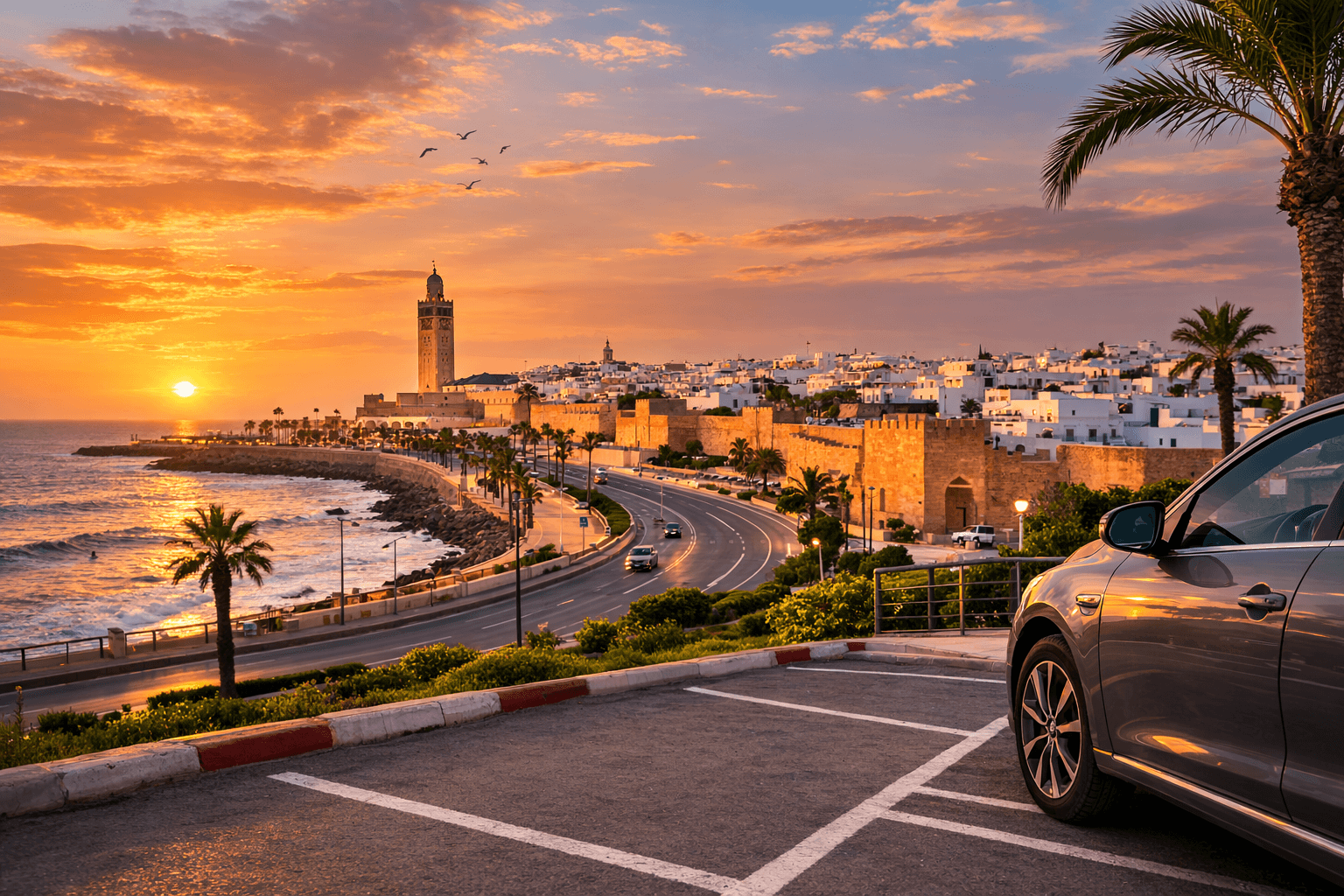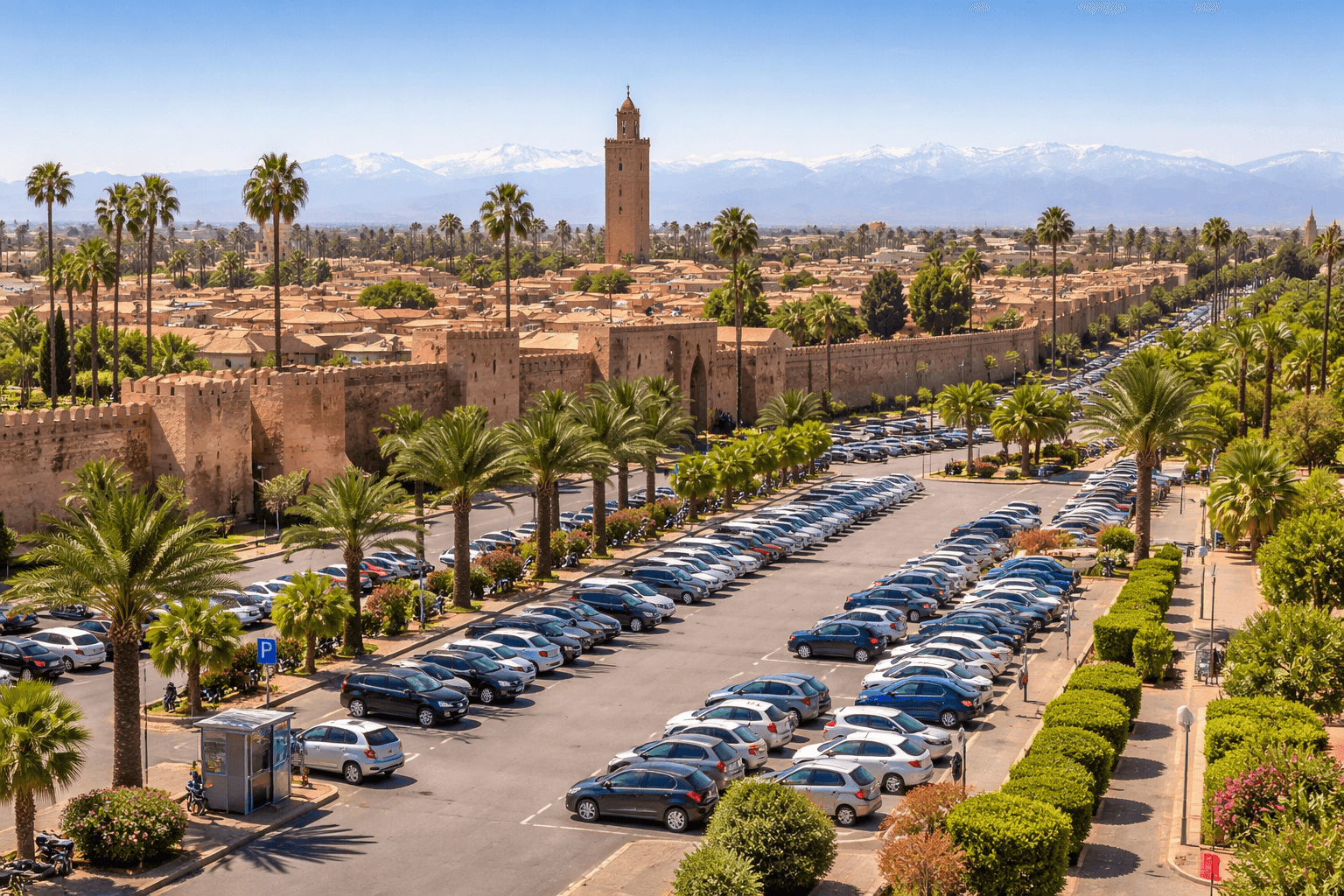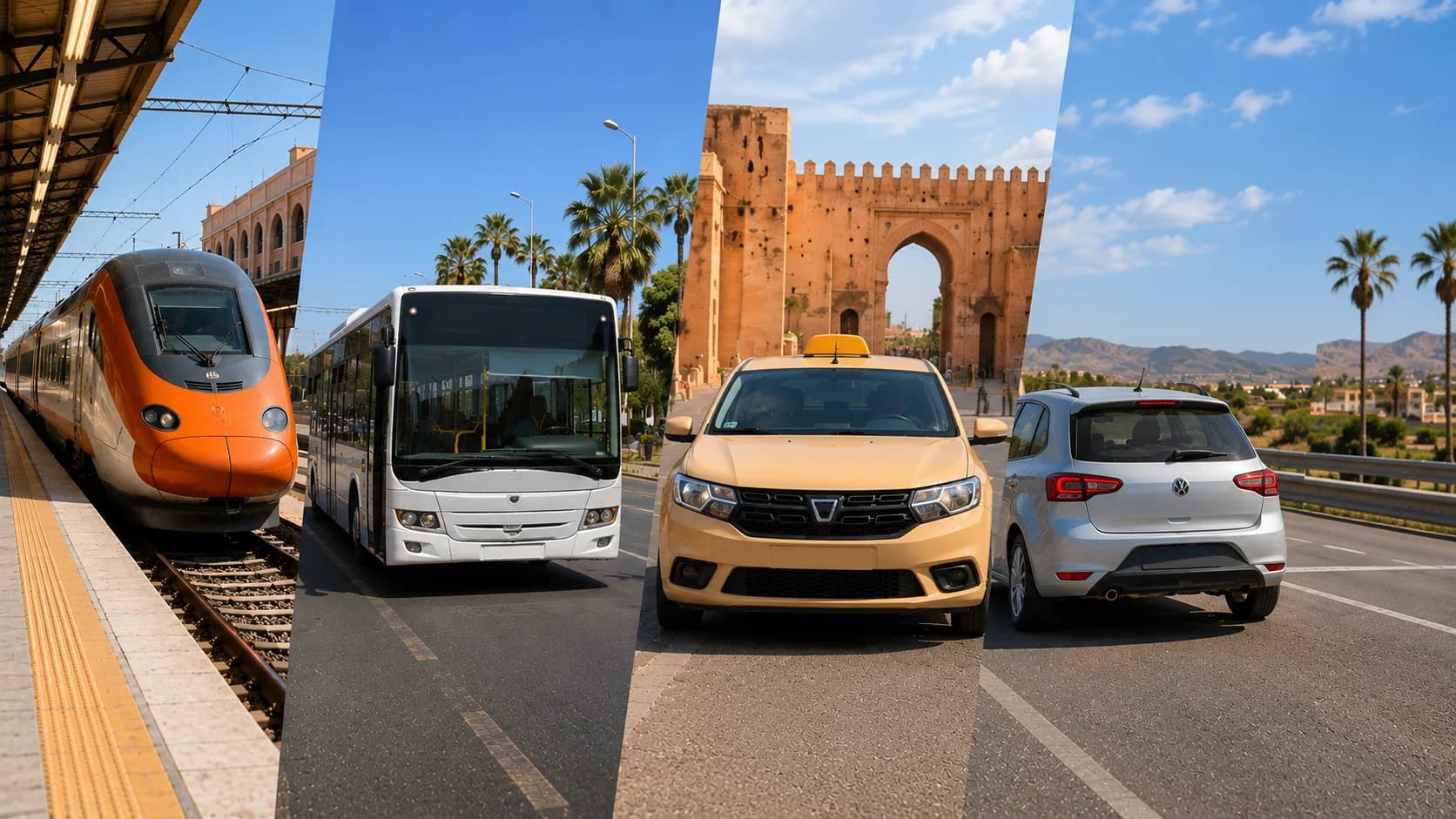









Renting a car is one of the easiest ways to explore Morocco with more freedom. Trains are useful on some major routes and buses can connect many cities, but they do not always match the pace or flexibility travelers want. Morocco’s official tourism site lists rental cars among the main ways to get around the country and notes that driving is on the right, most vehicles are manual, and road signs are typically in French and Arabic.
That matters because Morocco is a destination where many of the best experiences happen between cities, not just inside them. A rental car makes airport arrival easier, helps with hotel transfers, and gives you direct access to beaches, mountain roads, surf towns, medina-edge parking areas, and day trips that are harder to manage with fixed transport. It also lets you move on your own schedule instead of planning everything around train or bus times.
Still, many travelers ask the same questions before they book. What documents do you need? Is automatic or manual better? What insurance should you choose? What should you inspect before leaving the pickup point? And what mistakes should you avoid?
This guide explains how to rent a car in Morocco from start to finish. It covers vehicle choice, documents, insurance, booking, pickup, inspection, driving rules, return procedures, and the most common problems travelers can prevent with a little preparation. If you are ready to compare options, start with Car Rental Morocco and browse the MarHire Fleet Overview before choosing the right category for your route.
Step 1: Choose Your Car Type
The first step is choosing a car that matches your trip, not just your budget. Morocco has a wide mix of roads and travel styles, so the right vehicle depends on where you are going, how many people you are traveling with, how much luggage you have, and whether you expect city traffic, long motorway drives, or mountain routes.
For city breaks with light luggage, a compact hatchback is usually enough. It is easier to park, easier to move through tighter streets, and often cheaper. For couples or small families doing airport pickup plus intercity travel, a sedan or compact SUV may be more comfortable. For longer road trips, coastal routes, or family travel with bags and child seats, extra space quickly becomes useful. The wrong car often feels fine on paper and frustrating in real life.
Transmission matters too. Morocco’s official tourism site notes that most vehicles are manual. If you normally drive automatic, book an automatic early because availability can be tighter than for manual models.
Also think about where the car will actually go. A medina-focused city stay needs a different car than a wide-open route between Agadir, Essaouira, Marrakech, or Tangier. If you plan a lot of hotel, airport, or family movement, comfort matters more than the cheapest daily rate.
A good rule is simple: choose the smallest car that still fits your people, luggage, and comfort level. For nationwide options across categories, you can compare Car Rental Morocco and review the MarHire Fleet Overview before booking.
Step 2: Compare Prices & Platforms
Once you know your ideal vehicle category, compare offers carefully. This is where many travelers make mistakes. The lowest headline price is not always the best deal, because rental value depends on more than the daily rate.
Start by checking the basics: transmission, mileage policy, deposit rules, fuel policy, insurance level, pickup location, and whether airport delivery or out-of-hours service is included. A cheaper rate can become less attractive if it excludes things you actually need. The best comparison is not only “which one costs less,” but “which one gives fewer surprises.”
Morocco’s tourism site specifically notes that you can rent ahead before leaving your country using travel-agency platforms, which is often easier than trying to sort everything on arrival. An older official tourism article also recommends renting online in advance because it can simplify the process and may reduce cost.
This is also the stage where you should compare direct local agencies against large aggregators. Platforms help with browsing, but always read the actual rental terms before paying. Some travelers compare only price and ignore the pickup process, allowed payment method, or deposit conditions.
When you compare, check:
- what the total includes
- whether the pickup is inside the airport or meet-and-greet nearby
- whether extra drivers, child seats, or one-way returns cost more
- whether the car shown is guaranteed or only an example category
If you are booking in peak periods or need an automatic, early booking matters even more. That gives you better choice and reduces the chance of settling for a car that does not fit your trip.
Step 3: Check Requirements & Documents
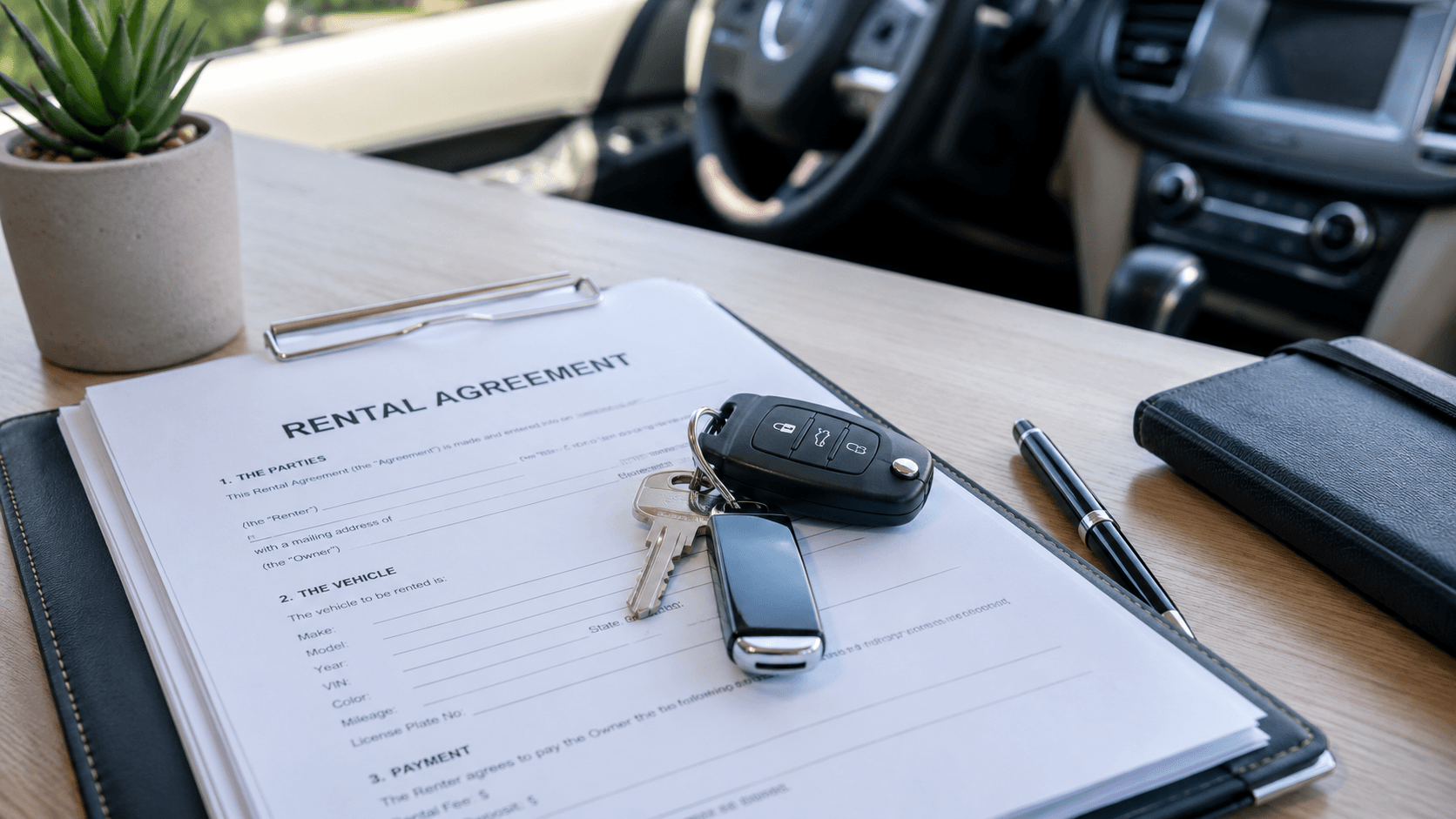
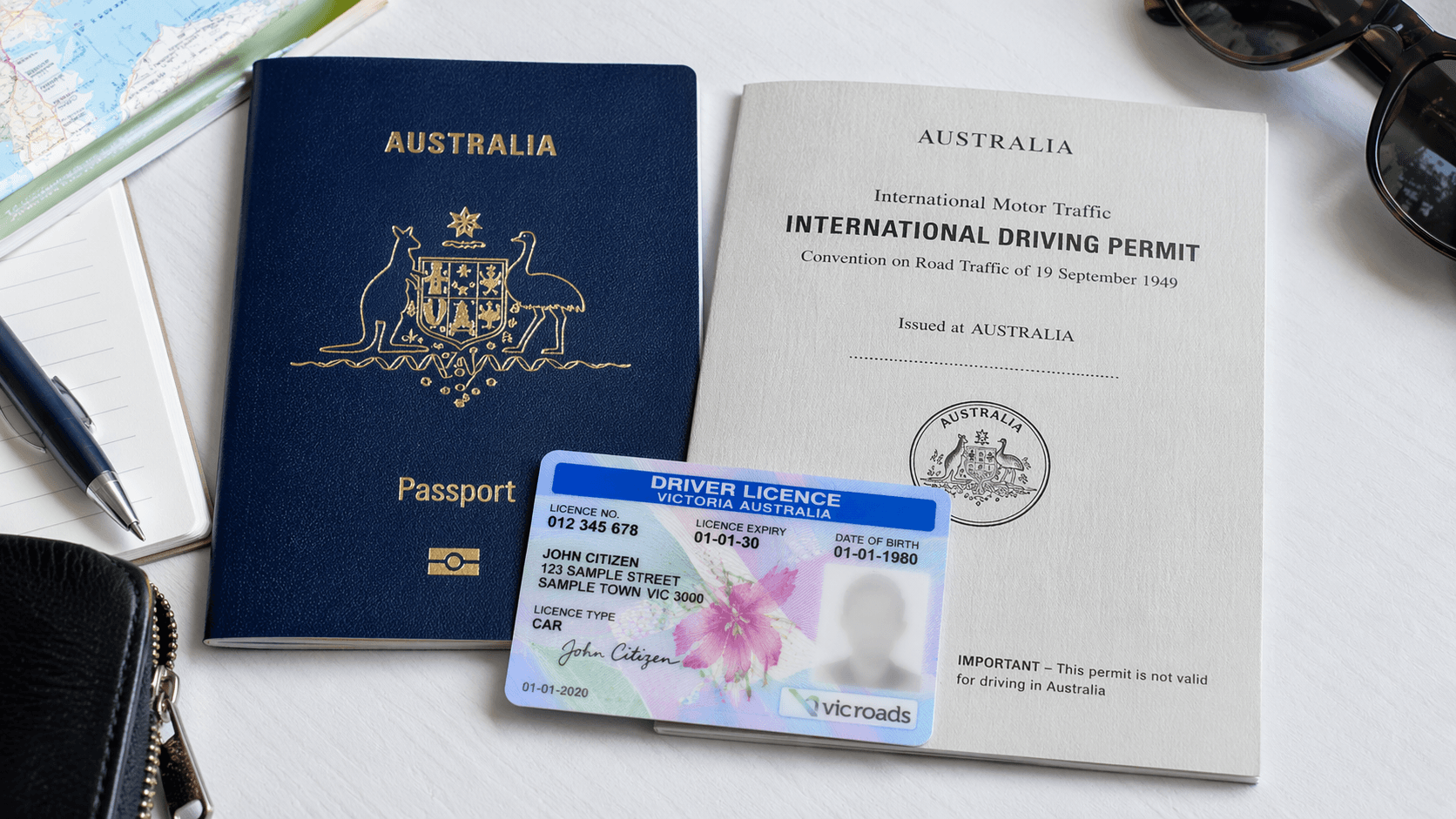
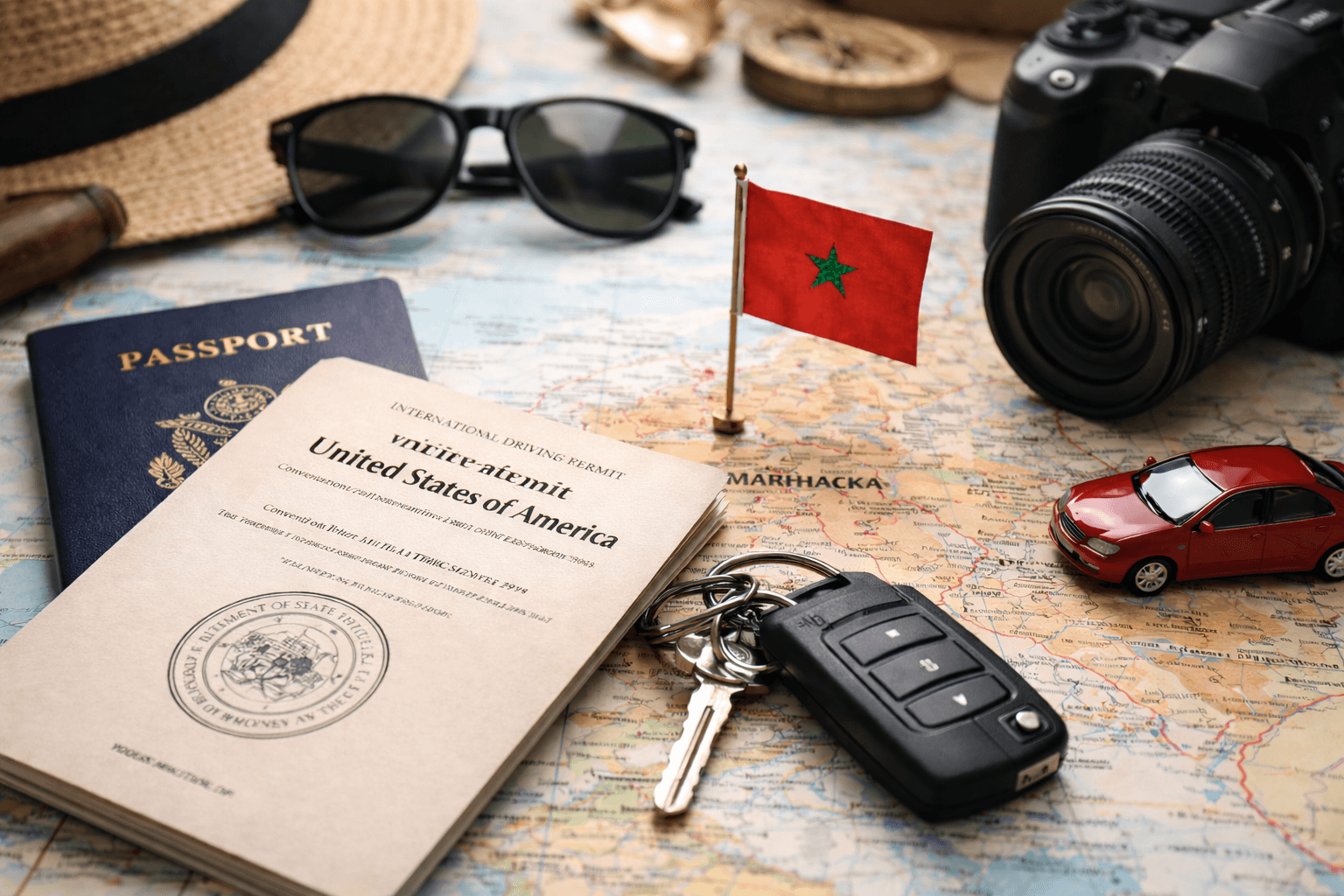
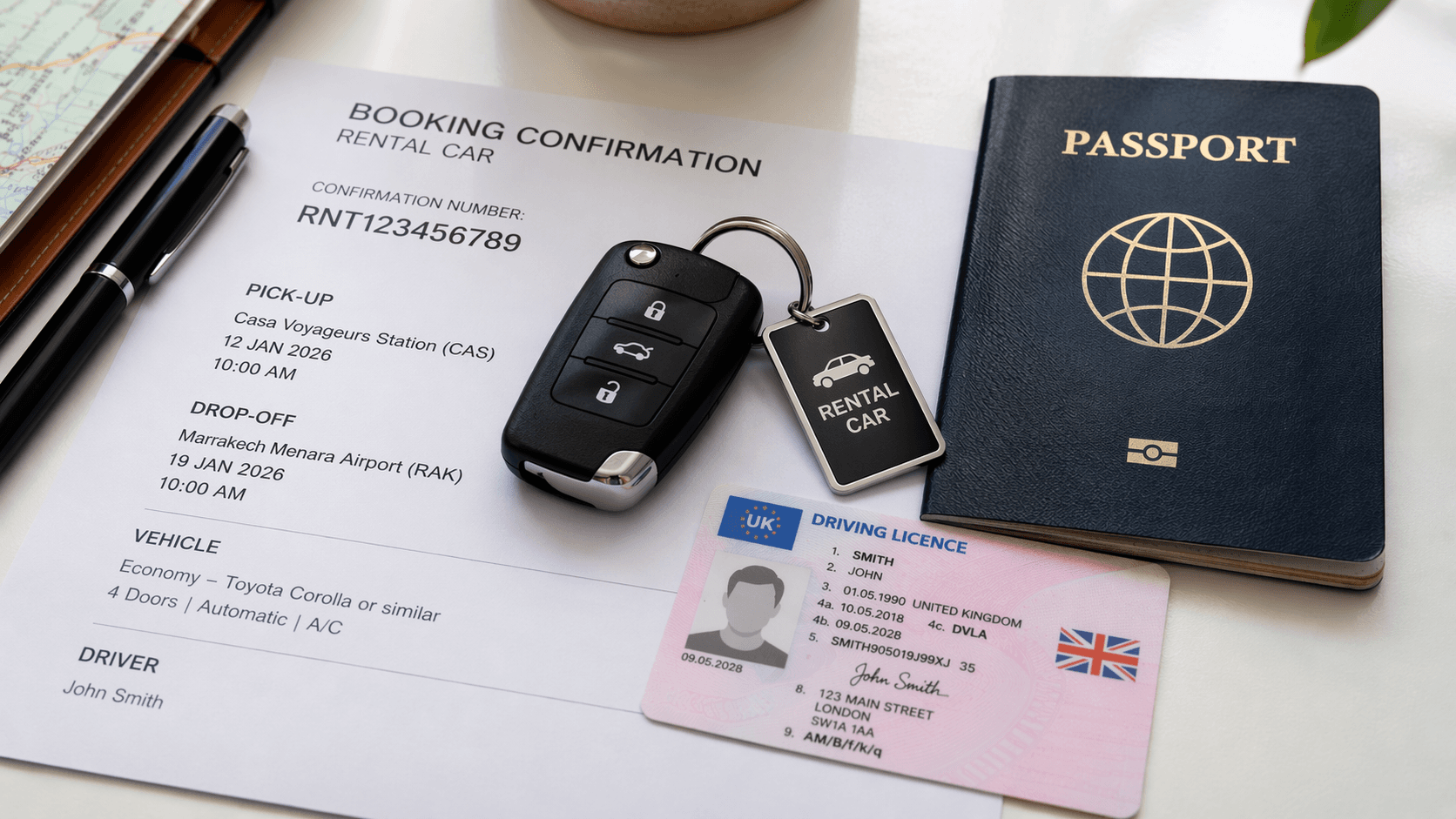
Before you book, make sure you actually have the documents the rental desk will expect. At minimum, most travelers should plan to bring their original driving licence, passport, booking confirmation, and the payment card or accepted payment method required by the agency. While specific company policies vary, these are the practical basics repeatedly cited in recent Morocco rental guidance.
Your driving licence matters most. Recent Morocco rental guidance indicates that foreign licences are generally accepted for tourists, while an International Driving Permit is mainly useful as a translation layer, especially if your licence is not easy to read in French, Arabic, or English.
Also make sure:
- the licence is valid and not damaged
- the booking name matches the driver details
- you carry the physical original, not just a photo
- the main driver has the payment method expected by the agency
If you are arriving by air, Morocco’s official tourism site notes that car rental agencies are commonly available at airport exits, which makes airport pickup convenient if your documents are ready. ONDA, Morocco’s airport operator, also confirms the main airport network and current airport infrastructure updates, which matters when planning pickup flow at airports such as Marrakech Menara, Agadir Al Massira, and Casablanca Mohammed V.
One important note: if you are bringing your own foreign vehicle into Morocco, customs rules are different. Moroccan customs states that foreign tourists not residing in Morocco may import a motor vehicle temporarily for up to six months. That is separate from standard car rental, but useful to know if you are comparing self-drive options.
Step 4: Understand Insurance Options
Insurance is one of the most important parts of renting a car in Morocco, because it is also where confusion starts. Travelers often see several cover levels and are not sure what they actually mean.
At a basic level, you may see standard cover included, then optional upgrades that reduce your financial exposure if the car is damaged. Morocco’s official tourism content has previously advised travelers that taking additional insurance at booking can reduce hassle later, especially if you want a smoother handover and return process.
The key point is not to buy everything blindly. Instead, understand what each option changes. Check:
- whether there is an excess or deductible
- whether tyres, glass, mirrors, underbody, or wheels are excluded
- whether theft cover is included
- what paperwork is needed if an incident happens
- whether you must report damage immediately
Some travelers choose the cheapest rate and then discover the deposit is larger or the financial exposure is much higher than expected. Others overpay for coverage they do not understand. The best approach is to compare the protection level against the type of trip you are doing. If you expect city driving, tight parking, long mileage, or want a lower-stress experience, stronger cover can be worthwhile.
Even with good insurance, always inspect the car and keep evidence of its condition. Insurance works best when the condition at pickup is clearly documented.
Step 5: Book Your Car
Once you have chosen the car, checked the documents, and understood the insurance level, book the vehicle with all core details confirmed. This step should be simple, but accuracy matters.
Before you pay, confirm:
- pickup city and exact location
- date and time
- transmission
- fuel policy
- insurance level
- extra driver or child seat if needed
- return city if one-way
- main driver details
Try not to leave important assumptions unverified. A booking should not be “mostly right.” It should be exact. Save the confirmation email, screenshot the details, and keep a copy accessible offline in case your data connection is weak at arrival.
Morocco’s tourism site specifically recommends arranging rental cars ahead of travel, which is the best move for smoother pickup and better availability.
Step 6: Pick Up Your Car
Pickup day is where preparation pays off. Whether you collect at an airport, city office, or hotel handover point, give yourself enough time. Do not rush the process just because you want to get on the road quickly.
Morocco’s tourism site says that at the exit of any airport, travelers can take taxis, shuttle buses, or call a car rental agency, and also notes that rental agencies are widely available for self-drive travel.
At pickup, you should:
- present your licence and passport
- confirm the booking name and car category
- review the contract terms
- verify the deposit or payment amount
- ask where the car must be returned
- check fuel level and mileage entry
- make sure you receive the required driving paperwork
Do not leave until you know who to contact if there is a delay, warning light, puncture, or minor issue during the rental. This matters more than many travelers expect, especially after late-night arrivals.
If the agency proposes a different model, check whether it is a real upgrade, a neutral swap, or a worse fit for your luggage and route. “Similar category” can mean very different practical outcomes. A smaller boot, manual instead of automatic, or lower seating position may change the usefulness of the car.
A calm pickup is a good sign. A rushed pickup is exactly when details get missed.
Step 7: Inspect the Vehicle
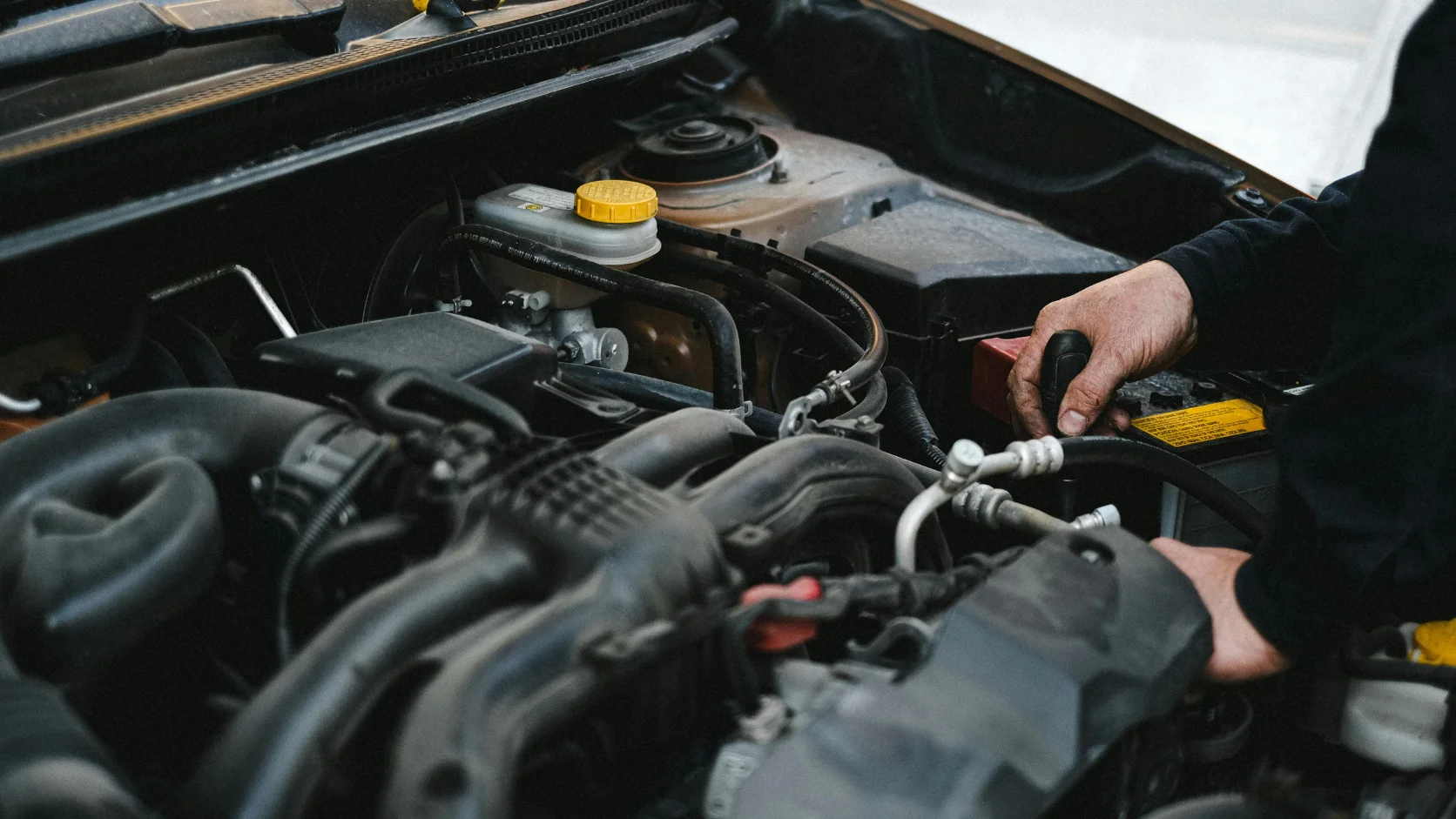
Always inspect the vehicle before driving away. This is not optional. It is one of the simplest ways to avoid disputes later.
Morocco’s tourism content has explicitly advised renters to check the car for bumps when handed over and even to photograph or film the corners and important parts of the vehicle.
Take photos or video of:
- all four sides
- front bumper and rear bumper
- wheels and rims
- windscreen and mirrors
- roof if visible
- dashboard with mileage and fuel level
- interior condition if relevant
Then compare what you see with the checkout form or digital inspection record. If something is missing, ask for it to be added before departure.
Also check basic function:
- lights
- indicators
- wipers
- air conditioning
- locking
- spare wheel or repair kit if supplied
Two extra minutes here can save a lot of stress on return day.
Step 8: Know the Rules of the Road
Once you leave the pickup point, the priority changes from paperwork to safe driving. Morocco’s official tourism site says cars drive on the right, and road signs are usually in French and Arabic. It also notes that most vehicles are manual, which matters if you are used only to automatic.
For practical driving behavior, recent road-safety materials and tourism guidance consistently emphasize:
- respect speed limits
- wear seat belts
- avoid driving under fatigue
- stay alert to changing traffic conditions
An older official tourism article gives common posted limits of 60 km/h in urban areas, 100 km/h on national roads, and 120 km/h on motorways, while also warning that speeding enforcement is active. Because speed signage can vary locally, the safest rule is to follow posted limits at all times rather than rely only on generic numbers.
The useful-apps page from Morocco’s tourism office also highlights the Autoroutes du Maroc app for live traffic events and toll information on highways, which can help when planning longer drives.
In real terms, driving in Morocco is manageable, but it rewards attention. City traffic can feel busy, roundabouts require confidence, and medina areas often mean you will park nearby rather than directly inside historic cores. Calm, attentive driving is far more important than aggressive progress.
Step 9: Return the Car
Returning the car should be as organized as pickup. Aim to arrive on time, or earlier if the return point is an airport and you also have a flight to catch.
Before return:
- refuel if your policy requires it
- remove all personal items
- take fresh photos of the car
- check the interior, boot, and door pockets
- confirm the return location and handover method
Then do a final walkaround with the agent if possible. Ask for confirmation that the vehicle was returned with no new issues beyond anything already recorded. A clean return process is much easier when your pickup photos, fuel policy, and mileage are all clear.
If the return is outside office hours, follow the written procedure exactly and keep photo proof of condition, fuel, mileage, parking position, and key handover method.
Common Mistakes to Avoid
The biggest mistake is choosing based only on daily price. A low rate can look great until you notice the wrong transmission, a high deposit, weak insurance, or a pickup setup that does not suit your arrival.
The second mistake is not reading the actual conditions. Travelers often remember the price and forget the rules attached to it.
The third mistake is arriving without the correct original documents. Even when the requirements are simple, forgetting the physical licence or having mismatched booking details can slow everything down.
Another common problem is failing to inspect the vehicle properly. Morocco’s tourism content specifically recommends photographing the car at handover, and that advice is worth following every time.
Travelers also underestimate route planning. Morocco is well set up for road travel, but journey style matters. Airport pickup, night arrival, city traffic, toll roads, surf equipment, child seats, and hotel parking all affect what kind of rental experience you actually have.
Finally, do not assume “I’ll sort it at the desk” is a good strategy. The more you settle before arrival, the smoother the trip usually becomes.
Why Renting a Car in Morocco Makes Sense
Morocco’s official tourism site presents rental cars as one of the main ways to get around the country, especially for travelers who want to move at their own pace. That is exactly why so many visitors choose self-drive. It works well for airport arrivals, multi-city routes, coastal travel, day trips, and flexible itineraries that are harder to build around rail or coach schedules alone.
This is especially true if your plan includes places that are easier by road than by train. Agadir, for example, is specifically noted by Morocco’s tourism site as outside the main rail network, which makes car hire more practical for many itineraries in the south and along the coast.
That is why Car Rental Morocco often becomes the simplest travel base for visitors who want flexibility across cities, airports, and regional routes. Before you choose, review the MarHire Fleet Overview to match the vehicle to the trip.
FAQ
1. What documents do I need to rent a car in Morocco?
Usually your original driving licence, passport, booking confirmation, and the payment method required by the rental company. Some providers may also expect the main driver’s card to match the booking details.
2. Do I need an International Driving Permit in Morocco?
Not always. Recent guidance indicates many tourists can use their home licence, while an IDP is mainly helpful as a translation if the original licence is not easy to read in common local or agency languages.
3. Is it better to book a rental car before arriving in Morocco?
Yes. Morocco’s official tourism site says you can rent ahead before leaving your country, which usually makes the process easier and improves vehicle choice.
4. Are most rental cars in Morocco manual or automatic?
Most are manual, according to Morocco’s official tourism site. Automatic cars are available, but usually in lower supply, so early booking is smart.
5. Can I pick up a rental car at the airport in Morocco?
Yes. Morocco’s tourism site says car rental agencies are available at airport exits, and ONDA confirms the main airport network across cities such as Marrakech, Agadir, Casablanca, Fes, Rabat, and Tangier.
6. What should I check when picking up the car?
Check the bodywork, wheels, glass, fuel level, mileage, and basic functions. Morocco’s tourism guidance specifically recommends photographing or filming the vehicle at handover.
7. On which side of the road do people drive in Morocco?
On the right. Morocco’s official tourism site states that cars drive on the right.
8. Are road signs in English in Morocco?
They are commonly in French and Arabic, according to Morocco’s tourism site. Some tourist areas may include more languages, but you should expect French and Arabic as the main signage languages.
9. What are the main road-safety basics to remember?
Wear seat belts, respect posted speed limits, avoid fatigue, and stay attentive. These are emphasized in Morocco road-safety and travel guidance.
10. Is renting a car a good idea for traveling across Morocco?
Yes, especially if you want flexibility. Morocco’s tourism site lists rental cars as a practical way to travel around the country at your own pace.
11. Is Agadir connected by train like other major cities?
No. Morocco’s tourism site notes that the rail network connects many major cities except Agadir, Nador, and some smaller cities, which is one reason car hire is useful for southern routes.
12. What is the biggest mistake travelers make when renting a car in Morocco?
Usually focusing only on the headline price and not checking the real terms: transmission, deposit, insurance, mileage, pickup conditions, and return rules.
Book with MarHire
If you want the easiest way to handle airport pickup, city travel, coastal drives, or multi-stop routes, renting a car gives you much more flexibility than fixed public transport alone. Morocco’s official tourism guidance already presents rental cars as a core way to explore the country, and with the right preparation the process is straightforward.
Browse Car Rental Morocco to compare options across major cities, and use the MarHire Fleet Overview to choose the right category for your route, luggage, and driving style. Book early, bring the right documents, inspect the car carefully, and you will start your Morocco road trip with fewer surprises and much more confidence.