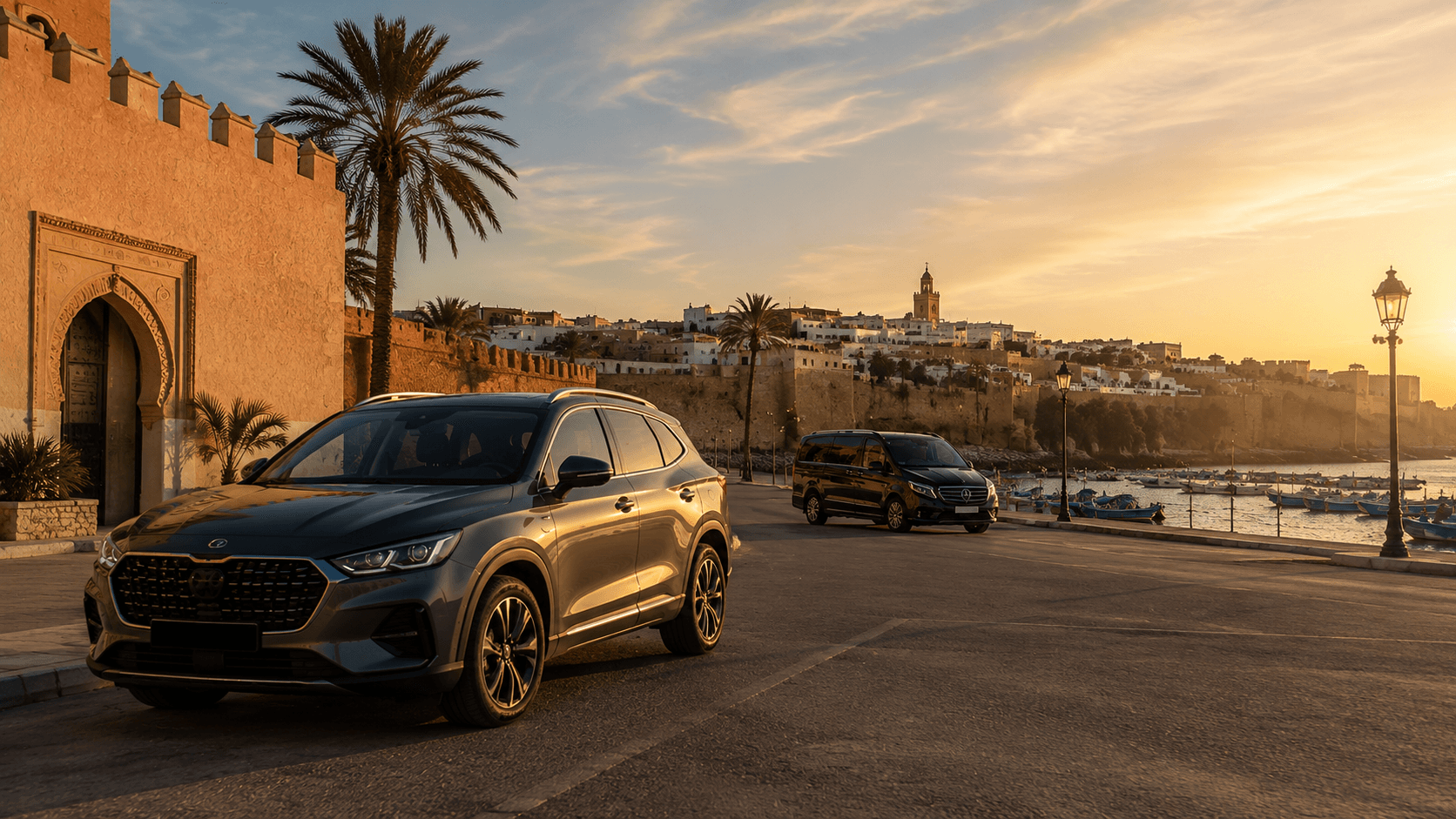



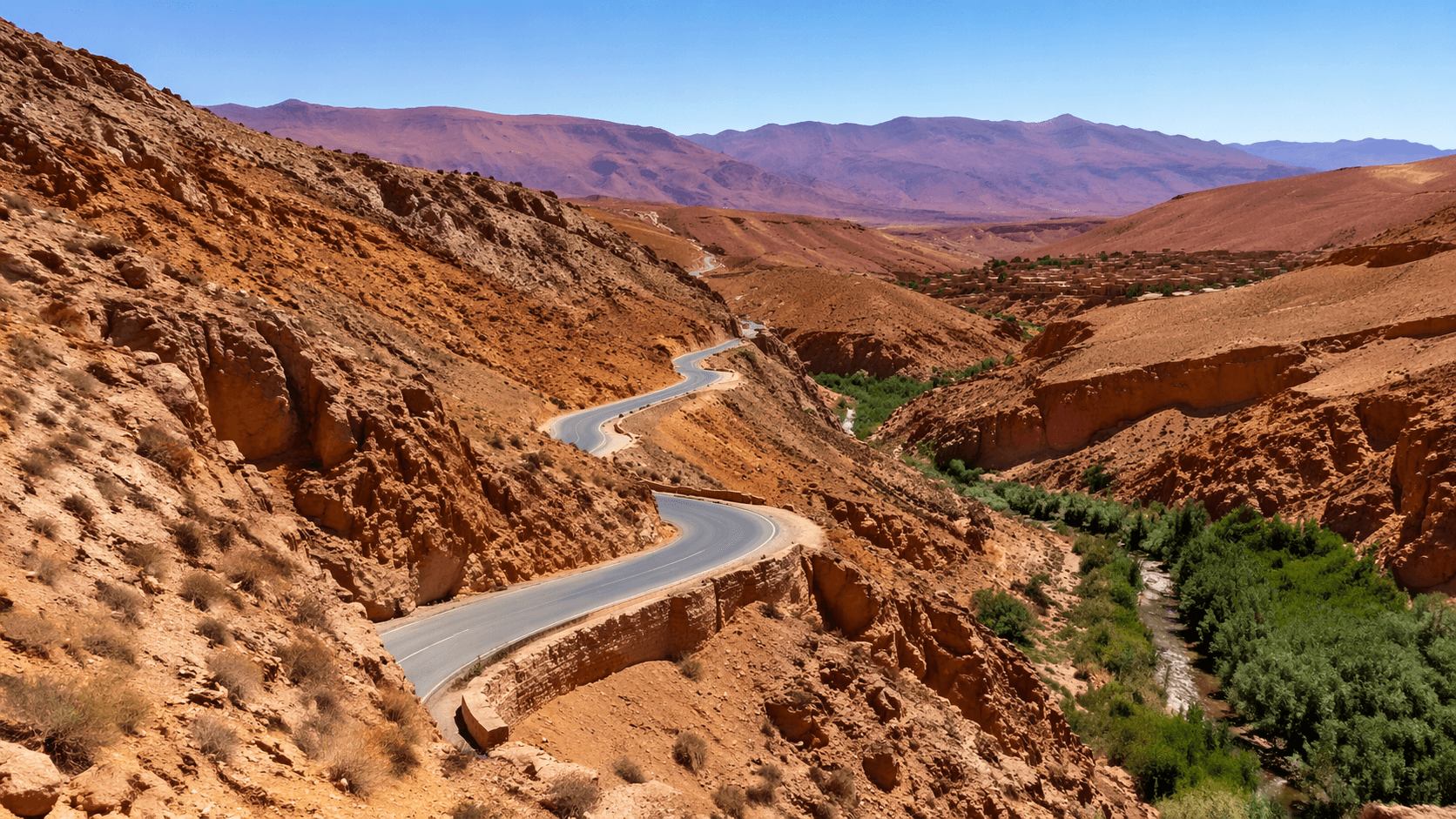
A Morocco road trip can be one of the best ways to experience the country. In a single journey, you can move from Atlantic beaches to mountain passes, from medina cities to desert gateways, and from relaxed coastal towns to dramatic valleys and kasbah landscapes. Morocco’s official tourism materials consistently present that variety as one of the country’s biggest strengths, highlighting its Atlantic coast, Atlas ranges, desert regions, and major cultural cities as parts of one connected travel experience.
But a great self-drive trip in Morocco does not happen by accident. Good planning matters. Your route, car type, overnight stops, road expectations, daily driving time, and budget all shape whether the trip feels smooth or tiring. The best trips balance ambition with realism. Morocco offers excellent variety, but distances, mountain roads, city traffic, toll motorways, and changing landscapes all require a smart plan. ADM, the national motorway operator, publishes toll information and promotes services like Jawaz for easier toll passage on the motorway network, which is useful if your route includes major highways.
This guide walks you through the planning process step by step. It covers how to choose the right route, which car suits your trip, how to build a realistic itinerary, where to book ahead, what to pack, how to budget, and which mistakes to avoid. Whether you want a short loop from Marrakech, a coast-and-city journey, or a classic Morocco self-drive itinerary linking medinas, mountains, and desert scenery, planning well makes all the difference.
Before you book, start with Car Rental Morocco to compare vehicle types, pickup options, and trip-friendly rental choices across the country.
Step 1: Decide Your Route
The first step in Morocco road trip planning is choosing the kind of trip you actually want. Morocco is not one single landscape. It offers Atlantic coastlines, mountain regions, medina cities, valleys, and desert gateways, and your route should reflect your priorities rather than trying to include everything at once. Official tourism content highlights that national variety clearly, from coast to mountains to Sahara-linked regions.
The easiest way to plan is to choose one of three route styles. The first is a city-and-culture route, focused on destinations such as Marrakech, Fes, Rabat, or Casablanca. The second is a coast-focused route, often linking Agadir, Taghazout, Essaouira, or other Atlantic stops. The third is a scenic inland route, which may include mountain landscapes, kasbah country, or a desert-edge experience through areas promoted by Morocco tourism such as Ouarzazate and the Great South.
Keep your trip length in mind. If you have only 4 to 6 days, choose a more compact region. If you have 7 to 10 days, you can combine two contrasting areas. Longer trips allow broader loops, but even then, too much driving reduces the fun. A good route should feel connected, not rushed. Start with the places you care about most, then build logical driving days around them.
Step 2: Choose the Right Car
The right car can make a Morocco road trip much easier. Your choice should depend on your route, number of travelers, luggage, and comfort with local driving conditions. Not every trip needs the same vehicle.
For city-heavy routes and standard intercity travel, a compact or economy car is often enough. It is easier to park, easier to move through busy urban areas, and usually more budget-friendly. For couples or solo travelers doing a simple route between major cities and coastal towns, this can be the most practical option.
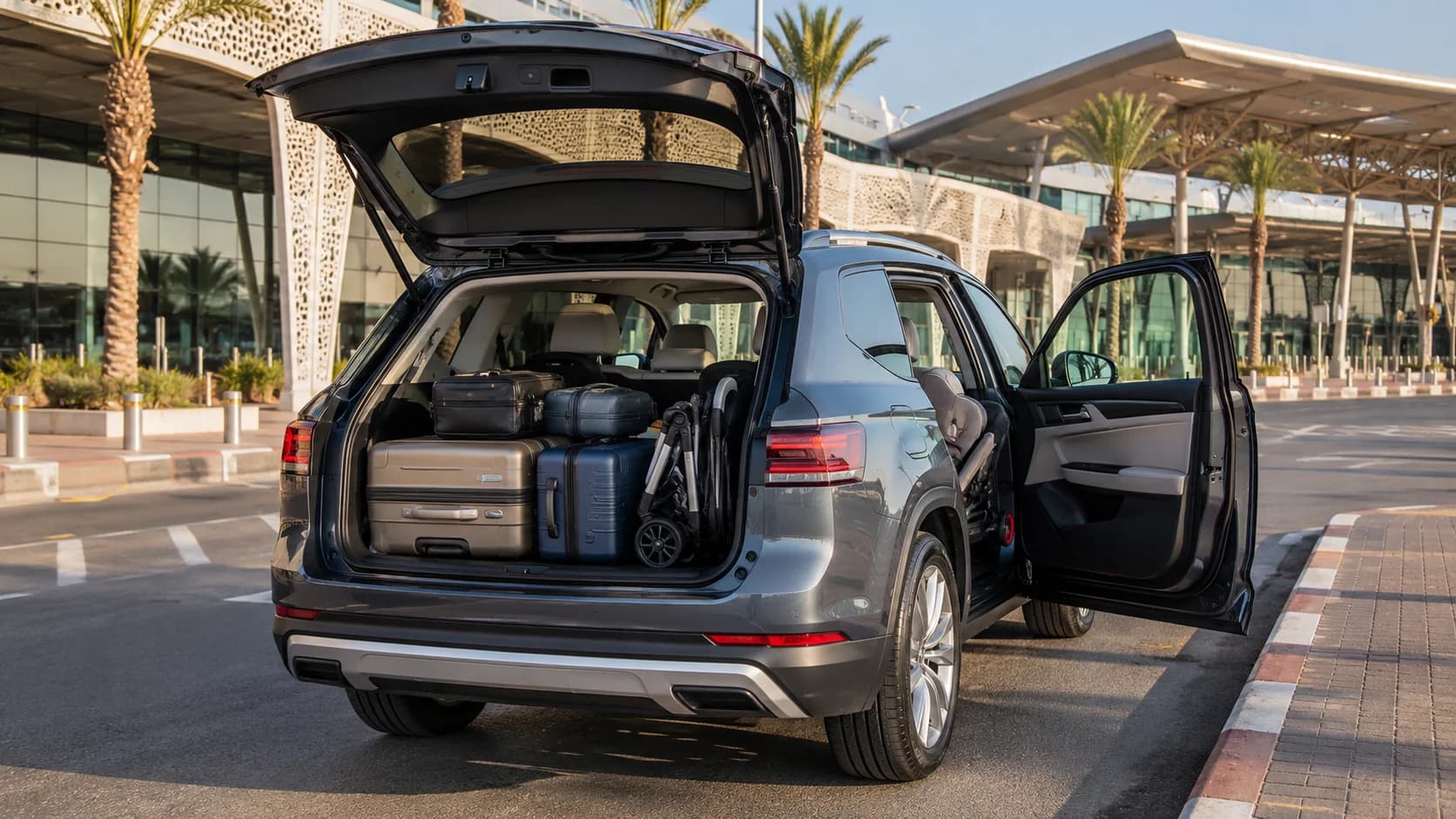
For families, longer itineraries, or travelers carrying several bags, a larger sedan or SUV can make more sense. You get more comfort on longer days and more space for luggage. If your trip includes hill roads, layered luggage needs, or multiple passengers, choosing too small a car is a common mistake.
Transmission matters too. Many international visitors prefer automatic because it makes city traffic, roundabouts, and changing road conditions easier to manage. Manual cars are often cheaper, but only choose one if you already drive manual confidently.
The best approach is to match the car to the real route. A beach-and-city holiday does not need the same setup as a longer inland driving loop. If you are unsure, compare options first on Car Rental Morocco, then pair your vehicle choice with your route style using the Morocco Road Trip Guide.
Step 3: Plan Your Itinerary
A good road trip itinerary is not just a list of places. It is a rhythm. The goal is to combine driving, sightseeing, check-in times, meal stops, and rest in a way that still feels enjoyable.
Start by deciding how many nights you have. Then assign those nights to anchor destinations rather than stopping somewhere different every day. In most Morocco road trips, two-night stops work better than one-night rushes. They give you time to enjoy the place instead of arriving late, sleeping, and leaving again immediately.
Try to keep most driving days reasonable. A day with one scenic route and one meaningful stop is usually better than trying to cross too much ground. Morocco’s appeal lies in variation, but that does not mean every day should be long. Build in space for slower mornings, lunch breaks, or unexpected photo stops.
Also think about arrival and departure logistics. If you are landing in a busy city, it may be worth spending the first night nearby before a long drive. Likewise, do not leave your longest transfer for the final day if you need to catch a flight.
The best itineraries feel intentional. They connect places with similar geography or travel logic and avoid unnecessary backtracking. Your route should look smooth on a map and feel even smoother in real life.
Step 4: Book Accommodation in Advance
Accommodation planning is a major part of any plan Morocco road trip strategy. Even if you like flexibility, it is wise to book at least your first nights and your key stops in advance.
This matters most in popular cities, coastal resorts, and high-demand travel periods. If you arrive late after a driving day, having parking expectations, check-in details, and your overnight stop already confirmed makes the trip easier. It also helps you control your daily route, because your accommodation becomes a fixed endpoint instead of an open question.
For road trips, location matters as much as room quality. Look at access roads, parking options, and how easy it is to reach the property by car. A beautiful stay is less practical if arrival is stressful. The best bookings support the route, not just the photos.
Step 5: Understand Road Conditions
Before any self-drive trip, it helps to understand the types of roads you are likely to use. Morocco includes major toll motorways, urban roads, coastal routes, mountain roads, and smaller regional connections. The experience changes depending on where you go.
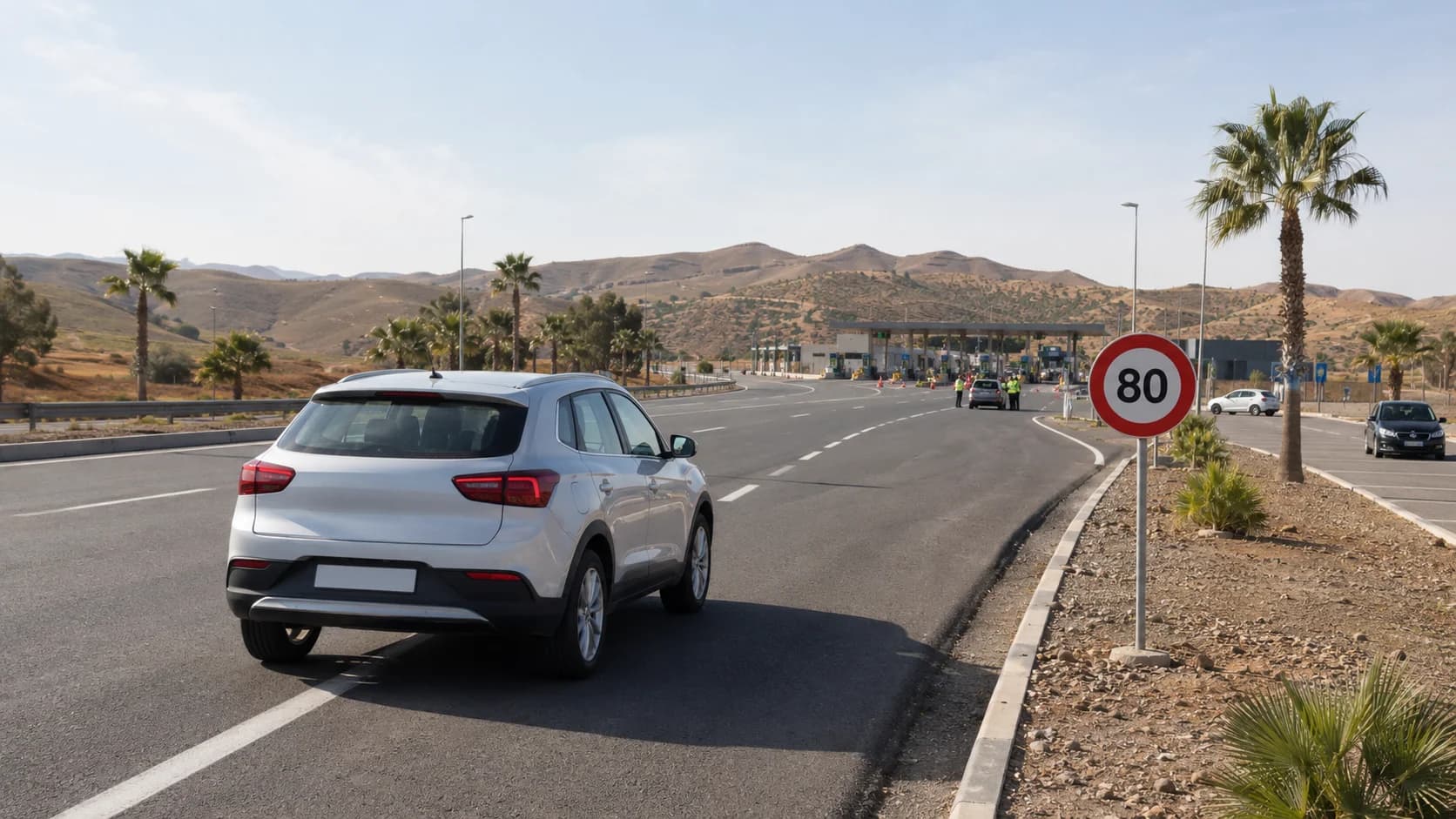
ADM, Morocco’s motorway operator, publishes toll information for its network and offers the Jawaz pass for faster toll-lane use on supported routes. That is helpful on major connections where you want smoother long-distance travel.
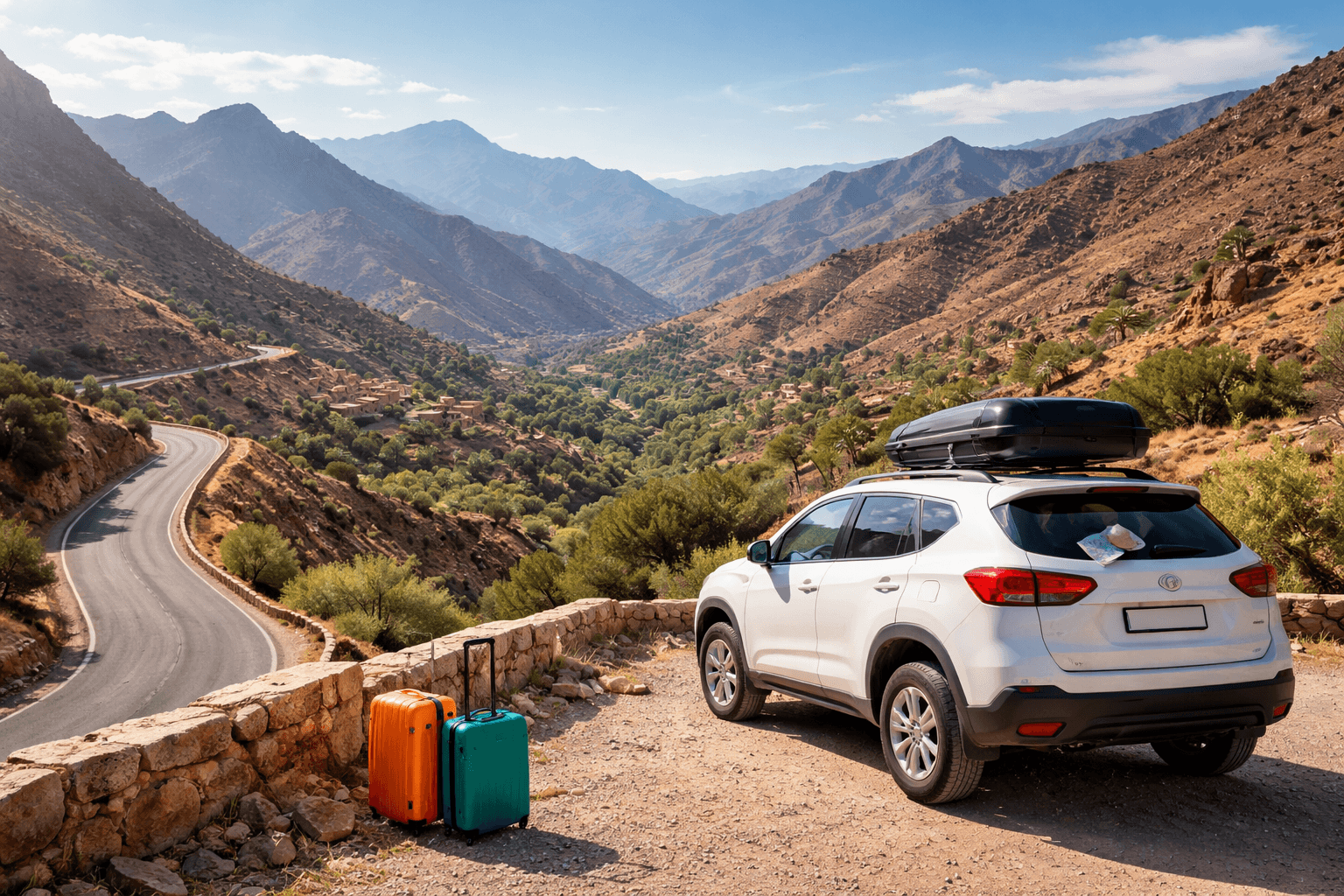
Beyond the motorway network, road conditions vary by region and terrain. In and around major cities, traffic is more active and requires focus. In mountain areas, roads can be slower and more winding. In scenic southern and inland routes, the driving itself is often part of the experience, but that means you should plan with daylight, fuel, and break times in mind. Morocco’s tourism materials strongly emphasize the country’s geographic contrast, from Atlantic shores to Atlas landscapes to southern desert-linked regions, which is exactly why road conditions differ so much across routes.
For general safety awareness, NARSA is the national authority for road safety in Morocco and is the right official reference point for up-to-date road-safety guidance.
In practical terms, do not assume every day will feel the same. Plan motorway days differently from scenic mountain or rural driving days.
Step 6: Pack the Right Essentials
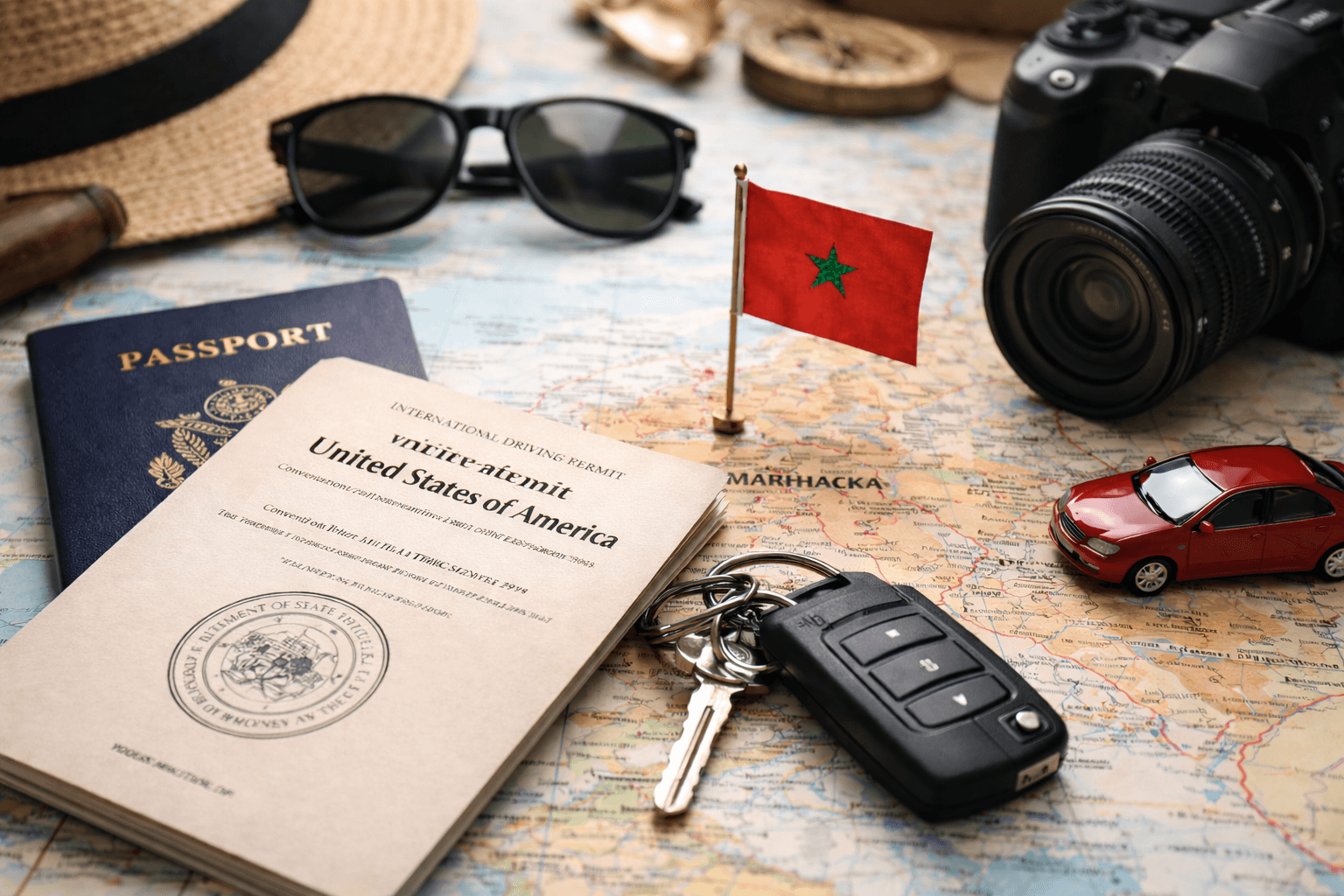
Packing for a road trip in Morocco should be simple but smart. Keep travel documents easy to access, including your passport, driving licence, booking confirmation, and accommodation details. Bring a phone charger for the car, sunglasses, water, and a small day bag you can reach without unpacking the whole vehicle.
Clothing should match your route. A coast-focused trip and a mountain-linked itinerary can feel very different. Morocco’s tourism materials underline how varied the country’s geography is, so packing for one climate only is not always enough if you are crossing regions.
It is also helpful to keep snacks, tissues, and basic travel comfort items in the cabin. The more organized the car feels, the easier the driving days become.
Step 7: Download Offline Maps
Offline maps are one of the simplest ways to improve a road trip. Even when routes are straightforward, navigation is easier when you can confirm turnoffs, city approaches, fuel stops, and accommodation locations without relying entirely on live data.
Download your maps before pickup, including your arrival city, main route, and any mountain or rural sections. Save hotel names, parking spots, and major landmarks in advance. This is especially useful when you are arriving tired, entering a city in the evening, or driving through areas where you do not want to stop and search repeatedly.
A Morocco road trip usually feels smoother when navigation is prepared before the engine starts.
Step 8: Budget Your Trip
A realistic budget makes trip planning easier and helps you choose the right route length. Your Morocco road trip budget should include the rental car, fuel, tolls, accommodation, food, parking where relevant, and a margin for spontaneous stops or upgrades.
Rental cost depends on city, vehicle type, transmission, season, and how early you book. Fuel use depends on route length and vehicle size. Toll costs matter most on motorway-based journeys; ADM publishes tariff information for different parts of the national motorway network, which helps you estimate those segments before departure.
Accommodation often shapes the budget as much as the car. A road trip can be done at different comfort levels, but changing city every night usually raises costs because you lose flexibility. Food budgets also vary depending on whether you stop casually on the road or plan destination restaurants.
The smartest budgeting method is to build a per-day estimate, then add a buffer. Road trips almost always include small extra costs, and it is better to plan for them than be surprised. A good budget is not about cutting everything down. It is about knowing where your money is going so the trip stays comfortable from start to finish.
Top Road Trip Routes in Morocco
One of the easiest ways to approach Morocco road trip planning is to start from a proven route style.
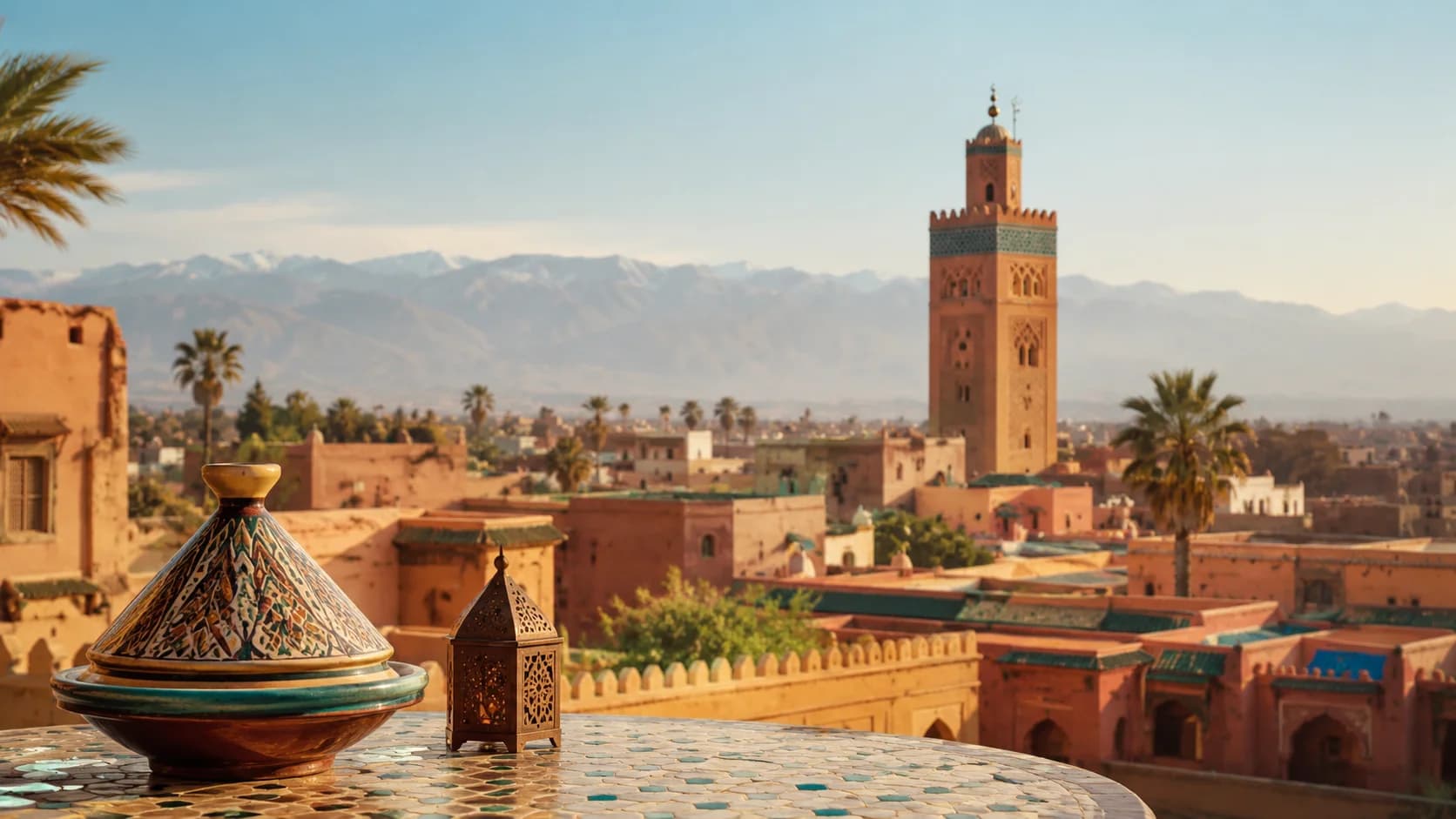
A classic option is a Marrakech-based scenic loop. This works well for travelers who want a strong cultural base with the possibility of adding mountain or southern scenery. Morocco’s tourism materials highlight Marrakech as a major entry point to cultural and natural travel experiences, while nearby southern regions are promoted for striking landscapes and desert-style extensions.
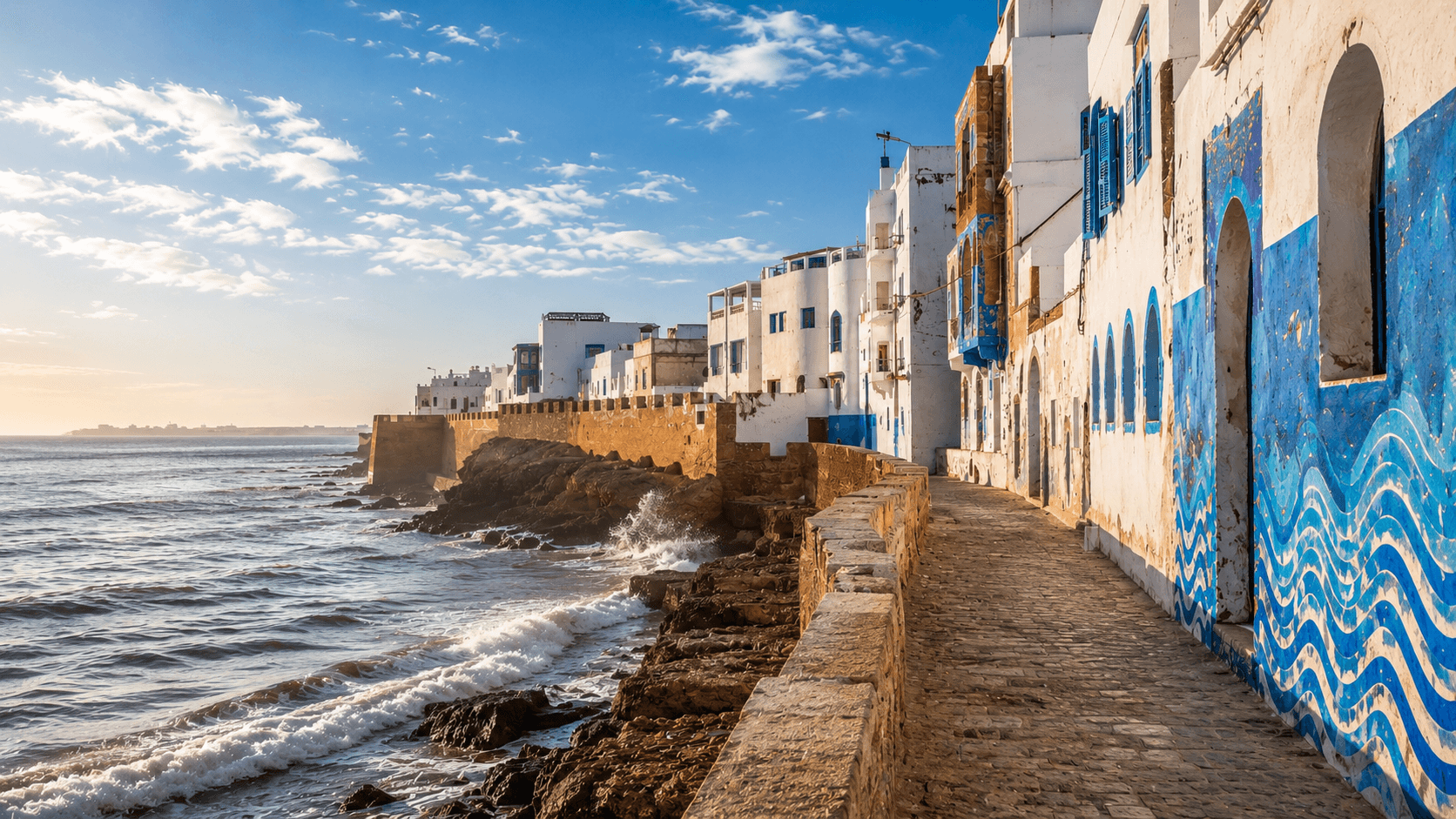
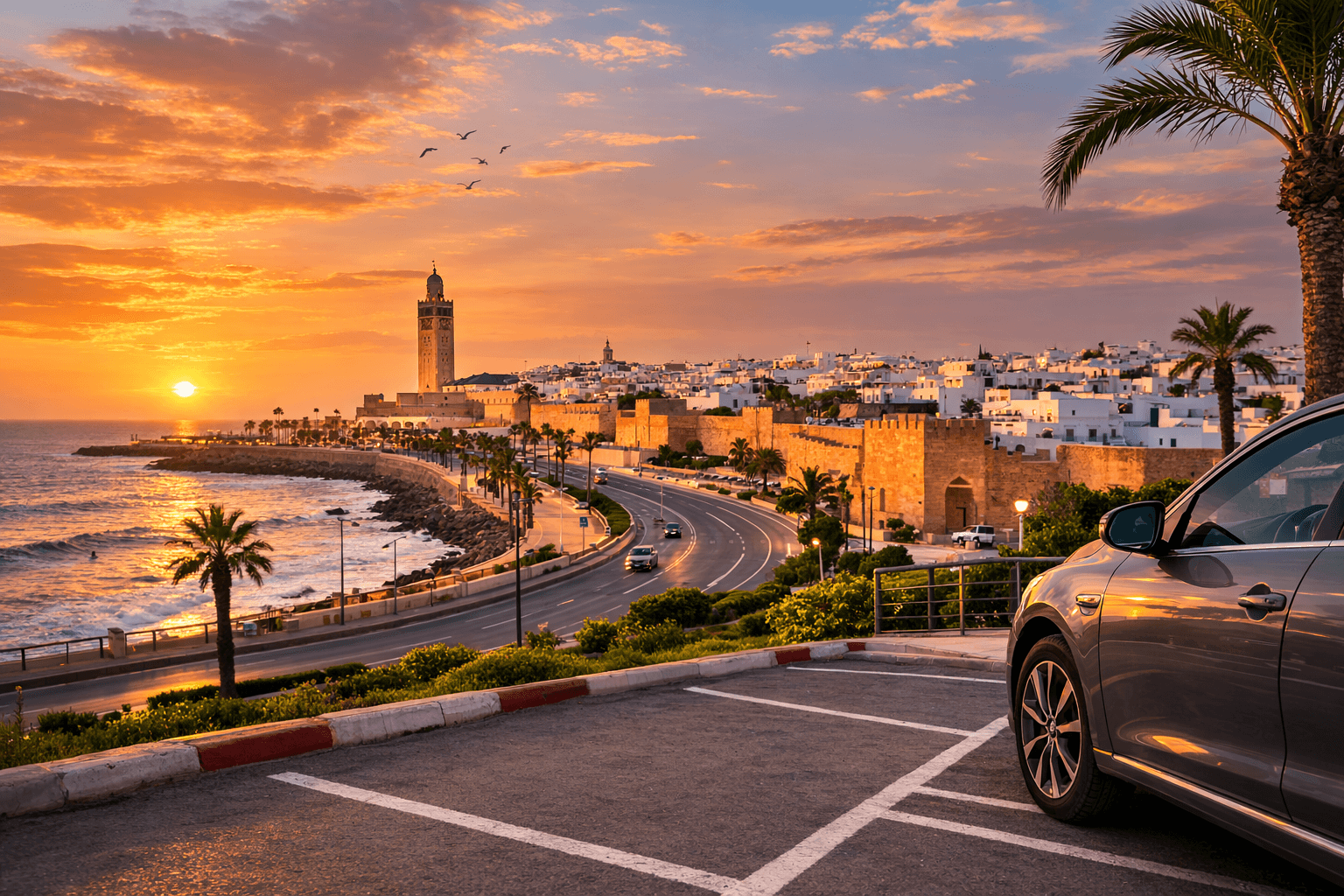
A second popular option is an Atlantic route linking Agadir, Taghazout, and Essaouira-style coastal stops. Morocco’s official tourism site positions the Atlantic coast as one of the country’s signature leisure landscapes, especially for beaches and water sports.
A third route style is a city-to-city culture trip, combining places such as Casablanca, Rabat, Fes, and Marrakech. This suits travelers who want urban variety, architecture, and heritage rather than a purely scenic driving focus. Morocco tourism content presents these cities as distinct but complementary destinations with very different character.
A fourth option is a southbound discovery route for travelers wanting kasbah landscapes, valleys, and gateway-to-desert scenery. Tourism materials on Ouarzazate and the Great South present that region as a launching point for dramatic inland exploration.
The best route is not necessarily the longest. It is the one that matches your available days, driving confidence, and travel goals.
Common Mistakes to Avoid
One common mistake is trying to fit too much into too few days. Morocco rewards depth more than constant motion.
Another is choosing the cheapest car without thinking about luggage, comfort, or route. A vehicle that looks fine on paper can feel too small very quickly on a multi-day drive.
Late accommodation booking is another issue, especially in key destinations. The same applies to not checking motorway toll expectations in advance when your route depends on them. ADM’s public toll information can help you avoid that surprise.
Finally, do not plan every day as if driving time is the only time that matters. Breaks, meals, check-ins, viewpoints, and real travel pace all count.
FAQ
1. How many days do I need for a Morocco road trip?
A short road trip can work in 4 to 6 days, but 7 to 10 days usually gives you a much better balance between driving and sightseeing.
2. Is Morocco good for a self-drive holiday?
Yes. Morocco’s mix of cities, coast, mountains, and desert-edge landscapes makes it a strong self-drive destination, especially for travelers who want flexibility.
3. What is the best starting city for a Morocco road trip?
That depends on your route, but cities such as Marrakech, Casablanca, Agadir, and Fes are common starting points because they connect well to wider travel regions.
4. Should I book accommodation before starting the trip?
Yes, at least for your first key stops. Booking ahead makes daily driving easier and helps keep the route realistic.
5. Do I need an SUV for a Morocco road trip?
Not always. Many routes work perfectly well with a compact car or sedan. The right choice depends more on your luggage, passenger count, and route style than on the idea of the trip itself.
6. Are there toll roads in Morocco?
Yes. Morocco has a toll motorway network managed by ADM, and toll tariffs are published by the operator.
7. What is Jawaz in Morocco?
Jawaz is ADM’s remote toll-payment system that lets drivers use designated toll lanes more smoothly on supported routes.
8. Should I download offline maps for Morocco?
Yes. Offline maps are very useful for arrival days, city approaches, and scenic or regional sections where you want faster navigation confidence.
9. What is the biggest mistake when planning a Morocco road trip?
Trying to cover too much distance in too little time is one of the most common mistakes.
10. Where should I look first when building a route?
Start with your trip style: culture, coast, mountains, or southbound scenery. Then shape the route around that priority rather than adding every famous destination at once.
Book with MarHire CTA
A successful Morocco road trip starts long before pickup day. The more clearly you plan your route, car type, overnight stops, and driving rhythm, the better the journey feels once you are on the road.
MarHire helps you keep that planning simple. Whether you want a compact car for a coast-and-city route, a comfortable automatic for a longer self-drive itinerary, or a flexible pickup point to start your trip smoothly, you can compare the right options through Car Rental Morocco. For route inspiration and trip structure, pair this guide with our Morocco Road Trip Guide.