








Morocco can be a very rewarding destination for older travelers when the trip is planned around comfort, pacing, and the right base cities. The country offers a mix of coastal resorts, elegant capitals, historic medinas, gardens, scenic drives, and slower cultural experiences that do not have to feel rushed or physically demanding. Morocco’s official tourism board even highlights dedicated travel ideas for senior visitors, with an emphasis on heritage, relaxation, gardens, gastronomy, and gentle discovery.
That said, Morocco is not equally easy everywhere. Some destinations are smooth and practical, while others involve uneven streets, stairs, steep medina lanes, or more intense walking than many travelers expect. That is why a good senior-friendly trip to Morocco is less about trying to “see everything” and more about choosing the right cities, the right transport, and the right accommodation.
This guide explains where Morocco works best for older travelers, which places require more care, how to build a gentler itinerary, and why transport choices matter so much. For travelers who want a comfort-first approach, a well-planned route with fewer hotel changes and less walking can make Morocco feel much more relaxed and enjoyable.
Is Morocco Suitable for Senior Travelers?
Yes, Morocco can suit senior travelers very well, but it depends heavily on itinerary design. The country is strongest for older visitors who enjoy scenic drives, gardens, sea views, historic landmarks, relaxed lunches, guided cultural visits, and comfortable hotels or riads with easy access. Rabat, Agadir, and Essaouira are often easier than denser, more physically demanding destinations because they combine atmosphere with a calmer rhythm. Morocco’s tourism materials also position senior travel around heritage, nature, gastronomy, and medina immersion at a gentler pace.
Where travelers sometimes get caught out is in assuming all Moroccan cities feel equally manageable. They do not. Some medinas involve uneven paving, narrow passages, steps, or long walks from drop-off points. Traditional riads may also have multiple staircases and no elevator. In other words, Morocco is suitable for seniors, but not every hotel or city layout is equally comfortable.
The best approach is to travel more slowly, choose fewer stops, avoid overly ambitious day plans, and prioritize easy arrivals and reliable transport. Seniors who do this often find Morocco warm, memorable, and very manageable. Seniors who try to cram in too many cities and too much walking may find it more tiring than expected.
Most Senior-Friendly Cities: Rabat, Agadir, Essaouira
Rabat
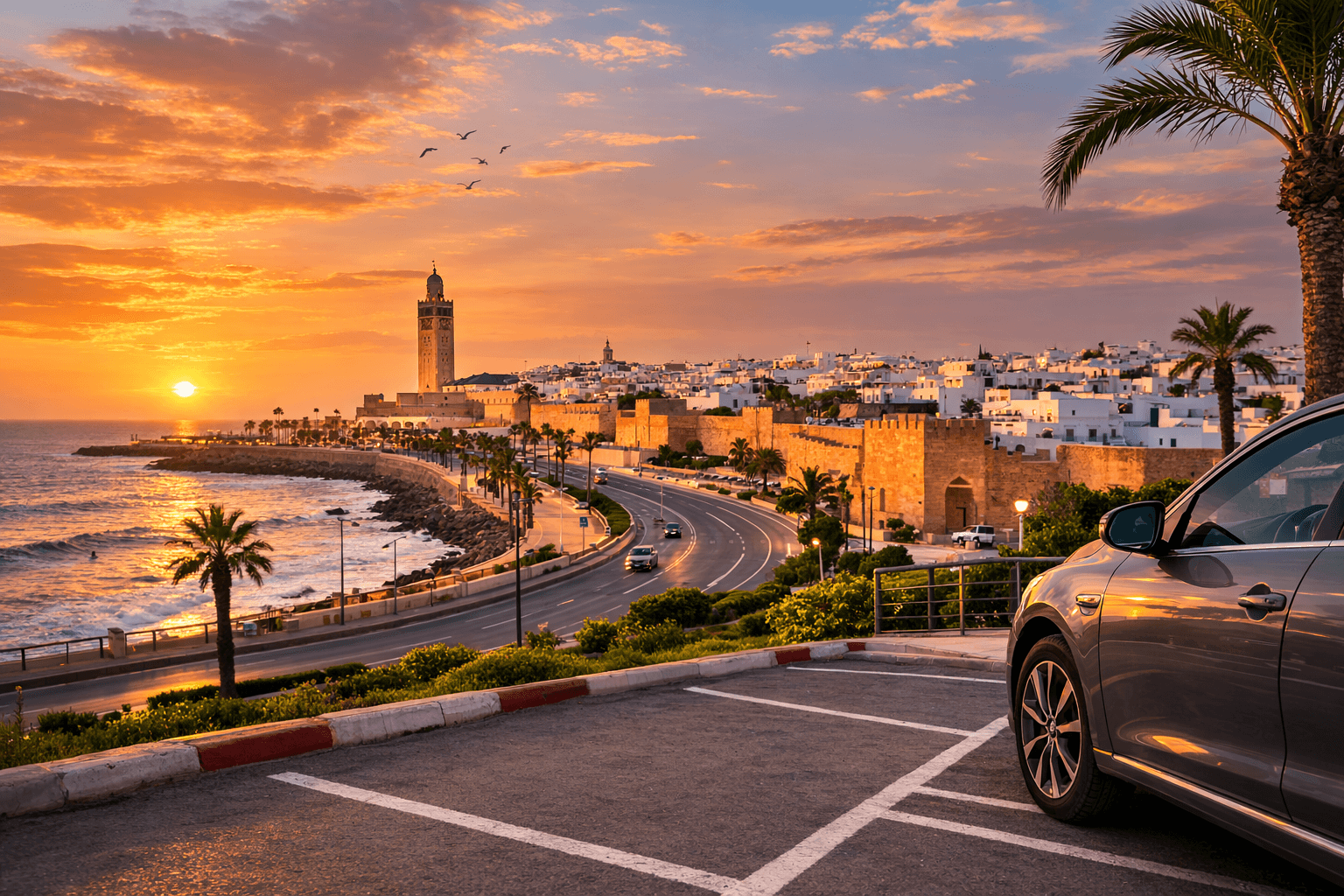
Rabat is one of the best choices for senior travel in Morocco. It combines history, gardens, sea air, broad avenues, and a calmer pace than the country’s busiest tourist cities. Official tourism materials describe Rabat as a destination with strong tourism infrastructure, recreation areas, restaurants, beaches, and a balance of history and modernity.
What makes Rabat especially comfortable is that much of the city feels open and navigable. It works well for travelers who want culture without the intensity of a denser medina-focused stay. You can combine landmark visits with waterfront time, gardens, and easy lunches without feeling like every outing is a major effort. For many travelers over 60, Rabat offers one of the best balances of comfort and substance in Morocco.
If you want a city with heritage but a more relaxed rhythm, Rabat is often the smartest place to begin. It is also ideal for travelers who prefer staying a few nights in one base rather than moving constantly.
Agadir
Agadir is one of the easiest Moroccan destinations for seniors. It is modern in layout, spread out, and strongly geared toward leisure. Morocco’s official tourism site presents Agadir-Taghazout as a year-round coastal destination with sunshine, beaches, and a broad range of relaxed outdoor experiences.
For older travelers, Agadir’s biggest strength is simplicity. The seafront, promenade, resort-style hotels, and easier road access can make daily travel less tiring. It is a good choice for travelers who want sea views, mild routines, shorter walks, and a more restful holiday. It also works well as a winter-sun destination.
Agadir is especially suitable for seniors who want to combine comfort with short excursions rather than intense sightseeing. It is not the deepest cultural destination in Morocco, but it is one of the easiest and least stressful.
Essaouira
Essaouira is another strong option for senior travelers, especially those who want atmosphere without the same level of sensory intensity as larger inland cities. Morocco’s tourism site highlights Essaouira’s medina as a major destination and notes its UNESCO World Heritage status.
What helps Essaouira is scale. It feels smaller, more manageable, and often easier to enjoy at a slower pace. There is history, coastal air, attractive streets, and a gentler walking rhythm than in some larger medinas. Wind can be a factor at times, but many travelers appreciate the cooler coastal feel.
For seniors who enjoy browsing, sea views, and cultural atmosphere without large-city pressure, Essaouira often feels just right.
Cities to Approach with Care: Fes Medina & Chefchaouen Stairs
Fes can be fascinating, but it is one of the destinations that requires more planning for seniors. Official tourism materials emphasize its medina heritage and traditional urban character, which is exactly what makes it special, but also what can make it more physically demanding.
The medina can involve long walks, uneven surfaces, and routes where vehicles cannot get close to the door. This does not mean seniors should avoid Fes completely. It means they should stay fewer nights, choose very carefully located accommodation, and ideally use guided assistance for smoother entry and exit.
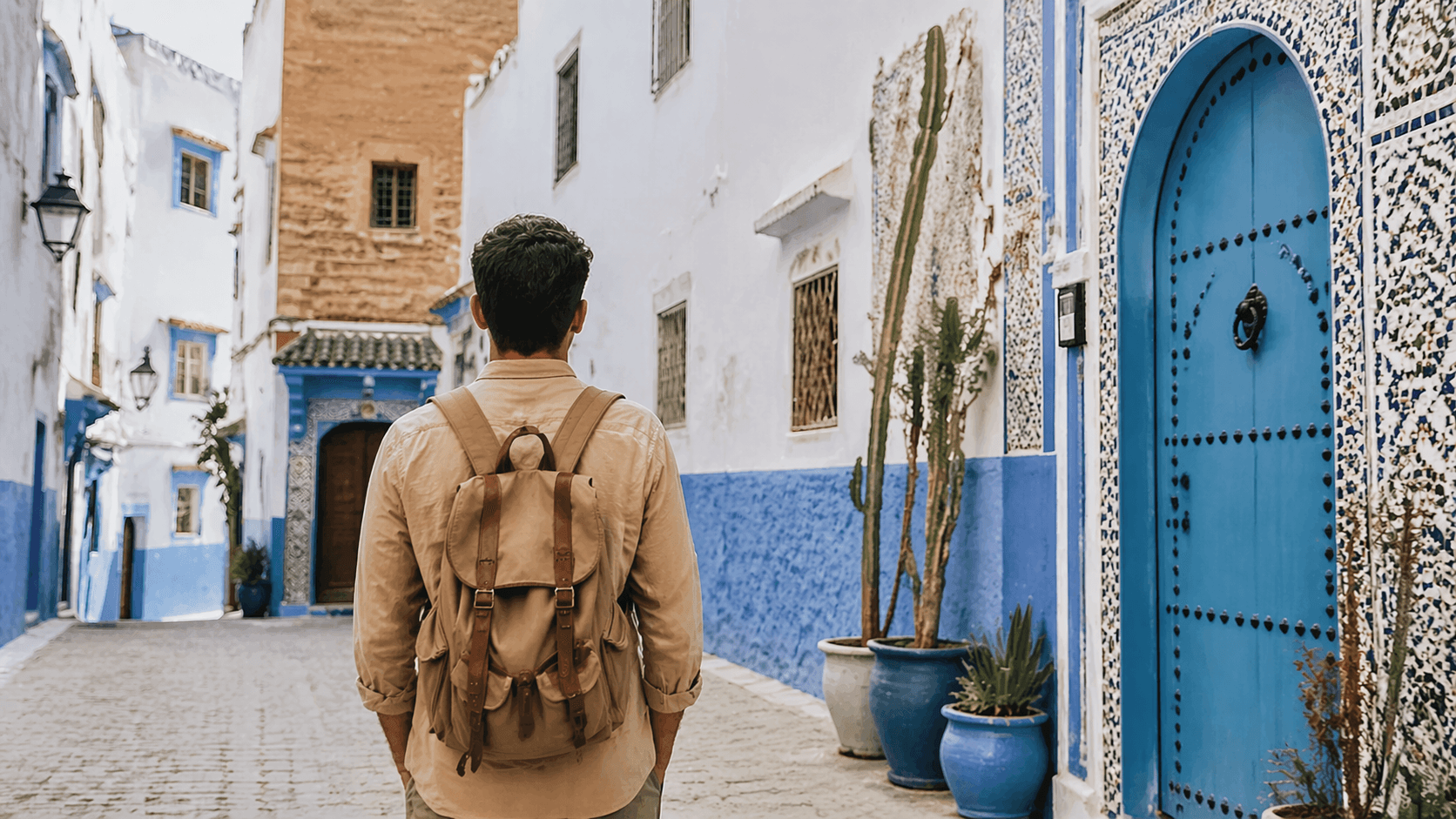
Chefchaouen is beautiful, but its charm comes with slopes and steps. The city’s appeal lies in hillside streets and photogenic medina lanes, and that can become tiring for travelers with limited mobility or knee concerns.
These cities are better treated as selective stops rather than “easy” bases.
Gentler 10-Day Itinerary Built Around Comfort
A senior-friendly Morocco itinerary should reduce long walking days, avoid too many hotel changes, and build in recovery time. Here is a practical 10-day version.
Days 1 to 3: Rabat
Start in Rabat. This is one of the smoothest arrivals for a comfort-focused trip. Spend the first days recovering from travel, visiting gardens, enjoying the Kasbah of the Oudayas area at an easy pace, and having relaxed lunches rather than full-day sightseeing. Rabat’s calmer layout makes it ideal for settling into the trip.
Days 4 to 5: Essaouira
Move to Essaouira for a slower coastal stay. Keep activities light: a medina walk, harbor views, seafood lunch, and time to rest. The goal here is atmosphere without pressure. Stay close enough to the main areas that you do not need long transfers every time you go out. Essaouira’s heritage setting and manageable scale make it a good middle stop.
Days 6 to 8: Agadir
Continue to Agadir for a more restful section of the trip. This is where many seniors appreciate having a private vehicle or driver, because hotel check-ins, luggage handling, and day-to-day movement become easier. In Agadir, focus on the promenade, sea views, shorter excursions, and gentle evenings. This is also the best point in the itinerary to add pure rest days without feeling like you are missing something essential.
Days 9 to 10: Marrakech, selectively
If you want to include Marrakech, do it briefly and selectively. Marrakech is iconic and worth seeing, but it is more intense than Rabat or Agadir. Keep the plan simple: one or two major sights, a comfortable lunch, perhaps a garden or museum, and hotel time. Do not try to “conquer” the medina in one day. Morocco’s tourism board presents Marrakech as one of the country’s great heritage destinations, and it absolutely deserves attention, but seniors usually enjoy it more when it is approached in short, focused outings rather than marathon walking days.
This 10-day route works because it alternates culture and comfort. It also avoids making the whole trip depend on difficult medina stays.

Why a Private Driver Is Often the Right Call
For many senior travelers, the most important comfort upgrade in Morocco is not a luxury hotel. It is transport.
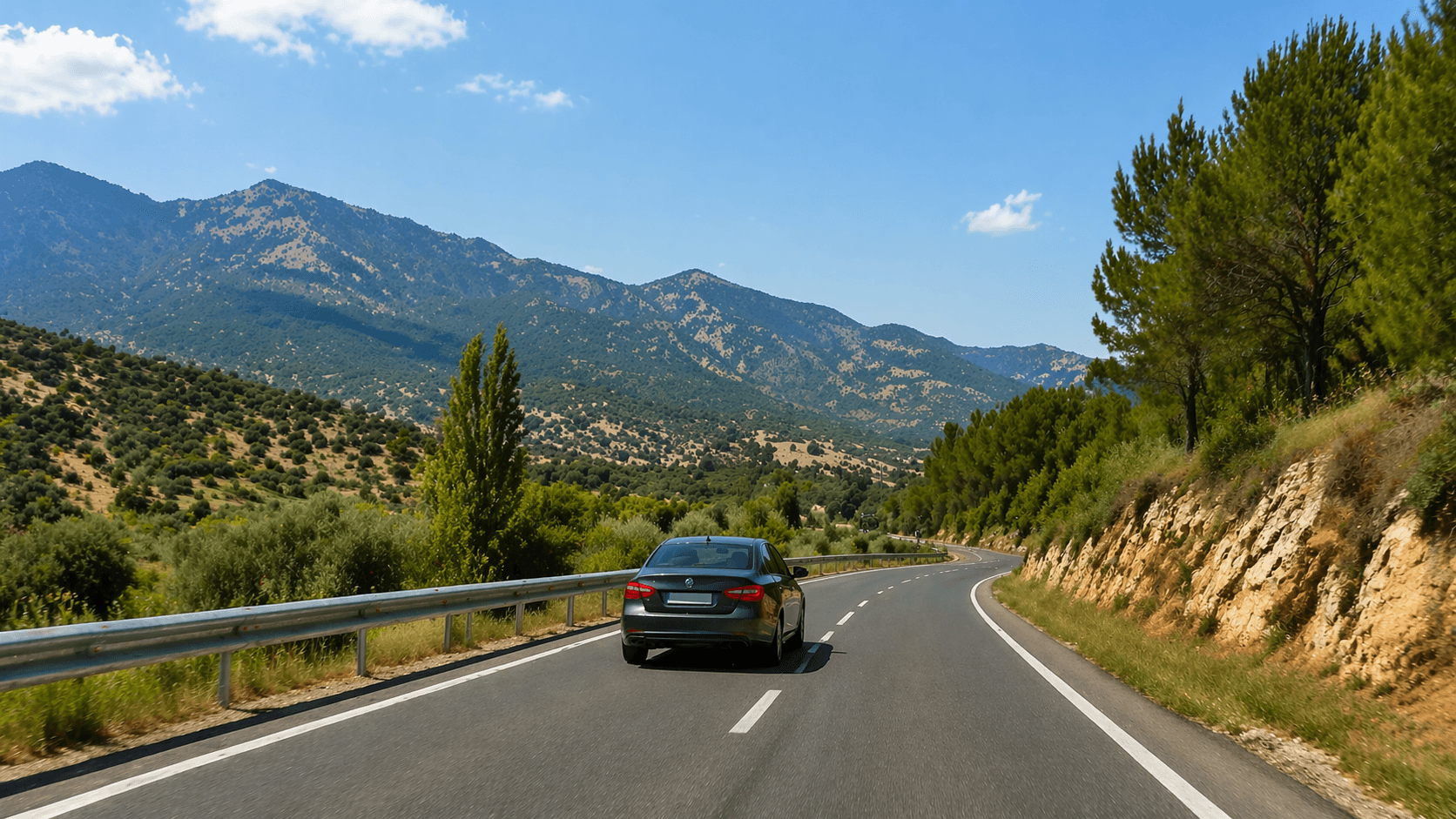
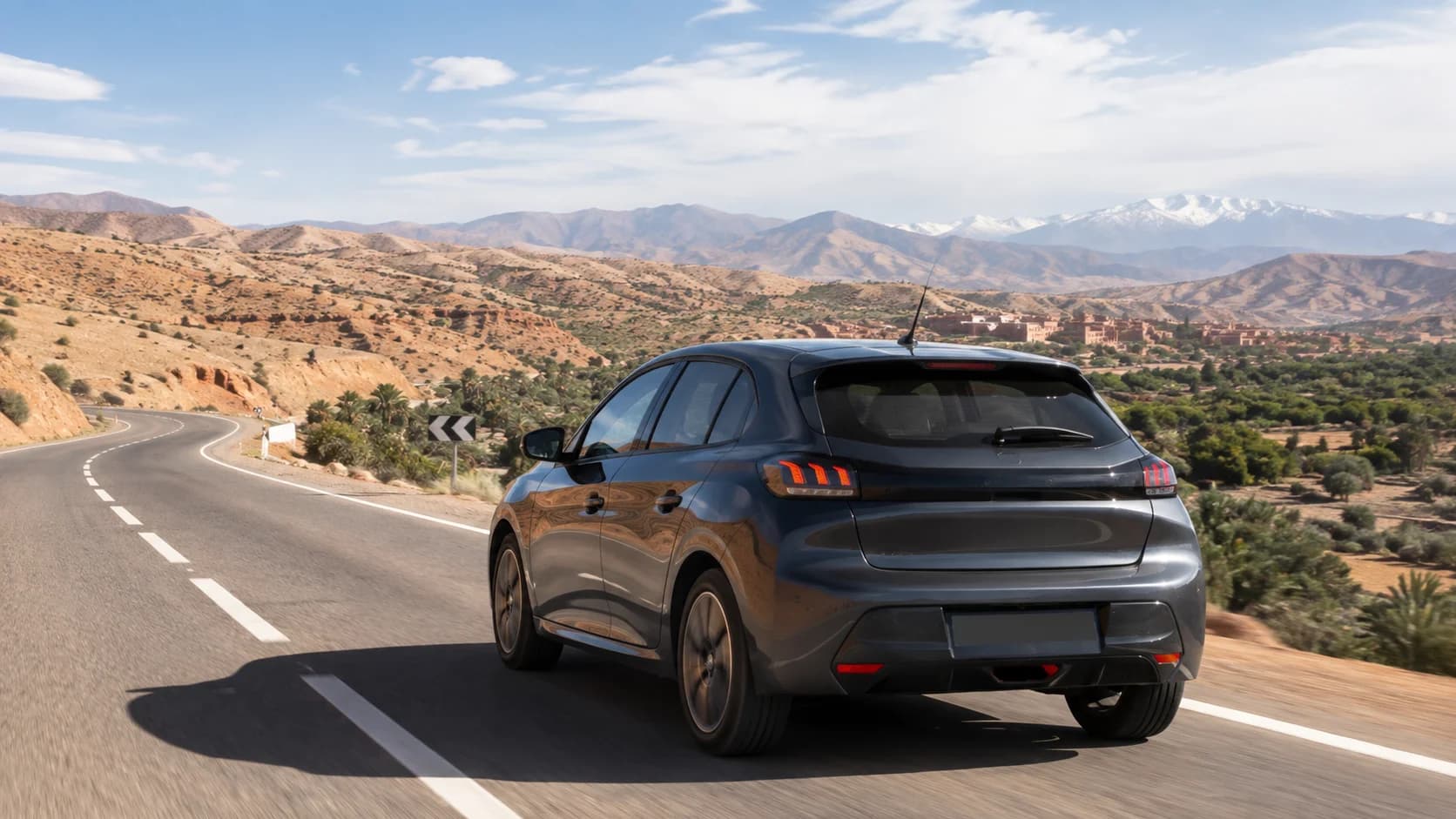
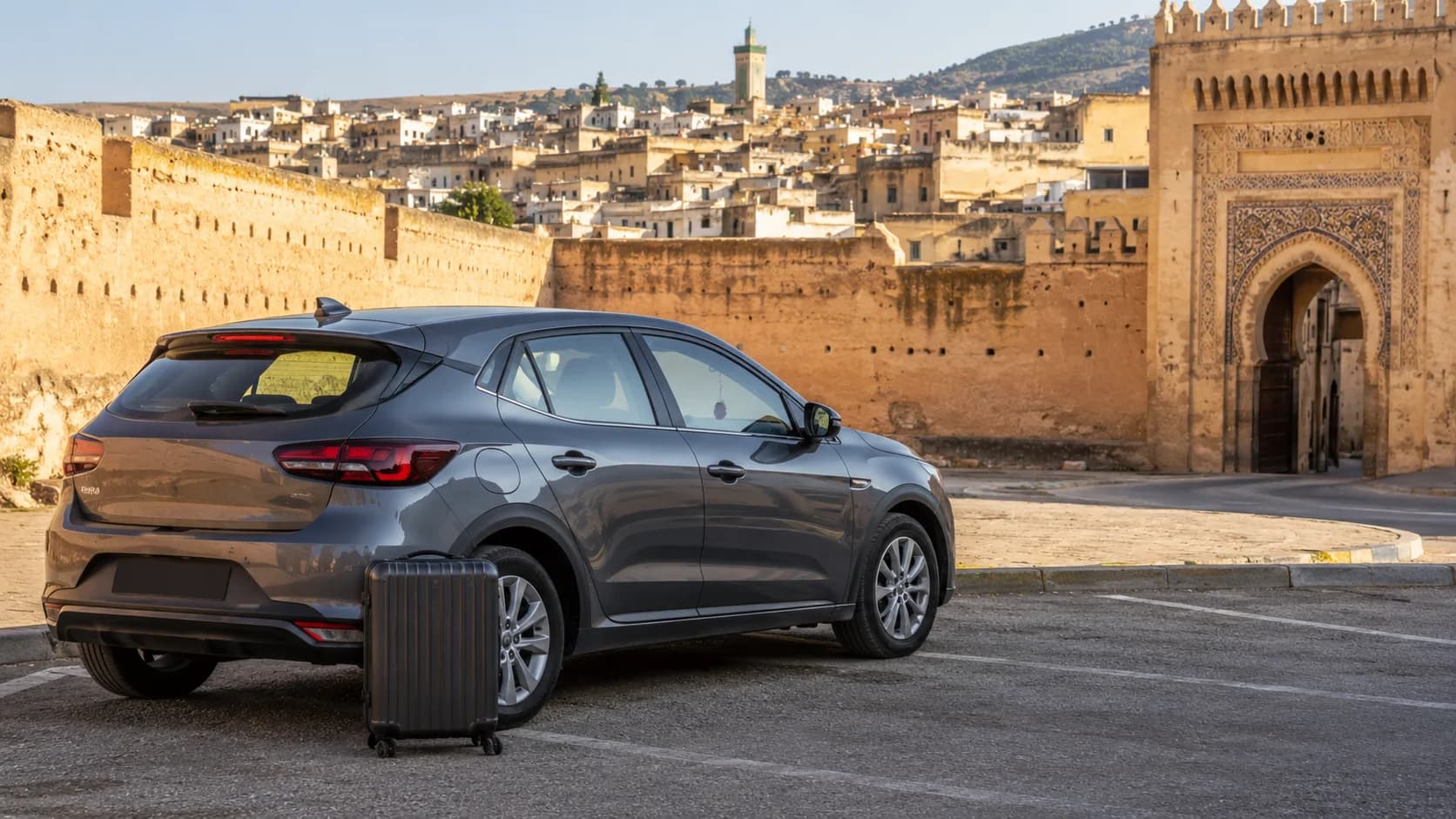
A private driver can make a major difference because it reduces the stress of navigation, parking, luggage handling, medina access planning, and long intercity transfers. Instead of figuring out train timing, station stairs, taxi negotiation, and hotel approach roads, travelers can move smoothly from door to door.
This matters even more when mobility is limited, when medication schedules matter, or when travelers simply want a more comfortable pace. A private driver also makes scenic travel easier. You can stop for rest breaks, adjust timing, and avoid the tiredness that comes from too many transport changes in one day.
For comfort-first itineraries, Private Driver Morocco is often the most practical choice. Travelers who still want maximum independence can compare that with Car Rental Morocco, but for many seniors, being driven is simply easier.
Accessibility in Medinas, Riads & Attractions
Accessibility in Morocco is mixed rather than uniform. Some newer hotels and city areas are straightforward, while many traditional properties are not built with full accessibility in mind. That is especially true of riads. Beautiful as they are, many have stairs, no lift, and entrances located inside pedestrian medinas.
This does not mean you should avoid riads altogether. It means you should ask the right questions before booking. Ground-floor room availability, elevator access, number of entrance steps, distance from car drop-off, and whether staff can help with luggage all matter.
Historic medinas can also vary widely. Even in very rewarding destinations, walking surfaces may be uneven and routes may narrow unexpectedly. For older travelers, it is usually better to choose shorter, guided visits and return to a calm hotel base rather than spending all day on foot.
If you want a more relaxed capital-city experience with fewer physical demands, our Rabat Travel Guide is one of the best starting points.
Health, Medication & Pharmacy Access
For most senior travelers, Morocco is manageable from a health-planning perspective, but preparation matters. The CDC recommends travelers review routine vaccines and destination-specific advice before departure.
The practical rule is simple: bring enough regular medication for the full trip, keep it in original packaging where possible, and carry a copy of prescriptions or medication details. It is also smart to split medication between carry-on and main luggage so delays do not create problems.
In larger cities, pharmacies are common and usually easy to find. Access is generally easiest in urban areas and much less predictable if you are moving quickly through smaller places. That is another reason slower itineraries work better for older travelers. If something minor comes up, being in a major city is far easier than being mid-transfer.
Travel insurance is also worth taking seriously. For seniors especially, the goal is not drama. It is avoiding unnecessary stress.
Heat, Hydration & Altitude in the Atlas
Heat is one of the most important comfort factors in Morocco. Coastal cities such as Agadir and Essaouira often feel easier in warm periods, while inland cities can feel more tiring in midday heat. A senior-friendly itinerary should avoid overloading the middle of the day and should leave room for rest back at the hotel.
Hydration matters more than many travelers realize, especially during long drives, city walks, or warmer months. Plan slower mornings, shaded lunches, and lighter afternoons when temperatures rise.
Altitude is mostly relevant for Atlas excursions. For seniors, mountain trips can still be beautiful, but they should be treated as scenic drives or gentle outings rather than physically ambitious days unless the traveler is already very active. Simpler is usually better.
Accommodation: Avoiding Steep Riads & Long Walks
The wrong hotel can make a good trip tiring. For seniors, the ideal property is not always the most photogenic one. It is the one that is easiest to enter, easiest to rest in, and easiest to reach by car.
Try to avoid properties that require a long walk through a medina with luggage, multiple staircases, or steep rooftop climbs just to reach breakfast. Ask directly whether there is elevator access, whether rooms are on the ground or first floor, and how close the nearest vehicle drop-off is.
In many cases, a well-located hotel or a riad with good access is a better choice than a beautiful but awkward property deeper inside the old city.
FAQ
Is Morocco good for seniors?
Yes, Morocco can be very good for seniors when the trip is planned around easier cities, comfortable transport, and slower pacing. Rabat, Agadir, and Essaouira are usually among the easiest options.
What are the best cities in Morocco for older travelers?
Rabat, Agadir, and Essaouira are often the most senior-friendly because they combine comfort, atmosphere, and a less demanding rhythm than some denser medina cities.
Is Marrakech suitable for seniors?
Yes, but best in moderation. Marrakech is rewarding, though it is often more intense and walk-heavy than Rabat or Agadir, so shorter stays usually work better.
Is Fes difficult for seniors?
It can be. Fes Medina is one of Morocco’s most historic and rewarding urban areas, but also one of the more physically demanding. Careful hotel choice is essential.
Is Chefchaouen a good choice for travelers with mobility issues?
Chefchaouen can be challenging because of slopes and steps. Some travelers still enjoy it, but it is better approached cautiously if mobility is limited.
Should seniors hire a private driver in Morocco?
Often yes. A private driver reduces travel fatigue, simplifies hotel transfers, and makes intercity travel much more comfortable.
Are riads accessible for seniors?
Some are, many are not. Accessibility varies widely, and it is important to ask about stairs, lifts, and distance from vehicle drop-off before booking.
Are pharmacies easy to find in Morocco?
In major cities, yes. It is still best to bring all essential medication with you and not rely on finding exact replacements locally.
Is Morocco too hot for senior travelers?
Not necessarily, but season and city choice matter. Coastal cities often feel easier, and midday pacing becomes more important in hotter inland destinations.
How long should seniors stay in each city?
Usually at least two or three nights. Fewer hotel changes and slower pacing make Morocco much more comfortable for older travelers.
Is a 10-day Morocco trip enough for seniors?
Yes, as long as the route is selective. A comfort-first itinerary with three or four well-chosen stops is often better than trying to cover too much.
Book with MarHire
Morocco can be an excellent destination for older travelers when the route is designed around comfort, not rush. The best trips focus on easier cities, better transport, practical accommodation, and enough time to enjoy each place without pressure.
At MarHire, we recommend building senior-friendly itineraries around smoother arrivals, shorter travel days, and the right transport choice for each traveler. For many guests, Private Driver Morocco is the easiest way to explore comfortably. Others may still prefer the flexibility of Car Rental Morocco with a slower-paced route. And if you are choosing a first easy city, our Rabat Travel Guide is one of the best places to start.