

Yes, Morocco is a Muslim country, with Islam as its state religion and more than 99% of the population estimated to be Sunni Muslim. However, religions in Morocco also include Judaism, Christianity and smaller religious communities. Tourists can generally practise their own faith but should respect local customs, especially during Ramadan and at religious sites.
Understanding religions in Morocco helps tourists respect local traditions and enjoy a more comfortable holiday.
Morocco has a strong Islamic identity, but its religious history includes Jewish communities, Christian traditions and other beliefs. Visitors can discover this heritage in historic cities, museums, religious buildings and cultural celebrations.
Learning about religions in Morocco before arriving also helps travellers understand Ramadan, mosque access, clothing customs and religious freedom.
Is Morocco a Muslim Country?
Yes, Morocco is a predominantly Muslim country, with more than 99% of its population estimated to follow Sunni Islam.
Article 3 of Morocco's Constitution identifies Islam as the state religion. The King also holds the title Amir Al-Mouminine, meaning Commander of the Faithful.
Sunni Islam has the greatest influence on Morocco's public religious life, national traditions and religious celebrations.
What Is the Official Religion of Morocco?
Islam is Morocco's state religion, and the Maliki school of Sunni Islamic law has a strong historical influence.
Visitors will notice mosques, religious schools and the call to prayer throughout Moroccan cities.
Muslims traditionally pray five times daily. Friday is especially important because of congregational prayers.
However, religious practices differ between individuals and families. Not every Moroccan follows identical customs.
How Does Islam Influence Moroccan Culture?
Islam in Morocco influences religious holidays, family celebrations, traditional food and everyday routines.
Ramadan has particular importance. During this month, many Muslims fast between dawn and sunset.
Although Islam dominates religious life, understanding religions in Morocco also requires recognising the country's cultural diversity.
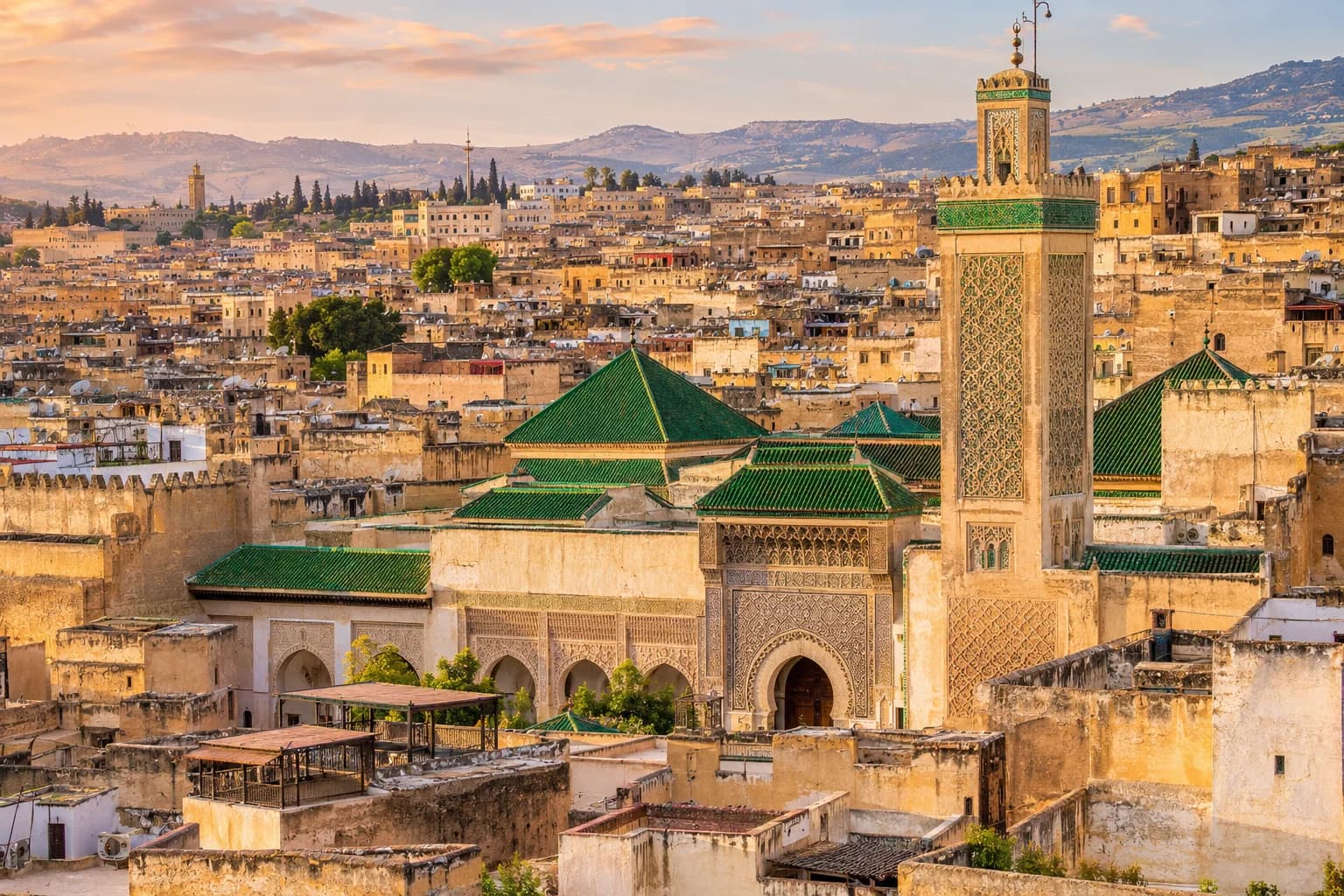
Local tip: Avoid blocking mosque entrances in Fes during Friday prayers. Streets near popular mosques can become crowded around midday.
What Are the Main Religions in Morocco?
The main religions in Morocco are Islam, Judaism and Christianity. Islam represents the overwhelming majority, while other faiths contribute to Morocco's cultural heritage.
Religious diversity is especially visible in Casablanca, Fes, Marrakech and Essaouira.
Judaism and Morocco's Jewish Heritage
Judaism in Morocco has roots extending back more than 2,000 years.
Historically, Jews in Morocco lived in communities throughout the country, especially in major trading cities.
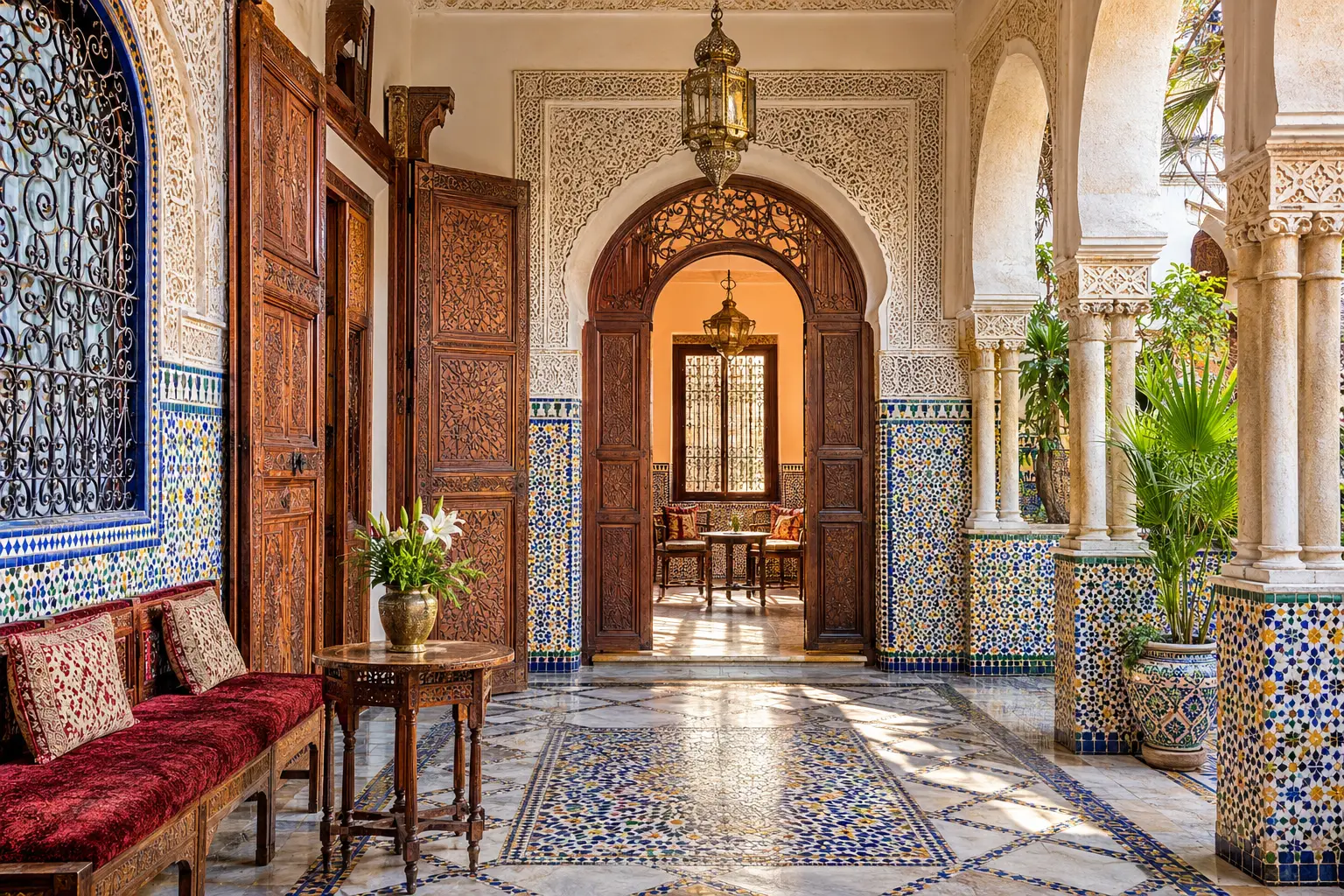
Visitors can explore historic mellahs, or Jewish quarters, in Marrakech, Fes and Essaouira.
Casablanca also has important Jewish heritage institutions, including the Museum of Moroccan Judaism.
Although the Jewish community is much smaller today, its traditions remain an important part of the history of religions in Morocco.
Christianity and Other Religious Communities
Christianity in Morocco has a long history extending back to Roman-era North Africa.
Today, Christian communities include foreign residents and Moroccan citizens. Catholic and Protestant congregations operate in several major cities.
Smaller religious communities also exist, including Baha'is and Shia Muslims.
The history of these communities demonstrates that religions in Morocco extend beyond the Muslim majority.
Local tip: Visit Marrakech's historic Jewish quarter or the Museum of Moroccan Judaism in Casablanca. Check access arrangements before visiting religious heritage sites.
Is There Religious Freedom for Tourists?
Yes, tourists can generally practise their own religion in Morocco. However, religious freedom has legal restrictions.
Morocco's Constitution protects religious practice, but laws restrict attempts to convert Muslims to another religion.
For travellers learning about religions in Morocco, understanding the difference between personal worship and religious conversion activities is essential.
The UK government's travel advice explains relevant Moroccan laws and local customs.
Can Non-Muslims Enter Mosques?
Most active mosques in Morocco do not allow non-Muslim tourists to enter.
One notable exception is the Hassan II Mosque in Casablanca, which offers organised guided visits.
Visitors must respect the mosque's clothing requirements, photography instructions and visiting arrangements.
Understanding these rules helps tourists explore Morocco's Islamic architecture without disturbing religious activities.
Can Visitors Enter Churches and Synagogues?
Some churches welcome visitors and people attending religious services. Synagogue access depends on the individual institution and local arrangements.
Visitors should confirm opening times and permission requirements before travelling.
For additional background, consult the US Department of State's religious freedom report.
The report explains the position of minority religions in Morocco and the challenges some communities face.
Local tip: In Casablanca, arrange your Hassan II Mosque visit through the designated visitor entrance. Do not assume every historic religious building permits tourist entry.
How Does Religion Affect Daily Life and Travel?
Religion influences everyday routines in Morocco, particularly during Ramadan, Friday prayers and religious celebrations.
Tourists do not need to follow Islamic religious practices. However, understanding local expectations can prevent uncomfortable situations.
Visitors exploring religions in Morocco should distinguish between cultural traditions, personal beliefs and legal requirements.
Clothing and Behaviour in Public
Non-Muslim female tourists are not generally required to wear a headscarf in public.
However, modest clothing is advisable when visiting traditional neighbourhoods and religious landmarks.
Covering shoulders and knees is a respectful choice in conservative settings.
Beachwear is generally more suitable around beaches, swimming pools and hotels.
What Changes During Ramadan?
Ramadan lasts approximately 29 or 30 days, depending on the lunar calendar.
Many Muslims avoid eating and drinking between dawn and sunset.
Some restaurants operate shorter daytime hours, particularly in residential areas.
Hotels and restaurants serving tourists usually provide food during the day, especially in larger cities.
In Marrakech and Fes, streets can become busy shortly before iftar, the evening meal that breaks the fast.
Ramadan is one of the clearest examples of how religions in Morocco influence daily life.
For additional travel advice, read our safety tips for solo travelers in Morocco.
Local tip: If driving during Ramadan, allow extra time near sunset. Traffic can become unpredictable as people travel home for iftar.
Common mistakes to avoid
Understanding religions in Morocco helps travellers avoid common cultural misunderstandings.
-
Entering mosques without permission: Check visitor rules first. Most active mosques are closed to non-Muslim tourists.
-
Assuming everyone follows identical customs: Religious practices vary between individuals, families and regions.
-
Ignoring Ramadan traditions: Be considerate when eating or drinking around people observing the fast.
-
Photographing worshippers without permission: Ask before photographing religious gatherings or people praying.
-
Confusing worship with conversion activities: Respect Moroccan laws governing religious proselytising.
Easier option: Morocco Travel Services
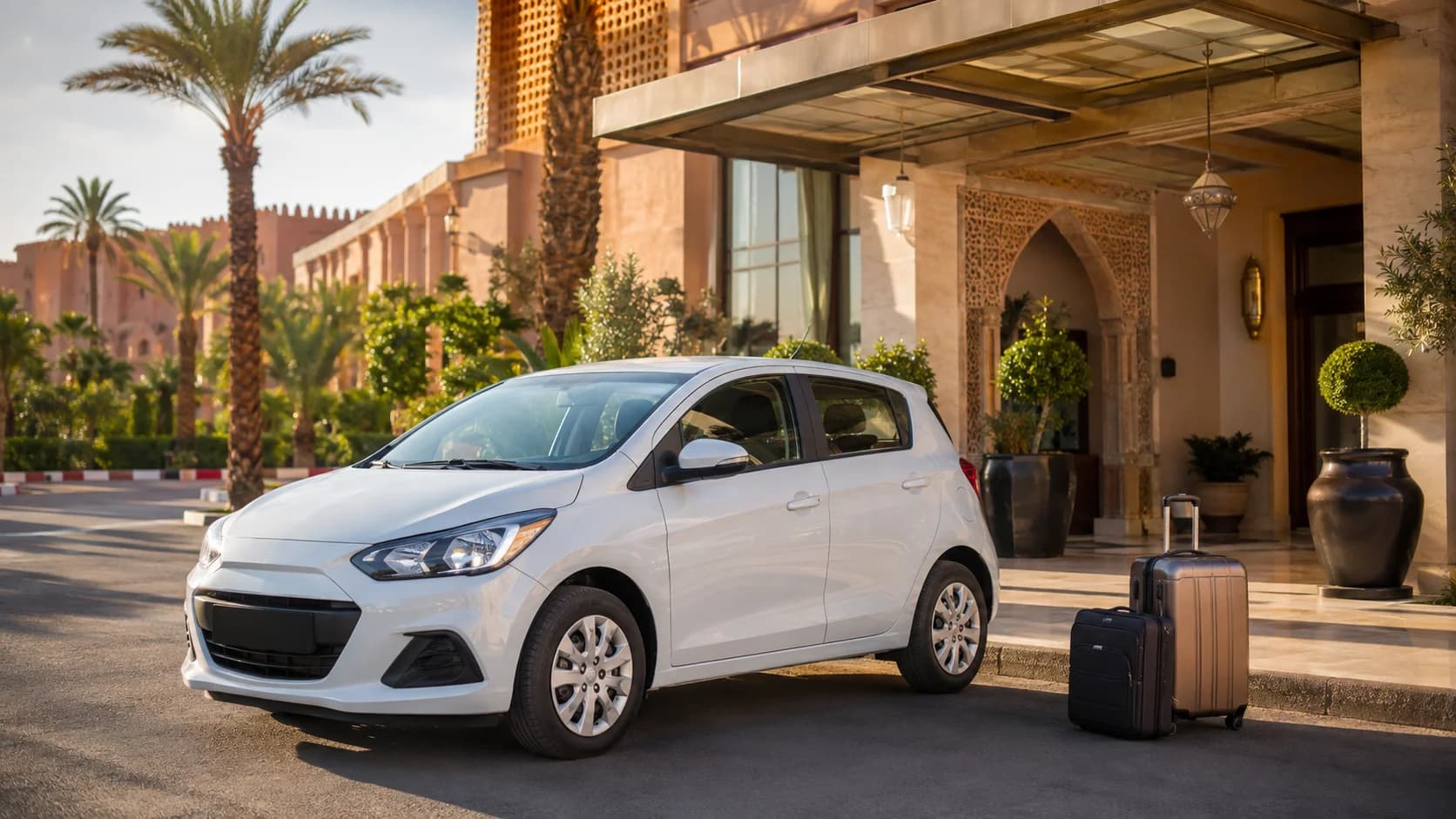
Exploring Morocco's religious and cultural heritage becomes easier when transport is arranged in advance.
MarHire Morocco travel services include car rental, airport transfers, private drivers and activities across major Moroccan cities.
Travellers can arrange airport or city pickup, explore eligible free-delivery options and contact local support through WhatsApp. This makes visiting cultural landmarks and historic neighbourhoods more convenient.
FAQ: Religion in Morocco
Is Morocco a Muslim country?
Yes, Morocco is a Muslim-majority country, and Islam is its state religion. More than 99% of the population is estimated to be Sunni Muslim. However, Morocco also has historic Jewish communities, Christian congregations and smaller religious minority groups.
What Percentage of Morocco Is Muslim?
More than 99% of Morocco's population is estimated to be Sunni Muslim, according to the US Department of State's 2023 religious freedom report. Other religions in Morocco include Christianity, Judaism and smaller faith communities. Exact minority population figures vary between estimates.
Is There Religious Freedom for Tourists in Morocco?
Yes, visitors can generally practise their own religion in Morocco. However, religious freedom has legal limits, including restrictions on attempts to convert Muslims. Tourists should respect local customs, obtain permission before entering religious buildings and follow applicable Moroccan laws.
Are There Christian and Jewish Communities in Morocco?
Yes, Morocco has both Christian and Jewish communities. Jewish heritage is visible in Casablanca, Fes, Marrakech and Essaouira. Christian congregations also operate in major cities. Visitors can explore selected religious heritage sites, depending on access arrangements and opening hours.
Our recommendation
Learning about religions in Morocco helps every traveller understand local customs.
Budget travellers can explore historic neighbourhoods independently. First-time visitors may prefer cultural guides, while families and self-drive travellers should plan visits around prayer times.
For more travel inspiration, explore our Morocco romantic cities guide.