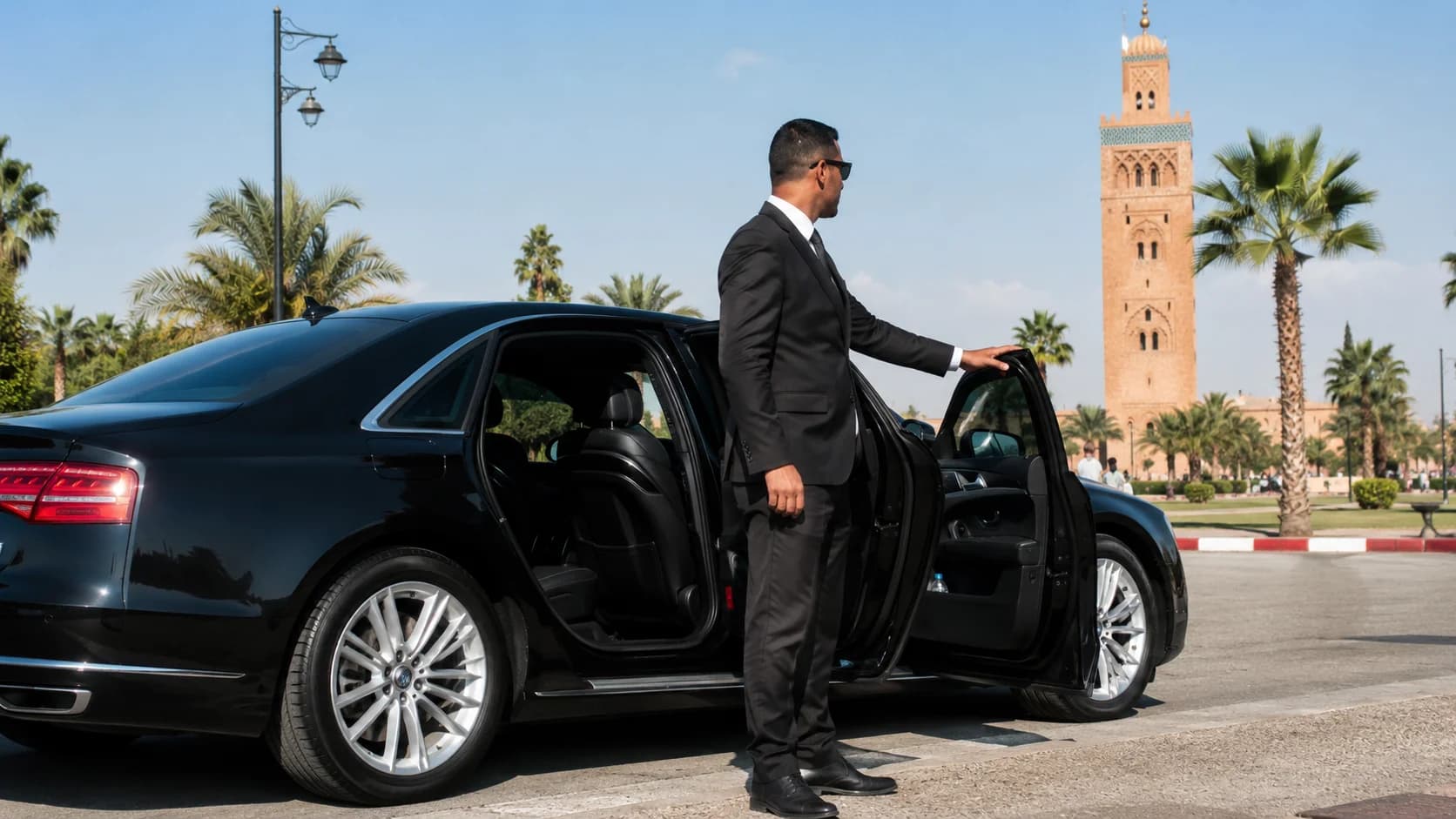


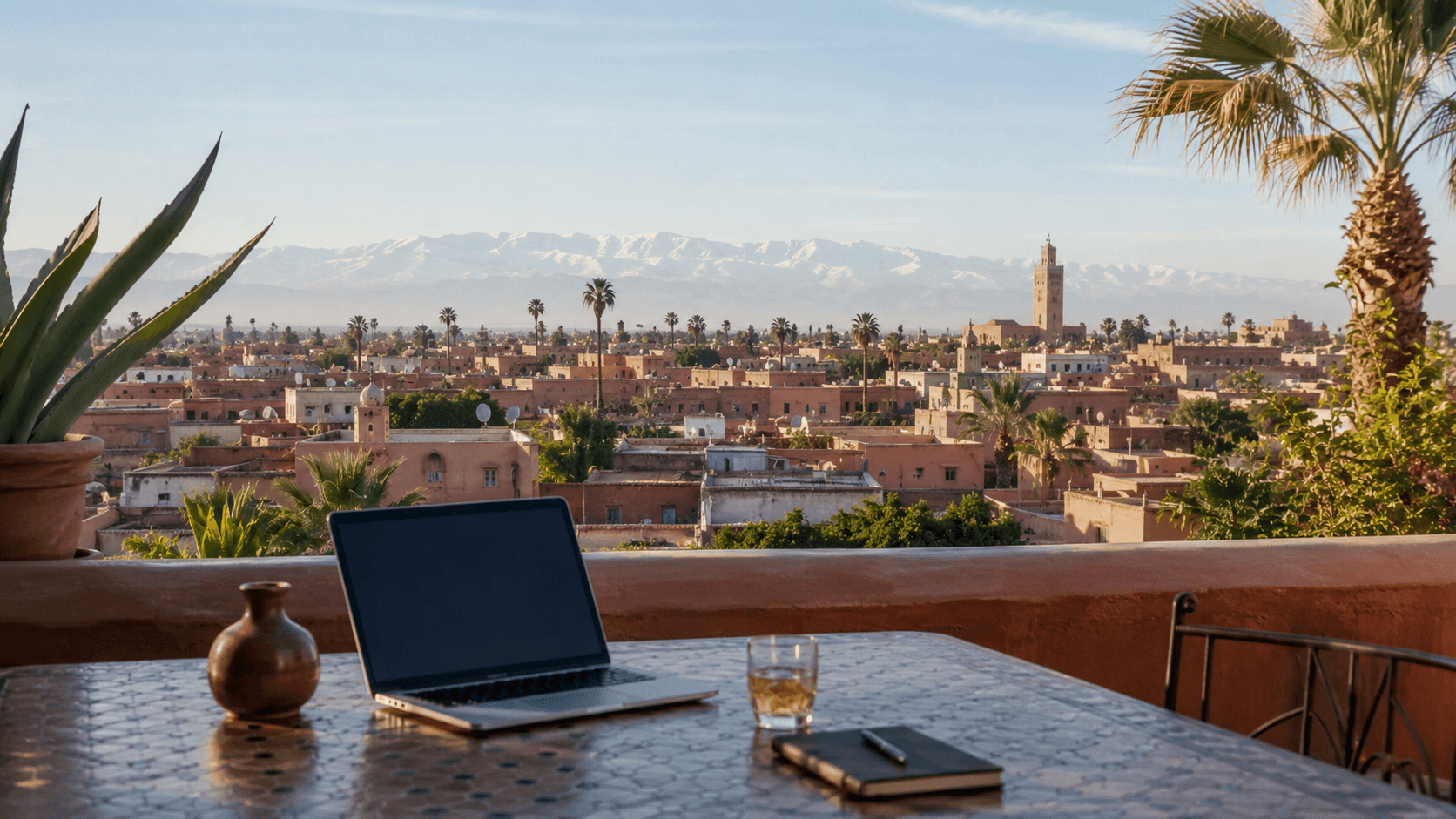
Remote work has changed how people travel, and Morocco has quietly become one of the most attractive destinations for digital nomads seeking a blend of affordability, culture, sunshine, and adventure. Whether you prefer working from a rooftop café overlooking Marrakech's historic skyline, surfing before your morning meetings in Taghazout, or enjoying Atlantic sunsets in Essaouira, Morocco offers a lifestyle that appeals to freelancers, entrepreneurs, remote employees, and online business owners.
Compared to many European destinations, Morocco provides excellent value for money. Accommodation, food, transportation, and daily living expenses remain relatively affordable while still offering modern comforts. International airports connect Morocco with major European cities in just a few hours, making it particularly appealing for remote workers based in Europe.
The country also offers incredible diversity. Within a single weekend, you can move from beaches and surf towns to mountain villages, desert landscapes, or vibrant historic cities. Combined with expanding coworking options, improving internet infrastructure, and a growing international community, Morocco is becoming a serious contender for long-term remote work.
This guide covers everything digital nomads need to know about living and working remotely in Morocco, from choosing the right city and finding coworking spaces to managing costs, transportation, and long-term travel planning.
Why Morocco Works for Digital Nomads
Morocco sits at a unique crossroads between Europe, Africa, and the Middle East. This geographical position creates several advantages for remote workers.
The first is accessibility. Most major European cities are only a short flight away, making it easy to visit clients, attend events, or return home when necessary. Time zone differences are minimal for European-based businesses, making collaboration easier than destinations in Southeast Asia or Latin America.
The second advantage is affordability. Housing, food, transportation, and entertainment generally cost significantly less than in Western Europe while maintaining a comfortable quality of life.
Morocco also offers strong lifestyle variety. Some digital nomads want fast-paced urban environments, while others seek beach towns or creative communities. Morocco provides all of these within a relatively compact geography.
Weather is another major attraction. Coastal areas enjoy mild temperatures for much of the year, while cities like Marrakech offer warm winters that attract remote workers escaping colder climates.
Finally, Morocco offers experiences beyond work. Weekend surf sessions, Atlas Mountain hikes, desert adventures, and cultural exploration help create a healthier work-life balance than many traditional nomad destinations.
Best Nomad Cities: Marrakech, Taghazout, Essaouira, Tangier & Casablanca
Marrakech: The Most Popular Digital Nomad Hub
Marrakech is currently Morocco's leading destination for digital nomads. The city combines excellent infrastructure, modern accommodation, international restaurants, coworking spaces, and endless cultural experiences.
The neighborhood of Gueliz is particularly popular among remote workers thanks to its cafés, coworking spaces, modern apartments, and reliable services. Meanwhile, the Medina offers a more traditional experience for those seeking authentic Moroccan charm.
Marrakech works particularly well for entrepreneurs, content creators, consultants, freelancers, and remote employees who enjoy urban energy and networking opportunities.
Taghazout: Morocco's Surf & Remote Work Paradise
Taghazout has become one of North Africa's most famous digital nomad destinations. Located north of Agadir, this small fishing village has transformed into a surf and remote work hotspot.
The combination of surf culture, ocean views, healthy cafés, yoga studios, coworking spaces, and a strong international community creates an attractive lifestyle for location-independent professionals.
Taghazout is ideal for remote workers who prioritize lifestyle and outdoor activities over big-city amenities.
Essaouira: Creative & Relaxed
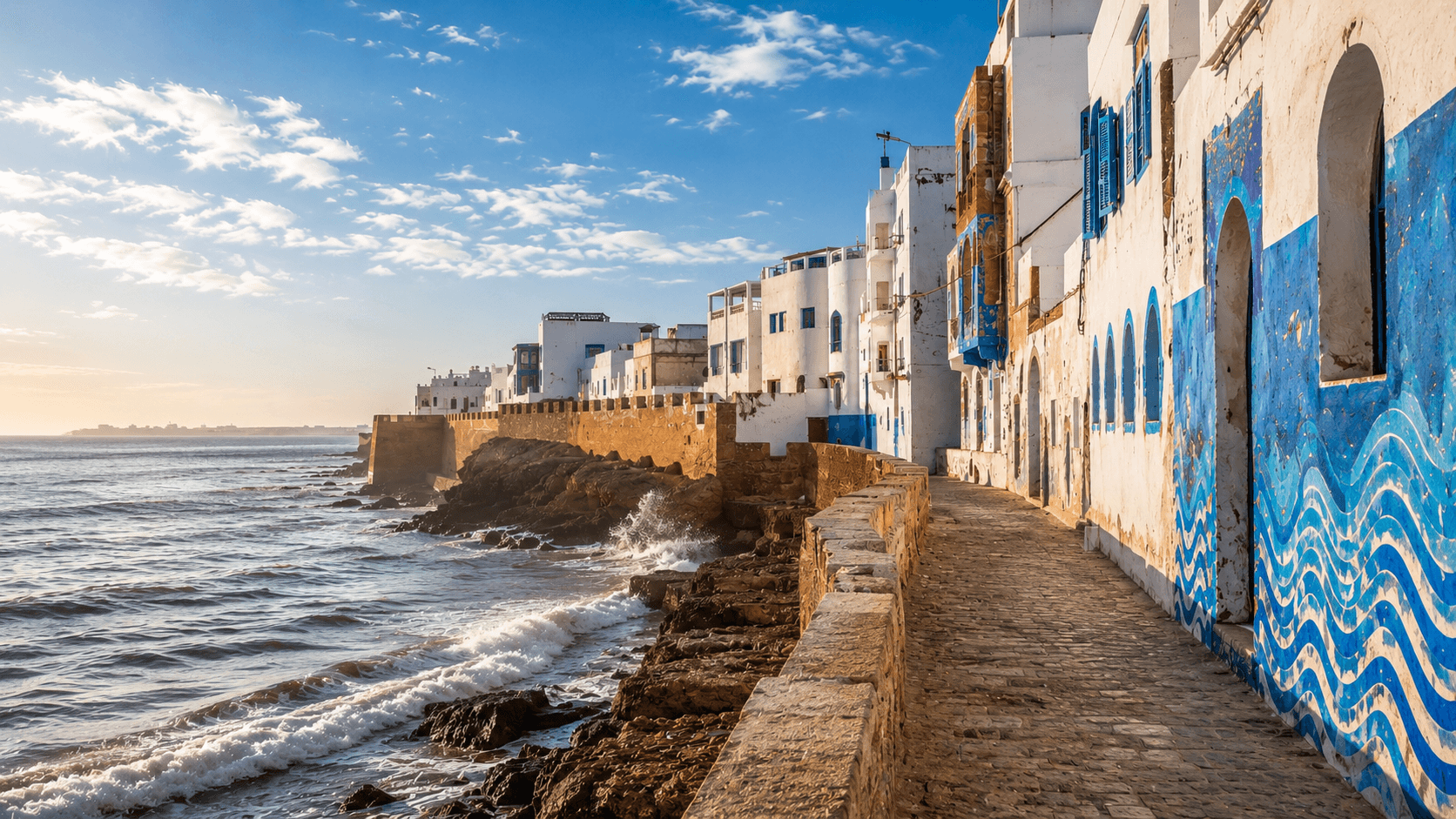
Essaouira offers a slower pace than Marrakech while maintaining excellent charm and character. The Atlantic winds attract surfers and kite surfers, while the artistic atmosphere attracts writers, designers, photographers, and creative entrepreneurs.
The walkable Medina, beach access, and relaxed lifestyle make Essaouira particularly appealing for long-term stays.
Many nomads describe Essaouira as one of Morocco's easiest cities to settle into.
Tangier: International & Strategic
Tangier has undergone significant development over the past decade. Located at the gateway between Europe and Africa, the city combines modern infrastructure with international business opportunities.
High-speed train connections, modern residential areas, growing coworking options, and proximity to Spain make Tangier increasingly attractive for digital professionals.
It works especially well for entrepreneurs working between European and African markets.
Casablanca: Morocco's Business Capital
Casablanca is Morocco's largest city and economic center. While it lacks the charm of Marrakech or Essaouira, it offers the country's strongest business infrastructure.
For remote professionals working with corporate clients, startups, finance, or international organizations, Casablanca can be an excellent base.
Its extensive transport network and professional ecosystem make it a practical choice for business-focused nomads.
Internet Speeds, SIM Cards & Mobile Data
Reliable internet is essential for remote work, and Morocco performs reasonably well in this area.
Fiber internet is increasingly available in major cities such as Marrakech, Casablanca, Tangier, and Agadir. Modern apartments, coworking spaces, and many hotels provide sufficient speeds for video calls, cloud-based work, and content creation.
For mobile connectivity, Morocco's major providers include Maroc Telecom, Orange Morocco, and Inwi. All offer prepaid SIM cards with generous data packages suitable for remote workers.
Many digital nomads use a combination of home Wi-Fi and mobile hotspot backup for added reliability.
Video conferencing, online collaboration tools, streaming, and cloud services generally function well across major urban centers and nomad-friendly destinations.
When choosing accommodation, it is still wise to verify internet quality before committing to a long stay.
Coworking Spaces by City
Marrakech
Marrakech offers the largest selection of coworking spaces in Morocco. Most are concentrated around Gueliz and Hivernage, providing modern work environments, meeting rooms, networking events, and community activities.
Taghazout
Coworking spaces in Taghazout often blend work and lifestyle. Many include ocean views, community events, surf packages, and wellness activities.
Essaouira
Essaouira's coworking scene is smaller but growing steadily. Spaces tend to attract creative professionals, writers, designers, and entrepreneurs seeking a quieter environment.
Tangier
Tangier's coworking ecosystem continues to expand, supported by startups, international businesses, and young entrepreneurs.
Casablanca
Casablanca offers professional coworking facilities designed for startups, consultants, and corporate remote workers who require business-grade infrastructure.
Most coworking memberships remain affordable compared with major European cities, making them an attractive option for long-term stays.
Monthly Cost of Living
One of Morocco's strongest advantages is affordability.
Accommodation
- Budget apartment: €300–€500/month
- Comfortable modern apartment: €500–€900/month
- Premium apartment: €900–€1,500+/month
Food
- Local meal: €3–€8
- Casual restaurant: €8–€15
- International dining: €15–€30+
Coffee
- Local café coffee: €1–€2
- Specialty coffee: €2–€4
Transportation
- Taxi rides: €1–€10
- Public transport: inexpensive in most cities
- Long-term car rental varies depending on vehicle category
For a complete breakdown of travel expenses and local pricing, see our guide:
Morocco Travel Budget.
A comfortable digital nomad lifestyle in Morocco is often possible for significantly less than many Western European destinations.
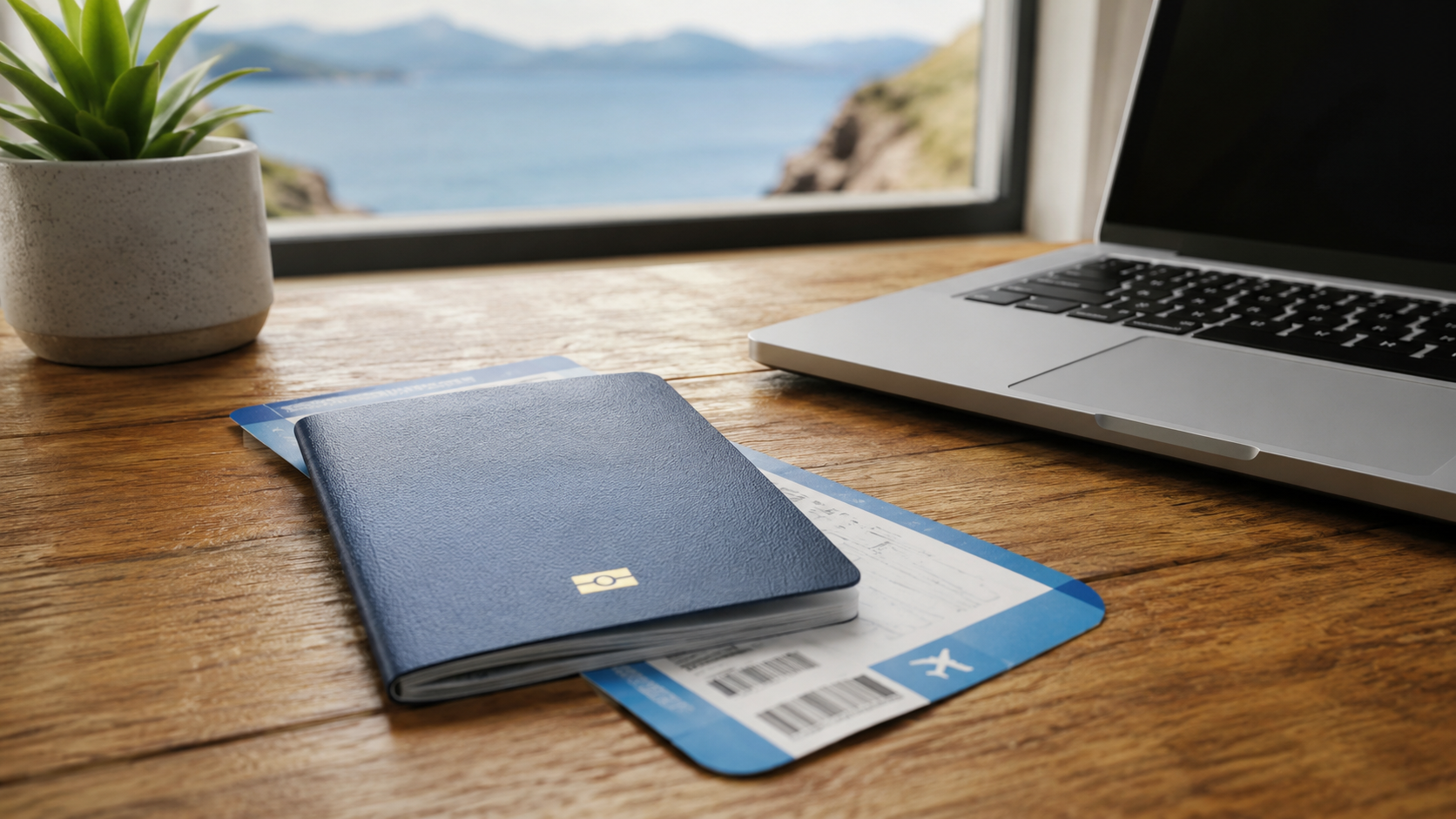
Visa Rules & Length-of-Stay for Remote Workers
Morocco currently does not offer a dedicated digital nomad visa.
However, many nationalities can enter Morocco visa-free for up to 90 days for tourism purposes. This makes Morocco attractive for short and medium-term remote work stays.
Visa requirements vary based on nationality, so travelers should always verify current entry regulations before arrival.
Remote workers planning extended stays often combine multiple visits throughout the year or explore residency options depending on their circumstances.
Because immigration regulations can change, checking official government sources before travel is always recommended.
Long-Term Car Rental for Nomads: Why It Matters
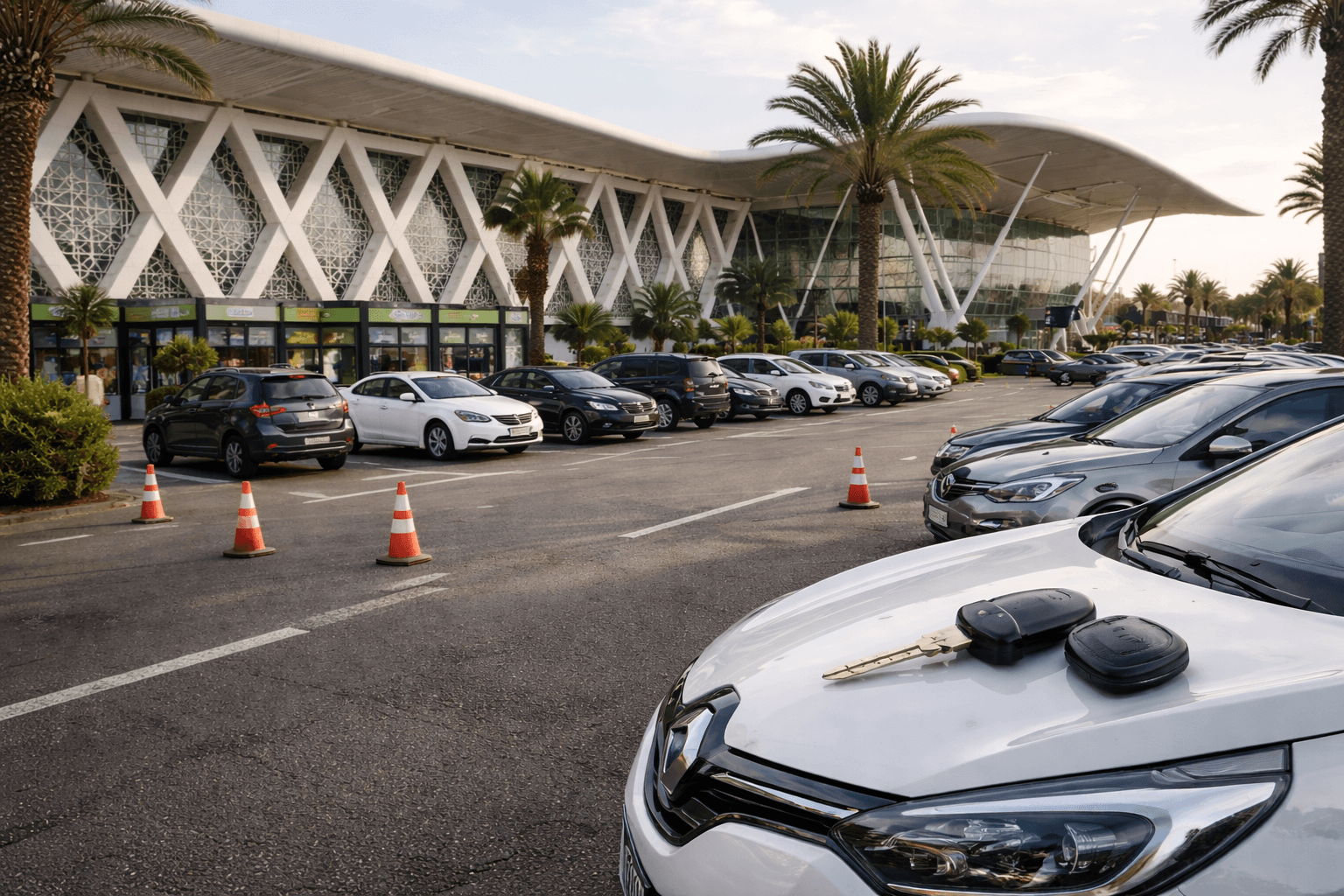
Many digital nomads initially assume they can rely entirely on taxis and public transport. While this works in some situations, long-term car rental often becomes one of the most valuable upgrades to life in Morocco.
A car provides freedom to explore beaches, mountain villages, surf spots, coworking locations, and weekend destinations without depending on schedules.
This is particularly valuable in places such as Taghazout, Agadir, Marrakech, and Essaouira where surrounding attractions are spread across wider regions.
Long-term rentals can also be surprisingly cost-effective compared with repeated private transfers.
For nomads planning several months in Morocco, having a vehicle dramatically expands lifestyle possibilities while maintaining work flexibility.
Explore options here:
Car Rental Morocco.
Weekend Road Trips from Your Nomad Base
One of Morocco's greatest strengths is the variety of destinations accessible within a few hours.
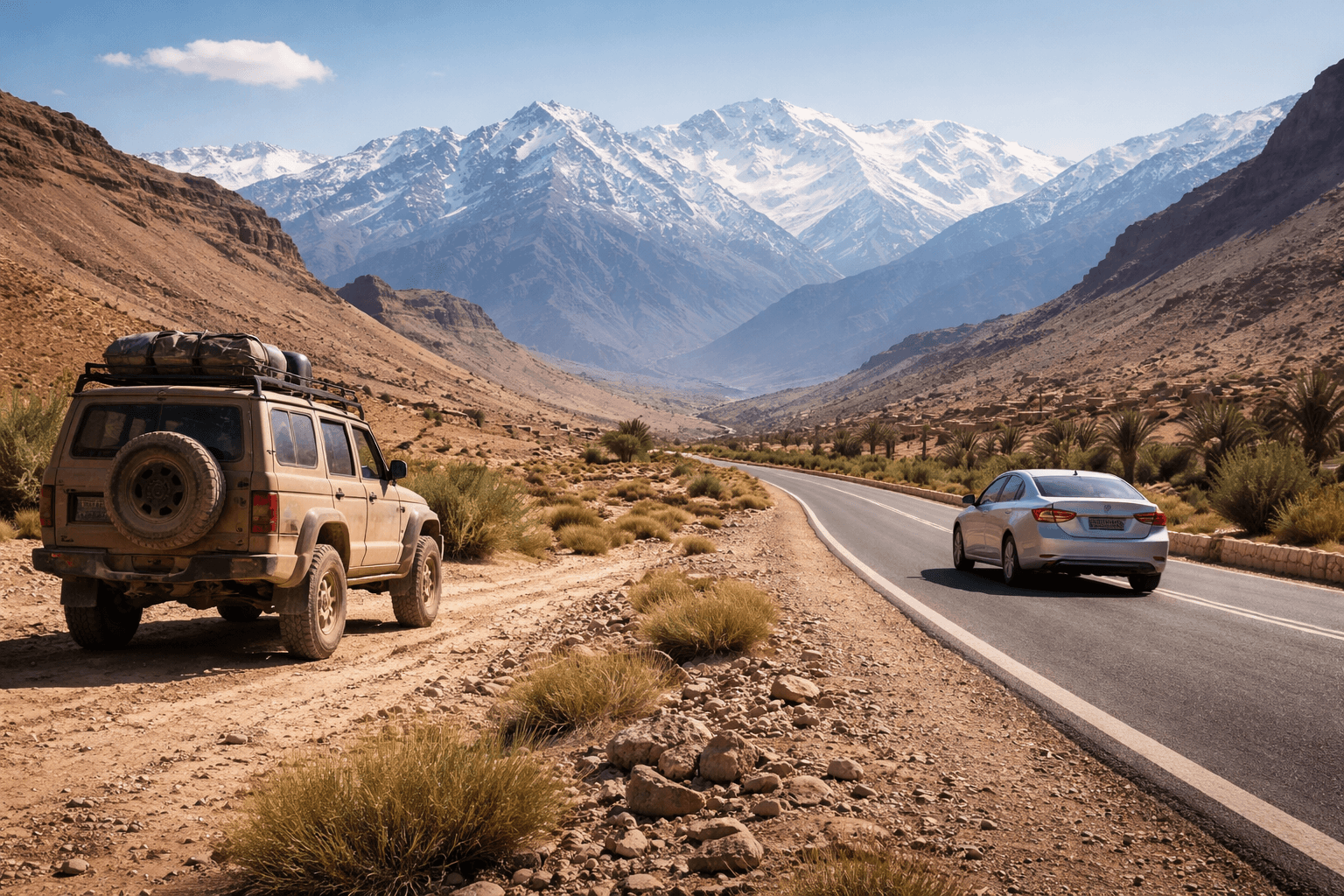
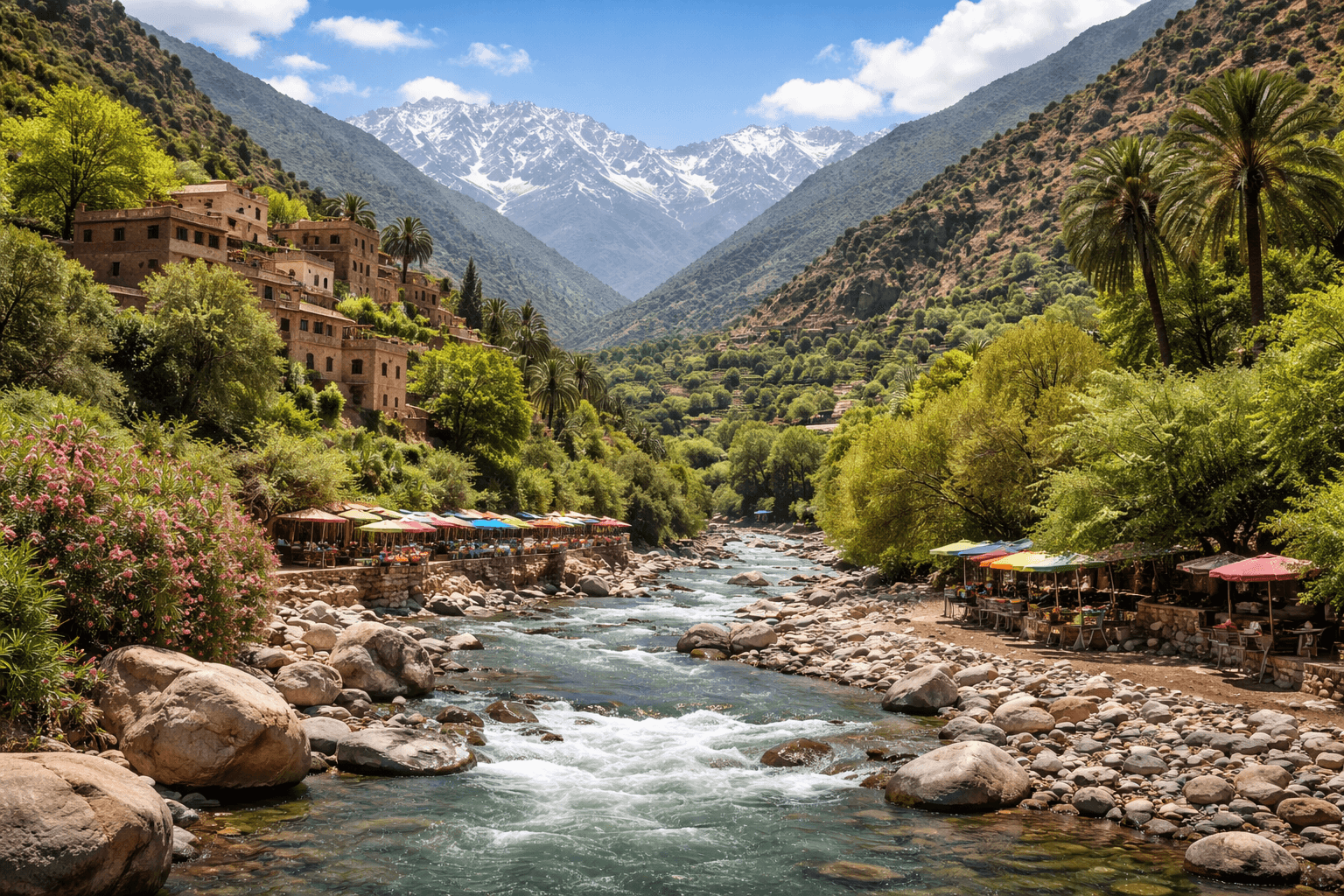
From Marrakech, digital nomads can explore the Atlas Mountains, Ourika Valley, Ouarzazate, and desert landscapes.
From Agadir and Taghazout, coastal adventures include Imsouane, Paradise Valley, and southern Atlantic beaches.
From Tangier, weekend trips to Chefchaouen, Tetouan, and the Mediterranean coast are popular.
Essaouira offers easy access to coastal villages, beaches, and countryside escapes.
For route planning inspiration, see:
Morocco Road Trip Guide
Banking, Cash & Payments
Cash remains important throughout Morocco, especially in local markets, smaller cafés, and traditional businesses.
However, card payments are increasingly accepted in modern restaurants, coworking spaces, hotels, and larger retailers.
ATMs are widely available in major cities.
Many digital nomads use a combination of local cash and international debit or credit cards for daily spending.
Community, Language & Making Friends
Morocco's digital nomad community continues to grow every year.
English is increasingly common within tourism, coworking, and startup environments, although French remains highly useful for daily life and business interactions.
Community events, coworking spaces, surf camps, language exchanges, and social groups provide excellent opportunities to meet both locals and fellow remote workers.
Cities like Marrakech, Taghazout, and Essaouira are particularly welcoming for newcomers.
FAQ
1. Is Morocco good for digital nomads?
Yes. Morocco offers affordability, good connectivity, diverse destinations, strong weather, and growing coworking infrastructure.
2. Does Morocco have a digital nomad visa?
Currently, Morocco does not offer a dedicated digital nomad visa.
3. What is the best city for digital nomads in Morocco?
Marrakech is often considered the most complete option, while Taghazout is popular among lifestyle-focused nomads.
4. Is internet reliable in Morocco?
Yes, especially in major cities and modern accommodations.
5. How much does it cost to live in Morocco as a digital nomad?
Many nomads live comfortably for significantly less than in Western Europe, depending on accommodation and lifestyle choices.
6. Is Taghazout good for remote work?
Yes. Taghazout combines surfing, coworking spaces, cafés, and a strong international community.
7. Is Morocco safe for digital nomads?
Morocco is generally considered safe for travelers who use normal precautions.
8. Can I work remotely from Morocco for a foreign company?
Many remote workers do so while visiting Morocco, though travelers should always verify visa and tax implications for their situation.
9. Is English widely spoken in Morocco?
English is increasingly common in tourism and nomad hubs, though French remains very useful.
10. Should digital nomads rent a car in Morocco?
For longer stays, a car often provides significantly more flexibility and access to nearby destinations.
11. Which city is best for surfing and remote work?
Taghazout is Morocco's leading surf-focused digital nomad destination.
12. Is Morocco expensive for digital nomads?
No. Morocco is generally considered one of the more affordable remote-work destinations near Europe.
13. Can I stay in Morocco long term?
Many travelers return multiple times per year, though visa rules depend on nationality and should always be verified before travel.
Book with MarHire
Morocco offers digital nomads something few destinations can match: affordable living, strong cultural experiences, year-round sunshine, Atlantic beaches, mountain escapes, and a growing remote-work community.
Whether you choose Marrakech, Taghazout, Essaouira, Tangier, or Casablanca, having reliable transportation makes life significantly easier. Long-term rentals provide the freedom to work from different cities, explore Morocco's most beautiful regions, and enjoy spontaneous weekend adventures.
Explore flexible long-stay options with MarHire and discover Morocco at your own pace.