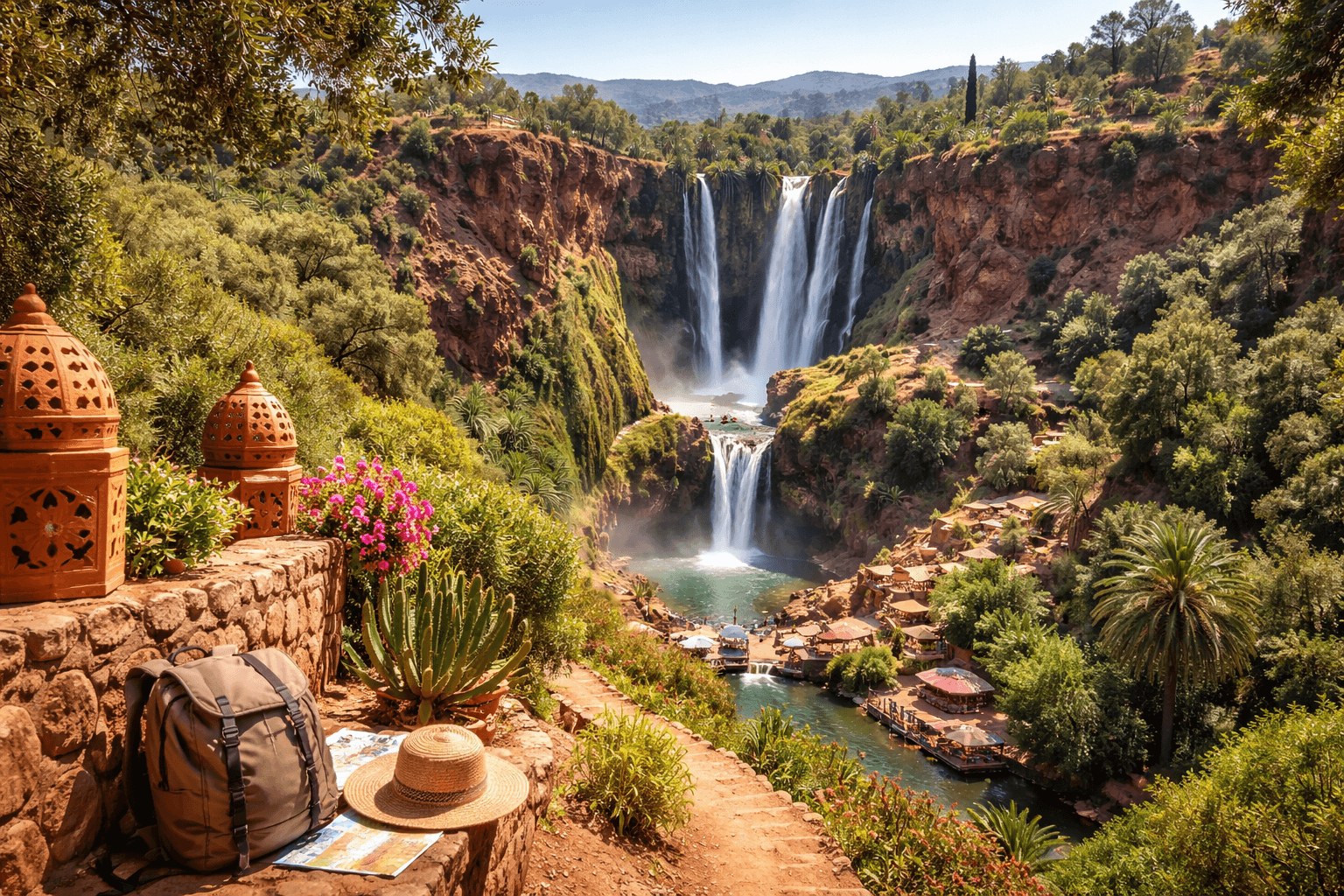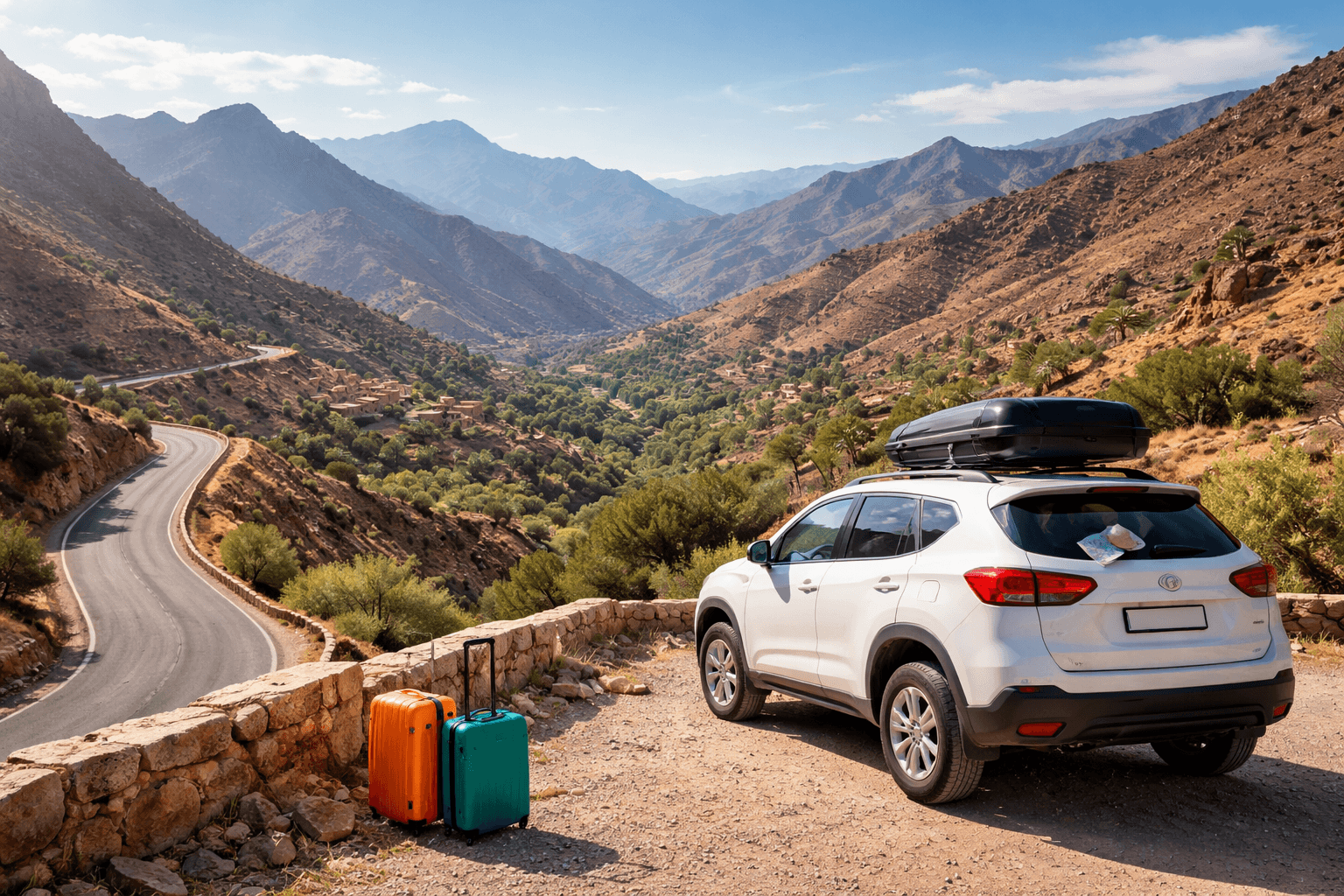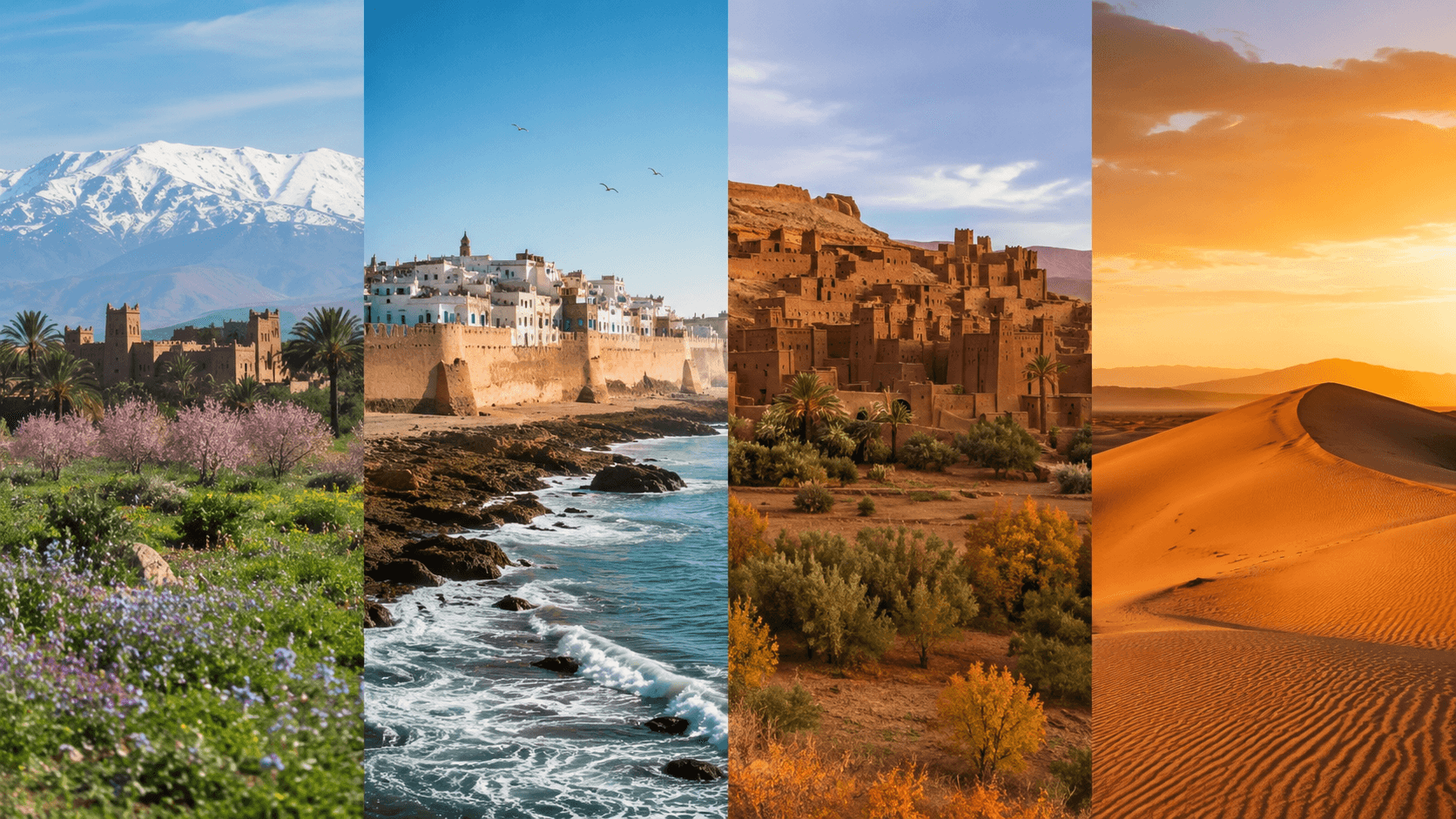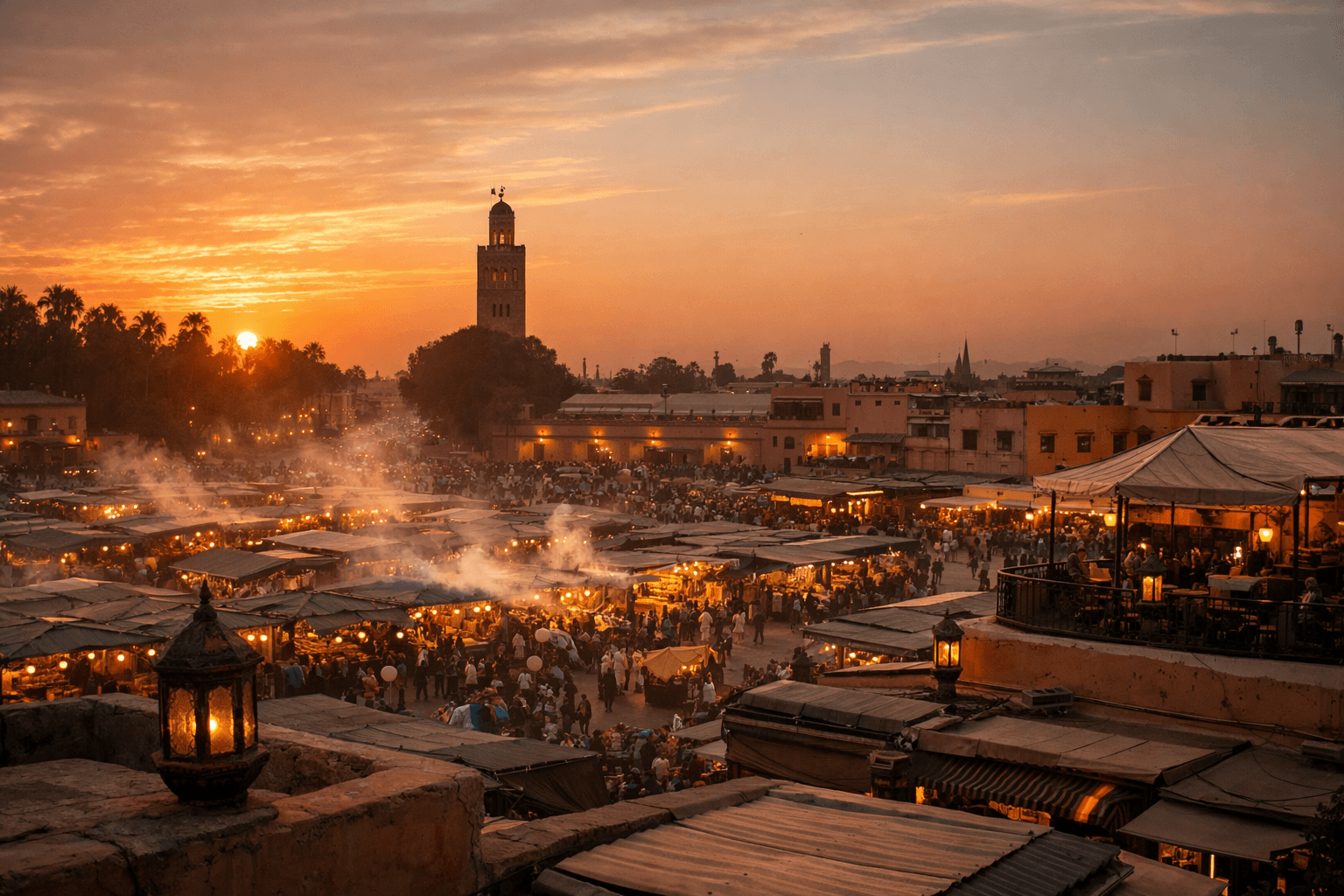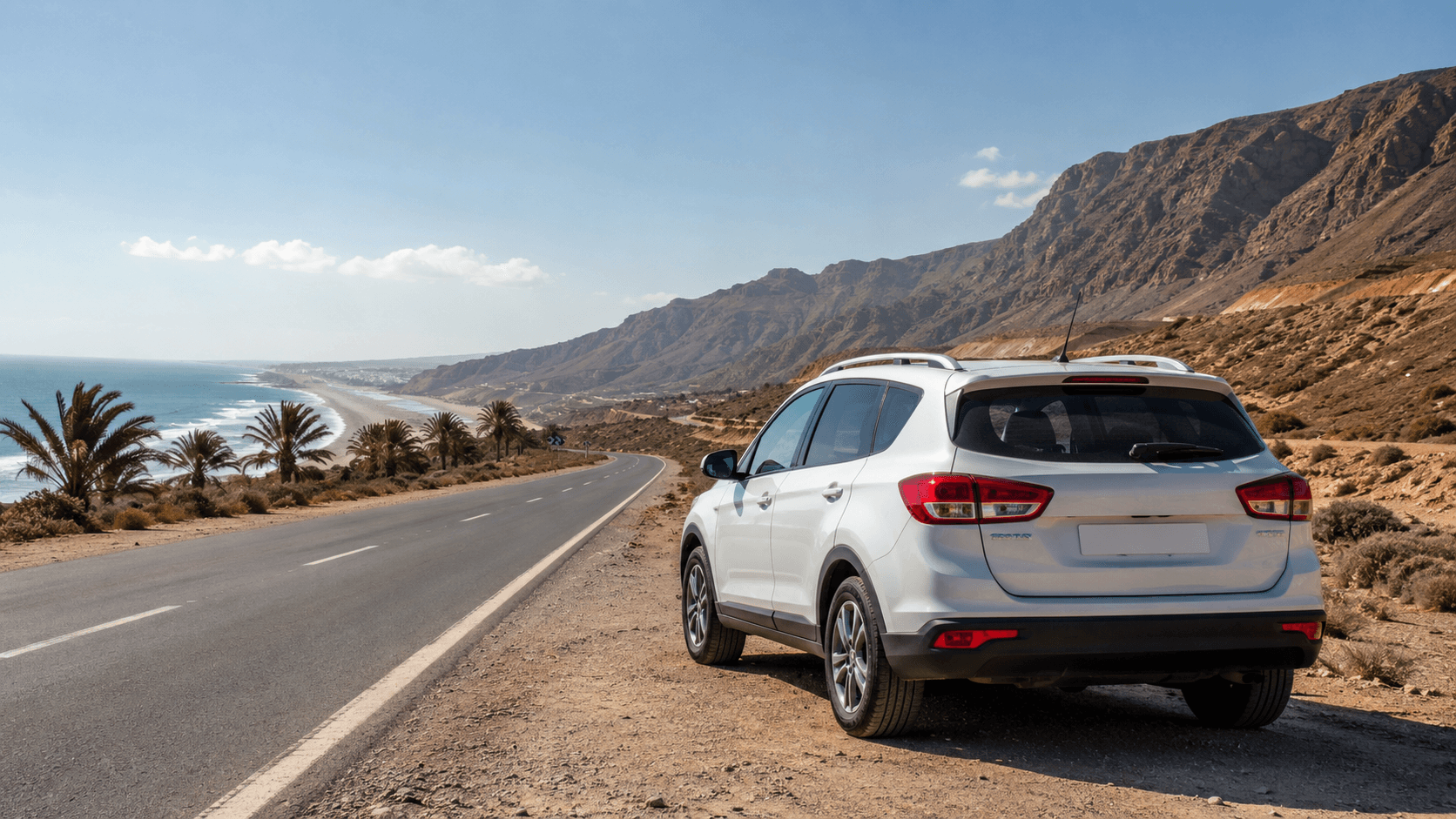










Morocco is built for slow travel: ocean roads skirting argan forests, Atlas switchbacks that open to palm-lined valleys, and medinas where time moves at its own rhythm. If you’re mapping a 2025 trip, you’ll face one core decision early: self-drive car rental or private driver. Both work brilliantly in Morocco—if you set expectations, choose the right vehicle, and understand local insurance.
This guide shares practical, on-the-ground advice from a team that coordinates cars, chauffeurs, boats, and activities across major cities. No hype—just the steps that make the difference between “fine” and “effortless.”
Self-Drive vs. Private Driver: Which One Fits Your Trip?
Choose self-drive if you want:
Maximum flexibility for photo stops, detours to surf breaks, or roadside tagines
Lower daily costs for couples or solo travelers
Easy loops like Agadir → Essaouira → Marrakech → Agadir without backtracking
Choose a private driver if you want:
Stress-free navigation between cities and at night
Local knowledge (best rest stops, fuel choices, timing for mountain passes)
Door-to-door service with luggage help and airport meet-and-greet
Hybrid option: Self-drive the coast and book a driver for mountain days (e.g., Imlil or Ouirgane), when local experience really shines.
Picking the Right Vehicle (and When No-Deposit Makes Sense)
City hopping & highways: Economy or compact (e.g., Dacia Logan/Clio 5 class) are efficient, easy to park, and perfect for flat coastal roads.
Mixed terrain & families: Crossovers/SUVs (e.g., Duster/T-Roc segment) offer ground clearance and trunk space for boards, strollers, and market finds.
Groups & comfort: Minivans and 7-seaters simplify baggage and keep everyone comfortable on longer stretches.
If you’re balancing a tight travel budget, look for no-deposit listings. You’ll usually pay a small surcharge, but you keep cash free for restaurants and activities—useful when you’re moving between cities.
Pro tip: Book automatic early if that’s your preference; automatics go first in peak periods.
“Full Insurance with Excess” in Morocco—Plain English
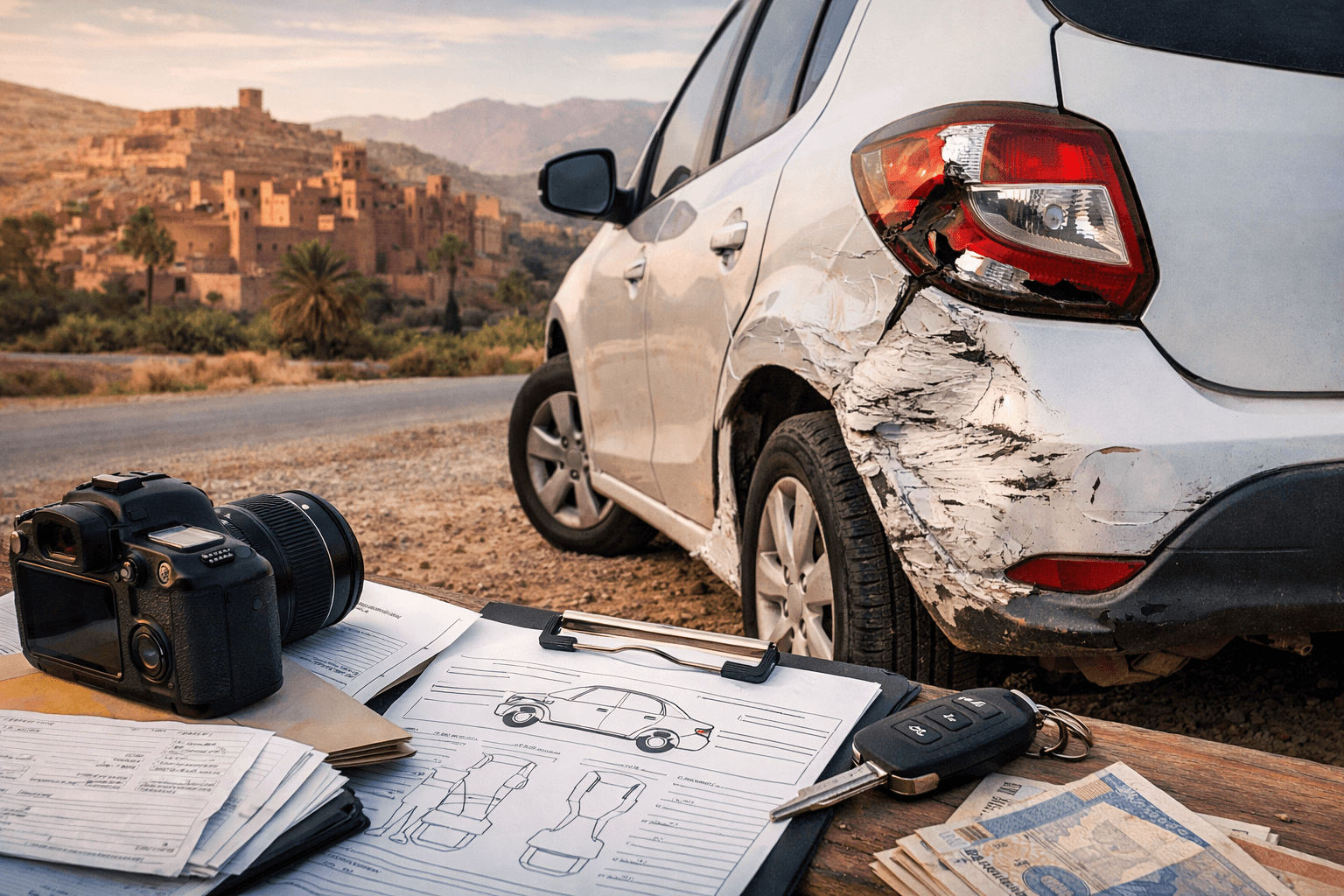
Most reputable rentals include full insurance with excess. If an incident is your fault, you pay up to the excess cap shown for your vehicle category; if not your fault, the insurer typically covers repairs per policy terms.
What to check before you pay:
The exact excess amount for your category (economy vs SUV can differ)
What counts as “not at fault” (official report/police statement requirements can apply)
Glass, tires, and undercarriage—are these included or optional?
If you prefer minimal financial exposure, ask about excess reduction options.
Real-World Costs & Budgeting
While prices vary by city and season, planning with realistic ranges keeps surprises away:
Economy/Compact: typically from budget-friendly daily rates, with better deals for 7–10-day rentals
SUV/Crossover: a step up for space and comfort; good for families or surf trips
Private driver (intercity): priced per route with waiting time included for airport pickups
Budget stack: Daily rate + fuel + tolls (autoroutes near Casablanca–Rabat–Tangier) + optional extras (child seats, surf racks, extra driver).
Safety, Rules & Road Etiquette
Speed checks: Fixed radars and mobile checkpoints are common—drive within posted limits.
Tolls: Keep small bills or a card ready; queues are predictable near major cities.
Fuel: “Essence” = petrol, “mazout/gasoil” = diesel. Confirm the fuel type printed on your agreement and key tag.
Parking: Use monitored lots near medinas; a small fee is normal and saves hassle.
Night driving: Consider a driver for mountain sections or unfamiliar routes after dark.
Sample 5-Day Coastal Loop (Easy, Photogenic, Low-Stress)
Day 1 – Agadir: Pick up your car/meet your driver. Sunset at Agadir Oufella, seafood in Marina.
Day 2 – Tamraght/Taghazout: Surf lessons or cafés overlooking Anchor Point; short scenic drives north.
Day 3 – Essaouira: Blue-and-white medina, ramparts, and windy beaches. Park in a monitored lot outside the walls.
Day 4 – Marrakesh: Garden hop (Majorelle/Secret Garden), then early-evening Jemaa el-Fna.
Day 5 – Return to Agadir: Coastal views, argan co-ops, and a relaxed final dinner.
Vehicle call: Economy is fine for this loop; upgrade to SUV if you have boards or lots of luggage.
Booking Checklist (Save This)
Valid driver’s license (international permit helpful, not always required)
Passport and booking voucher on your phone
Flight details for airport delivery & delays
Confirm fuel policy (full-to-full is simplest)
WhatsApp number for live support and pick-up coordination
If using no-deposit, note any surcharge and insurance inclusions
When a Private Driver Is the Smarter Choice
Tight schedules: Same-day airport arrival + immediate intercity transfer
Mountain days: Tizi n’Test/Tichka passes, winter rain, or first-time high-altitude driving
Special occasions: Eloping in the desert? Birthday dinner in the medina? Skip parking stress.
A good chauffeur service includes flight tracking, signboard meet-and-greet, and reasonable waiting time—no meter anxiety.
Responsible & Respectful Travel Notes
Local communities: Buy from cooperatives (argan, pottery, rugs) and tip attendants who help with parking.
Water & waste: Carry a reusable bottle; ask your host about filtered water options.
Wildlife & dunes: Keep to marked tracks and avoid driving on protected beaches or fragile dunes.
Final Word
Morocco rewards curiosity. Whether you take the wheel or hire a driver, the key is simple: book with clarity (inclusions, insurance, pickup) and travel with intention (time your drives, leave room for detours). Do that, and the journey will feel as good as the destination.