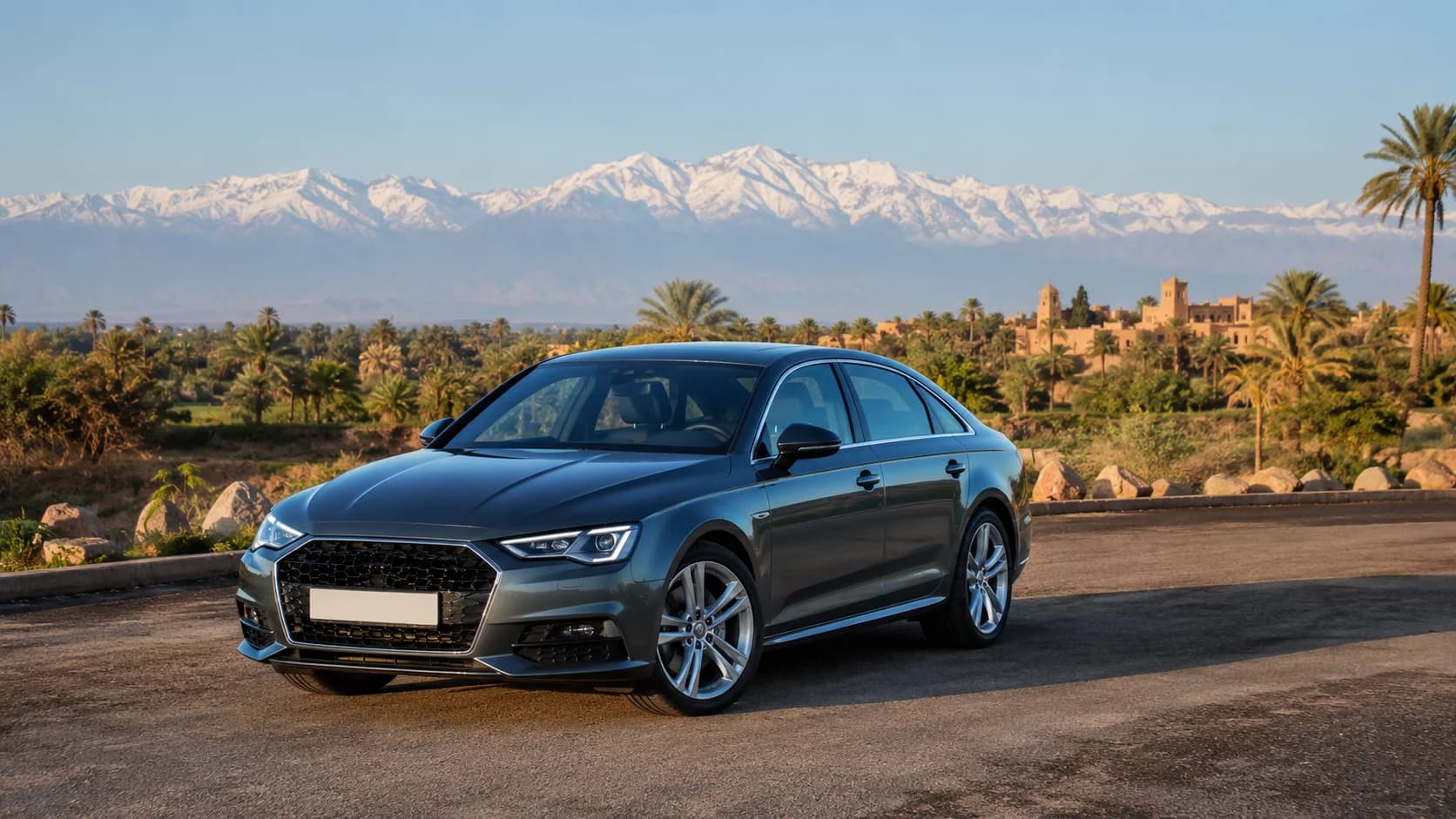









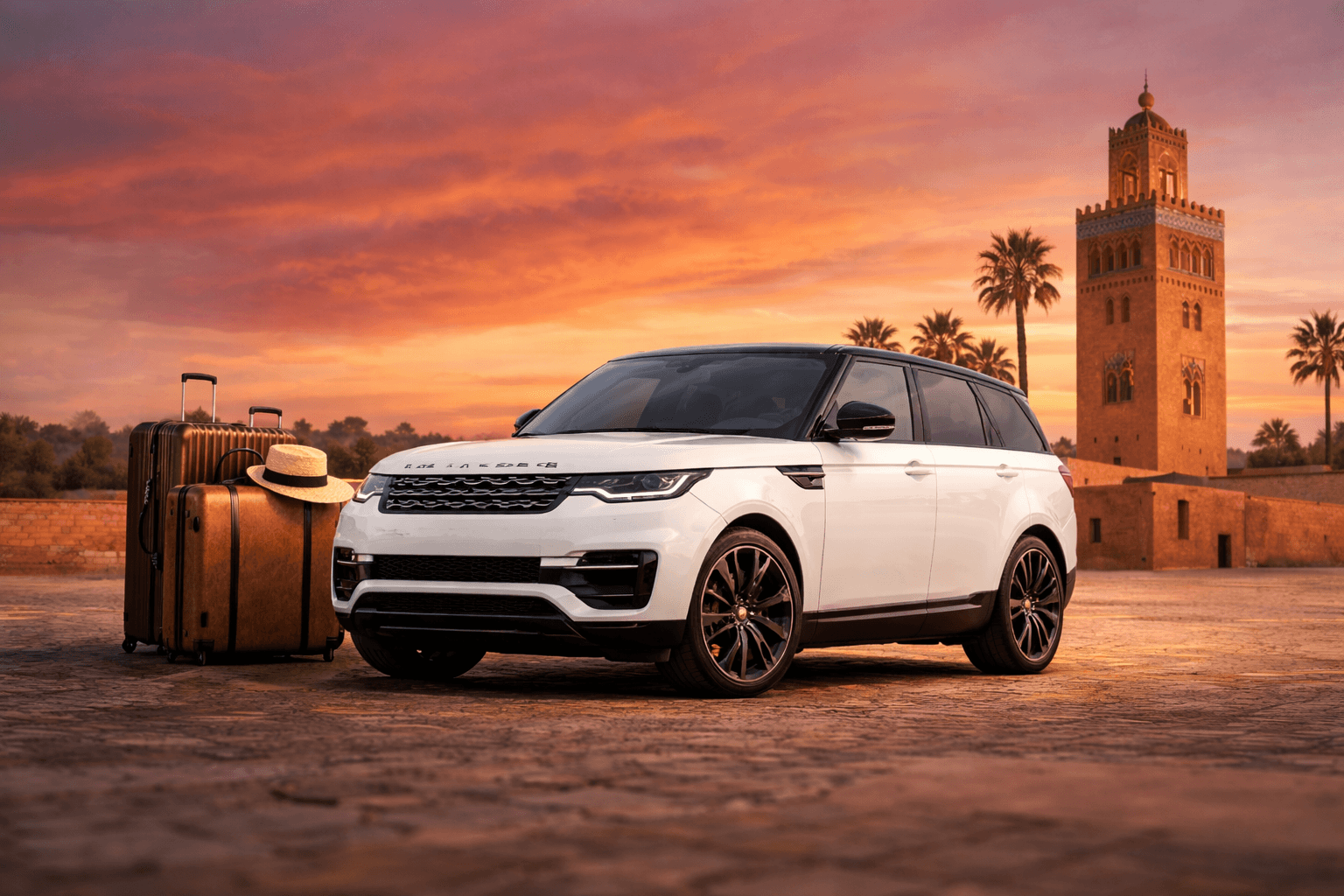
Luxury car rental in Marrakech is about more than arriving in style. It’s about comfort, security, and having the right vehicle for your plan, whether that’s business meetings in Gueliz, a high-end hotel in Hivernage, or a scenic day drive toward the Atlas foothills. But luxury rentals also come with stricter rules than economy cars: higher deposits or card holds, more detailed inspections, tighter insurance exclusions, and less tolerance for “unclear” return conditions.
This guide is written for real travelers and real situations. You’ll learn what deposits usually mean, how insurance excess works, what rules matter most in Marrakech, and the exact steps to rent safely, so your “premium experience” doesn’t turn into a premium dispute.
Quick Answer
-
Luxury rentals often require a higher deposit or card hold than standard cars.
-
The real risk is the insurance excess (your maximum out-of-pocket if something happens).
-
Common rules: authorized drivers only, paved-road use, fuel policy, return timing, damage reporting.
-
Safest approach: written terms + photos/video at pickup and return + clear excess + clear exclusions.
-
If anything is vague at pickup, pause and clarify before you sign.
Table of Contents
-
What “luxury” changes in Marrakech rentals
-
Deposits vs card holds: what to expect
-
Insurance excess and “full insurance” myths
-
The most important rules (and why they exist)
-
Marrakech risk zones: parking, traffic, and road types
-
Safe pickup checklist (10 minutes that save money)
-
Paying safely: documents, cards, and name matching
-
Common red flags (when to walk away)
-
FAQs
-
Conclusion
1) What “Luxury” Changes in Marrakech Rentals
A luxury rental is usually higher value, higher demand, and higher risk for the company. That’s why the paperwork feels stricter. In Marrakech, luxury rental differences typically include:
-
More detailed inspection at pickup and return
-
Higher deposit/hold and stronger ID/payment requirements
-
Insurance rules with more exclusions (especially tires, undercarriage, rims)
-
Stricter authorized-driver policy (no “my friend will drive once”)
-
More sensitivity to where the car goes (rough roads, off-road, sand)
None of this is automatically bad. It just means you must rent like a pro: get terms in writing and document everything.
2) Deposits vs Card Holds: What to Expect
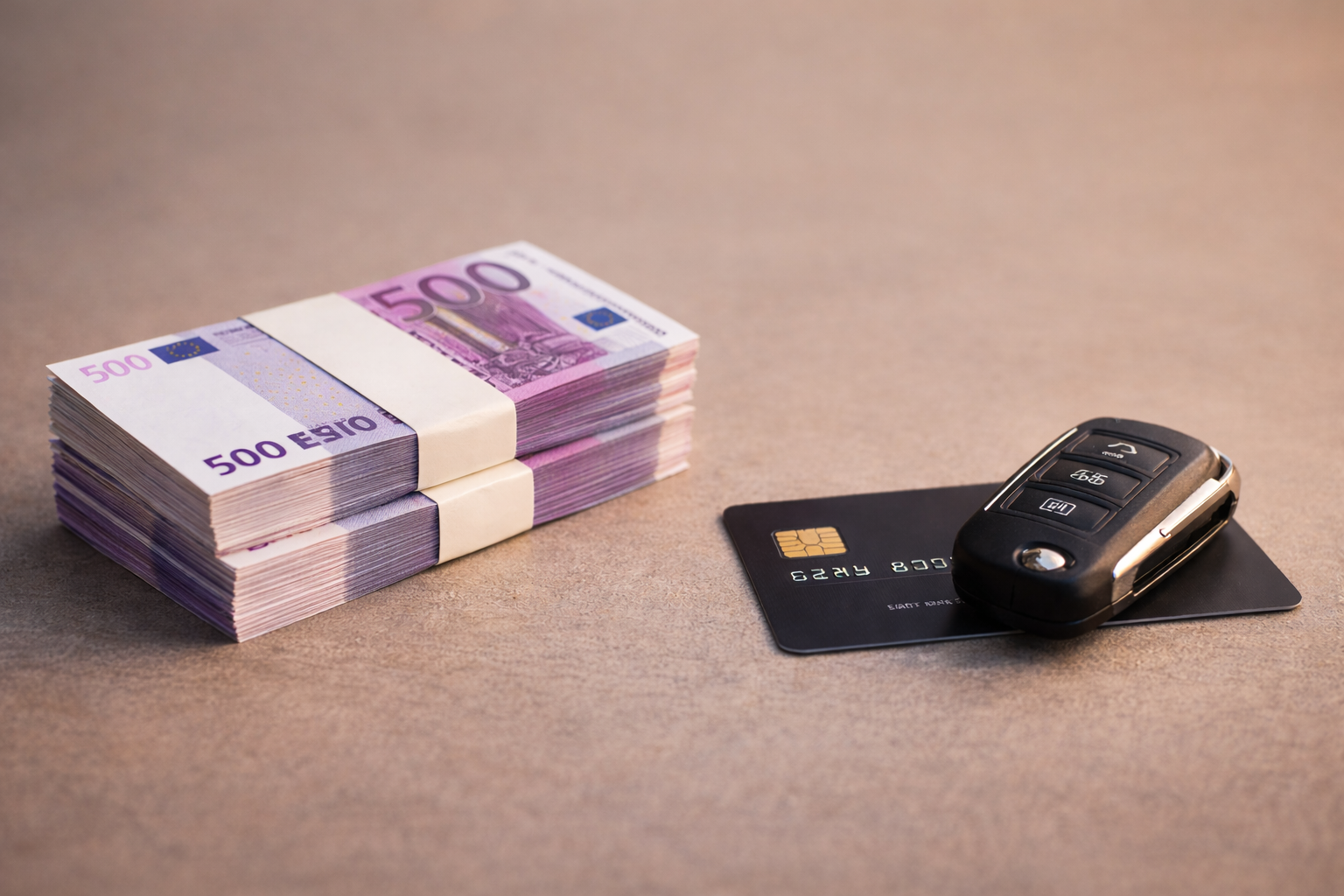
Luxury rentals frequently use one of these security methods:
A) Card hold (pre-authorization)
This blocks a set amount on your card temporarily. It’s usually not a charge, but it reduces your available balance until it’s released.
B) Cash deposit
Less common for luxury, but some agencies accept it. It can be fast, but you must ensure the refund terms are clear.
C) Reduced deposit with stronger coverage
Some premium protection packages reduce the hold because the agency’s risk is lower, but always verify the excess too.
What to ask before you pay
-
“Is the deposit a hold or a charge?”
-
“How much is the hold in MAD and when is it released?”
-
“What conditions can reduce or delay the release?”
If you want an official explanation of how authorization holds and reversals work (and why release timing can vary by bank), Visa explains the process here: Authorization and Reversal Processing Best Practices for Merchants.
3) Insurance Excess and “Full Insurance” Myths
The most dangerous misunderstanding in luxury rentals is thinking “full insurance” means “I pay nothing.”
What excess really means
Insurance excess (deductible) is the maximum you can still owe if there’s damage, even if insurance is included.
For luxury cars, excess can be higher. That’s not automatically unfair; it reflects higher repair costs. What matters is clarity and whether exclusions are reasonable.
Ask this exactly (and get it written)
-
“What is the excess amount in MAD for damage?”
-
“What is the excess for theft?”
-
“Are tires, rims, windshield/glass, and undercarriage included or excluded?”
-
“Is there an admin fee for any claim?”
“Full insurance” can mean three different things
-
Reduced excess (you still pay something, but less)
-
Excess waiver (excess is very low or zero, with conditions)
-
Extended coverage (more items included)
If someone can’t explain which one you’re buying, don’t buy it.
4) The Most Important Rules (and Why They Exist)
Luxury rules sound strict because they prevent expensive problems. Here are the ones that matter most in Marrakech:
Authorized drivers only
If a non-listed driver is behind the wheel, coverage can be invalid.
Do this: add every real driver to the contract.
Road use restrictions
Many contracts prohibit off-road, beaches, or rough tracks, because undercarriage, suspension, and rims get damaged easily.
Do this: if your plan includes rough roads, choose the right vehicle and confirm allowed road types.
Fuel policy (full-to-full is safest)
Full-to-full is easiest to prove.
Do this: keep the fuel receipt near return time.
Return timing and after-hours rules
Late returns can trigger extra day charges or after-hours fees.
Do this: confirm the grace period and late-return rules in writing.
Damage reporting rules
Some contracts require immediate reporting and sometimes a police report for specific incidents.
Do this: know the support number and what to do if something happens.
5) Marrakech Risk Zones: Parking, Traffic, and Road Types
Luxury cars are most “at risk” in places that are totally normal for Marrakech driving.
Medina edges and tight streets
The tightest spaces create the most rim scratches and bumper taps. If you’re staying near the medina, consider:
-
a vehicle you’re comfortable parking
-
using guarded parking lots when possible
Gueliz and Hivernage traffic
Traffic is manageable, but it’s dense. Expect scooters, quick lane changes, and close parking.
Hotel drop-off lanes
Valet areas can be safe, but always do a quick walkaround before you hand the keys off.
Day trips
If your route includes mountain roads, confirm tire/rim coverage and avoid rough shortcuts.
If you’re comparing options, start with car rental marrakech to see standard categories, and use luxury car rental marrakech when you specifically want premium models and luxury conditions.
6) Safe Pickup Checklist (10 Minutes That Save Money)
Do this every time, even if the car looks perfect.
Before you drive away
-
Take photos of all sides + close-ups of rims/wheels
-
Record a 30–60 second walkaround video
-
Photo: fuel gauge + odometer
-
Ensure all existing marks are written on the form
-
Confirm the support number (accidents, flat tire, questions)
-
Test basics: AC, lights, windows, mirrors, wipers
At return
-
Repeat the same photos/video (same angles)
-
Do the inspection together if possible
-
Ask for written confirmation: “Returned OK”
-
Keep the final receipt
Luxury disputes often come from tiny marks (rims, bumper corners). Photos end arguments.
7) Paying Safely: Documents, Cards, and Name Matching
Luxury rentals are strict about identity and payment because fraud risk is higher.
Bring
-
Passport/ID
-
Driver’s license (and IDP if needed for your license type)
-
Payment card in the main driver’s name
-
Booking confirmation
Avoid this common problem
Booking name ≠ cardholder name ≠ driver name.
That mismatch can cause delays, deposit increases, or refusal at pickup.
8) Common Red Flags (When to Walk Away)
If you see any of these, pause and clarify, or choose another offer:
-
They refuse to tell you the excess amount clearly
-
They won’t give you a copy/photo of the contract terms
-
They rush you to sign without inspection time
-
The fuel policy is unclear or changes at pickup
-
They add “mandatory” fees not mentioned before
-
They won’t provide a support number for incidents
A luxury rental should feel professional, not pressured.
FAQs
Is a higher deposit normal for luxury rentals in Marrakech?
Yes, because repair and replacement costs are higher. What matters is that the deposit/hold and release timing are clear.
What’s the difference between deposit and excess?
Deposit is the upfront security (cash or hold). Excess is what you could still pay if there’s damage, even with insurance.
Should I buy extra insurance?
Only if you understand exactly what it changes (excess reduction, added coverage, exclusions). Ask for written details.
Are rims and tires usually covered?
Often they’re excluded or treated differently on luxury contracts. Confirm tires, rims, glass, and undercarriage.
How do I avoid damage disputes?
Photos/video at pickup and return, mark existing damage on the form, and get written return confirmation.
Is it safe to drive a luxury car in Marrakech?
Yes, if you park smart, drive calmly, and avoid tight medina lanes when possible. The biggest risk is minor scratches, not safety.
Conclusion
Luxury car rental in Marrakech can be smooth and stress-free, if you treat it like a premium contract, not a casual checkout. Confirm your deposit/hold policy, understand the insurance excess, and follow a strict pickup/return photo routine. Do that, and you’ll enjoy the comfort and style without the “surprise invoice” ending.