








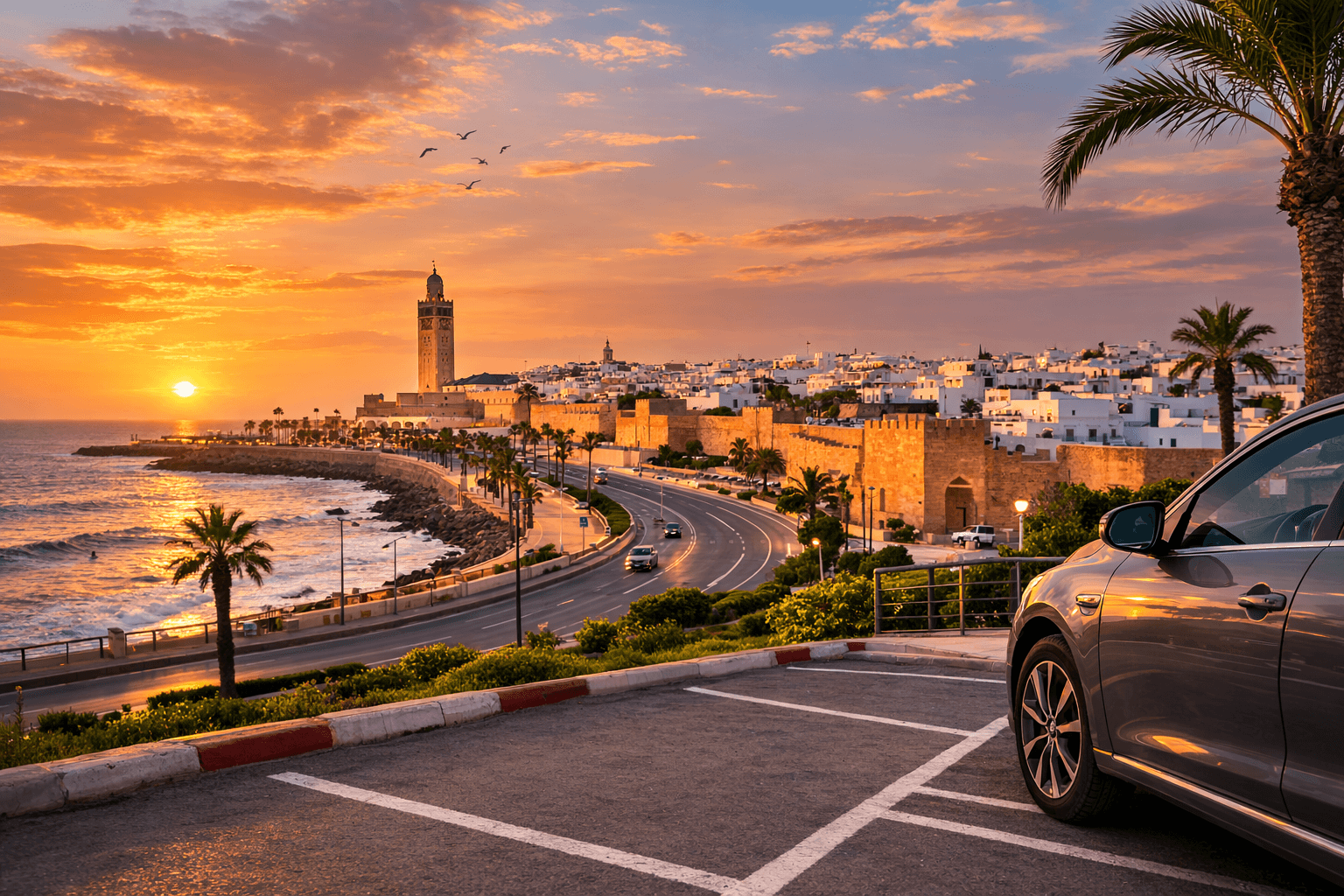
Rabat is one of Morocco’s easiest capitals to drive in, cleaner road flow than some major cities, calmer pace, and modern boulevards that make navigation feel manageable. But “easy” doesn’t mean “no rules.” If you’re renting a car in Rabat, the trip goes smoothly when you know three things: where parking is actually safe and normal, which zones are annoying (or restricted), and what times of day feel effortless versus stressful.
This guide is designed for tourists and first-time Rabat drivers. You’ll get a practical parking strategy, a list of common “don’t drive here” situations (not fear-based, just time-saving), the best drive times for getting across the city, and a simple checklist to avoid tickets, towing worries, and wasted time.
For planning and booking across Morocco, start with MarHire. If you specifically want options in the capital, browse car rental rabat before you arrive so you can match the car size to the areas you’ll visit.
Quick Answer
-
Rabat is generally calm to drive, but parking success depends on where and when.
-
Best plan: park once and walk for medina-style areas; drive mainly for longer hops and coastal moves.
-
Avoid driving deep into tight old streets; use modern boulevards and park in appropriate lots/streets.
-
Best drive times: early morning and late afternoon (not peak rush).
-
Always check signs, pay where required, and take quick photos of your parking spot and nearby sign.
Table of Contents
-
What driving in Rabat feels like (tourist reality)
-
Where to park in Rabat (easy strategy that works)
-
Parking “rules” tourists miss (and how to avoid tickets)
-
What to avoid driving into (time traps + restricted vibes)
-
Best drive times in Rabat (when it feels effortless)
-
A simple “park once, walk more” day plan
-
Common mistakes and quick fixes
-
FAQs
-
Conclusion
1) What Driving in Rabat Feels Like
Compared with cities like Casablanca or Marrakech, Rabat often feels more structured:
-
wider roads,
-
clearer lanes,
-
calmer merges,
-
and fewer “surprise” traffic situations.
That said, the two moments where tourists lose time are:
-
searching for parking near popular spots, and
-
trying to drive too close to older/tighter areas where walking is faster anyway.
If you approach Rabat like this, drive for distance, walk for old areas, you’ll enjoy it.
2) Where to Park in Rabat (Easy Strategy That Works)
Instead of memorizing specific streets (which can change), use this strategy:
Strategy: Choose one “base park” per area
Rabat is best when you pick one parking spot near the zone you want, then walk.
For example:
-
If you’re exploring a historic/coastal zone, park once and do a long loop on foot.
-
If you’re doing modern Rabat errands and cafés, park near the destination and keep moves short.
The most reliable parking types in Rabat
-
Marked street parking on wider roads (easy, visible, usually safest)
-
Attended lots/parking areas (good peace of mind, especially evenings)
-
Hotel parking (best if available, reduces daily stress)
Practical parking habit that prevents problems
When you park, take:
-
a photo of the nearest sign (if any), and
-
a photo of your car location (so you can find it fast).
It sounds small, but it eliminates “where did we leave it?” fatigue.
3) Parking Rules Tourists Miss (and How to Avoid Tickets)
Most tourist parking problems come from assumptions. Avoid these:
Don’t assume “no sign means free”
In some areas, parking is organized by markings or local attendants. If you’re unsure, ask politely or choose a more obvious parking setup.
Don’t park where you block flow (even slightly)
Rabat is calmer, but enforcement can still happen if your car creates a bottleneck.
Pay attention to curbs and markings
If curbs are painted or parking is clearly managed, treat it seriously. When in doubt:
-
choose a different spot that looks clearly intended for parking.
Use the “simple visibility rule”
Park where:
-
other cars are parked neatly,
-
lines/markings are clear,
-
and your car isn’t the odd one out.
Tourists get attention when they park in places locals avoid.
4) What to Avoid Driving Into
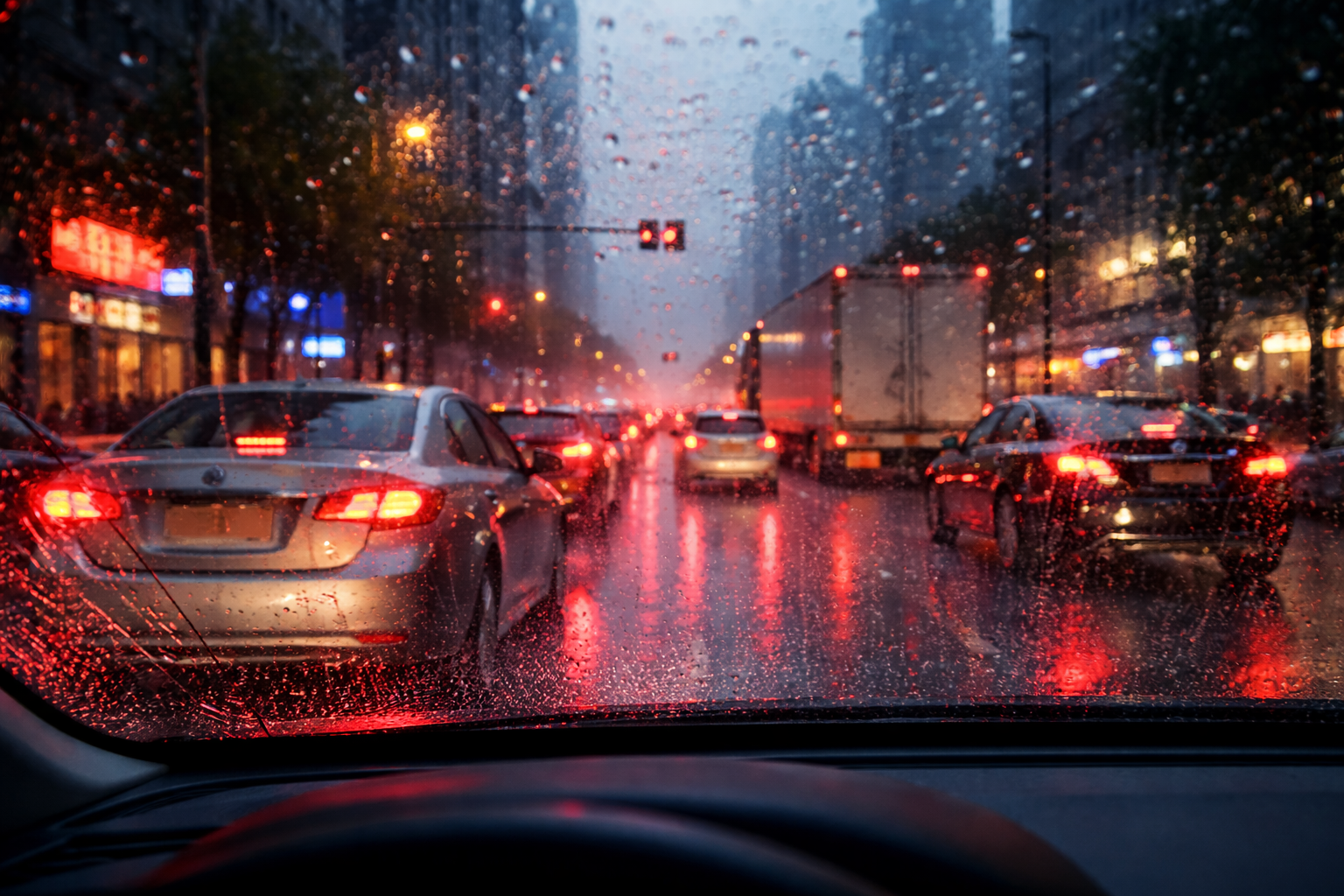
“Avoid” doesn’t mean danger, it means wasted time, tight access, and parking headaches.
A) Deep old-town lanes and tight street clusters
If streets look narrow and busy, it’s usually better to park outside and walk. Your day becomes smoother and you avoid the stress of squeezing through.
B) Going “too close” to attractions at peak hours
Many people try to drive right to the front door of popular spots. In Rabat, that can backfire:
-
more circling,
-
less parking,
-
and more frustration.
Park 5–10 minutes away and walk. It often saves time.
C) Random shortcuts through dense blocks
Navigation apps sometimes suggest shortcuts that look good on a map but feel unpleasant in real life:
-
narrow streets,
-
frequent stops,
-
difficult parking at the end.
In Rabat, the best driving is usually on the main boulevards.
5) Best Drive Times in Rabat
Timing is your biggest “comfort lever.”
Best times to drive
-
Early morning: smoother roads, easier parking, calm city energy
-
Late afternoon (before peak): good light, easier hops between zones
-
Evening (after dinner rush): often calmer again, depending on area
Times that feel more stressful
-
classic commuting windows (morning and late afternoon peak)
-
mid-day around popular places (parking competition)
Best time to do “big moves”
If you need to cross the city, do it:
-
earlier in the morning, or
-
after your midday break.
Then park and walk again.
6) A “Park Once, Walk More” Day Plan
Here’s a simple day structure that works well for tourists:
Morning (best driving + easiest parking)
-
Drive to your first zone
-
Park once
-
Walk the area slowly (you’ll see more and stress less)
Midday reset
-
Café/lunch
-
Short rest (especially in warm months)
Afternoon (light driving hops)
-
One or two short drives max
-
Park and walk again
Sunset / evening
-
Choose a coastal walk or viewpoint-style area
-
Park in a clear spot and enjoy the evening on foot
This structure avoids the main trap: spending your day in the car searching for parking.
7) Common Mistakes (and Quick Fixes)
Mistake 1: Renting too large for your plan
Fix: If you’ll spend time in older areas, a smaller car reduces stress. If you’ll do longer drives, comfort matters, but don’t oversize unnecessarily.
Mistake 2: Chasing “front door parking”
Fix: Park slightly farther and walk. Rabat is pleasant on foot.
Mistake 3: Trusting every shortcut
Fix: Use main roads for cross-city moves; save small streets for the last 2 minutes.
Mistake 4: Not documenting parking
Fix: Take a photo of the sign/marking and your car spot. It prevents both tickets and confusion.
If you’re still choosing your vehicle category, car rental rabat helps you pick something that matches your real itinerary. For Morocco-wide planning, MarHire keeps everything organized.
FAQs
Is Rabat easy to drive in for tourists?
Yes, it’s generally one of the calmer big cities to drive in. The main challenge is parking near popular areas.
Where should I park in Rabat?
Use marked street parking on wider roads, attended lots, or hotel parking. Park once per area and walk.
What areas should I avoid driving into?
Avoid deep narrow old streets and crowded clusters during peak hours. Park nearby and walk instead.
What are the best times to drive in Rabat?
Early morning is best. Late afternoon can also be good if you avoid peak commuting windows.
Can I rely on navigation apps in Rabat?
Yes for main routes, but be cautious with “shortcut” routes through dense blocks, main boulevards are usually smoother.
How do I avoid parking tickets?
Follow signs/markings, don’t block flow, park where locals park neatly, and take a photo of the sign and your car spot.
Conclusion
Rabat is a great city to explore by car, if you treat driving as a tool, not the whole plan. Park once, walk more in older areas, avoid tight lanes that waste time, and move across the city during calmer hours. Do that, and Rabat feels smooth, relaxed, and surprisingly enjoyable for tourists behind the wheel.