

Yes, driving in Morocco is generally manageable for careful, experienced tourists, but road conditions vary. You need a valid driving licence, the correct permit for your nationality, and vehicle insurance documents. Speed limits reach 120 km/h on motorways, while urban limits range from 20 to 60 km/h. Expect police checks and motorway tolls.
Driving in Morocco offers you the freedom to explore the cities, the coastal roads, the mountain villages and the destinations off the major transport routes. Traffic habits and road conditions can be a surprise for first-time visitors.
Travel is easier if you know road signs, licence requirements and police procedures. Our local team works with travelers across Morocco and knows the practical questions drivers have before picking up a rental car.
Is it safe to drive in Morocco as a tourist?
Yes, usually driving in Morocco is fine if you are an experienced driver, stay alert and use some common sense about routes. Modern freeways link the major cities, but rural and mountain roads need looking after.
Main risks driving in Morocco
Scooters, people crossing suddenly, people pulling out and stopping with little warning are the biggest problems.
Driving outside towns at nite is especially hazardous due to poor lighting, pedestrians and animals. Heavy rainfall from November to March can also affect rural roads.
For current travel advice see the UK government's travel advice for Morocco.
Driving in Marrakech and other cities in the country
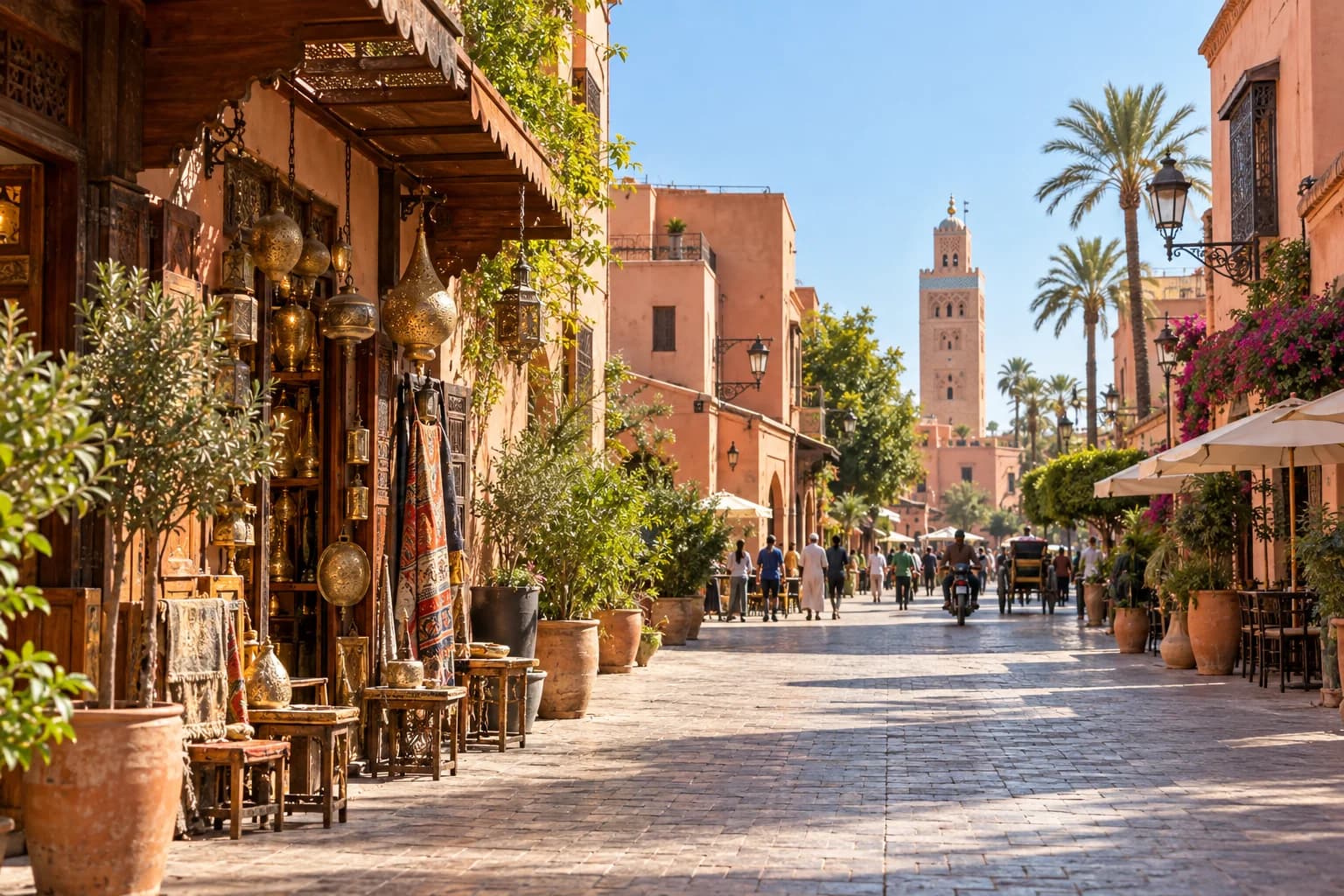
Driving in Marrakech can be difficult in busy junctions, among taxis and motorcycles. There is also limited vehicle access to streets around Jemaa el-Fna and the medina.
Fes has similar problems around its old city . Agadir is often easier for first-time visitors, with its wider main roads.
With a planned route and proper parking arrangements, tourists can find driving in Morocco as a tourist easier.
Before deciding your route, have a look at the Morocco travel hub.
Local tip: park outside the medina of Marrakech and walk to your riad. Ask accommodation near you about the nearest accessible parking.
What do you need to drive legally?
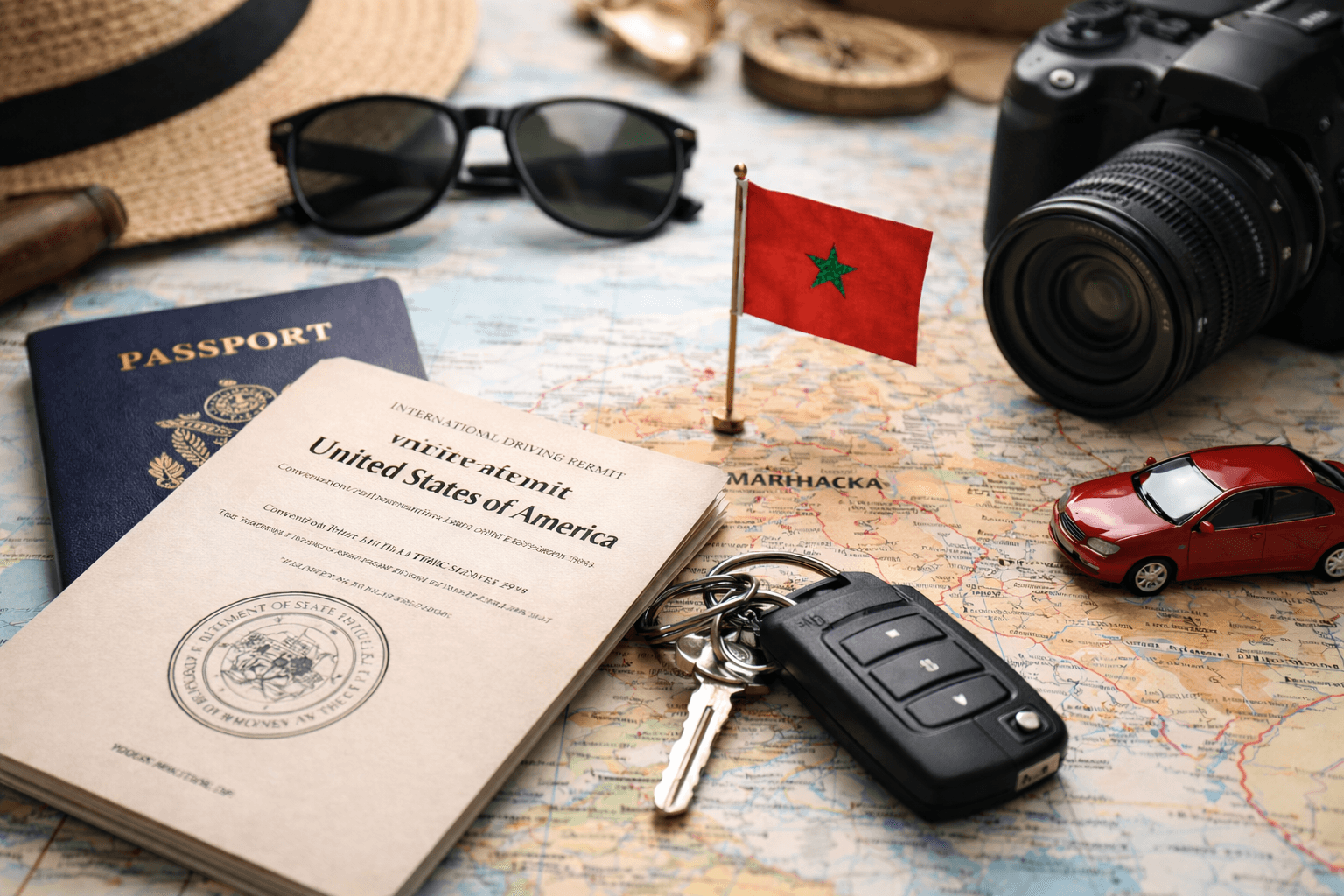
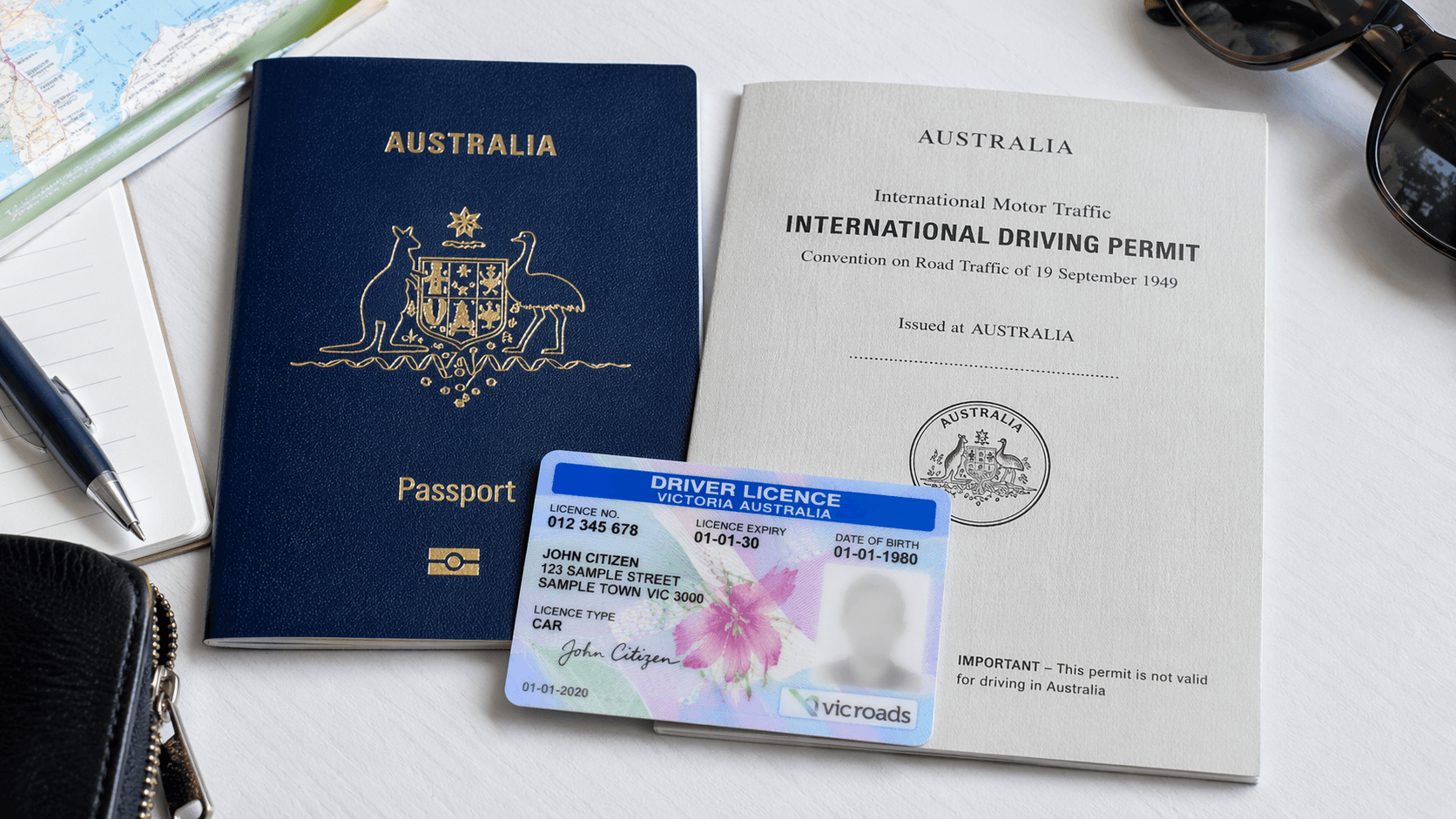
You need to show a valid driving licence, the appropriate supporting documents and proof that the vehicle is insured. Requirements for an International Driver's License vary depending on where your license was issued.
Morocco: Do I need an International Driving Permit?
A valid foreign licence may typically be used by foreign visitors for a temporary stay of up to one year.
UK visitors need to have their UK licence and a 1968 International Driving Permit (IDP). The 1949 version is no longer accepted by Morocco, according to UK government guidance.
Australian government guidance also suggests that visitors from Australia should carry an IDP in addition to their licence. Travelers from other countries should check their individual requirements before traveling.
If you are about to drive in Morocco, check your documents before collecting a car.
How to get an International Driving Permit for Morocco before you travel
Insurance and rental paperwork
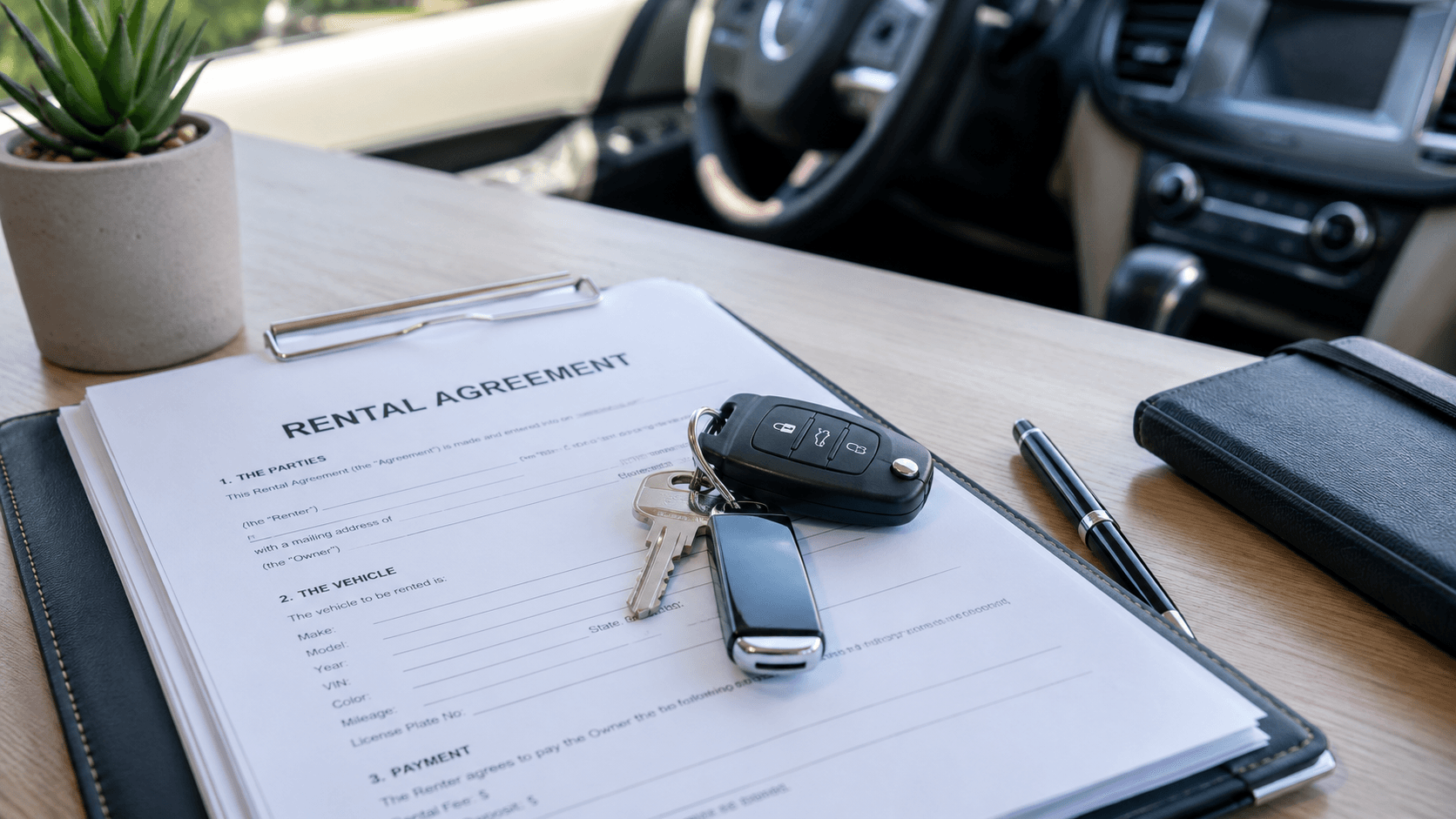
Make sure you bring your rental agreement, insurance and vehicle registration paperwork. Keep your passport handy when you are traveling.
Check the insurance excess, security deposit, mileage conditions and any driving route restrictions before collection.
Knowing these conditions is an important part of driving a rental vehicle in Morocco.
Local tip: Keep the originals in the vehicle for roadside checks but save digital copies of your documents.
What are the speed limits and rules of the road in Morocco?
In Morocco, the speed limits depend on the type of road. For normal passenger cars the maximum speed limit on freeways is usually 120 km/h.
Speed limits when driving in Morocco
The Moroccan road safety agency NARSA sets these general limits:
|
Type of road |
Speed limit |
|---|---|
|
Built up areas |
20, 40 or 60km/h |
|
State highways |
Generally 80 km/h, sometimes up to 100 km/h. |
|
Highways |
Max speed 120 km/h. |
These are general limits and not a free pass to drive at those speeds everyplace. Always follow posted signs.
Speed limits are particularly important to know when you are driving between cities and rural destinations in Morocco.
See published NARSA’s rules for the speed limit guidance.
Driving rules and right of way in Morocco
In Morocco, people drive on the right. Drink-driving is taken seriously and seat belts are compulsory.
Slow down for roundabouts, and watch out for the signs that control right of way. When you turn, be careful of motorcycles.
Patience is also needed when driving in Morocco at pedestrian crossings, busy junctions and roads shared with cyclists.
For more practical details, see Driving in Morocco: Rules, Roads & Tips Every First-Timer Needs to Know.
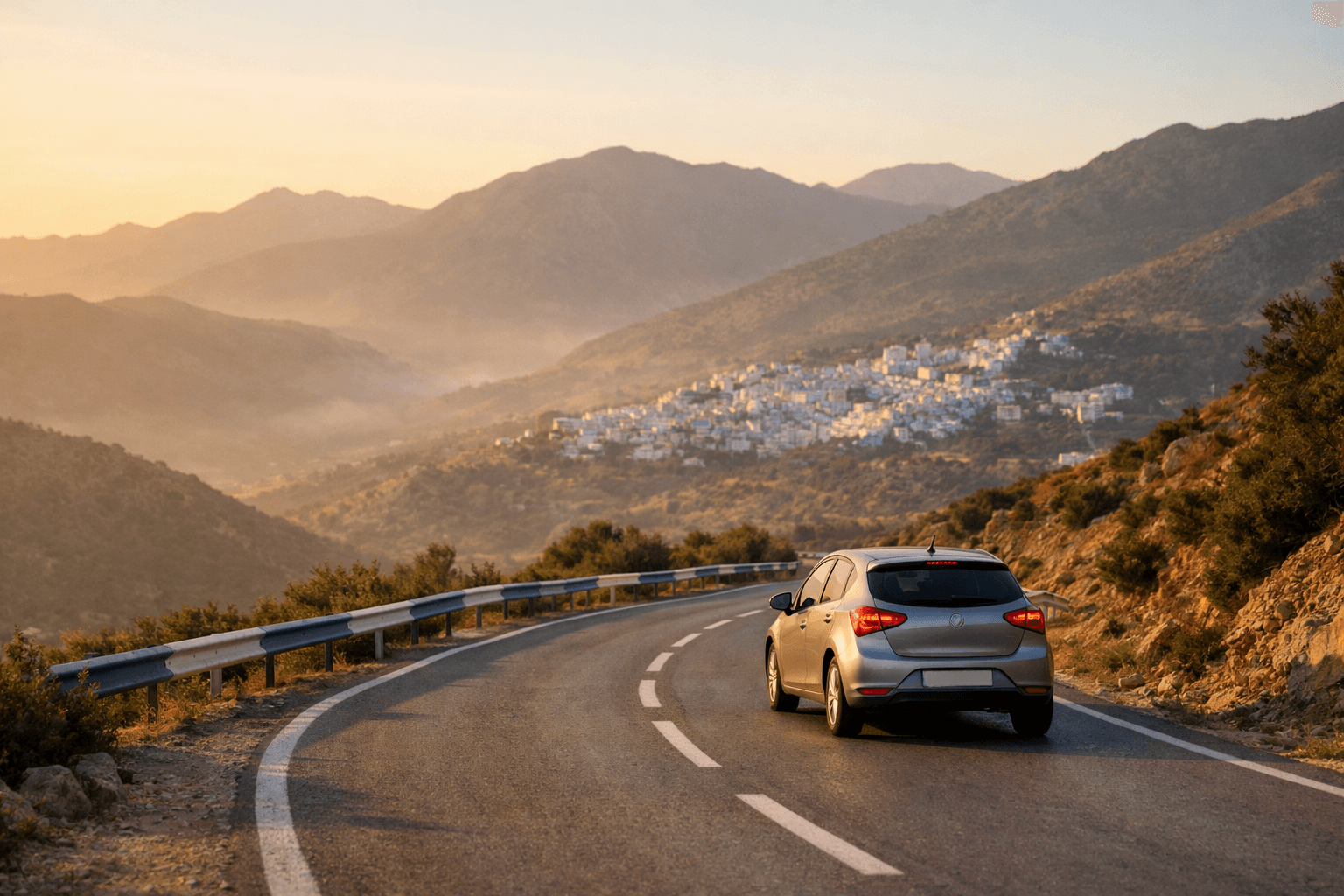
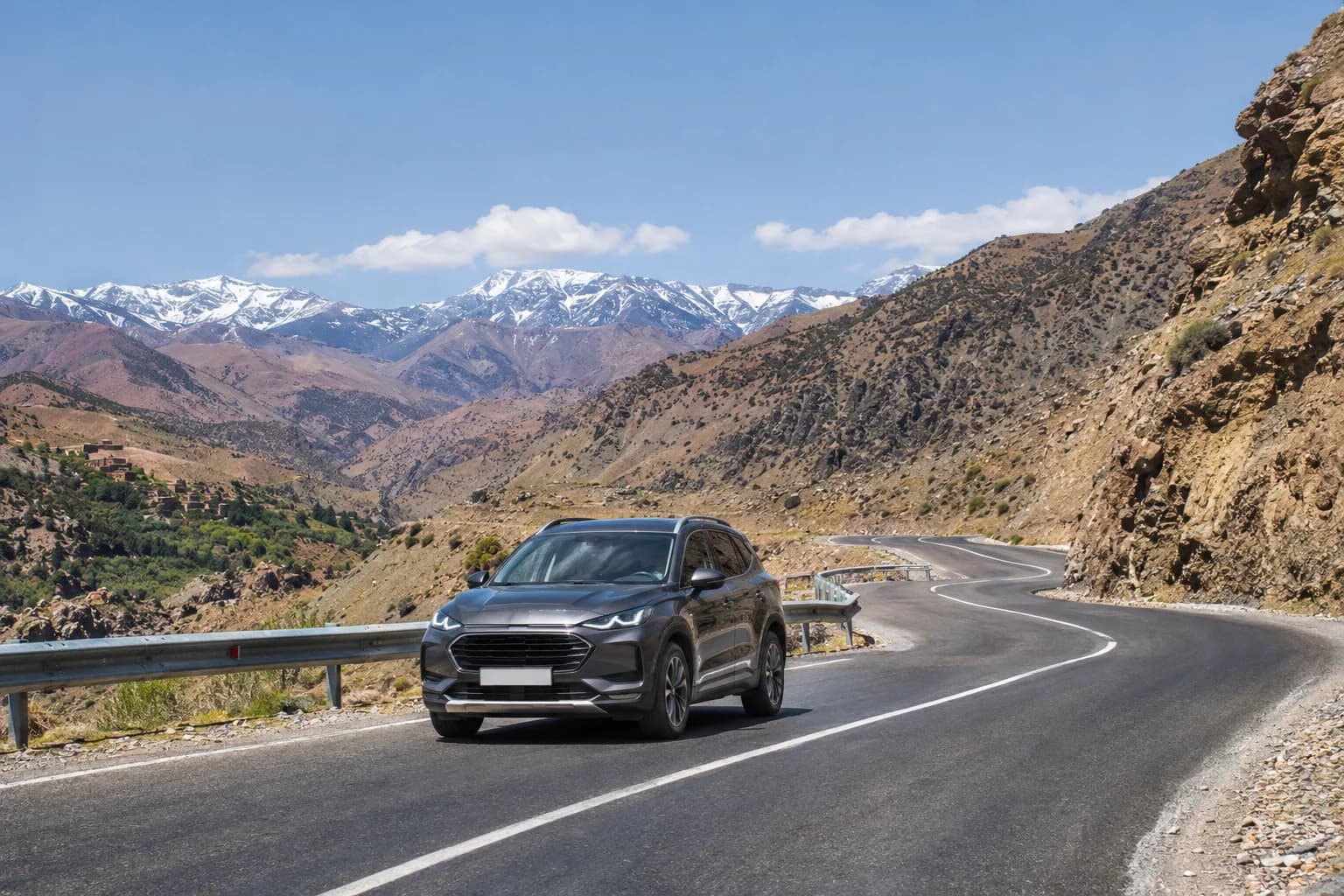
Local tip: Allow extra time for the Marrakech-Ouarzazate mountain road because of the bends, weather changes and slower traffic.
How do police checkpoints and toll roads in Morocco work?
Morocco has many police checkpoints and drivers must follow the instructions of the police. Expressway tolls are separate charges for the use of certain sections of expressway.
Road checks and police roadblocks
Police may ask to see your licence, vehicle registration or insurance. Checkpoints are frequently found at the entrances of towns and along major roads.
slow down and stop when directed. Some vehicles are allowed straight through without inspection.
If you are driving in Morocco stay calm, follow police instructions and keep your documents handy.
If you get fined, request the formal payment procedure and a receipt. Do not pay off the book.
Morocco toll roads: what tolls to pay and how
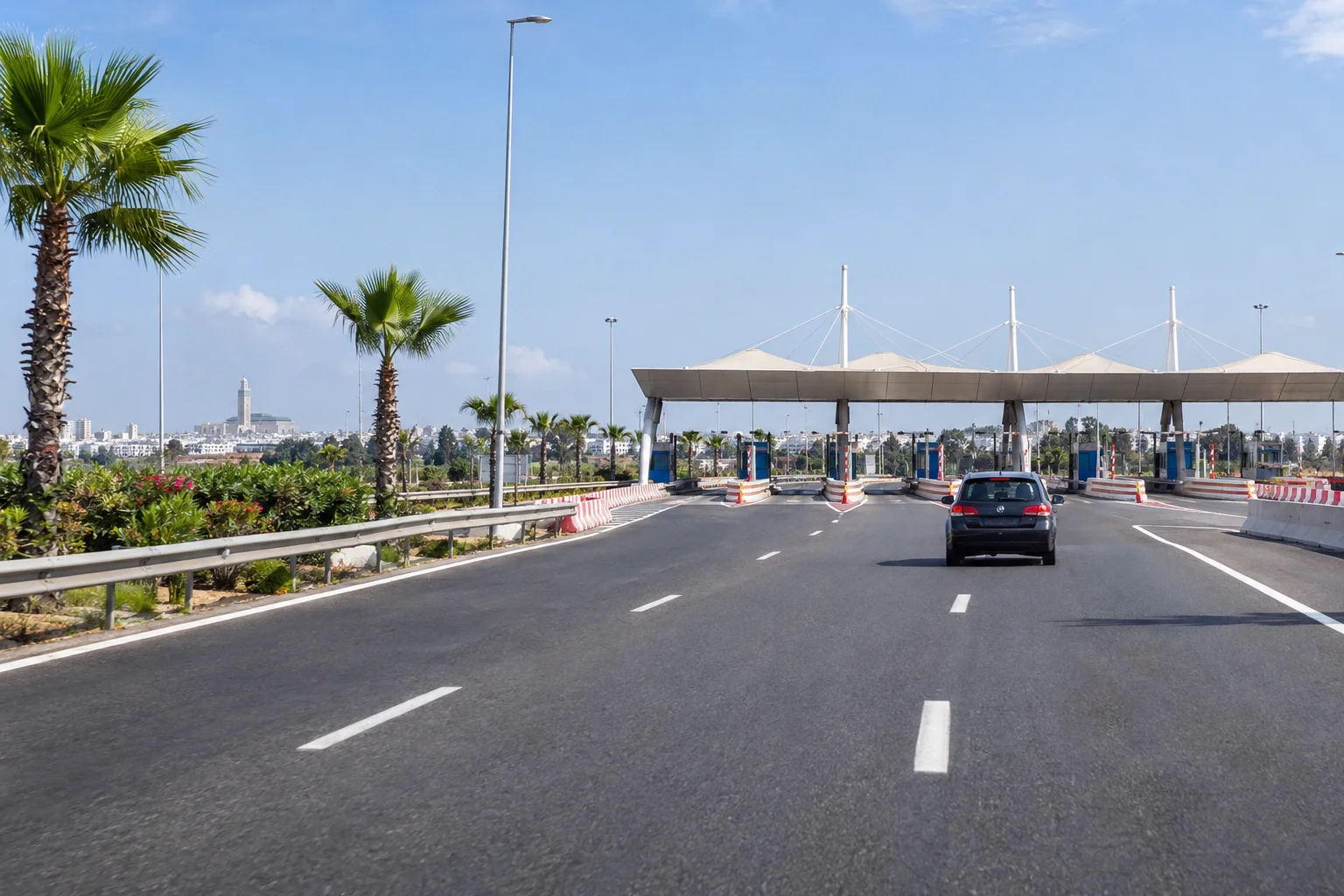
Morocco’s toll roads link major destinations such as Tangier, Rabat, Casablanca, Marrakech and Agadir.
Autoroutes du Maroc accept CASH, BANK CARDS and its electronic toll system Jawaz. Select a line that matches your payment method.
For example, the published toll for Class 1 Casablanca–Rabat is 25 MAD for the operator. Check the current tariff for your route before you travel.
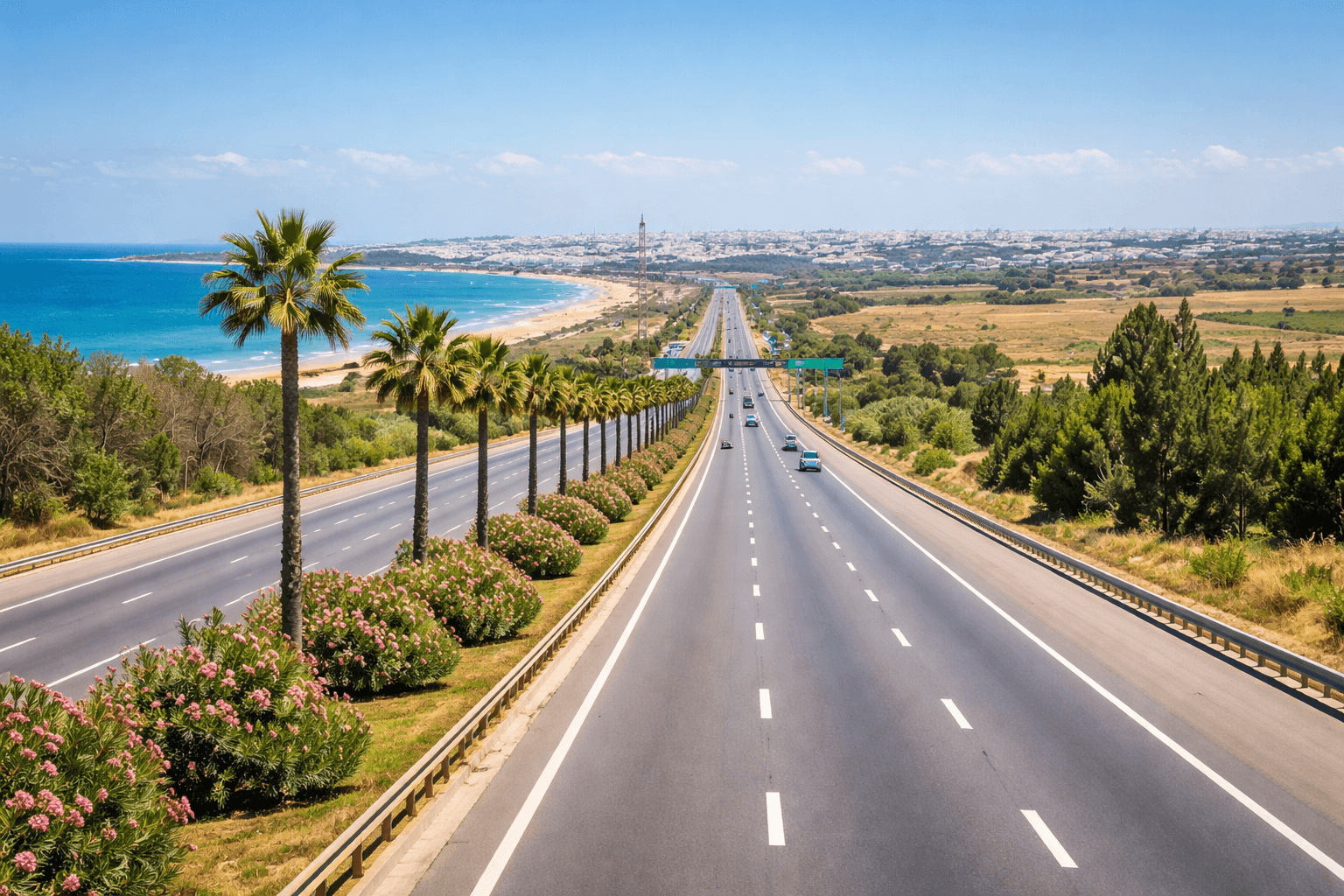
Freeways can make longer trips in Morocco more comfortable, especially between the big cities.
Local tip: Have small MAD notes on hand for toll booths and parking, even if you normally pay by card.
Mistakes to Avoid
-
Speeding approaching town limits: Before reaching posted urban limits and checkpoints, please slow down.
-
Assuming all foreign licenses are sufficient: Before you travel, check the IDP requirements for your nationality.
-
Mountain roads at nite: Plan Atlas and Rif trips during daylight hours whenever possible.
-
Ignoring rental insurance conditions: Review excess, deposit, mileage and allowed routes before signing.
-
After finding your way through old medinas: Please check with your accommodation for the nearest parking available.
These simple precautions will make driving in Morocco much easier, especially for the first-time visitor who is not used to local traffic.
Easier option: Car rental with local assistance
MarHire also provides car rental options for travelers seeking to self-drive with airport and hotel delivery in supported locations.
Drivers can check availability of vehicles, insurance conditions and deposit options before they book. Local Whatsapp support 24 hours a day, 7 days a week.
MarHire car rental in Morocco, compare cars for urban travel and long-distance trips.
FAQ: Driving in Morocco
Is it safe to drive in Morocco as a tourist?
Yes, experienced tourists can drive in Morocco but they have to be alert. The big highways are usually easier than the rural and mountain roads. Avoid unknown roads at nite, obey the speed limits and allow extra time for traffic in busy cities.
What are the speed limits in Morocco?
There are 20, 40 or 60 km/h limits in built-up areas depending on the road. National roads generally have an 80 km/h limit, sometimes raised to 100 km/h. The average car can reach up to 120 km/h on the expressway. Posted signs always have the right of way.
Do I Need an IDP to Drive in Morocco?
Yes, you will need an International Driving Permit (1968) as well as your original licence if you hold a UK licence. Visitors from Australia also require an IDP. Requirements vary for other nationalities, so please check that your licence will be accepted before you travel.
How is the police check point in Morocco ?
When you get to the checkpoint, slow down first. If an officer tells you to stop, you stop. Keep your driver's license, rental agreement and vehicle papers with you. Pay any fines and ask for a receipt; calmly follow instructions.
We suggest
Budget travelers should budget for tolls. First-time visitors should start on major roads. Families should plan journeys for the day time, and self-drive travelers should check their documents and insurance.
With MarHire Morocco car rental you can compare vehicles to suit your needs.