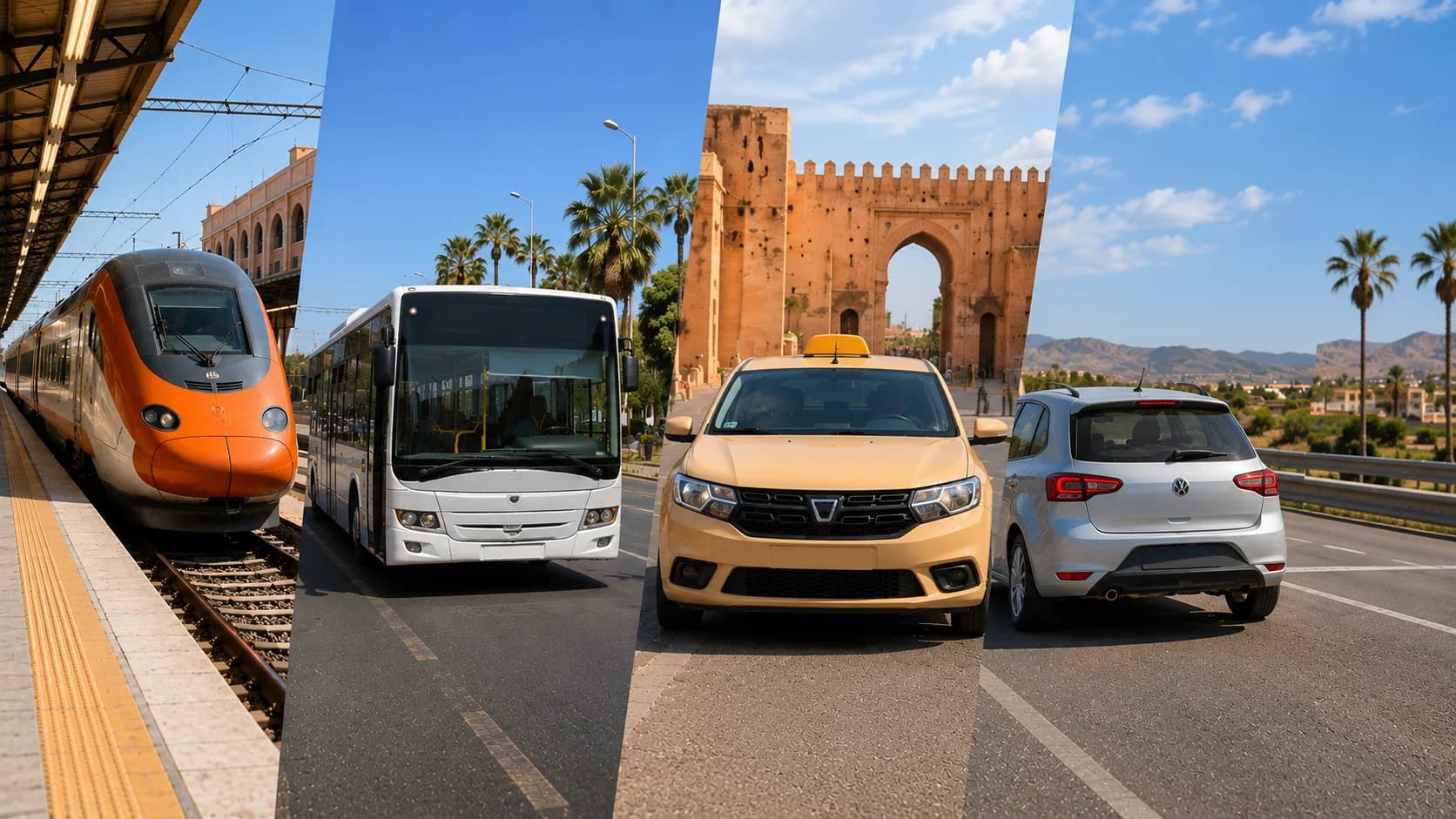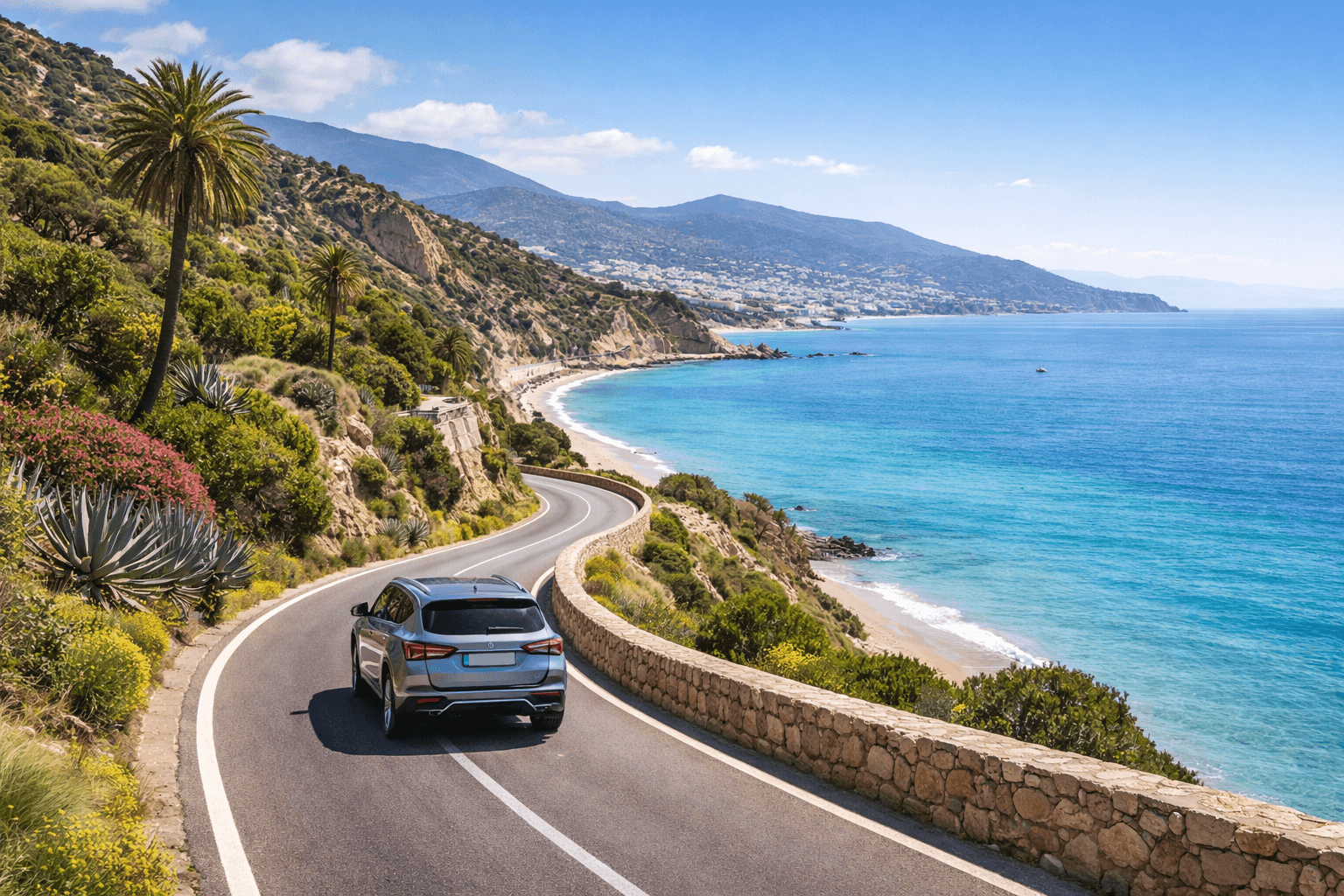



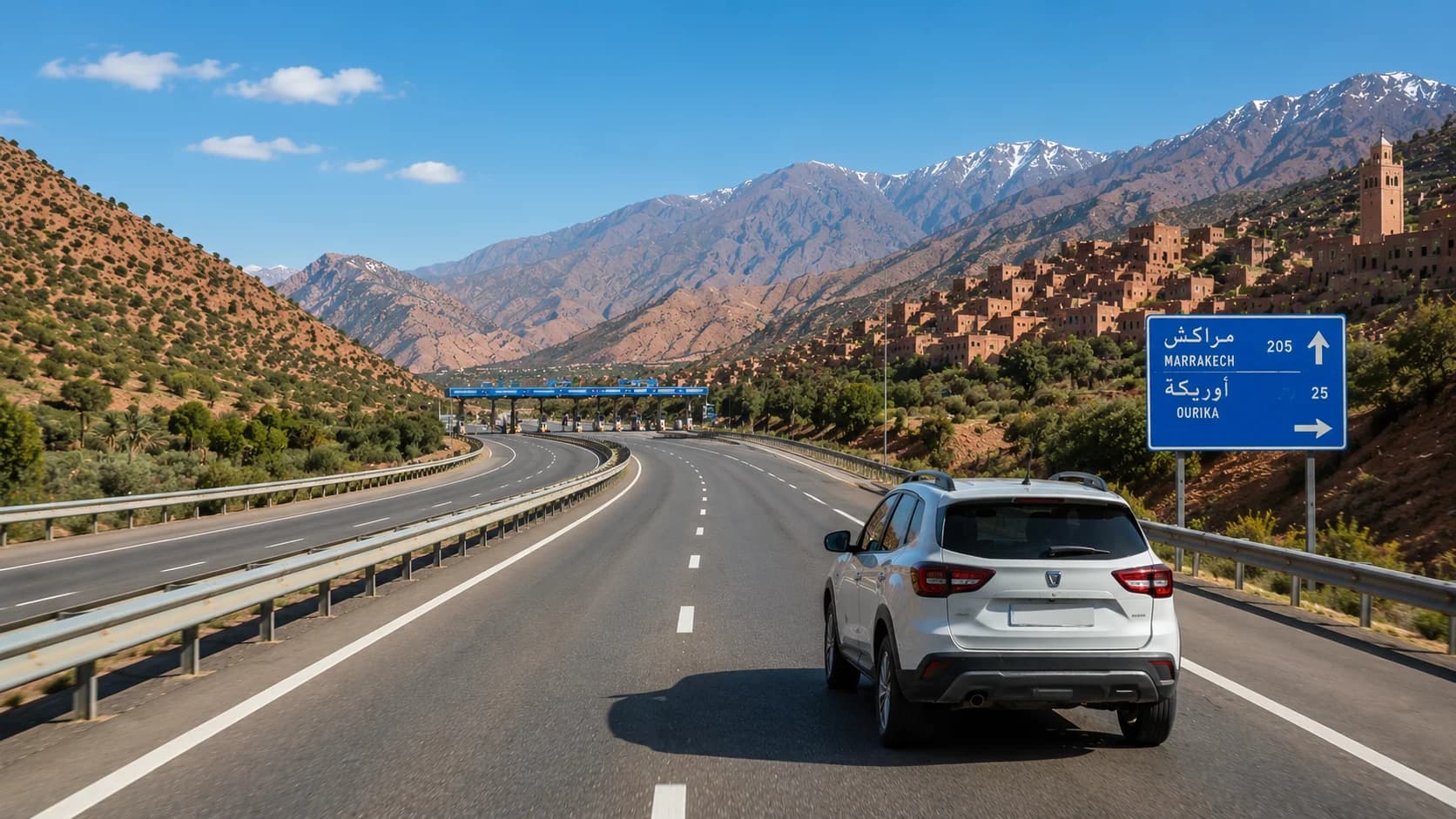
Driving in Morocco is one of the best ways to experience the country. From Atlantic beaches and historic medinas to mountain passes and desert landscapes, having your own vehicle gives you freedom that trains, buses and organized tours simply cannot match. Yet many first-time visitors arrive with the same question: is driving in Morocco actually safe?
The short answer is yes. Millions of locals drive every day, Morocco has a modern motorway network connecting its largest cities, and most major tourist routes are straightforward. However, driving here is different from driving in North America, Northern Europe or Australia. Traffic can be more unpredictable, roundabouts may operate differently than expected, and city centers can feel busy at first.
The good news is that most travelers quickly adapt. Once you understand local driving habits, road signs, speed limits and checkpoints, Morocco becomes a surprisingly enjoyable destination for self-drive travel. Whether you're exploring Marrakech, Agadir, Casablanca, Tangier, Fes, Chefchaouen or the Atlas Mountains, being prepared makes all the difference.
This guide covers everything first-time visitors need to know about driving in Morocco, including road rules, toll roads, police checkpoints, parking, fuel stations, mountain driving and what to do if something goes wrong.
Is It Safe to Drive in Morocco? (The Honest Answer)
For most tourists, driving in Morocco is safe and often easier than expected.
Morocco has invested heavily in road infrastructure over the last two decades. Modern autoroutes connect major cities including Casablanca, Rabat, Tangier, Marrakech, Agadir and Fes. These roads are generally well maintained, clearly signposted and easy to navigate.
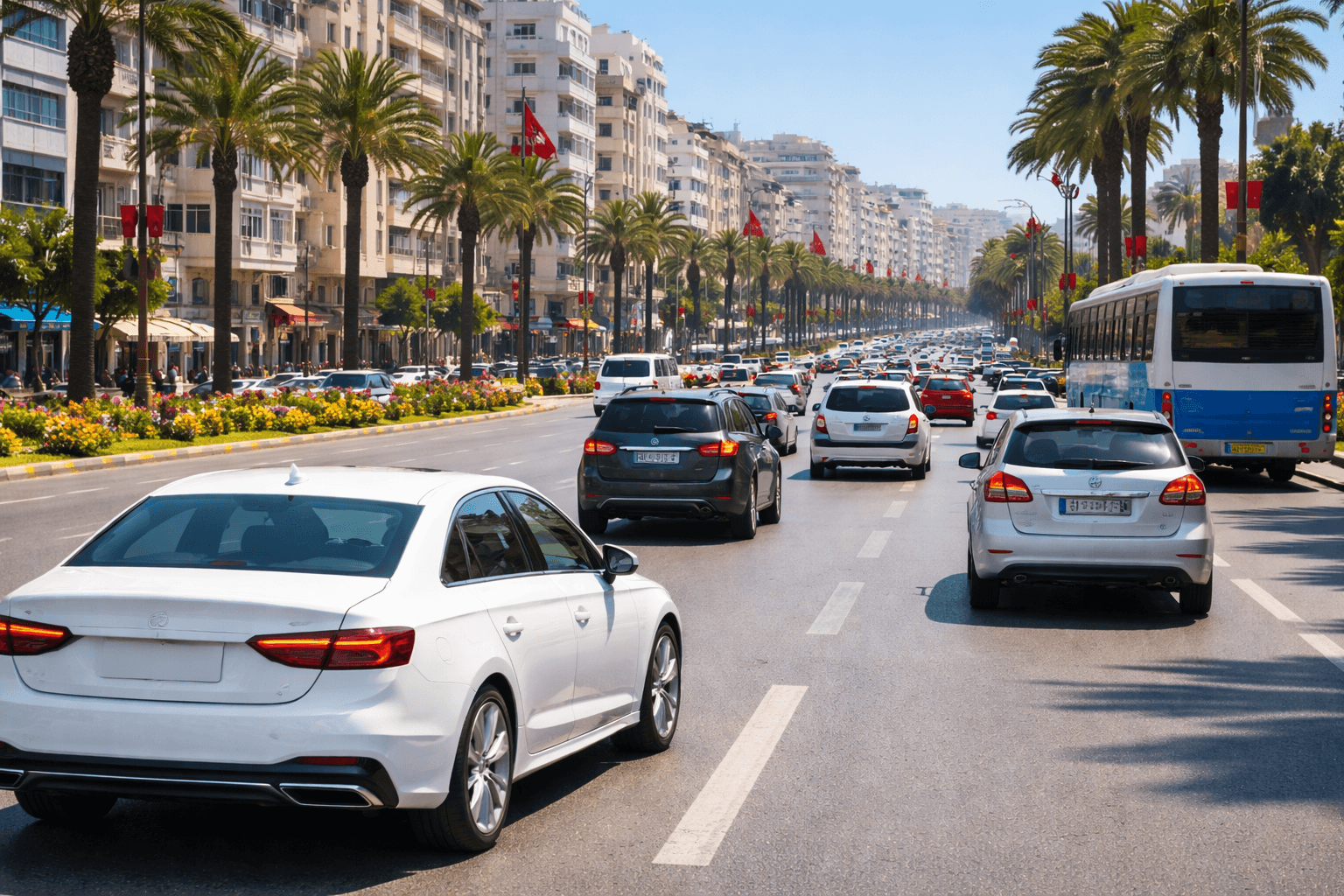
Where visitors usually experience challenges is not on the highways but in urban areas. Cities such as Marrakech and Casablanca can feel chaotic at first due to scooters, taxis, pedestrians and frequent lane changes. However, traffic generally moves slower than many visitors expect, giving drivers time to react.
The key to driving safely in Morocco is defensive driving. Expect unexpected maneuvers from other road users, leave extra space between vehicles and avoid rushing.
Many travelers actually find Morocco easier to drive in than parts of Southern Europe once they become familiar with local driving habits.
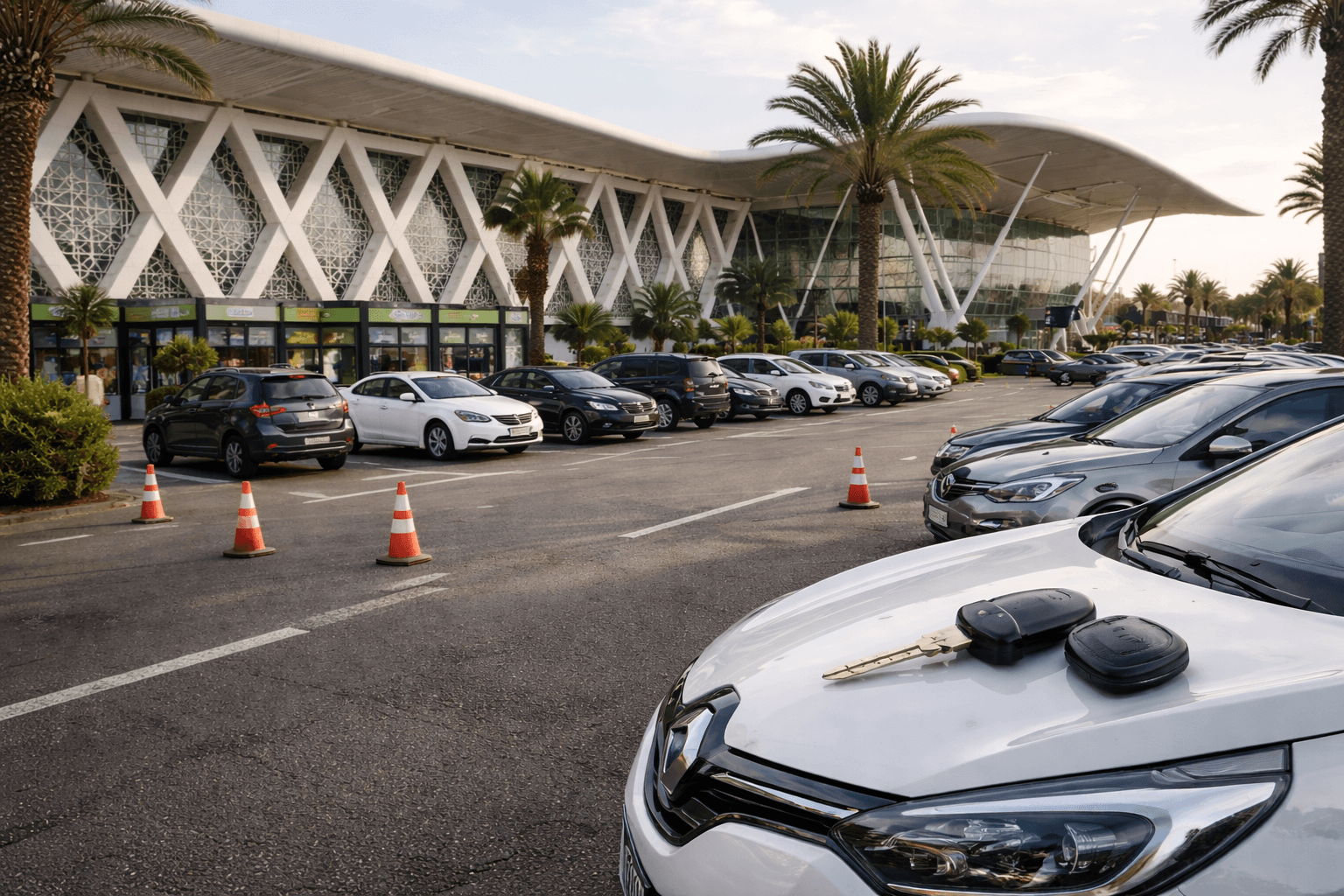
If you want maximum flexibility for your trip, you can easily rent a car in Morocco.
Licence & Documents You Need
Before driving in Morocco, make sure you have the correct documents.
Driving Licence
Visitors can usually drive using a valid driving licence from their home country during short tourist stays.
International Driving Permit (IDP)
An International Driving Permit is recommended, particularly if your licence is not written in Latin characters. While many travelers are never asked for one, carrying an IDP can simplify interactions with police or rental agencies.
Passport
Always carry your passport or a copy when traveling between cities.
Rental Agreement
If driving a rental vehicle, keep your rental agreement inside the car. Police checkpoints occasionally request vehicle documentation.
Insurance Documents
Your rental company should provide proof of insurance and vehicle registration documents.
Keep all documents together in an accessible location rather than packed in luggage.
Traffic Rules, Speed Limits and Roundabouts
Understanding a few basic rules will make driving in Morocco much easier.
Which Side of the Road?
Morocco drives on the right-hand side of the road.
The steering wheel is on the left side of the vehicle, similar to most European countries and North America.
Seat Belts
Seat belts are mandatory for both drivers and passengers.
Mobile Phones
Using a mobile phone while driving is prohibited unless using a hands-free system.
Alcohol Limits
The safest approach is simple: do not drink and drive.
Morocco Speed Limits
Typical speed limits include:
| Road Type | Speed Limit |
|---|---|
| Urban areas | 60 km/h |
| Rural roads | 100 km/h |
| Motorways (Autoroutes) | 120 km/h |
Speed cameras are common throughout Morocco and police frequently conduct speed enforcement checks.
Roundabouts
Roundabouts are one of the biggest differences for some visitors.
Generally, vehicles already inside the roundabout have priority. However, always approach cautiously and observe local traffic flow before entering.
Large roundabouts in major cities can be busy, especially during rush hour.
Police Checkpoints and Tolls Explained
Gendarmerie Checkpoints
Police and gendarmerie checkpoints are extremely common throughout Morocco.
For first-time visitors they can seem intimidating, but they are usually routine.
At a checkpoint you may be asked for:
- Passport
- Driving licence
- Rental agreement
- Vehicle registration
Most interactions last less than a minute.
Remain polite, keep documents ready and follow instructions.
Toll Roads (Péages)
Morocco's toll-road network is among the best in Africa.
Major routes between cities such as:
- Tangier to Rabat
- Rabat to Casablanca
- Casablanca to Marrakech
- Casablanca to Fes
use toll stations.
Most tolls are relatively affordable and can be paid by cash or card at many stations.
The roads are typically excellent and worth the small additional cost.
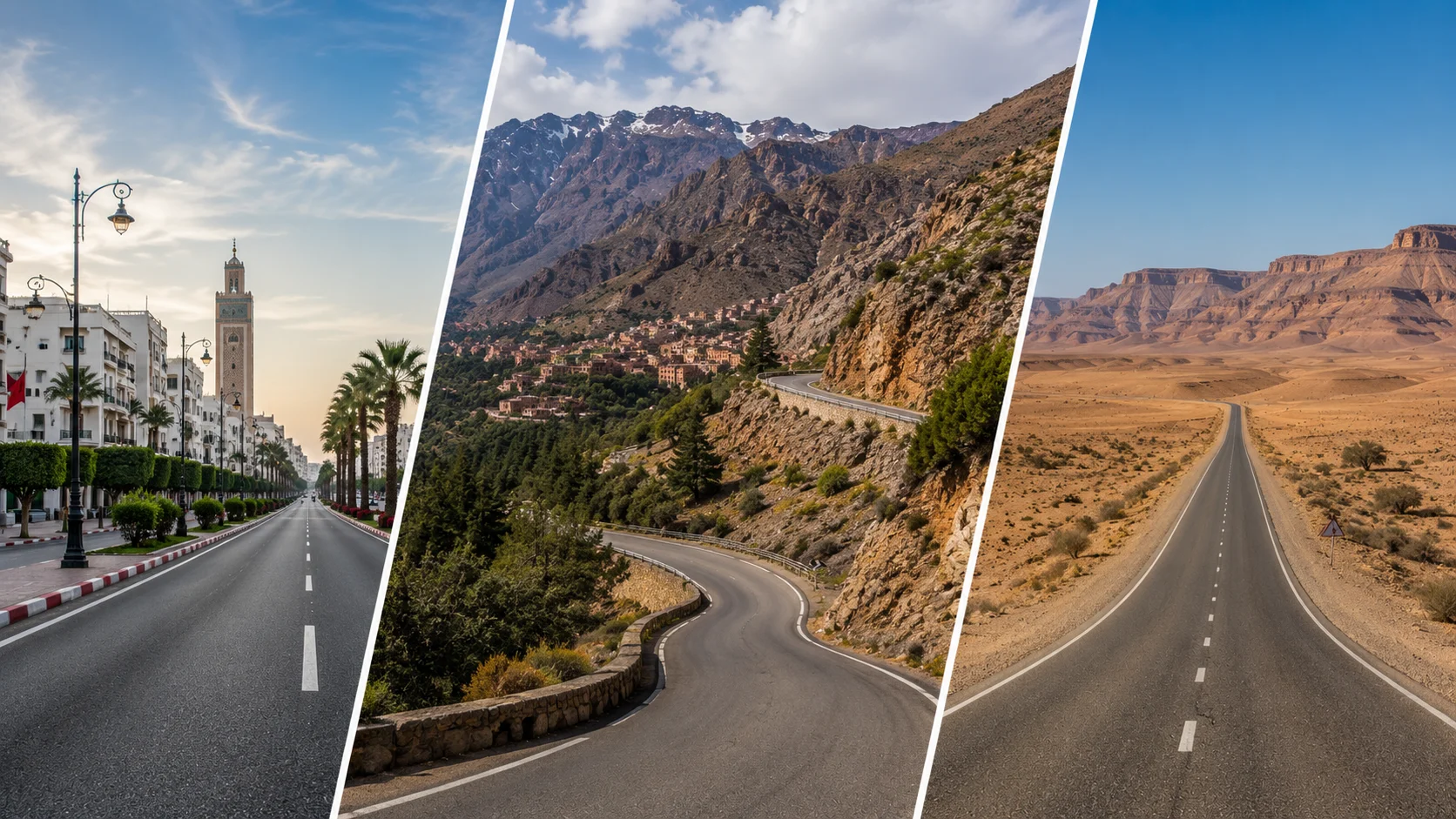
City Driving vs Mountain vs Desert Roads
Not all driving environments in Morocco are the same.
Driving in Marrakech
Marrakech is busy but manageable.
Expect:
- Scooters
- Pedestrians
- Taxis
- Heavy traffic around medina areas
The key is patience.
Driving in Casablanca
Casablanca has the most intense traffic in Morocco.
It is modern, fast-moving and often crowded during peak hours.
Navigation apps are highly recommended.
Driving in Fes
The modern parts of Fes are easy to navigate, while the historic medina is largely pedestrian and not designed for vehicle access.
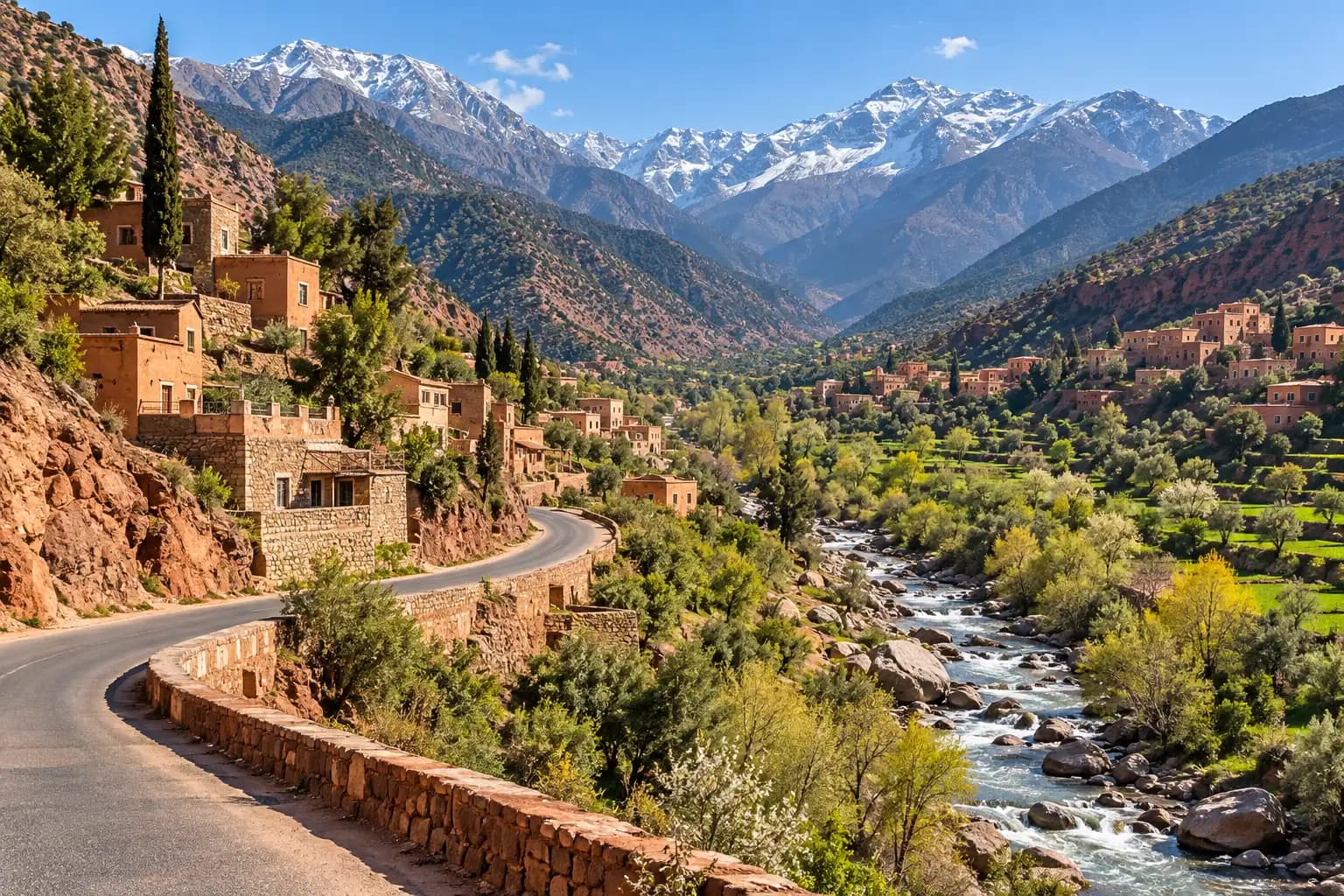
Atlas Mountain Roads
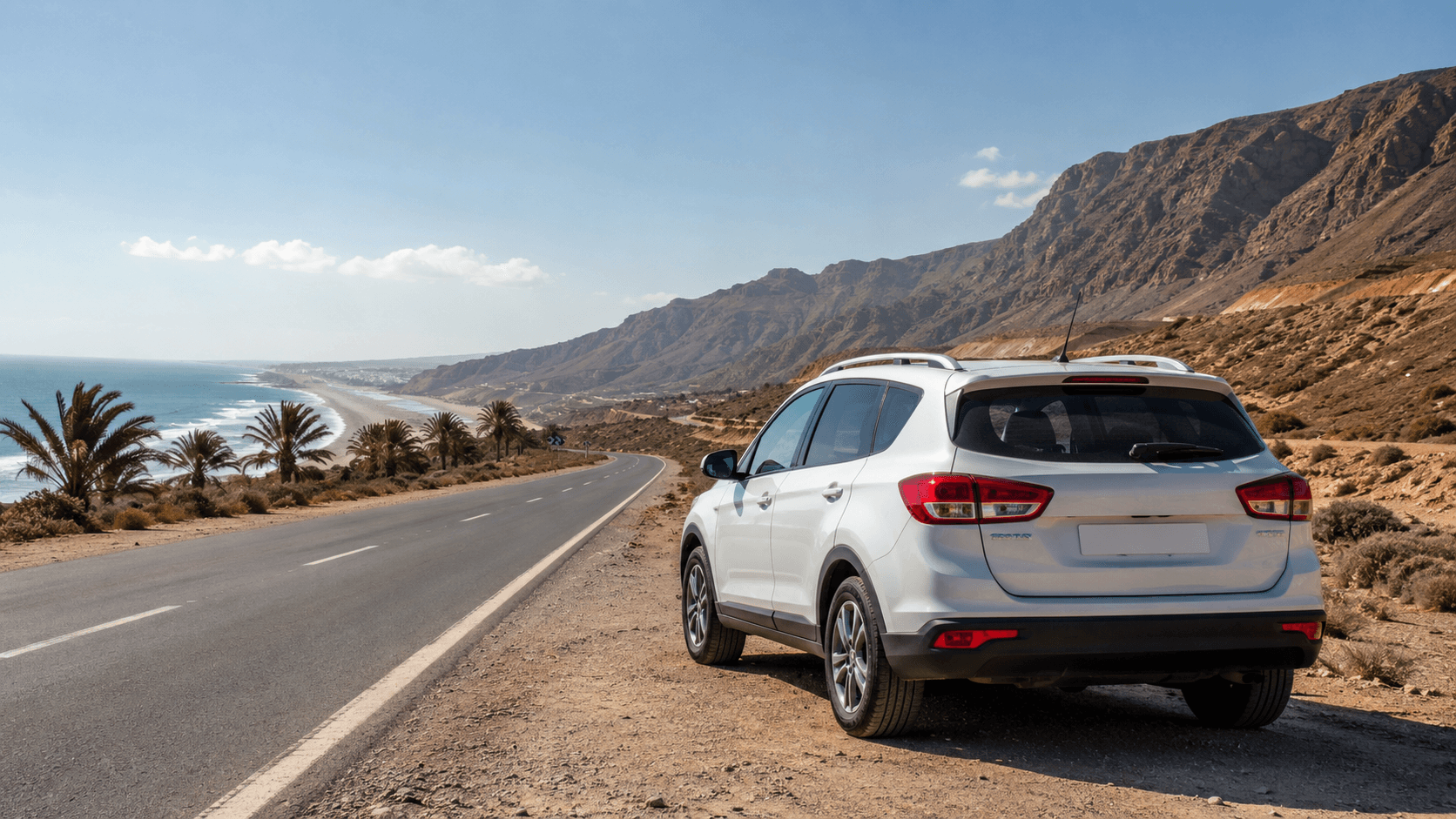
Atlas passes offer some of Morocco's most spectacular scenery.
Expect:
- Hairpin turns
- Steep gradients
- Narrow sections
- Slow-moving trucks
Most routes can be driven with a normal vehicle, though an SUV offers additional comfort.
For vehicle recommendations, see:
best rental car for Morocco
Travelers planning extensive mountain routes may also consider:
SUV rentals for mountain roads
Desert Roads
Popular routes toward Merzouga and the Sahara are generally paved and accessible with normal cars.
Contrary to popular belief, most tourists do not need a 4x4 simply to reach the desert.
Fuel, Parking and Night Driving
Fuel Stations
Fuel stations are widely available throughout Morocco.
You'll typically find:
- Diesel (Gasoil)
- Unleaded petrol
Diesel vehicles are particularly common in rental fleets.
In remote areas, it is wise to refuel before reaching very low fuel levels.
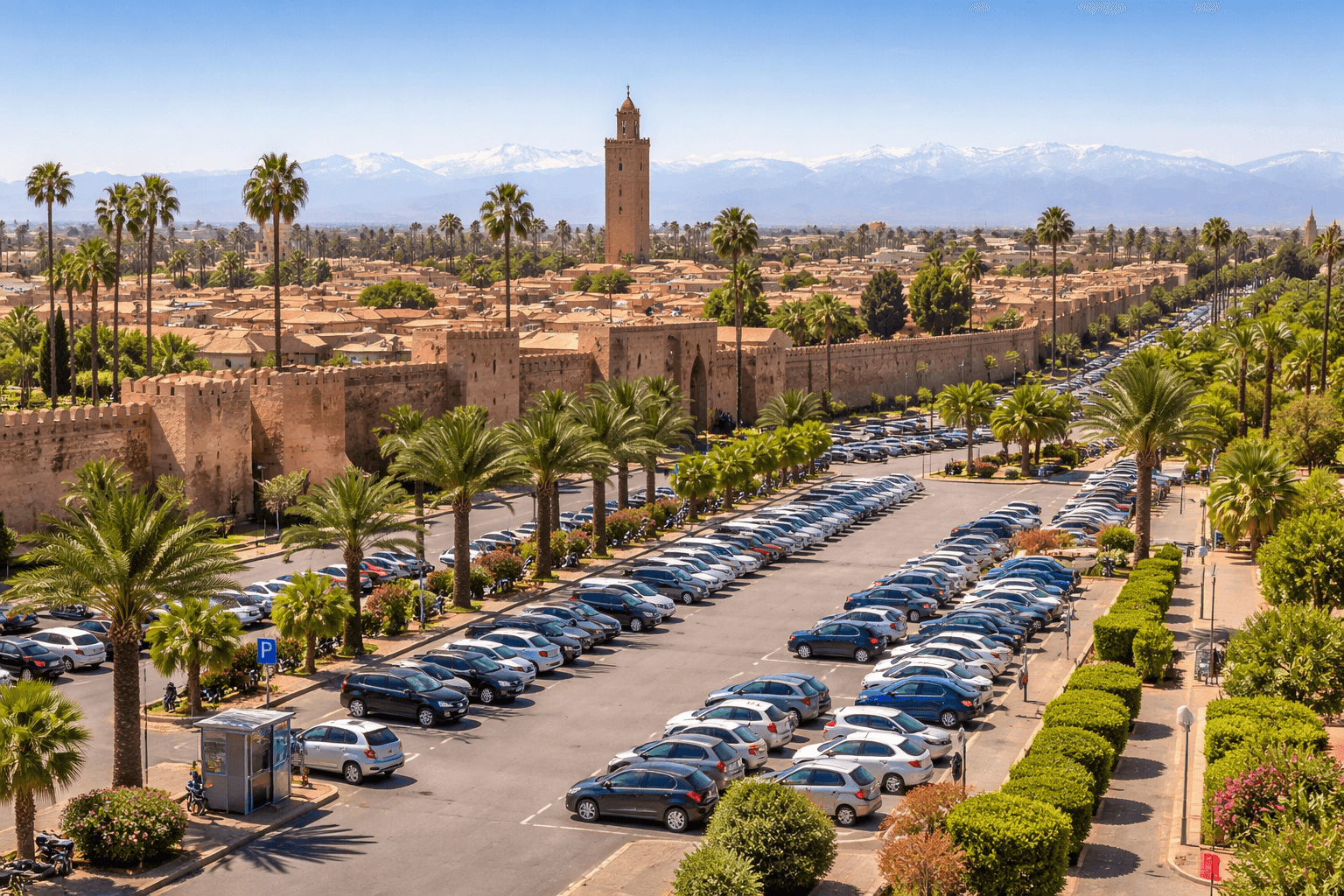
Parking
Parking is generally affordable.
In many cities you may encounter unofficial parking attendants who help manage parking spaces.
Keep small change available.
When possible, use secure hotel parking or designated parking lots.
Night Driving
Night driving deserves special attention.
While motorways are generally safe after dark, rural roads present additional challenges:
- Limited lighting
- Pedestrians
- Animals
- Cyclists without lights
- Unexpected obstacles
For first-time visitors, driving during daylight hours is usually the most comfortable option.
If your itinerary allows, avoid long rural drives after sunset.
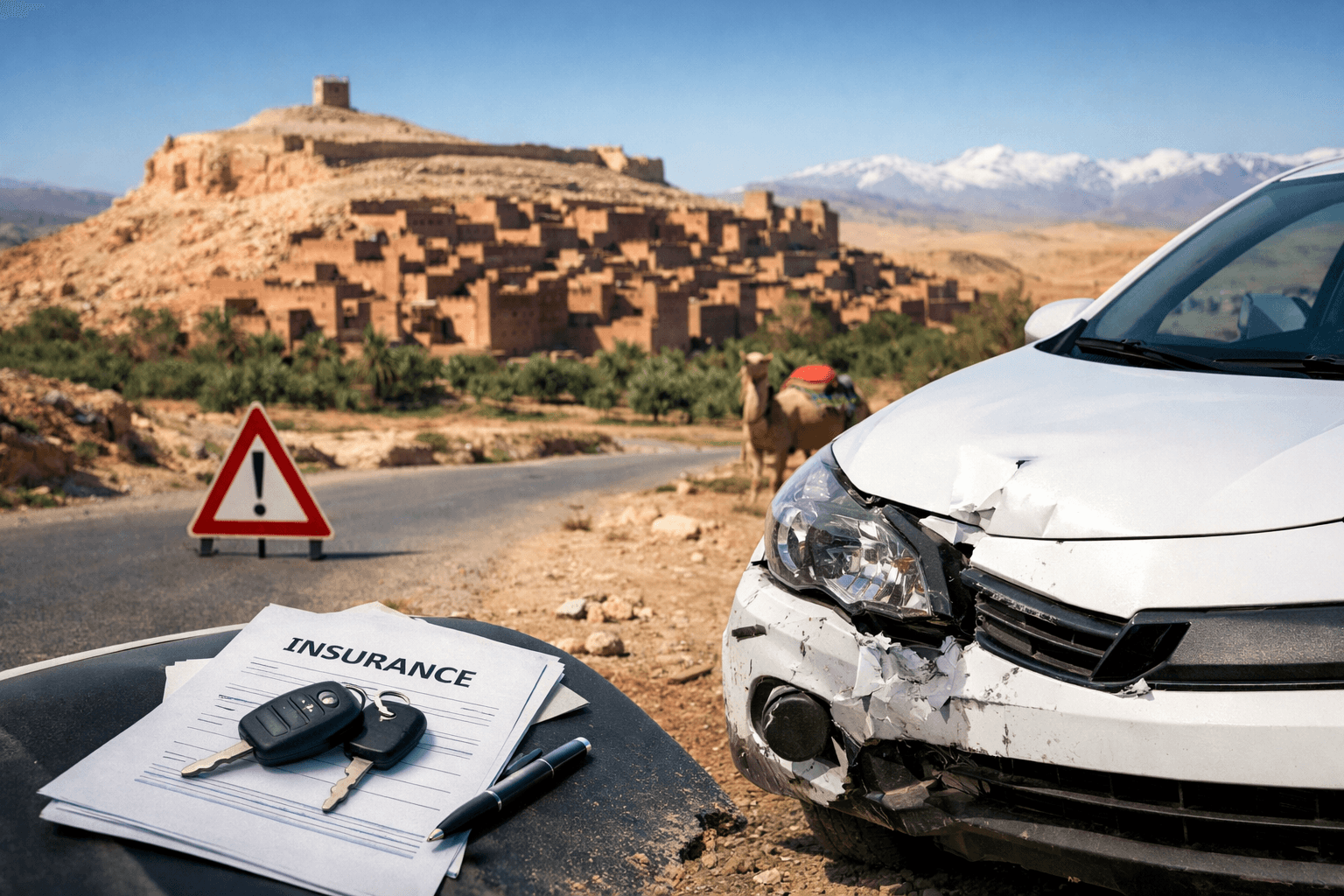
What to Do If You Have an Accident or Breakdown
Most trips pass without any issues, but it is important to know what to do if something happens.
If You Have an Accident
- Stop immediately.
- Turn on hazard lights.
- Check for injuries.
- Contact local authorities if required.
- Contact your rental company immediately.
- Take photos of all vehicles involved.
- Do not sign documents you do not understand.
If Your Rental Car Breaks Down
Most reputable rental agencies provide roadside assistance.
You should:
- Move to a safe location if possible.
- Contact the rental company's emergency number.
- Follow instructions provided by the assistance team.
- Wait in a safe area away from traffic.
Before your trip, make sure you understand your coverage and protections.
When a Private Driver Might Be Better
Self-driving is not for everyone.
If you are uncomfortable with unfamiliar roads, mountain driving, city traffic or long distances, you may prefer a professional chauffeur service.
Many travelers combine self-drive and chauffeur options during the same trip.
If you would rather avoid driving entirely, you can:
FAQ
Is it safe to drive in Morocco as a tourist?
Yes. Most tourists drive safely throughout Morocco every year. The main adjustment is becoming comfortable with local traffic patterns and busy urban areas.
Do I need an International Driving Permit for Morocco?
It is recommended, especially if your licence is not written in Latin characters.
What side of the road do they drive on in Morocco?
Drivers use the right-hand side of the road.
What are the speed limits in Morocco?
Typically 60 km/h in cities, 100 km/h on rural roads and 120 km/h on autoroutes.
Are there toll roads in Morocco?
Yes. Major motorways connecting Morocco's largest cities use toll systems.
Is it hard to drive in Marrakech or Casablanca?
It can feel busy initially, but patient drivers usually adapt quickly.
Should I drive at night in Morocco?
Motorways are generally fine, but rural night driving requires extra caution due to reduced visibility and unexpected hazards.
What happens at a police checkpoint in Morocco?
You may be asked for identification and vehicle documents. Most stops are brief and routine.
Can I drive in the Atlas Mountains with a normal car?
Yes. Most Atlas routes are accessible with a standard vehicle, although an SUV can provide additional comfort.
What do I do if I have a car accident in Morocco?
Ensure safety first, contact local authorities if necessary, notify your rental company and document the incident with photographs.
Final Thoughts
Driving in Morocco is one of the best ways to discover the country beyond the main tourist attractions. While traffic can initially feel different from what many visitors are used to, most travelers adapt quickly and enjoy the freedom that comes with having their own vehicle.
The key is preparation. Understand the rules, respect speed limits, stay alert at checkpoints, drive defensively and avoid unnecessary night driving in remote areas.
For first-time visitors, Morocco is far less intimidating behind the wheel than many online discussions suggest. With a little planning and common sense, a self-drive trip can become one of the highlights of your Moroccan adventure.