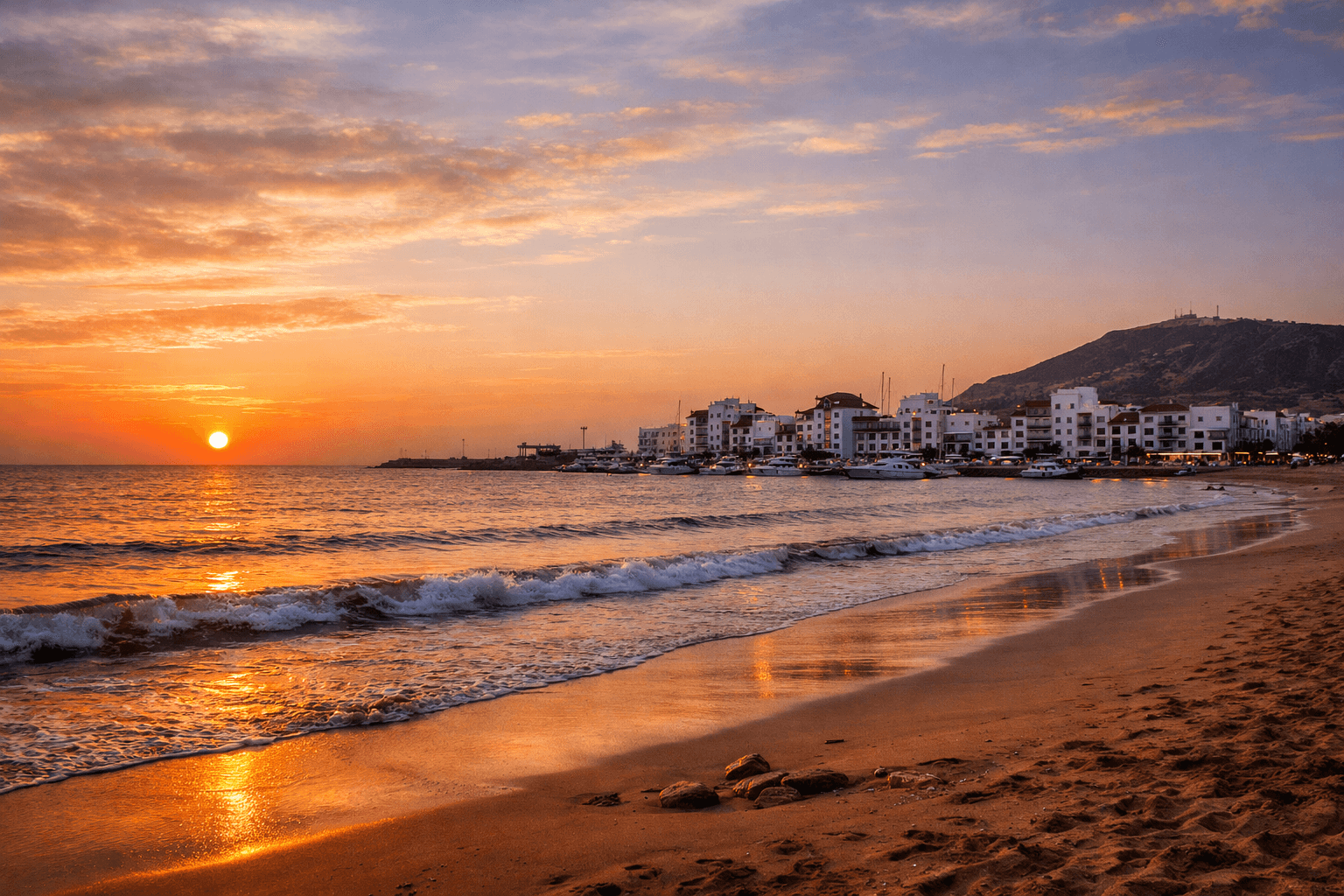



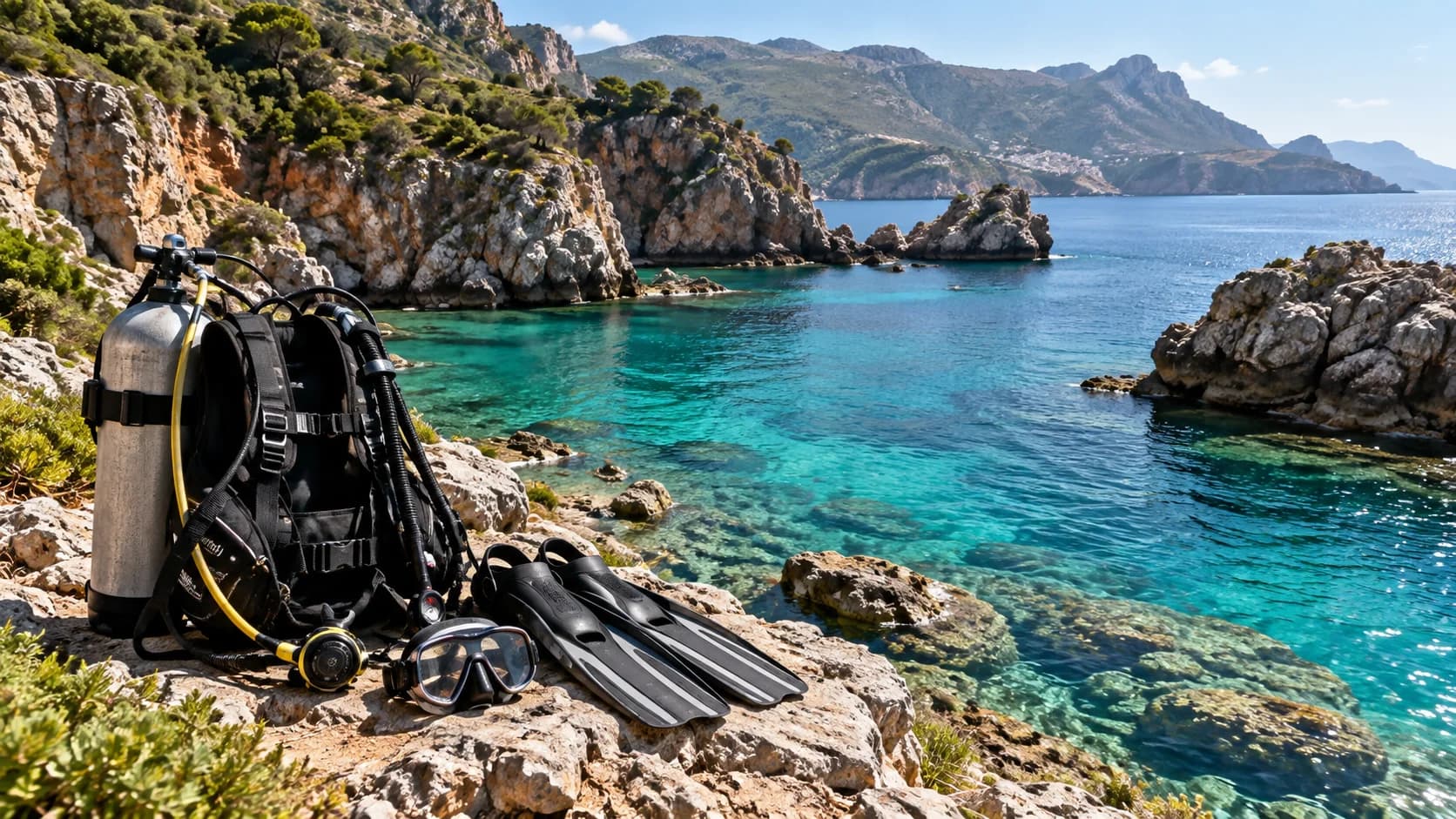
Scuba diving in Morocco can be a rewarding addition to a coastal trip, especially for travelers who want something less conventional than Morocco’s beaches, medinas, mountains, and desert routes. Morocco borders both the Atlantic Ocean and Mediterranean Sea, with diving associated with areas including Tangier, Al Hoceima, Agadir, and Dakhla.
For beginners, the most important step is not simply choosing a destination. Compare the dive format, current sea conditions, instructor supervision, equipment, medical requirements, transport, cancellation terms, and exactly what the booking includes. You can start by comparing scuba diving in Morocco options before organizing the rest of your coastal itinerary.
What to Know Before Booking scuba diving in Morocco
Before booking scuba diving in Morocco, confirm whether the experience is designed for complete beginners or certified divers, where the dive takes place, how you enter the water, what equipment is included, and whether conditions are suitable on your chosen day.
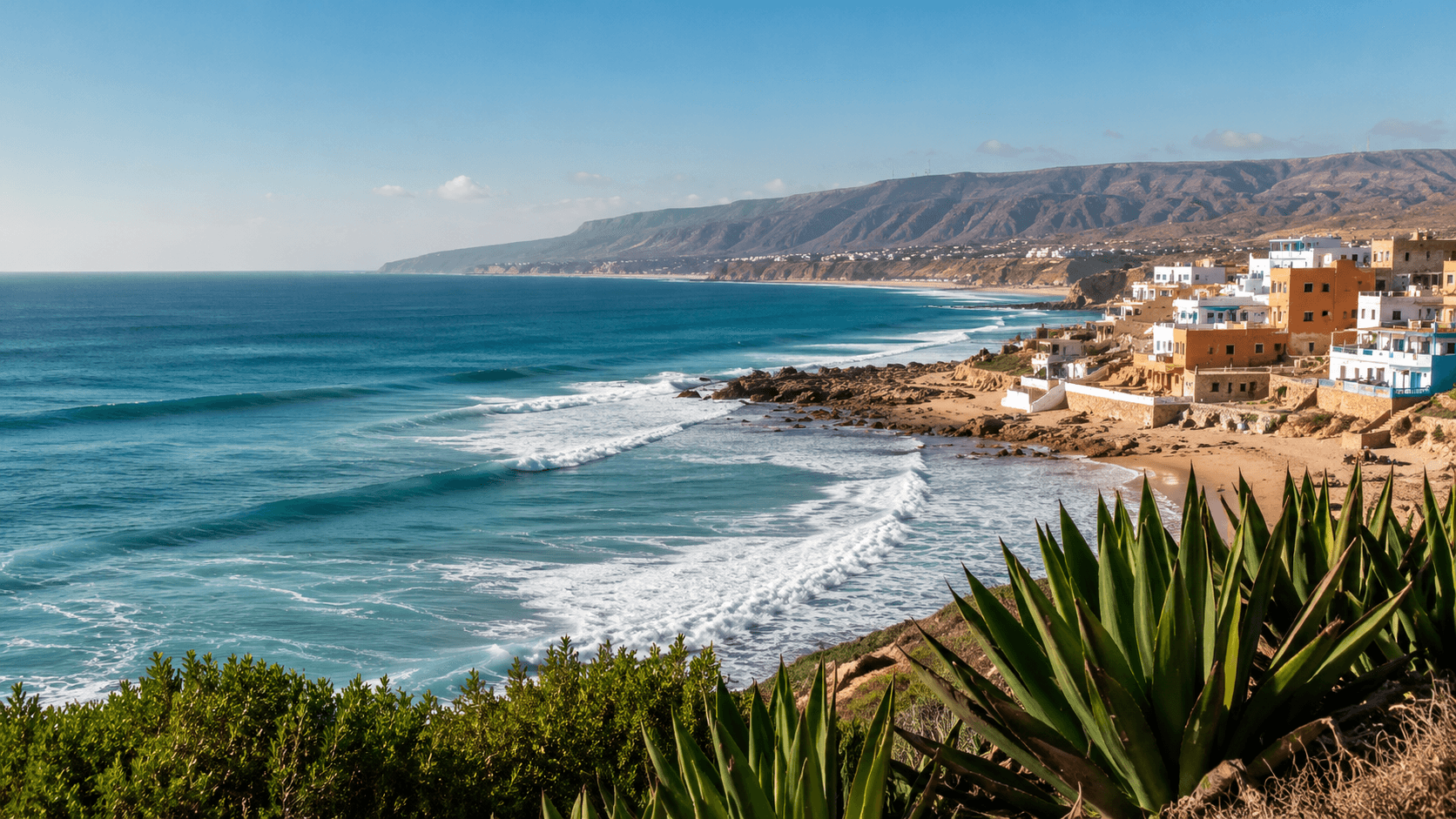
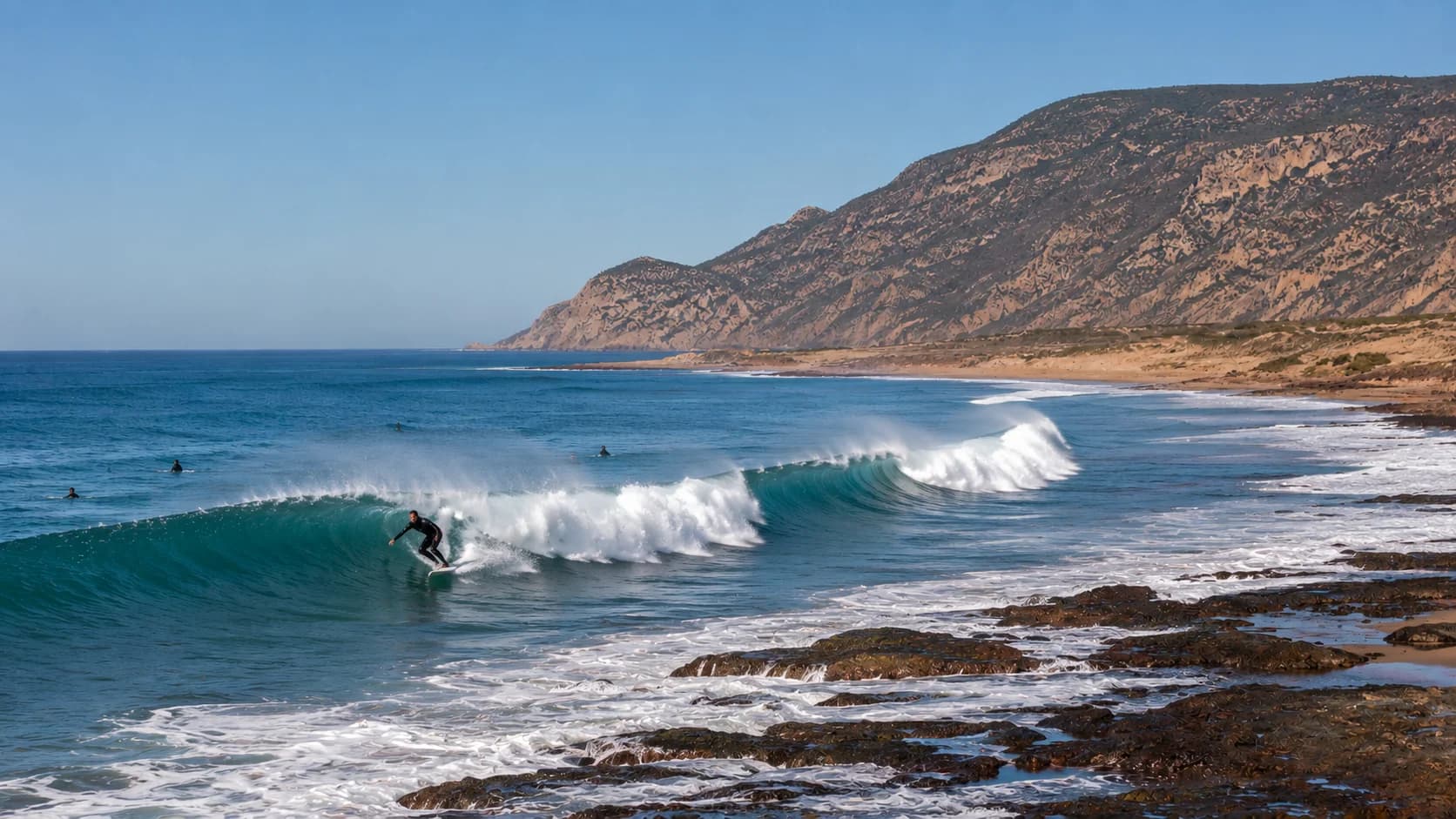
Morocco offers both Atlantic and Mediterranean diving. Tangier gives access to the Strait of Gibraltar region, Al Hoceima has a dramatic Mediterranean coastline, while diving is also associated with Agadir and Dakhla. Conditions can vary considerably between locations and dates, so beginners should prioritize a professionally supervised experience matched to their comfort and ability rather than choosing solely from photographs or price.
Table of Contents
- What the Scuba Diving Experience Is Like
- Best Locations and Scenery in Morocco
- Options Compared by Traveler Type
- Best Time, Duration and What Is Included
- Safety, Comfort and What to Bring
- Price Factors and Booking Conditions
- Common Booking Mistakes to Avoid
- Booking Checklist Before You Reserve
- FAQs
- Final Advice
What the Scuba Diving Experience Is Like
A beginner scuba experience is different from simply renting equipment and entering the sea.
If you have never dived before, look for an introductory or supervised beginner session. These experiences normally begin with instructions on breathing underwater, basic equipment, underwater communication, equalizing pressure, and simple safety procedures before entering deeper water.
The exact format depends on the provider and location. Your session could involve shallow-water preparation followed by a supervised dive, a shore entry, or transport by boat to an appropriate site.
Certified divers should make a different comparison. Instead of asking only whether diving is available, confirm:
-
Required certification level
-
Expected maximum depth
-
Typical currents and visibility
-
Shore or boat entry
-
Number of dives
-
Equipment rental availability
-
Guide or divemaster supervision
-
Whether recent diving experience is expected
Morocco is better approached as a varied diving destination rather than one uniform environment. PADI describes diving around the country as including rocky reefs, underwater caves, wrecks, and marine species such as octopus, cuttlefish, moray eels, sea bream, rays, and seasonal pelagic visitors.
Beginners should not assume every site displaying attractive underwater scenery is appropriate for a first dive. Ask which site the operator expects to use for your experience and whether that decision may change with weather or sea conditions.
Best Locations and Scenery in Morocco
Morocco's geography gives divers a choice between Mediterranean and Atlantic environments.
Tangier and the Strait of Gibraltar
Tangier is one of the most interesting bases because it sits beside the Strait of Gibraltar, where the Atlantic and Mediterranean meet. PADI lists a dive center in Tangier offering activities for both beginners and experienced divers and describes the local area as having varied underwater landscapes and marine biodiversity.
Tangier can therefore work particularly well when scuba diving is one activity within a northern Morocco itinerary that also includes the city, Tetouan, Chefchaouen, or the Mediterranean coast.
Al Hoceima
Al Hoceima is one of the clearest choices for travelers specifically interested in Mediterranean scenery. Morocco's National Tourist Office highlights scuba diving among the area's activities and describes its coast in terms of bays, rocky landscapes, clear Mediterranean waters, beaches, and Al Hoceima National Park.
It suits travelers who want to combine underwater activities with a quieter coastal holiday and the landscapes of the Rif region.
Agadir and the Atlantic coast
Agadir is included by PADI among Morocco's recognized diving areas. It also works well logistically for travelers already planning a beach holiday around Agadir and Taghazout.
The Atlantic should not automatically be compared with calmer Mediterranean conditions. Wind, swell, visibility, and access can vary, which makes checking conditions shortly before your booking especially important.
Dakhla
PADI also identifies Dakhla as a Moroccan diving area, while Morocco's tourism office promotes diving and other water activities in the wider Dakhla environment.
Dakhla makes more sense for travelers already planning a dedicated southern Morocco trip than for someone attempting to add a short dive from Marrakech, Casablanca, or northern Morocco.
If you are still deciding how scuba fits into your holiday, compare it with other things to do in Morocco before choosing your route.
Options Compared by Traveler Type
The most suitable experience depends as much on who is traveling as on the destination.
| Traveler type | Good starting option | Main questions to ask |
|---|---|---|
| First-time visitors | Supervised introductory dive | Is previous experience required? How much instruction is provided? |
| Couples | Beginner session or guided certified dive | Can both divers stay together? Are skill levels compatible? |
| Families | Beginner activity for eligible family members | What age, swimming, medical and supervision requirements apply? |
| Groups | Private or small-group arrangement | What is the guide-to-diver setup and equipment availability? |
| Experienced divers | Guided reef, wreck or site-specific dives | Required certification, depth, currents and recent experience |
First-time visitors
If this is your first time breathing underwater, prioritize instructor attention and a calm introduction.
Ask whether the activity is explicitly suitable for someone with zero previous scuba experience. Do not book a certified-diver excursion simply because the price or destination looks attractive.
Your first underwater experience should feel controlled and understandable rather than rushed.
Couples
Scuba can work particularly well for couples when both travelers have similar confidence and ability.
If one partner is certified and the other is a complete beginner, ask whether the provider can accommodate both appropriately. They may need different activities or supervision rather than following the same dive plan.
Families
Family suitability needs more checking.
Minimum ages and program rules depend on the type of experience, training organization, operator, and local conditions. For example, PADI states that its Discover Scuba Diving program has a minimum age of 10, but that does not mean every Moroccan operator, site, or sea condition will be appropriate for every child of that age.
Ask directly about age requirements, swimming ability, medical screening and supervision before involving children.
Groups or adventure travelers
Groups should check capacity before booking.
Confirm how many participants enter the water together and whether the group will be divided according to certification or experience. A mixed group containing beginners and certified divers may need different dive plans.
Adventure-focused travelers can also combine diving with other Morocco activities, particularly around coastal destinations.
Best Time, Duration and What Is Included
There is no single perfect diving month for all of Morocco.
The Mediterranean coast, northern Strait of Gibraltar, central Atlantic coast and far south do not experience identical sea conditions. Instead of choosing solely according to a generic "best season," ask the operator about recent and expected conditions for your exact location.
Important factors include:
-
Sea temperature
-
Wind
-
Swell and waves
-
Underwater visibility
-
Currents
-
Boat operating conditions
-
Your tolerance for cooler water
Warmer weather can improve the overall coastal experience, but sunshine above water does not guarantee calm seas or excellent visibility below it.
Duration also varies. A scuba booking may include preparation, equipment fitting, briefing, transport, boat time and surface intervals in addition to the actual time underwater.
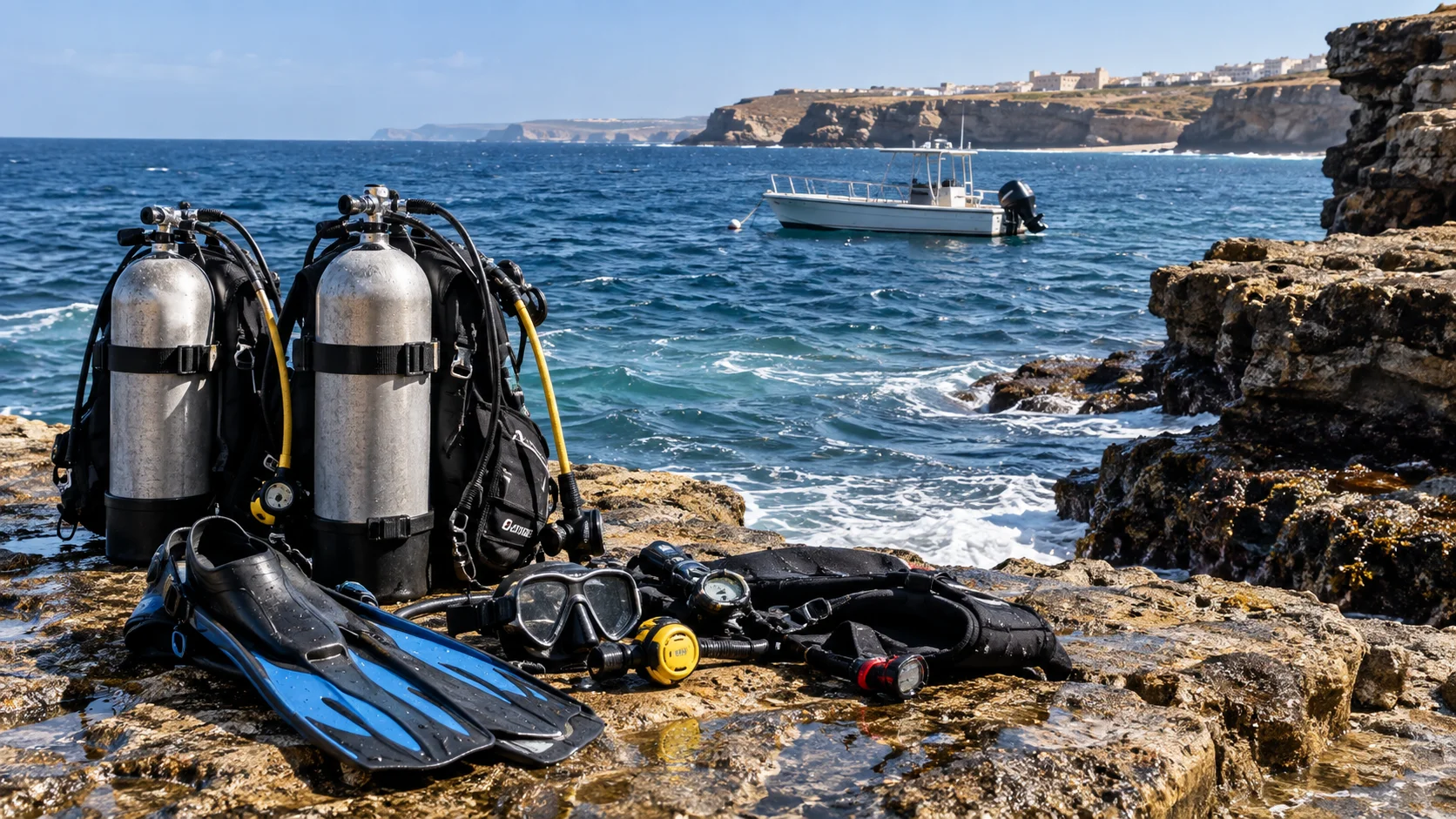
Before paying, ask exactly what is included. Depending on the booking, this could involve scuba equipment, wetsuit, instructor or guide, boat transportation, tanks or site transfers. Never assume an item is included merely because another operator normally provides it.
If the dive site is outside your accommodation area, a private driver in Morocco can be useful when you prefer arranged transport, while a car rental in Morocco may suit travelers building diving into a longer independent coastal itinerary.
Safety, Comfort and What to Bring
Good scuba planning begins before you reach the water.
Divers Alert Network recommends checking equipment before diving, understanding unfamiliar rental equipment, reviewing the dive plan and entry and exit points, and working with your buddy or dive professional before entering the water.
Medical screening also matters. Recreational diving programs commonly use a medical questionnaire to identify situations where a participant should obtain medical advice before diving. DAN advises answering these questionnaires accurately rather than hiding a condition to avoid missing a dive.
Do not dive with significant congestion or an illness that prevents normal ear and sinus equalization. DAN notes that pressure-related ear problems are common and recommends equalizing early and frequently rather than forcing equalization when pain develops.
For a typical day, consider bringing:
-
Swimwear
-
Towel
-
Dry clothes
-
Sun protection for time above water
-
Drinking water
-
Any certification documentation requested
-
Medical information requested by the provider
-
Secure storage for personal belongings
-
Seasickness medication only if medically appropriate for you
Travel planning after the dive matters too. DAN recommends a minimum surface interval of 12 hours before flying after a single no-decompression dive and at least 18 hours after multiple dives in a day or multiple days of diving, with different considerations for decompression diving.
That makes scuba a poor activity to schedule immediately before a flight without checking the appropriate interval.
Price Factors and Booking Conditions
Rather than looking for one "normal Morocco diving price," compare what you receive for the quoted amount.
The price may be influenced by:
-
Introductory experience versus certified diving
-
One dive versus multiple dives
-
Boat versus shore access
-
Equipment rental
-
Instructor or guide requirements
-
Private versus group format
-
Transportation
-
Location
-
Training or certification components
-
Optional photography or other extras
Ask for the complete inclusion list before comparing two offers.
A less expensive option may not actually cost less if equipment, boat transport or transfers must be purchased separately. Conversely, an apparently higher quote may bundle several services.
Also check booking conditions. Ask what happens if weather or sea conditions prevent the planned dive, whether the experience can be moved to another time or site, and what cancellation or rescheduling terms apply.
Conditions can change, so these questions are more useful than relying on assumptions based on previous travelers' bookings.
Common Booking Mistakes to Avoid
One of the most common mistakes is booking according to destination photos rather than the actual experience offered.
Another is failing to distinguish between introductory scuba and diving for certified participants.
Avoid these additional problems:
-
Assuming every destination has identical water conditions
-
Booking immediately before a flight
-
Hiding medical information
-
Assuming equipment is included
-
Ignoring wetsuit sizing and fit
-
Choosing the cheapest listing without comparing supervision
-
Forgetting to confirm the meeting point
-
Assuming a boat dive is automatically better than a shore dive
-
Planning a very tight itinerary around an activity affected by sea conditions
-
Not asking whether beginners and certified divers in the same group will follow different programs
A good booking should leave very few practical questions unanswered before the activity date.
Booking Checklist Before You Reserve
Before confirming scuba diving in Morocco, check the following:
-
Exact dive location
-
Beginner or certified-diver requirements
-
Required certification, if applicable
-
Medical questionnaire requirements
-
Minimum age requirements
-
Swimming or fitness expectations
-
Instructor or guide supervision
-
Number of participants
-
Shore or boat entry
-
Equipment included
-
Wetsuit and equipment sizing
-
Number of dives
-
Estimated total activity duration
-
Meeting point and transport arrangements
-
Weather cancellation or rescheduling terms
-
What happens if conditions are unsuitable
-
Final price and included services
-
Time required before flying afterward
Save the booking confirmation and operator contact details so that you can check conditions again before leaving your hotel or riad.
FAQs
Is scuba diving in Morocco worth it in Morocco?
It can be, particularly if you want an outdoor experience beyond Morocco's better-known medinas, desert excursions and surf beaches. Morocco offers both Atlantic and Mediterranean environments, with diving associated with Tangier, Al Hoceima, Agadir and Dakhla. The best choice depends on your itinerary, experience level and the sea conditions during your trip.
How much does scuba diving in Morocco usually cost in Morocco?
There is no single reliable nationwide price because the cost depends on the location, number of dives, beginner or certified format, equipment, boat use, instruction, group size and transfers. Instead of relying on an average figure, compare the complete package and ask for confirmation of everything included before paying.
What is included with scuba diving in Morocco?
Inclusions vary by provider and experience. A booking may include equipment, tanks, wetsuit, instruction or guiding, boat transport and site access, but you should never assume all of these are automatically included. Request a written inclusion list and ask separately about transport, photos, equipment upgrades or any other optional services.
Do I need to book scuba diving in Morocco in advance?
Advance booking is sensible when scuba diving is an important part of your itinerary, particularly if you need beginner instruction, specific equipment sizes, a private arrangement or a particular date. Booking ahead also gives you time to complete any medical requirements and understand cancellation procedures if weather affects the planned dive.
What should I check before booking scuba diving in Morocco?
Confirm the dive site, required experience level, certification rules, medical screening, equipment, instructor supervision, group size, activity duration, transport and cancellation conditions. Beginners should specifically ask whether the session is designed for someone who has never dived before and how the first underwater portion is supervised.
Is scuba diving in Morocco suitable for beginners or families?
Yes, beginner-oriented diving exists in Morocco, but suitability depends on the participant and the specific program. Families should verify minimum ages, medical conditions, swimming expectations and supervision before booking. Not every child or adult in a family needs to participate, so combining scuba with beach or other activities can sometimes work better.
What is the best time for scuba diving in Morocco?
There is no single best period for the entire country because Morocco has both Mediterranean and Atlantic diving environments. Weather, swell, wind, current and visibility can vary by region and date. Ask a local dive professional about current conditions rather than assuming that warm or sunny weather automatically means ideal underwater conditions.
What should I bring for scuba diving in Morocco?
Bring swimwear, a towel, dry clothes, sun protection, water and any certification or medical documentation requested by the provider. Confirm beforehand whether all scuba equipment and wetsuits are supplied. Certified divers using unfamiliar rental gear should also allow time to become comfortable with the equipment before entering the water.
Can MarHire help compare scuba diving in Morocco options?
MarHire can help travelers compare scuba diving options based on destination, traveler type, timing and what is included. This can make it easier to fit diving into a broader Morocco itinerary alongside accommodation, coastal activities, private transport or car rental rather than treating the dive as an isolated booking.
Final Advice
The best scuba diving in Morocco booking is not necessarily the deepest dive, the cheapest package or the location with the most dramatic photographs. For a beginner, the better experience is one that clearly matches your ability, explains what happens before entering the water, provides suitable supervision and responds sensibly to changing sea conditions.
Morocco's Atlantic and Mediterranean coastlines make it possible to add diving to very different itineraries, from Tangier and Al Hoceima in the north to Agadir and Dakhla farther south.
Before booking, compare the site, instruction, equipment, transport, cancellation rules and total inclusions. Leave enough flexibility around weather and avoid placing a dive immediately before air travel.
For additional destination context, the Moroccan National Tourist Office provides information about Al Hoceima and Morocco's coastal regions, while Divers Alert Network publishes detailed recreational diving health and safety guidance.