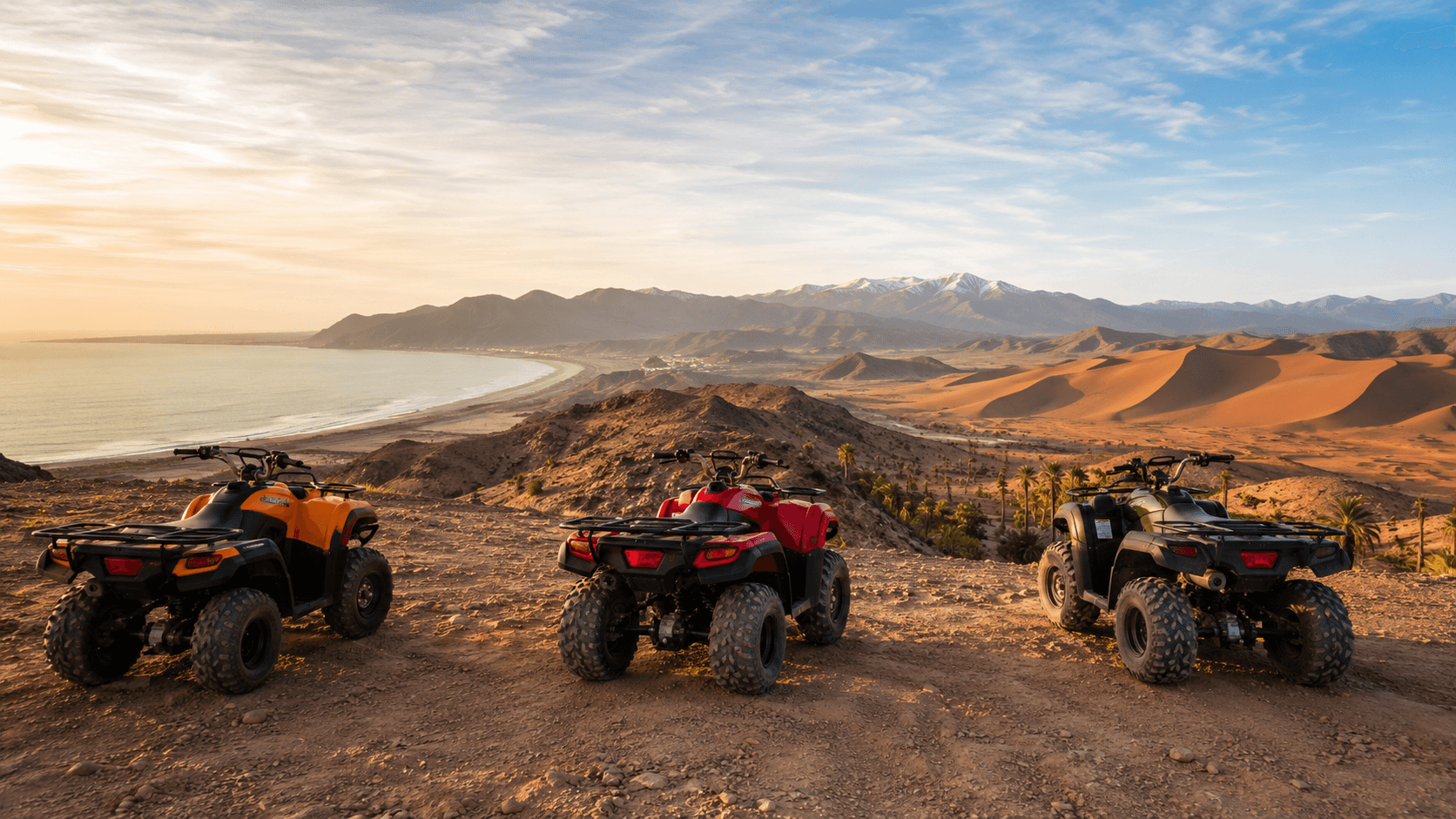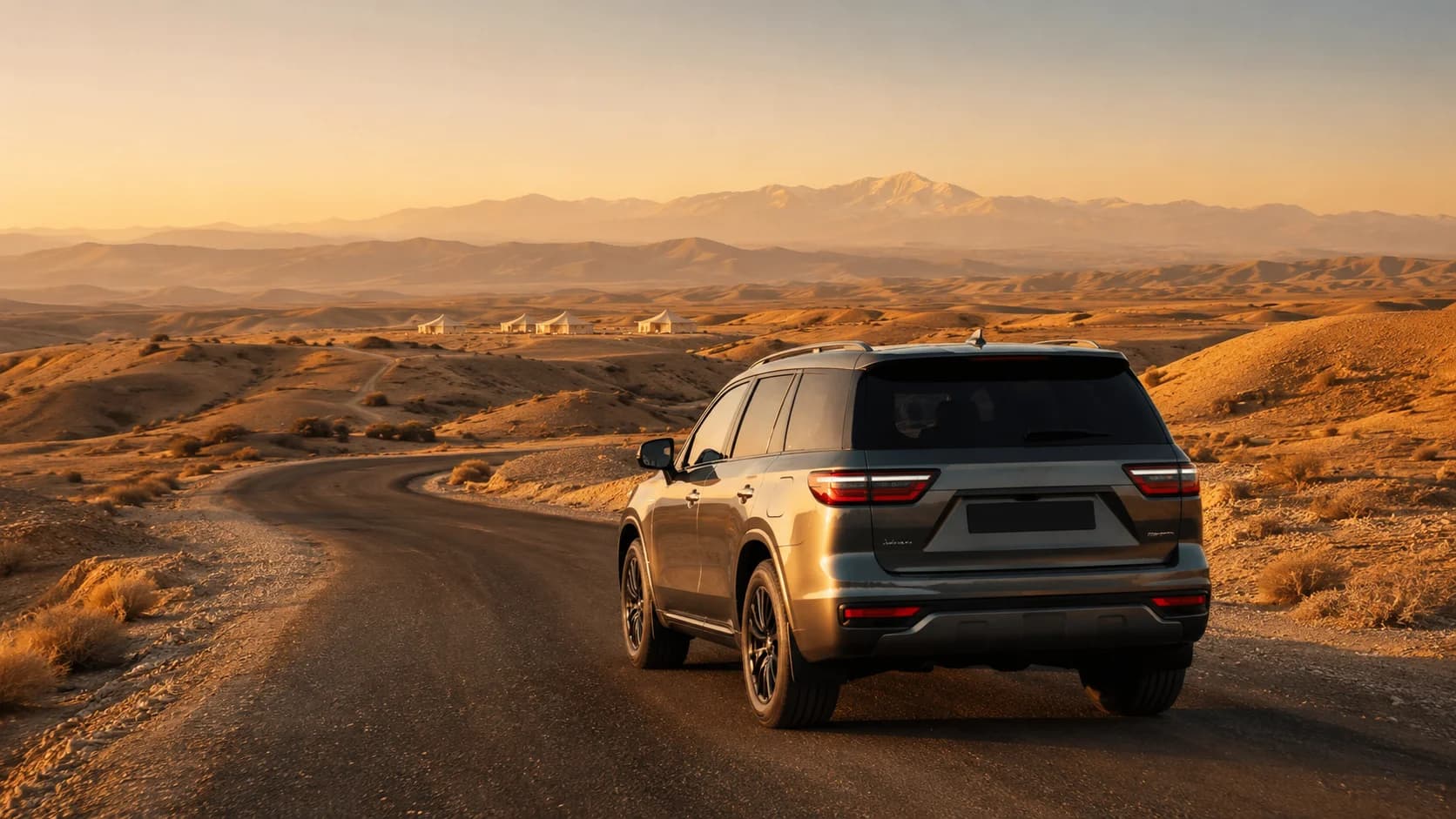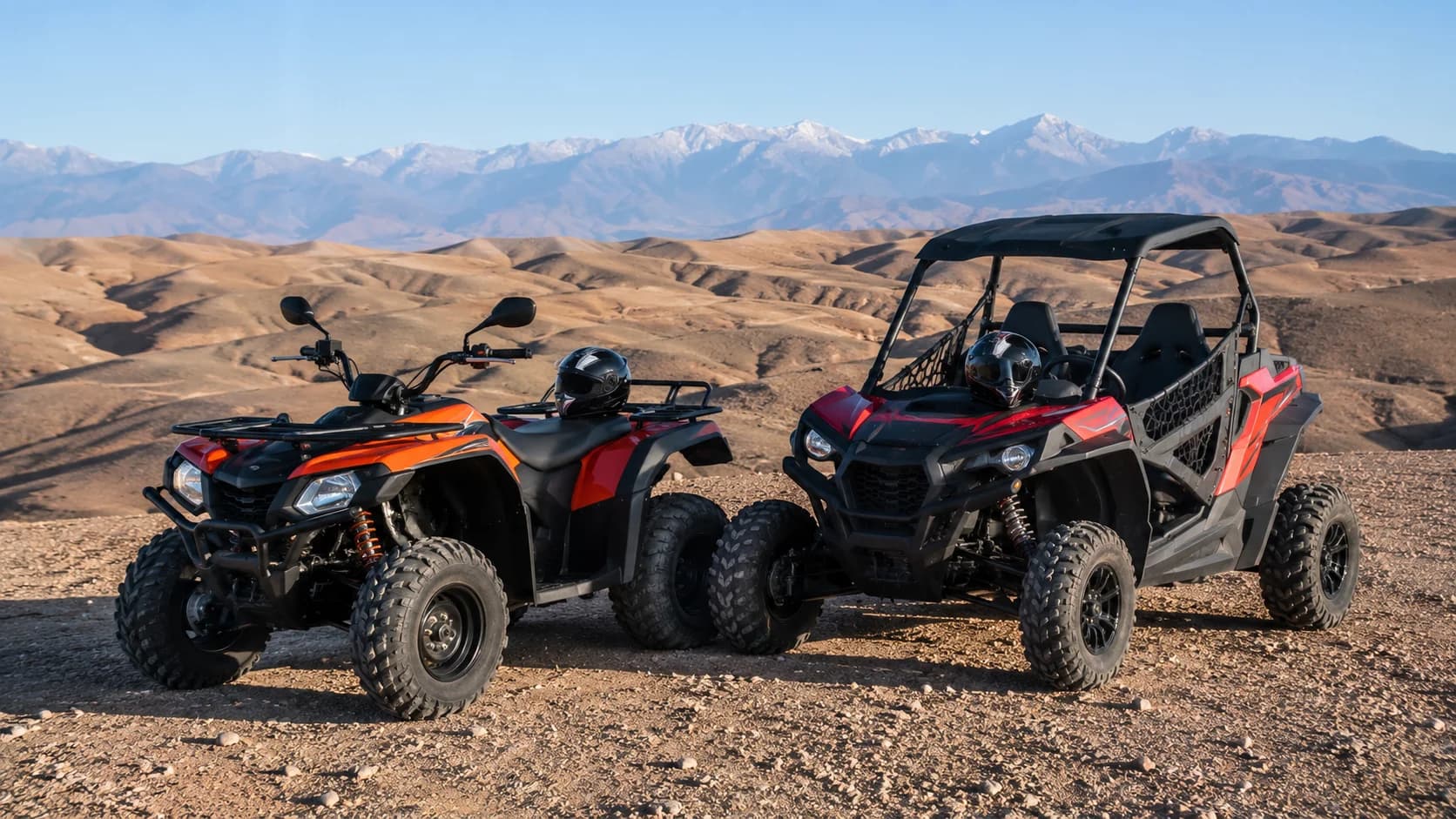







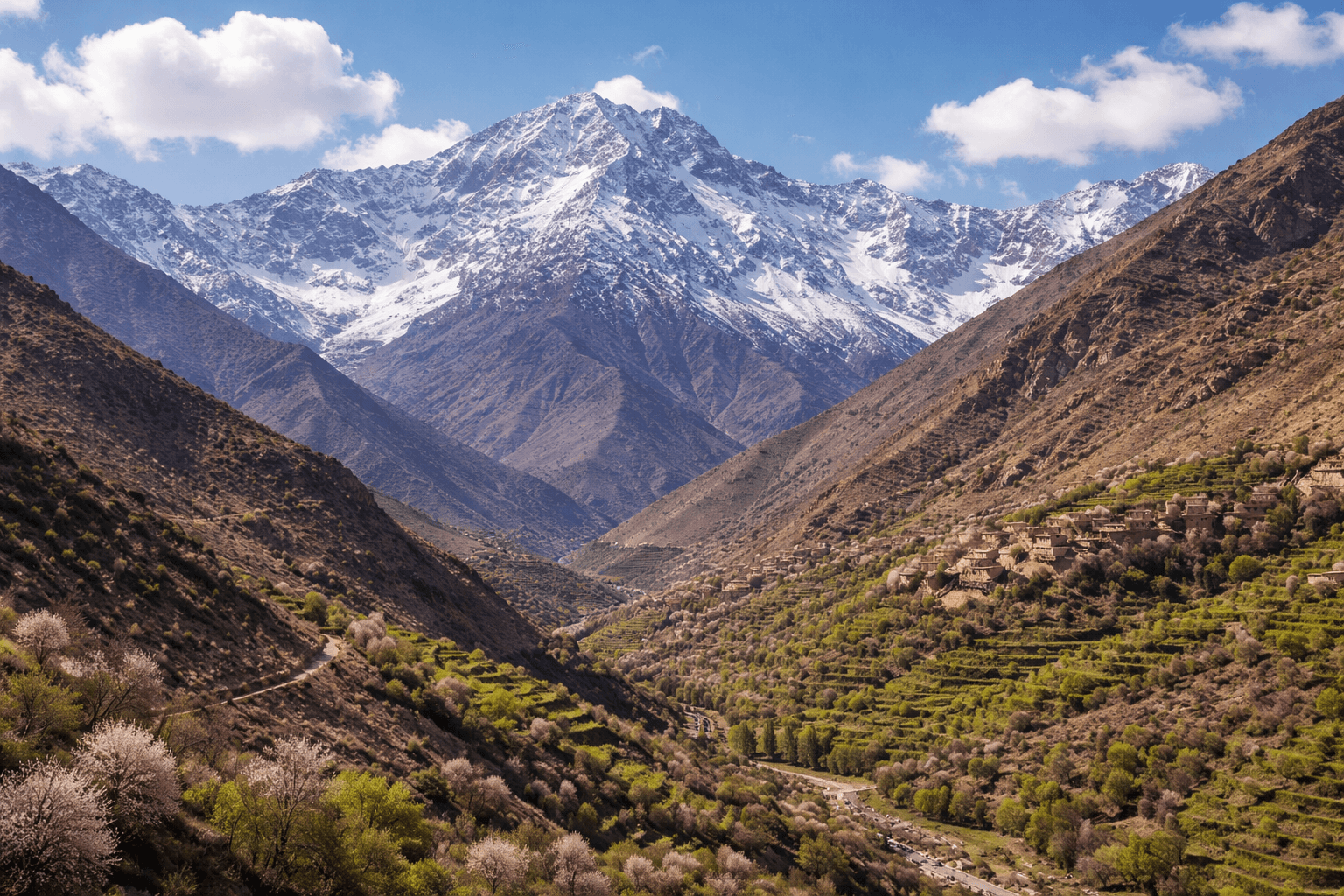
The Atlas Mountains Morocco region is one of the country’s most rewarding destinations for travelers who want more than cities and coast. It brings together high peaks, deep valleys, Amazigh villages, waterfalls, mule tracks, scenic road trips, and some of the most memorable mountain views in North Africa. The range shapes Morocco’s geography, and the High Atlas is home to Mount Toubkal, the highest summit in Morocco and the Atlas system.
For many visitors, the Atlas is the place where Morocco slows down. Marrakech may be the main gateway, but the mood changes fast once you head toward Imlil, Ourika, Ouirgane, or the roads that climb into the High Atlas. Villages cling to hillsides, walnut groves line the valleys, and the scenery shifts by season: spring greenery, summer hiking weather, autumn clarity, and winter snow at higher elevations. Official Morocco tourism materials highlight the area for trekking, hikes, and dramatic mountain landscapes, while wider reference sources note the High Atlas as the country’s defining mountain spine.
This guide is built for research-stage travelers. It covers when to go, what to do, how to drive safely, which vehicle types make sense, where to stay, and how to structure a short or longer trip. If you want freedom between valleys and viewpoints, Car Rental Morocco is the most flexible way to explore the region at your own pace, especially if you want to combine the mountains with Marrakech, Ouarzazate, or desert routes. If you prefer a smoother day trip without mountain-road stress, Private Driver Morocco can be the better option for couples, families, or travelers short on time.
Overview & Why Visit the Atlas Mountains in Morocco
The Atlas range stretches across North Africa, and in Morocco it forms one of the country’s defining physical features. Britannica notes that the High Atlas runs across central Morocco and includes many peaks above 3,660 meters, with Toubkal rising to about 4,165 meters. That matters for travelers because it explains why the region feels so varied: valleys can be green and mild while upper slopes remain cold, rocky, and snow-dusted.
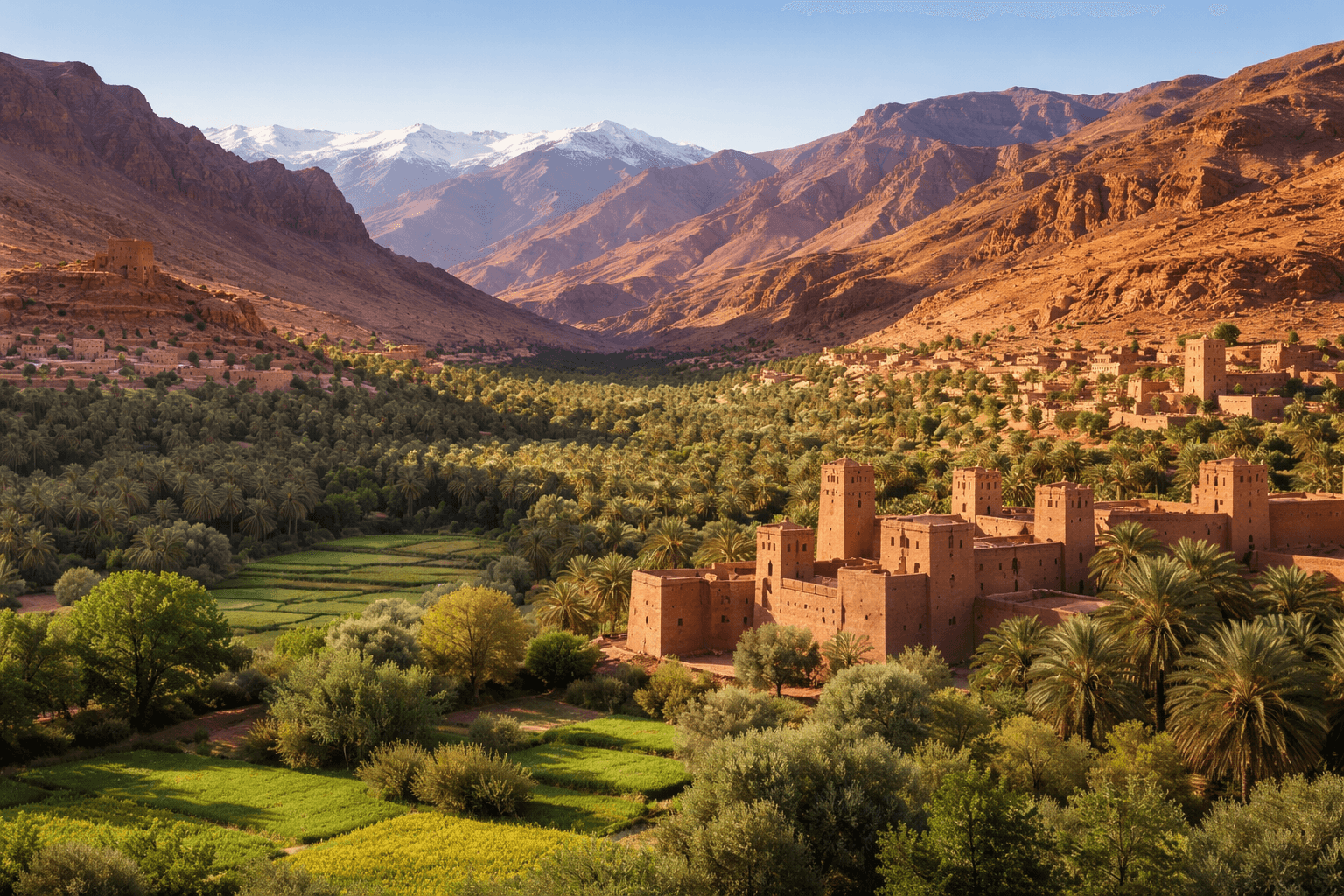
The Atlas is not just about summits. What makes Morocco mountains travel special is the contrast between scenery and culture. One hour you are driving out of Marrakech; shortly after, you are in landscapes of terraced hillsides, streams, orchards, and villages built from earth-toned stone. National Geographic recently described the High Atlas as a place of remarkable scenery, traditional Amazigh villages, and excellent hiking routes that still feel relatively uncrowded compared with more famous mountain destinations.
For active travelers, Atlas Mountains trekking is the obvious draw. The official Morocco tourism site promotes the ascent of Toubkal as one of the country’s classic outdoor experiences, usually done over two days for fit hikers. Yet even travelers who do not want a summit attempt still have plenty to enjoy: easy village walks, riverside lunches, waterfall routes in the Ourika Valley, panoramic drives, and overnight stays in Imlil or Ouirgane.
The area also works unusually well for mixed-interest trips. One person can want trekking, another photography, another road-trip scenery, and another quiet accommodation with mountain air. The Atlas can serve all of them in one itinerary. That is one reason it performs so well for informational search: the destination sits at the crossroads of adventure, culture, and accessibility.
Travelers also like how close the first High Atlas experiences are to Marrakech. Sources commonly place Imlil roughly 90 minutes from the city by road, while the Ourika Valley starts within easy reach southeast of Marrakech. That means even a short Morocco itinerary can include real mountain scenery without needing a domestic flight or a long transfer.
If you want a broad official starting point for regional inspiration, the Moroccan National Tourist Office’s destination content is useful, and for the ecological importance of Morocco’s mountain landscapes, UNESCO’s material on the Atlas Cedar Biosphere Reserve adds valuable context about the wider mountain environment.
Best Time to Visit the Atlas Mountains
The best time depends on what kind of Atlas trip you want. For most travelers, spring and autumn are the sweet spots. Spring brings greener valleys, running water, and comfortable daytime temperatures for lower and mid-altitude walking. Autumn often offers clear skies, dry conditions, and strong visibility, making it excellent for scenic drives and photography. This is partly an inference from the region’s elevation profile and the strong seasonality noted around the High Atlas and Toubkal area.
Summer is still a good time to visit, especially if you want to escape hotter city temperatures. The Atlas is a classic warm-weather hiking destination, and official Morocco tourism content highlights summer hiking around Toubkal and the High Atlas. Lower valleys can still feel warm, but mornings and evenings are often pleasant.
Winter changes the experience. It can be beautiful, but it is not the same trip. Higher routes may have snow and ice, and the Toubkal area is specifically described as a place of winter skiing and summer hiking in Britannica. Winter visitors should expect colder mornings, possible route changes at altitude, and the need for more careful driving on mountain roads.
For most readers planning their first visit, late March to May and late September to early November are the safest all-round recommendations for scenery, trekking comfort, and road-trip flexibility.
Top 7 Atlas Mountains Experiences
1) Trek or hike from Imlil
Imlil is one of the best-known gateways into the High Atlas and a common starting point for Toubkal-related hikes. It sits in the foothills south of Marrakech and works for both short walks and serious trekking. Even if you are not climbing Toubkal, basing yourself in Imlil gives you access to village paths, mountain views, and a strong sense of the region’s everyday life.
2) Try Toubkal trekking with a guide
For experienced and well-prepared hikers, Toubkal trekking is one of Morocco’s headline adventures. Official tourism content describes the summit route as a two-day thrill filled with hiking and discovery. It is a serious mountain activity rather than a casual walk, so this is the experience to choose only if you want altitude, effort, and a real summit goal.
3) Explore the Ourika Valley
The Ourika Valley is one of the easiest mountain escapes from Marrakech and remains popular because it combines access, scenery, and local atmosphere. Tourism sources describe it as a fertile valley framed by the High Atlas, with villages, rivers, and waterfalls. It is a good choice for day trippers, families, and travelers who want mountain scenery without committing to a harder trek.
4) Drive scenic mountain roads
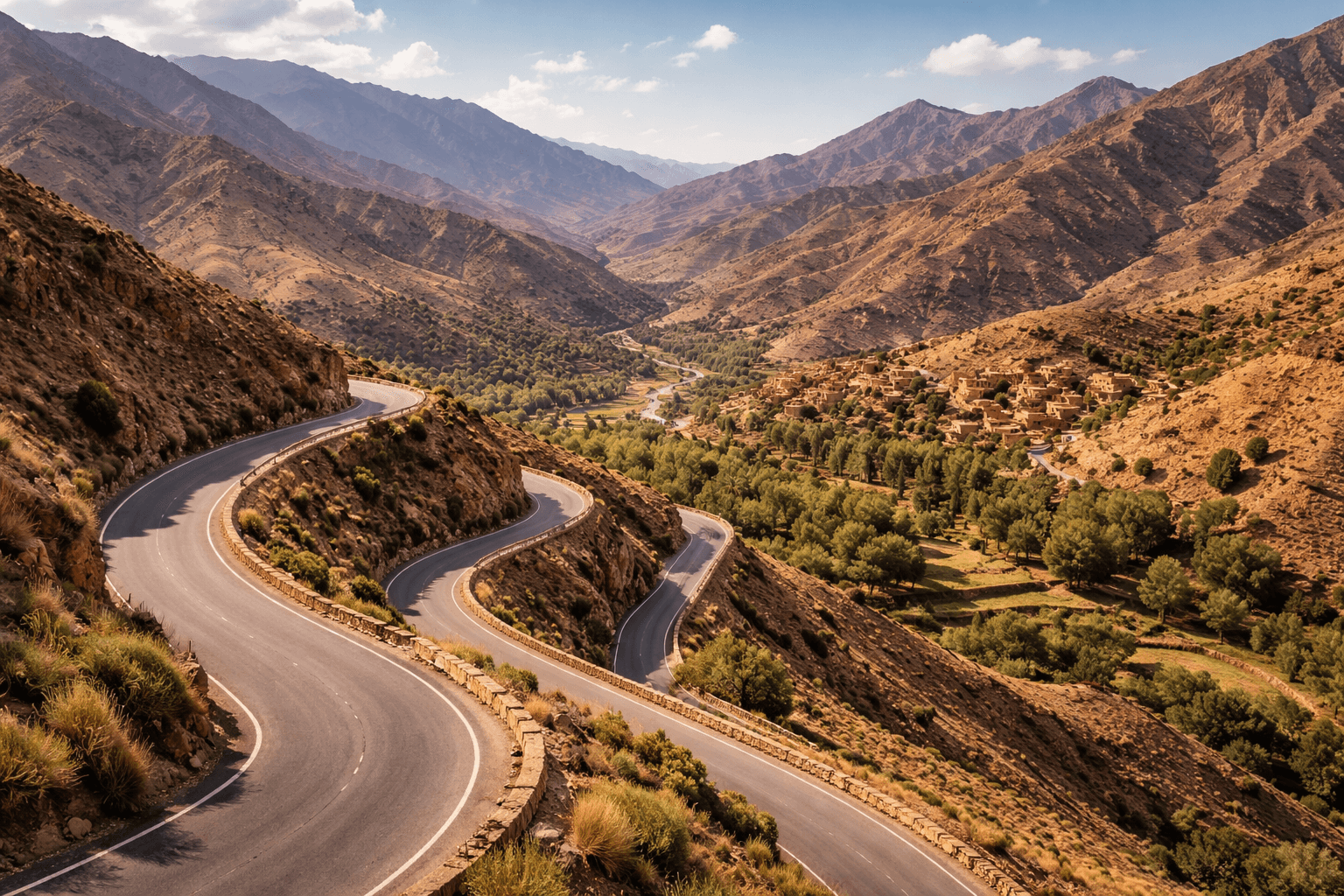
An Atlas Mountains road trip is as much about the route as the stops. The appeal lies in elevation changes, switchbacks, valley viewpoints, roadside tea stops, and the gradual transition from city-edge landscapes to true mountain terrain. Morocco tourism materials consistently frame the Atlas as a space for outdoor movement and visual drama, and that is exactly what a self-drive trip delivers.
5) Visit mountain villages and Amazigh communities
The villages are a central part of the Atlas experience. National Geographic emphasizes the presence of traditional Amazigh settlements throughout the High Atlas valleys, and that is what gives the region such texture. Walking through villages, seeing terraced agriculture, and staying in a family-run guesthouse often becomes the most memorable part of the trip, even for people who originally came for the scenery.
6) Base yourself in Ouirgane for softer adventure
Ouirgane is often a smart alternative for travelers who want mountain calm without the busier feel of some better-known trailheads. It sits in a scenic High Atlas valley about an hour south-west of Marrakech and is regularly used as a trekking base. It suits shorter hikes, relaxed stays, and couples who want a scenic mountain night away from the city.
7) Combine the Atlas with desert travel
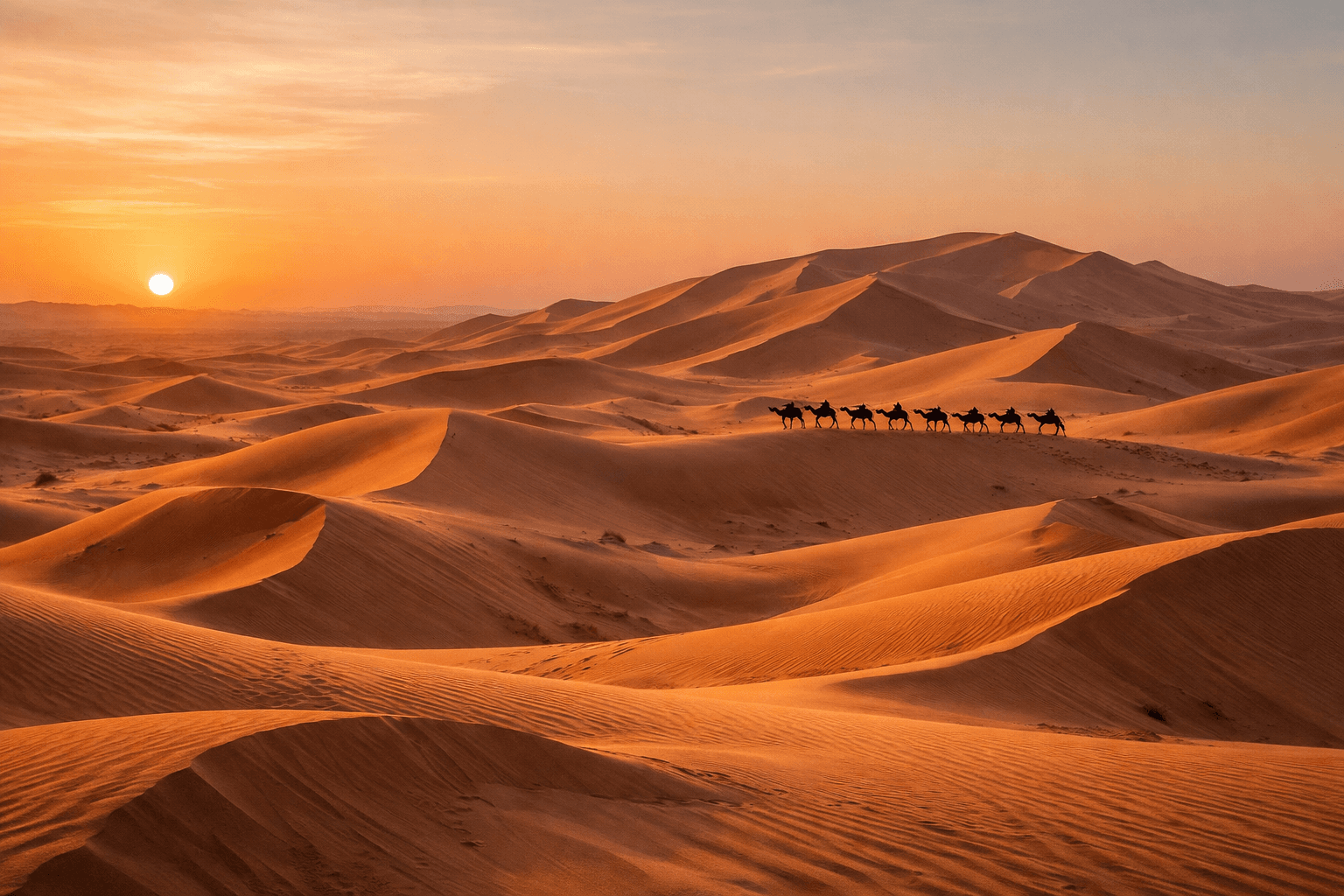
One of the smartest ways to use the Atlas is as part of a wider southbound route. The mountains naturally connect with long scenic drives toward Ouarzazate and beyond, so travelers researching a broader Morocco loop often combine valleys, kasbahs, mountain passes, and desert landscapes in one trip. This is less a single sourced “product” than a practical itinerary logic based on how the Atlas sits between Marrakech and Morocco’s south.
Recommended Car Types for Mountain Roads
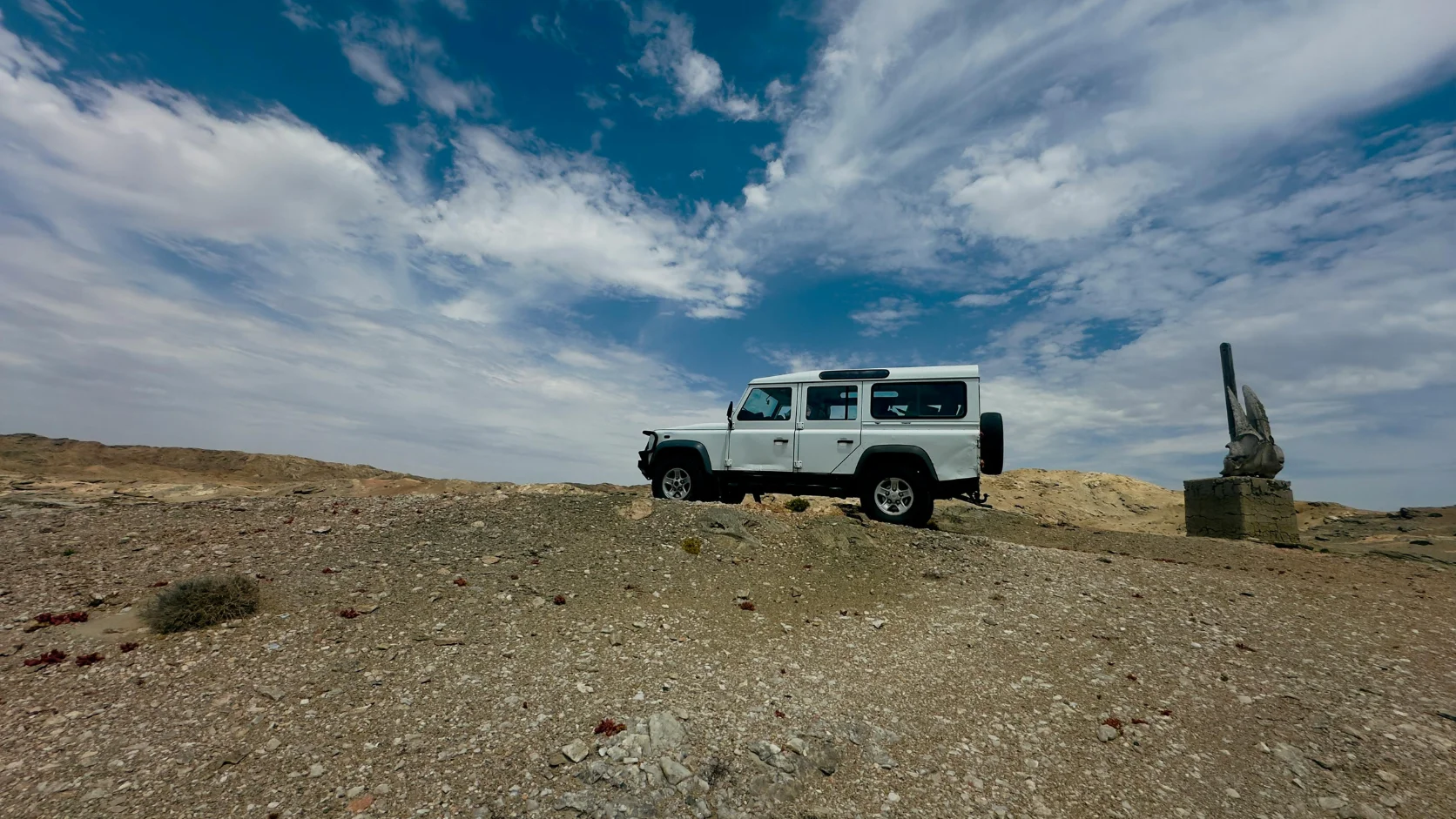
Not every Atlas road requires a 4x4, but not every rental car is equally comfortable either. For most paved mountain routes near Marrakech, a compact or small SUV is a smart middle ground. It gives you enough power for climbing, enough clearance for uneven shoulders or rough parking spots, and better comfort on longer scenic days.
A standard economy car can still work well if your plan is limited to paved roads, gentle valley visits, and good-weather driving. That makes sense for day trips to places like lower Ourika or an easy run toward Imlil, especially if you pack light and avoid more ambitious side detours. Because the first Atlas gateways are fairly accessible from Marrakech, travelers do not always need a large vehicle for a short mountain taste.
An SUV becomes more useful when you want longer mountain days, mixed surfaces, extra luggage space, or more confidence in poor weather. It is especially helpful for families or photographers carrying gear. In winter, extra stability and comfort matter more, even if the road is technically paved.
A full 4x4 is best reserved for travelers who expect rougher conditions, remote routes, or winter uncertainty. For most mainstream visitors doing a High Atlas discovery trip, that is more capability than necessary.
Manual transmission is still common in Morocco, so travelers who only drive automatic should book early, especially in busy seasons. For mountain roads, choosing the transmission you are truly comfortable with is more important than chasing the cheapest daily rate.
Driving Tips for Atlas Mountain Roads
Mountain driving in Morocco is very manageable if you stay realistic. The first rule is simple: do not rush. The Atlas is a place to drive for views, not speed. Roads can narrow as they climb, bends can tighten, and local traffic patterns can change quickly between open stretches and village centers.
Start early whenever possible. Morning light is better for scenery, temperatures are easier, and you give yourself buffer time before dusk. That matters because mountain roads are more enjoyable in daylight and some travelers underestimate how long photo stops, tea breaks, and scenic pauses can add to the day.
Use engine braking on descents rather than leaning too hard on the brakes for long periods. Keep more distance than you would in the city, and expect the occasional blind bend, parked vehicle, or pedestrian movement near villages. This is practical driving advice rather than a sourced regulation point, but it fits the route style most visitors will encounter.
Weather is the main variable. In winter, higher areas can be colder and more exposed, and the Toubkal zone is well known for snow-season conditions. Even outside winter, mountain weather changes faster than in Marrakech. Check conditions locally before committing to a longer day.
Fuel up before heading deep into the mountains, download offline maps, and avoid assuming your mobile signal will always be strong. None of these steps are dramatic, but together they make an Atlas drive far smoother.
3-Day Atlas Mountains Itinerary
A three-day plan is ideal for travelers who want a real Atlas experience without turning the whole Morocco trip into a trekking holiday.
Day 1: Marrakech to Imlil
Leave Marrakech in the morning and drive toward Imlil, which most route sources place at about 90 minutes from the city under normal conditions. Check into a guesthouse, have lunch with a mountain view, and spend the afternoon on an easy acclimatization walk through the valley. The goal is not to do too much but to settle into the rhythm of the mountains.
Day 2: Village walk or guided trek
Use the second day for the signature experience. Strong hikers can choose a longer guided route; relaxed travelers can do a half-day village walk, enjoy tea terraces, and spend time photographing the landscape. If you are serious about Atlas Mountains trekking, this is the day to hire a local guide and commit to a proper route. The official tourism framing of the area around Toubkal makes clear that the hiking network is one of the region’s biggest assets.
Day 3: Return via Asni or detour through a valley
On the return to Marrakech, do not simply rush back. Stop for viewpoints, village photos, and a slow lunch. If you want variety, you can shape the drive to include a different valley atmosphere before heading back to the city. This turns a short trip into something that feels richer than a basic out-and-back transfer.
This three-day version works best for couples, first-time visitors, and anyone who wants mountain scenery with manageable logistics.
5-Day Atlas & Desert Itinerary
A five-day route lets the Atlas become part of a larger adventure rather than a standalone excursion. This is one of the smartest ways to experience the contrast that makes Morocco so compelling.
Day 1: Marrakech to Ourika or Ouirgane
Begin with a soft entry into the mountains. The Ourika Valley is close enough for an easy first day, while Ouirgane offers a quieter base for a scenic overnight stay. Both options introduce the landscape without requiring a hard travel day.
Day 2: Transfer deeper into the High Atlas
Move toward a stronger trekking base such as Imlil or another valley accommodation depending on your pace. Spend the afternoon walking, resting, or arranging a guide for the next day.
Day 3: Trekking or mountain exploration
This is your main mountain day. Hike as lightly or seriously as you want. Fit hikers may aim for a demanding guided route; others can focus on village trails, viewpoints, and cultural encounters. What matters is preserving enough energy to enjoy it, not just ticking off distance.
Day 4: Southbound scenic drive toward desert gateway country
Continue out of the mountain belt toward Morocco’s southern landscapes. This is where an Atlas Mountains road trip becomes especially memorable: the terrain gradually opens, the color palette changes, and the trip starts feeling cinematic. Even if your final desert stop is beyond this guide’s scope, the Atlas naturally connects to that next chapter.
Day 5: Continue south or loop back
Use the last day either to continue toward a deeper desert itinerary or loop back toward Marrakech with scenic stops. This format works well for photographers, self-drive travelers, and visitors who want a “best of both worlds” Morocco trip.
Best Accommodation in the Atlas
Atlas accommodation is less about big resort chains and more about choosing the right base. In most traveler-favorite valleys, you will find a mix of simple guesthouses, lodge-style stays, kasbah-inspired properties, and a few more polished boutique options. That suits the region: people do not usually come to the Atlas for urban luxury in the classic sense. They come for atmosphere, views, and access to trails.
Imlil is best if trekking is the priority. It is practical, well positioned, and makes early starts easier. Ouirgane is better for travelers who want a greener, gentler mountain mood with easier short walks and a more restful rhythm. Ourika works well for travelers who want mountain scenery with quick access from Marrakech and the possibility of a day-trip style stay.
When booking, look for four things: heating if you are traveling in cool months, terrace or valley views, on-site dinner availability, and clear access instructions if arriving by car. In mountain destinations, convenience matters more than brand recognition.
Day Trips from Marrakech to the Atlas Mountains
Not every traveler needs an overnight. The Atlas is one of the easiest upgrades you can make to a Marrakech stay because the first real mountain experiences are so close to the city.
The easiest first choice is the Ourika Valley, often cited as roughly 30 to 40 km from Marrakech with travel times of around 40 to 50 minutes to the valley area, while deeper points such as Setti Fatma take longer. It is the classic pick for waterfalls, riverside cafés, and a scenic break from city heat.
Imlil is better for travelers who want a more “proper Atlas” feel in a single day. Sources commonly describe it as around a 90-minute drive from Marrakech, making it realistic for a full-day outing with a walk, lunch, and return before evening.
Ouirgane is ideal for travelers who want scenery with a calmer, less hurried feel. It is close enough for a day trip yet often feels more removed from the city.
If you only have one free day in Marrakech and want mountain scenery, a day trip is absolutely worth it. If you have two or more free days, an overnight stay is much better.
FAQ: Atlas Mountains Morocco
1) Where are the Atlas Mountains in Morocco?
The Atlas Mountains run across central Morocco and form one of the country’s major physical regions. The High Atlas, which includes Mount Toubkal, lies south of Marrakech and is the section most travelers visit first.
2) What is the best base for Atlas Mountains trekking?
For many travelers, Imlil is the best-known base because it is the practical gateway to Toubkal and several classic walking routes. It works well for both serious hikers and travelers who only want shorter scenic walks.
3) Can beginners visit the Atlas Mountains?
Yes. You do not need to summit Toubkal to enjoy the Atlas. Valleys such as Ourika and bases such as Ouirgane or Imlil offer easier experiences, scenic drives, short walks, and cultural stops that suit first-time visitors.
4) How far are the Atlas Mountains from Marrakech?
It depends on which part you mean. The nearest valleys begin quite close to Marrakech, while Imlil is commonly reached in around 90 minutes by road. That is why the Atlas works well for both day trips and short stays.
5) Is Toubkal trekking difficult?
Yes, it is a real mountain trek rather than an easy walk. Official Morocco tourism presents the ascent as a dedicated two-day adventure, so travelers should treat it as a serious physical activity and plan accordingly.
6) Do I need a 4x4 in the Atlas Mountains?
Usually not for standard paved routes and common visitor bases. A compact car or small SUV is enough for many travelers in good conditions, though an SUV is more comfortable for longer mountain driving and winter travel.
7) What is the best season for an Atlas Mountains road trip?
For most travelers, spring and autumn are the best overall seasons because they balance scenery, comfort, and flexibility. Summer is still good for higher-altitude travel, while winter can be beautiful but more weather-sensitive.
8) Are the Atlas Mountains worth visiting if I am not a hiker?
Absolutely. Many visitors come for the landscapes, village life, scenic drives, local food, and contrast with Marrakech. Hiking is important here, but it is not the only reason to go.
9) Which valley is easiest for a day trip?
The Ourika Valley is usually the easiest and most popular because it is close to Marrakech and gives quick access to mountain scenery, villages, and waterfalls.
10) Should I rent a car or hire a driver for the Atlas?
A rental car is best if you want freedom, photography stops, and the ability to shape your own route. A private driver is better if you want to relax, avoid mountain driving, or turn the day into a guided-style experience.
Book with MarHire
The Atlas Mountains are one of Morocco’s most rewarding regions because they give you several trips in one: scenery, culture, trekking, road travel, and easy contrast with Marrakech. You can keep it simple with an Ourika day trip, go deeper with an Imlil base, or turn the High Atlas into the first stage of a longer southbound adventure. Either way, the destination rewards travelers who leave enough room in the schedule to stop, look around, and let the mountains set the pace.
For flexible self-drive travel between valleys, viewpoints, and mountain stays, book your Car Rental Morocco with MarHire and build the route around your own timing. If you would rather skip the road planning and enjoy the landscapes stress-free, book Private Driver Morocco with MarHire for a smoother Atlas experience from Marrakech and beyond.