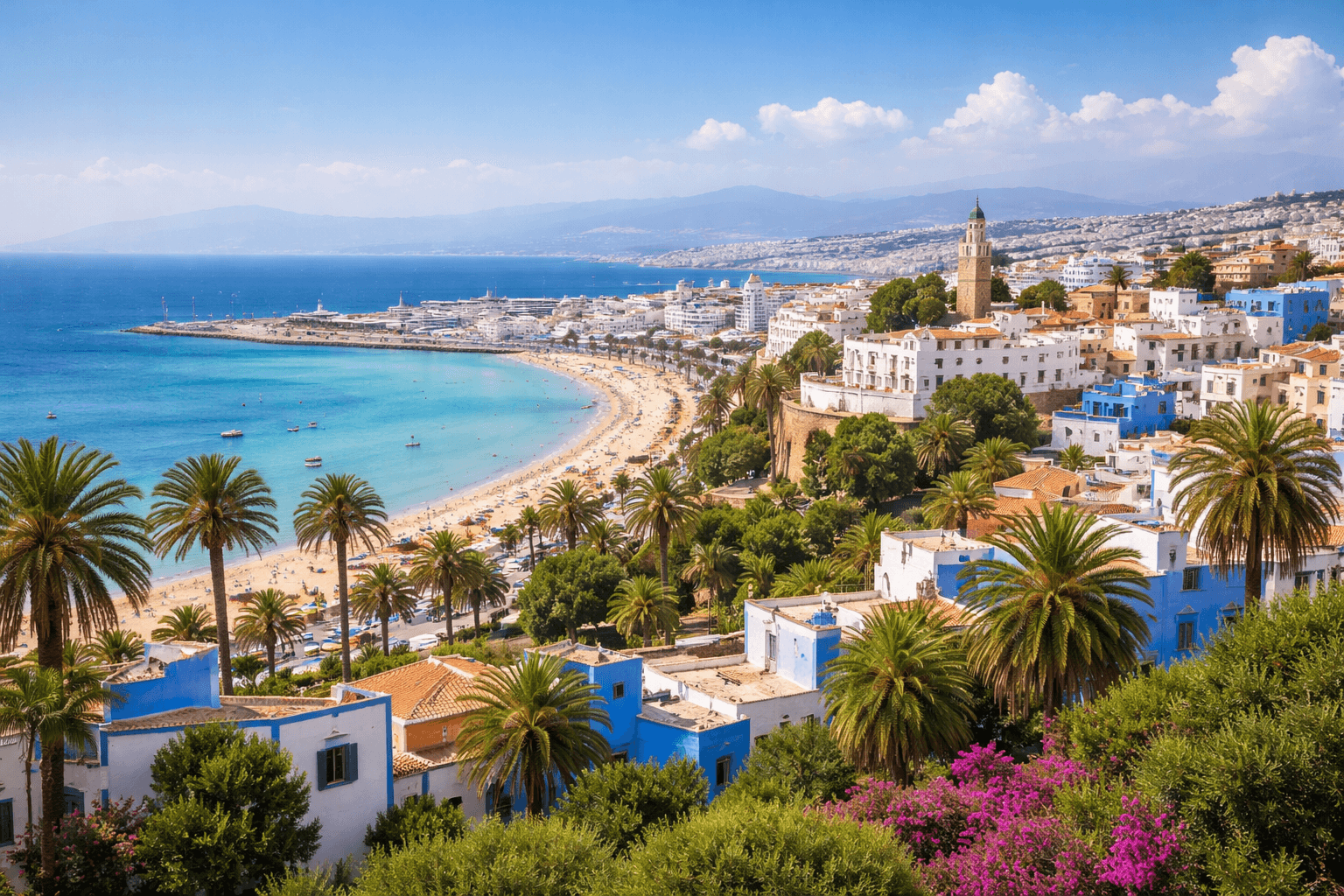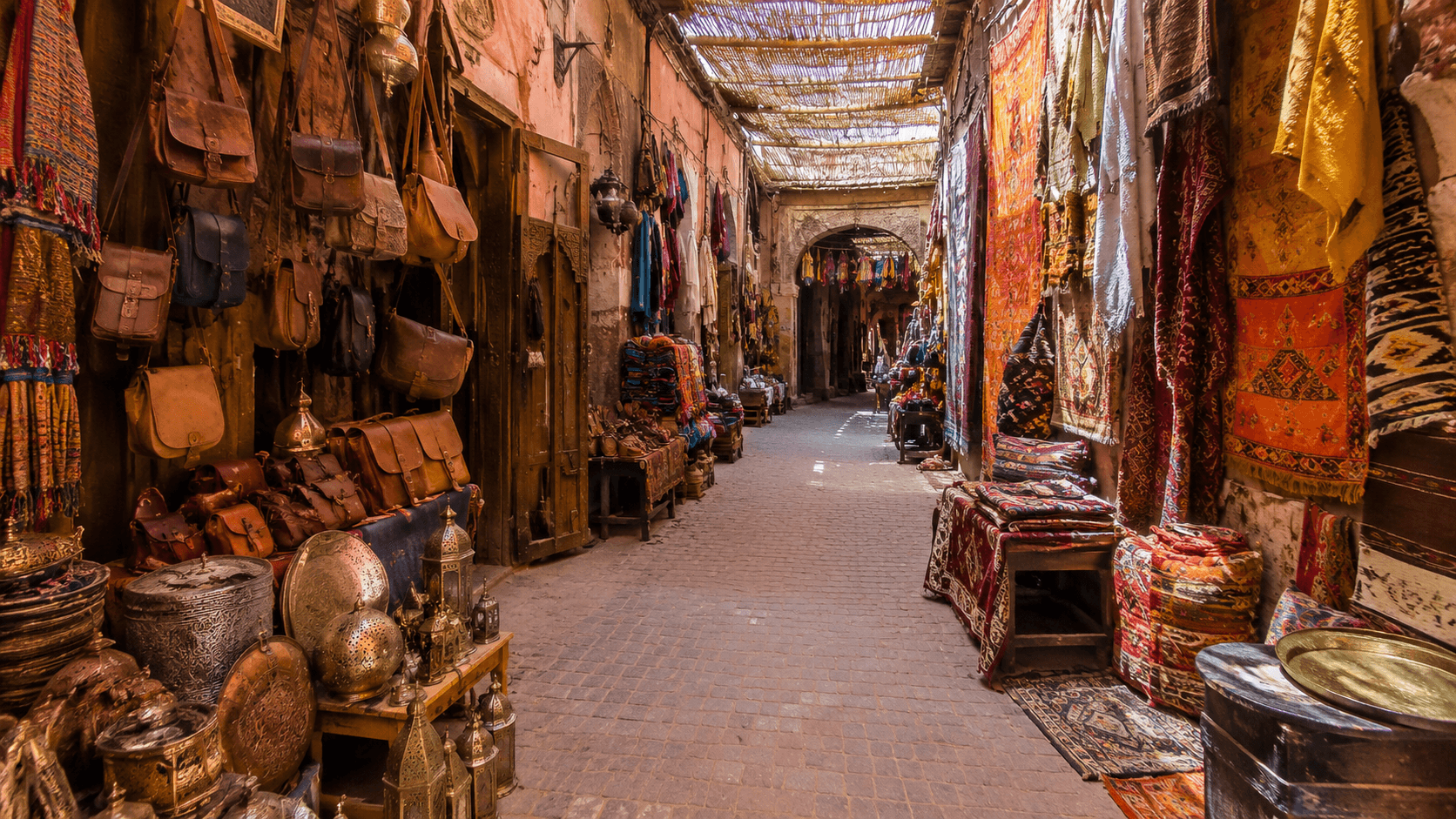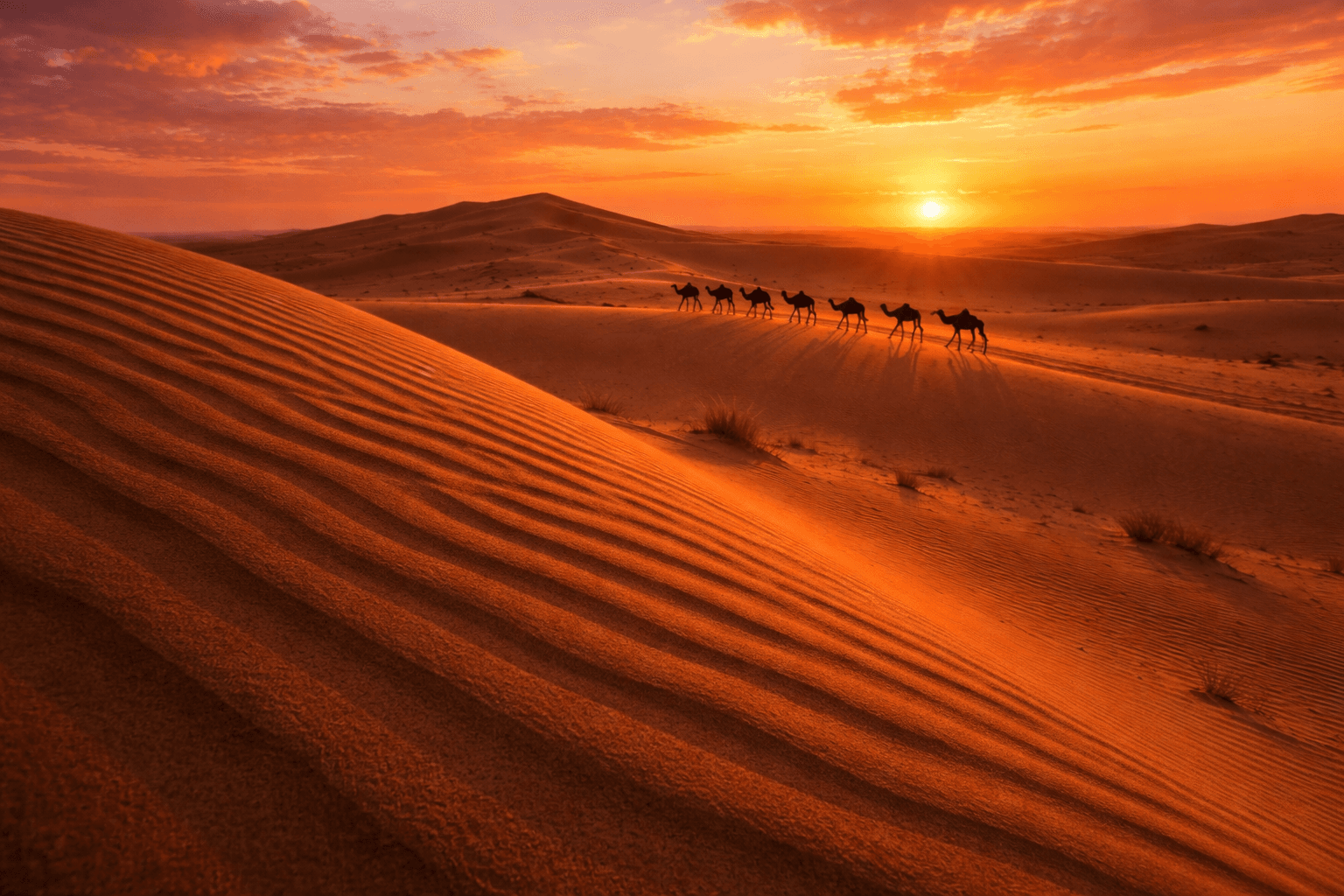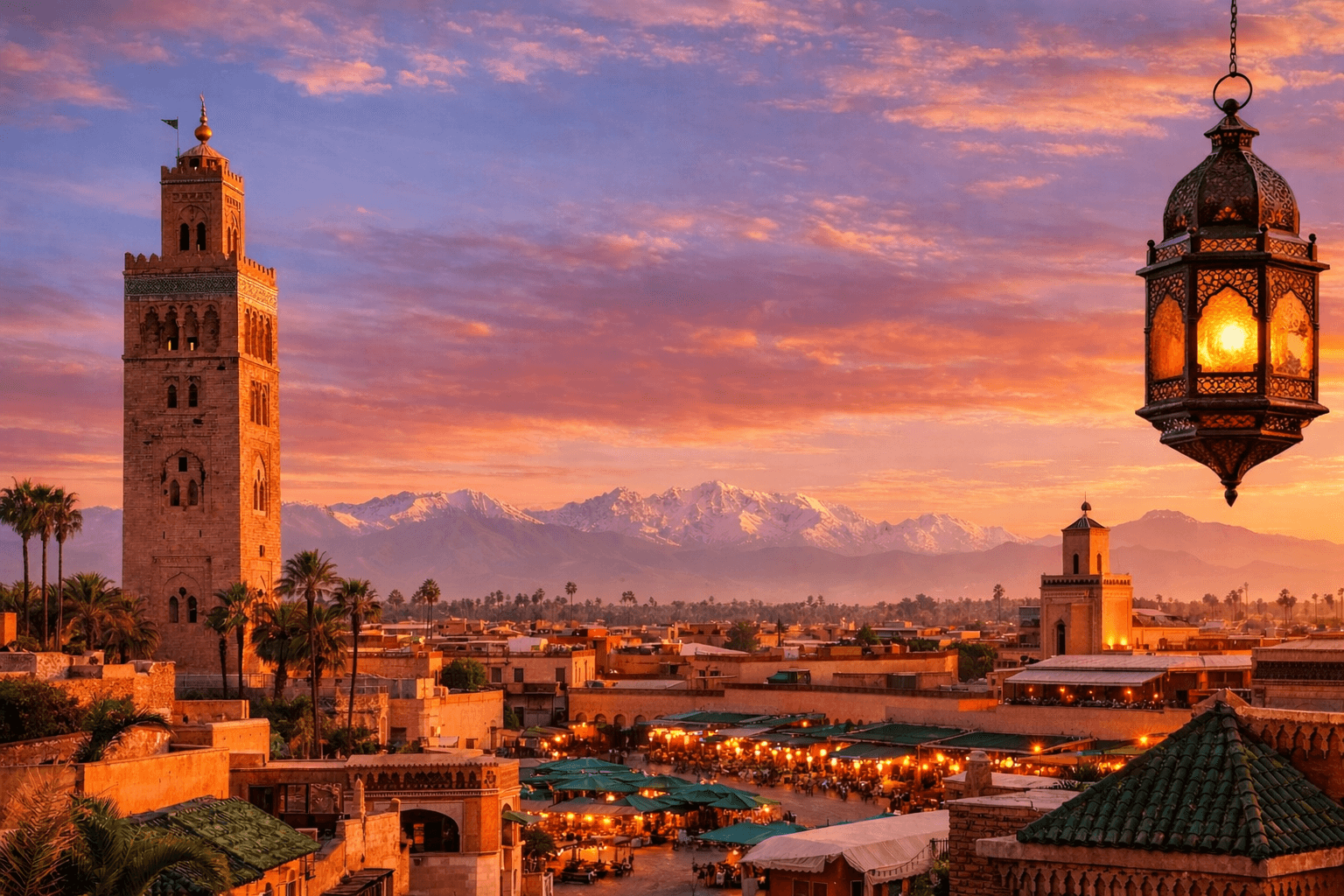



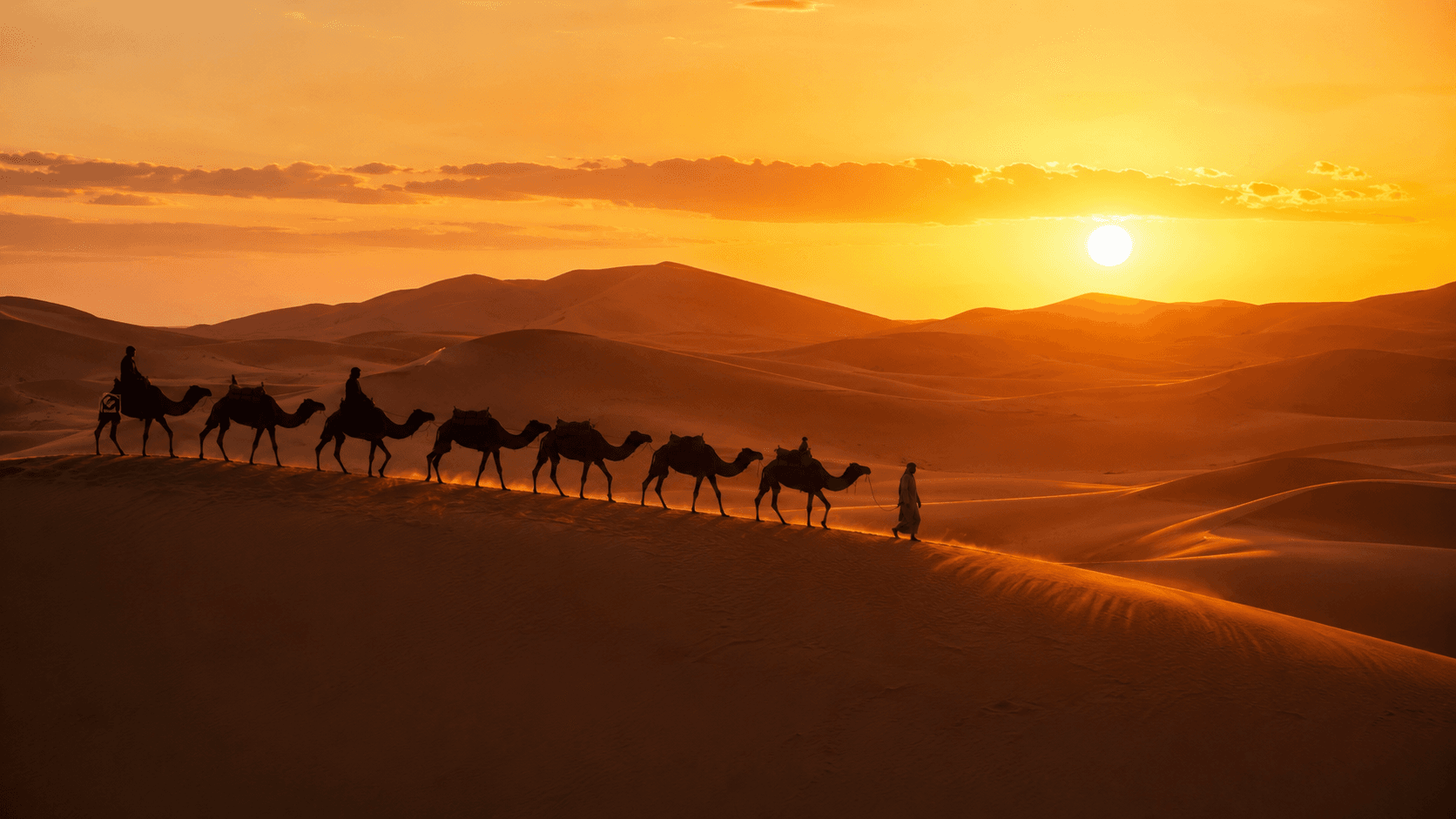
A camel trek across Morocco’s desert landscapes is one of the country’s most unforgettable travel experiences. Whether you picture a sunset ride over golden dunes, an overnight camp under the stars, or a peaceful sunrise in the Sahara, camel trekking remains one of the most iconic ways to experience Morocco beyond the cities.
For many travelers, this is the moment that defines their trip. The pace slows down, the noise disappears, and the landscape becomes the experience itself. Camel trekking is not about speed or adrenaline. It is about atmosphere, silence, scenery, and the feeling of entering a completely different environment from Morocco’s medinas and coastal cities.
The most famous desert regions for camel trekking are Merzouga’s Erg Chebbi dunes and the Zagora desert routes leading toward Erg Chigaga. Both offer very different experiences. Merzouga is known for dramatic golden dunes and classic Sahara scenery, while Zagora is often easier to reach from Marrakech and works well for shorter desert itineraries.
This guide explains everything you need to know before booking: the differences between the main desert regions, ride durations, overnight camps, pricing expectations, what camel trekking actually feels like, what to pack, ethical considerations, and how to choose the right experience for your travel style.
Before planning your desert route, it is worth reading our full Sahara Desert Guide and detailed Merzouga Dunes Guide for a broader overview of Morocco’s desert regions.
Why Camel Trekking Belongs on Every Morocco Trip
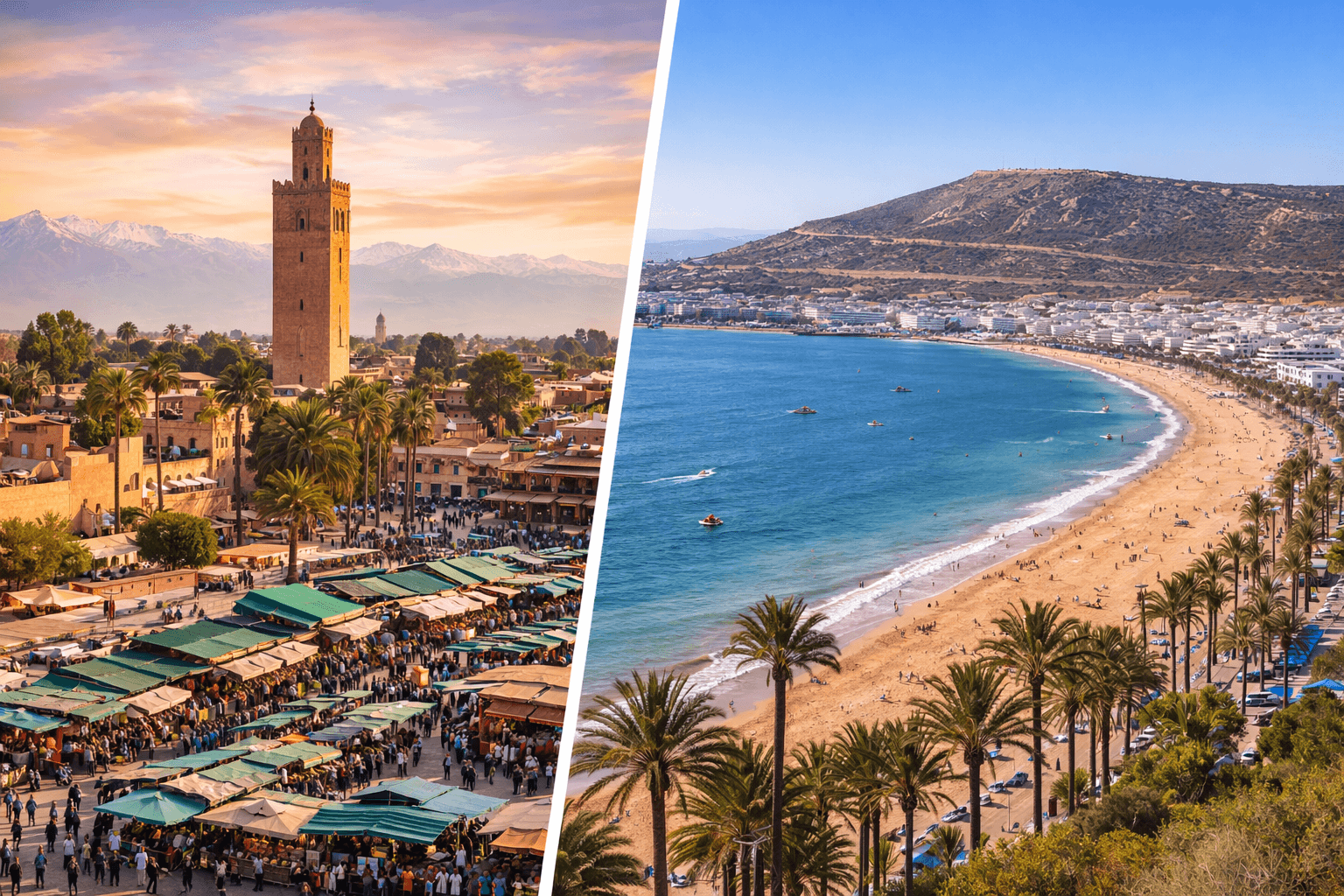
Morocco offers beaches, mountains, medinas, riads, surf towns, and ancient kasbahs, but the desert remains one of its most emotional and memorable experiences. Camel trekking gives travelers a slower and more immersive way to discover that landscape.
Unlike a simple viewpoint stop, a camel ride lets you move through the dunes gradually and quietly. The changing light, the shifting sand, and the silence of the desert create a completely different rhythm from the rest of the country. This is why so many travelers include a Sahara experience even when they only have a limited itinerary.
Camel trekking also works for many types of travelers. Couples often choose sunset or overnight rides for the atmosphere and stargazing. Families enjoy shorter routes that introduce children to the desert in a manageable way. Photographers and nature lovers appreciate the scenery and light conditions, especially at sunrise and sunset.
For most visitors, the goal is not the camel itself. It is the complete desert experience: the journey into the dunes, the peaceful setting, traditional camp dinners, and the feeling of disconnecting from busy daily life.
Travelers looking for organized experiences can also explore available camel-ride activities before deciding which route and duration fit their trip.
Merzouga (Erg Chebbi) vs Zagora (Erg Chigaga): Which Dunes Should You Choose?
Choosing the right desert region is one of the biggest decisions when planning a camel trek in Morocco. The two most common options are Merzouga and Zagora, but they offer very different experiences.
Merzouga (Erg Chebbi)
Merzouga is Morocco’s most famous desert destination and the one most travelers imagine when they think about the Sahara. Erg Chebbi features large rolling dunes with deep golden colors and dramatic landscapes that feel truly cinematic.
This region is ideal if:
- You want classic Sahara scenery
- You are looking for large dunes
- You want strong sunrise and sunset photography
- You are planning an overnight luxury camp
- You want the “real desert” atmosphere
The main trade-off is distance. Merzouga is much farther from Marrakech or Fes than Zagora, so most itineraries involve a long drive or a multi-day road trip.
Zagora & Erg Chigaga
Zagora is often chosen by travelers who have less time but still want a desert experience. The nearby desert areas are less dramatic than Erg Chebbi, but they are easier to reach from Marrakech.
This region is ideal if:
- You only have 2–3 days
- You want a shorter desert trip
- You prefer a more accessible route
- You are combining desert with Marrakech
The dunes near Zagora are smaller than Merzouga’s, while Erg Chigaga offers more remote and wild desert scenery deeper into the region.
Which One Is Better?
Choose Merzouga if the desert is one of the main highlights of your Morocco trip.
Choose Zagora if you want a shorter and more accessible desert introduction without spending multiple long days driving.
For most travelers seeking the iconic Sahara image, Merzouga usually delivers the stronger experience overall.
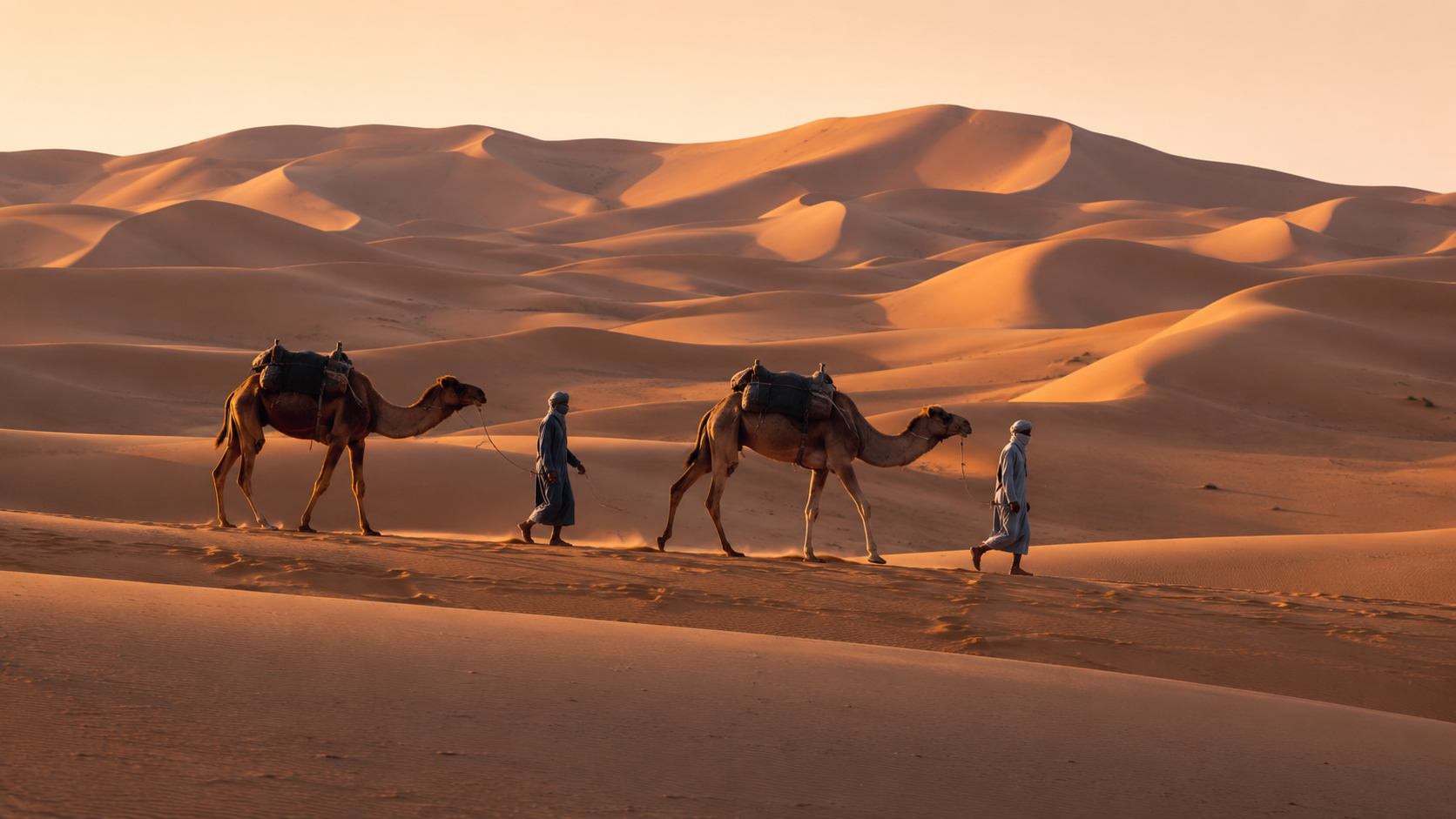
Ride Durations: 1 Hour, Half-Day, Sunset, or Overnight?
Camel trekking in Morocco is available in several formats, and the right choice depends on your comfort level, travel schedule, and interest in the desert experience itself.
1-Hour Camel Ride
This is the shortest and easiest option. It usually stays near the dunes or camp area and works well for:
- Families with children
- Travelers with limited time
- People unsure about riding comfort
- Quick photography sessions
It gives you a taste of the desert without requiring a major commitment.
Sunset Camel Ride
One of the most popular choices. These rides are timed to reach the dunes during golden-hour light conditions. The atmosphere is calm, photogenic, and ideal for couples or first-time visitors.
Sunset rides usually last between 1 and 2 hours depending on route length.
Half-Day Camel Trek
Half-day experiences allow travelers to go deeper into the dunes and spend more time away from busy camp zones. These tours often include tea stops, scenic viewpoints, and a more immersive feeling.
This format is ideal if:
- You enjoy photography
- You want more desert time without sleeping overnight
- You prefer slower travel experiences
Overnight Camel Trek
The overnight trek is the classic Morocco desert experience. Travelers ride into the dunes before sunset, spend the night in a desert camp, then return after sunrise the next morning.
This is usually the most rewarding option because it combines:
- Camel riding
- Sunset views
- Desert silence
- Traditional dinner
- Campfire atmosphere
- Stargazing
- Sunrise over the dunes
For many travelers, the overnight stay becomes one of the strongest memories of the entire Morocco trip.
The Overnight Desert Camp Experience
An overnight camel trek is about much more than transportation. The camp itself becomes part of the experience.
Most overnight treks begin in the late afternoon. After arriving at the departure point, travelers meet their guides and camels before slowly entering the dunes as the light changes toward sunset. The pace is calm and designed for scenery rather than distance.
When you arrive at camp, the atmosphere shifts completely. Depending on the type of camp you book, accommodation may range from simple traditional tents to luxury desert camps with private bathrooms, comfortable bedding, electricity, and full-service dining.
Typical overnight experiences include:
- Moroccan dinner
- Tea service
- Campfire gathering
- Traditional music
- Stargazing
- Sunrise wake-up
- Morning camel return
Luxury camps focus more on comfort and photography-friendly setups, while standard camps usually emphasize simplicity and atmosphere.
One of the most surprising parts for many travelers is the silence. Away from cities and roads, the desert becomes extremely quiet at night. Combined with the open sky and stars, this creates the emotional side of the experience that photos rarely capture fully.
Travelers should also understand that desert temperatures change quickly. Even warm days can become cold after sunset during certain seasons, especially in winter.
What It Actually Feels Like to Ride a Camel
Many first-time visitors are curious about the physical side of camel trekking. The reality is usually less difficult than people expect, but it does feel different from riding a horse or sitting in a vehicle.
The most unusual moment is when the camel stands up and kneels down. Because camels rise in stages, riders feel a forward and backward motion at the start and end of the ride.
Once moving, the rhythm becomes slow and repetitive. Some travelers find it relaxing almost immediately, while others need a few minutes to adjust to the swaying motion.
Short rides are comfortable for most people. Longer treks can create mild soreness, especially for travelers unused to extended saddle seating. This is one reason many visitors prefer sunset or overnight routes rather than full-day riding.
The experience is generally peaceful rather than physically intense. The focus is usually on scenery, silence, and atmosphere rather than adventure or speed.
Pricing Guide by Duration & Location
Camel trekking prices in Morocco vary depending on:
- Location
- Ride duration
- Camp quality
- Group size
- Included meals or transport
- Luxury level
Typical Price Ranges
| Experience | Average Price Range |
|---|---|
| 1-hour camel ride | €15–€35 |
| Sunset camel trek | €25–€60 |
| Half-day trek | €40–€90 |
| Standard overnight camp | €60–€140 |
| Luxury overnight camp | €120–€350+ |
| Multi-day Sahara experience | €200–€600+ |
Merzouga luxury camps usually cost more than Zagora experiences because of the larger dunes and stronger demand.
When comparing prices, travelers should check:
- Camp quality
- Private vs shared tent
- Included meals
- Transfer options
- Guide services
- Camel ride duration
The cheapest option is not always the best value, especially for overnight stays.
What to Wear & Pack
The desert climate changes significantly between day and night, so clothing should focus on comfort and layers.
Recommended items include:
- Light breathable clothing
- Long sleeves for sun protection
- Sunglasses
- Sunscreen
- Comfortable trousers
- Closed shoes or secure sandals
- Scarf or head covering for wind and sand
- Warm layer for evening
- Small backpack
- Phone battery pack
Loose and practical clothing is usually best. Travelers should avoid overly heavy outfits during warm seasons.
For overnight stays, a small overnight bag is usually easier than large luggage.
Is Camel Trekking Ethical? What Should You Look For?
Ethical animal treatment matters, and travelers should pay attention to how camels are treated before booking.
Positive signs include:
- Healthy-looking animals
- Calm behavior
- Proper rest periods
- Clean equipment
- Responsible guides
- Reasonable ride durations
- Access to water and shade
Travelers should avoid operators where animals appear injured, exhausted, or poorly treated.
Responsible operators usually prioritize both guest experience and animal welfare. Reading recent reviews and choosing established providers is one of the best ways to support better standards.
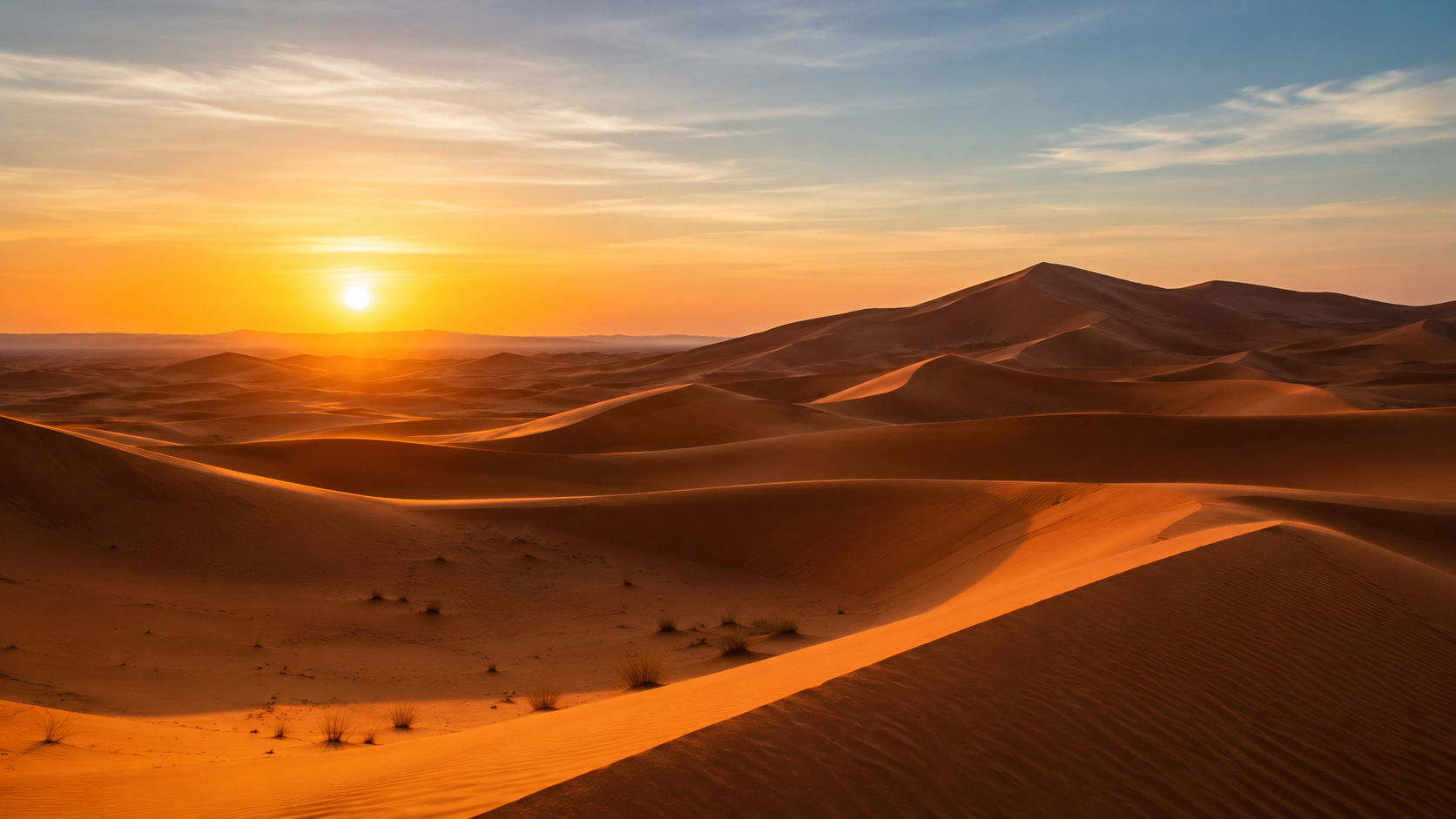
Best Time of Day & Best Season
The best time for camel trekking is usually:
- Sunrise
- Sunset
- Late afternoon
Midday desert heat can become uncomfortable, especially during summer.
Best Seasons
| Season | Experience |
|---|---|
| Spring | Excellent temperatures |
| Autumn | Excellent temperatures |
| Winter | Pleasant days, cold nights |
| Summer | Very hot daytime conditions |
Most travelers find October–April the most comfortable overall period for desert experiences.
Children, Seniors & Physical Considerations
Camel trekking is accessible for many travelers, but comfort levels vary.
Short rides are usually manageable for:
- Families
- Older travelers
- First-time riders
Overnight or longer treks may be less comfortable for travelers with:
- Serious back pain
- Balance difficulties
- Mobility limitations
Children should always ride with proper supervision and according to local operator age policies.
When unsure, shorter sunset rides are usually the safest starting point.
FAQ
1. Is camel trekking in Morocco worth it?
Yes. For many travelers, camel trekking becomes one of the most memorable parts of visiting Morocco because of the scenery, atmosphere, and desert camp experience.
2. Which is better for camel trekking: Merzouga or Zagora?
Merzouga is generally better for classic Sahara dunes and dramatic scenery. Zagora is easier to reach from Marrakech and works well for shorter trips.
3. How long should a camel trek be?
Sunset and overnight treks are usually the most popular because they combine comfortable ride duration with the best desert light and atmosphere.
4. Is camel riding uncomfortable?
Most people adjust quickly, though longer rides can create mild soreness due to the swaying motion and saddle position.
5. What should I wear for a camel trek?
Light breathable clothes, sunglasses, sunscreen, comfortable shoes, and a warm layer for evening temperatures are recommended.
6. Is camel trekking safe for children?
Yes, many operators welcome families, especially for shorter rides. Parents should still confirm age suitability and supervision details before booking.
7. Are overnight desert camps comfortable?
Many are surprisingly comfortable, especially luxury camps that include proper beds, private tents, and modern amenities.
8. What is included in most overnight camel treks?
Most include the camel ride, dinner, overnight accommodation, breakfast, and return transfer by camel.
9. Can you do a camel trek from Marrakech?
Yes, but most Marrakech-based camel treks involve a road trip toward Zagora or Merzouga first.
10. Is camel trekking ethical in Morocco?
It can be ethical when operators treat animals responsibly. Travelers should choose providers with good reviews and healthy-looking animals.
11. What is the best season for camel trekking?
Spring and autumn usually offer the most comfortable temperatures for desert travel.
12. Do I need experience to ride a camel?
No. Most travelers are complete beginners, and guides explain the basics before the ride starts.
Book with MarHire CTA
A camel trek is more than just a ride. It is one of Morocco’s most iconic travel experiences, combining dunes, sunsets, desert silence, campfires, and unforgettable landscapes in a way few other activities can match.
Whether you want a short sunset ride, a luxury overnight camp, or a complete Sahara road-trip experience, MarHire helps travelers choose the right desert adventure based on comfort level, travel time, and destination.
Explore our camel-ride activities or start planning with our complete Sahara Desert Guide and detailed Merzouga Dunes Guide before booking your desert journey.