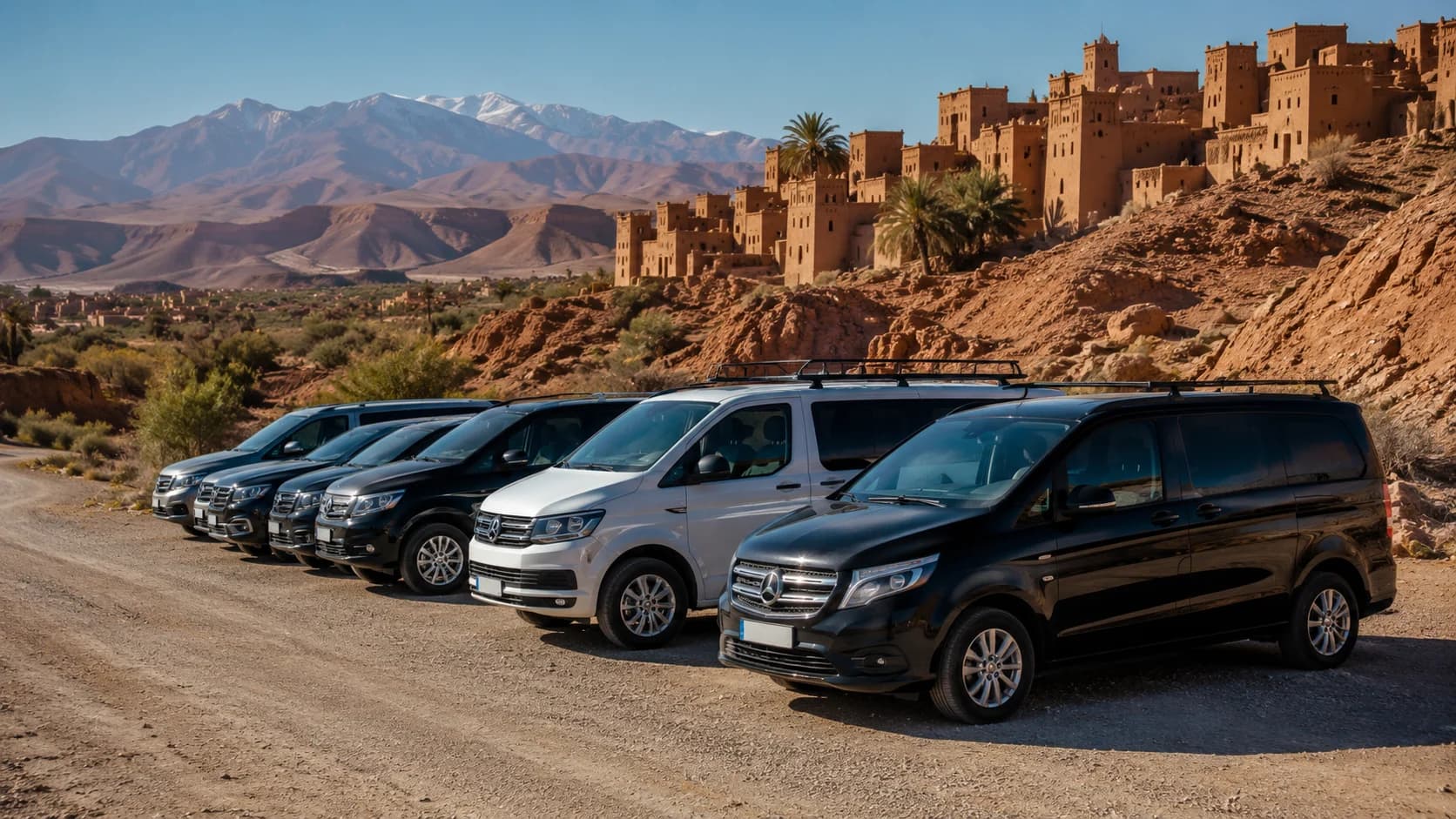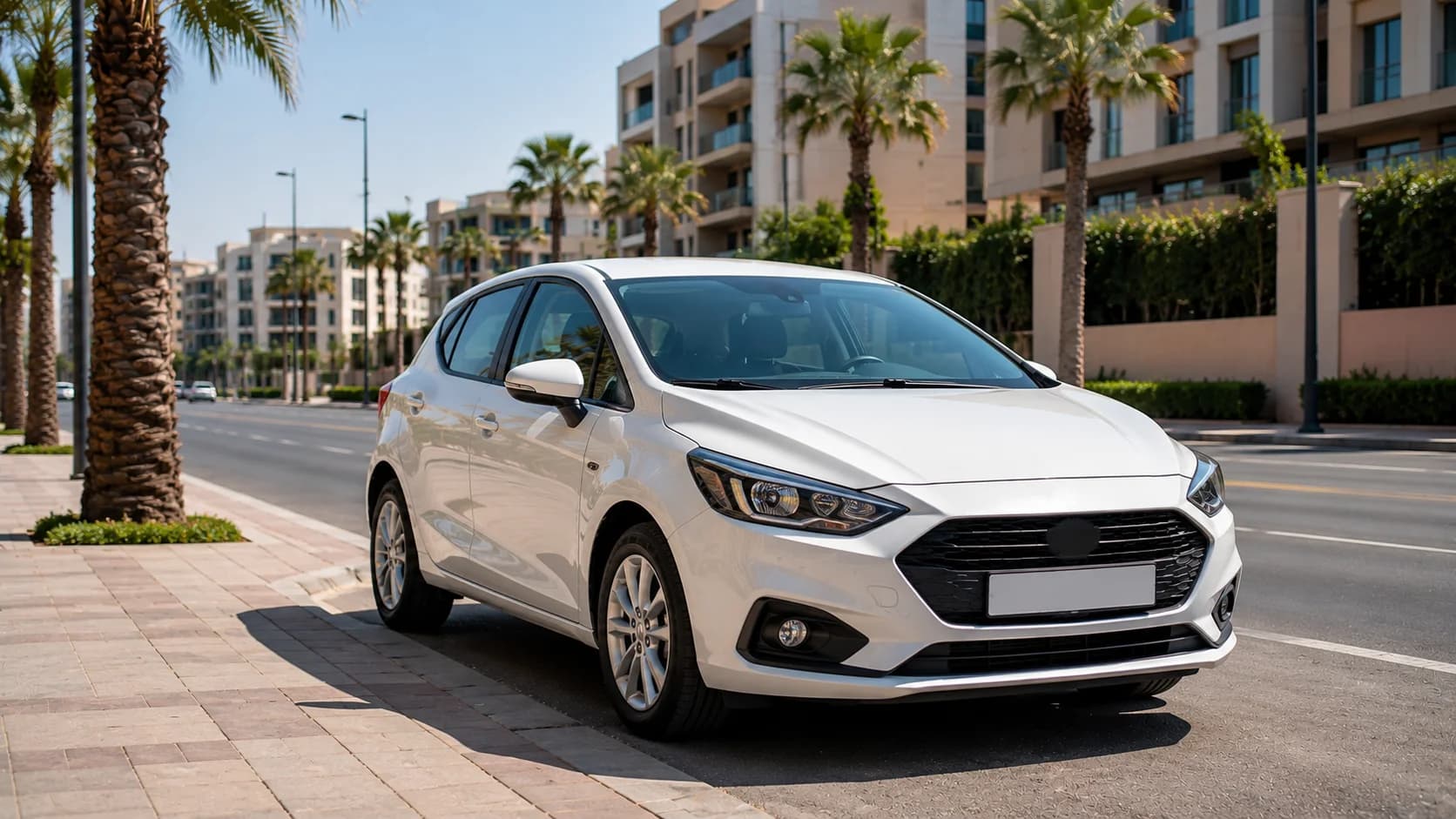









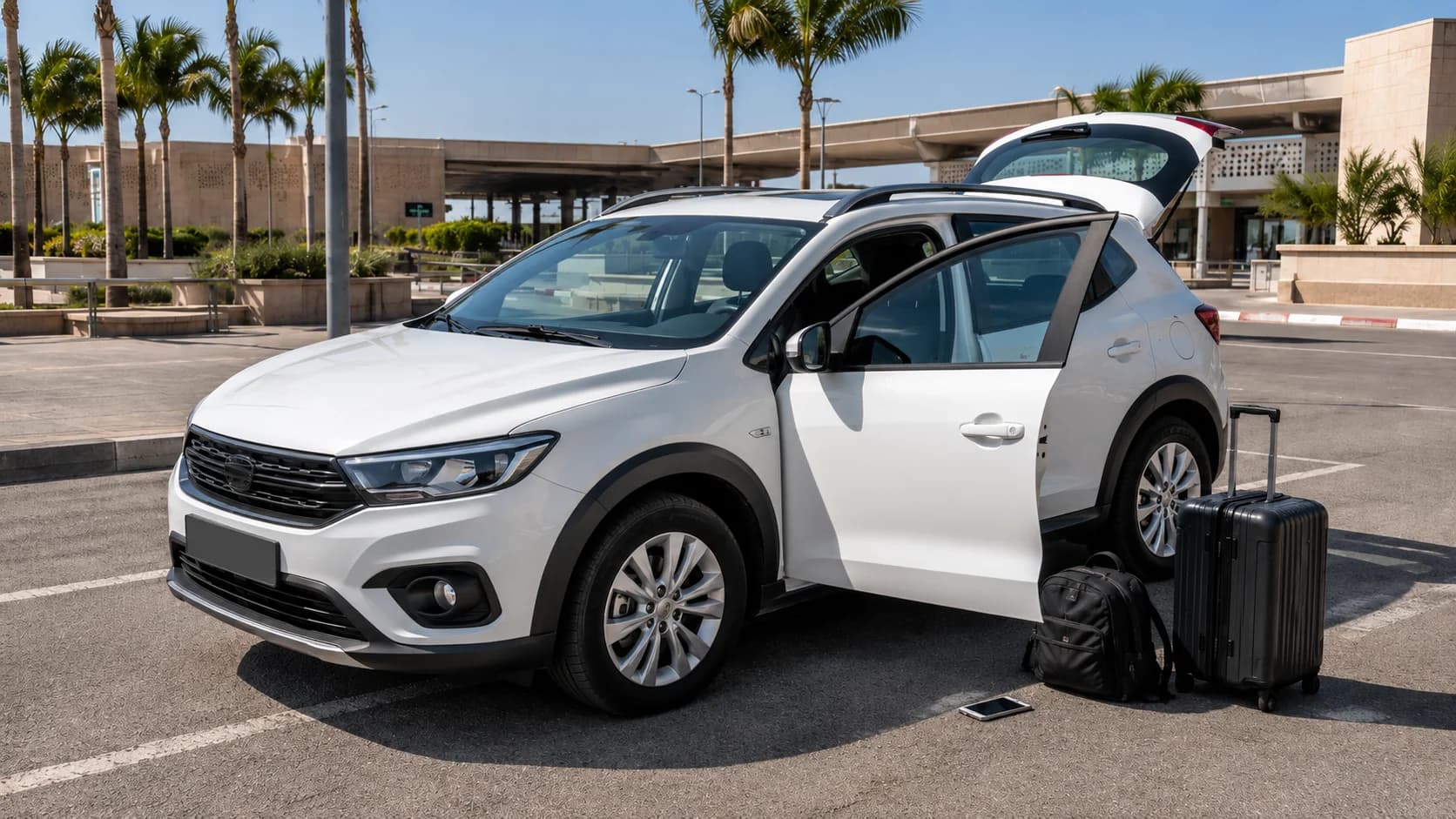
Picking up a rental car in Morocco should take more than handing over your licence, collecting the keys and driving away. Before accepting the vehicle, take a few minutes to inspect its condition, photograph existing damage, check the tyres and lights, confirm the fuel level and mileage, test essential equipment and make sure the written rental conditions match what you were promised.
This simple inspection can prevent disagreements when you return the car and helps you identify safety or mechanical problems before starting a road trip through Morocco.
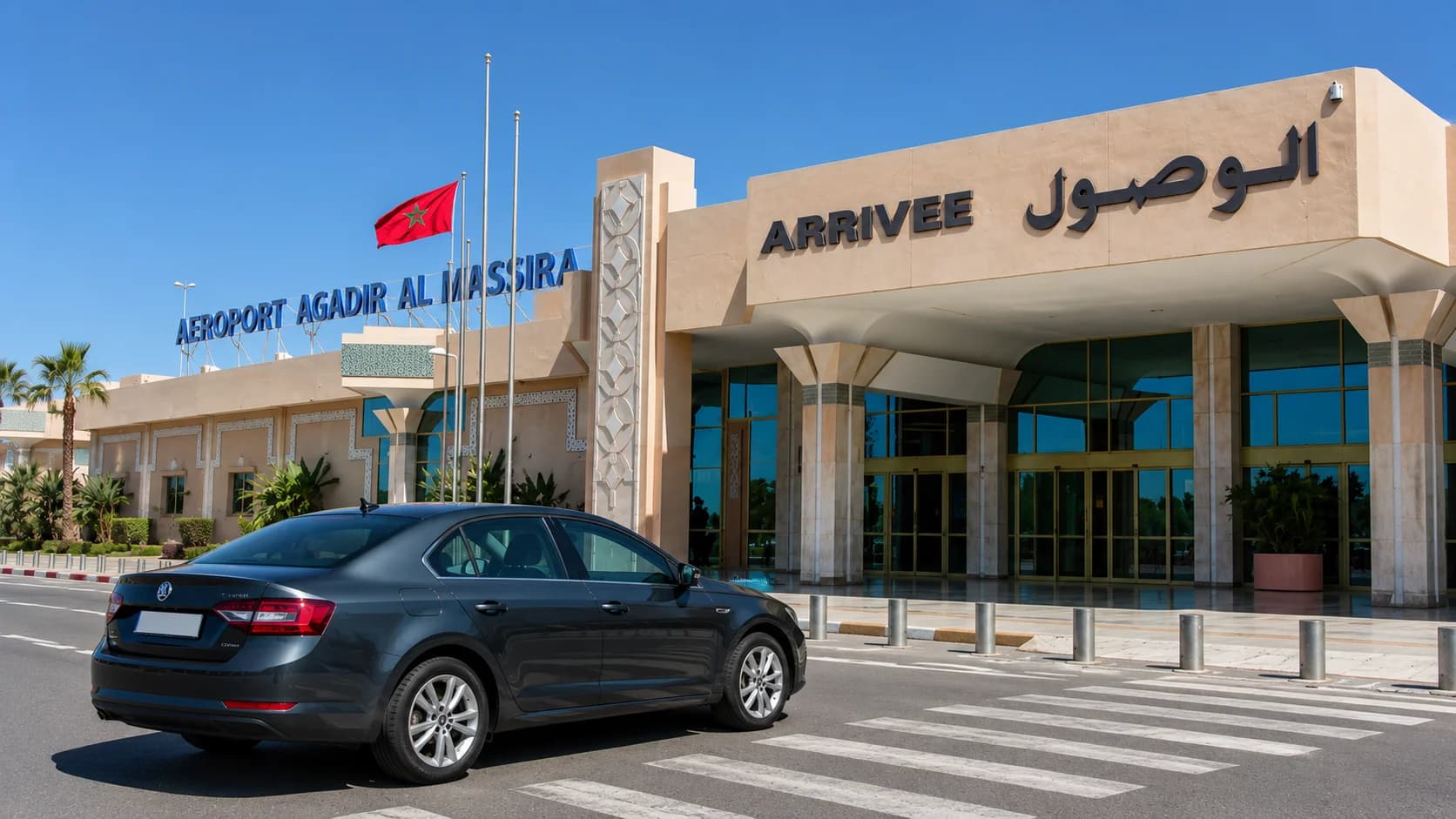
Whether you are collecting a car at Marrakech Airport, Casablanca Mohammed V Airport, Tangier, Agadir, Fes or directly from your hotel, this guide explains exactly what to check before accepting a rental car in Morocco.
Table of Contents
- Why inspecting a rental car matters
- How to photograph the car properly
- Exterior damage to check
- Tyres and wheels
- Windscreen, mirrors and lights
- Interior condition
- Dashboard warning lights
- Air conditioning and electronics
- Fuel and mileage
- Insurance and excess
- Security deposits
- Rental documents
- Emergency and roadside support
- Airport and hotel pickup
- What to do if you find a problem
- Final pre-drive checklist
- Frequently asked questions
What Should You Check Before Accepting a Rental Car in Morocco?
Before accepting a rental car in Morocco, inspect the exterior and interior for existing damage, photograph or video the vehicle, check all four tyres, verify the fuel level and mileage, test the lights, air conditioning and dashboard warning lights, confirm the spare tyre or repair kit, and review the insurance, deposit, mileage and fuel conditions in your rental agreement.
Do not drive away until any existing damage has been recorded by the rental company.
Rental Car Pickup Checklist at a Glance
| What to check | What to look for |
|---|---|
| Exterior | Scratches, dents, paint damage and cracked trim |
| Windscreen | Chips, cracks and visibility |
| Wheels | Scrapes, damaged rims and tyre condition |
| Tyres | Visible damage, low pressure or excessive wear |
| Lights | Headlights, brake lights and indicators |
| Interior | Seat damage, stains and broken controls |
| Dashboard | Warning lights after the engine starts |
| Air conditioning | Cooling and fan operation |
| Fuel | Actual level versus rental document |
| Mileage | Starting odometer reading |
| Documents | Rental agreement and required vehicle papers |
| Insurance | Coverage, excess and exclusions |
| Deposit | Amount, payment method and release conditions |
| Mileage allowance | Daily limit or unlimited kilometres |
| Fuel policy | Same-to-same, full-to-full or other arrangement |
| Equipment | Spare wheel or repair kit, jack and warning equipment |
| Keys | Main key and any available spare |
| Photos/video | Complete record before departure |
A five-to-ten-minute inspection is usually far easier than trying to prove later that a scratch or damaged wheel existed before your rental began.
Why Should You Inspect a Rental Car Before Driving Away?
The main purpose of a rental-car inspection is to establish the condition of the vehicle before you become responsible for it.
A rental vehicle may already have a small bumper scratch, wheel scuff, dent, windscreen chip or interior mark. These issues are not necessarily a reason to reject the car. The important point is that they are clearly documented before departure.
Recording the vehicle also gives both the renter and the rental company a common reference when the car is returned.
This is especially important if you are planning a longer Morocco road trip involving destinations such as Marrakech, Essaouira, Casablanca, Rabat, Tangier, Chefchaouen, Fes, Agadir or the Atlas region.
The Moroccan National Tourist Office confirms that rental agencies are widely available in the country and notes that Morocco drives on the right, with road signs commonly displayed in French and Arabic.
Travelers who have not yet selected a vehicle can compare available car rental in Morocco options before choosing a category suited to their itinerary.
1. Photograph or Video the Entire Car
This is one of the most useful things you can do during pickup.
Before moving the vehicle, use your phone to make a continuous video walking around the entire car.
Record:
-
front bumper
-
bonnet
-
windscreen
-
driver's side
-
passenger side
-
rear bumper
-
roof where visible
-
wheels
-
mirrors
-
lights
-
interior
-
dashboard
-
odometer
-
fuel gauge
Take separate close-up photographs of any visible scratches, dents or damaged wheels.
Make Sure Your Photos Are Clear
Good documentation should show both the damage and where it is located on the car.
For example, instead of taking only a close-up of a scratch, take:
-
one wider photograph showing the entire door or bumper;
-
one closer photograph showing the damage clearly.
Keep the original photographs and videos on your phone until the rental has been completed and any deposit has been returned.
The Moroccan National Tourist Office has also previously recommended checking rental cars for existing bumps and noted that some travelers photograph or film the vehicle when it is handed over to avoid disputes when returning it.
2. Check Existing Scratches, Dents and Body Damage
Walk slowly around the car in good light.
Look carefully at:
-
front and rear bumpers
-
doors
-
wheel arches
-
bonnet
-
boot or tailgate
-
side skirts
-
mirrors
-
roof edges
Small parking scratches are particularly easy to overlook.
If the vehicle has an inspection sheet or digital condition report, compare the recorded damage with the actual car.
What If You Find Damage That Is Not on the Rental Form?
Show it to the rental representative before leaving.
Ask for the damage to be:
-
added to the inspection sheet;
-
recorded digitally; or
-
acknowledged in writing.
Your own photos are helpful evidence, but having the rental company acknowledge the damage provides an additional record.
3. Inspect the Wheels and Tyres
Travelers sometimes concentrate entirely on paint scratches and forget the tyres.
That can be a mistake, particularly if your Morocco itinerary involves hundreds of kilometres of driving.
Look at all four tyres.
Check for:
-
obviously low tyre pressure
-
cuts or bulges
-
serious sidewall damage
-
visibly excessive wear
-
objects embedded in the tyre
-
damaged wheel rims
Also inspect the wheels for existing curb damage.
Why Tyres Matter on a Morocco Road Trip
A vehicle used only for city driving in Casablanca has a different operating environment from one being driven between Marrakech and the Atlas Mountains or from Fes toward mountainous areas.
You do not need to perform a professional mechanical inspection, but anything that appears unsafe should be brought to the rental company's attention before departure.
If you are planning longer or more demanding routes, choosing an appropriate vehicle from the start can also help. MarHire offers different categories through its main Morocco car rental page.
4. Check the Windscreen, Windows and Mirrors
Look carefully for:
-
windscreen chips
-
cracks
-
damaged mirrors
-
cracked side windows
-
broken window mechanisms
A very small windscreen chip can be difficult to notice during a rushed airport pickup, especially at night.
Photograph any existing chip clearly.
Also verify that:
-
electric windows operate;
-
mirrors can be adjusted;
-
the rear-view mirror is secure;
-
visibility is unobstructed.
5. Test the Headlights, Indicators and Brake Lights
Before starting your trip, check basic vehicle lighting.
Test:
-
low-beam headlights
-
high-beam headlights
-
indicators
-
hazard lights
-
rear lights
-
brake lights where possible
Lighting becomes especially important if your itinerary includes evening driving, early departures or rural roads.
If another person is traveling with you, have them stand outside the vehicle while you test the lights.
If you are traveling alone, the rental representative can usually help.
6. Start the Engine and Look at the Dashboard
Start the vehicle and allow the dashboard to complete its normal startup sequence.
Some warning symbols illuminate briefly when the ignition is switched on. What matters is whether unusual warning lights remain illuminated once the engine is running.
Pay particular attention to warnings associated with:
-
engine system
-
oil
-
battery
-
brakes
-
tyre pressure
-
temperature
If an unfamiliar warning stays illuminated, ask about it before leaving the pickup location.
Do not simply assume that every dashboard warning is normal.
7. Test the Air Conditioning
Air conditioning is not merely a luxury during a Moroccan summer.
Before accepting the car:
-
turn the air conditioning on;
-
set the temperature low;
-
increase the fan speed;
-
wait briefly;
-
confirm that cold air is actually produced.
This is particularly relevant for summer travel in cities such as Marrakech, Fes, Casablanca and Agadir or for longer road trips.
Also test the ventilation controls and demister.
Discovering that the air conditioning does not work after you have already driven 100 kilometres away from the rental location creates a much more difficult problem than identifying it during pickup.
8. Check the Seats, Seat Belts and Interior
Inspect the cabin before loading your luggage.
Look for:
-
damaged upholstery
-
stains
-
burns
-
broken interior panels
-
cracked dashboard components
-
missing headrests
-
damaged seat mechanisms
Then test the seat belts.
Every seat you plan to use should have a functioning belt.
If you requested a child seat, confirm:
-
the requested seat is present;
-
it appears undamaged;
-
it can be installed securely;
-
it is appropriate for the child.
Photograph significant existing interior damage just as you would exterior damage.
9. Confirm the Fuel Level
Before driving away, compare the actual fuel gauge with the level shown on the rental agreement.
For example, if the document records the vehicle at three-quarters full but the gauge shows only half a tank, have the record corrected.
Ask Which Fuel Policy Applies
Common policies include:
Same-to-same:
Return the vehicle with approximately the same amount of fuel as when collected.
Full-to-full:
Collect the vehicle with a full tank and return it full.
Do not assume the policy.
The confirmed rental agreement should determine what you need to do.
Taking a photograph of the dashboard showing the fuel gauge and odometer together is a useful way to record both.
10. Record the Starting Mileage
Photograph the odometer before driving away.
Then compare it with any mileage figure shown on the rental agreement.
This matters particularly if the booking includes a mileage allowance.
Before accepting a rental car in Morocco, establish whether the vehicle has:
-
unlimited kilometres;
-
a daily kilometre allowance;
-
a total rental allowance; or
-
an additional charge for exceeding the allowance.
Mileage terms can vary between vehicles, suppliers and rental periods.
For example, MarHire's current rental conditions state that unlimited kilometres apply to certain longer rentals while shorter bookings may have defined mileage conditions, so travelers should always check the terms attached to the selected vehicle.
11. Check the Transmission You Booked
This sounds obvious, but it matters.
If you booked an automatic vehicle, confirm that the vehicle provided is actually automatic.
If you booked manual, make sure you are comfortable driving a manual transmission before leaving.
The Moroccan National Tourist Office notes that many vehicles in Morocco traditionally use manual transmissions, although automatic rentals are increasingly available.
Travelers specifically requiring an automatic vehicle should therefore make this requirement clear during booking and verify it again at pickup.
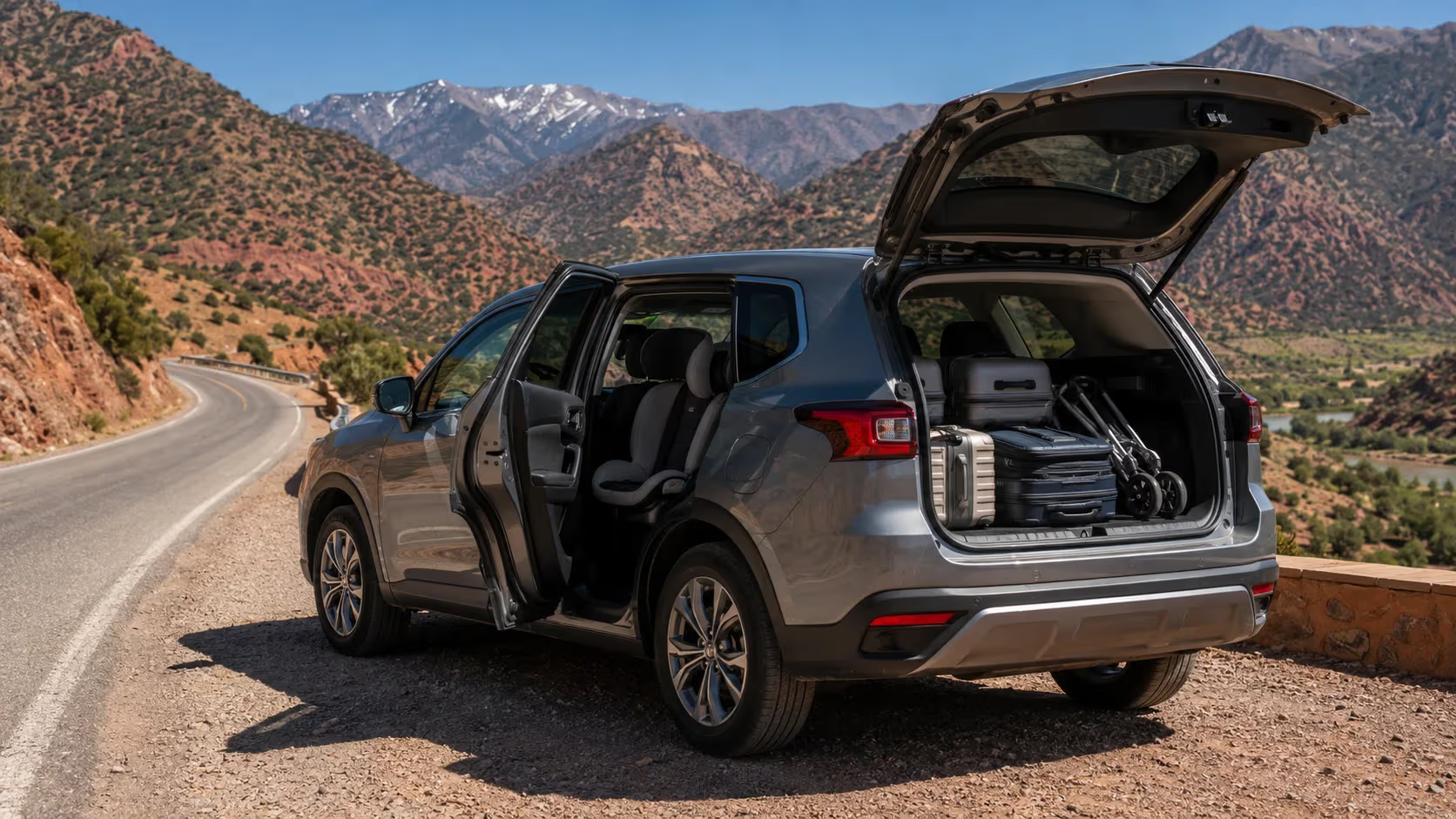
12. Confirm the Vehicle Category and Luggage Space
Do not judge suitability only by the number of passenger seats.
A five-seat car does not necessarily have enough boot space for:
-
five passengers;
-
five large suitcases;
-
cabin bags;
-
stroller;
-
child equipment.
Before final acceptance, make sure your luggage actually fits safely.
For example:
| Trip type | Typical useful category |
|---|---|
| Couple with light luggage | Compact or hatchback |
| City trip | Compact or sedan |
| Couple with several suitcases | Sedan |
| Family of four | Sedan or SUV |
| Family with bulky luggage | SUV or MPV |
| 6–7 travelers | 7-seater / MPV |
| Longer road trip | Sedan or SUV depending on route |
Do not place luggage where it obstructs the driver's visibility.
13. Check the Spare Wheel or Tyre Repair Equipment
Ask where the tyre equipment is located.
Depending on the vehicle, this may include:
-
spare wheel;
-
tyre repair kit;
-
jack;
-
wheel wrench.
Modern vehicles do not always include a traditional spare tyre, so ask what procedure should be followed if you get a flat.
Most importantly, know who to contact if you cannot continue driving.
14. Understand the Insurance Before Signing
Insurance is one of the areas most likely to cause confusion during car rental.
Before accepting the car, understand:
-
what insurance is included;
-
whether an excess applies;
-
how large the excess is;
-
which parts of the vehicle are excluded;
-
whether tyres or wheels are covered;
-
whether glass is covered;
-
what happens after an accident;
-
whether a police or accident report is required.
Do not rely only on phrases such as:
"fully insured"
or:
"full coverage."
Ask what the policy actually covers.
MarHire, for example, currently offers different protection arrangements where deposits, excess amounts and exclusions can vary according to the confirmed protection plan.
Travelers particularly concerned about security deposits can also review current no-deposit car rental Morocco options before booking.
15. Confirm the Security Deposit
Before accepting the vehicle, know exactly what happens with the deposit.
Ask:
-
Is a security deposit required?
-
How much is it?
-
How is it paid or authorized?
-
Is it charged or only blocked?
-
When is it released?
-
Under what circumstances could deductions occur?
Do not confuse a booking payment with a security deposit.
They are different things.
Also remember that a no-deposit rental does not remove the need to inspect the vehicle. Even MarHire's current no-deposit guidance specifically recommends documenting the car's condition before departure.
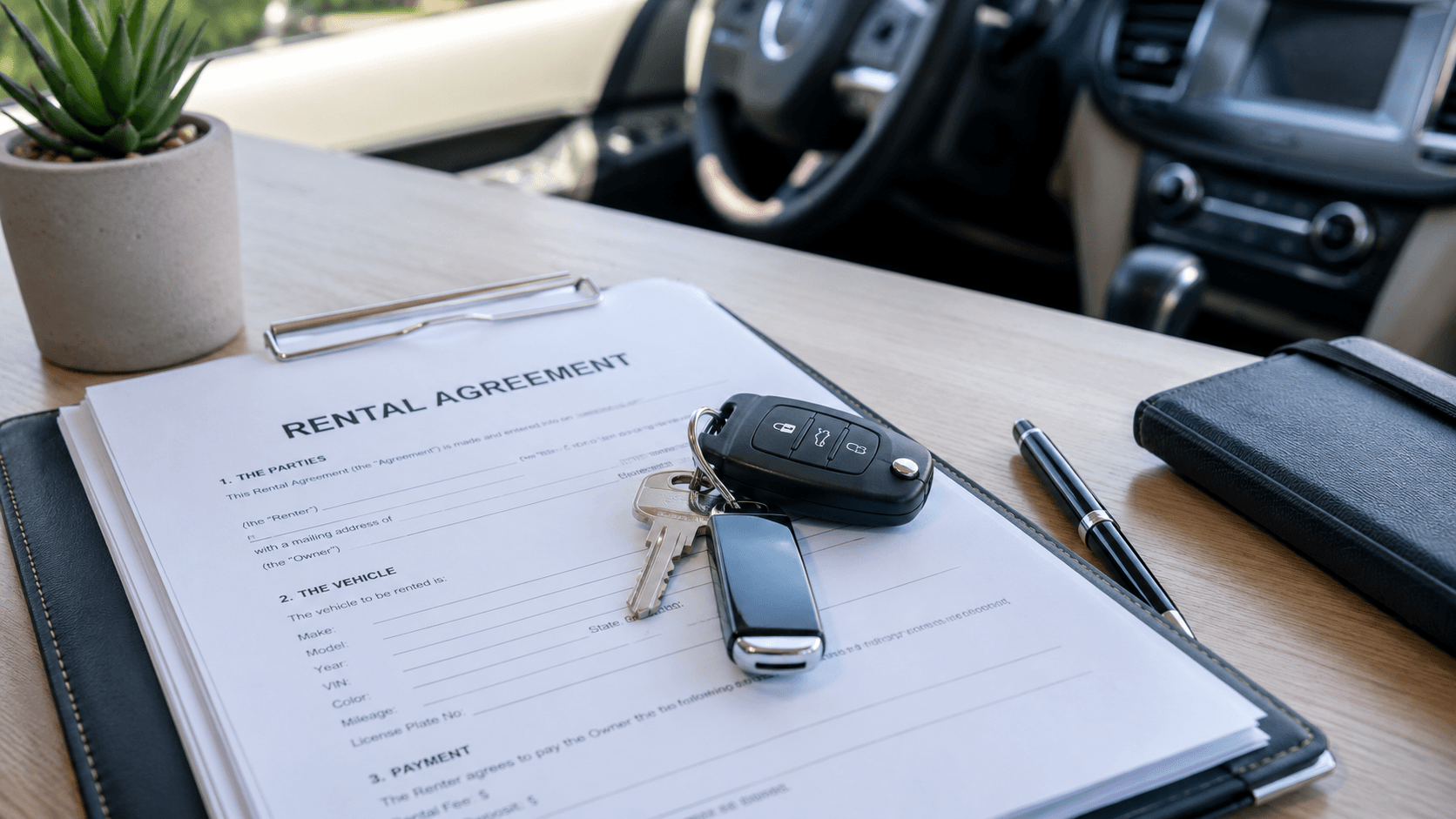
16. Read the Rental Agreement Before Accepting the Keys
Before signing or confirming collection, compare the contract with what you booked.
Check:
-
driver's name
-
vehicle
-
pickup date
-
return date
-
pickup location
-
return location
-
rental price
-
payments already made
-
remaining amount
-
security deposit
-
insurance
-
excess
-
mileage
-
fuel policy
-
additional drivers
-
optional equipment
-
one-way fee where applicable
If something does not match the booking confirmation, resolve it before departing.
17. Confirm the Return Location and Procedure
The pickup experience may be fresh in your mind, but also think ahead to the return.
Ask:
-
Where exactly should I return the car?
-
Is airport return at the terminal, parking area or meeting point?
-
Do I need to call before arrival?
-
Is after-hours return available?
-
How early should I arrive?
-
Will the vehicle be inspected with me present?
Save the return contact details.
If your return city is different from your pickup city, verify the one-way arrangement in writing.
18. Save the Rental Company's Support Number
Before you start driving, make sure you know who to contact for:
-
breakdown
-
flat tyre
-
accident
-
warning light
-
lost key
-
vehicle problem
-
late return
-
change of drop-off plan
Do not rely on searching for a contact number after an incident occurs.
Save it in your phone before leaving.
MarHire currently provides 24/7 WhatsApp assistance for rental issues, breakdowns and accidents on its Morocco rental service.
19. Ask What to Do After an Accident
This is a question worth asking before you need the answer.
Clarify:
-
who you should contact first;
-
whether police must attend;
-
what accident documentation is required;
-
which photographs should be taken;
-
whether the vehicle can still be driven;
-
what happens if replacement transportation is necessary.
Insurance coverage often depends on following the correct accident procedure.
Keep copies of your rental agreement and insurance information accessible during the trip rather than buried beneath luggage.
20. Check Navigation and Phone Charging
Before leaving the airport, hotel or rental location, test:
-
USB ports
-
12V socket where available
-
navigation system if provided
-
phone holder if supplied
Download useful maps before heading into areas with limited mobile coverage.
For motorway travel, the Moroccan National Tourist Office also recommends the Autoroutes du Maroc app, which can provide information about motorway traffic events, roadworks, congestion, toll rates and points of interest.
See the Moroccan National Tourist Office's useful travel applications
21. Check the Car Before Loading Your Luggage
Whenever possible, complete the vehicle inspection before placing bags inside the boot.
This makes it easier to:
-
inspect the boot floor;
-
check the spare wheel area;
-
photograph the interior;
-
verify luggage capacity;
-
reject an unsuitable vehicle.
Once a family has loaded six suitcases, fitted a child seat and settled everyone inside, people often become reluctant to raise problems.
Inspect first. Load second.
Airport Pickup in Morocco: What Changes?
The checklist itself does not change whether you collect the car at:
-
Marrakech Menara Airport
-
Casablanca Mohammed V International Airport
-
Agadir Al Massira Airport
-
Tangier Ibn Battouta Airport
-
Fes Saïss Airport
-
Rabat-Salé Airport
-
Essaouira-Mogador Airport
What changes is the environment.
Airport pickups can occur:
-
inside or outside the terminal;
-
in a designated parking area;
-
through a rental desk;
-
via a representative meeting you after arrival.
If you land after dark, use your phone's flashlight when inspecting paintwork and wheels.
If the lighting is genuinely too poor to evaluate damage properly, take the clearest video possible and ask the representative to confirm existing damage in writing.
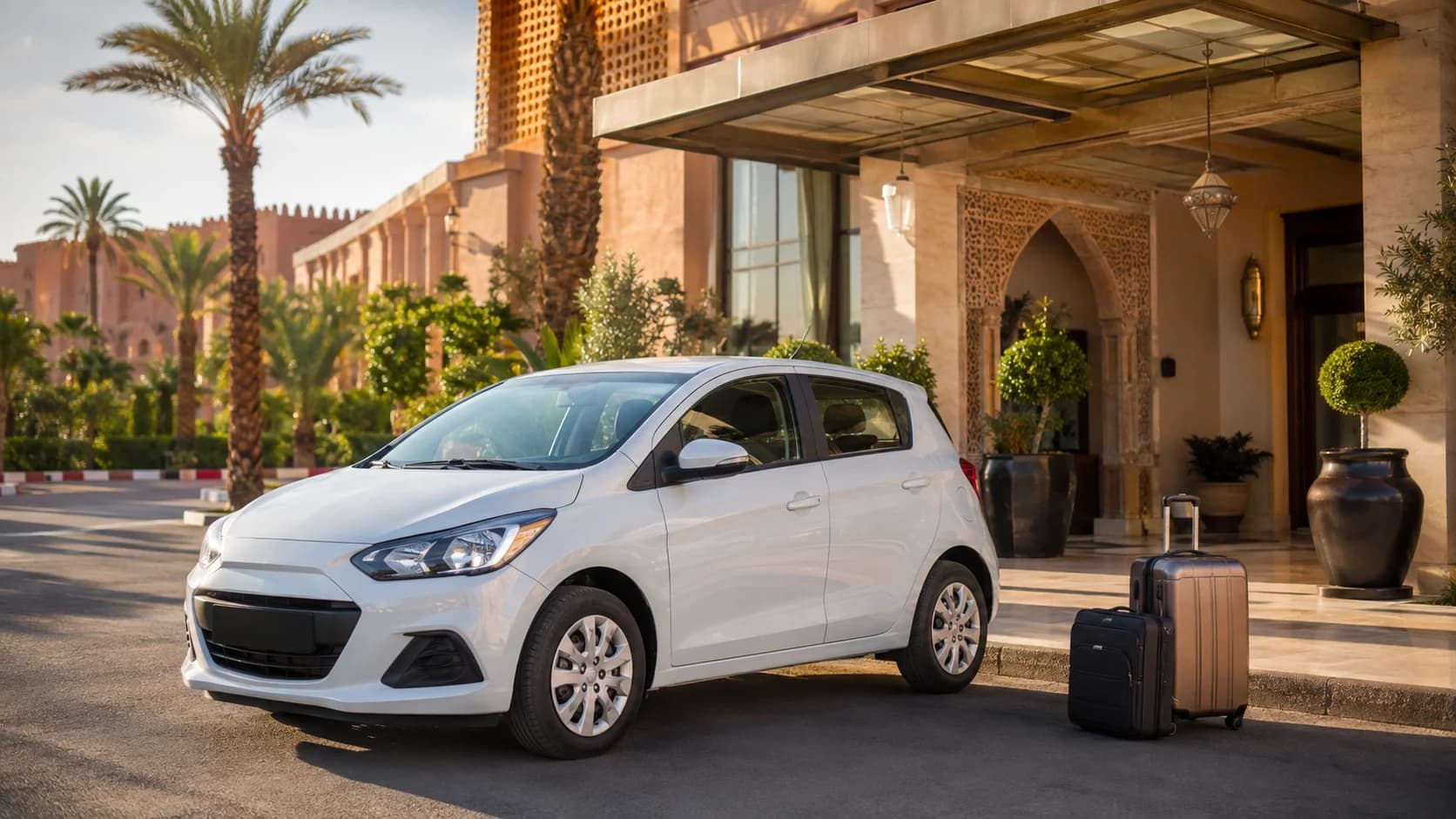
Hotel and Riad Delivery: Use the Same Inspection Process
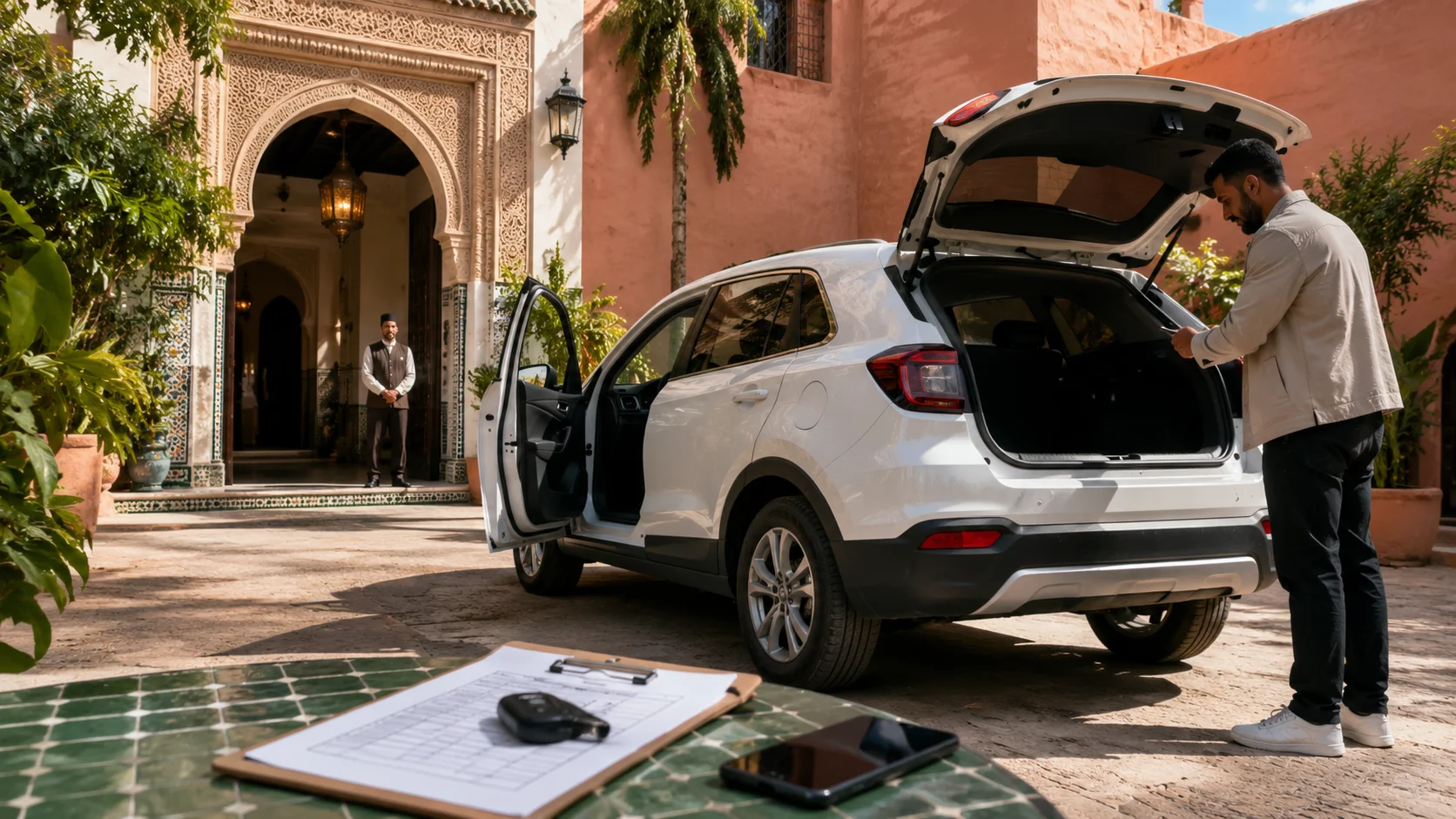
Having a rental car delivered to your hotel or accommodation is convenient, but the inspection should be exactly as thorough as an airport pickup.
Do not assume that delivery means the vehicle has already been inspected on your behalf.
Walk around it yourself.
This becomes particularly important around Moroccan medinas, where a vehicle may need to be delivered to an accessible road or nearby meeting point rather than directly outside a riad.
What Problems Should Make You Refuse the Car?
A small documented cosmetic scratch is usually different from a potential safety problem.
You should raise the issue immediately if you notice something such as:
-
seriously damaged tyre;
-
major windscreen crack affecting visibility;
-
important warning light remaining on;
-
faulty headlights;
-
unsafe seat belt;
-
serious mechanical noise;
-
overheating indication;
-
vehicle category that cannot safely accommodate your passengers;
-
transmission different from an essential confirmed requirement.
Ask the rental company to inspect or resolve the issue.
Where appropriate, request another vehicle rather than beginning your trip with a problem you already know about.
Should You Accept a Different Rental Car Than the Model You Booked?
Rental fleets can change because of maintenance, delays, accidents or vehicle availability.
The important question is whether the replacement meets the confirmed rental category and your actual requirements.
Before accepting an alternative, compare:
| Check | Ask yourself |
|---|---|
| Transmission | Is it still automatic/manual as required? |
| Seats | Does everyone fit legally and comfortably? |
| Boot | Will the luggage fit? |
| Category | Is it equivalent or better? |
| Fuel | Does it use an acceptable fuel type? |
| Equipment | Are requested extras present? |
| Rental price | Has the agreed price changed? |
| Conditions | Are deposit and insurance unchanged? |
MarHire states that exact models may sometimes be replaced by an equivalent or higher vehicle within the same class when the booked model is unavailable, making it important to check the confirmed category and vehicle details.
Common Rental Car Pickup Mistakes in Morocco
Rushing Because You Have Just Landed
After a long flight, travelers naturally want to leave the airport quickly.
Those extra five minutes spent documenting the car can save much more time later.
Photographing Only Major Damage
Small wheel scuffs, bumper marks and windscreen chips should also be documented.
Taking Photos After Leaving
Photographs taken at the pickup location are much stronger evidence of the vehicle's starting condition.
Ignoring the Fuel Gauge
Record it.
Not Reading the Mileage Conditions
Especially important for road trips.
Assuming "Full Insurance" Means Everything Is Covered
Confirm the excess and exclusions.
Forgetting the Tyres
Exterior bodywork gets most of the attention, but tyres are more important for safe driving.
Not Testing the Air Conditioning
Particularly unpleasant during summer.
Deleting the Photos Too Early
Keep them until the entire rental and deposit process has finished.
60-Second Final Check Before You Drive Away
Before putting the car into gear, ask yourself:
Vehicle condition
-
Did I photograph all four sides?
-
Did I record existing damage?
-
Did I photograph every wheel?
-
Did I check the windscreen?
Safety
-
Do the tyres look normal?
-
Are the lights working?
-
Are seat belts functioning?
-
Are there unexplained dashboard warnings?
Comfort
-
Does the air conditioning work?
-
Do windows and mirrors work?
-
Does all luggage fit safely?
Rental terms
-
Is the fuel level correct?
-
Did I photograph the odometer?
-
Do I understand the mileage policy?
-
Do I know the insurance excess?
-
Do I know the deposit conditions?
-
Do I know where and when to return the car?
Emergency
-
Do I have the rental company's contact details?
-
Do I know what to do after an accident or breakdown?
If the answer is yes to all of these, you are in a much better position to start your Morocco journey confidently.
Renting a Car in Morocco: Useful Official Travel Information
Morocco has an extensive road network connecting major destinations, and visitors drive on the right-hand side of the road. The Moroccan National Tourist Office also notes that road signs are commonly displayed in Arabic and French.
Official Moroccan National Tourist Office transport information
For motorway trips, travelers can also use information provided through Autoroutes du Maroc for traffic events, roadworks and toll-related planning.
These official resources are useful alongside the instructions and emergency procedures provided by your own rental company.
Frequently Asked Questions
What should I photograph when picking up a rental car in Morocco?
Photograph all four sides of the vehicle, both bumpers, wheels, windscreen, mirrors, existing scratches or dents, the interior, fuel gauge and odometer. A continuous walk-around video is also useful because it records the complete vehicle at the moment of pickup.
Should I inspect a rental car even if I have full insurance?
Yes. Insurance and vehicle-condition documentation serve different purposes. Even if your protection plan significantly reduces your financial exposure, you should still document existing damage and check that the vehicle is safe and functioning correctly.
Should existing scratches be written on the rental agreement?
Ideally, yes. If damage is not already included on the inspection sheet or digital condition report, show it to the rental representative and have it recorded before departure. Keep your own dated photographs or video as an additional record.
What should I do if I see a warning light on the dashboard?
Ask the rental representative about it before leaving. Some lights appear briefly during normal vehicle startup, but an unexplained warning that remains illuminated after the engine is running should be checked before beginning your journey.
Should I check the tyres on a Morocco rental car?
Yes. Look for obvious low pressure, sidewall damage, cuts, bulges or severe wear. Also photograph existing wheel-rim damage. If a tyre appears unsafe, ask the rental company to inspect it before you drive away.
Do I need to check the fuel level when collecting the car?
Yes. Compare the actual fuel gauge with the amount shown on your rental document and photograph it. Confirm whether your booking uses a same-to-same, full-to-full or another fuel policy.
Should I record the rental car mileage at pickup?
Yes. Photograph the odometer and compare it with the rental document. This is especially important when the agreement includes a daily or total mileage allowance.
What should I check in the rental insurance?
Confirm what coverage is included, the excess or deductible, exclusions, tyre and glass conditions, accident-report requirements and the steps you must follow after an incident. Do not rely only on broad terms such as "full insurance."
Can I refuse a rental car if I find a problem?
You should raise any significant problem before departure. A documented cosmetic mark may not require another vehicle, but an unsafe tyre, important warning light, serious windscreen damage, faulty seat belt or other safety concern should be addressed before you accept the car.
What if the rental company gives me a different model?
Check whether the replacement is genuinely suitable. Confirm the transmission, passenger capacity, luggage space, rental category, insurance, deposit and price. If a particular feature was essential to your booking, verify it before accepting the replacement.
Final Advice: Inspect First, Drive Second
The most important rule when collecting a rental car in Morocco is simple:
Do not let the excitement or pressure of starting your trip make you rush the pickup inspection.
Walk around the vehicle. Record its condition. Check the tyres. Test essential controls. Photograph the fuel and mileage. Understand the insurance and deposit. Save the emergency contact details.
Most of these checks take only a few minutes, but together they give you a clear record of the vehicle you accepted and allow potential problems to be identified before you are hundreds of kilometres from the pickup location.
If you are still choosing a vehicle, compare car rental in Morocco with MarHire, including economy, sedan, SUV, automatic and family options across Marrakech, Casablanca, Agadir, Tangier, Fes, Rabat and Essaouira.
For travelers prioritizing a lower upfront financial hold, MarHire also provides selected no-deposit car rental Morocco options, while budget-conscious travelers can compare cheap car rental Morocco options.
Whatever vehicle you choose, the best Morocco road trip begins with the same step: inspect the car carefully before accepting it.