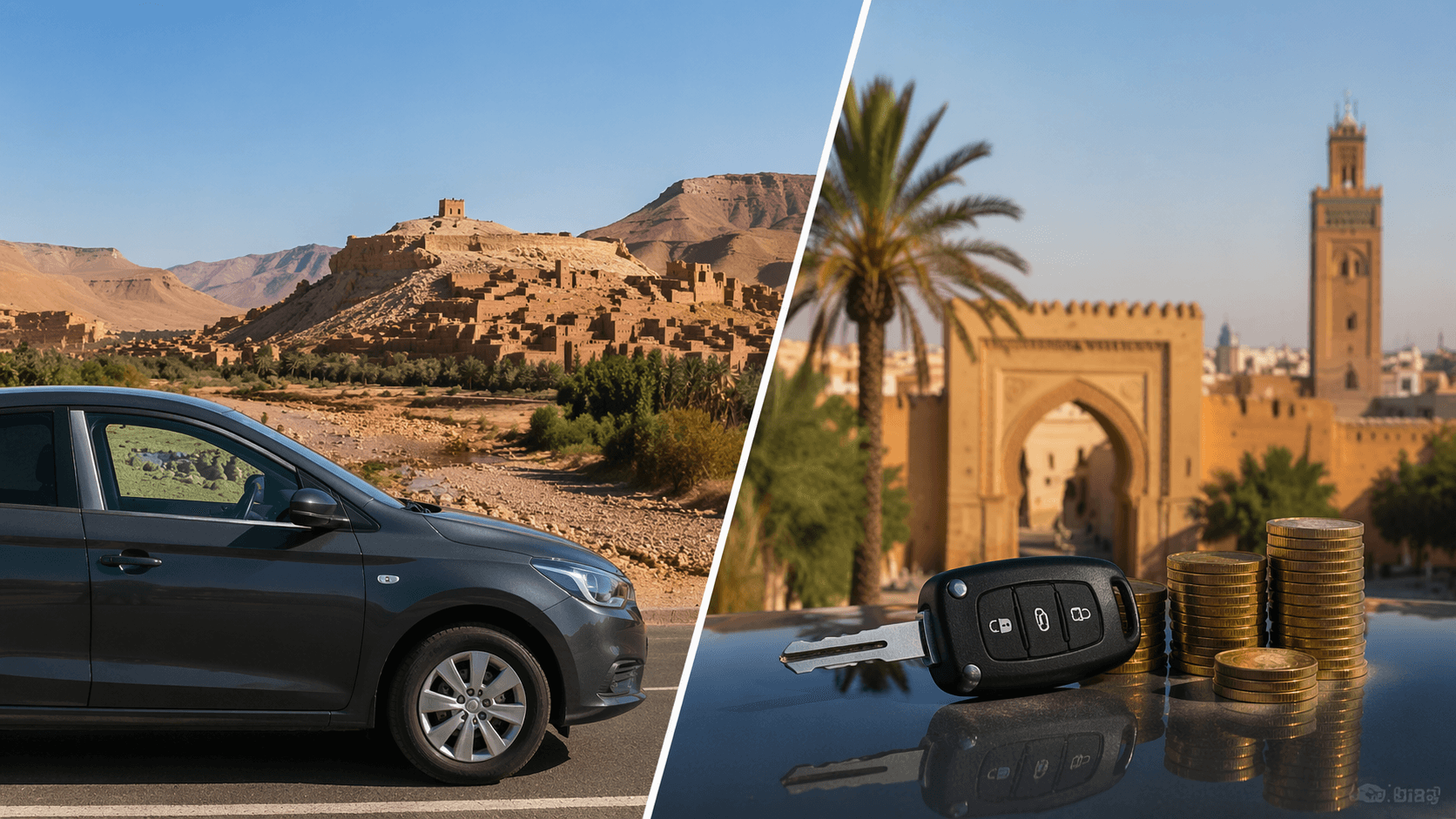






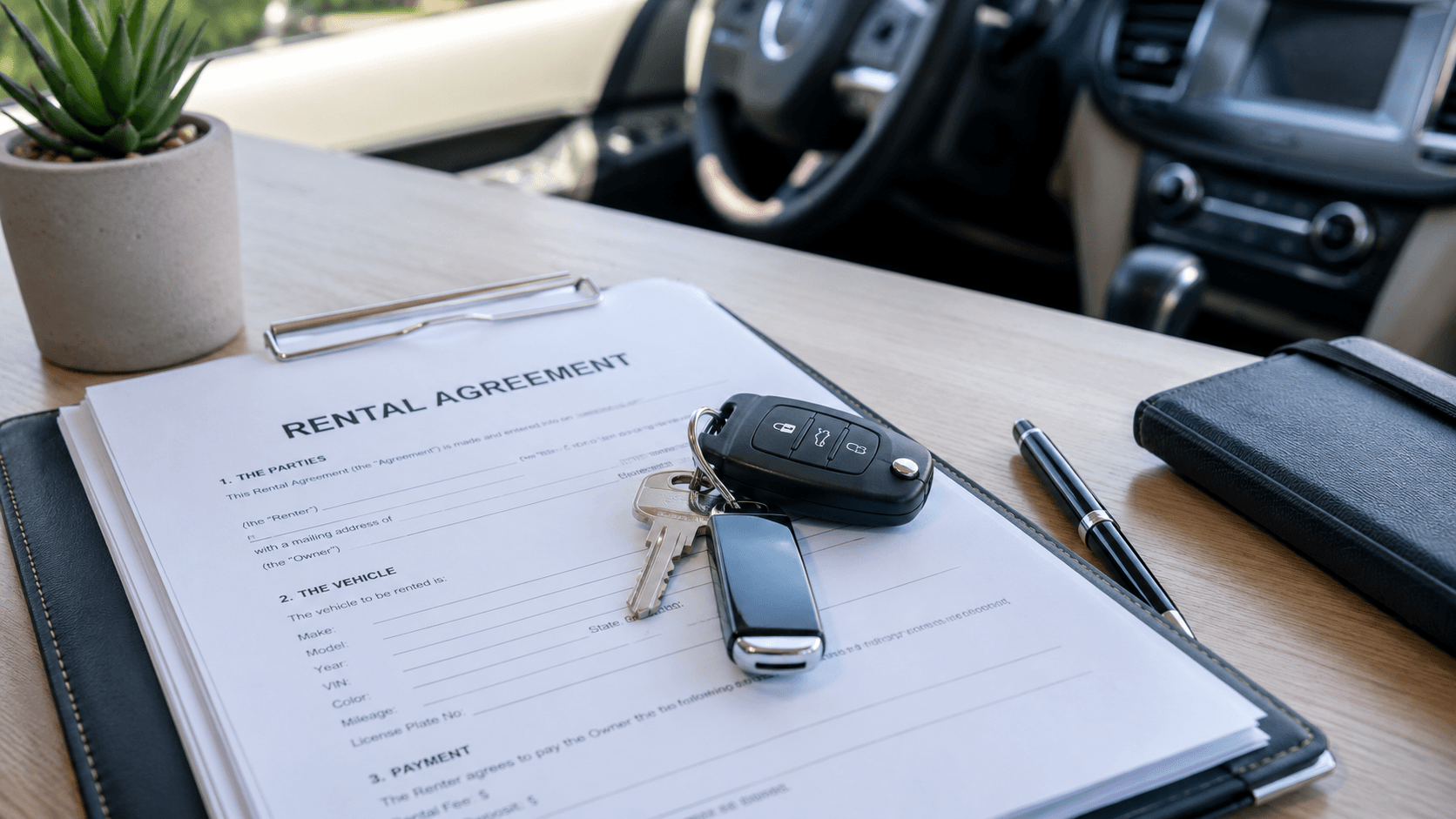
Booking a rental car in Morocco is usually straightforward, but insurance is the part many travelers misunderstand before arrival. Terms like CDW, excess, deposit, no-deposit, and zero excess can sound confusing, especially if different rental companies explain them differently. The reality is simple: your insurance plan affects how much financial responsibility you keep if the car is damaged, stolen, or involved in an accident.
In Morocco, most rental plans fall into three main categories. The first is the classic Standard plan with a refundable deposit, which usually offers the lowest rental price but leaves the customer responsible for an excess amount. The second is a Standard no-deposit plan, where the security deposit is removed but an excess still applies in case of damage. The third is the Premium no-deposit zero-excess plan, designed for travelers who want the simplest and most protected experience with minimal financial exposure.
Understanding these differences matters because the cheapest rental price is not always the best overall value. Your route, driving confidence, city traffic exposure, parking conditions, and trip style should all influence which plan you choose.
This guide explains exactly how Morocco car rental insurance works, what is usually covered, what is not covered, how excess works, and which plan makes the most sense for different types of travelers.
If you are still comparing rental types, our guide to No-Deposit vs Standard Car Rental explains the main operational differences between these booking styles.
Why Insurance Matters in Morocco
Driving in Morocco is generally manageable for most travelers, especially on highways and major routes, but insurance still matters because road conditions, traffic styles, and parking situations vary from city to city. Busy areas such as Marrakech, Casablanca, Tangier, and Fes often involve tighter parking, scooters, taxis, pedestrians, and heavier traffic movement than many visitors are used to.
Even experienced drivers can encounter minor scratches, bumper contact during parking, mirror damage, or tire issues during a long trip. Insurance is not only about serious accidents. It is also about reducing stress and understanding what financial responsibility remains yours if something unexpected happens.
Another important point is that many travelers confuse “fully insured” with “zero responsibility.” In reality, many standard rental plans still include an excess amount, meaning the renter remains responsible for part of the repair cost unless they choose additional protection.
Insurance also matters more on long-distance road trips. Travelers planning airport pickups, mountain routes, coastal drives, or multi-city itineraries should think carefully about the level of protection that fits their comfort level.
For travelers exploring multiple regions, our Car Rental Morocco options include different insurance structures depending on the vehicle category and travel style.
Plan 1: Standard with Deposit, How It Works
The Standard plan with deposit is the traditional rental model and is usually the lowest-cost option at booking stage. With this plan, the rental company temporarily blocks or collects a refundable security deposit before or at vehicle pickup. The amount depends on the vehicle category and rental terms.
This plan normally includes basic protection such as:
- Third-party liability coverage
- Collision Damage Waiver (CDW)
- Theft protection under specific conditions
However, an excess still applies. The excess is the maximum amount the renter remains responsible for if the car is damaged or stolen under covered circumstances. For example, if the excess is €1,200 and repairs cost €700, the renter may be responsible for the €700. If repairs exceed the excess, responsibility is usually capped at the agreed amount, assuming rental conditions were respected.
The deposit exists because the rental company needs a financial guarantee linked to this excess responsibility. If no incident occurs, the deposit is released or refunded after the rental period according to the provider’s banking timeline.
This plan usually works best for:
- Budget-conscious travelers
- Experienced international renters
- Drivers comfortable with standard rental procedures
- Travelers using credit cards comfortably
The main advantage is lower daily rental pricing. The trade-off is higher financial exposure if damage occurs.
Travelers should also understand that a standard plan does not mean “everything is covered.” Damage caused by negligence, missing police documentation, off-road misuse, lost keys, tire damage, or unauthorized drivers may still fall outside coverage.
For many travelers, the standard plan remains perfectly suitable, especially for shorter trips with confident drivers and predictable routes.
Plan 2: Standard without Deposit (with Excess), How It Works
The Standard no-deposit plan removes one of the biggest concerns many travelers have: the blocked security deposit. Instead of freezing a large amount on a card, the rental proceeds without a traditional deposit hold. This is especially attractive for travelers managing tight card limits or simply wanting a smoother pickup process.
However, many renters misunderstand this option. “No deposit” does not automatically mean “no responsibility.” An excess still applies in most cases.
That means if damage occurs, the renter may still be responsible up to a fixed excess amount depending on the rental agreement and incident conditions. The difference is that the company is not holding a large pre-authorized deposit during the rental period.
This plan is popular because it combines:
- Easier pickup procedures
- Less pressure on credit card limits
- Lower upfront financial blocking
- More flexible booking comfort
At the same time, it usually remains cheaper than premium zero-excess coverage.
For many travelers, this creates a balanced middle-ground solution:
- More convenient than traditional deposit rentals
- Less expensive than premium protection
- Still manageable for most trip types
This type of plan is especially common among:
- Families
- Tourists staying 1–2 weeks
- Travelers arriving through airports
- Visitors wanting predictable booking conditions
Still, renters should always read the exact terms carefully. The excess amount, excluded damages, police report requirements, and theft conditions still matter even without a deposit.
If your Morocco itinerary includes multiple cities or flexible drop-off points, our guide to One-Way Car Rental in Morocco explains how insurance and excess rules can interact with longer-distance rentals.
Plan 3: Premium without Deposit (Zero Excess), How It Works
Premium no-deposit zero-excess coverage is the most protective rental option available. It is designed for travelers who want the simplest and lowest-risk rental experience possible.
With this plan:
- No security deposit is blocked
- No excess applies for covered damage
- Financial exposure is dramatically reduced
If a covered incident happens and all rental conditions were respected, the renter normally does not pay repair costs for covered damage categories. This is why zero-excess plans are often described as the closest option to “full protection,” although exclusions still exist.
This type of plan is especially attractive for:
- First-time Morocco visitors
- Travelers nervous about driving abroad
- Luxury vehicle renters
- Families with children
- Long-distance road-trip travelers
- Customers wanting maximum peace of mind
The major benefit is simplicity. Travelers do not need to worry about large blocked deposits or potentially high excess charges after minor incidents.
That said, premium protection does not remove all rules. Damage linked to negligence, prohibited driving behavior, missing police reports, lost keys, incorrect fuel usage, or unauthorized drivers may still remain excluded.
Another important point is psychological comfort. Many travelers feel more relaxed driving and parking when they know their exposure is limited. For city driving, hotel parking, medina-adjacent streets, and long itineraries, this can significantly improve the overall travel experience.
The trade-off is price. Premium plans cost more per day than standard options. But for many travelers, the difference feels reasonable compared to the financial certainty and reduced stress provided.
Comparison Table: All 3 Plans Side by Side
| Feature | Standard with Deposit | Standard without Deposit | Premium Zero Excess |
|---|---|---|---|
| Security deposit required | Yes | No | No |
| Excess applies | Yes | Yes | No for covered damage |
| Daily rental cost | Lowest | Medium | Highest |
| Credit card pressure | Higher | Lower | Lowest |
| Financial exposure | Highest | Medium | Lowest |
| Pickup simplicity | Standard | Easier | Easiest |
| Best for | Budget travelers | Balanced travelers | Maximum peace of mind |
| Suitable for long road trips | Acceptable | Good | Excellent |
| Ideal for first-time Morocco drivers | Less ideal | Better | Best |
| Stress level during trip | Higher | Medium | Lowest |
What's NEVER Covered: Theft, Tyres, Police Report Rules
This is the section many travelers skip, and later regret skipping.
Even premium protection does not mean absolutely everything is covered. Almost all rental agreements in Morocco include exclusions and conditions that renters must respect.
Common exclusions may include:
- Tire damage
- Wheel or rim damage
- Lost keys
- Interior damage
- Incorrect fuel usage
- Roof or underbody damage
- Unauthorized drivers
- Driving under the influence
- Off-road misuse
- Gross negligence
Theft protection also comes with conditions. If the renter leaves keys inside the vehicle or fails to secure the car properly, coverage may become invalid. Rental companies usually require proof that reasonable precautions were taken.
Police reports are especially important in Morocco. In many cases, coverage may only apply if an official police report is obtained immediately after the incident. This matters for:
- Collisions
- Theft
- Major damage
- Third-party disputes
Without proper documentation, even a premium insurance plan may refuse coverage under the rental agreement.
Minor scratches or parking contact should also be reported correctly according to company procedures. Trying to hide damage almost always creates bigger problems later.
Another misconception concerns “off-road” driving. Some travelers assume desert or rough-track driving is automatically allowed in SUVs or 4x4 vehicles. Many contracts restrict driving outside authorized roads unless explicitly permitted.
Reading the exact insurance conditions before pickup is one of the smartest things a traveler can do. Insurance quality is not only about the plan name, it is also about understanding the rules attached to it.
What Happens in Case of an Accident
If an accident happens during your Morocco rental, the first step is to stay calm and prioritize safety. Most rental companies follow a similar general process.
Normally, you should:
- Secure the area safely
- Contact local authorities if required
- Notify the rental company immediately
- Take photos of the damage and surroundings
- Complete any accident documentation requested
If another vehicle is involved, a police report is usually extremely important. Rental companies may refuse coverage if mandatory reporting procedures are ignored.
The financial outcome depends on:
- Which insurance plan you selected
- Whether the damage falls under covered categories
- Whether rental conditions were respected
- Whether required documentation exists
With standard plans, the renter may pay up to the excess amount. With premium zero-excess plans, covered damage may result in no repair charge at all.
Processing time also varies. Some incidents are resolved quickly, while others involving police reports or third parties may take longer.
The most important thing is transparency. Reporting problems immediately almost always leads to smoother resolution than delaying communication.
How to Choose the Right Plan for Your Trip
The best insurance plan depends on your travel style, not only your budget.
Choose Standard with Deposit if:
- You want the lowest rental price
- You are comfortable with deposits
- You drive internationally often
- You accept higher excess responsibility
Choose Standard without Deposit if:
- You want easier pickup
- You dislike blocked deposits
- You still want moderate pricing
- You are comfortable with some excess exposure
Choose Premium Zero Excess if:
- You want maximum peace of mind
- You are driving long distances
- You are visiting multiple cities
- You prefer predictable financial exposure
- You want the easiest overall experience
Families, first-time Morocco visitors, and travelers using unfamiliar roads often feel more comfortable with stronger protection levels.
Third-Party Excess Insurance: Do You Need It?
Some travelers buy third-party excess insurance separately through travel insurers or comparison websites. These policies are designed to reimburse excess amounts charged by the rental company after covered incidents.
This can sometimes reduce costs compared to upgrading directly through the rental provider. However, travelers should understand the trade-off:
- You may still need to pay the rental company first
- Reimbursement claims can take time
- Documentation requirements may be strict
Third-party policies also vary heavily in quality and exclusions.
For travelers wanting simplicity, direct premium coverage through the rental provider is often easier operationally. For experienced travelers comfortable handling claims later, third-party excess insurance can sometimes be a cost-saving alternative.
FAQ
1. What is CDW in Morocco car rental?
CDW stands for Collision Damage Waiver. It reduces the renter’s financial responsibility for damage but usually still includes an excess amount.
2. What is an excess in car rental insurance?
The excess is the maximum amount the renter may still need to pay for covered damage before insurance fully applies.
3. Does no-deposit mean fully insured?
No. Many no-deposit rentals still include an excess. It only means no security deposit is blocked upfront.
4. What is zero excess car rental?
Zero excess means the renter normally does not pay repair costs for covered damage if rental conditions were respected.
5. Is theft covered in Morocco rental insurance?
Usually yes under specific conditions, but negligence or missing documentation may invalidate theft protection.
6. Are tires covered by rental insurance?
Often not. Tire and wheel damage are commonly excluded unless additional coverage exists.
7. Do I need a police report after an accident in Morocco?
In many cases yes, especially for collisions, theft, or major damage claims.
8. Is premium insurance worth it in Morocco?
For many travelers, yes especially for city driving, long road trips, luxury rentals, or peace of mind.
9. Can I rent a car in Morocco without a credit card deposit?
Yes, many no-deposit plans are available depending on the provider and vehicle category.
10. What happens if I damage the rental car?
The financial outcome depends on your insurance plan, excess amount, and whether the incident falls within covered conditions.
11. Is third-party liability insurance included?
Usually yes. Basic third-party liability coverage is commonly included in Morocco rental agreements.
12. Are scratches and parking damage covered?
They may be covered depending on the insurance plan and whether reporting procedures were correctly followed.
13. Does insurance cover off-road driving?
Usually not unless explicitly authorized in the rental agreement.
Book with MarHire
Choosing the right insurance plan is just as important as choosing the right car. Some travelers prioritize the lowest price, others want flexible no-deposit booking, and many prefer the peace of mind that comes with premium zero-excess protection.
At MarHire, we help travelers understand exactly what each plan includes before arrival so there are no surprises during pickup or during the trip itself. Whether you want a budget-friendly standard rental or maximum coverage for a long Morocco road trip, we can help you choose the option that matches your travel style.
Explore our Car Rental Morocco fleet and compare protection options before booking your Morocco journey.