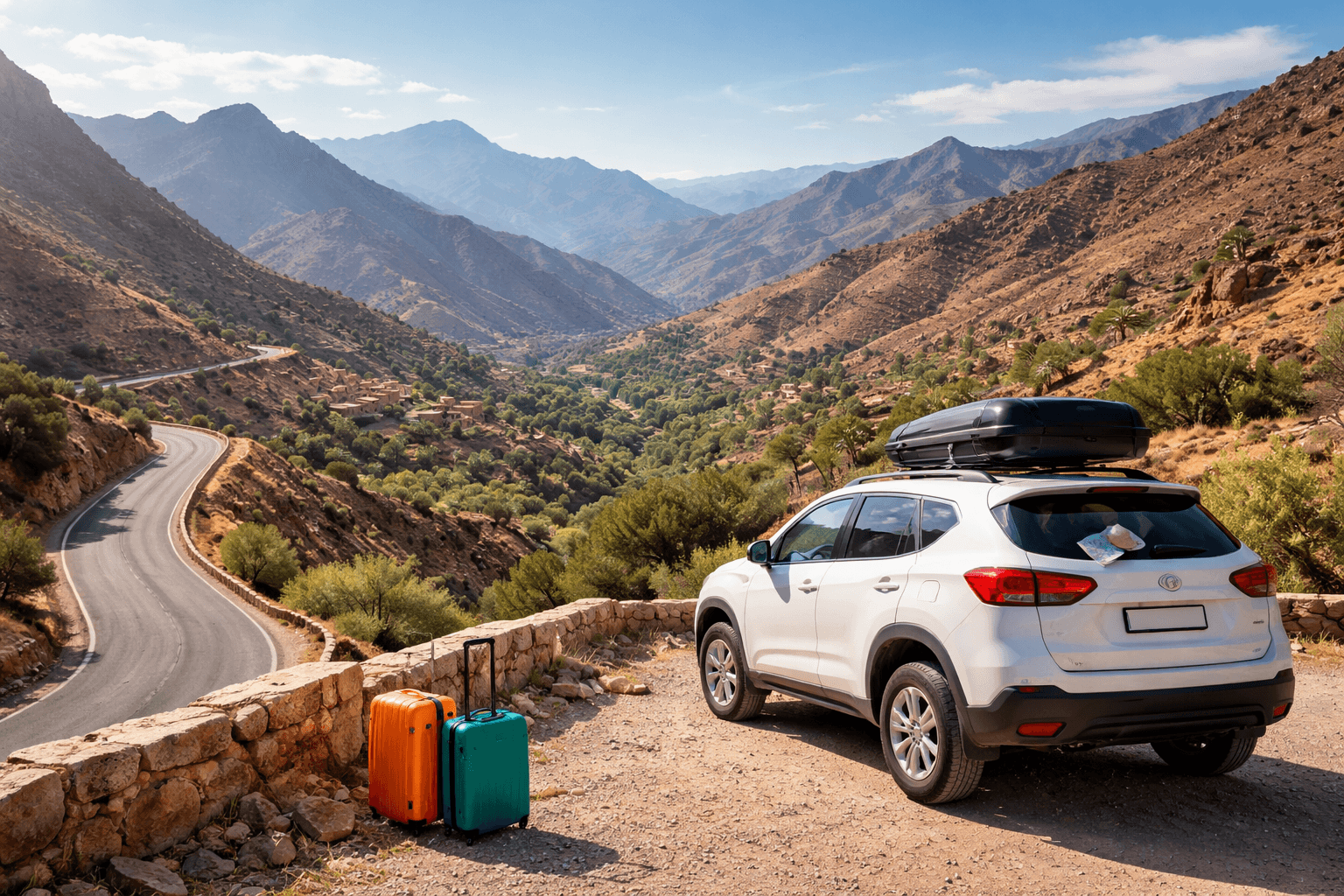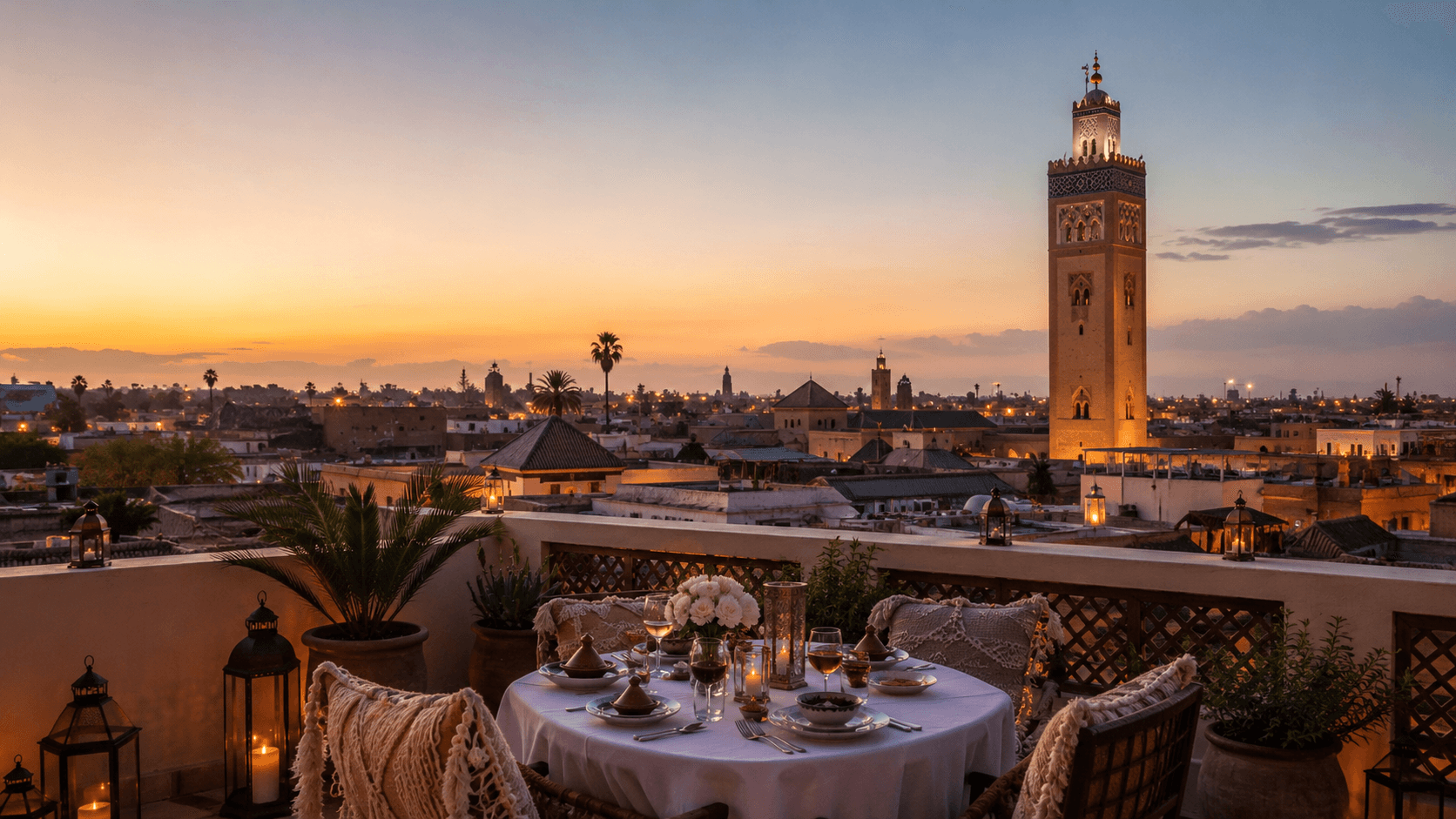








Morocco is one of the easiest countries in North Africa to adapt for group travel. It works for birthday trips, friend groups, family reunions, surf groups, wedding weekends, and company retreats because it combines major airports, strong tourism infrastructure, varied landscapes, and very different styles of stay in a relatively compact country. Morocco’s official tourism office promotes the country for its medinas, beaches, desert, mountains, and cultural diversity, while also highlighting business-event and MICE travel as a dedicated segment.
That variety matters when you are planning for 6, 10, or 20+ people. A small group might want one villa and two vehicles. A larger group may need a driver-led fleet, staggered arrivals, and a more structured itinerary. Morocco can handle both, but group trips work best when transport, room layouts, meal planning, and timing are organized early.
The main question is not whether Morocco works for groups. It does. The real question is what setup fits your size and trip style best. A beach-based birthday trip in Agadir needs different logistics from a Marrakech villa weekend, a desert route, or a corporate retreat that mixes meetings with experiences.
This guide explains how to plan group travel in Morocco, from transport and accommodation to sample itineraries, common mistakes, and the smartest way to book everything without making the trip feel overcomplicated.
For flexible group transport across cities, airports, and regional routes, start with Private Driver Morocco and Car Rental Morocco to compare what works best for your size.
Why Morocco Is Great for Group Travel
Morocco works particularly well for groups because it offers range without requiring long-haul domestic transfers for every change of scenery. In one trip, a group can combine a city stay, a mountain or desert route, and a coastal finish. The Moroccan National Tourist Office presents the country around that exact diversity: medinas, beaches, mountains, desert, gastronomy, and year-round destination appeal.
Another advantage is accommodation style. Morocco has riads for smaller groups, villas for celebratory stays, resorts for easier beach trips, and hotels that can absorb larger headcounts. That gives planners more control over privacy, budget, and atmosphere.
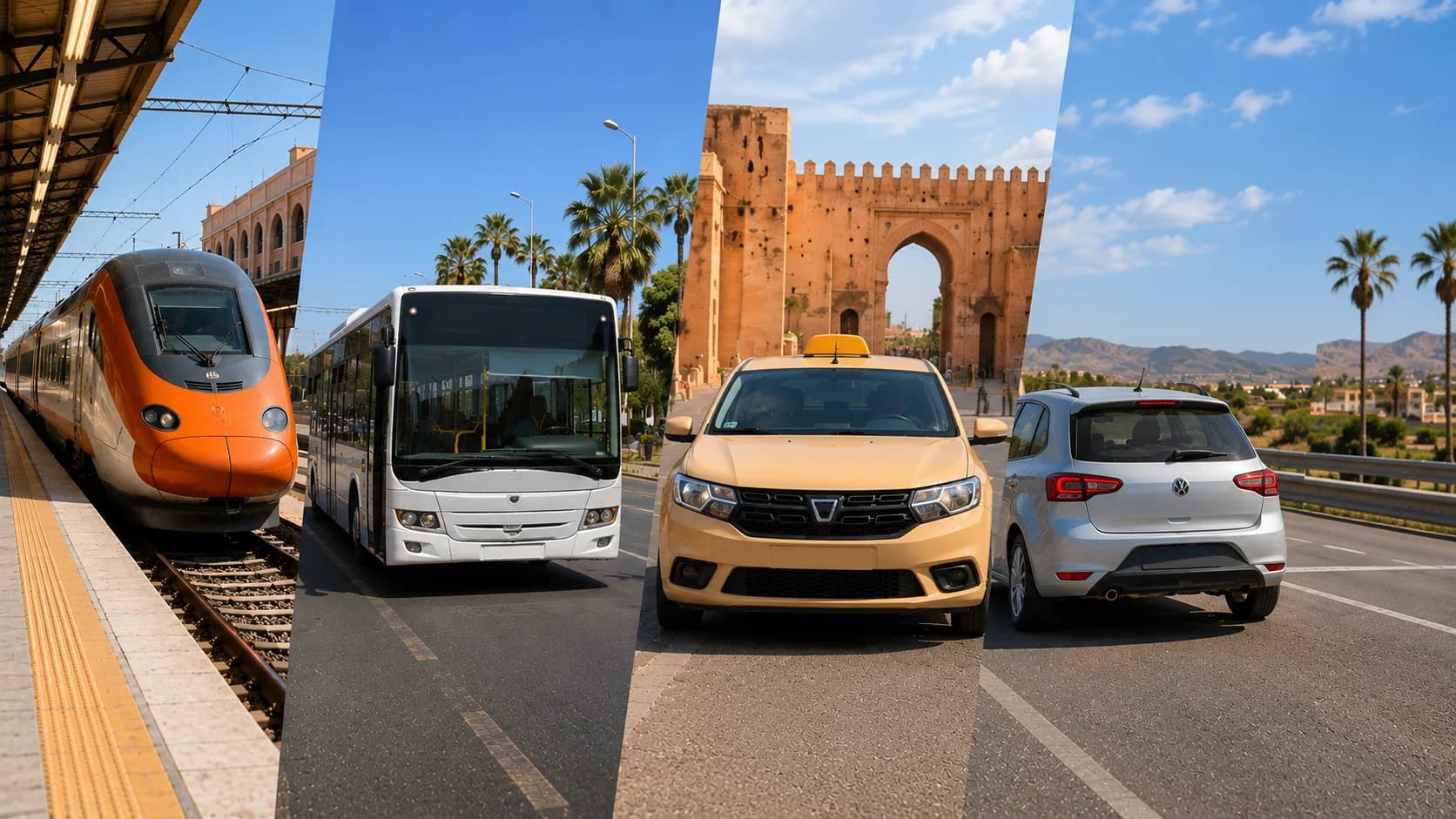
Transport is also more workable than many people expect. Morocco’s tourism office points travelers toward car rental, taxis, buses, and train connections, while ONCF operates the rail network and CTM serves a broad coach network between major and smaller cities.
For group planners, that means you are not forced into one model. You can choose full-driver service, self-drive flexibility, rail between major cities, or a mixed setup. Morocco is especially good for groups that want shared experiences without being locked into a single rigid package.
Group Sizes: What’s Possible in Morocco
Groups of 6
A group of six is usually the easiest size to manage. This can often be handled with one large villa, one spacious van with driver, or two standard rental cars. It is small enough to stay flexible, but large enough to benefit from shared transport and shared accommodation costs.
Groups of 10
Ten people is where planning starts to matter more. Restaurant reservations, room distribution, baggage space, and airport arrivals become more important. A group this size often works best with either a minibus-style solution or a two-vehicle setup, depending on the route and how independent the travelers want to be.
Groups of 20+
Once you move above 20 people, Morocco is still very workable, but the trip becomes an operations task as much as a holiday. At this size, you need clear arrival planning, rooming lists, assigned transport, meal timing, and someone managing communication. This is especially true for wedding guests, corporate retreats, incentive groups, and celebration weekends.
The good news is that Morocco already serves both leisure groups and event-style travel. The official tourism office specifically promotes MICE and event travel infrastructure, which supports the idea that larger organized groups are a normal fit for the destination.
Transport Options: Minibus, Multi-Car, Private Driver Fleet
Transport is the biggest group decision because it shapes everything else: timing, comfort, luggage handling, flexibility, and overall mood of the trip.
1. Minibus or large people-carrier
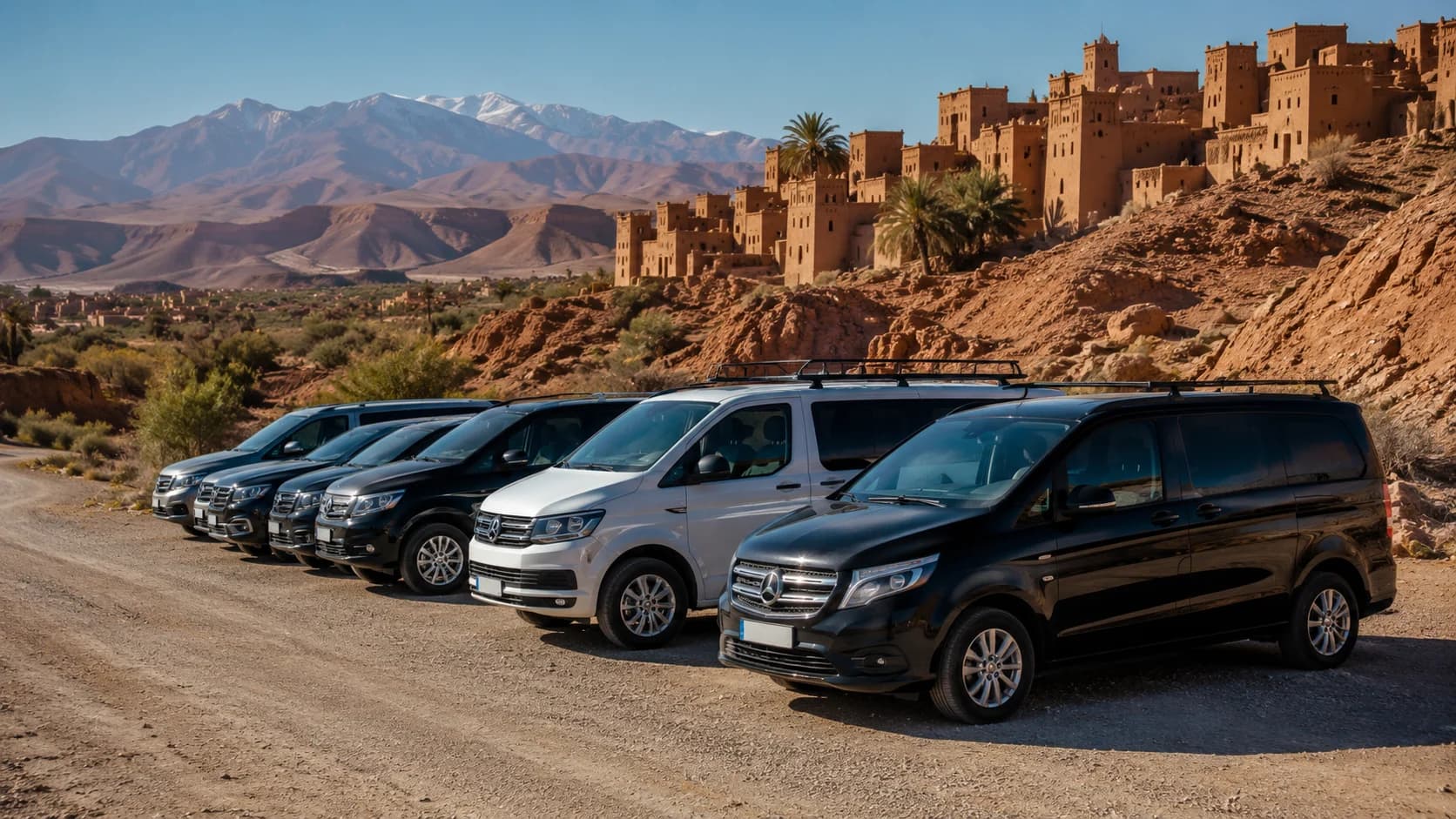
For many groups of 8 to 14, a minibus or people-carrier with driver is the simplest answer. Everyone stays together, there is one departure time, one navigation plan, and less confusion at airports, hotels, or activity pickups. This setup works especially well for wedding groups, family groups, and short itineraries where the goal is to keep logistics easy.
The downside is reduced flexibility. If one part of the group wants to shop while another wants to return early, the whole transport plan can become slower. It is ideal for structured days, not always for highly independent travelers.
2. Multi-car rental
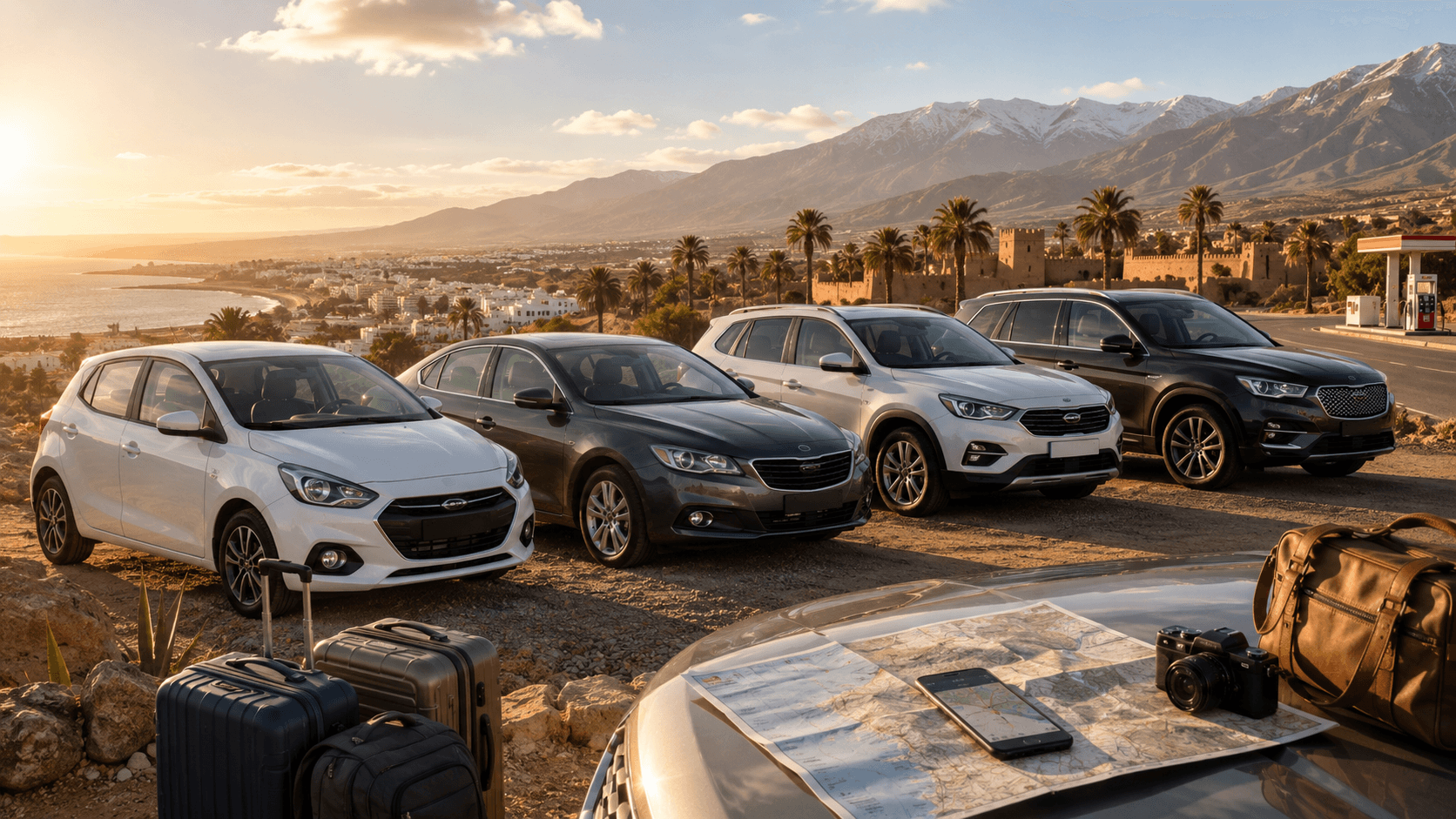
For groups that value flexibility, multi-car rental is often the smarter option. Two or three cars can be easier than one minibus when people have different energy levels, arrival times, or sightseeing plans. It also makes parking and hotel access easier in some cities.
This works best when the group includes confident drivers and a clear lead vehicle. It is a strong option for 6 to 12 people doing a road-trip format or splitting by couples, friends, or family units. It also reduces the “everyone must move at once” problem.
3. Private driver fleet
For higher-comfort group travel, a private driver fleet is often the best balance. Instead of one large vehicle, the group travels in several coordinated vehicles with professional drivers. That keeps the convenience high while preserving some flexibility. It is especially good for premium family trips, executive groups, and airport-heavy itineraries.
This is usually the most comfortable model for groups over 10 when the trip includes multiple hotels, formal dinners, events, or long transfers.
4. Mixed transport
Some of the best Morocco group trips use mixed transport. For example, a group might use private drivers for airport arrivals and intercity days, then keep one or two rental cars locally. Morocco’s tourism office notes that travelers can move around by car rental, train, coach, and taxi depending on the destination, and ONCF plus CTM help cover major routes.
At MarHire, the best transport plan usually starts with one question: does your group value staying together more than it values free movement? That answer usually tells you whether to choose minibus, multi-car, or a driver-led fleet.
Group Accommodation: Villas, Riads, Hotels
Accommodation has to match the group’s social style, not just the budget.
Villas
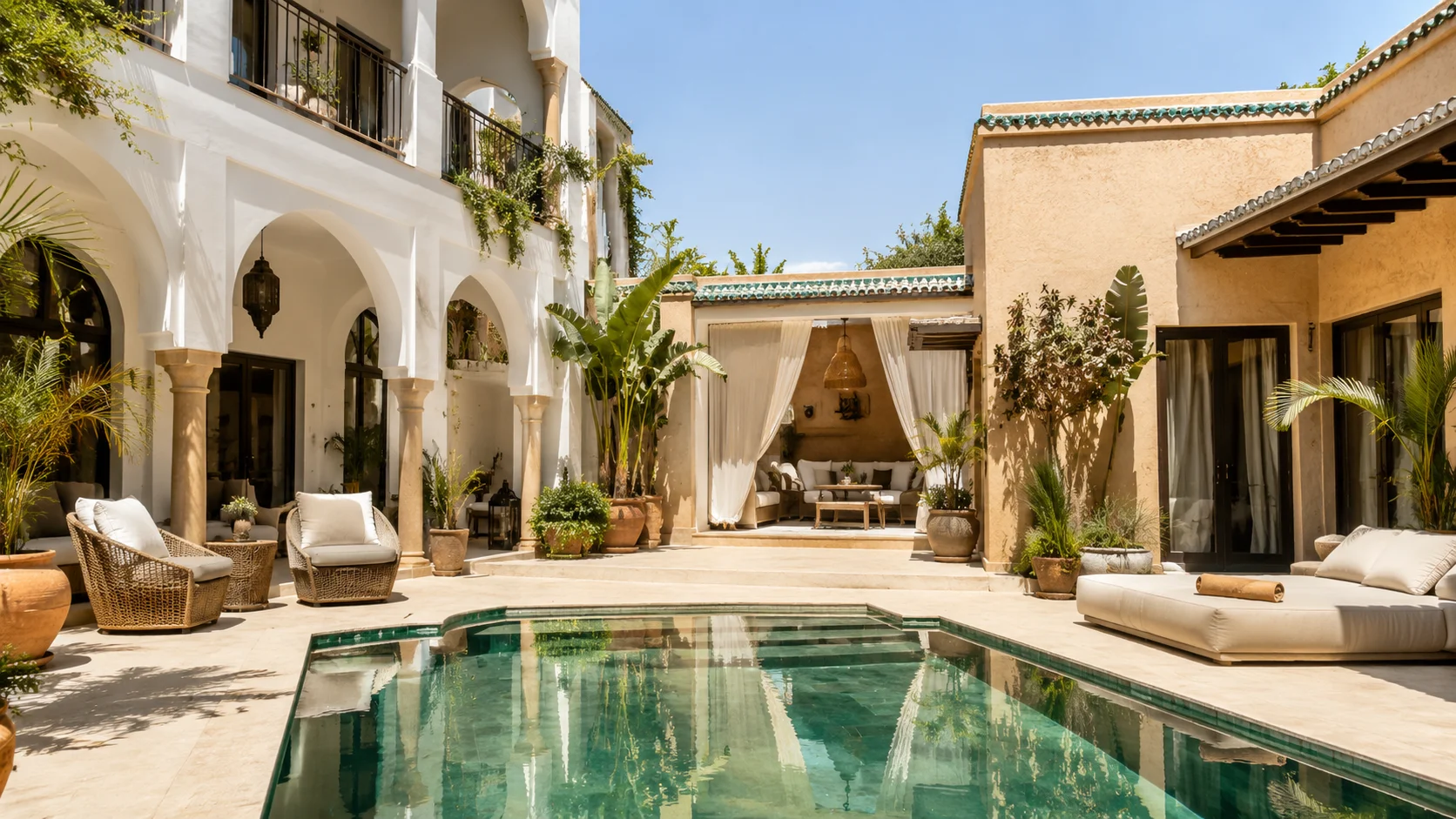
Villas are often the best choice for friend groups, celebration weekends, birthdays, and mixed-age family trips. They give the group common space, private bedrooms, a pool in many cases, and a stronger “travel together” feeling. Villas are particularly popular around Marrakech and some coastal zones because they make meals, late arrivals, and downtime much easier to manage.
They also help with cost-sharing. Instead of booking many separate hotel rooms, the group can centralize spending and often get a better overall experience.
Riads
Riads work especially well for smaller groups who want atmosphere and location. Morocco’s official tourism material for Marrakech describes riads as small oriental palaces centered on beautiful patios, which helps explain why they are so appealing for stylish group stays.
The challenge is layout. Riads can be excellent for 6 to 10 guests if the whole property is privatized, but room sizes vary and access can be less practical for luggage-heavy groups.
Hotels and resorts
Hotels are often easiest for larger groups and corporate stays. They simplify check-in, breakfast capacity, and room block management. For Agadir and coastal trips, resort-style properties are often the easiest option because they pair well with beach time and structured group schedules. Agadir is officially promoted as Morocco’s main seaside resort with year-round appeal, which is one reason it works well for larger, easier group stays.
In practice:
- 6 people: private riad or villa often works best
- 10 people: villa, boutique hotel block, or full riad buyout
- 20+ people: hotel or resort usually becomes easier unless the trip is designed around multiple villas
7-Day Group Itinerary: Classic Morocco for 10+ People
Here is a practical 7-day outline for a group of 10 or more that wants a classic Morocco mix without turning the week into constant transit.
Day 1: Arrive in Marrakech
Have the group arrive into Marrakech, which is one of the country’s best-connected gateways and a strong starting point for culture, dining, and villa-based stays. Morocco’s tourism office highlights Marrakech for medina heritage, riads, gardens, and landmark-driven city experiences.
Use a pre-arranged airport transfer plan. For groups, day one should be simple: check-in, dinner, and a low-pressure first night.
Day 2: Marrakech city day
Keep transport light and focus on the medina, gardens, shopping, or a guided heritage day. Big groups should avoid overpacking this day. One cultural visit, one meal reservation, and enough free time usually works better than trying to do everything.
Day 3: Flexible group split day
This is where group travel starts to feel smart instead of heavy. Let the group split into optional activities: shopping, hammam time, pool time, cooking class, golf, or nearby half-day experiences. Large groups need one flexible day built in.
Day 4: Transfer south or toward the coast
Depending on the trip style, this can be a scenic transfer day toward Agadir or another calmer base. Morocco’s official travel information emphasizes that travelers can move around the country by road, coach, and other networks depending on region and need.
Day 5: Relaxed group day
This is the day for beach, pool, boat outing, or a lower-effort social day. The best group trips alternate movement days with recovery days. If the trip is celebration-led, this is often the best evening for the main dinner or event moment.
Day 6: Shared experience day
Plan one signature experience the whole group does together. This could be a coastal day, scenic drive, private lunch, or a water-based outing depending on region. For premium or celebration groups, this is where Boat Rental Morocco can become the standout shared memory.
Day 7: Departure or split departures
Build the final day around staggered airport times. This is where coordinated private transport becomes especially valuable because large groups rarely leave on the same flight pattern.
This type of itinerary works because it balances shared moments with breathing room. Groups do not need constant motion. They need reliable movement and enough space for different personalities.
Special Occasion Groups: Bachelor/ette, Birthdays, Anniversaries
Morocco is a strong destination for celebration groups because it allows the trip to feel special without forcing one single style. A birthday group may want a villa and dinners. An anniversary family group may want a private driver and a relaxed multi-stop itinerary. A pre-wedding or bachelor/ette-style group may want a more social Marrakech base followed by a coastal finish.
The main rule with occasion groups is this: do not let the event energy erase the logistics. Celebration travel works best when airport pickups, room assignments, and at least one anchor dinner or activity are planned in advance.
For these groups, villa stays and coordinated transport are usually more important than trying to save the maximum amount on every line item. Smoothness matters more than small savings when emotions and expectations are high.
Corporate Retreats & Incentive Trips
Morocco is also a practical destination for corporate groups and incentive travel. The official tourism office explicitly promotes MICE travel and business-event positioning, which supports conference extensions, retreat formats, executive groups, and team reward trips.
For work-led groups, the most important elements are timing, Wi-Fi reliability, airport handling, and transport discipline. These trips usually need less spontaneity and more structure than leisure groups. A driver-led fleet, hotel or resort base, and one or two curated experiences usually works better than a more improvised trip design.
A strong Morocco corporate itinerary often combines:
- one high-comfort base
- one team experience
- one formal dinner
- one optional free block
- tightly managed airport logistics
Group Discounts & Bulk Booking with MarHire
The main advantage of booking as a group is not only price. It is coordination.
For 6, 10, or 20+ travelers, the biggest value usually comes from:
- matching the right vehicle mix to the group size
- reducing transfer confusion
- aligning airport pickups
- simplifying route planning
- keeping the group’s booking communication in one place
Sometimes group pricing can improve when bookings are bundled, especially when transport requirements are clear and dates are fixed early. But even when the headline rate is similar, the real saving is in smoother operations and fewer mistakes.
At MarHire, group support is strongest when the plan is built around the trip itself, not around forcing everyone into one transport type that does not fit.
Common Group Travel Pitfalls to Avoid
The most common group mistake is underplanning arrivals. Even a well-designed trip can start badly if flights are scattered and nobody owns the airport transfer plan.
The second is choosing transport that looks cheaper but does not fit the group. One vehicle that is too small, or too few drivers, creates stress fast.
Another common issue is trying to keep 10 or 20 people on the exact same schedule all week. That usually slows the trip down. Good group itineraries include at least one split-flex day and realistic meal timing.
Finally, do not book accommodation based only on photos. Room distribution, baggage access, and shared-space usability matter far more for groups than they do for couples.
FAQ
1. Is Morocco good for group travel?
Yes. Morocco works very well for groups because it combines major cities, coast, mountains, desert routes, and a broad range of accommodation and transport styles in one destination.
2. What is the best group size for a Morocco trip?
All of 6, 10, and 20+ can work. Around 6 to 10 is usually the easiest balance of flexibility and shared logistics, while 20+ needs more structured planning.
3. Should a group rent one minibus or multiple cars in Morocco?
It depends on the trip. One minibus is simpler for structured itineraries, while multiple cars are often better for flexibility and independent movement.
4. Is a private driver better for group travel in Morocco?
For many groups, yes. A private driver or driver-led fleet reduces navigation stress, airport confusion, and fatigue, especially on multi-city itineraries.
5. Are villas better than hotels for groups in Morocco?
For friend groups, birthdays, and celebration trips, villas are often better. For larger groups or corporate travel, hotels and resorts are usually easier operationally.
6. Can large groups travel between Moroccan cities easily?
Yes. Morocco offers car rental, road transfers, train services through ONCF, and broad coach coverage including CTM, which gives groups several ways to move between cities.
7. Is Marrakech a good base for a group trip?
Yes. Marrakech is one of the strongest bases for group trips because of its airport connectivity, riads, villas, dining scene, and access to surrounding regions.
8. Is Agadir better for relaxed group holidays?
Often yes. Agadir’s beach setting, resort structure, and easier pace make it especially good for family groups and laid-back social trips.
9. What is the biggest mistake in planning group travel in Morocco?
Poor transport and arrival planning. If airport pickups, luggage capacity, and daily movement are not mapped early, the trip gets harder than it needs to be.
10. Can MarHire help with both drivers and self-drive group plans?
Yes. MarHire can help structure a group setup around self-drive vehicles, private drivers, or a mixed format depending on group size and route.
11. Is Morocco suitable for corporate retreats?
Yes. Morocco’s tourism positioning includes MICE and event travel, and the destination works well for incentive trips, executive groups, and retreat-style itineraries.
Book with MarHire
Planning group travel in Morocco is easier when transport, accommodation style, and route decisions are made together instead of separately. Whether you are organizing a 6-person family trip, a 10-person birthday week, or a 20+ guest celebration or retreat, the right setup makes the whole experience smoother.
MarHire can help you build the right format for your group, whether that means Private Driver Morocco, a flexible Car Rental Morocco plan, or a standout shared experience through Boat Rental Morocco.