








Morocco is easy to love and even easier to misunderstand, mostly because travelers arrive with assumptions from other destinations. They expect deposits to work the same way everywhere, they assume “full insurance” means zero risk, they think taxis have one fixed system, and they don’t realize how much smoother a trip feels when booking details are confirmed in writing.
This FAQ-style guide answers the questions people actually ask in 2026: deposits and card holds, insurance excess, private drivers, taxis, booking and pickup tips, and the little checks that prevent stressful surprises. It’s designed to help you plan confidently whether you’re landing in Casablanca, heading to Marrakech, or doing a coastal route.
For trip planning and services in one place, start with MarHire.
Quick Answer
-
Deposits are often card holds, not payments, and release timing varies.
-
“Full insurance” can still include excess and exclusions (tires/glass/undercarriage).
-
Private drivers are best for medina stays, day trips, families, and late arrivals.
-
Taxis can be fine, but you must confirm fare method and total before moving.
-
The best booking tip: confirm the exact pickup point, inclusions, and cancellation rules in writing.
Table of Contents
-
Deposits and card holds (what to expect in 2026)
-
Insurance: “full,” “zero excess,” and what’s excluded
-
Must-carry documents for rentals and road travel
-
Private driver vs renting a car: when each is better
-
Taxis in Morocco: how to avoid confusion
-
Airport pickups: meeting points and late arrivals
-
Booking tips that prevent the most common problems
-
Money, SIM, and navigation basics
-
Safety and road habits tourists should know
-
FAQs (fast answers)
-
Conclusion
1) Deposits and Card Holds: What to Expect in 2026
Deposit is one of the most misunderstood words in travel. In Morocco, it often means a temporary hold on your card, not a cash payment.
What a deposit/hold usually covers
Even if you buy insurance, the rental company may still hold an amount to cover:
-
traffic fines that show up later,
-
fuel differences,
-
late returns,
-
cleaning claims,
-
exclusions (like tires or keys).
Why travelers get surprised
Two reasons:
-
They hear “deposit” and assume it’s charged permanently.
-
They assume the hold will disappear immediately at return.
In reality, release timing depends on the provider and your bank’s processing speed.
What to ask in one sentence
“Is this a hold or a charge, how much is it, and when is it typically released?”
If you want to understand how a card hold works in general terms, this reference explains the concept clearly: https://en.wikipedia.org/wiki/Authorization_hold
2) Insurance: “Full,” “Zero Excess,” and What’s Excluded
Insurance wording is where most travel stress is born. The only safe method is to ignore the marketing terms and focus on:
-
the excess (deductible),
-
the exclusions,
-
and the steps required after an incident.
What “excess” means
Excess is what you can still pay if there’s damage, even when insurance exists. Many travelers learn this the hard way.
“Full insurance” can still exclude common issues
The most common exclusions in real life:
-
tires and rims,
-
windshield and glass,
-
undercarriage,
-
interior damage,
-
lost keys.
That’s why you should read insurance conditions before payin, because it’s the fastest way to know what’s covered and what isn’t.
“Zero excess” can mean different things
It might be:
-
true zero for covered damage,
-
zero only for body damage (not glass/tires),
-
or a model where you pay first and get refunded later after paperwork.
Your job: confirm which type it is.
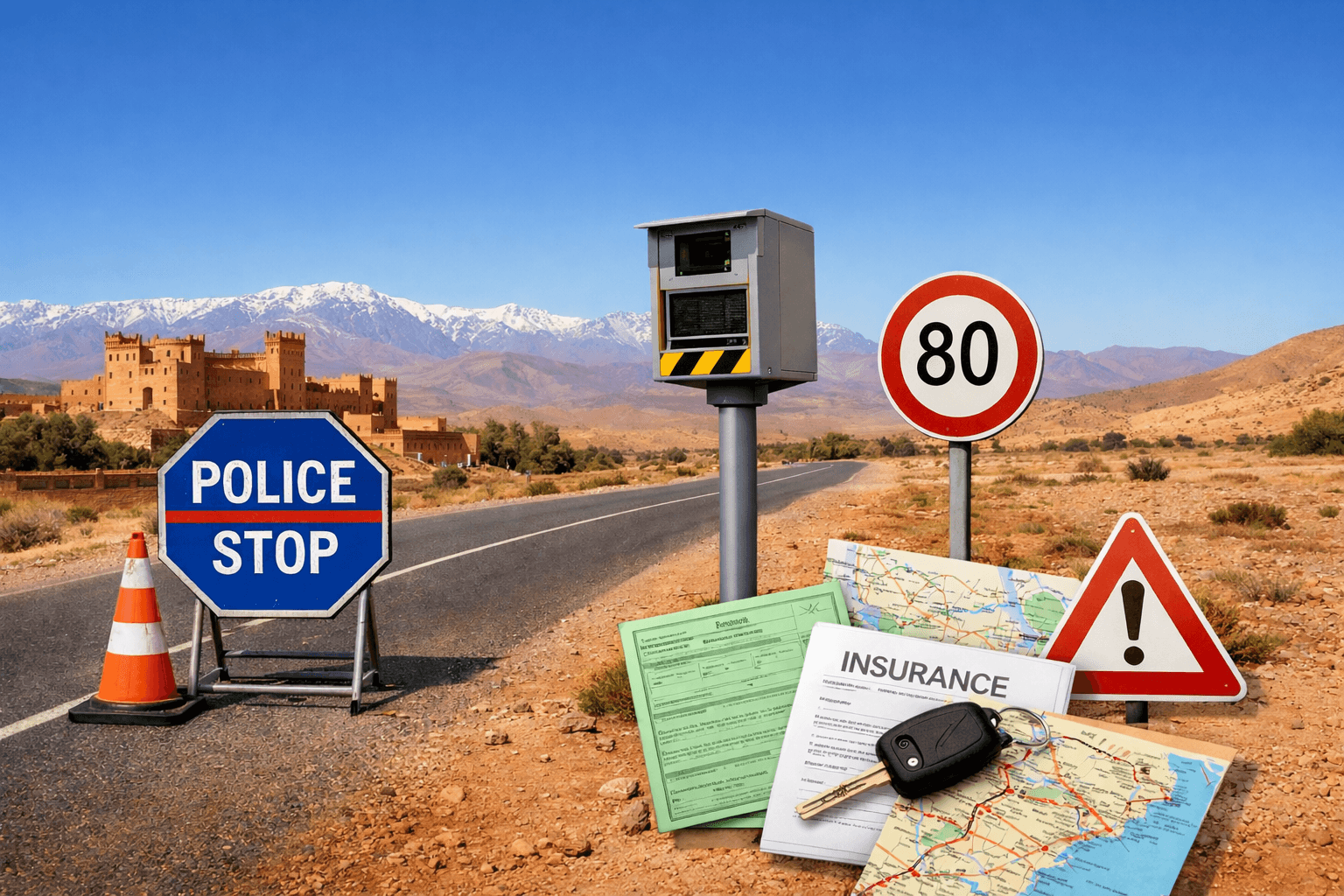
3) Must-Carry Documents for Rentals and Road Travel
Whether you rent or use a driver, keeping your key documents ready saves time.
If you rent a car, keep these accessible
-
passport or national ID
-
driver’s license
-
International Driving Permit (IDP) if required by your license type/provider
-
rental agreement/contract
-
insurance/coverage documents (if provided)
-
vehicle papers (usually supplied with the car)
Practical tip: keep a “travel folder”
A small folder in your bag (and a backup photo set on your phone) prevents 10-minute searches at pickup counters or checkpoints.
4) Private Driver vs Renting a Car: When Each Is Better
This is the decision that shapes your daily stress level.
A private driver is better when…
-
you’re staying near or inside a medina (parking + access is tricky),
-
you’re doing day trips with multiple stops,
-
you’re traveling as a family (kids, luggage, naps),
-
you arrive late at night or after a long flight,
-
you want the trip to feel calm and “handled.”
Renting a car is better when…
-
you want full freedom to stop anywhere,
-
you’re comfortable driving and parking,
-
you’re doing a flexible road trip with many detours,
-
you want to explore outside cities at your own pace.
A simple rule:
-
fixed schedule + comfort needs → private driver
-
flexible exploration + independence → rental car
5) Taxis in Morocco: How to Avoid Confusion
Taxis can be fine, but travelers run into two common problems:
-
unclear pricing,
-
unclear destination communication.
The best taxi habit
Before you move, confirm one of these:
-
the meter method, or
-
the total price.
If the answer is vague, pause and re-clarify. A 20-second check can prevent a frustrating ride.
Where taxis go wrong for tourists
-
late-night fatigue (you accept unclear terms),
-
language misunderstandings,
-
assuming “it will be cheap” without confirming.
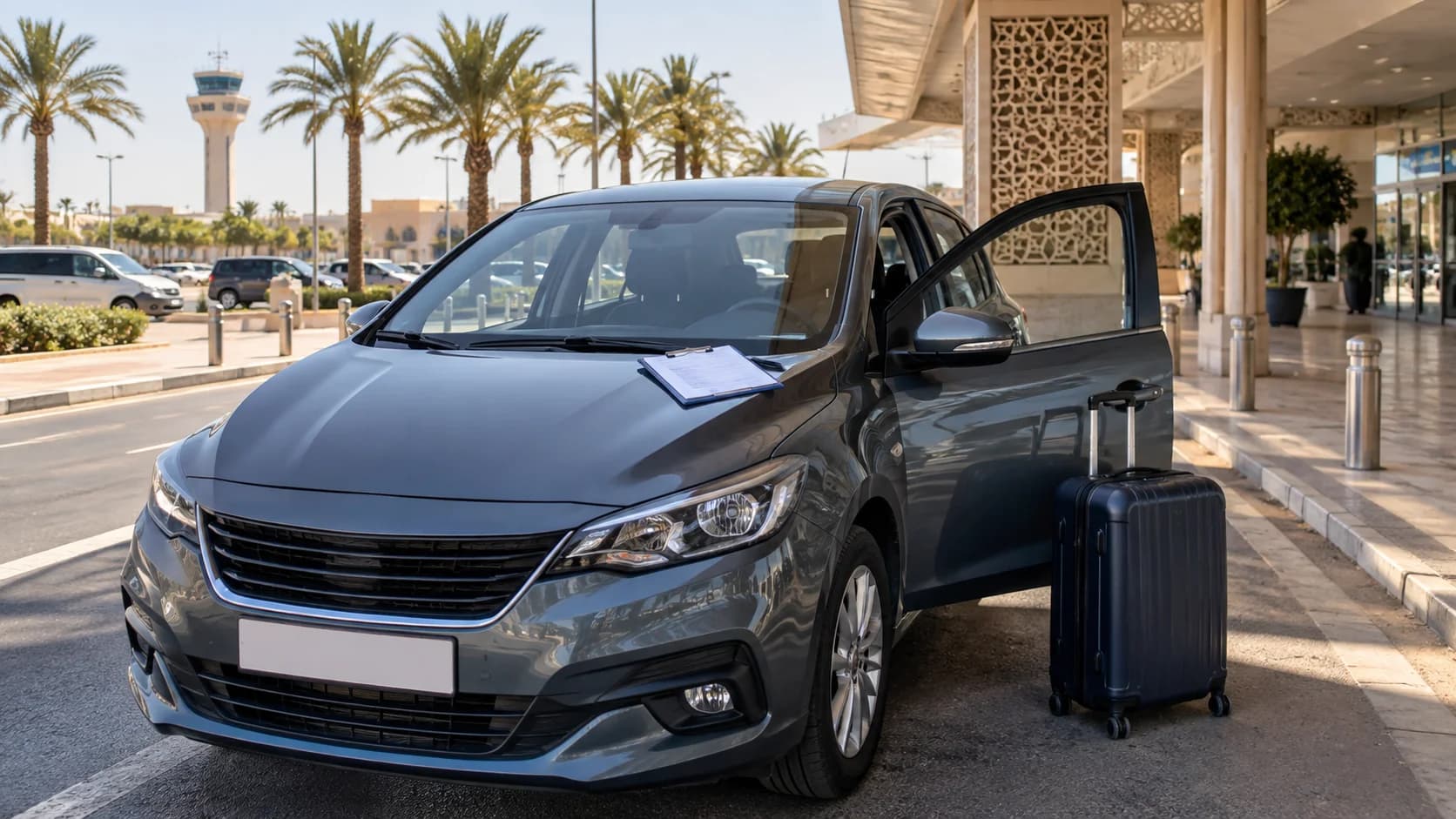
When you want predictable pricing and timing (especially from airports), a pre-arranged pickup often feels easier.
6) Airport Pickups: Meeting Points and Late Arrivals
Airports are where uncertainty spikes, especially if your flight is delayed.
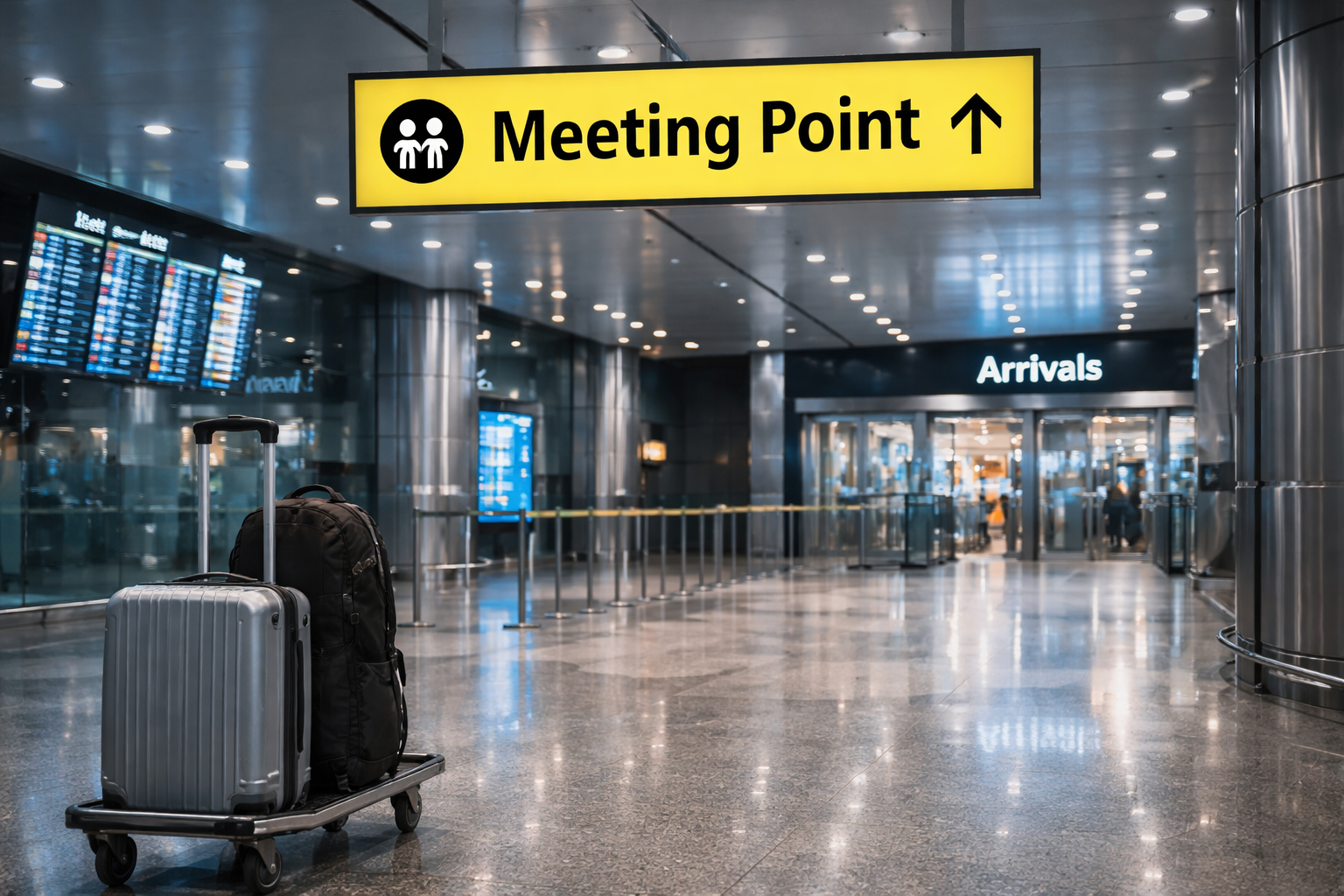
The 3 details that make airport pickup smooth
-
Exact meeting point (arrivals gate area vs parking pickup).
-
Contact method (WhatsApp is common, confirm the number).
-
Delay policy (how long they wait and what happens if delay is long).
Late arrival reality
At night, you want the simplest plan. If you’re tired, pre-arranged pickup often feels safer and calmer than negotiating on arrival.
7) Booking Tips That Prevent the Most Common Problems
Most “bad travel stories” come from missing details at booking.
The five confirmations that prevent headaches
-
Pickup location: exact place and time
-
What’s included: fuel/tolls/waiting time/extra stops
-
Vehicle category (and luggage capacity if relevant)
-
Insurance/excess and exclusions
-
Cancellation and changes policy
One message that upgrades your booking
Send:
“Please confirm the pickup point, what’s included, and the insurance/excess in writing.”
Good providers reply clearly. Vague replies are a warning sign.
8) Money, SIM, and Navigation Basics
Cash vs card
Morocco is mixed. You’ll want some cash for:
-
small shops,
-
tips,
-
quick snacks,
-
and certain local services.
SIM and data
Having data makes navigation and messaging drivers much easier. Even a basic plan improves the whole trip.
Navigation
In cities, navigation is less about distance and more about:
-
traffic flow,
-
roundabouts,
-
and finding the correct entrance to your hotel area.
Save key pins:
-
your hotel,
-
a nearby landmark,
-
and a “safe pickup spot” if you’re staying near a medina.
9) Safety and Road Habits Tourists Should Know
Morocco is generally safe for travelers, but road habits can feel different.
The habits that keep driving calm
-
slow down at town entrances (limits can change fast),
-
expect scooters in cities,
-
don’t drive tired at night outside cities if you can avoid it,
-
keep documents organized.
If you’re ever unsure
Choose the option that reduces mental load:
-
a driver for busy days,
-
and self-drive when you feel rested and confident.
10) FAQs (Fast Answers)
Do I always need a deposit to rent a car in Morocco?
Often yes, usually as a card hold. Amount and release timing vary by provider and bank.
Does “full insurance” mean I pay nothing if something happens?
Not always. Many policies still have excess and exclusions. Check insurance conditions before paying.
Are private drivers worth it in Morocco?
Yes for medina stays, families, day trips with stops, and late arrivals, especially when you want predictable timing.
Are taxis safe in Morocco?
Generally yes, but confirm fare method/total before moving to avoid confusion.
What documents should I carry?
Passport/ID, license (and IDP if needed), rental contract, and insurance/vehicle papers.
What’s the best booking tip for Morocco?
Get the key details in writing: pickup point, inclusions, and insurance/excess.
Conclusion
Morocco is an easy destination when you plan for the real-world details: deposits are often holds, “full insurance” is only meaningful when you know the excess and exclusions, taxis work best when pricing is confirmed upfront, and private drivers remove the most common stress points in medina areas and day trips.