







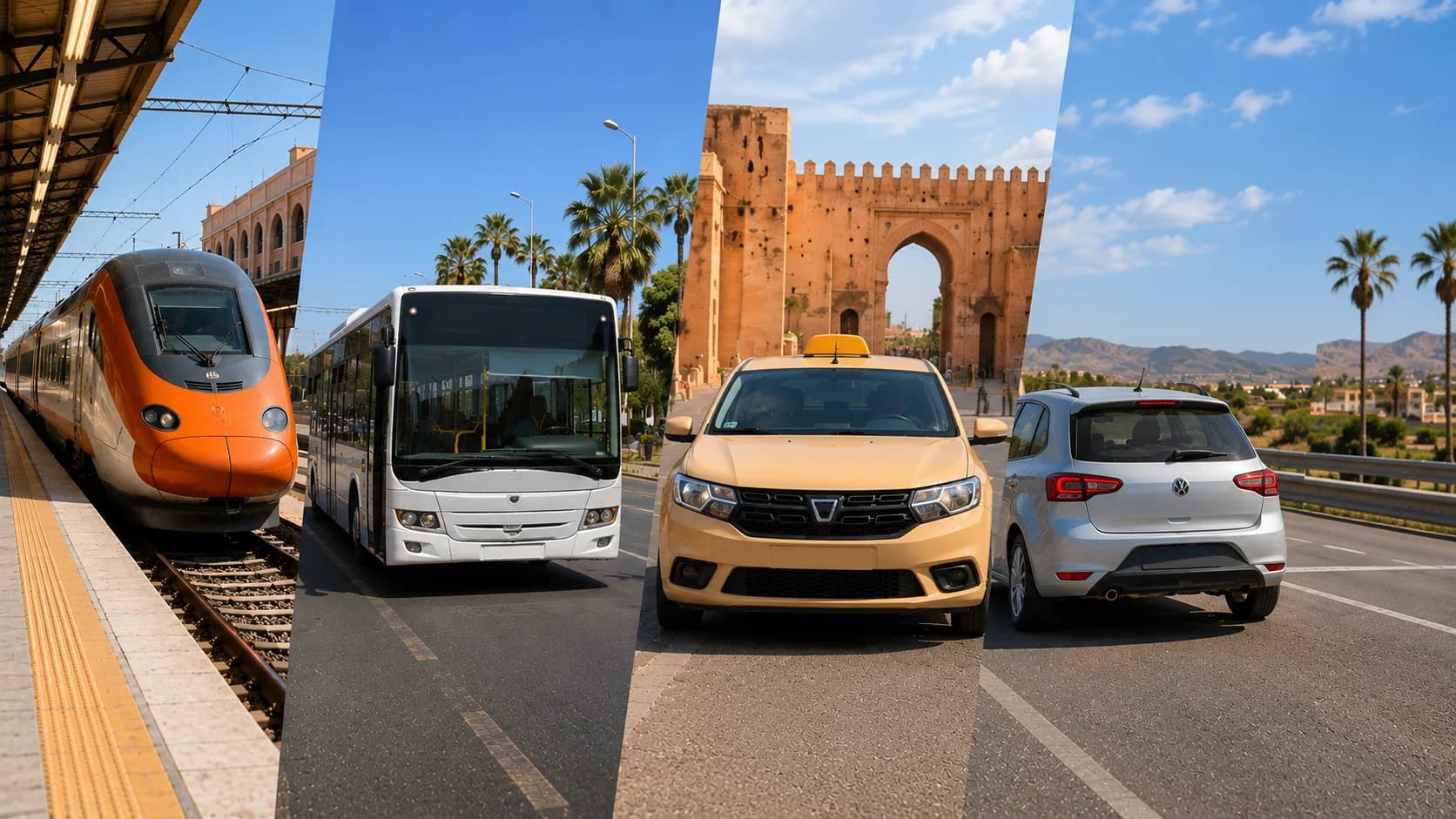
Getting around Morocco is easier than many first-time visitors expect, but choosing the right transport depends on your route, budget, comfort level and travel style. Trains are excellent between major northern and central cities. Buses cover many places the rail network does not reach. Taxis are useful for short hops and local transfers. Car rental gives freedom for beaches, mountains and rural routes. Private drivers are best when you want door-to-door comfort without handling the road yourself.
There is no single best way to travel around Morocco for everyone. A solo backpacker moving between big cities may prefer trains and buses. A couple visiting Marrakech, Essaouira and the Atlas Mountains may prefer a rental car. A family with luggage, children or older travelers may prefer a private driver. This guide compares transport in Morocco clearly, so you can build the right plan for your trip.
The Transport Options at a Glance
Here is the simple version before we go deeper.
| Transport Option | Best For | Main Strength | Main Limitation | Typical Comfort |
|---|---|---|---|---|
| ONCF trains | Major city-to-city routes | Fast, organized, comfortable | Limited destinations | High |
| Al Boraq high-speed train | Tangier, Rabat, Casablanca | Fastest rail option | Only specific route | Very high |
| CTM and Supratours buses | Cities without train access | Wide coverage | Longer travel times | Medium |
| Petit taxis | Short city rides | Cheap and convenient | City-only use | Basic to medium |
| Grand taxis | Shared intercity or local routes | Flexible and common | Less comfortable | Basic |
| Car rental | Road trips, families, rural stops | Freedom and coverage | You drive and park | Medium to high |
| Private driver | Comfort, luggage, custom routes | Door-to-door service | Higher cost | High |
For a simple Marrakech, Casablanca, Rabat or Tangier city trip, you may not need a car every day. For a one-week itinerary with coastal stops, mountain valleys, desert routes or small towns, a mix of train, rental car or driver often works better.
The official ONCF website is the best place to check train schedules and rail options. For general destination planning, the official Visit Morocco transport page is useful for understanding the main ways visitors move around the country.
Trains: ONCF and Al Boraq High-Speed, Where They Shine
Morocco’s train network is one of the easiest transport options for visitors who are moving between major cities. ONCF trains connect important destinations such as Casablanca, Rabat, Marrakech, Fes, Tangier, Meknes and Kenitra.
The strongest train routes are between cities that sit on the main rail network. If you are traveling from Casablanca to Rabat, Rabat to Tangier, Casablanca to Marrakech or Fes to Meknes, the train is usually simple and comfortable. Stations are organized, tickets can be planned in advance and you avoid driving in city traffic.
Al Boraq is Morocco’s high-speed train. It is the premium rail option and is especially useful for Tangier, Rabat and Casablanca. It saves time and makes northern Morocco much easier to combine with the economic capital or airport connections.
Trains are best for:
- Solo travelers who want low-stress intercity travel.
- Couples moving between major cities.
- Visitors who do not want to drive.
- Travelers with a simple city-to-city itinerary.
- Routes like Tangier to Rabat, Rabat to Casablanca or Casablanca to Marrakech.
The limitation is coverage. Trains do not reach every place visitors want to see. Essaouira, Chefchaouen, Agadir, Ouarzazate, Merzouga, Taghazout and many mountain areas are not fully solved by train alone. You may need a bus, taxi, rental car or driver after the train.
So, are trains good in Morocco? Yes, for the right routes. They are not the full answer for every itinerary, but they are one of the best transport choices when your cities match the rail network.
Buses: CTM, Supratours and Long-Distance Coaches
Buses are important for getting around Morocco because they fill many gaps left by the train network. CTM and Supratours are two of the better-known long-distance coach options, and buses can connect cities, towns and regions that trains do not serve directly.
Buses are especially useful for destinations such as Essaouira, Chefchaouen, Agadir and some southern or coastal routes. They are usually cheaper than private transport and often more practical than trying to connect several taxis.
The main advantage of buses is coverage. If the train does not go there, a bus often does. For budget travelers, buses can be the cheapest way to travel around Morocco after local shared taxis.
Buses are best for:
- Budget travelers.
- Solo travelers.
- Routes without train access.
- Travelers who do not mind fixed schedules.
- People carrying moderate luggage.
The trade-off is time and flexibility. Bus travel can take longer than driving, and stations may not be close to your hotel or riad. You also travel on the bus schedule, not your own. If you arrive late, have children, carry a lot of luggage or want to stop along the way, a bus may feel limiting.
For comfort, choose reputable bus companies where possible, book ahead during busy periods and arrive at the station early. For long routes, bring water, snacks and a power bank.
Taxis: Grand vs Petit
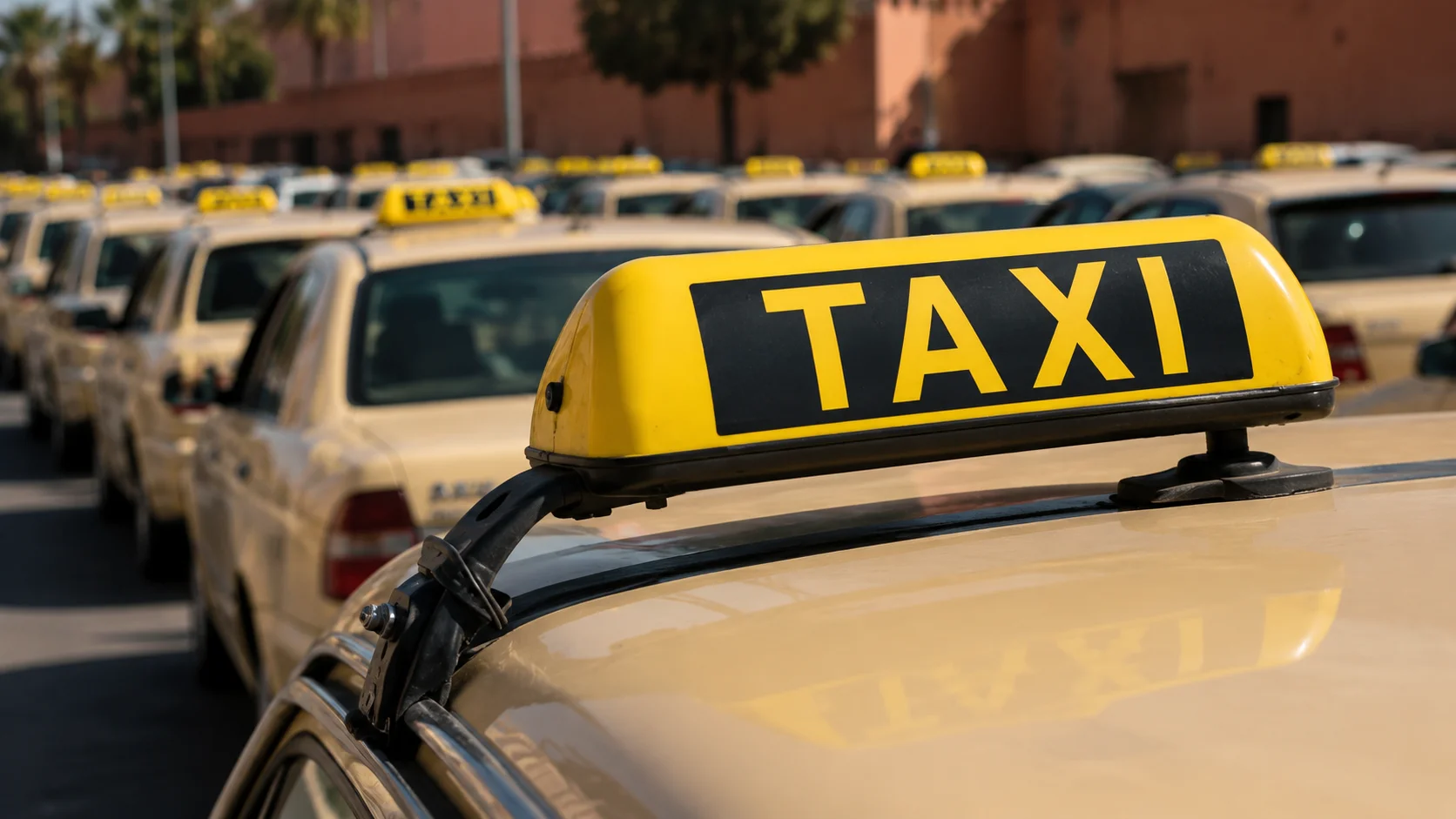
Taxis in Morocco are divided into two main types: petit taxis and grand taxis. Understanding the difference makes local travel much easier.
Petit taxis are small city taxis. They are meant for short rides inside city limits. You use them for trips from your hotel to a restaurant, from a train station to a riad area, or across town for shopping or sightseeing. They usually carry up to three passengers, depending on the city and vehicle.
Grand taxis are larger shared taxis. They are often used for routes between towns, airport transfers, suburban areas or places not served well by local buses. A grand taxi can be shared with other passengers or hired privately for a higher price.
The main difference is simple: petit taxis are for city rides, grand taxis are for longer local or intercity routes.
Taxis are best for:
- Short city rides.
- Quick station transfers.
- Local trips when you do not want to walk.
- Travelers without much luggage.
- Short distances where car rental is unnecessary.
The biggest taxi issue is price clarity. In some cities, meters are used. In other situations, you may need to agree on the fare before starting. At airports, stations and tourist areas, prices may be higher than normal local rides.
For a smooth taxi experience, confirm the price first if no meter is used, keep small cash, and use hotel or riad assistance if you are unsure about local rates. Taxis are useful, but they are not always the best solution for full-day sightseeing, multiple stops or long-distance travel.
Car Rental: Freedom and Coverage
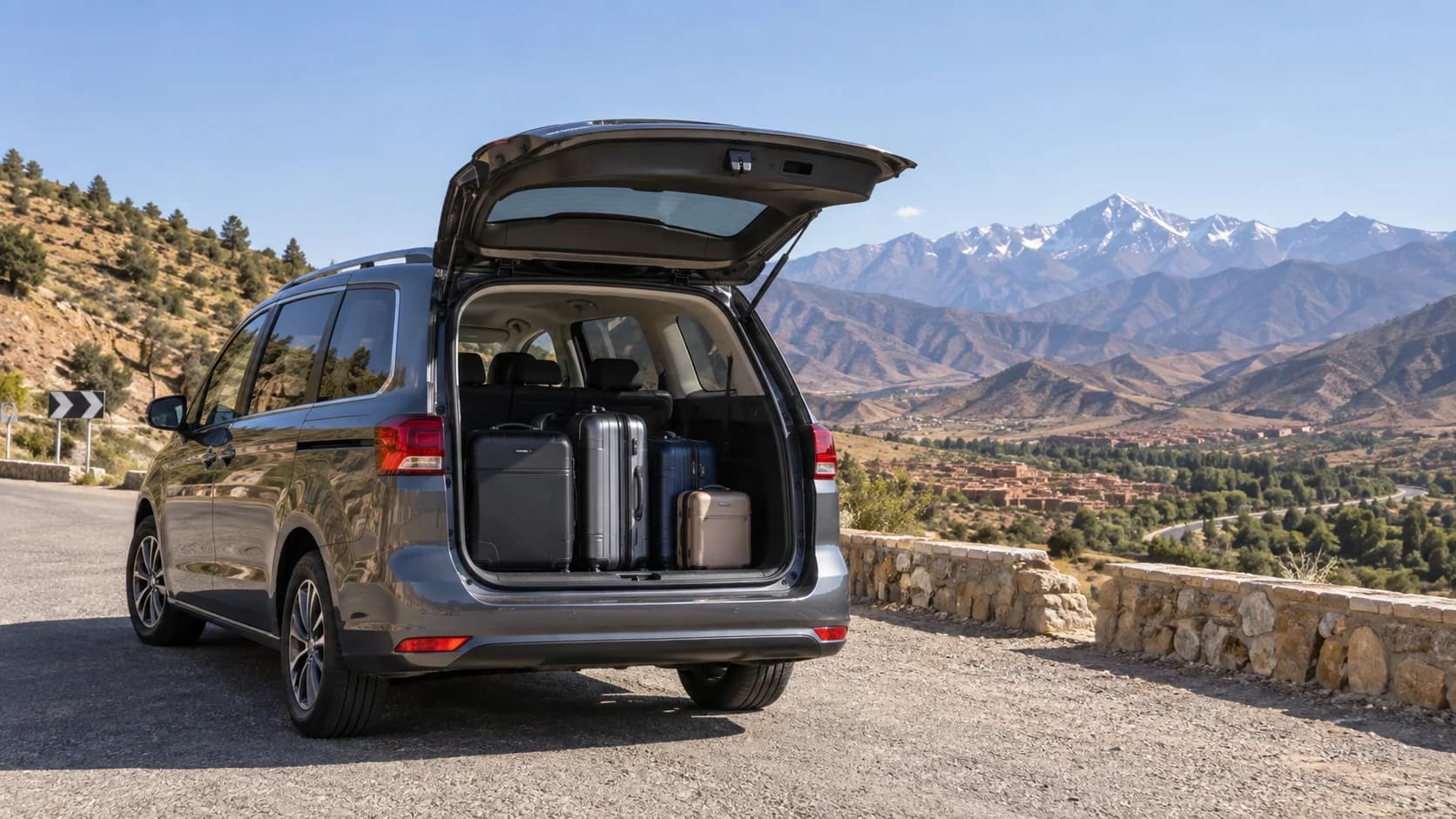
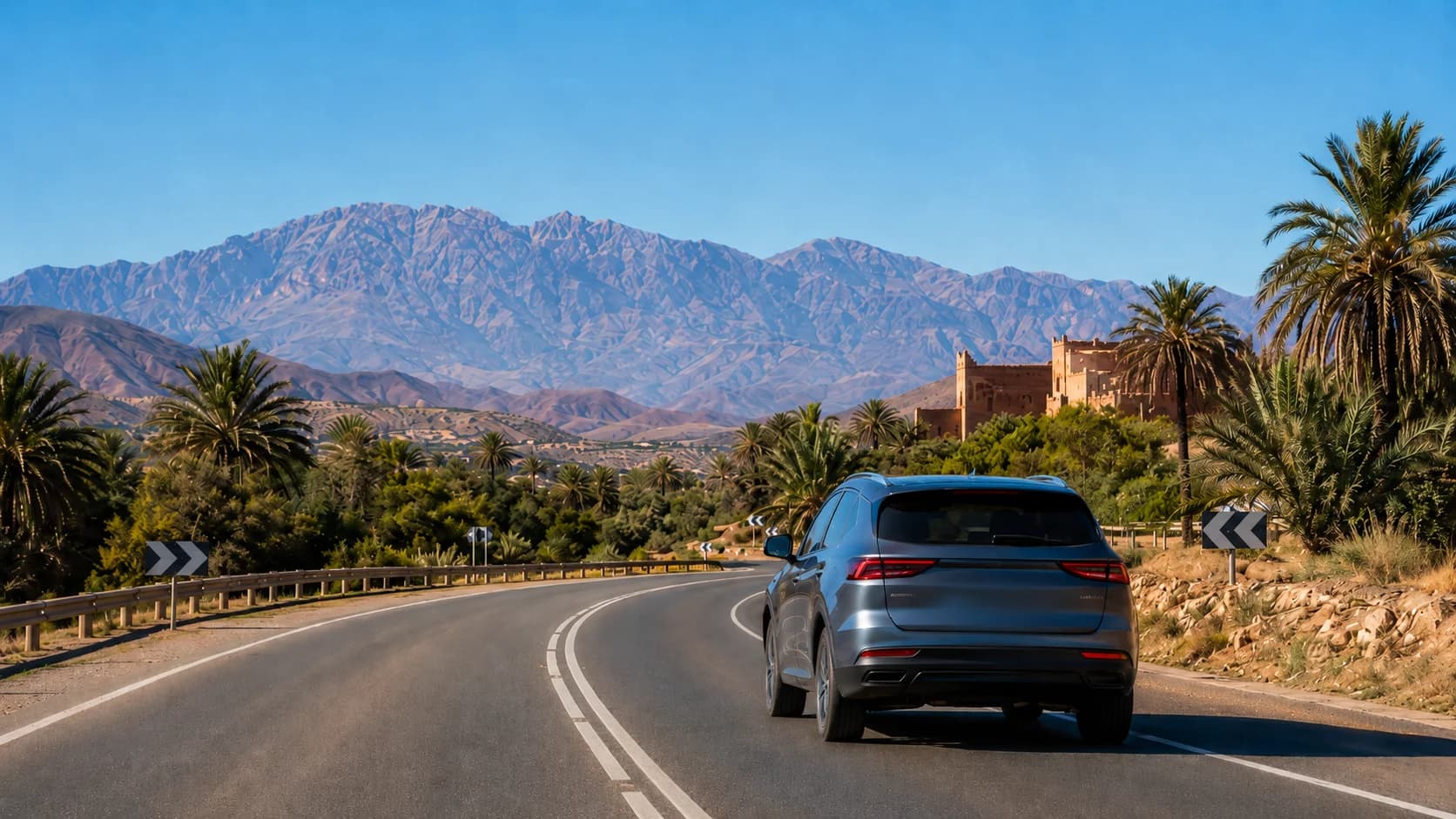
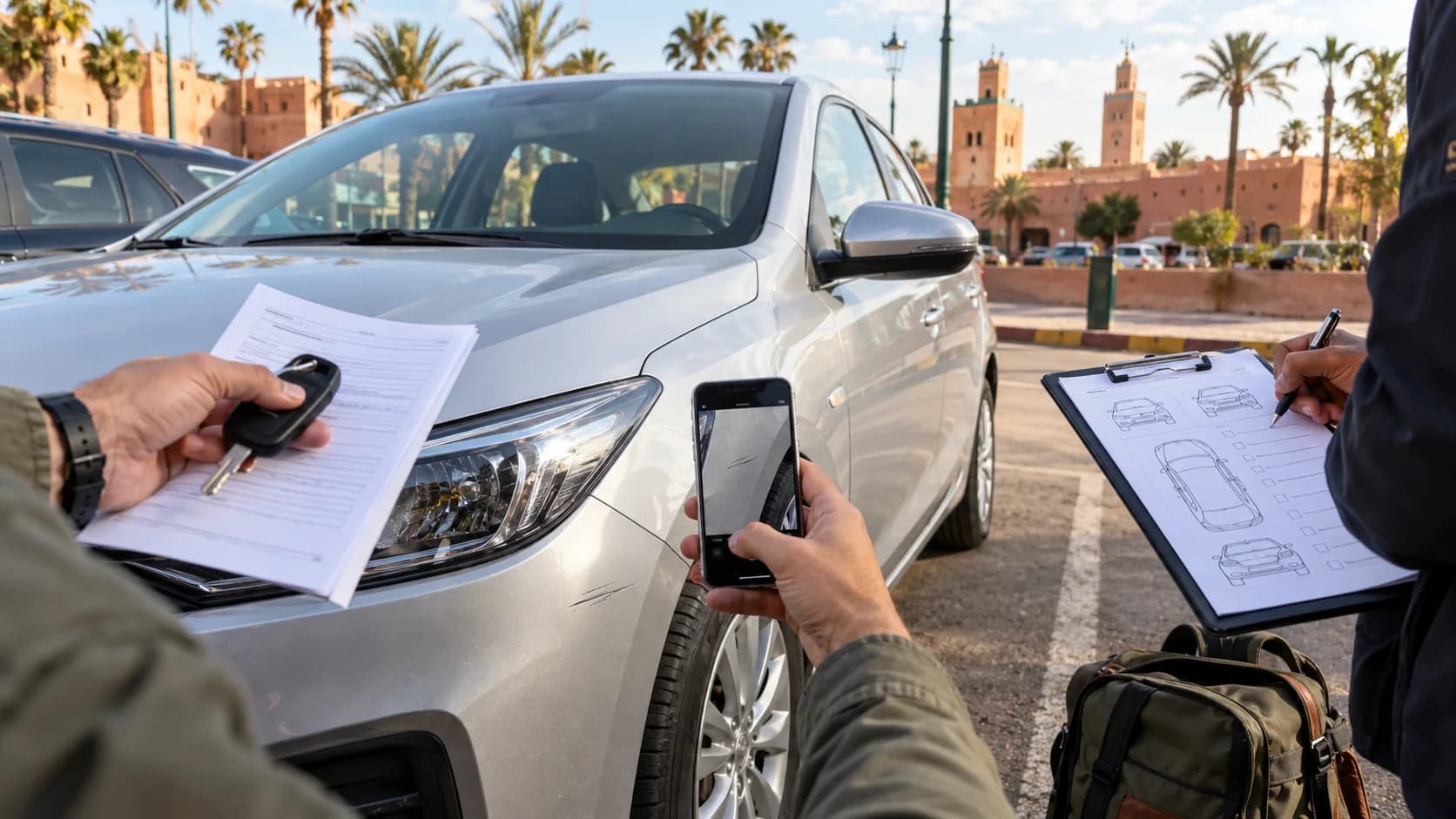
Car rental is the best way to travel around Morocco when your itinerary goes beyond the train and bus network. It gives you control over timing, stops, luggage and route changes. This is especially useful for travelers who want to explore Morocco at their own pace.
A rental car works well for Marrakech to Essaouira, Casablanca to El Jadida and Oualidia, Agadir to Taghazout and Paradise Valley, Tangier to Tetouan and Chefchaouen, Fes to Ifrane and the Middle Atlas, or longer loops that include Ouarzazate and desert routes.
The biggest advantage is freedom. You can stop for photos, leave early, avoid waiting at stations, carry luggage easily and visit places that are difficult by public transport. For couples, families and small groups, the cost can also make sense when shared.
Car rental is best for:
- Road trips.
- Families and groups.
- Beach towns and mountain routes.
- Travelers with luggage.
- Flexible itineraries.
- Visitors who want to explore outside major cities.
The main limitation is that you must drive. Moroccan roads vary from smooth motorways to narrow rural lanes. City traffic in Marrakech, Casablanca and Fes can feel busy for first-time visitors. Parking near medinas can also require planning.
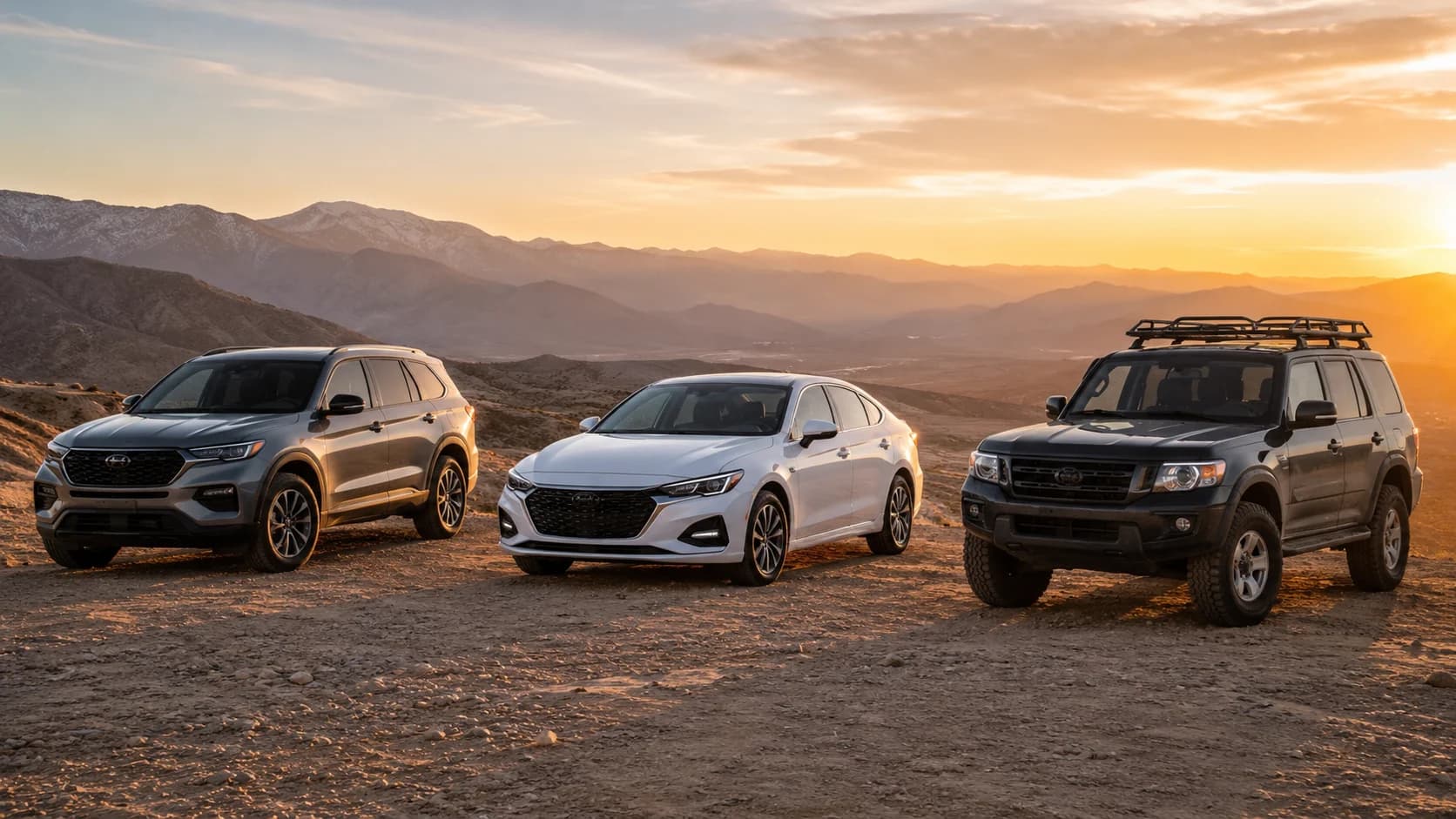
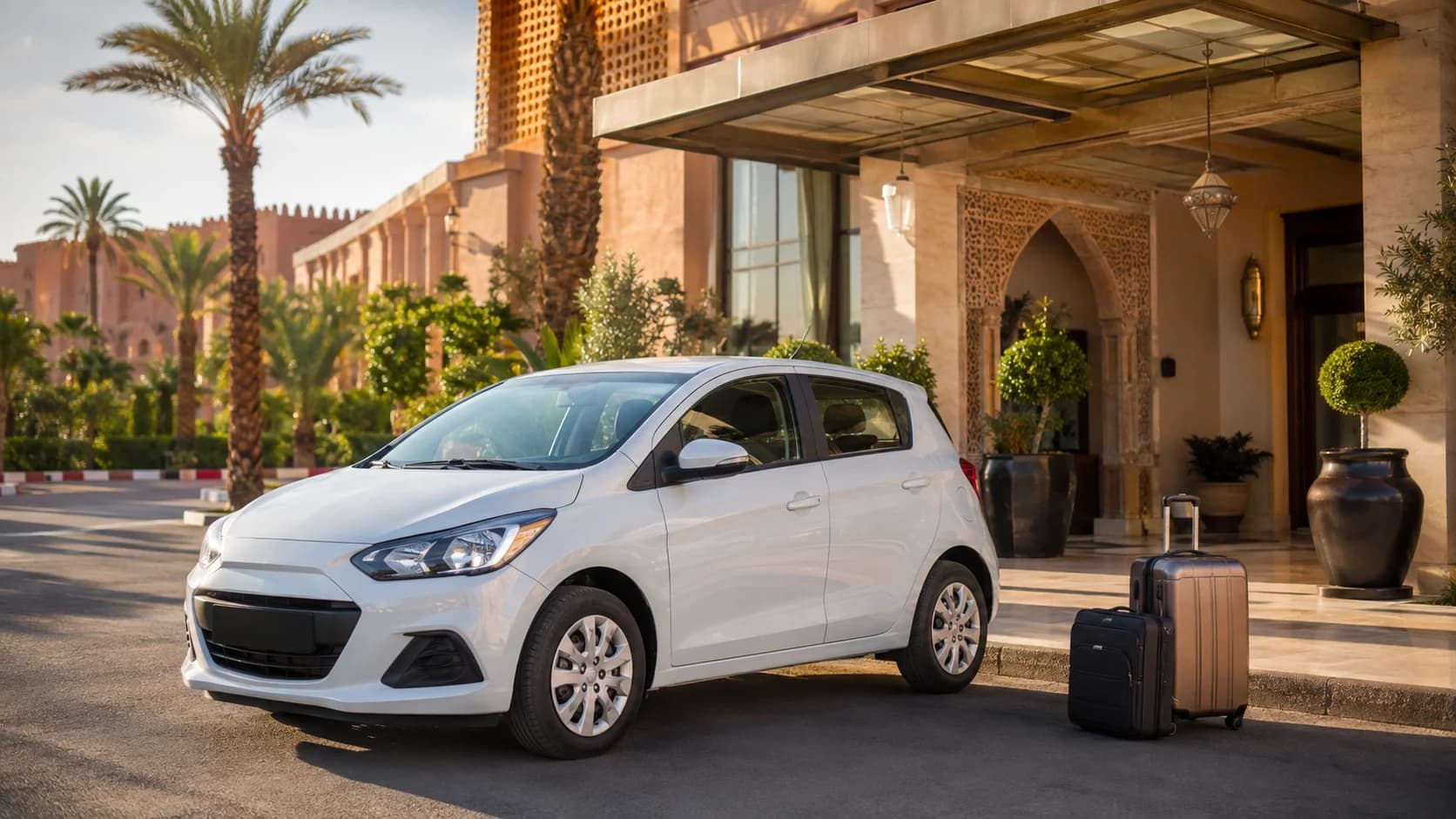
If you choose car rental in Morocco, pick the car based on your route. Economy cars are good for cities and simple roads. Sedans are comfortable for intercity travel. SUVs are better for luggage, families and rougher rural sections. Automatic cars are easier for many visitors, but they should be booked early.
Car rental is not necessary for every Morocco trip. But when trains and buses fall short, it becomes one of the most practical options.
Private Drivers: Door-to-Door Comfort
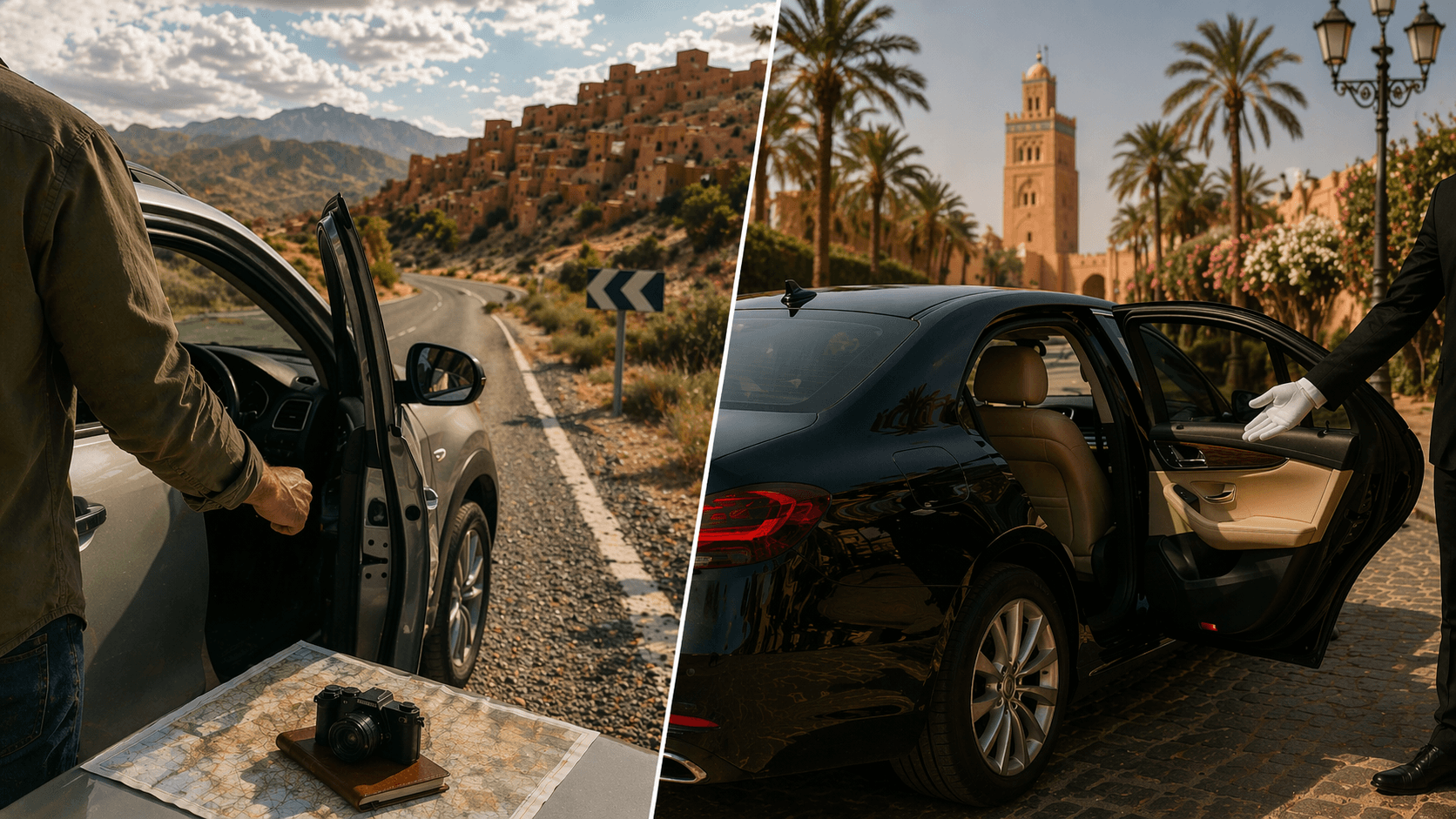
A private driver is the easiest way to move around Morocco if you want comfort without driving yourself. It costs more than trains or buses, but it solves many travel problems at once: luggage, parking, route planning, hotel pickup, timing and local road confidence.
A private car with driver is useful for airport arrivals, long transfers, family trips, business travel, day trips, elderly travelers and visitors who prefer a calmer experience. It also works well when you want to visit multiple stops in one day without worrying about transport between each one.
Private drivers are best for:
- Door-to-door transfers.
- Families with luggage.
- Luxury and business trips.
- Long day trips.
- Multi-city itineraries.
- Travelers who do not want to drive.
The biggest advantage is convenience. The driver picks you up where you are staying and drops you exactly where you need to go. This matters in Morocco because many riads are near pedestrian medina areas, and some bus or train stations are not close to your final accommodation.
Private drivers are also helpful for routes where public transport exists but is not smooth. For example, if you want to go from Marrakech to the Atlas Mountains, Casablanca to Chefchaouen or Fes to Merzouga, a driver can make the journey simpler.
For longer routes, consider intercity travel with a driver. It is a strong option when the journey is part of the experience, not just a transfer.
Which to Choose for Your Route and Group
The best way to get around Morocco depends on your route first, then your group size.
For Tangier, Rabat and Casablanca, the train is usually excellent. Al Boraq makes this corridor especially comfortable. If your trip is mostly northern and central cities, trains can cover a lot.
For Casablanca to Marrakech, the train is a strong option, but private transfers and car rental can also make sense depending on luggage, timing and hotel location.
For Marrakech to Essaouira, many travelers choose bus, rental car or private driver because there is no direct train. The bus is cheaper, the car is more flexible, and the driver is more comfortable.
For Marrakech to the Atlas Mountains, a rental car or private driver is usually better than relying on public transport. The same applies to Ouarzazate, Ait Ben Haddou, Ourika Valley and rural viewpoints.
For Fes to Chefchaouen, bus or private driver are common choices. A rental car gives flexibility, especially if you want stops along the way.
For desert trips, private driver, organized transport or rental car with careful planning are more practical than train-only travel. The desert is far, and travel time matters.
Group size also changes the best option. A solo traveler may save money with trains and buses. A couple may choose trains for cities and a rental car for coastal or mountain sections. A family of four may find a rental car or private driver more comfortable and sometimes better value than buying multiple tickets and paying for taxis at each end.
If you are unsure between driving yourself and hiring a driver, read private driver vs self-drive. The right answer depends on your confidence, route, budget and how much flexibility you want.
Suggested Transport Mix for Common Morocco Trips
For a 3-day city break in Marrakech, use airport transfer, taxis and possibly one private driver day trip. You probably do not need a rental car inside the city.
For a 5-day Casablanca, Rabat and Tangier trip, use trains, especially Al Boraq for the northern route. Add taxis for station transfers.
For a 7-day Marrakech, Essaouira and Agadir route, consider a rental car or private driver. Buses are possible, but they reduce flexibility.
For a 10-day imperial cities trip, mix train and private transfers. Trains are good between Casablanca, Rabat, Meknes, Fes and Marrakech, but drivers help with riad pickups and side trips.
For a desert and mountain route, public transport becomes harder. A private driver or well-planned rental car usually creates a better experience.
Final Advice
Getting around Morocco is not difficult when you match the transport to the route. Trains are excellent where they exist. Buses are affordable and useful for wider coverage. Taxis solve short local rides. Car rental gives freedom for road trips. Private drivers offer the most comfort and simplest door-to-door travel.
For the best trip, do not force one transport mode to do everything. Use the train where it shines, rent a car where freedom matters, and book a driver where comfort and timing are more important than saving money.
FAQ
What is the best way to get around Morocco?
The best way depends on your route. Trains are best between major cities, buses are good for budget travel and places without trains, rental cars are best for road trips, and private drivers are best for comfort.
Is it easy to travel around Morocco without a car?
Yes, it is easy if you focus on major cities and popular routes. Trains, buses and taxis can cover many trips. A car becomes more useful for beaches, mountains, rural areas and flexible itineraries.
Are trains good in Morocco?
Yes, trains in Morocco are comfortable and useful between cities such as Casablanca, Rabat, Tangier, Marrakech, Fes, Meknes and Kenitra. The limitation is that trains do not reach every tourist destination.
How does the Al Boraq high-speed train work?
Al Boraq is Morocco’s high-speed train linking Tangier, Kenitra, Rabat and Casablanca. It is faster and more comfortable than standard rail for that corridor. Tickets and schedules should be checked through ONCF.
Should I rent a car to travel around Morocco?
Rent a car if your trip includes beaches, mountains, countryside, multiple stops or destinations not well served by trains. If you are only visiting major cities, trains and taxis may be enough.
What’s the difference between a grand taxi and a petit taxi?
A petit taxi is a small city taxi for local rides inside one city. A grand taxi is usually larger and used for shared or private routes between towns, suburbs or longer local trips.
Is it better to take the train or hire a driver in Morocco?
Take the train when the route is direct and stations are convenient. Hire a driver when you want door-to-door service, have luggage, travel with family, or need to reach places the train does not cover.
How do you get to places the train doesn’t reach in Morocco?
Use long-distance buses, grand taxis, car rental or private drivers. For destinations like Essaouira, Chefchaouen, Agadir, the Atlas Mountains or desert areas, road transport is usually required.
Are buses safe and reliable in Morocco?
Reputable buses are widely used and generally reliable for many routes. They are a good budget option, but travel times can be longer and comfort varies by route and company.
What’s the cheapest way to travel around Morocco?
The cheapest way is usually a mix of buses, second-class trains, shared taxis and walking inside cities. For groups, a rental car can sometimes become good value when the cost is shared.