



Table of Contents
- Is Morocco safe to visit in 2026?
- Safety for solo travellers and women
- Common scams and how to avoid them
- Is it safe to drive in Morocco?
- Health, water and food safety
- Areas, emergencies and useful numbers
- Practical precautions and booking through vetted providers
- FAQ
Is Morocco safe to visit in 2026?
Yes, Morocco is generally safe for tourists in 2026, especially in the main travel cities such as Marrakech, Casablanca, Fes, Tangier, Agadir, Rabat and Essaouira. Millions of visitors travel around the country every year for city breaks, family holidays, desert trips, beach stays and road trips. Most trips are trouble-free when travellers use normal precautions, choose reliable transport and stay aware in crowded areas.
The honest answer is that Morocco is safe, but not risk-free. The main issues tourists face are usually petty theft, overcharging, fake guides, aggressive sellers, taxi confusion and occasional scams in busy tourist zones. Official travel advice also reminds visitors to stay alert in tourist locations and crowded places. The UK FCDO says petty crime is common in tourist areas, especially in medina quarters and on beaches, while the US Department of State currently advises travellers to exercise increased caution in Morocco due to terrorism risk.
This does not mean tourists should avoid Morocco. It means the best experience comes from planning well. Book your airport pickup in advance, keep valuables discreet, use official or trusted guides, avoid quiet streets late at night and be careful with people who approach you too aggressively.
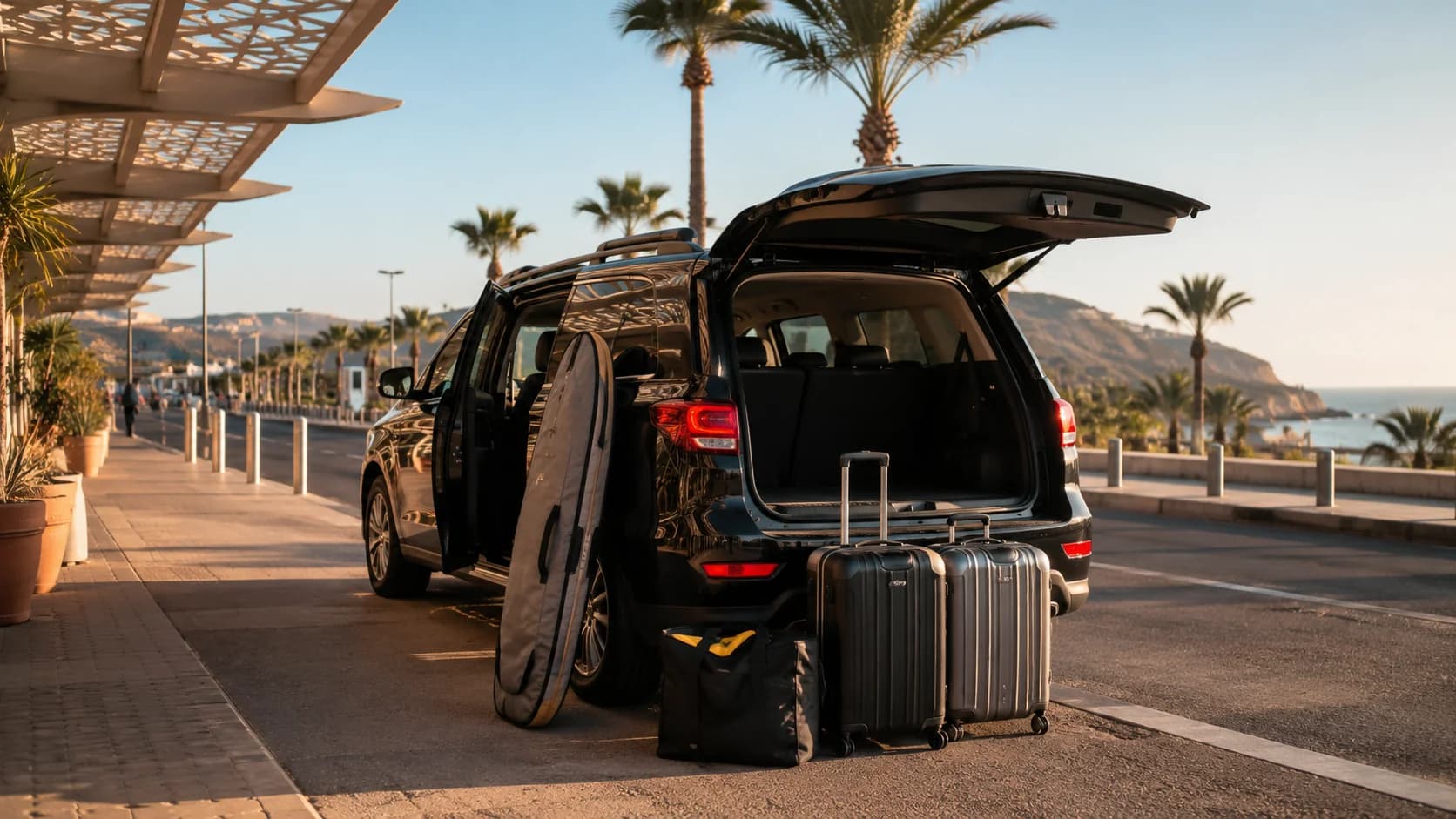
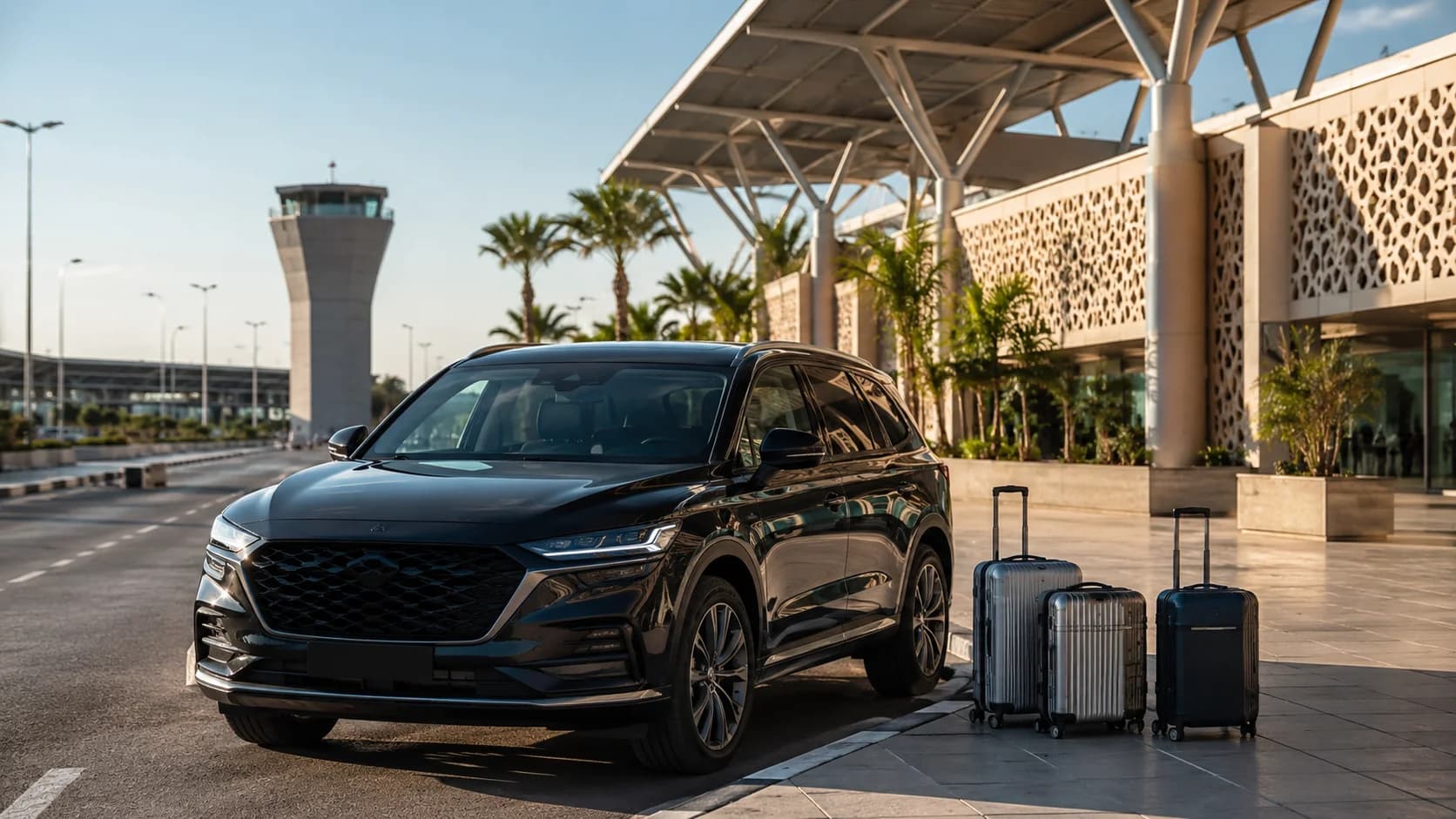
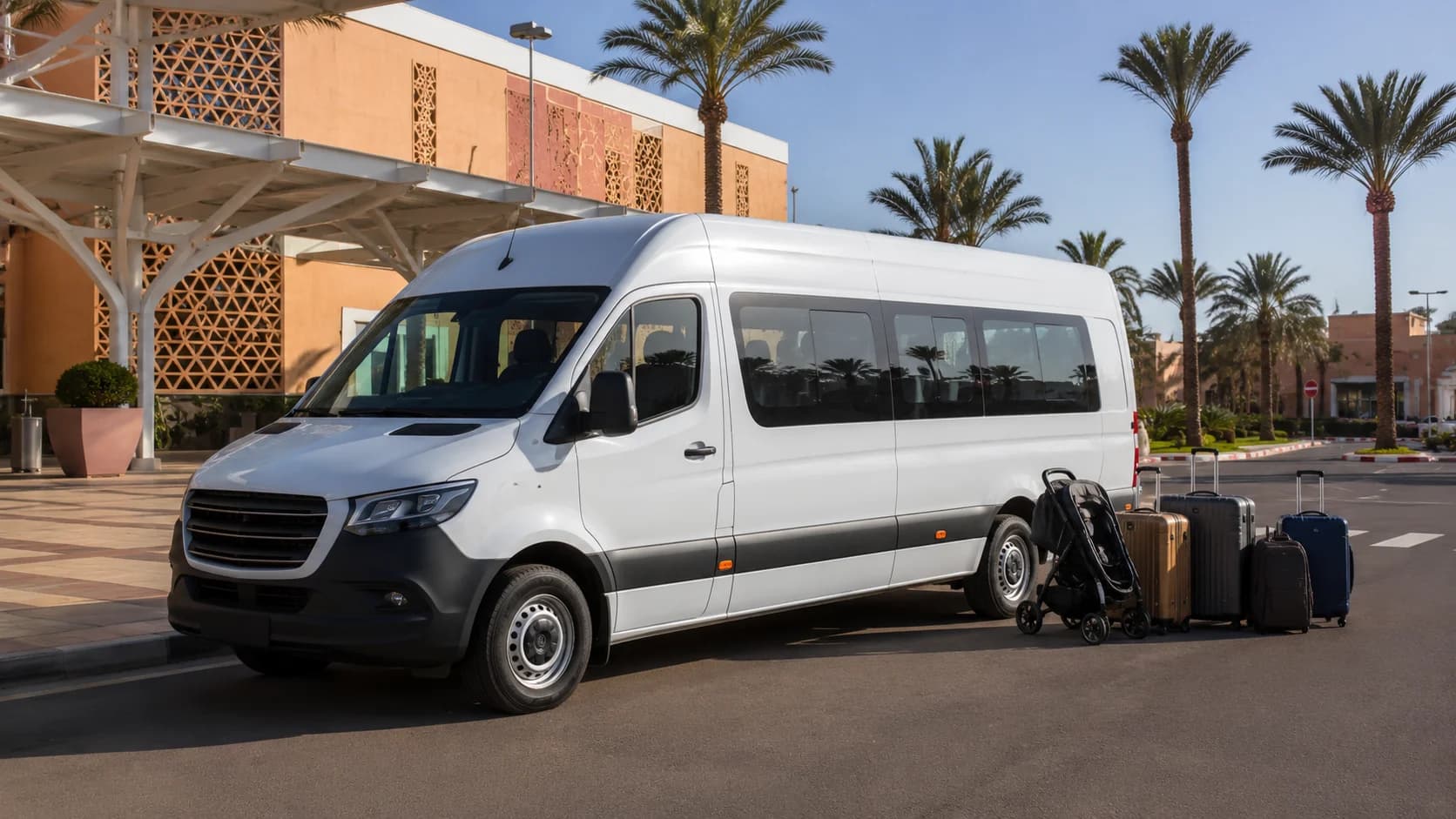
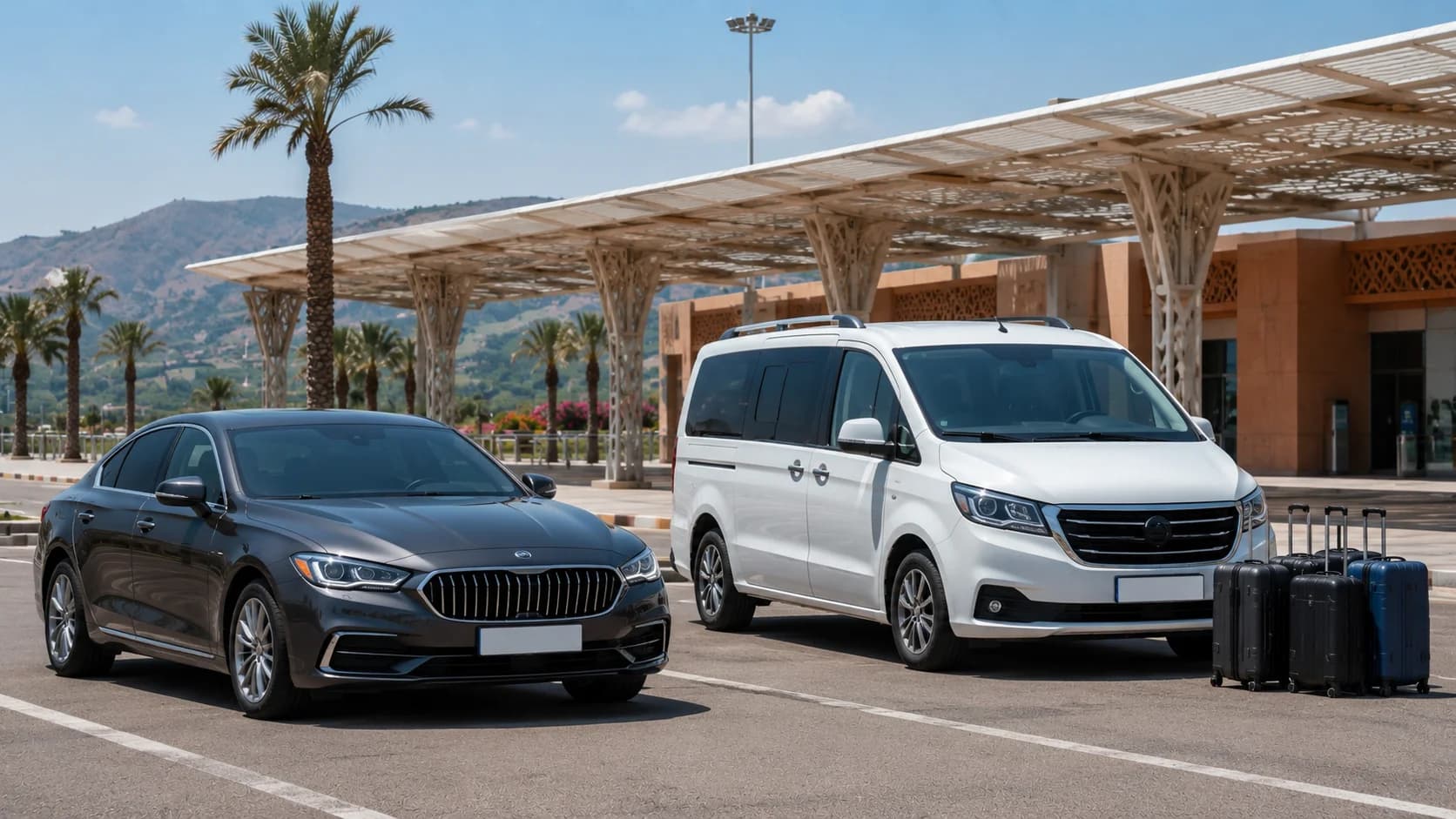
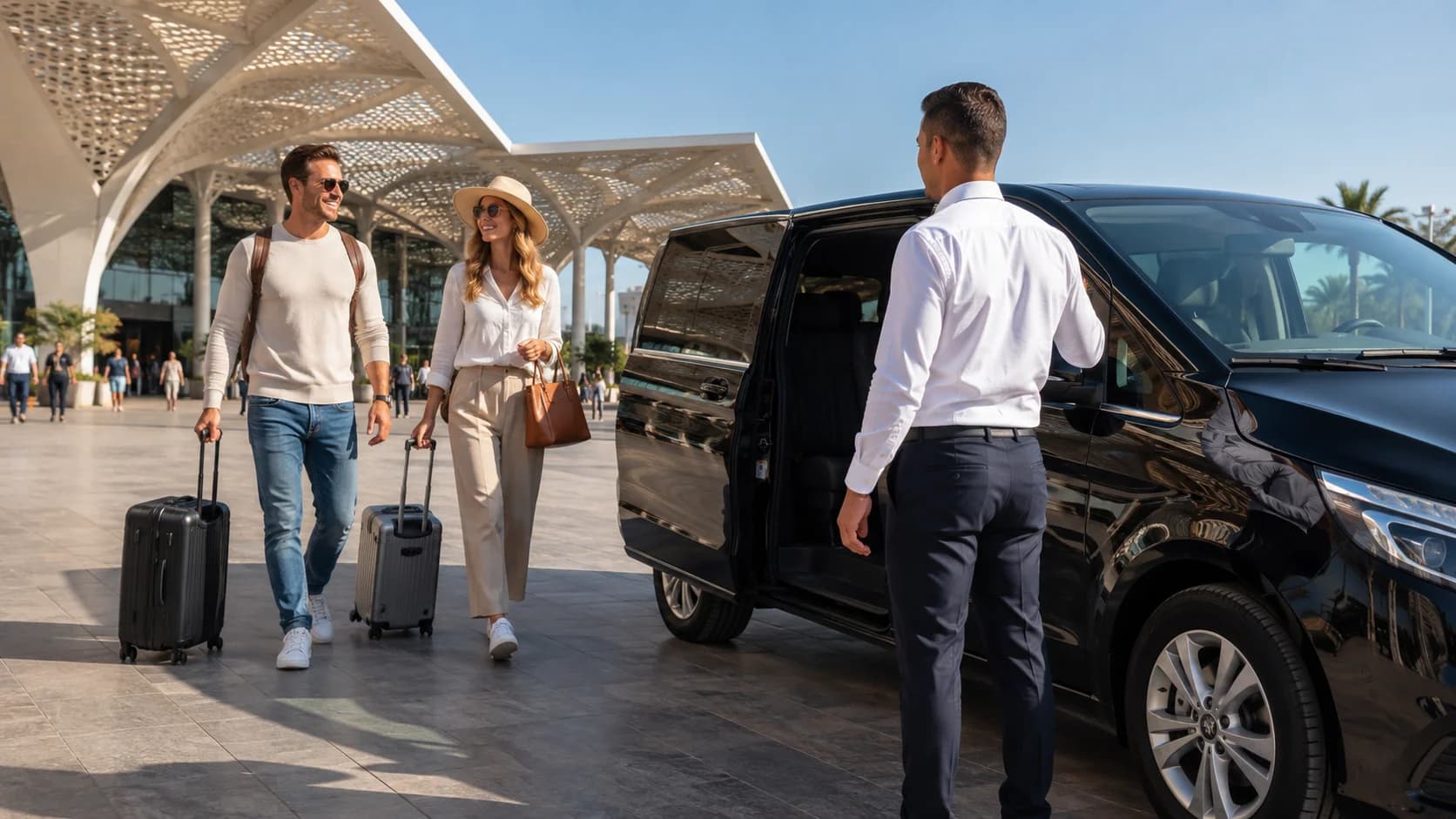
For a smooth first arrival, many travellers prefer to book an airport transfer service before landing, especially if they arrive late, travel with children or carry several bags.
Safety for solo travellers and women
Morocco can be a rewarding destination for solo travellers. The country is social, lively and used to international visitors. Solo travellers often enjoy the medinas, cafés, coastal towns, mountain routes and guided day trips. The key is to stay confident, avoid looking lost in very busy areas and plan transport before moving between cities.
For solo female travellers, Morocco is safe for many visitors, but unwanted attention can happen. This may include staring, comments, persistent shop invitations or men offering “help” when it is not needed. The FCDO notes that women may receive unwanted attention in Morocco, especially when travelling alone, and advises loose-fitting clothing covering the arms, legs and chest.
This does not mean women must dress in a specific way, but modest clothing usually makes travel easier. In cities like Marrakech, Fes and Tangier, lightweight trousers, long skirts, loose shirts and layers are practical. On beaches and in hotel pools, normal swimwear is common, but in medinas and traditional areas, a more covered style helps reduce attention.
Solo travellers should avoid walking alone through empty medina alleys late at night. In Marrakech, Fes and Tangier, the main streets and central squares are usually active in the evening, but small side streets can become confusing after dark. Use a trusted taxi, a hotel-arranged driver or a pre-booked transfer when returning late.
For women travelling alone, a simple rule helps: do not feel pressured to be polite to someone who is making you uncomfortable. A clear “no, thank you” and walking away is enough. If someone insists on guiding you, selling something or following you, go into a café, shop or hotel lobby and ask staff for help.
Families with children usually find Morocco welcoming. Moroccans are often warm with children, and family travel is common in cities, beach resorts and desert routes. The main safety points for families are traffic, sun exposure, clean drinking water, child seats and choosing reliable transport. For a deeper family planning article, read the Morocco with kids guide.
Common scams and how to avoid them
Most scams in Morocco are not dangerous, but they can be stressful. They usually happen in tourist-heavy areas, especially near medinas, souks, taxi ranks, train stations and famous squares.
One common scam is the fake guide. A person may tell you a street is closed, a market is only open today, or your hotel is difficult to find. Then they walk with you and ask for money. The FCDO warns that bogus tourist guides are common in historical districts and recommends using guides with an official badge and local permission.
Another common issue is “free help” that becomes paid help. Someone may offer directions, carry bags, show you a viewpoint or take you to a shop. At the end, they may ask for payment. To avoid this, ask your hotel or riad for directions before leaving, use offline maps and politely refuse help from strangers who insist too much.
Taxi overcharging can also happen, especially around airports, train stations and popular tourist zones. In cities, petit taxis should normally use meters, but some drivers may refuse, especially at night or in busy areas. Agree on the price before entering if the meter is not used. For intercity routes, airport arrivals or family trips, a pre-booked private driver is often simpler.
Shopping scams are usually about pressure rather than danger. You may be taken to a carpet shop, spice shop or leather shop and told there is a special discount. Take your time, compare prices and do not buy because you feel trapped. A good shop will let you leave without pressure.
Card fraud and product substitution are also mentioned in official UK advice. The FCDO advises travellers to stay alert to scams and credit card fraud. Use ATMs inside banks when possible, cover your PIN, keep your card in sight and check the amount before paying by card.
Is it safe to drive in Morocco?
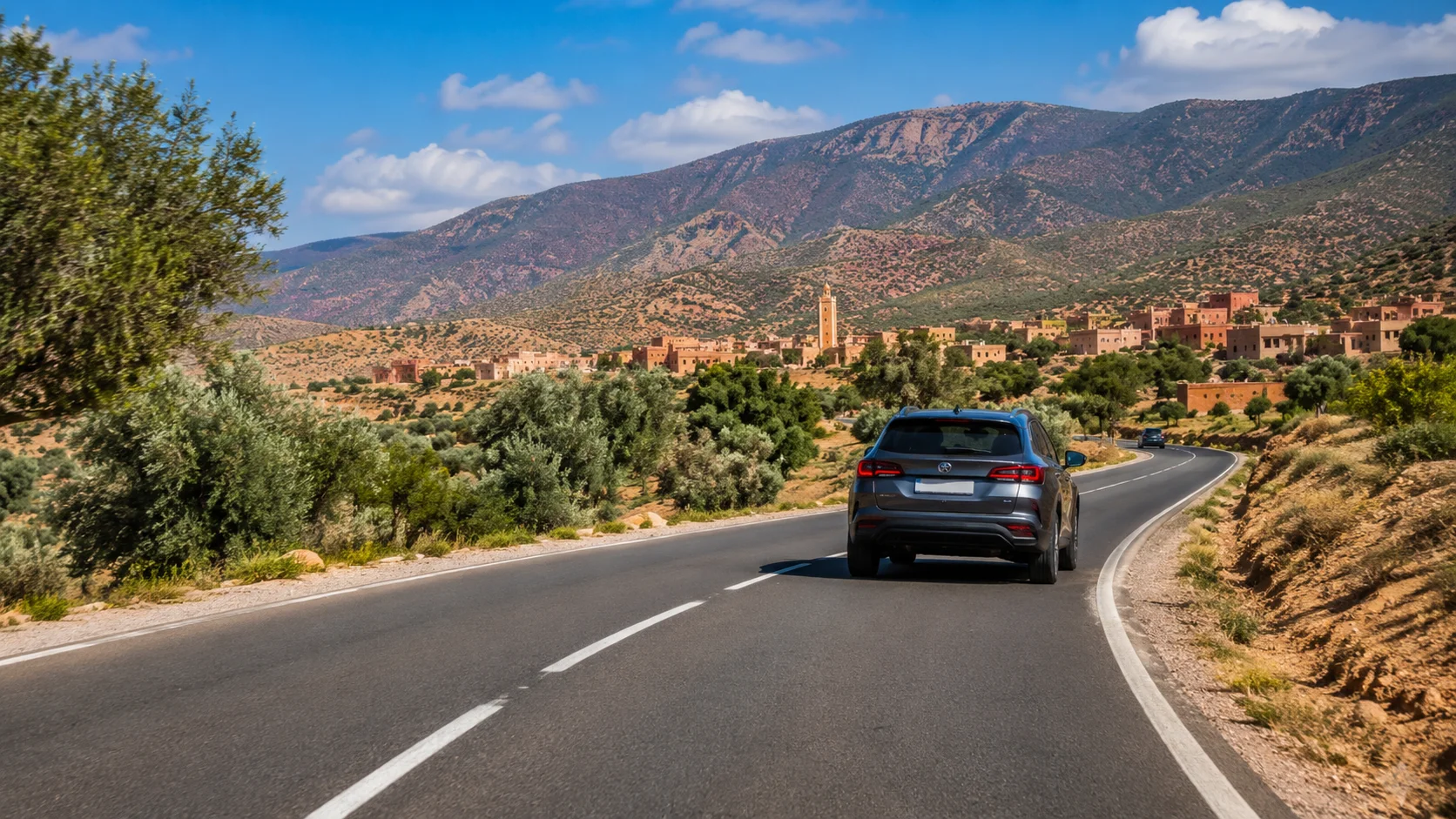
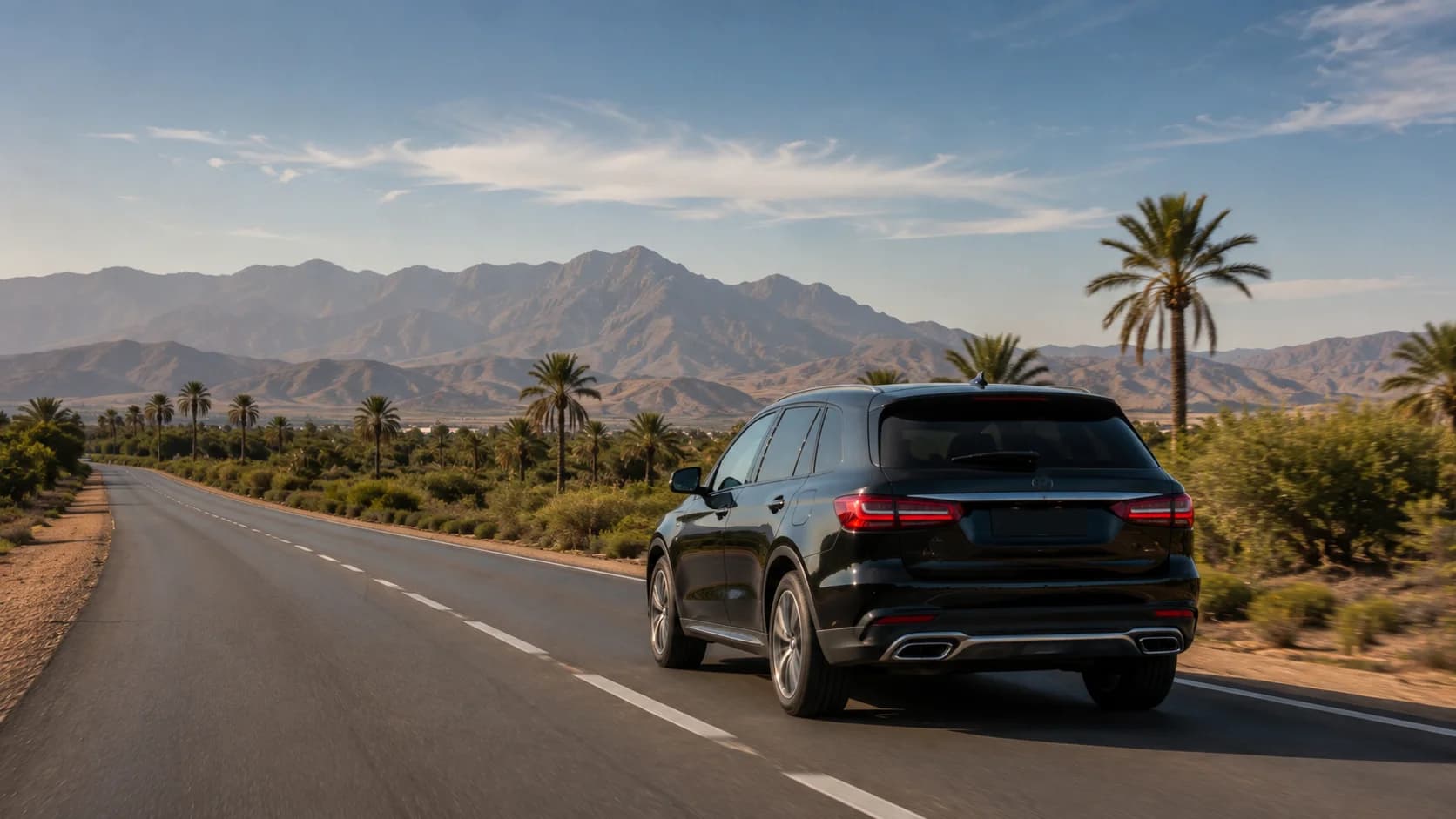
Yes, it can be safe to drive in Morocco if you are a confident driver and choose routes carefully. Main highways between cities such as Casablanca, Rabat, Tangier, Fes and Marrakech are generally good. Many travellers rent a car for coastal routes, family trips, Atlas day trips, desert routes and flexible travel between cities.
However, driving in Morocco is different from driving in many European or North American cities. Traffic can feel chaotic in large cities, scooters may pass closely, pedestrians may cross unexpectedly and roundabouts can be confusing at first. Rural roads can include animals, slow vehicles, sharp bends and limited lighting.
The US Department of State warns that traffic accidents are a significant hazard in Morocco and advises extreme caution when driving at night because of poor lighting on some roads. It also notes that rural routes, mountain roads and secondary roads can be narrow, steep, windy or poorly paved.
The safest approach is to avoid long night drives, especially in the Atlas Mountains, rural areas and unfamiliar roads. Plan mountain routes during daylight. Keep enough fuel, water and phone battery, and do not rush. Speed checks and police controls are common, so respect local limits and keep your documents ready.
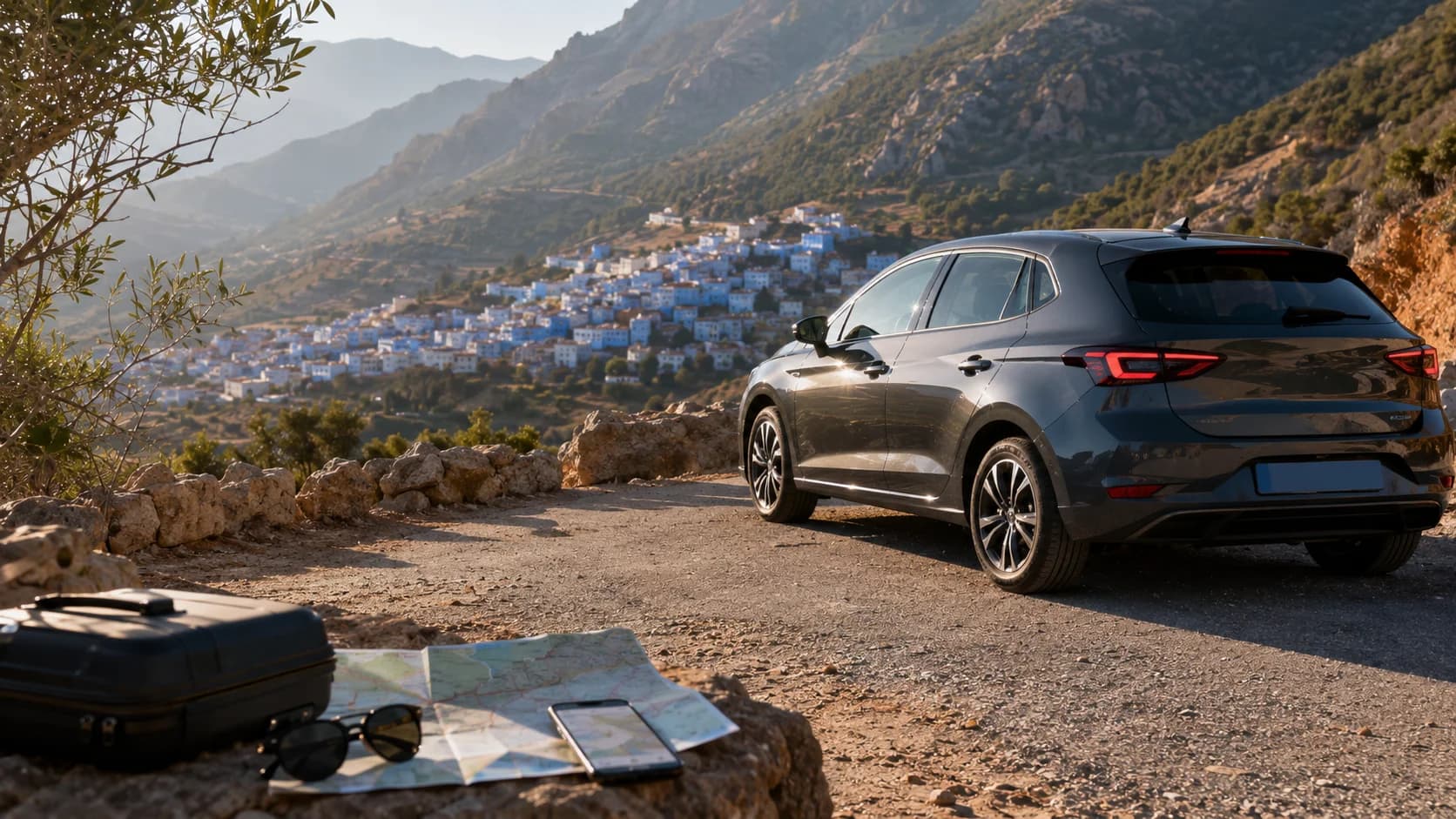
For rental cars, check the vehicle before leaving: tyres, lights, fuel level, spare wheel, documents, insurance and photos of existing scratches. Make sure you understand the deposit, insurance excess, mileage policy and return rules. Travellers who want flexibility can explore car rental in Morocco, while those who prefer not to drive can book a private driver.
For more detailed road advice, read the driving in Morocco guide.
Health, water and food safety
Health risks in Morocco are usually manageable with basic precautions. The biggest issue for travellers is stomach upset from food or water changes. The US Department of State says that in many areas of Morocco, tap water is not potable, and that ice may be made using tap water. Bottled water is generally the safer choice for tourists.
Use bottled water for drinking, especially during the first days of your trip. In rural areas, mountain villages and desert stops, bottled or properly filtered water is the better option. In hotels and restaurants, ask for bottled water if you prefer not to drink tap water.
Food safety is mostly about choosing busy places with fresh turnover. Street food can be excellent, but choose stalls that are popular, clean and cooking food in front of you. Be careful with raw salads, unpeeled fruit, undercooked meat and food that has been sitting out too long in hot weather.
Morocco can be very hot in summer, especially in Marrakech, Fes, inland towns and desert areas. Drink enough water, avoid long walks at midday and use sunscreen. In winter, mountain areas can be cold, and some rural accommodation may have limited heating.
Before travelling, check recommended vaccines with a doctor or travel clinic. The US Department of State recommends travellers be up to date on vaccines recommended by the CDC for Morocco. This is especially important for longer trips, rural stays, adventure travel or travellers with medical conditions.
Travel insurance is strongly recommended. Make sure it covers medical care, cancellation, theft and the activities you plan to do, such as hiking, quad biking, surfing or desert excursions.
Areas, emergencies and useful numbers
Most tourist areas in Morocco are safe when visited with normal awareness. Marrakech, Fes, Tangier, Casablanca, Rabat, Agadir and Essaouira all receive regular visitors. The places where tourists need extra attention are usually not “danger zones,” but busy or confusing areas where petty crime and scams are more common.
Medinas are beautiful but easy to get lost in. Keep your phone charged, save your accommodation location and avoid following strangers who say they will show you the way. Beaches are pleasant, but do not leave bags unattended while swimming. Crowded markets are great for photos and shopping, but keep your phone and wallet secure.
The Morocco-Algeria land and sea borders are closed, and the FCDO warns not to attempt to cross them without authorisation. It also gives specific advice for Western Sahara, which is a disputed territory. For normal tourist routes like Marrakech, Agadir, Fes, Chefchaouen, Tangier, Casablanca, Rabat and Essaouira, this is not usually part of a standard itinerary, but road-trippers should understand their route before heading far south or east.
Emergency numbers in Morocco are important to save before travelling. According to the FCDO, the key numbers are:
Police: 190
Gendarmerie: 177
Ambulance: 150
Fire: 150
In tourist cities, you can also ask your hotel, riad, restaurant or local host to contact the nearest tourist police office if needed. For serious incidents, contact your embassy, travel insurer and travel provider.
Practical precautions and booking through vetted providers
The safest Morocco trips are usually the best organised ones. You do not need to overplan every hour, but you should know how you will arrive, move between cities and return safely at night.
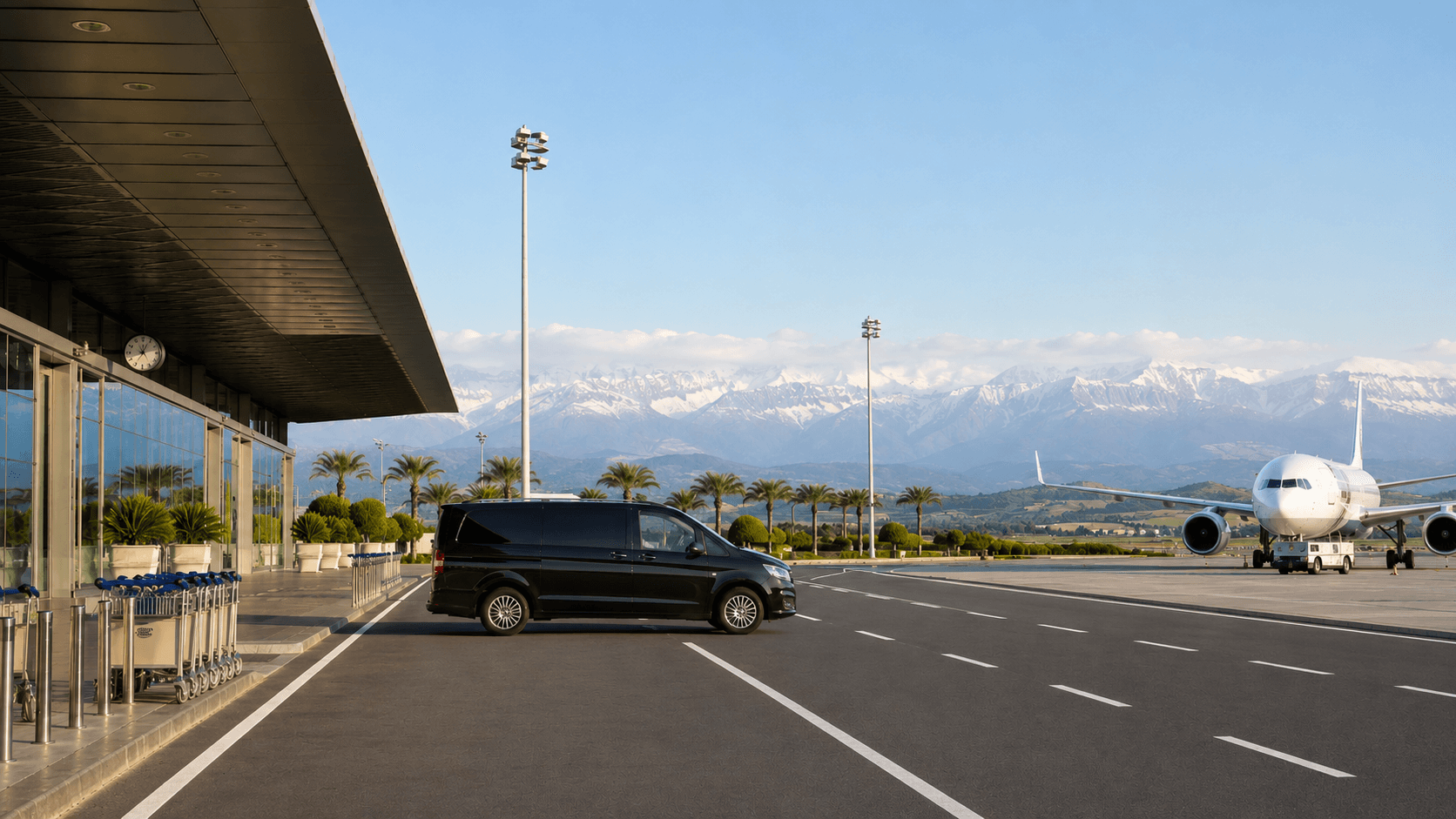
Start with arrival. After a long flight, the airport can be tiring. If you arrive late at Marrakech, Casablanca, Tangier, Agadir or Fes airport, a pre-booked transfer reduces stress. You know who is meeting you, where to go and what the price is before you arrive.
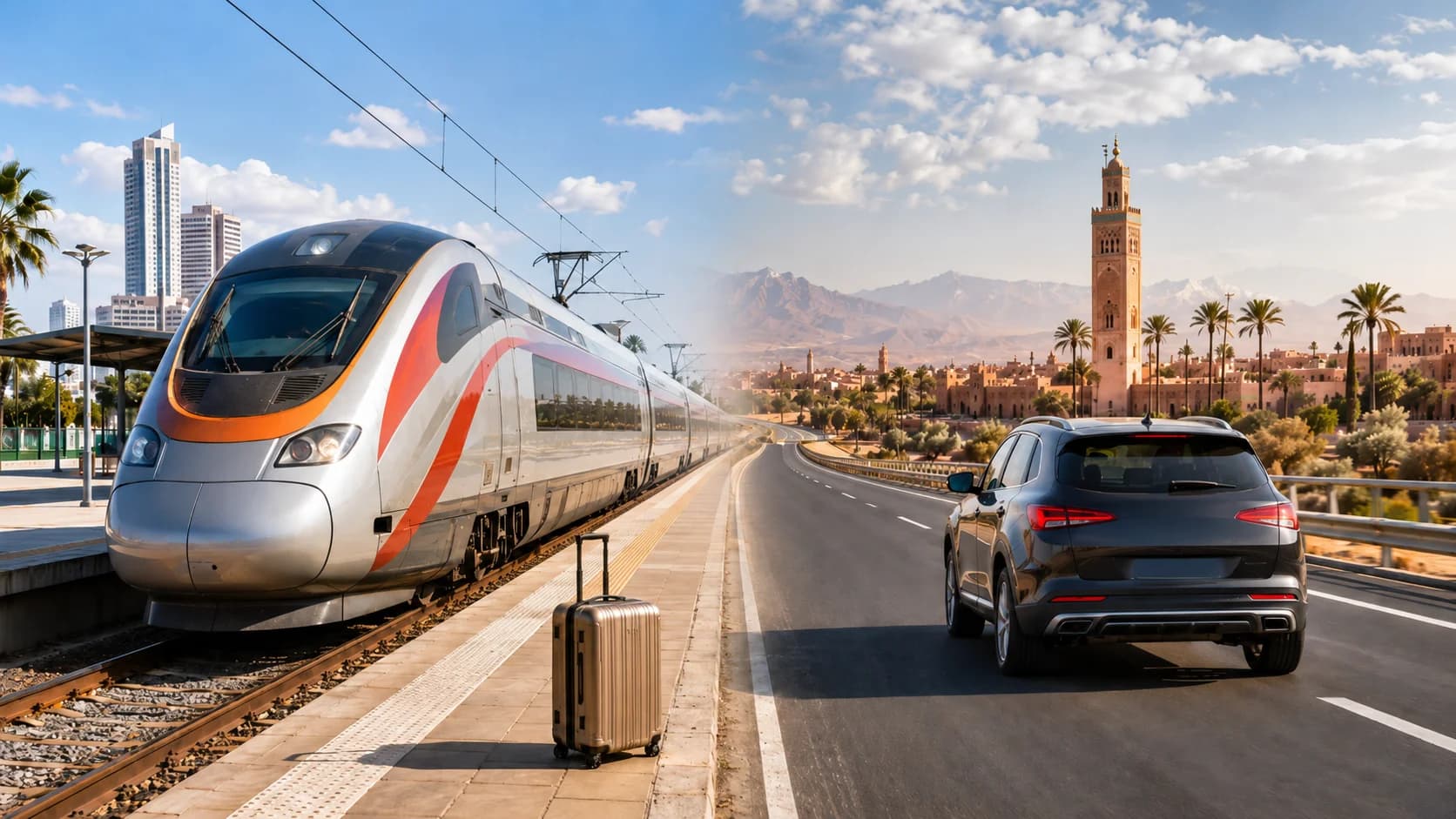
For city-to-city travel, compare your options. Trains are useful on major routes, buses can be affordable, rental cars give flexibility and private drivers are comfortable for families or travellers who do not want to navigate. The safest choice depends on your route, luggage, arrival time and confidence level.
Use vetted providers for transport, tours and activities. A very cheap offer from an unknown person in the street may look attractive, but it can create problems with insurance, timing, vehicle quality and accountability. A clear booking with written details protects both the traveller and the provider.
Before confirming any service, check what is included: pickup time, meeting point, vehicle type, luggage space, insurance, child seats, fuel, waiting time and cancellation rules. For rental cars, ask about deposit, excess, mileage, return location and what happens if your flight is delayed.
Keep copies of your passport, driving licence, booking confirmations and insurance documents. Do not carry all your cash in one place. Use a small crossbody bag or zipped pocket in crowded areas. At night, choose main streets, licensed taxis, hotel pickup or a trusted driver.
Morocco is safest when you travel with local awareness, not fear. Be friendly, but not naive. Be open, but not pressured. Enjoy the souks, beaches, mountains and old cities, but make practical choices that protect your time, money and comfort.
FAQ
Is Morocco safe for tourists in 2026?
Yes, Morocco is generally safe for tourists in 2026, especially in major travel cities and popular routes. The main risks are petty theft, scams, fake guides, traffic and occasional unwanted attention. Official advisories recommend staying alert in tourist areas and avoiding crowds or demonstrations.
Is Morocco safe for solo female travellers?
Yes, many solo female travellers visit Morocco safely, but unwanted attention can happen, especially in busy tourist areas or when walking alone. Modest clothing, confident body language, pre-booked transport and avoiding empty streets late at night can make the trip more comfortable.
Is it safe to drive in Morocco?
Driving in Morocco can be safe for confident drivers, especially on main highways and daylight routes. City traffic, scooters, rural roads, mountain roads and night driving require extra caution. If you are nervous about driving, a private driver may be a better option.
What are the most common scams in Morocco?
Common scams include fake guides, inflated taxi prices, “free” directions that become paid help, pressure to buy in shops, fake closed-street claims and overcharging in tourist zones. Use official guides, agree prices before accepting services and do not follow strangers who insist on helping.
Is the tap water safe to drink in Morocco?
Many locals drink tap water in some cities, but tourists are usually safer with bottled water, especially during short stays. The US Department of State notes that tap water is not potable in many areas and that ice may be made from tap water. Bottled water is widely available.
Is Marrakech safe at night?
Marrakech is generally safe at night in busy central areas, restaurants, hotel districts and main streets. Be more careful in quiet medina alleys, empty streets and poorly lit areas. Use a trusted taxi or pre-booked driver when returning late.
Is Morocco safe for families with children?
Yes, Morocco is a family-friendly destination. Families should plan transport carefully, request child seats in advance, protect children from heat, use bottled water and avoid stressful late-night arrivals. Many families choose private transfers or rental cars for comfort.
Do I need any vaccinations for Morocco?
Travellers should check with a doctor or travel clinic before visiting Morocco. Routine vaccines should be up to date, and extra recommendations may depend on your route, length of stay, health condition and planned activities.
What should women wear in Morocco?
Women do not need special clothing, but modest, loose-fitting clothes are practical in medinas, villages and religious areas. Covering shoulders, chest and legs can reduce unwanted attention and shows respect for local customs.
What are the emergency numbers in Morocco?
The main emergency numbers listed by the FCDO are police 190, gendarmerie 177, ambulance 150 and fire 150. Save these numbers before travelling and ask your hotel or local host for help contacting tourist police if needed.