






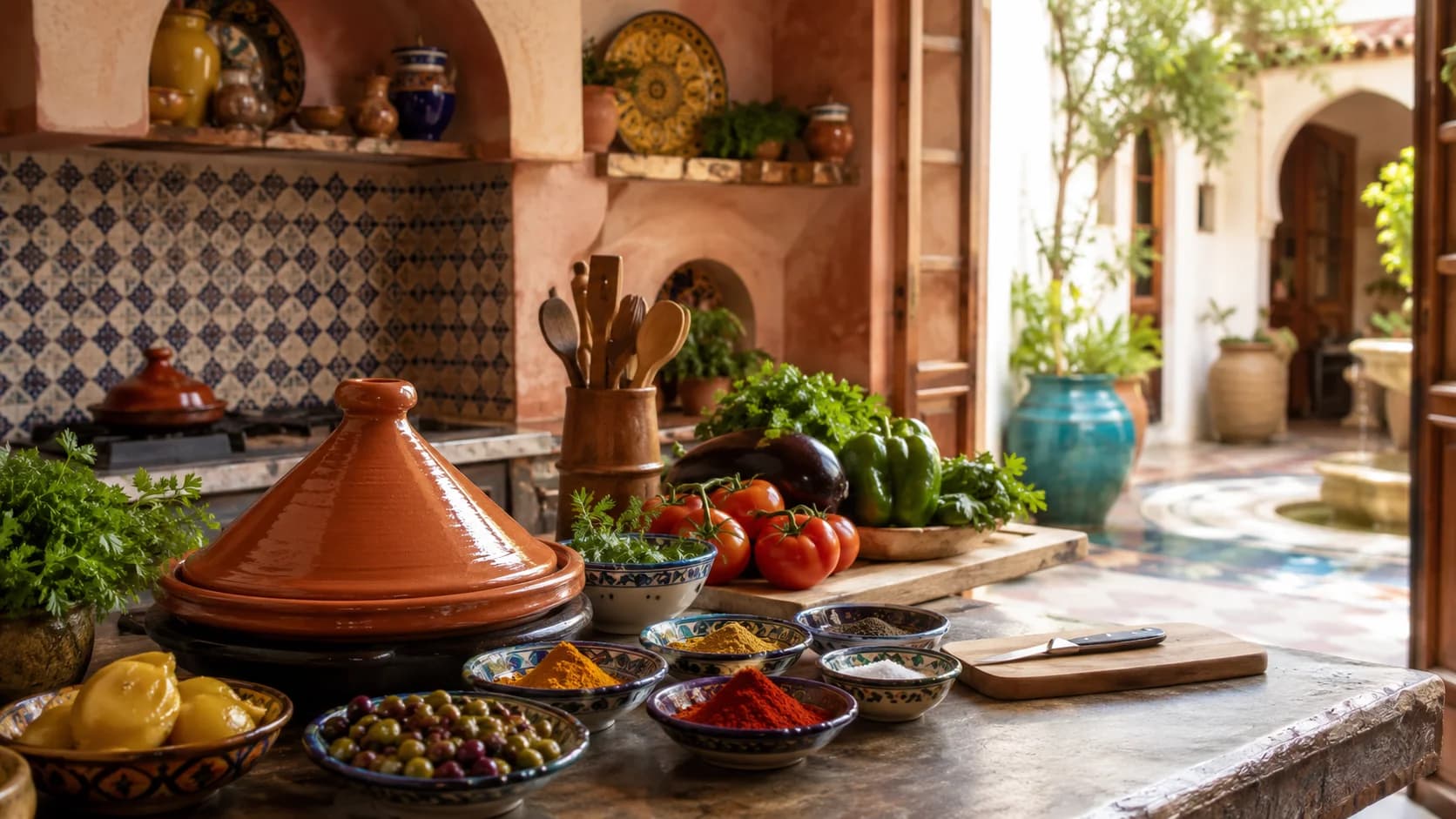
A Moroccan cooking class is one of the best hands-on experiences in Morocco if you want to understand the country beyond sightseeing. Most classes include a chef-led lesson, local ingredients, spices, a shared meal, and sometimes a souk market tour. Marrakech is best for choice and riad-style workshops, Fes is great for traditional medina cooking, and Essaouira is ideal for a slower coastal food experience. Expect many classes to last around 2 to 4 hours, with prices often starting around $30 to $70 per person depending on the city, group size and what is included.
Table of Contents
-
What to expect from a Moroccan cooking class
-
Cooking classes in Marrakech
-
Cooking classes in Fes
-
Cooking classes in Essaouira
-
What you’ll cook: tagine, couscous, pastilla and more
-
Prices, duration and how to book
-
Who should book a Moroccan cooking class?
-
FAQ
What to Expect From a Moroccan Cooking Class
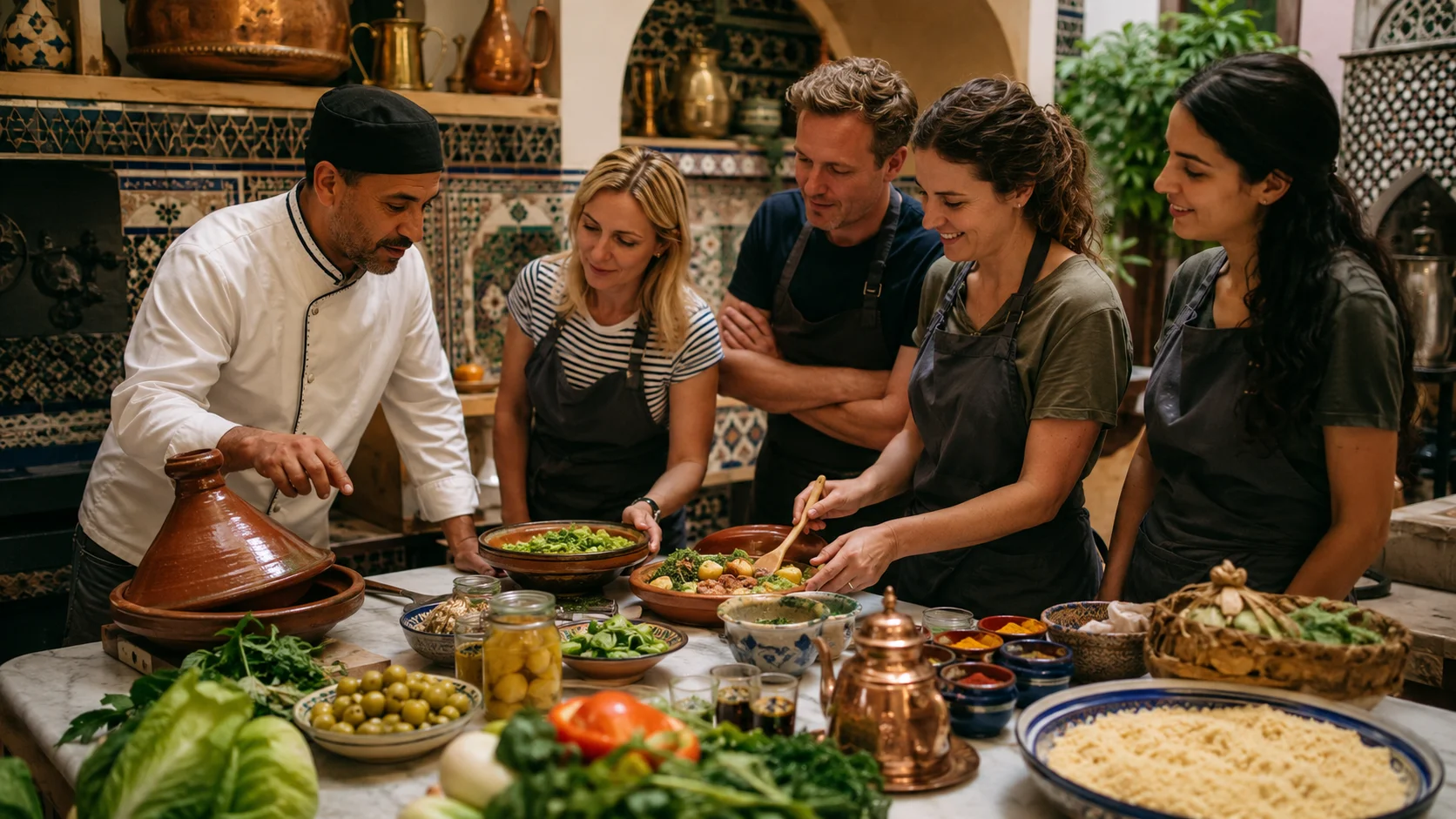
A Moroccan cooking class is not only about following a recipe. The best ones feel like a small market-to-table journey. You start with ingredients, learn how spices are used, prepare dishes by hand, then sit down to eat what you cooked.
Moroccan cuisine is deeply connected to family, hospitality, regional identity and slow cooking. The Morocco National Tourist Office describes dishes such as couscous, tagine and pastilla as emblematic Moroccan foods, shaped by Amazigh, Arab-Andalusian and Jewish culinary traditions. It also highlights spices such as cinnamon, coriander, saffron, cumin and ras el hanout as part of Morocco’s food culture and medina markets.
A good Moroccan cooking class usually includes:
-
A welcome with mint tea
-
A short explanation of Moroccan spices
-
Hands-on preparation with a local chef or host
-
One or more dishes such as tagine, couscous, salads or pastries
-
Cooking tips you can repeat at home
-
A shared lunch or dinner after the lesson
-
Optional souk market tour before cooking
Some workshops are hosted in riad kitchens, some in family homes, and others in professional cooking spaces. The experience can be private, shared with a small group, or designed for families, couples and friends.
For travelers who want something cultural but relaxed, cooking classes are a strong choice because they combine food, local interaction and a real activity in one booking.
Cooking Classes in Marrakech
Marrakech is the easiest city in Morocco for finding a wide choice of cooking classes. It has riad kitchens, medina workshops, family-style classes, luxury culinary schools, pastry workshops and market-tour experiences.
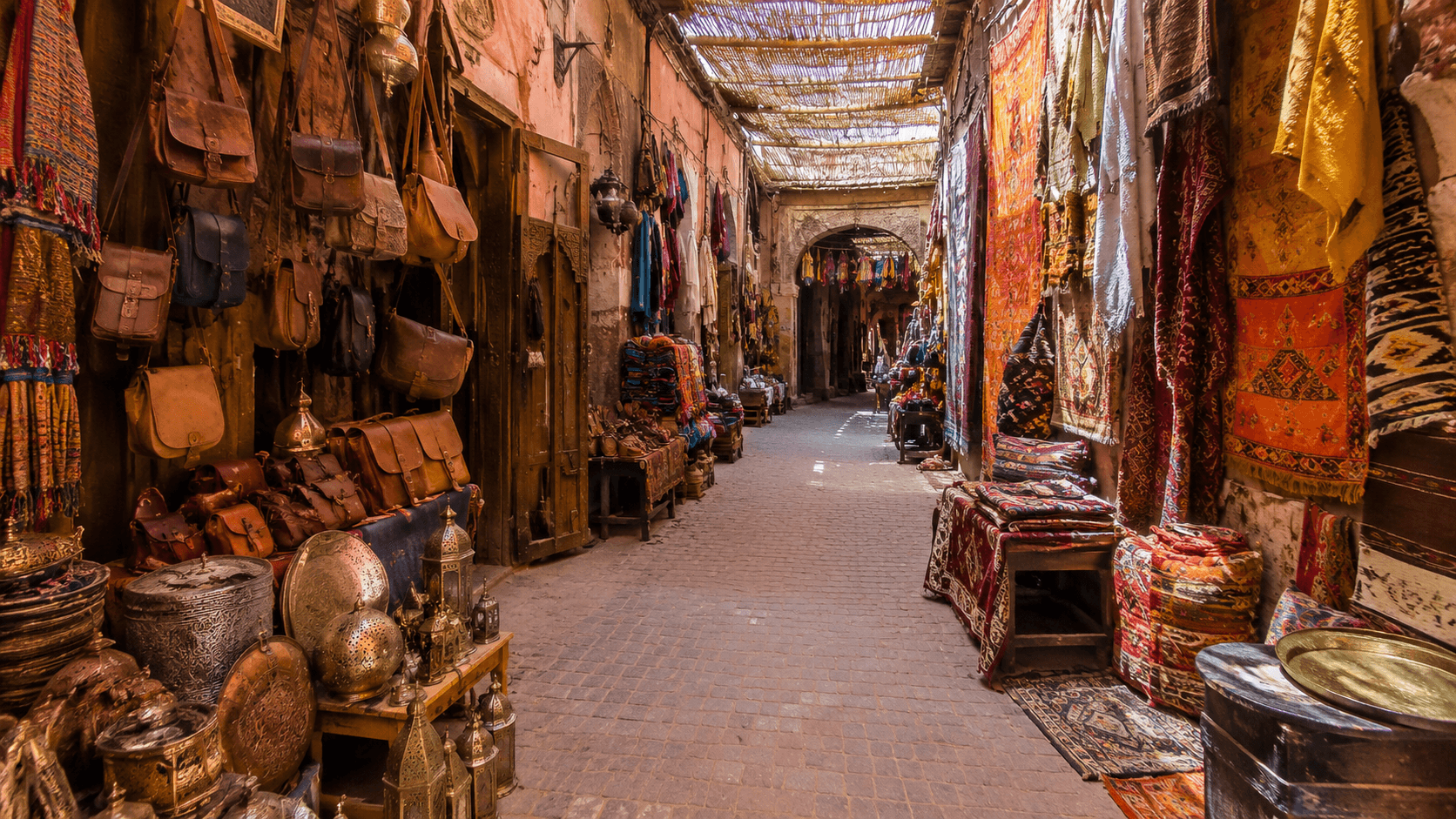
The most popular format in Marrakech starts in or near the medina. You meet the host, discuss the menu, visit a local food market or spice stall, then return to the kitchen to prepare the meal. This format works well because Marrakech has a strong souk culture and many ingredients are easy to explain visually: preserved lemons, olives, saffron, cumin, paprika, dried fruits and fresh herbs.
Marrakech is a good choice if you want:
-
A cooking class with a souk market tour
-
A riad kitchen atmosphere
-
Many time slots, including morning and afternoon
-
Vegetarian or vegan options
-
A mix of cooking, culture and social experience
Public listings for Moroccan cooking classes in Marrakech show many options around 2 to 4 hours, with some classes including pickup, market visits, pastry lessons or full meals. Prices vary by format, but many current listings sit roughly in the $28 to $65 per person range.
If your Marrakech trip is already full of sightseeing, a cooking class can be a calm break from museums, gardens and medina walking. It also pairs naturally with things to do in Marrakech, especially if you want a half-day activity that does not require long driving.
Cooking Classes in Fes
Fes is one of the best cities for travelers who want a more traditional Moroccan cuisine workshop. The medina is older, denser and less modern in feeling than many parts of Marrakech, which makes the cooking class experience feel closer to the roots of Moroccan home cooking.
A Fes cooking class often focuses on classic recipes, spice balance and slow preparation. Instead of a big polished activity, the best experience here is often smaller and more personal. You may learn how to prepare a tagine step by step, make Moroccan salads, understand preserved ingredients, or prepare simple pastries and breads.
A Fes cooking class is a strong choice if you want:
-
A more traditional medina atmosphere
-
A slower cultural experience
-
A class connected to local family cooking
-
A food activity after visiting the old city
-
A practical introduction to Moroccan spices
Fes is also a good city for travelers who want to understand how Moroccan cooking changes from one region to another. A tagine in Fes may feel different from one in Essaouira or Marrakech because the balance of spices, sweet notes, herbs and preserved ingredients can change by household and region.
For travelers planning several cultural stops, a Fes cooking class can fit well after exploring things to do in Fes. It gives the day a more personal ending because you do not only taste Moroccan cuisine, you learn how it is built.
Cooking Classes in Essaouira
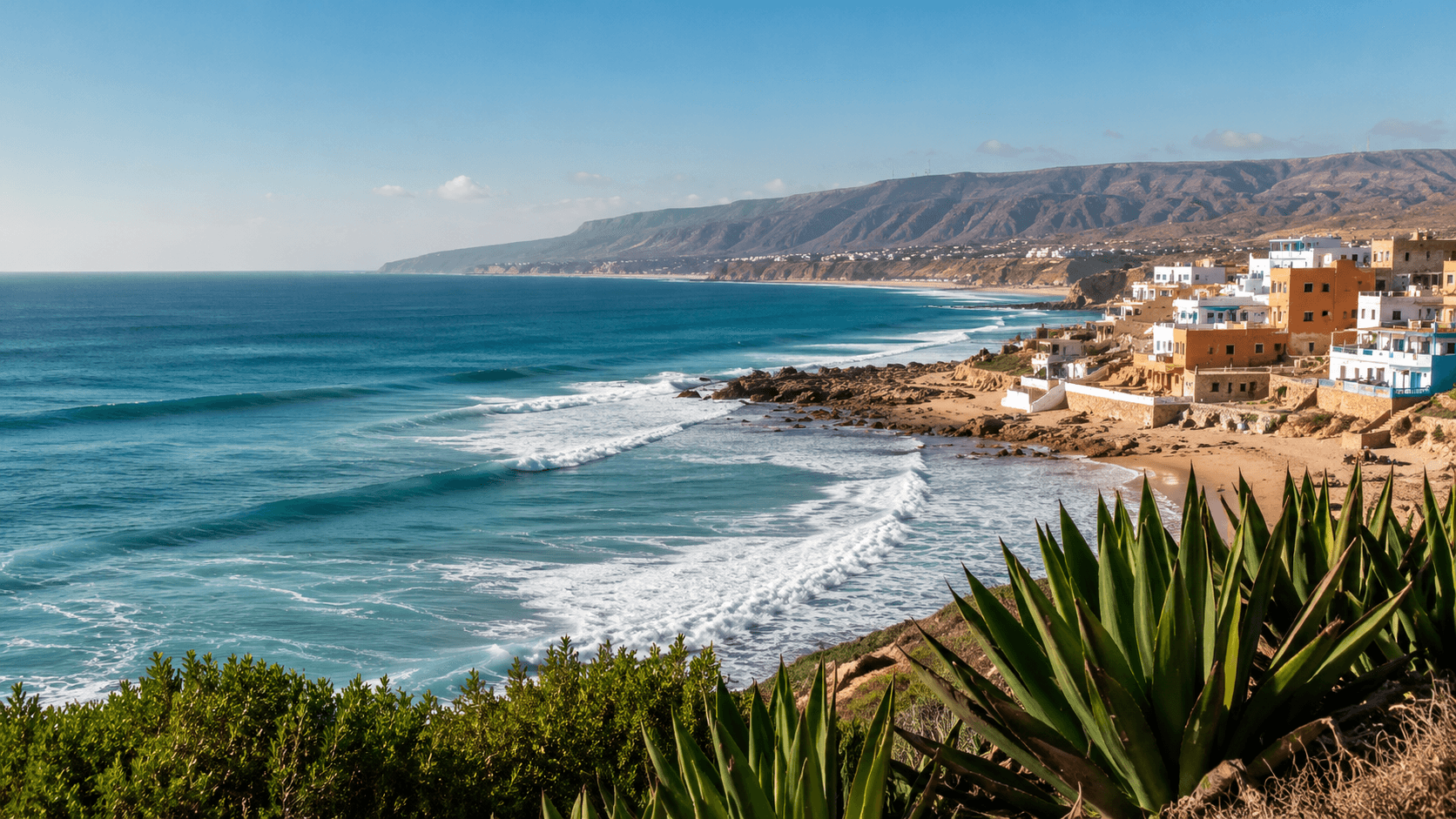
Essaouira is ideal if you want a Moroccan cooking class with a calmer pace. The city is smaller than Marrakech and Fes, and its coastal identity changes the food experience. You still find tagine, couscous, Moroccan salads, pastries and mint tea, but the atmosphere is more relaxed.
Essaouira cooking classes often feel less rushed. The experience may include a local market visit, spice explanation, pastry preparation, seafood influence, or a home-style meal in a peaceful kitchen setting. Travel coverage of Essaouira cooking experiences has highlighted classes that include traditional dishes, pastries, mint tea rituals, souk visits and spice-shop stops.
Essaouira is a good choice if you want:
-
A relaxed coastal food experience
-
A smaller group feel
-
A slower activity between beach walks and medina visits
-
A cooking class that feels local and less crowded
-
A nice option for couples or families
Current Moroccan cooking class listings also show Essaouira options such as pastry workshops and Moroccan cooking workshops, often around 2 to 4 hours depending on the format.
If your Morocco trip includes both Marrakech and Essaouira, the two experiences can be different enough to justify doing food in both cities: Marrakech for the busy souk atmosphere, Essaouira for a softer coastal rhythm.
What You’ll Cook: Tagine, Couscous, Pastilla and More
The exact menu depends on the class, season and group. Some hosts let the group choose from several dishes, while others prepare a fixed menu.
Tagine
Tagine is the most common dish in a Moroccan cooking class. You may cook chicken with preserved lemon and olives, beef with prunes, kefta with tomato sauce, vegetables with spices, or a seasonal version with local ingredients.
The class usually explains how tagine cooking works: low heat, layered ingredients, spice balance and patience. This is one of the easiest dishes to recreate at home because the method matters more than expensive equipment.
Couscous
Couscous is another famous Moroccan dish, but it is not always included because traditional couscous can take longer to prepare properly. If couscous is part of the class, ask whether it is a full traditional preparation or a shorter workshop version.
A good couscous lesson may explain steaming, vegetables, broth, chickpeas, raisins, onions and how families usually serve it.
Pastilla
Pastilla is more technical. It is a sweet and savory pie traditionally made with thin pastry, spiced filling, almonds, cinnamon and powdered sugar. Some classes include chicken pastilla or milk pastilla as a dessert. It is a good choice if you want something more advanced than a basic tagine.
Moroccan Salads
Many classes include small cooked or fresh salads. These may include zaalouk, taktouka, carrot salad, cucumber and tomato salad, or beetroot salad. These dishes are useful because they are simple, colorful and easy to repeat after your trip.
Bread, Crepes and Pastries
Some Moroccan cuisine workshops focus only on bread, msemen, harcha, batbout, gazelle horns or tea pastries. These are shorter and usually cheaper than a full lunch or dinner cooking class. They work well if you already have restaurant plans but still want a hands-on food activity.
For more inspiration before choosing your menu, read the Moroccan food guide.
Prices, Duration and How to Book
A Moroccan cooking class usually lasts between 2 and 4 hours. Short pastry or bread classes may take around 2 hours. Full cooking classes with a market tour, several dishes and a shared meal often take 3 to 4 hours. Some countryside or family-hosted experiences can take longer, especially if transport is included.
Based on current 2026 public activity listings, many Morocco cooking classes start around $28 to $70 per person, while private classes, hotel pickup, countryside settings or premium kitchens can cost more.
Before booking, check these details:
-
Is the class private or shared?
-
Is the market tour included?
-
Is hotel or riad pickup included?
-
How many dishes will you cook?
-
Do you eat the full meal after cooking?
-
Are vegetarian, vegan or allergy-friendly options available?
-
Is the class suitable for children?
-
Are recipes sent after the class?
-
What language does the host speak?
-
Is the meeting point easy to find inside the medina?
For Marrakech classes, also check if the meeting point is inside the medina or near a main entrance. For Fes, ask for a clear meeting location because the old medina can be confusing. For Essaouira, walking is usually easier, but it is still smart to confirm the exact meeting point before the day of the class.
If your class includes a souk visit, avoid booking it too close to another timed activity. Market tours can run slightly longer because the guide may stop to explain spices, vegetables, preserved lemons, olives or bakery traditions. The Marrakech souk shopping guide can also help if you want to understand the market atmosphere before joining a food experience.
Who Should Book a Moroccan Cooking Class?
A Moroccan cooking class is worth booking if you enjoy local culture, slow travel and real interaction. It is especially good for couples, families, solo travelers and small groups who want a memory that feels more personal than just visiting a monument.
It is also a smart activity for travelers who want to bring something home without buying another souvenir. After one good lesson, you can return home knowing how to make a basic tagine, mix spices better, prepare Moroccan salads or serve mint tea properly.
Moroccan food culture is also connected to shared meals and hospitality. UNESCO describes the Mediterranean diet, which includes Morocco in its inscription, as a social and cultural practice connected to hospitality, intercultural dialogue and community life.
Book a cooking class if you want:
-
A hands-on cultural activity
-
A break from sightseeing
-
A family-friendly experience
-
A rainy-day or hot-afternoon plan
-
A local meal you helped prepare
-
A deeper understanding of Moroccan cuisine
Avoid booking if you only want a quick restaurant meal. A class takes more time, more attention and more participation. That is exactly why it is memorable.
FAQ
Are cooking classes worth it in Morocco?
Yes, a Moroccan cooking class is worth it if you want a hands-on cultural experience. You learn about spices, ingredients, cooking methods and hospitality, then eat the meal you prepared.
How much does a cooking class cost in Morocco?
Many shared Moroccan cooking classes cost around $30 to $70 per person, depending on the city, duration, group size and whether a market tour or pickup is included. Private classes usually cost more.
What do you cook in a Moroccan cooking class?
Common dishes include tagine, couscous, Moroccan salads, pastilla, harira, msemen, harcha, batbout, pastries and mint tea. The menu depends on the class and season.
Where are the best cooking classes in Marrakech?
The best cooking classes in Marrakech are usually riad-style workshops, family-hosted classes or market-to-table experiences in and around the medina. Look for small groups, clear menus and a real hands-on format.
Do cooking classes include a market tour?
Some do, but not all. Market tours are common in Marrakech, Fes and Essaouira, but you should confirm before booking. A market tour makes the experience more complete because you see the ingredients before cooking.
How long is a Moroccan cooking class?
Most Moroccan cooking classes last around 2 to 4 hours. Short bread or pastry workshops can be around 2 hours, while full classes with market tours and meals often take 3 to 4 hours.
Are Moroccan cooking classes good for vegetarians?
Yes, many classes can adapt the menu for vegetarians. Vegetable tagine, Moroccan salads, lentils, soups, bread and pastries can work well. Always mention dietary needs before booking.
Can families do a cooking class in Morocco?
Yes, many Moroccan cooking classes are family-friendly. Choose a smaller class, ask about child participation and avoid very long formats if traveling with younger children.
Do you eat what you cook in the class?
In most Moroccan cooking classes, yes. The meal is usually served at the end of the session, often with mint tea, bread and sometimes dessert.
Is a cooking class a good thing to do in Fes?
Yes. Fes is one of the best cities for a traditional Moroccan cuisine workshop because the medina atmosphere, old food traditions and local kitchens make the experience feel authentic and personal.
Final Booking Tip
The best Moroccan cooking class is not always the most expensive one. Choose the class that fits your travel style: Marrakech for variety and souk energy, Fes for tradition, and Essaouira for a relaxed coastal pace.
To compare options and plan the right food experience for your trip, explore MarHire’s cooking classes and combine your workshop with nearby cultural activities in Marrakech, Fes or Essaouira.