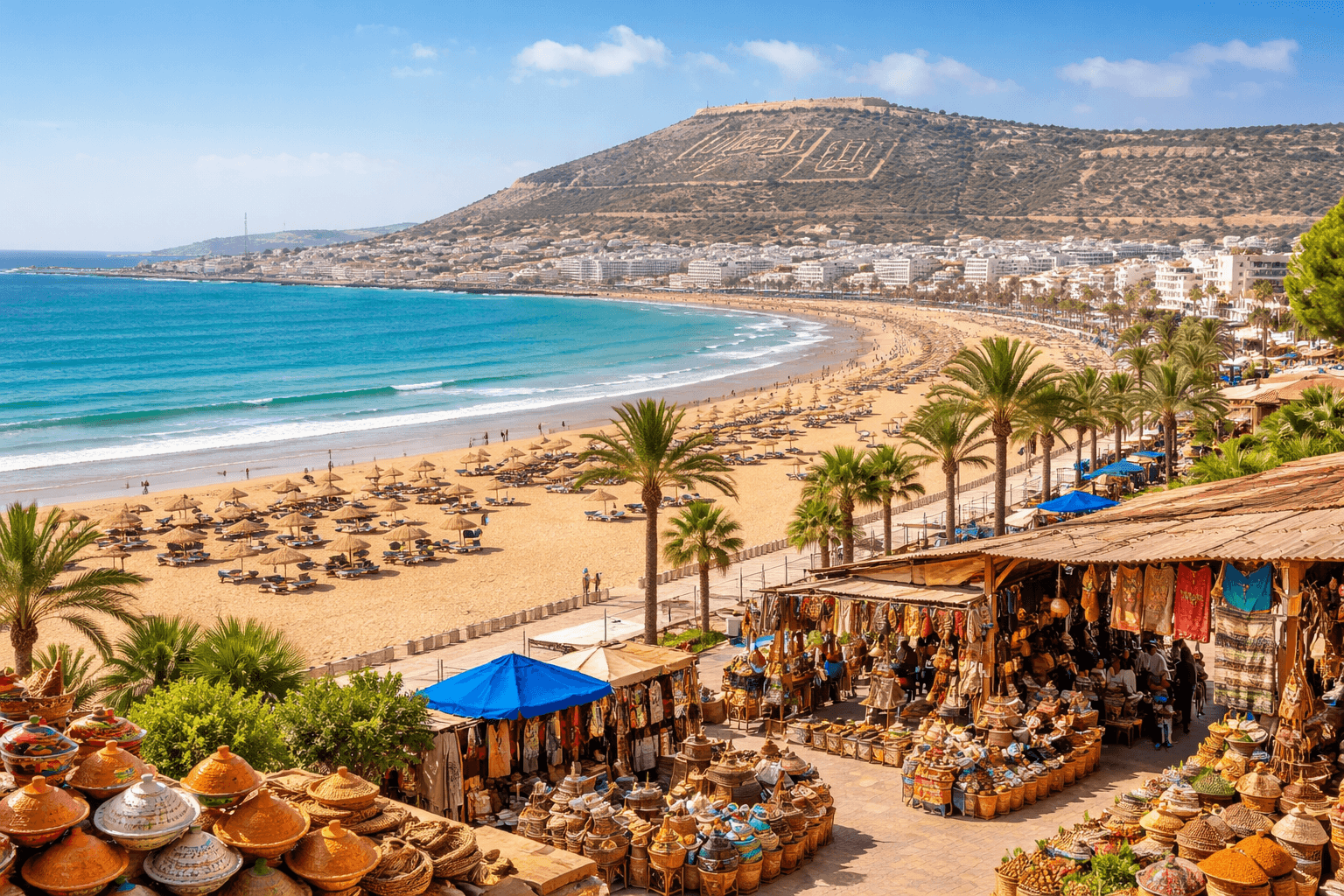




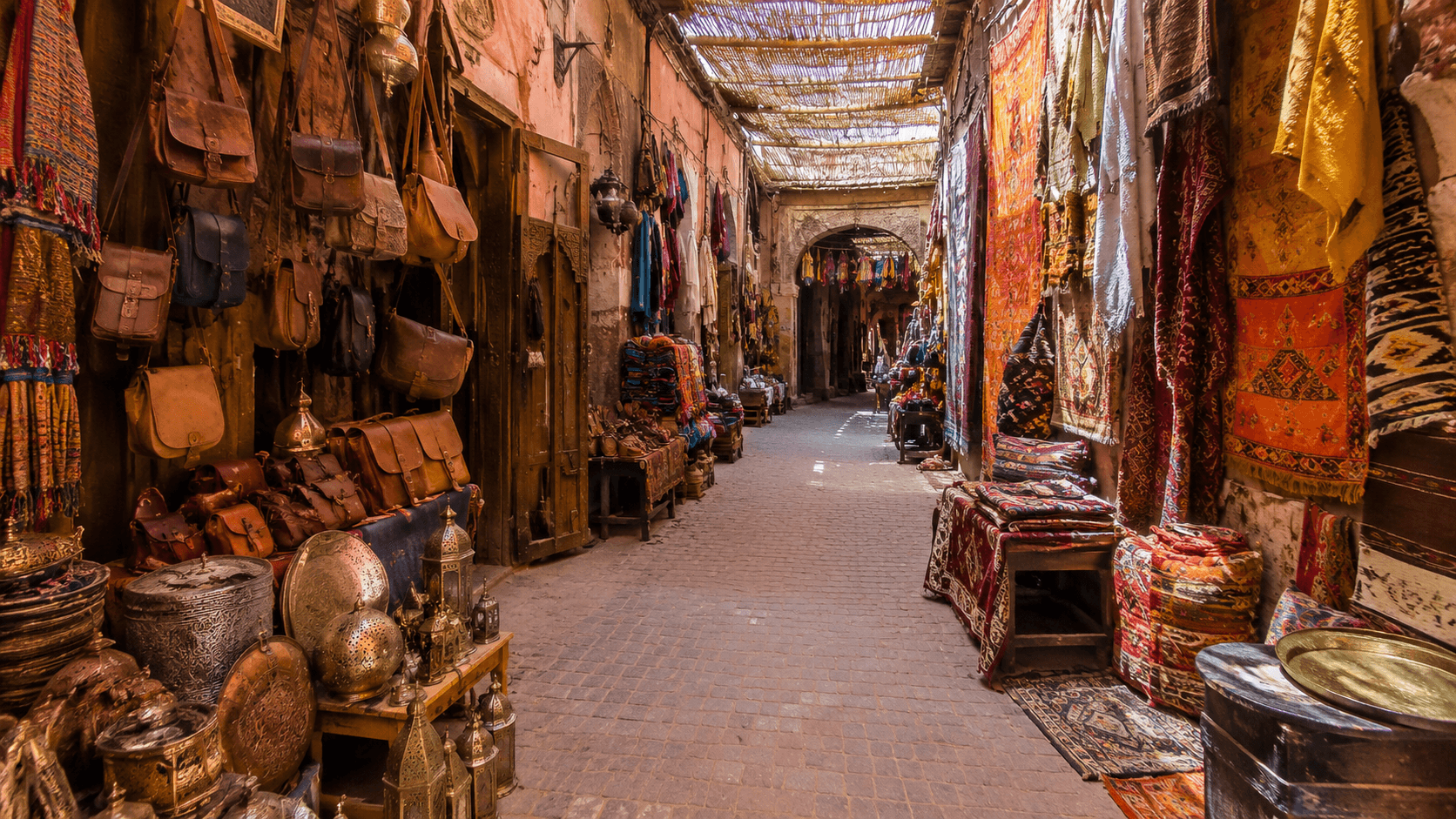
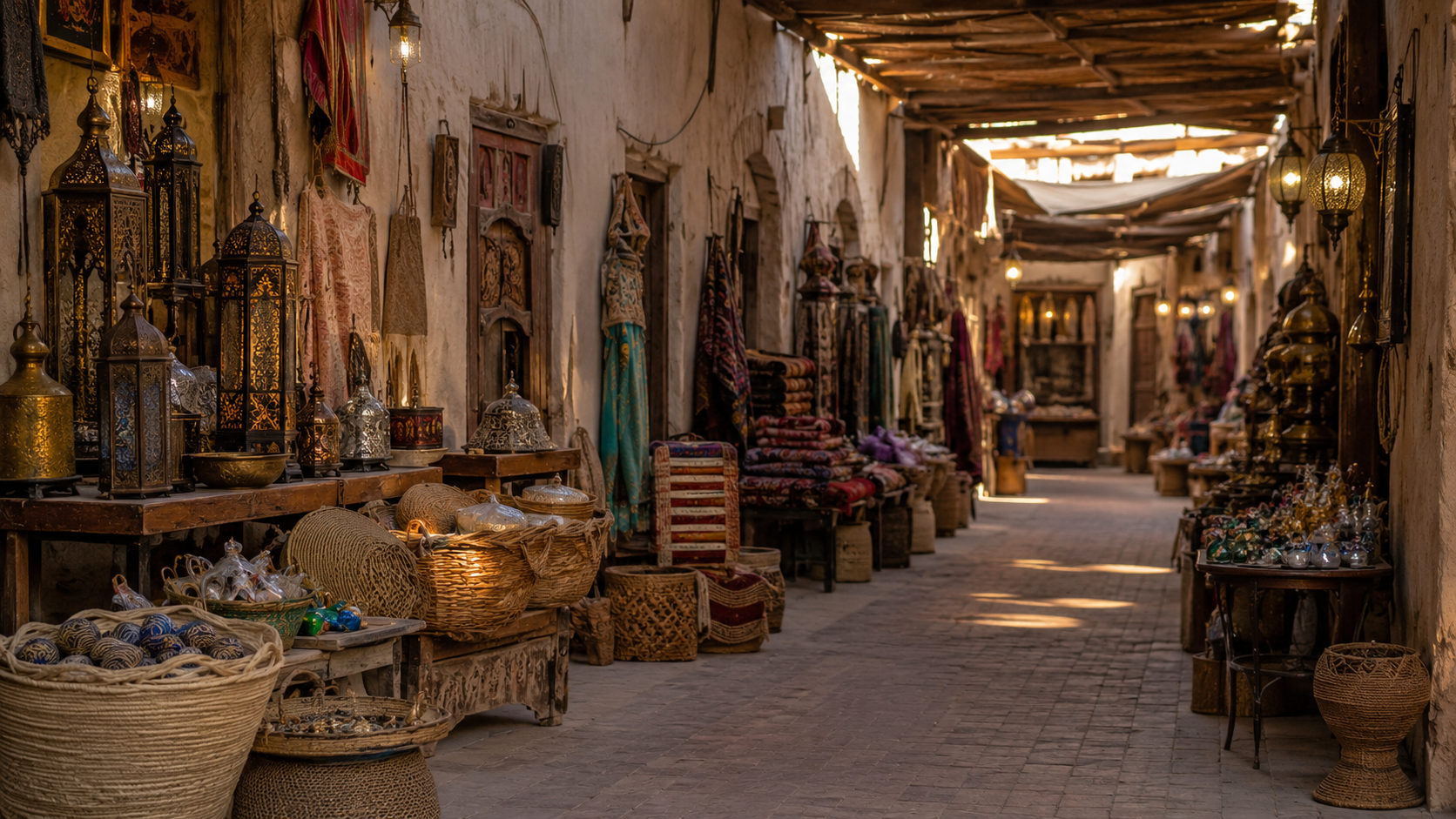
The souks of Marrakech are one of the most unforgettable shopping experiences in Morocco. Hidden inside the maze-like medina, these markets are filled with colors, textures, scents, craftsmanship, and centuries-old trading traditions. Travelers come here not only to shop, but also to experience the atmosphere itself: lanterns glowing above narrow alleys, spice stalls overflowing with color, leather workshops, rug merchants, and artisans shaping metal by hand.
For many visitors, Marrakech shopping becomes one of the highlights of the trip. The city’s souks offer everything from handmade carpets and ceramics to argan oil, jewelry, babouches, lamps, spices, and locally crafted décor. UNESCO recognizes the Medina of Marrakech as a World Heritage Site, emphasizing its historic urban structure, artisan traditions, and cultural importance.
At the same time, shopping in Marrakech can feel overwhelming for first-time visitors. Prices are rarely fixed, bargaining is expected in many stalls, and the medina’s layout can be confusing without preparation. Knowing where to go, what items usually cost, and how to negotiate respectfully can completely change your experience.
This guide explains how the Marrakech souks work, what to buy, fair price expectations, bargaining etiquette, common scams, and how to shop confidently without feeling pressured.
Before exploring the medina, our Marrakech Travel Guide is useful for understanding neighborhoods, transport, and local tips.
Why the Marrakech Souks Are Unmissable
The souks are more than a market. They are part of Marrakech’s identity. For centuries, traders, artisans, and travelers gathered here to exchange goods from across Morocco, North Africa, Andalusia, and the Sahara. Even today, many workshops continue traditional techniques passed down through generations.
What makes the Marrakech souks special is the combination of commerce and craftsmanship. Unlike shopping malls or modern retail districts, many products are still handmade locally. You can watch metalworkers shaping lanterns, leather craftsmen cutting bags, or weavers assembling rugs nearby.
The atmosphere itself is part of the attraction. Some alleys are packed with spices and textiles, others specialize in leather, slippers, antiques, brasswork, perfumes, or dyed fabrics hanging overhead. Morocco’s tourism office highlights the medina and souks as one of the country’s most iconic cultural experiences.
The souks also offer travelers the chance to buy items that genuinely connect to Moroccan design and daily life rather than mass-produced souvenirs. If you shop carefully, you can find excellent craftsmanship at prices often lower than equivalent handmade products in Europe or North America.
For visitors wanting a smoother experience moving between riads, shopping areas, restaurants, and hidden artisan districts, Private Driver Marrakech can make medina access and pickups much easier, especially when carrying purchases.
How the Souks Are Organized: A Map of the Medina
The Marrakech souks are not one single market but a network of interconnected areas inside the medina near Jemaa el-Fna square. The layout can initially feel chaotic, but the souks are actually semi-organized by trade and product type.
Souk Semmarine
This is the main artery of the souks and one of the busiest sections. It contains clothing, leather goods, lamps, scarves, souvenirs, and mixed artisan products. Many first-time visitors start here because it is easy to access from Jemaa el-Fna.
Souk des Teinturiers
Known as the dyers’ souk, this area is famous for hanging wool and textiles drying overhead. It has a more photogenic atmosphere and is popular for textiles and weaving-related products.
Souk Haddadine
Traditionally associated with blacksmiths and metalworkers, this area is known for lanterns, brasswork, iron décor, and metal craftsmanship.
Rahba Kedima
Often called the spice square, this area contains spices, herbal products, baskets, hats, perfumes, and natural cosmetic products. It is one of the most visually colorful sections.
Carpet & Rug Areas
Rug sellers are spread across multiple sections rather than one single dedicated souk. Some shops specialize in Berber rugs, kilims, Beni Ourain carpets, and vintage styles.
Leather Areas
Leather workshops and bag sellers are common near sections leading toward the tanneries and artisan areas.
Google Maps works surprisingly well in parts of the medina, but getting lost is still common. Many travelers simply wander and enjoy discovering quieter alleys away from the busiest tourist flow.
For travelers planning multiple medina visits, food stops, gardens, and artisan workshops in one day, Things to Do Marrakech includes experiences that combine culture and shopping more efficiently.
What to Buy in Marrakech
Moroccan Rugs
Rugs are among the most famous purchases in Marrakech. Styles vary enormously depending on region, tribe, material, and weaving technique.
Popular styles include:
- Beni Ourain rugs
- Kilims
- Azilal rugs
- Vintage Berber carpets
- Colorful geometric styles
Handmade rugs can take weeks or months to produce. Prices depend heavily on:
- Size
- Wool quality
- Knot density
- Handmade vs machine-assisted
- Vintage vs new
Good rugs are not “cheap,” but they can still offer strong value compared with international design stores.
Leather Goods
Marrakech is known for:
- Leather bags
- Jackets
- Belts
- Wallets
- Poufs
- Sandals
Leather quality ranges from basic tourist items to genuinely excellent craftsmanship. Real leather usually smells natural rather than chemical. Softer stitching and cleaner finishing are good signs.
Lanterns & Metalwork
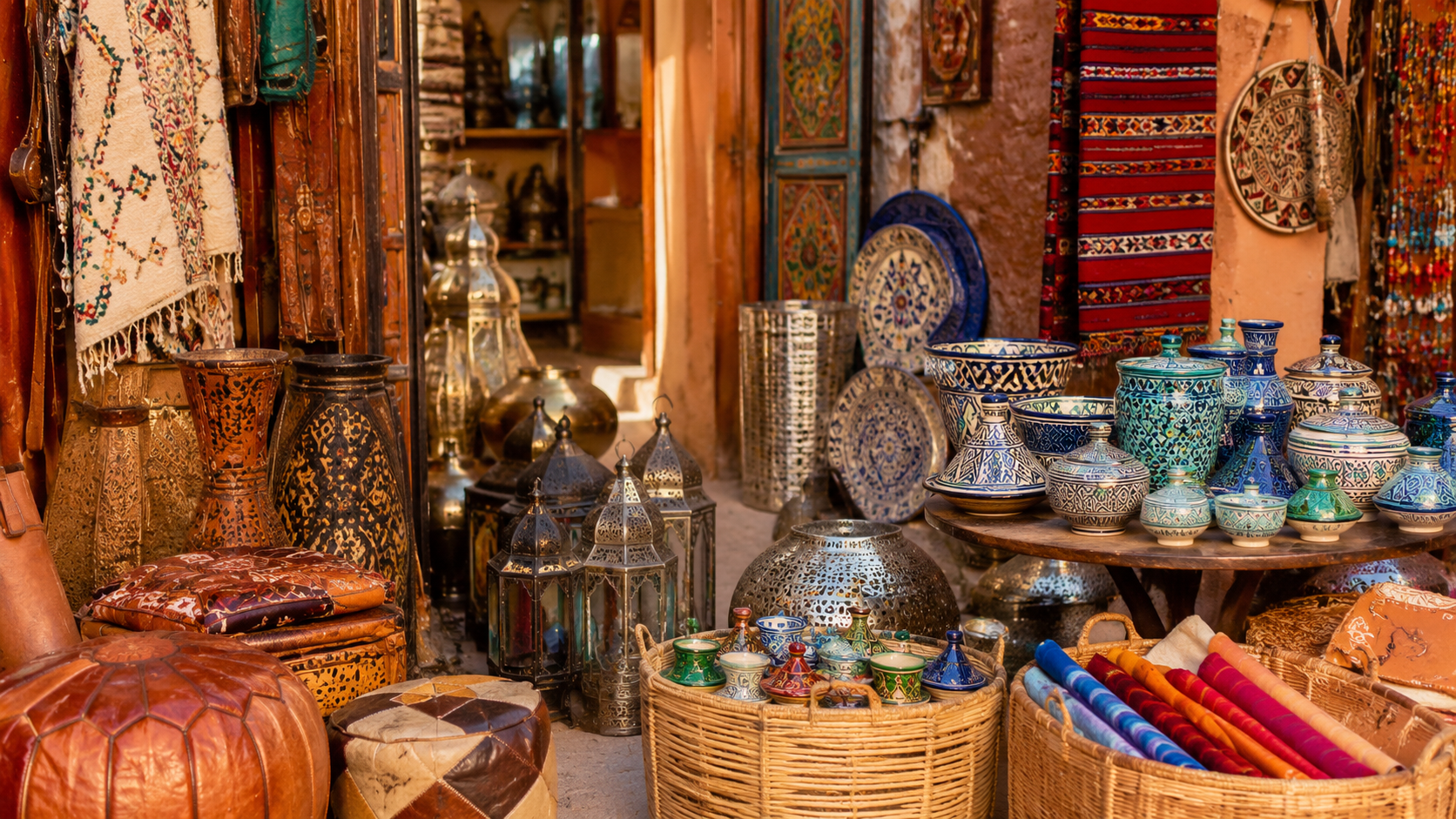
Decorative lamps are among the most photographed products in the souks. Metalworkers produce:
- Ceiling lanterns
- Brass lamps
- Candle holders
- Mirrors
- Decorative trays
Hand-punched lanterns require significant craftsmanship and are often one of the best souvenir categories for home décor lovers.
Spices
Spices are extremely popular, especially:
- Saffron
- Ras el hanout
- Cumin
- Paprika
- Cinnamon
- Turmeric
Quality varies greatly. Some vendors target tourists with overly aggressive “miracle spice” claims, so buy from busy, reputable-looking stalls.
Argan Oil & Cosmetics
Morocco is famous for argan oil. Cosmetic argan oil and culinary argan oil are different products, so always clarify which one you are buying.
Popular beauty items include:
- Argan oil
- Black soap
- Ghassoul clay
- Rose water
Ceramics & Pottery
Hand-painted ceramics are available everywhere:
- Bowls
- Plates
- Tajines
- Cups
- Decorative tiles
Look for smooth glazing and consistent painting quality.
Jewelry
You’ll find:
- Berber-inspired silver jewelry
- Brass jewelry
- Gemstone accessories
- Tribal-style pieces
Authenticity varies, especially regarding “silver” claims.
Babouches (Moroccan Slippers)
Babouches are lightweight leather slippers available in many colors and embroidery styles. They are practical, easy to pack, and one of the most affordable classic purchases.
Before your shopping day, reading our Moroccan Food Guide can also help you recognize authentic spices and culinary products sold in the souks.
What Things Really Cost (Realistic Price Guide)
Prices fluctuate depending on season, negotiation skill, product quality, and seller location. But these general ranges help avoid unrealistic expectations.
| Item | Typical Tourist Range |
|---|---|
| Babouches | €10–€30 |
| Small leather bag | €20–€60 |
| Medium lantern | €25–€80 |
| Spice bundles | €5–€20 |
| Argan oil | €10–€40 |
| Handmade ceramics | €8–€60 |
| Small rugs | €80–€250 |
| Large handmade rugs | €300–€2,000+ |
The first quoted price is often intentionally high. That does not automatically mean it is a scam. Bargaining is part of the culture in many souk stalls.
However, extremely cheap prices can also indicate:
- Lower-quality imports
- Machine-made products
- Fake materials
- Tourist-grade items
The goal is not always to get the absolute lowest price possible. The goal is a fair price both sides accept comfortably.
The Art of Bargaining: Rules & Red Lines
Bargaining is expected in many Marrakech souks, but respectful negotiation matters.
Start Lower, But Reasonably
If a seller quotes 1,000 MAD, offering 300 MAD immediately may kill the conversation. A moderate counteroffer creates better negotiation dynamics.
Stay Friendly
Aggressive bargaining usually creates tension. Calm humor and patience work better.
Do Not Pretend to Buy
If you genuinely do not want the item, avoid wasting long negotiation time.
Be Ready to Walk Away
Walking away politely is often part of the process. Sometimes prices drop. Sometimes they do not.
Avoid Over-Negotiating Small Amounts
For handcrafted goods, pushing excessively over tiny differences can feel disrespectful.
Fixed-Price Shops Exist
Some stores use no-bargaining pricing, especially modern boutiques and designer artisan stores.
Cash Helps
Cash payments may help negotiation flexibility.
Bargaining Red Lines
Avoid:
- Insulting craftsmanship
- Mocking prices
- Comparing Morocco negatively
- Becoming confrontational
Good bargaining should feel conversational rather than hostile.
Scams to Avoid in the Souks
Most souk experiences are friendly, but some tourist traps exist.
Fake Guides
People may offer directions, then request money aggressively afterward.
“This Way Is Closed”
Some individuals redirect tourists toward shops where they earn commission.
Fake “Authentic” Claims
Not every rug is handmade, not every oil is pure argan, and not every metal item is silver.
Pressure Tactics
If a shop becomes uncomfortable, leave politely.
Overpriced Shipping
Some stores inflate international shipping fees heavily.
Overly Friendly Sales Pressure
Tea invitations are common and often genuine hospitality, but sometimes they are part of long sales strategies.
Trust your instincts. Good shops do not usually require intense pressure.
How to Ship Large Items Home
Large rugs, lamps, and ceramics can usually be shipped internationally. Many established rug stores arrange:
- DHL shipping
- FedEx shipping
- Air freight
- Insured shipping
Before agreeing:
- Ask total shipping cost
- Confirm customs details
- Request tracking
- Clarify delivery timeframe
- Photograph receipts and products
For rugs especially, established shops often roll and package them professionally.
If buying fragile ceramics or lamps, professional packaging matters significantly.
Best Souk Areas to Explore
Souk Semmarine
The classic first-stop market with mixed shopping and lively atmosphere.
Souk des Teinturiers
One of the most photogenic areas thanks to hanging dyed textiles.
Souk Haddadine
Best known for lanterns, metalwork, and artisan craftsmanship.
Rahba Kedima
Excellent for spices, baskets, herbal products, and visual atmosphere.
Artisan Boutiques Near Dar El Bacha
More curated shopping experience with stylish fixed-price stores.
Mellah Area
Good for jewelry and quieter shopping compared with central tourist flow.
Exploring multiple souk areas gives a much better experience than staying only near Jemaa el-Fna.
Fixed-Price Alternatives for Shy Shoppers
Not everyone enjoys bargaining, and that is perfectly fine.
Marrakech now has many modern boutiques and artisan concept stores offering:
- Fixed pricing
- Curated quality
- Easier browsing
- Better shipping systems
- Cleaner product labeling
Prices are often higher than negotiated souk deals, but the experience feels simpler and less stressful.
These stores are especially good for:
- Rugs
- Fashion
- Home décor
- Design-focused ceramics
- Higher-end gifts
FAQ
1. Is bargaining expected in Marrakech souks?
Yes. In many traditional souks, bargaining is normal and expected, especially for rugs, leather, lamps, and souvenirs.
2. What is the best thing to buy in Marrakech?
Popular purchases include rugs, leather goods, lanterns, ceramics, spices, argan oil, and babouches.
3. Are Marrakech rugs authentic?
Some are fully handmade and authentic, while others are machine-assisted or imported. Quality and authenticity vary by shop.
4. Is Marrakech shopping expensive?
It depends on the item and your negotiation style. Handmade artisan products can offer very good value compared with international prices.
5. Can I use credit cards in the souks?
Some larger stores accept cards, but many smaller stalls prefer cash.
6. How much should I bargain in Marrakech?
There is no fixed rule, but many travelers start below the first quoted price and negotiate toward a fair middle point.
7. Is argan oil cheaper in Marrakech?
Often yes, though quality varies. Buying from reputable sellers matters more than finding the lowest price.
8. Are the souks safe for tourists?
Generally yes, especially during daytime. Like any busy market, stay aware of belongings and avoid isolated areas late at night.
9. Can shops ship rugs internationally?
Yes. Many established rug stores arrange international shipping with tracking and packaging.
10. Which souk is best for lanterns?
Souk Haddadine and nearby metalwork sections are among the best areas for lantern shopping.
11. What time should I visit the souks?
Late morning and late afternoon are usually ideal. Midday can feel hotter and more crowded.
12. How do I avoid getting lost in Marrakech souks?
Using offline maps helps, but getting slightly lost is part of the experience. Keep track of major landmarks like Jemaa el-Fna.
Book with MarHire CTA
The Marrakech souks are one of Morocco’s most memorable experiences, combining shopping, craftsmanship, architecture, and atmosphere in a way few destinations can match.
Whether you are searching for handmade rugs, leather goods, spices, lanterns, or simply want to experience the energy of the medina, planning your visit properly makes a huge difference.
Use our Marrakech Travel Guide to organize your stay, discover more Things to Do Marrakech around the city, or book a comfortable Private Driver Marrakech for easier shopping days and medina transfers.