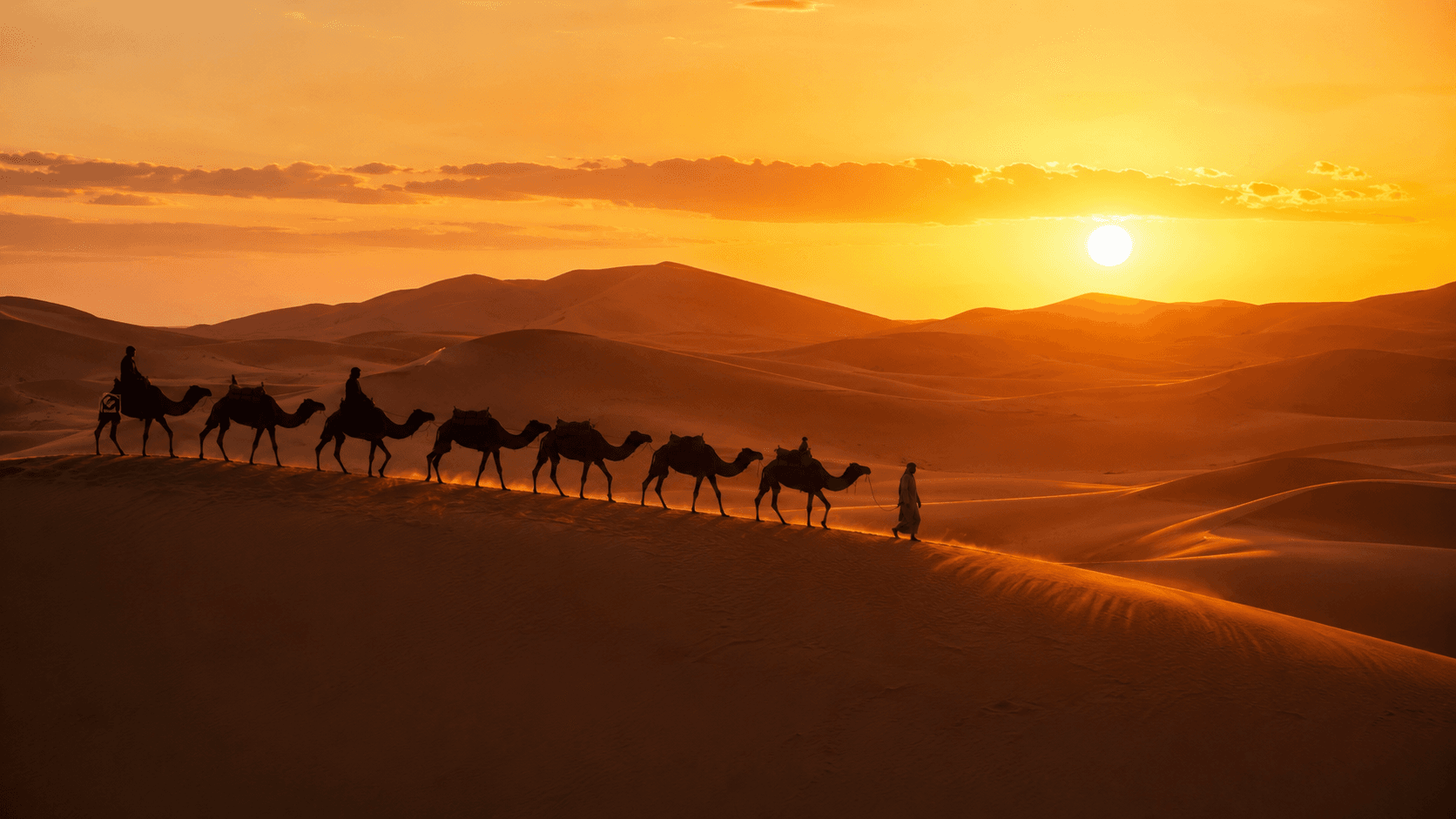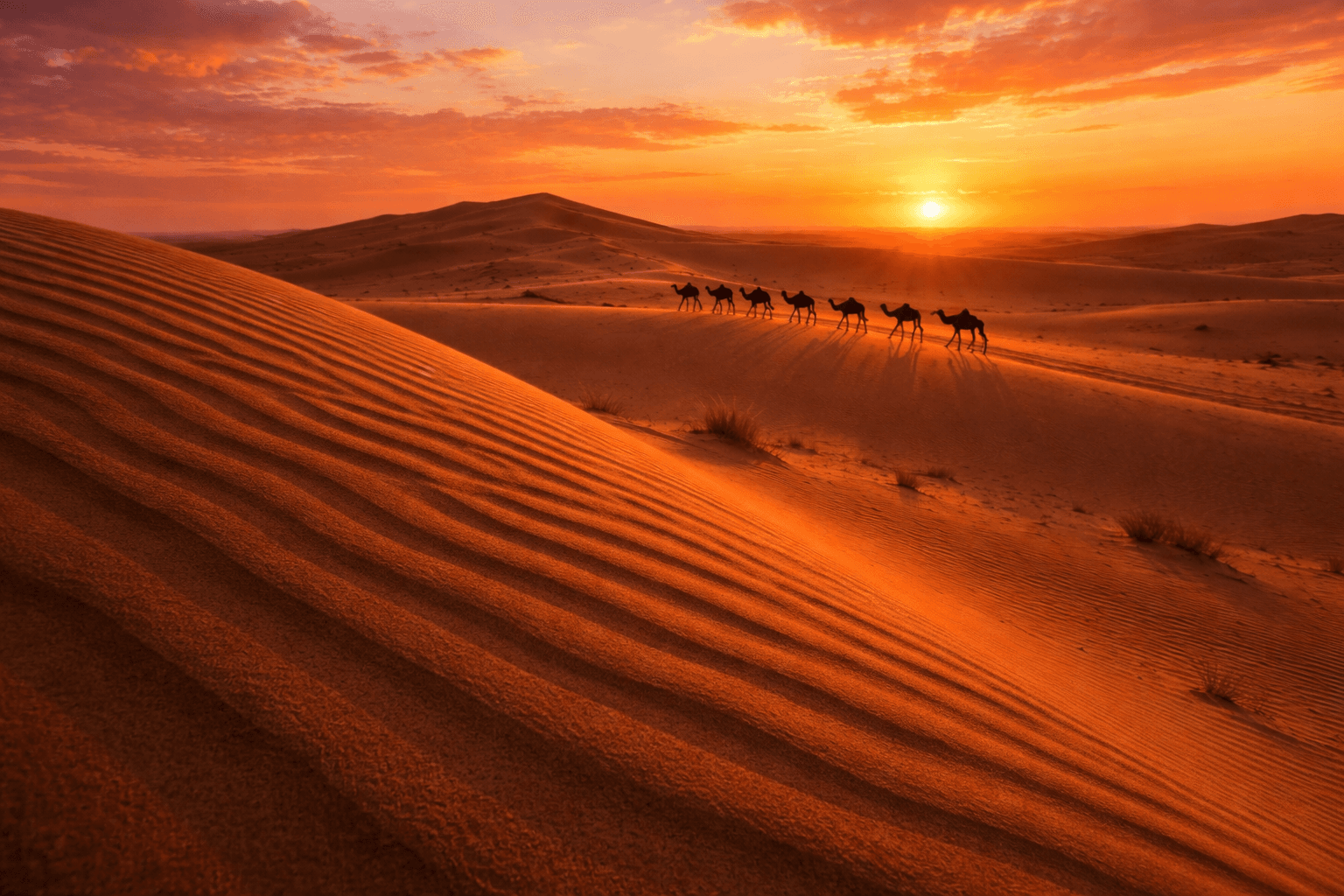




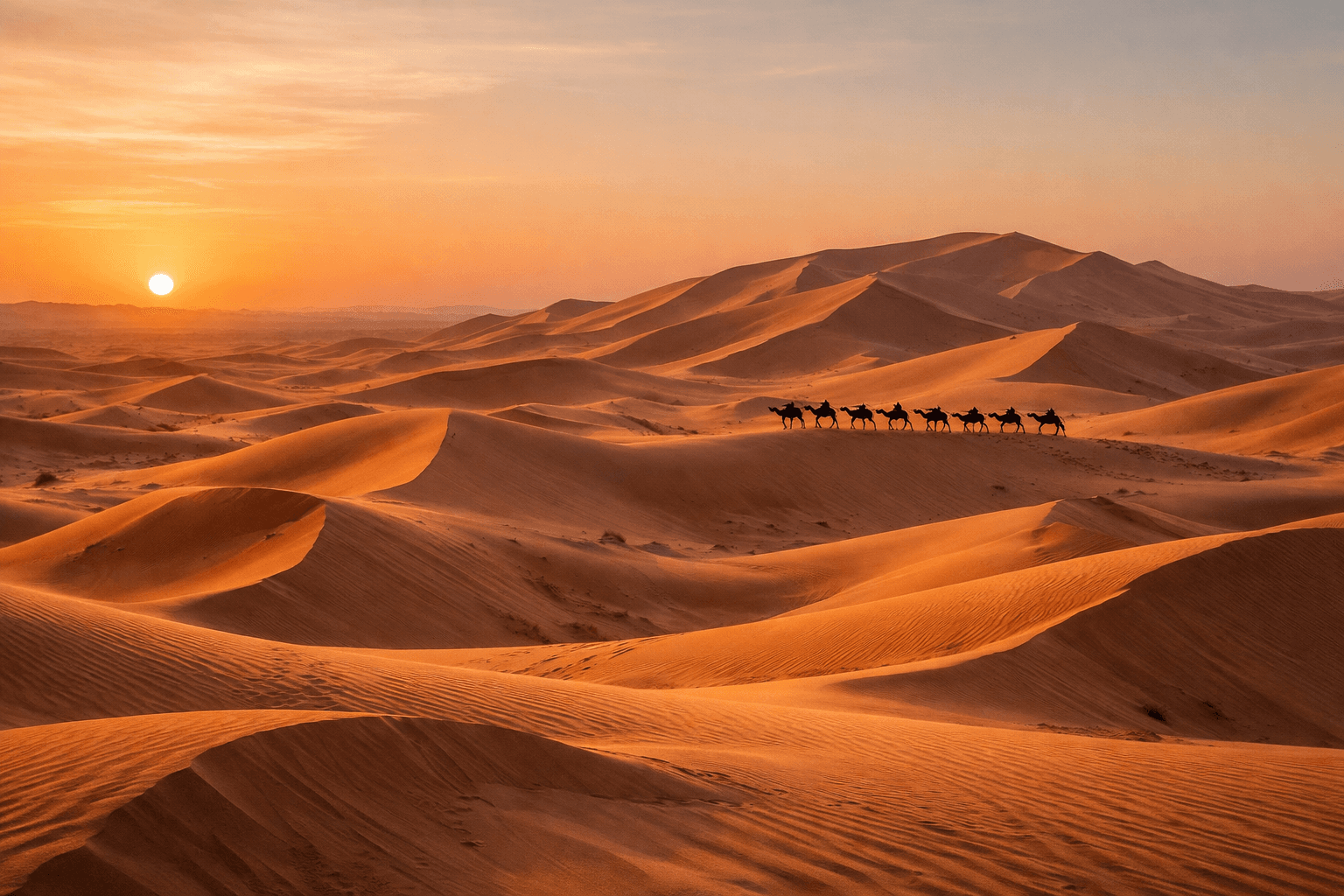
Merzouga, Morocco, is where many travelers finally feel the Sahara become real. Long before you step onto the sand, the road starts to empty, the horizon stretches wider, and the light turns warmer. Then Erg Chebbi appears: a dramatic chain of golden dunes rising from a stony desert landscape near the Algerian border. The dunes are widely recognized as one of Morocco’s best-known Sahara gateways, with some reaching around 150 meters high.
For many visitors, Merzouga is not only about a postcard sunset. It is about contrast. You can spend the afternoon driving across dry plains, arrive in a quiet village at the edge of the sand, ride a camel into the dunes at sunset, sleep in a desert camp under a clear sky, and wake up to a sunrise that completely changes the color of the landscape. It is one of the few destinations in Morocco where the journey, the silence, and the setting all matter as much as the activities.
This guide explains what makes Merzouga special, when to go, what to do, how to get there, what to know before driving, where to stay, and how to plan a short but rewarding desert trip. If you are comparing transport options across the country, starting with Car Rental Morocco can make the overall route much more flexible, especially if you want to combine the desert with stops in the Atlas, valleys, or kasbah regions. For travelers who want more traction and confidence on mixed terrain, 4x4 Rental Morocco is often the most comfortable choice, while those who prefer to relax and enjoy the scenery may find Private Driver Morocco the easiest way to reach the desert without the fatigue of a long road day.
Overview & Why Visit
Merzouga sits on the edge of Erg Chebbi, one of Morocco’s most famous dune systems. The dunes extend for roughly 28 kilometers north to south and about 5 to 7 kilometers across in places, which gives the area a grand, open feel that smaller sand fields do not always have.
What makes Merzouga stand out is access. Morocco has several desert regions, but Erg Chebbi is among the most accessible for travelers who want a true dune landscape without needing an expedition-style setup. Roads into the area are straightforward by Moroccan standards, the local tourism infrastructure is established, and there are accommodation options for different budgets, from simple auberges near the dunes to upscale camps deeper in the sand. The Moroccan National Tourism Office presents Morocco as a destination of wide geographic variety, and Merzouga is one of the clearest examples of that range: a place where the country shifts from imperial cities, valleys, and mountains into Sahara scenery.
The appeal is also emotional. Merzouga gives you experiences that feel slower and more elemental than many city breaks. Sunset here is not just a viewpoint stop. It is a full event. You notice the wind changing, the shadows stretching across the ridges, and the sand moving from yellow to orange to deep amber. At night, the lack of urban light can make the sky feel enormous. At sunrise, the dunes look almost sculpted.
There is also a strong cultural dimension. Merzouga is connected to Amazigh and nomadic traditions, to desert music, to the rhythm of oasis communities, and to nearby places such as Khamlia and Rissani that add depth to the trip. That is why Merzouga works for more than one kind of traveler. It suits photographers, road trippers, couples, first-time Morocco visitors, and families who want one unforgettable contrast in their itinerary.
Best Time to Visit
The most comfortable seasons for visiting Merzouga are generally autumn, winter, and early spring, when daytime temperatures are milder and the desert is much easier to enjoy on foot, by camel, or during longer excursions. Time and Date climate data for Merzouga shows average highs rising sharply into late spring and summer, with July averaging around 39°C, while winter months are much cooler, especially at night.
October to April is usually the sweet spot for most travelers. Days are more pleasant for dune walks, camp stays, and road travel, while evenings remain cool enough to enjoy a fire or dinner outdoors. Summer is still possible, but it requires a different approach. In June, July, and August, heat becomes a real planning factor, so outdoor activities are better at sunrise or late afternoon, and you should expect a more physically demanding trip.
For weather context before you travel, it is worth checking current local conditions on Time and Date’s Merzouga climate page, and for broader destination inspiration you can also browse the official Visit Morocco tourism portal.
Top 7 Experiences in Merzouga
1. Watch sunset on the Erg Chebbi dunes
This is the classic Merzouga moment, and it deserves the reputation. Even a short walk up one of the lower ridges can give you a huge panoramic view. The sand reflects light differently every few minutes, so sunset is not a single instant but a changing sequence. Wear closed shoes, carry water, and allow time to enjoy the silence after the sun drops.
2. Take a camel ride into the desert
A camel ride Merzouga experience is often the first activity travelers book, and for good reason. It is less about speed and more about atmosphere. Moving slowly through the dunes lets you notice how the shapes of the sand shift with wind and shadow. Sunset departures are especially popular because they combine transport, scenery, and arrival at camp in one experience. Camel riding is a memorable option, but it is not the only one; travelers with back discomfort or young children sometimes prefer 4x4 transfers to camp instead. General travel sources consistently describe sunset camel treks and overnight camp arrivals as one of the area’s signature experiences.
3. Spend a night in a Merzouga desert camp
A Merzouga desert camp stay is what turns a sightseeing stop into a real desert experience. Basic camps can feel authentic and quiet, while more comfortable camps may include private bathrooms, proper beds, and better dining setups. The strongest reason to sleep in the dunes is not luxury level but timing: you get the desert at its most beautiful in the evening and again before breakfast, when day visitors are absent and the atmosphere feels calmer.
4. See sunrise over the dunes
Sunrise in Merzouga is more delicate than sunset. The colors are softer, the air is cooler, and the sand often appears smoother and less disturbed. It is the best time for photos if you want cleaner light and fewer harsh contrasts. It is also when the desert feels most peaceful.
5. Visit Khamlia for Gnawa music
Not every memorable hour in Merzouga has to happen on the dunes. Khamlia, a village near Merzouga, is known for Gnawa musical traditions and is often included in day circuits around the desert. It adds human and cultural context to a trip that might otherwise focus only on landscapes.
6. Explore the desert by 4x4
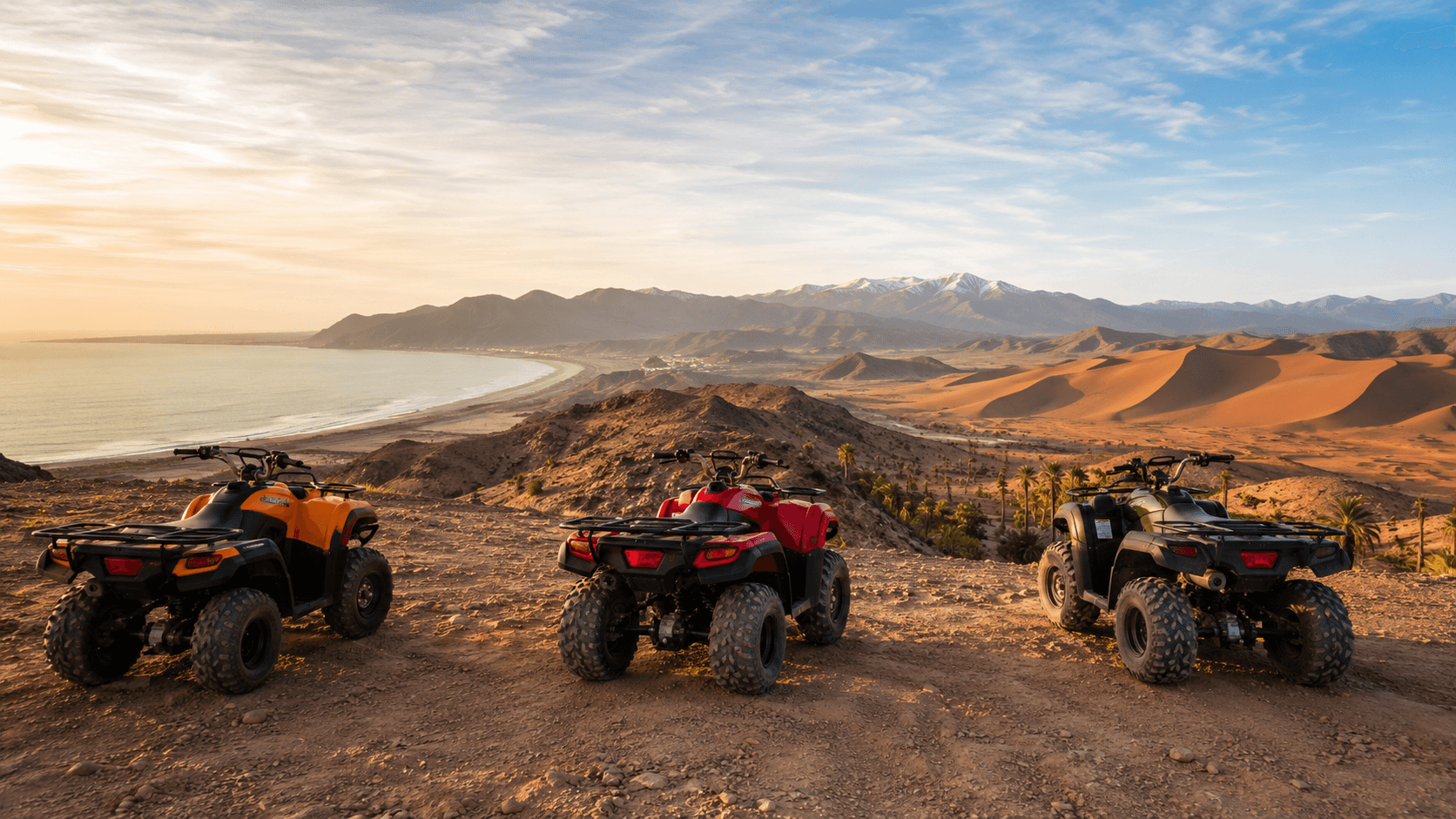
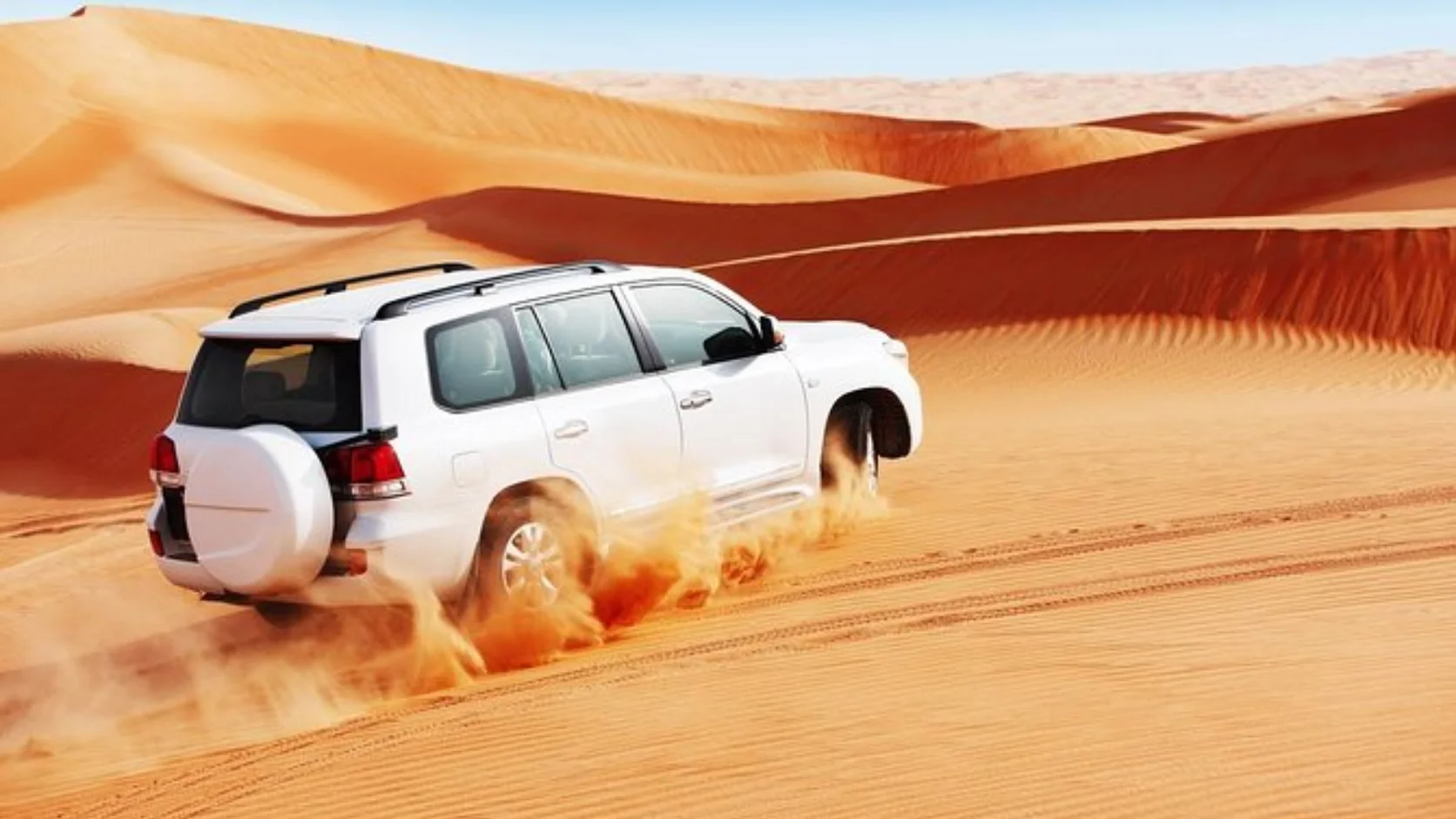
Some parts of the wider area are better appreciated by vehicle than by foot. A half-day or full-day 4x4 excursion can include old Dakar-style tracks, panoramic viewpoints, fossil zones, nomadic family areas, and desert plateaus beyond the dune front. This option is especially useful if you want to experience more of the region without the physical effort of climbing dunes repeatedly.
7. Stargaze away from village lights
The desert sky is one of Merzouga’s quiet luxuries. On a clear night, especially outside brighter moon phases, the stars become a major part of the trip. Even travelers who are not usually interested in astronomy often remember this part most vividly, because the combination of silence, darkness, and open horizon is difficult to find in busier destinations.
How to Get There & Car Rental
If you are researching how to get to Merzouga, the key thing to know is that Merzouga is remote but reachable. Most travelers arrive by road from Marrakech, Fes, Ouarzazate, or Errachidia. The final approach is what makes the destination feel dramatic: long open stretches, fewer towns, and then the sudden rise of dunes at the horizon.
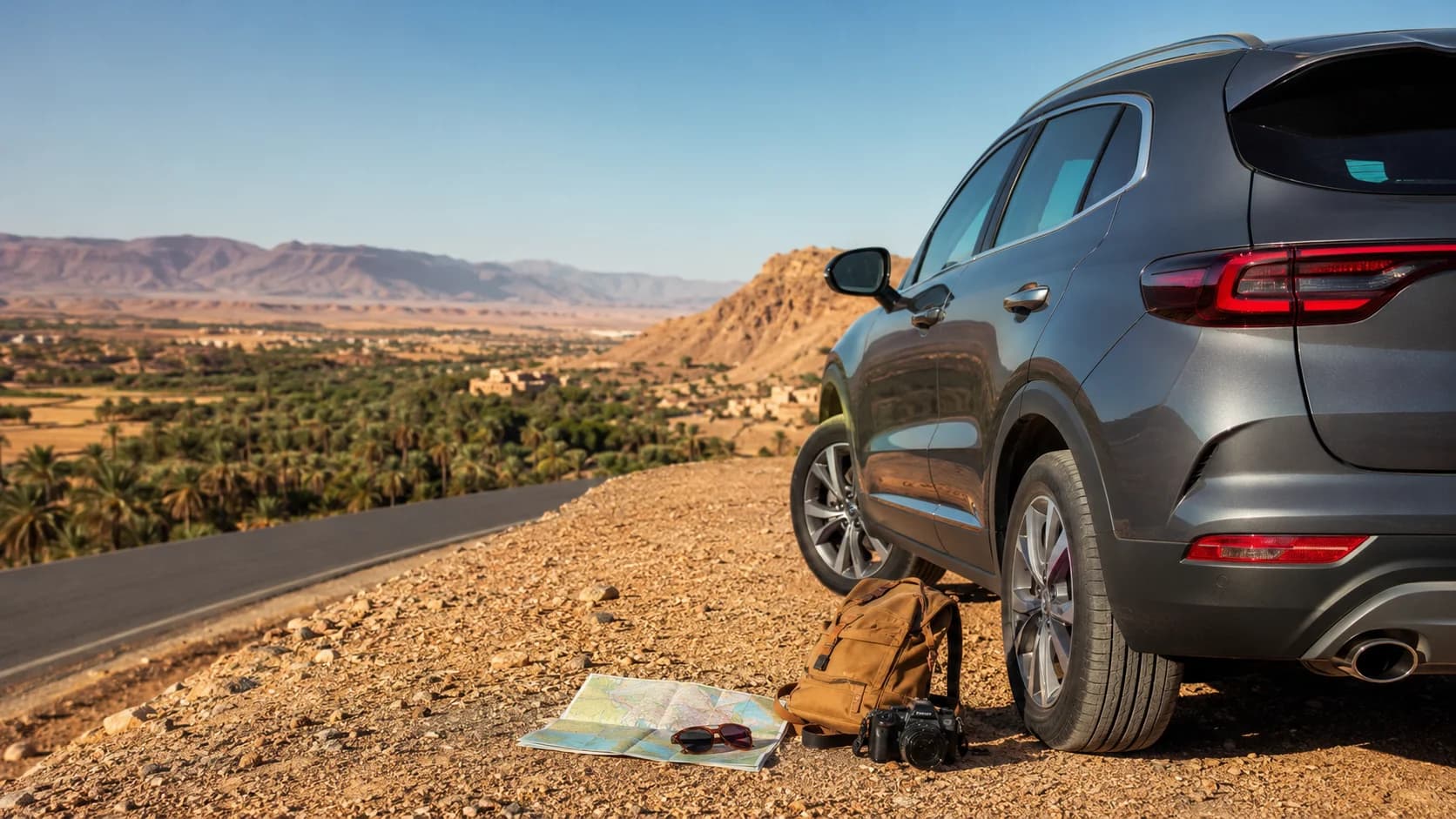
Driving yourself is the most flexible option because it lets you break the trip into scenic segments. Many visitors combine Merzouga with Aït Benhaddou, Dades Valley, Todra Gorge, or the Ziz Valley. That flexibility is the main reason many travelers choose Car Rental Morocco before heading south or east.
A standard car can handle the main paved approach roads in normal conditions, but if your route includes rough shoulders, remote viewpoints, or extra desert-region exploration, 4x4 Rental Morocco provides more comfort and margin. If you do not want the fatigue of a long-distance drive, Private Driver Morocco is a practical option, especially for couples, families, or travelers who want to turn transit days into sightseeing days.
The nearest more connected access point for some travelers is Errachidia, but many people still come overland from Morocco’s main visitor hubs. Merzouga is not a place you rush to for a few hours. It works best when you treat the road there as part of the experience.
Driving Tips for Desert Roads
Driving to Merzouga is not difficult in the same way that technical mountain roads can be difficult, but it does require patience and planning. Distances are long, services are less frequent, and the desert environment can make even simple mistakes more inconvenient.
Start early rather than driving the longest section after dark. Keep fuel levels comfortable rather than optimistic, especially when crossing quieter regions. Use offline maps as backup, because signal strength can vary in remote areas. Carry water in the car even in cool seasons. If strong wind develops, visibility can drop because of dust or blowing sand, so slow down and avoid unnecessary overtaking.
Do not drive onto soft sand unless your vehicle is appropriate and you know exactly what you are doing. Most visitors do not need to take that risk. The main approach roads are the point of access; dune driving is something to leave to experienced local operators or specific 4x4 setups. This is where 4x4 Rental Morocco can make sense for the wider region, but even then, good judgment matters more than vehicle size.
2-Day Merzouga Itinerary
A short Merzouga itinerary can still feel complete if you plan it around the best light and avoid overloading the schedule.
Day 1: Arrival, dunes, and camp night
Aim to arrive in Merzouga by early or mid-afternoon. Check into your guesthouse or meeting point, have tea, and take a little time to rest from the drive. This pause matters more than many travelers expect, especially if you have come from Fes, Marrakech, or another long route.
Later in the afternoon, head into the dunes by camel or 4x4. If you choose the classic camel ride Merzouga route, sunset timing is usually the highlight. Take only what you need for the night and keep valuables protected from sand. Once at camp, enjoy dinner, music, and time under the stars. Keep expectations realistic: the magic of the evening is often in the atmosphere rather than in constant activity.
Day 2: Sunrise and wider desert surroundings
Wake before sunrise and climb a nearby dune while the light is still changing. After breakfast, return from camp and decide how to use the rest of the morning. You can leave for your next destination, or add a short circuit through nearby villages and viewpoints. Travelers with extra time often visit Khamlia, explore the edges of the erg, or stop in Rissani on the onward route.
If you are self-driving, avoid trying to force too many kilometers into the same day after a desert night. Merzouga rewards a steady pace. Even one relaxed sunrise and one sunset can make the whole detour worthwhile.
Best Accommodation in Merzouga
Accommodation in Merzouga usually falls into three broad categories: village stays near the dunes, standard desert camps, and more upscale camps deeper into the sand.
Village stays are useful for travelers who want easier parking, simpler logistics, and a more affordable base. They are also good if you want to sleep well before or after a long drive and treat the dunes as a day activity rather than an overnight experience. Many auberges are positioned so close to Erg Chebbi that you still get beautiful views and easy access to excursions.
Standard desert camps usually offer the classic experience most first-time visitors imagine: dinner, a tent, a campfire setting, and sunrise access. These are ideal for travelers who care more about atmosphere than polished luxury.
Upscale camps are better for couples, special occasions, or travelers who want the desert feeling without giving up too much comfort. These may include larger tents, better bedding, more private facilities, and a stronger service level. The difference is less about “authentic versus inauthentic” and more about your comfort preference.
Wherever you book, confirm the exact transfer method, what luggage can be taken, whether private bathrooms are included, and how close the camp actually is to the main dunes. In Merzouga, small wording differences can change the experience a lot.
Day Trips from Merzouga
Merzouga is often treated as a one-night stop, but the surrounding area has enough interest for a fuller stay.
Rissani is one of the best nearby additions. It gives historical and local context to the desert region and can fit naturally into arrival or departure day plans. The town is associated with the former caravan economy and older trans-Saharan trade networks, which helps explain why this region feels culturally layered rather than purely scenic. Erg Chebbi’s position near Rissani and Erfoud is frequently noted in geographic overviews of the area.
Khamlia is another worthwhile outing if you want music and community life alongside dune scenery. It breaks up the visual rhythm of sand and road with a more human-centered stop.
If you have a vehicle, you can also explore parts of the wider desert fringe, dry lake areas depending on conditions, and panoramic tracks around the erg. This is where a self-drive plan built around Car Rental Morocco or 4x4 Rental Morocco becomes especially useful, because you are not limited to a single camp transfer and departure.
Travelers who do not want to navigate these roads themselves may prefer Private Driver Morocco, which works well for custom stops and a more relaxed pace.
FAQ
Is Merzouga worth visiting in Morocco?
Yes. Merzouga is one of the most rewarding desert destinations in Morocco because it combines dramatic dunes, accessible desert camps, camel rides, and a strong sense of place. It is especially worth it if you want a real Sahara atmosphere rather than only a quick scenic stop.
What is the difference between Merzouga and Erg Chebbi dunes?
Merzouga is the village and travel base. Erg Chebbi is the dune system beside it. Travelers often use the names together because Merzouga is the gateway and Erg Chebbi is the landscape they come to experience.
How many days do you need in Merzouga?
One night is enough for a first visit, especially if it includes sunset, camp, and sunrise. Two nights is better if you want to slow down, explore nearby villages, and avoid feeling that the trip is just a quick overnight excursion.
Can you reach Merzouga with a normal rental car?
Yes, the main access roads are paved and many travelers reach Merzouga in a regular car. The key is to stay on the proper approach roads and avoid driving into soft sand or poorly defined desert tracks unless you have the right vehicle and experience.
Is a camel ride in Merzouga suitable for everyone?
Not always. Many people enjoy it, but travelers with back pain, mobility concerns, or very young children may prefer a 4x4 transfer to camp. You still get the desert experience without the physical strain of riding.
What should I pack for a Merzouga desert camp?
Bring layers for temperature changes, sunglasses, sunscreen, closed shoes, a scarf for wind or sand, water, and a small overnight bag. Even when daytime weather is warm, nights can feel much cooler in the desert. Climate averages for Merzouga show strong seasonal contrast between hot summers and much cooler winter nights.
When is the best time to visit Merzouga?
For most travelers, October through April offers the best balance of pleasant days and manageable temperatures. Summer is possible, but you need to plan around heat and avoid the most demanding outdoor activity in the middle of the day.
Is one night in a Merzouga desert camp enough?
For many first-time visitors, yes. One night gives you the core experience: sunset, camp atmosphere, stars, and sunrise. But if you have the time, a second night makes the trip feel less rushed and lets you see more than just the standard camp route.
Can families visit Merzouga?
Yes. Families often enjoy Merzouga, especially when the trip is paced well. The best approach depends on children’s ages: some families love camel rides, while others prefer a more comfortable camp setup and 4x4 transfers.
Do I need a 4x4 in Merzouga?
Not for reaching the town itself on the main road. A 4x4 becomes more useful if you want extra comfort on remote regional tracks or plan a broader desert exploration beyond the standard approach routes.
Book with MarHire
Merzouga is one of those Morocco trips that rewards good planning. The drive is long, the landscape is unforgettable, and the best experience usually comes from matching the route to your travel style. If you want total flexibility, book through Car Rental Morocco. If your itinerary includes rougher regional exploration, 4x4 Rental Morocco gives you more confidence on the road. And if you would rather focus on the scenery instead of the driving, Private Driver Morocco is the easiest way to reach Merzouga in comfort.
From the first long road into the southeast to the final sunrise over Erg Chebbi, Merzouga is the kind of destination that stays with travelers long after the trip ends. Plan it well, give it enough time, and let the desert do the rest.