


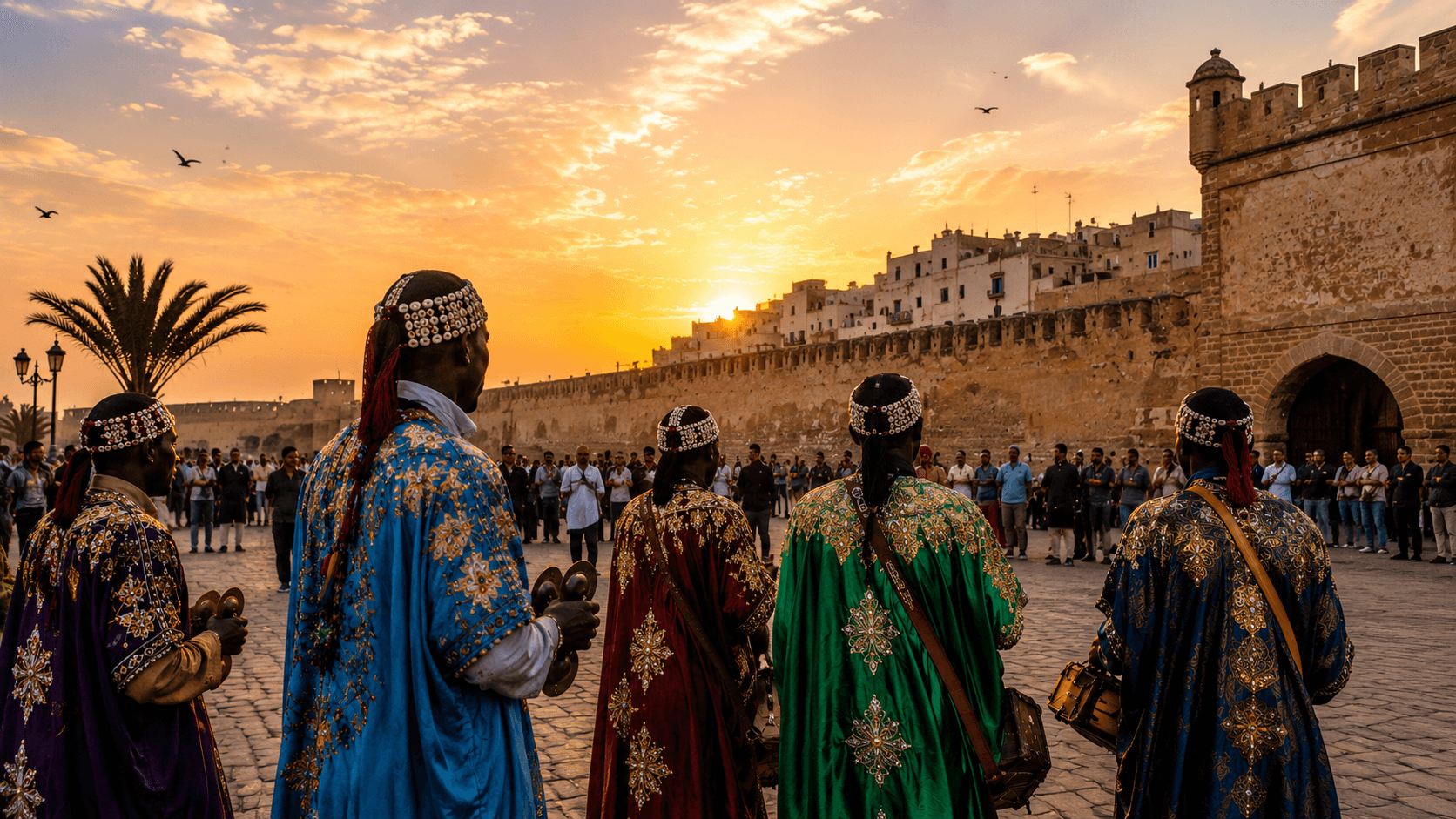
Morocco is not only a destination of landscapes, medinas, and beaches, it is also a country of festivals. Throughout the year, cities, villages, desert regions, and coastal towns come alive with music, culture, religious traditions, seasonal celebrations, and international events that attract visitors from around the world. From the Atlantic rhythms of Essaouira’s Gnaoua Festival to the spiritual atmosphere of Fes Sacred Music, Morocco’s festival calendar offers travelers a chance to experience the country beyond sightseeing.
Many travelers plan their itinerary around weather, beaches, or desert tours, but festivals can completely change the atmosphere of a trip. Streets become livelier, accommodations fill faster, local food scenes expand, and cultural experiences become far more immersive. Whether you are interested in world music, Amazigh traditions, religious heritage, local harvest celebrations, or international sporting events, there is usually something happening somewhere in Morocco.
This guide brings together Morocco’s major festivals and cultural events in one place, helping you understand what happens, when to visit, where to stay, and how to prepare. If you are still choosing your travel dates, our guide to Best Time to Visit Morocco is also useful before building your itinerary.
Why Plan Around a Moroccan Festival?
Festivals can completely transform a Morocco trip. A destination that normally feels relaxed can suddenly become vibrant and energetic, while cultural traditions that are usually hidden become visible in public spaces. Music performances, local ceremonies, artisan markets, processions, food stalls, and traditional clothing all create a very different travel experience compared to an ordinary week.
For many travelers, festivals also provide the best opportunity to experience Moroccan culture in a more authentic and social setting. International visitors mix with local families, artists, musicians, and travelers from across the world. Cities such as Rabat, Essaouira, Fes, Agadir, and Marrakech become especially dynamic during major annual events.
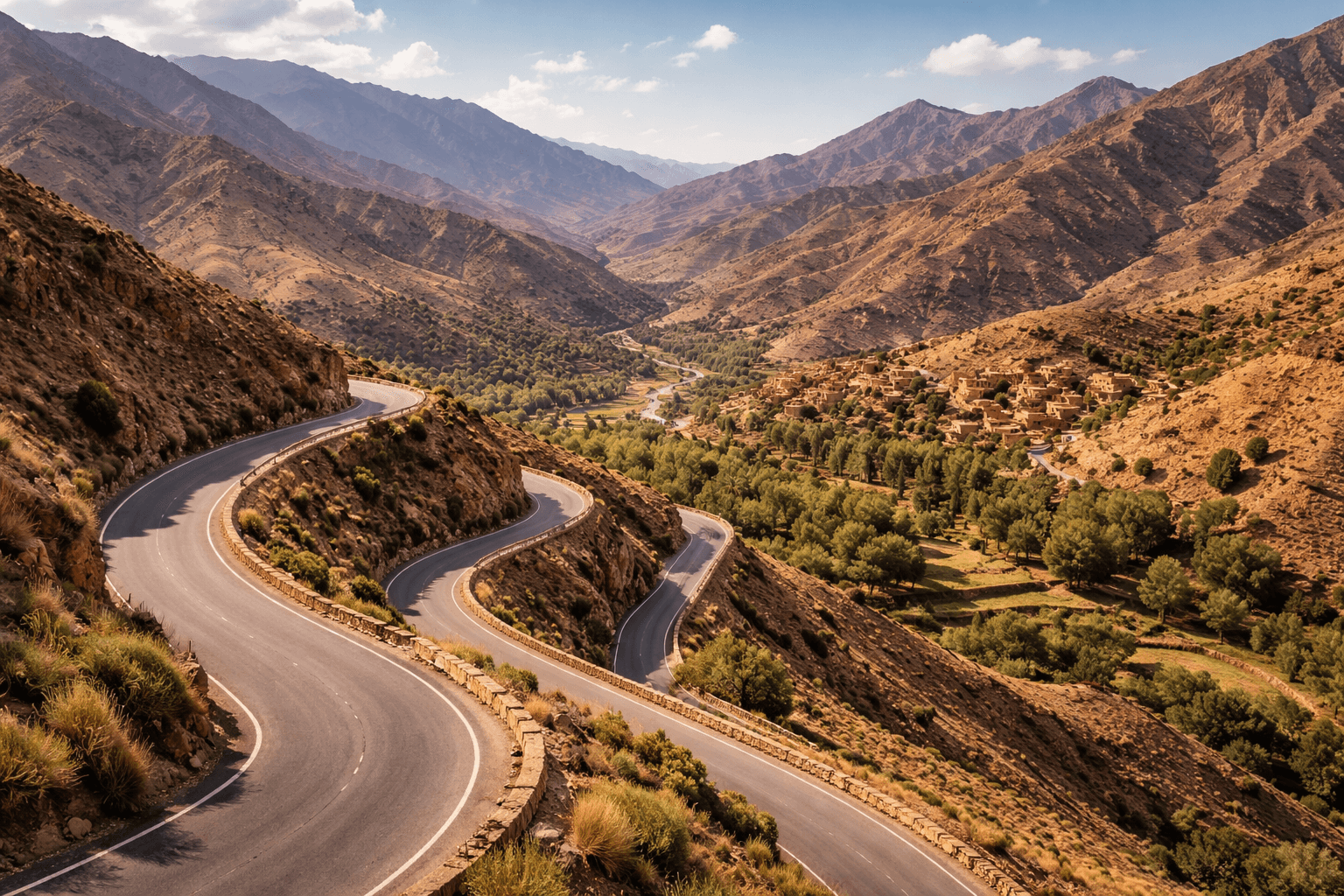
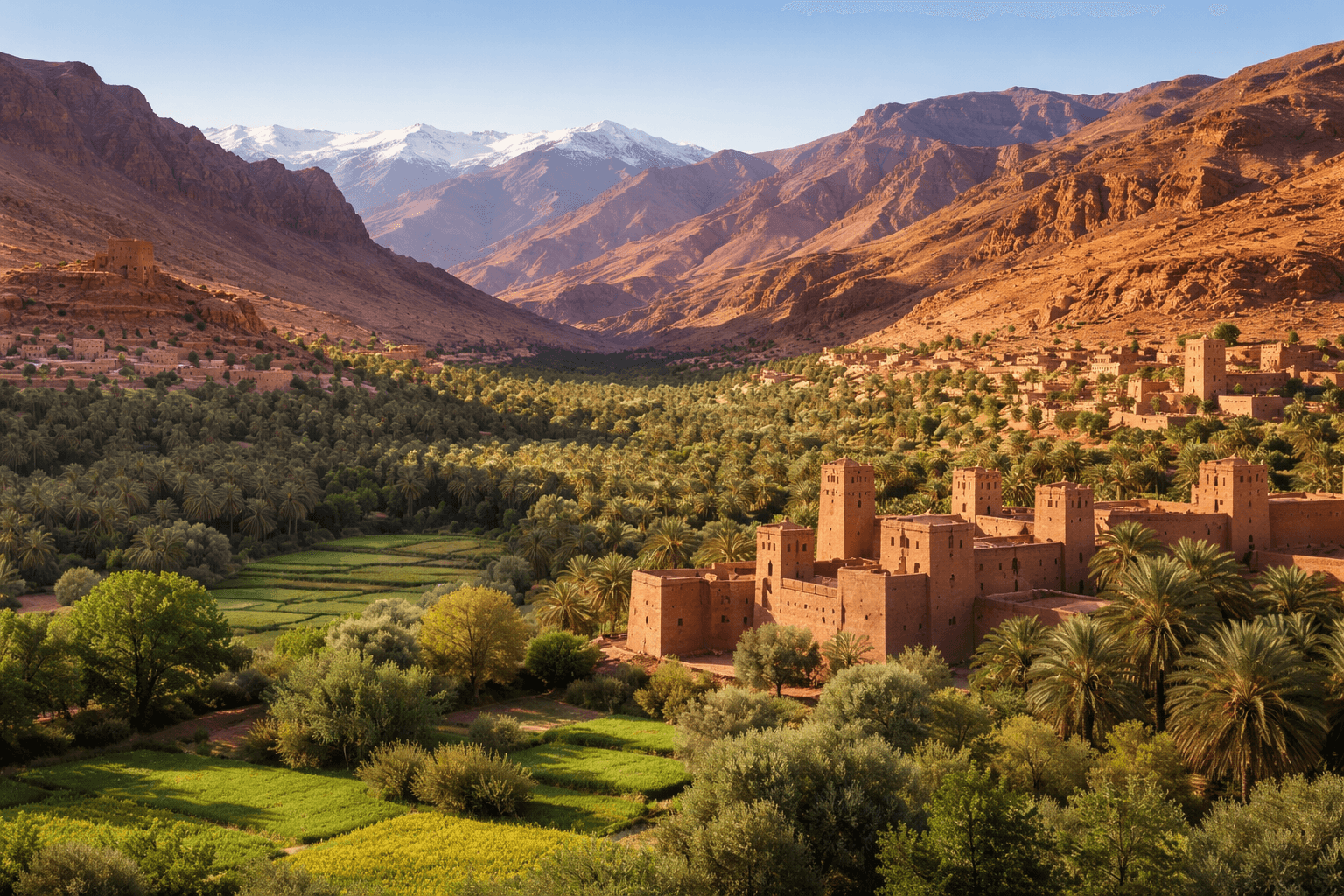
Festival travel also encourages regional exploration. Instead of only visiting famous cities, travelers discover places like Tafraoute, Kelaat M’Gouna, or Imilchil because of local celebrations that are deeply tied to Amazigh heritage and seasonal traditions. These smaller festivals often feel more intimate and memorable than the country’s biggest international events.
The main thing to remember is that popular festivals increase demand for hotels, transport, and rental cars very quickly. Booking early matters, especially for summer music festivals and spring cultural events.
Mawazine : Rhythms of the World (Rabat, May–June)
Held in Rabat, Mawazine is one of Africa’s largest music festivals and one of Morocco’s most internationally recognized events. Usually taking place between late May and June, the festival brings together global artists, Arab musicians, African performers, and Moroccan talent across multiple stages throughout the capital.
What makes Mawazine unique is its scale. Some concerts are ticketed, while many outdoor performances are free and attract enormous crowds. The atmosphere stretches across the city, from riverside venues to major public squares. International pop stars often headline the event, but traditional Moroccan and regional music remain important parts of the program.
For travelers, Mawazine offers a completely different side of Rabat. The capital, usually calmer and more elegant than Marrakech or Casablanca, becomes highly energetic during the festival period. Restaurants stay busy late into the evening, hotels fill quickly, and the city feels more youthful and international.
If you are visiting during the festival, it is also worth exploring the medina, Kasbah of the Udayas, and Atlantic coastline during the day. Our Rabat Travel Guide helps travelers combine the event with a broader city itinerary.
Gnaoua World Music Festival (Essaouira, June)
The Gnaoua World Music Festival in Essaouira is one of Morocco’s most atmospheric events. Usually held in June, the festival combines traditional Gnaoua music with jazz, blues, African rhythms, and international fusion performances. The setting adds to the experience: concerts take place inside one of Morocco’s most scenic coastal medinas, with Atlantic winds, sea walls, and open squares creating a unique backdrop.
Gnaoua culture has deep spiritual and musical roots in Morocco. During the festival, traditional maâlems (master musicians) perform alongside artists from around the world. The result is both cultural and contemporary at the same time.
Essaouira becomes extremely busy during festival week. Hotels and riads often book out months in advance, and the city feels much more crowded than usual. However, many travelers consider the atmosphere worth it because concerts spill into public spaces and the whole medina becomes animated.
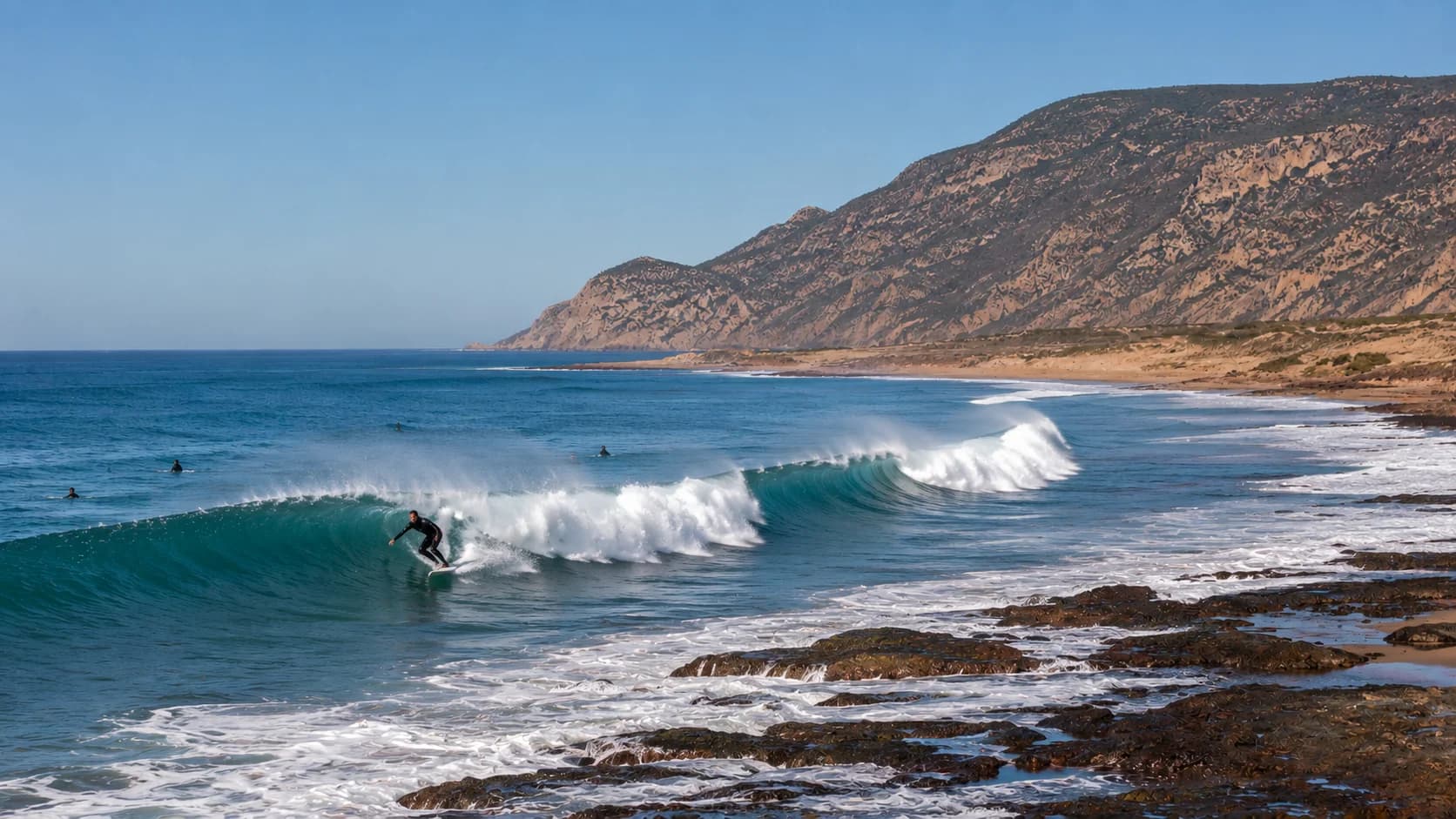
Outside the performances, visitors can enjoy surfing, seafood restaurants, art galleries, and coastal walks. If you are planning a longer stay, our Essaouira Travel Guide covers beaches, neighborhoods, and day-trip ideas around the city.
Fes Festival of World Sacred Music (May–June)
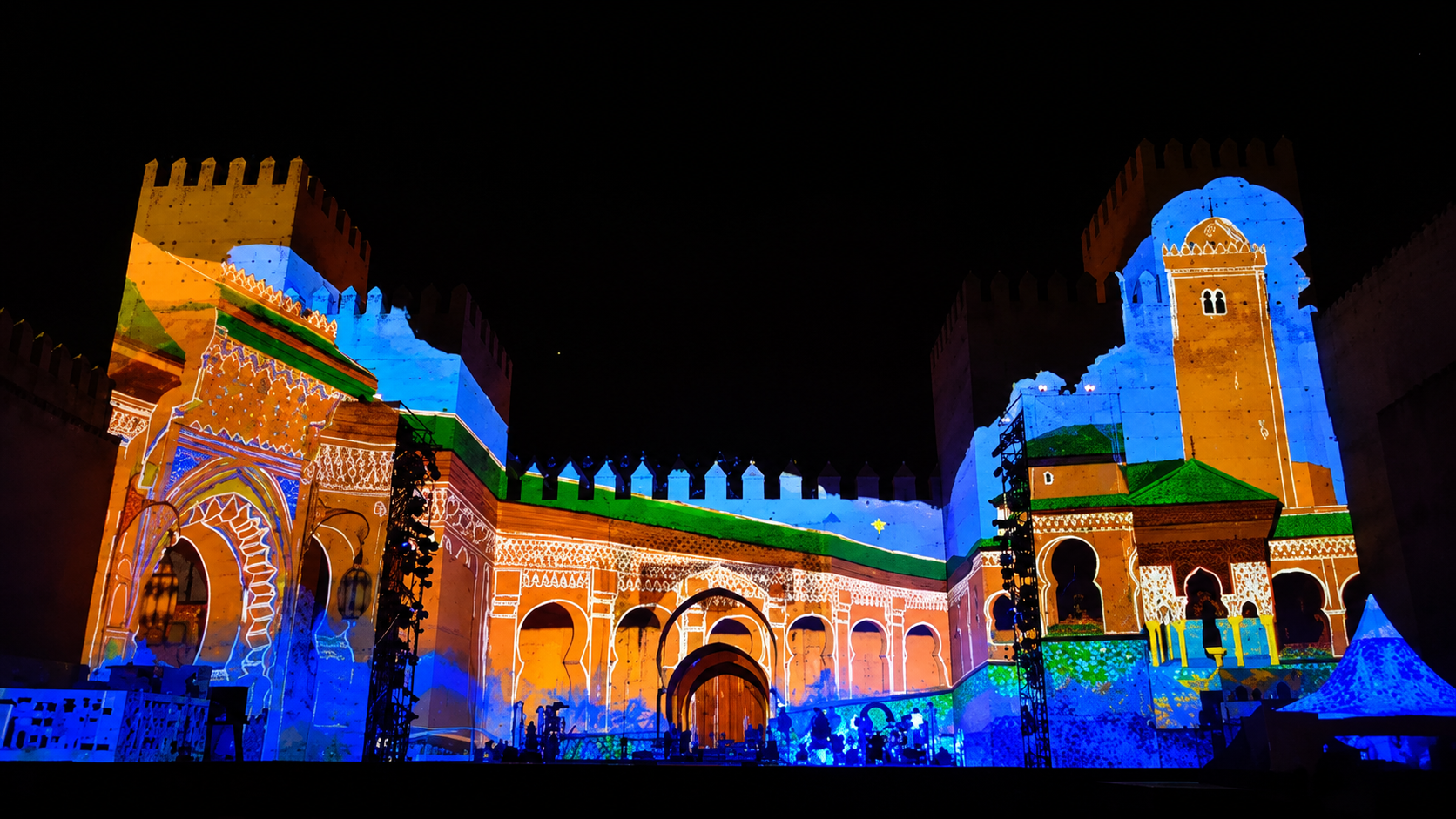
Hosted in Fes, the Fes Festival of World Sacred Music is one of Morocco’s most respected cultural events. Usually taking place between May and June, the festival focuses on spiritual music, intercultural dialogue, and artistic traditions from around the world.
Concerts are often held in beautiful historic settings, including palace courtyards and heritage venues that enhance the atmosphere dramatically. The program includes Sufi music, classical traditions, sacred chants, orchestral performances, and international collaborations.
Unlike louder summer festivals, Fes Sacred Music has a more refined and reflective atmosphere. It attracts travelers interested in culture, spirituality, architecture, and heritage rather than purely nightlife or entertainment.
The city itself becomes especially rewarding during this period. Fes already feels like one of Morocco’s deepest historical experiences, and the festival amplifies that identity. Travelers can combine concerts with visits to the medina, artisan workshops, tanneries, and traditional riads. Our Fes Travel Guide explains how to structure a multi-day stay around the festival.
Marrakech Popular Arts Festival (July)
Held during the summer in Marrakech, the Marrakech Popular Arts Festival celebrates Moroccan folklore, dance, storytelling, music, and traditional performance arts. The event highlights regional traditions from across the country and often includes open-air performances in historic settings.
The festival gives visitors a more traditional side of Marrakech beyond luxury hotels and modern tourism. Musicians, dancers, and performers from different Moroccan regions showcase local identities and Amazigh heritage through costumes, rhythms, and ceremonial performances.
Summer temperatures in Marrakech can be intense, so evening performances are usually the most enjoyable part of the experience.
Timitar Festival (Agadir, July)
Hosted in Agadir, Timitar Festival is one of Morocco’s most important Amazigh music festivals. Usually taking place in July, it mixes Amazigh performers with Moroccan and international artists across multiple stages.
The atmosphere feels younger and more coastal than some of Morocco’s traditional cultural festivals. Travelers visiting Agadir during Timitar can combine concerts with beaches, marina walks, surfing excursions, and nearby Taghazout day trips.
Because Agadir is already a strong summer destination, accommodation demand increases significantly during the festival period.
Rose Festival (Kelaat M'Gouna, May)
The Rose Festival in Kelaat M'Gouna celebrates the annual rose harvest in Morocco’s Valley of Roses. Usually held in May, the event includes local markets, music, traditional dancing, parades, and rose-themed products ranging from perfumes to cosmetics.
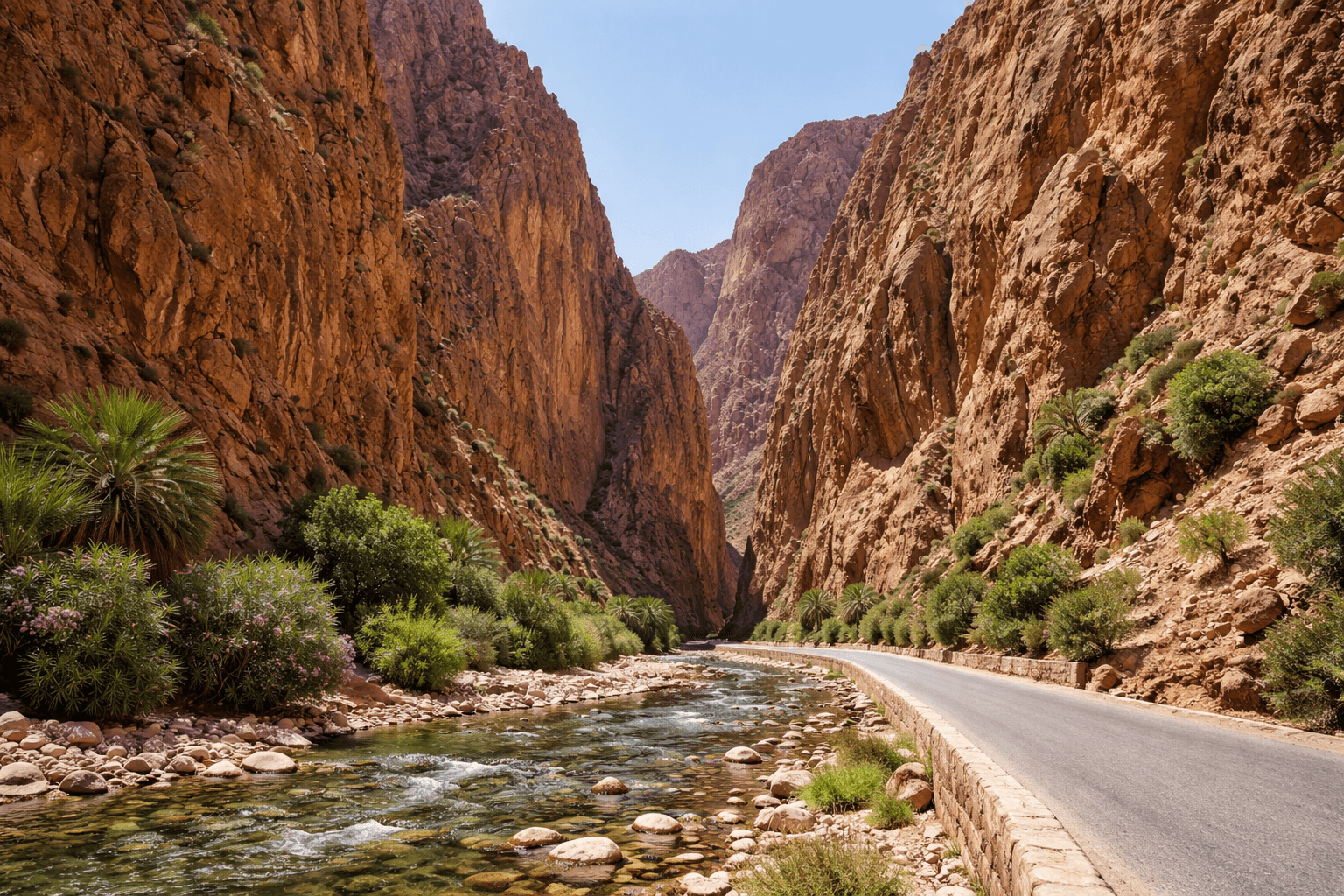
The surrounding region becomes especially scenic during spring, making the festival popular among road-trip travelers exploring southern Morocco.
Almond Blossom Festival (Tafraoute, February)
The Almond Blossom Festival in Tafraoute marks the arrival of spring in the Anti-Atlas region. Usually held in February, the festival combines Amazigh culture, music, local food, crafts, and seasonal celebrations surrounded by blooming almond trees and dramatic pink granite landscapes.
This is one of Morocco’s more photogenic regional events and works especially well for scenic road trips.
Imilchil Marriage Moussem (September)
Held in the Atlas region around Imilchil, this famous moussem combines cultural traditions, markets, social gatherings, and Amazigh heritage celebrations. Historically associated with marriage traditions, the event now attracts both locals and international visitors interested in mountain culture and regional identity.
The setting in the High Atlas Mountains adds to the atmosphere dramatically.
Marathon des Sables (April)
Known internationally as one of the world’s toughest endurance races, the Marathon des Sables takes place in the Moroccan Sahara each April. Participants cross desert terrain over multiple stages in extreme conditions.
Even travelers who are not participating often follow the event because it showcases Morocco’s desert landscapes and adventurous reputation internationally.
Booking Accommodation Around Festivals
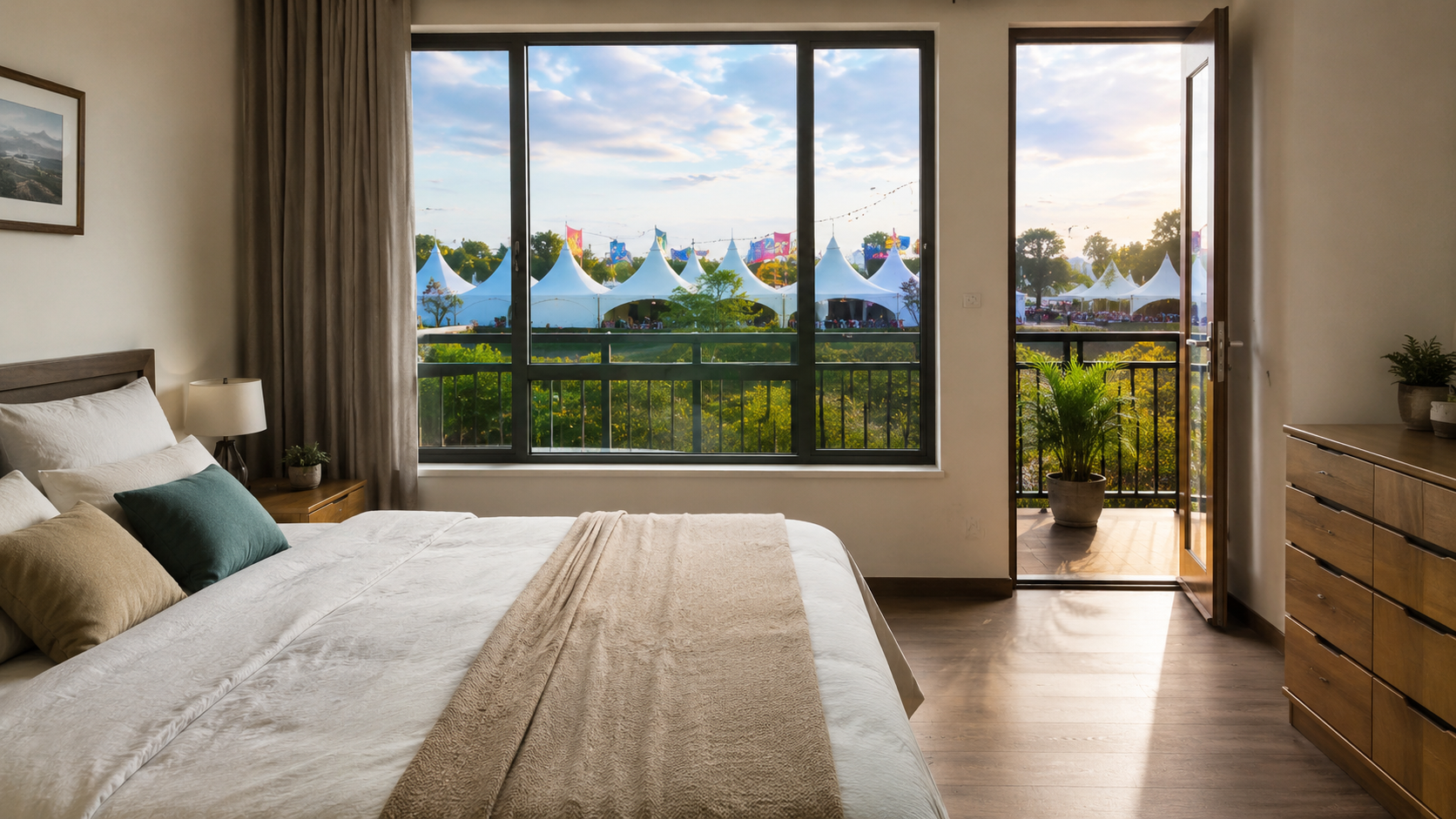
Festival periods change Morocco’s normal travel patterns. Cities that usually have broad hotel availability can become extremely busy during major events, especially in Essaouira, Rabat, Fes, and Marrakech. Prices often increase significantly during peak festival weekends, and riads inside medinas may sell out months ahead.
The best strategy is to reserve accommodation as early as possible once festival dates are announced. Travelers should also think carefully about location. Staying close to performance areas can improve convenience, but it may also mean more nighttime noise and limited parking access.
Rental cars become especially useful during festival travel because trains and buses often operate at full capacity. A flexible itinerary also helps if you want to combine multiple destinations around one event.
For regional exploration and festival road trips, Car Rental Morocco gives travelers flexibility between cities, airports, and cultural destinations.
FAQ
1. What is the biggest music festival in Morocco?
Mawazine, Rhythms of the World is generally considered Morocco’s largest music festival, attracting international artists and very large crowds each year.
2. When is the Gnaoua Festival in Essaouira?
The Gnaoua World Music Festival is usually held in June.
3. Which Moroccan festival is best for traditional culture?
The Fes Festival of World Sacred Music and the Imilchil Marriage Moussem are both excellent for travelers interested in heritage and traditional culture.
4. Is Morocco crowded during festivals?
Yes, especially in cities like Essaouira, Marrakech, and Rabat during major events.
5. How early should I book hotels for Morocco festivals?
For major festivals, booking several months in advance is recommended.
6. Which Morocco festival is best for music lovers?
Mawazine, Rhythms of the World, Gnaoua World Music Festival, and Timitar Festival are all strong choices for music-focused travelers.
7. What is a moussem in Morocco?
A moussem is a traditional Moroccan gathering or festival often linked to religion, local culture, markets, or seasonal celebrations.
8. Are Moroccan festivals family-friendly?
Many are, especially cultural and seasonal festivals during daytime activities.
9. Can I combine festivals with a Morocco road trip?
Yes. Many travelers build road trips around events in cities and smaller regions across the country.
10. Which festival is best for photography?
The Rose Festival and the Almond Blossom Festival are especially photogenic.
11. Is festival travel expensive in Morocco?
Prices increase during major events, but Morocco still offers good value compared to many European festival destinations.
Book with MarHire
Morocco’s festivals offer far more than concerts and celebrations, they reveal the country’s regional identities, music traditions, landscapes, and seasonal rhythms. Whether you want Atlantic music nights in Essaouira, spiritual performances in Fes, Amazigh festivals in Agadir, or spring celebrations in the Atlas regions, planning around a festival can completely transform your trip.
With MarHire, you can travel flexibly between cities, airports, coastal routes, mountain regions, and cultural destinations at your own pace.
Explore Morocco festival routes with Car Rental Morocco and build your itinerary around the country’s most unforgettable events.