






Morocco’s Atlantic coastline is one of North Africa’s most rewarding long-distance drives. From the whitewashed walls of Asilah to the surf atmosphere of Essaouira, this route combines ocean scenery, historic medinas, seafood towns, modern cities, and relaxed beach stops in a single journey.
A Morocco Atlantic coast road trip gives travelers a completely different side of the country compared to the classic Marrakech–Sahara route. The temperatures are milder, the roads are easier, and the atmosphere feels more open, coastal, and laid-back. Along the way, you pass through artistic towns, elegant capitals, fishing ports, Portuguese fortresses, and some of Morocco’s best beaches.
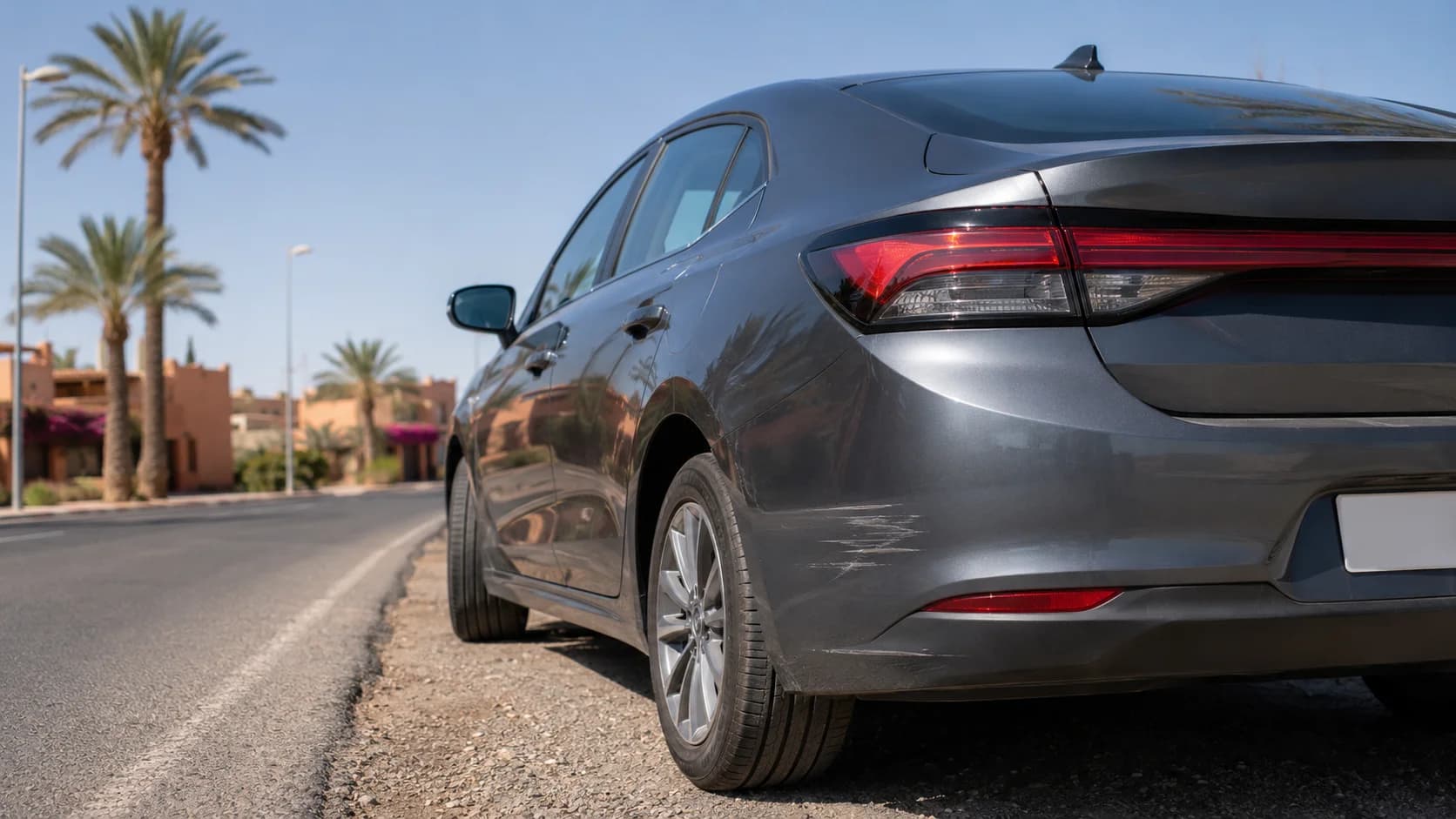
This route is especially ideal for travelers renting a car because public transport between smaller coastal towns can be slow and limiting. With your own vehicle, you can stop at hidden beaches, panoramic viewpoints, local seafood grills, and quiet Atlantic villages that most visitors miss.
If you are planning a coastal Morocco drive in 2026, this guide covers everything you need: the best route, driving times, beach stops, fuel budget, seafood recommendations, and practical one-way rental advice from Tangier to Essaouira.
Why the Atlantic Coast Is Morocco's Underrated Road Trip
Most first-time visitors focus on Marrakech, the Sahara Desert, or the blue streets of Chefchaouen. Meanwhile, Morocco’s Atlantic coastline remains surprisingly underrated despite offering some of the country’s easiest and most scenic driving.
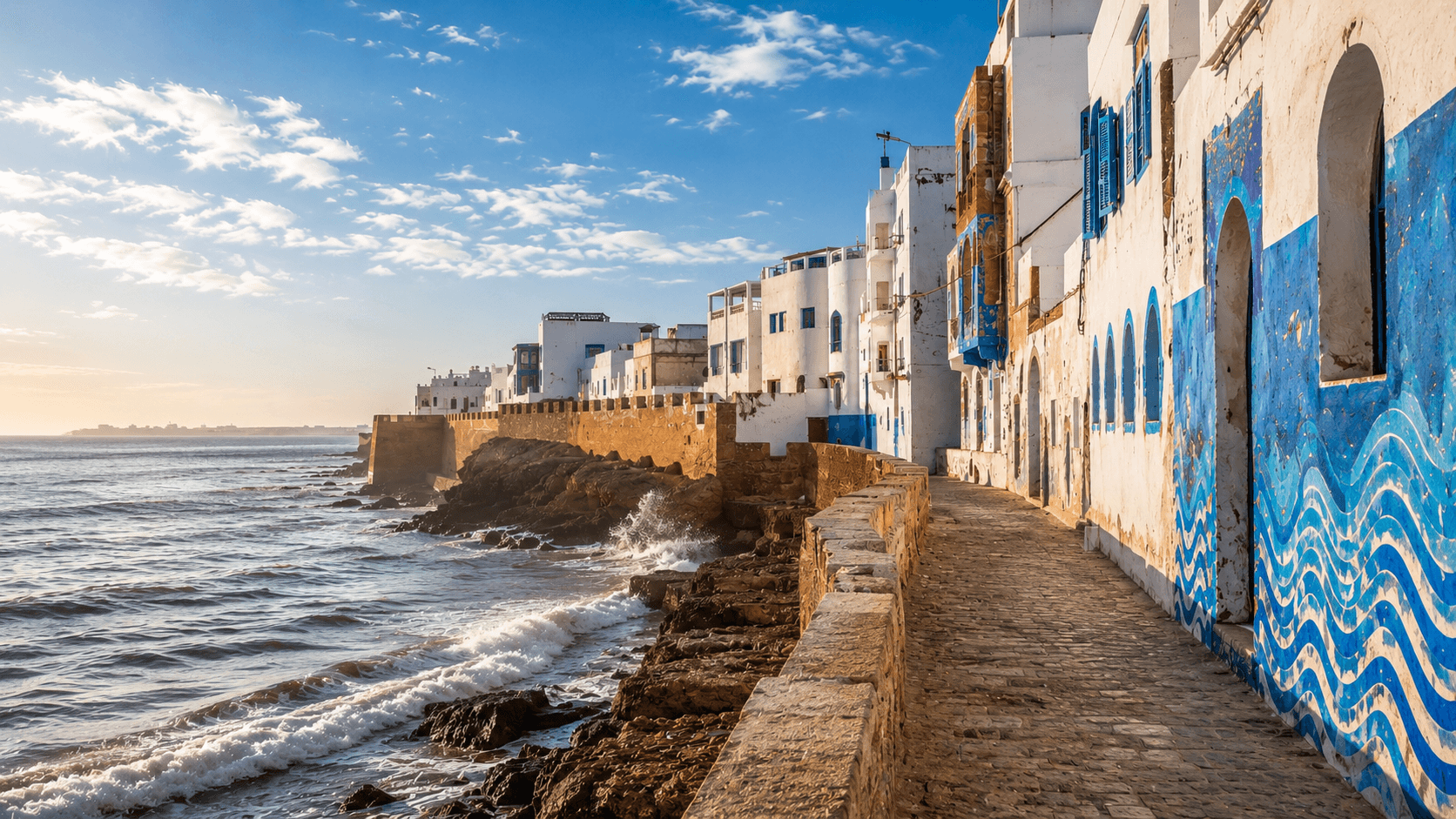
The Morocco Atlantic coast road trip combines modern infrastructure with constantly changing landscapes. In the north, Tangier feels cosmopolitan and Mediterranean. A short drive later, Asilah introduces a slower artistic atmosphere with white walls covered in murals and Atlantic waves crashing against old Portuguese fortifications.
Further south, Rabat offers wide boulevards, clean beaches, and elegant architecture, while Casablanca adds energy, nightlife, and the monumental Hassan II Mosque. South of Casablanca, the road becomes more relaxed again as you reach El Jadida, Safi, and finally Essaouira, where Atlantic winds, fishing boats, and historic ramparts create one of Morocco’s most iconic coastal settings.
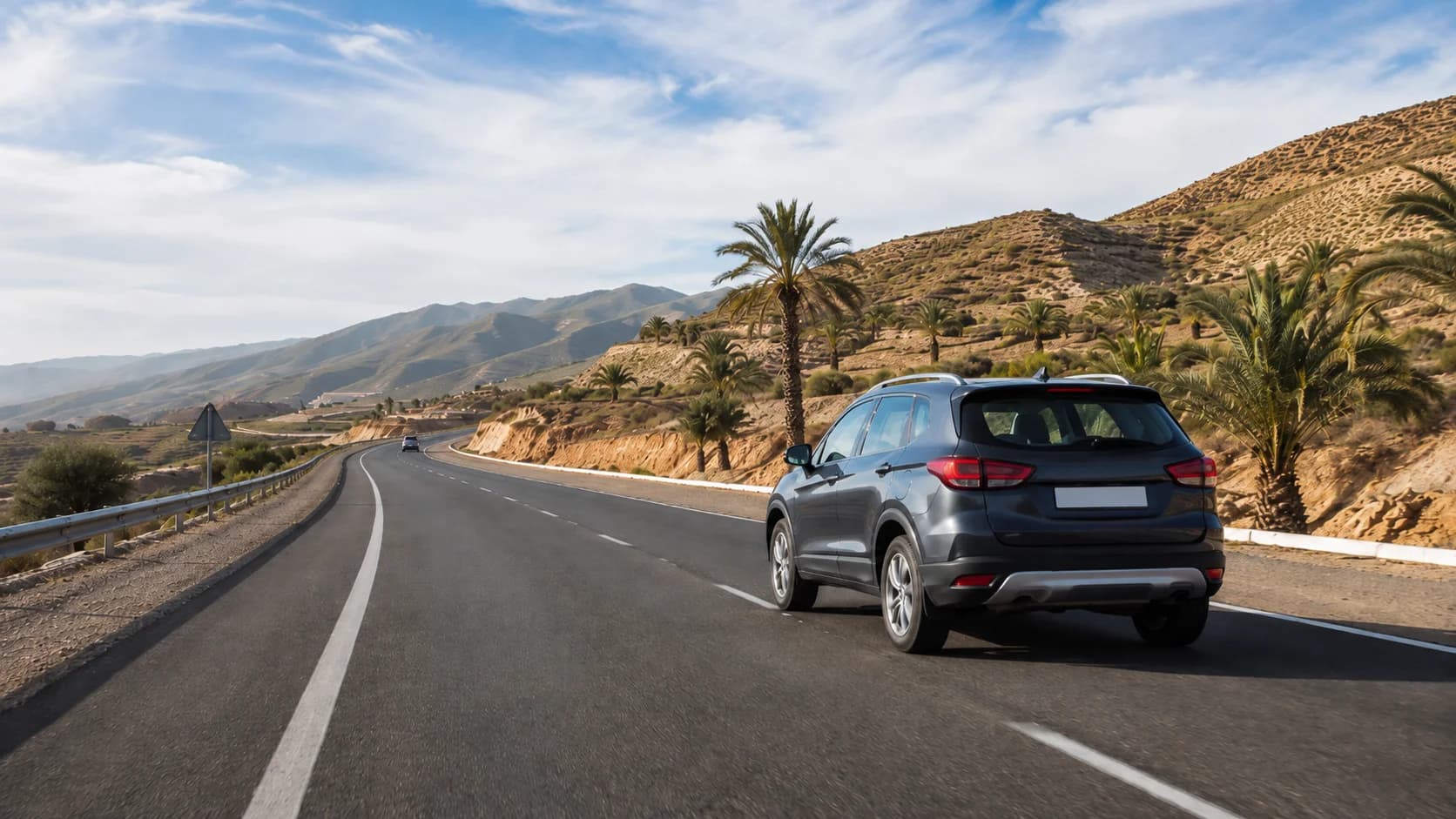
Unlike mountain routes, the Atlantic roads are generally smooth, straightforward, and beginner-friendly for international drivers. Temperatures are also more stable year-round thanks to the ocean breeze.
Another major advantage is flexibility. You can combine city exploration with beach relaxation, surfing, seafood dining, and photography stops without needing domestic flights or complicated transfers.
Travelers looking for a balanced Morocco coast itinerary often find this route delivers the best mix of culture, comfort, and scenery.
Full Route Map: Tangier → Asilah → Larache → Rabat → Casablanca → El Jadida → Safi → Essaouira
The classic Atlantic road Morocco itinerary covers roughly 700–800 kilometers depending on detours and beach stops. The route follows Morocco’s western coastline using a combination of modern highways and scenic coastal roads.
Tangier
Your journey starts in Tangier, Morocco’s northern gateway between Europe and Africa. The city has transformed significantly in recent years, with modern infrastructure, a renovated marina, stylish cafés, and excellent highways connecting the rest of the country.
Spend at least one day exploring the medina, Cap Spartel, and the Corniche before beginning your drive. Travelers arriving by ferry from Spain often start here because pickup logistics are easy and driving south is straightforward.
For a detailed city guide, read the Tangier Travel Guide.
Asilah
About 45 minutes south of Tangier, Asilah is one of Morocco’s most photogenic coastal towns. Whitewashed walls, blue accents, art murals, and Atlantic ocean views make it a favorite stop for photographers and slower travelers.
The medina is compact and calm compared to larger Moroccan cities, making it ideal for a relaxed overnight stay.
Larache
Larache is often skipped, but it offers authentic local atmosphere and fewer tourists. Nearby Lixus archaeological ruins and coastal viewpoints make it worthwhile for travelers interested in history and quieter destinations.
Rabat
Morocco’s capital is one of the country’s cleanest and most organized cities. Rabat combines historic kasbahs, modern tramways, beaches, and elegant neighborhoods without the intensity of Casablanca.
The Oudayas Kasbah overlooking the Atlantic is one of the route’s highlights.
You can discover more in this detailed Rabat Travel Guide.
Casablanca
Casablanca is Morocco’s economic center and largest city. While many travelers only stop briefly, it offers impressive architecture, nightlife, oceanfront dining, and the iconic Hassan II Mosque built partly above the Atlantic Ocean.
The Corniche area is especially lively during evenings.
El Jadida
El Jadida introduces a slower pace again. Its Portuguese cistern, fortified old town, and relaxed beach atmosphere make it an ideal overnight stop between Casablanca and Essaouira.
Safi
Known historically for ceramics and sardine fishing, Safi feels more rugged and industrial than Essaouira but remains interesting for seafood lovers and surfers.
Essaouira
The road trip ends in Essaouira, one of Morocco’s most beloved Atlantic cities. Windy beaches, fresh seafood, artistic cafés, and historic walls create an unforgettable final destination.
For a complete city breakdown, see the Essaouira Travel Guide.
7-Day Coastal Itinerary Day-by-Day
Day 1 : Arrive in Tangier
Arrive in Tangier and pick up your rental car directly from the airport, port, or city center. Spend the day exploring the old medina, Café Hafa, Cap Spartel, and the Tangier Marina.
Stay overnight in Tangier to rest after arrival.
For vehicle options, browse Car Rental Tangier.
Day 2 : Tangier → Asilah → Larache
Drive south toward Asilah in the morning. Spend several hours walking through the medina and Atlantic ramparts before continuing toward Larache.
Optional stops include Paradise Beach and small roadside seafood cafés overlooking the ocean.
Driving time is short, allowing a relaxed pace.
Overnight: Larache or Asilah.
Day 3 : Larache → Rabat
Continue south toward Rabat using the highway or coastal detours depending on your preferred pace.
In Rabat, explore:
- Kasbah des Oudayas
- Hassan Tower
- Rabat Medina
- Atlantic Corniche
- Marina area
Rabat is especially pleasant in the evening thanks to its calmer atmosphere compared to Casablanca.
Overnight: Rabat.
Day 4 : Rabat → Casablanca
This is one of the shortest driving days. Leave Rabat after breakfast and arrive in Casablanca by midday.
Main highlights include:
- Hassan II Mosque
- Ain Diab Corniche
- Art Deco downtown
- Morocco Mall
- Oceanfront cafés
Casablanca offers some of Morocco’s best nightlife and modern dining experiences.
Overnight: Casablanca.
Day 5 : Casablanca → El Jadida
Leave the big city behind and head toward El Jadida. This stretch feels significantly more relaxed and coastal.
Visit:
- Portuguese Cistern
- Historic fortified city
- El Jadida beach promenade
- Local seafood restaurants
This is a great stage to slow down and enjoy the Atlantic atmosphere.
Overnight: El Jadida.
Day 6 : El Jadida → Safi → Essaouira
Today’s route becomes more scenic and rugged. Safi provides an authentic working-port atmosphere with dramatic cliffs and strong Atlantic waves.
Continue south toward Essaouira while stopping at panoramic coastal viewpoints and hidden beaches.
Arrive in Essaouira before sunset for one of the best evening atmospheres in Morocco.
Overnight: Essaouira.
Day 7 : Explore Essaouira
Spend your final day enjoying:
- Essaouira Medina
- Fishing port
- Atlantic beach
- Ramparts
- Seafood market
- Surf cafés
Many travelers extend their stay here because the city is extremely relaxing compared to Morocco’s larger urban centers.
If needed, you can arrange a one-way vehicle return in Essaouira or continue toward Agadir.
For nationwide options, check Car Rental Morocco.
10-Day Extended Version with Tangier & Chefchaouen Add-On
Travelers with more time should strongly consider extending this Morocco coast itinerary into a 10-day journey.
Suggested Extension
- Day 1–2: Tangier
- Day 3: Chefchaouen
- Day 4: Asilah
- Day 5: Rabat
- Day 6: Casablanca
- Day 7: El Jadida
- Day 8: Safi
- Day 9–10: Essaouira
Adding Chefchaouen creates a strong contrast between Morocco’s mountain landscapes and Atlantic coastline. The drive from Tangier to Chefchaouen takes roughly two hours through the Rif Mountains.
You can then descend back toward Asilah and continue the coastal route southward.
Another excellent extension is staying an extra day in Essaouira for surfing, quad biking, or beach relaxation.
Travelers working remotely also often split longer stays between Rabat and Essaouira because both cities offer a calmer atmosphere and reliable internet infrastructure.
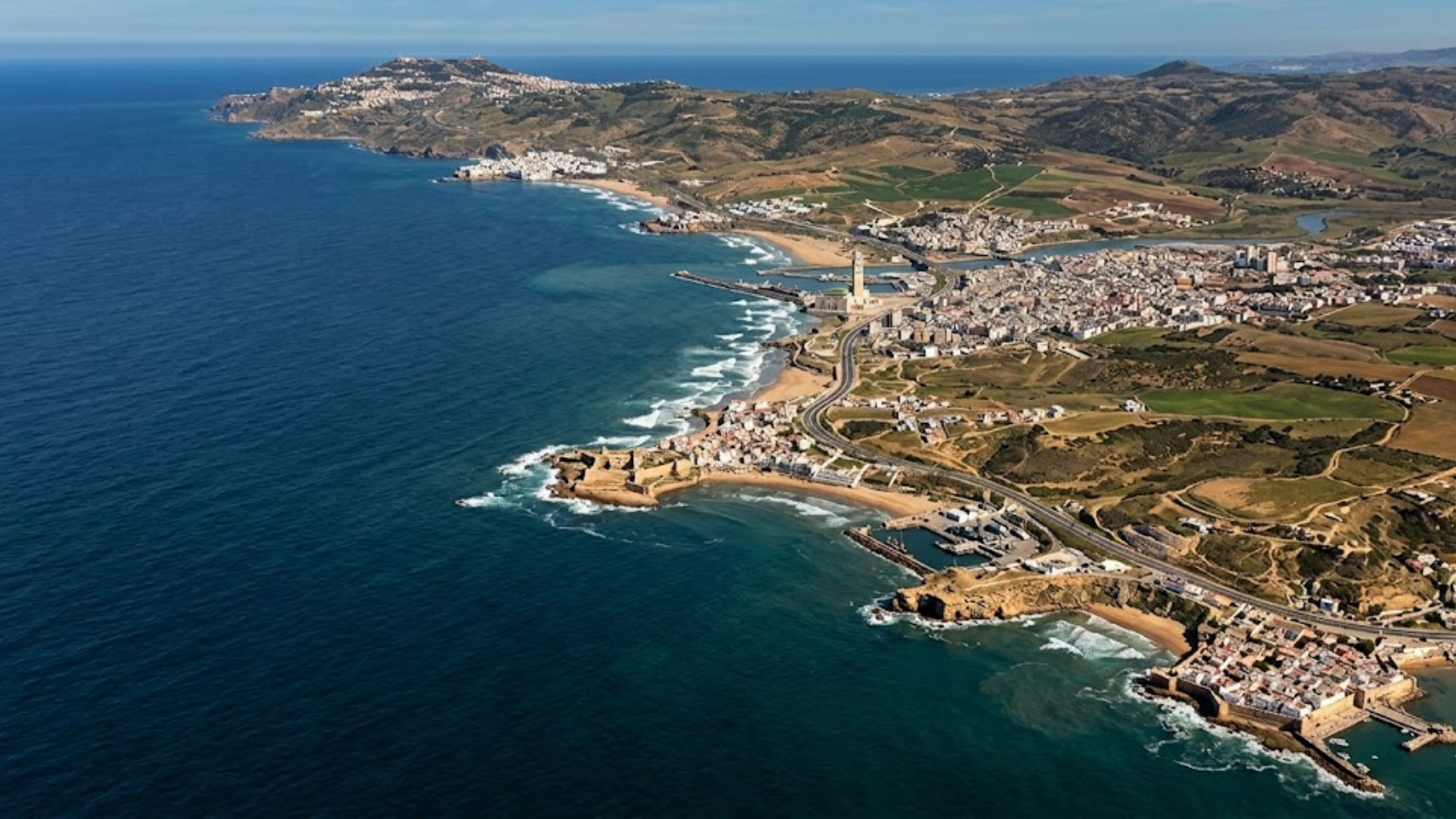
Best Beaches Along the Route
One of the biggest advantages of an Atlantic road Morocco journey is the diversity of beaches along the coastline.
Achakar Beach : Tangier
Located west of Tangier near Cap Spartel, Achakar Beach combines cliffs, caves, and dramatic Atlantic scenery. Sunset here is particularly beautiful.
Paradise Beach : Near Asilah
This beach remains relatively undeveloped compared to southern resort areas. The atmosphere feels wild, natural, and peaceful.
Skhirat Beach : Near Rabat
Popular with locals and families, Skhirat offers calmer swimming conditions and wide sandy stretches.
Ain Diab : Casablanca
Casablanca’s most famous urban beach area combines beach clubs, restaurants, cafés, and nightlife.
Sidi Bouzid : El Jadida
This is one of the most accessible beach resort areas on the route. During summer, it becomes lively with Moroccan domestic tourism.
Souiria Beach : Between Safi & Essaouira
A quieter coastal stop ideal for photography and ocean views.
Essaouira Beach
Essaouira’s long beach is famous for kitesurfing and windsurfing thanks to strong Atlantic winds. Even non-surfers enjoy walking the coastline during sunset.
For travelers wanting a true Morocco beach road trip, combining these coastal stops with smaller hidden beaches creates a far richer experience than simply driving city to city.
Seafood Stops You Can't Miss
Fresh seafood is one of the highlights of this Tangier to Essaouira road trip.
Tangier Port Restaurants
Start with grilled fish, calamari, and sardines near the marina and fishing port.
Asilah Oceanfront Grills
Asilah offers small local seafood spots serving fresh catches with ocean views and relaxed terrace seating.
Rabat Marina
Rabat’s waterfront restaurants combine modern dining with Atlantic scenery. Sea bass and shrimp tagines are particularly popular.
Casablanca Corniche
Casablanca delivers the most upscale seafood experiences along the route. Expect stylish restaurants, sushi lounges, and modern Atlantic fusion cuisine.
El Jadida Fish Markets
The seafood here feels more local and authentic. Grilled sardines remain a staple.
Safi Sardines
Safi is one of Morocco’s most important sardine ports. Seafood lovers should absolutely stop here for lunch.
Essaouira Fishing Port
Essaouira’s port is legendary for fresh seafood. You can often choose fish directly from market stalls before it is grilled nearby.
Expect oysters, sea bream, lobster, squid, shrimp, and sardines depending on the season.
One-Way Car Rental: Tangier Pickup, Essaouira Drop-Off
A one-way rental is the most practical way to complete this Morocco Atlantic coast road trip without retracing your route.
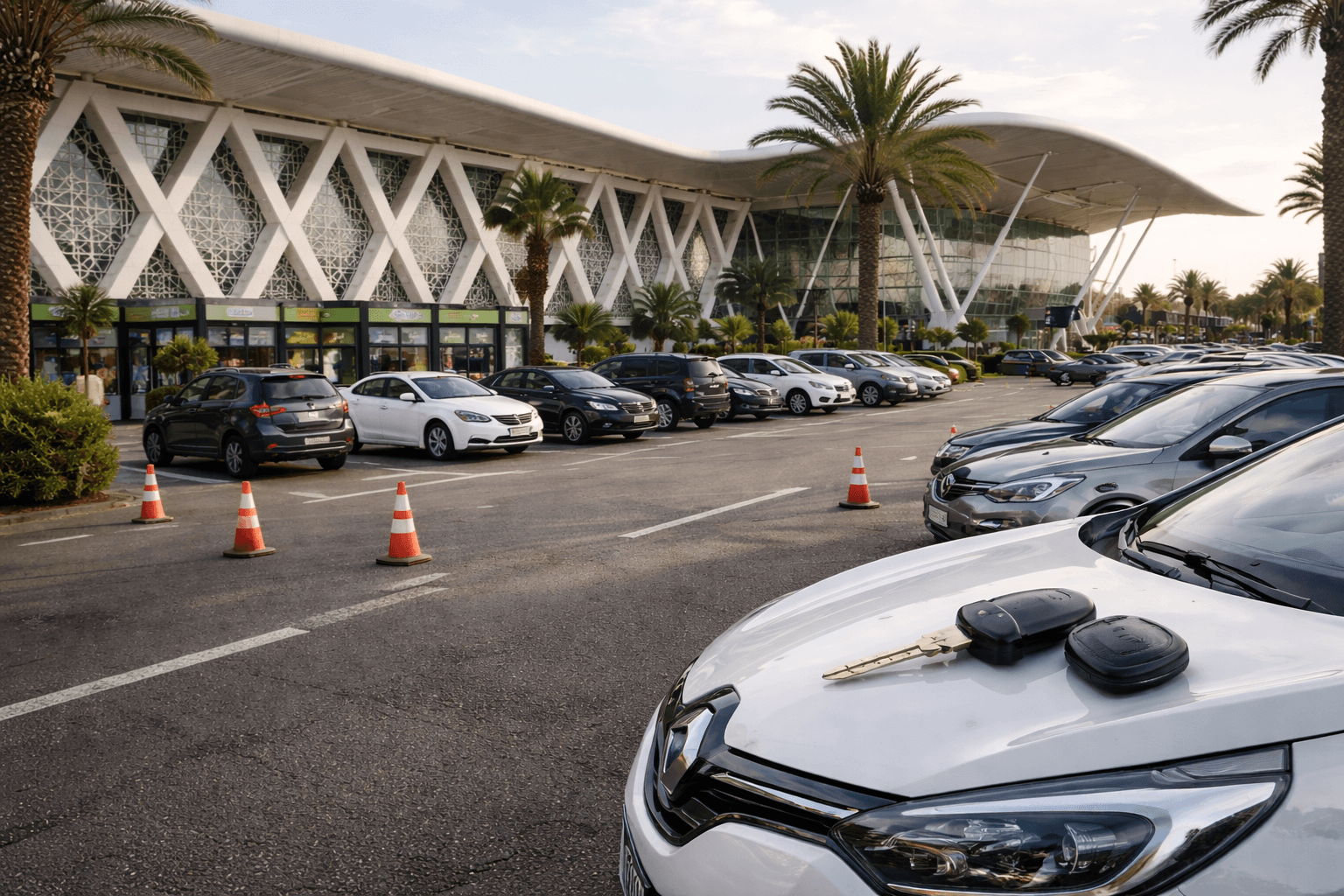
Most international travelers arrive in Tangier either through Ibn Battouta Airport or the ferry port from Spain. Picking up a vehicle there allows maximum flexibility while driving south at your own pace.
Dropping the vehicle in Essaouira works well for travelers who:
- Continue toward Agadir
- Fly domestically afterward
- Prefer not to drive back north
- Want a linear itinerary
When booking a coastal Morocco drive, prioritize:
- Unlimited kilometers
- Air conditioning
- Full insurance coverage
- Highway-friendly vehicles
- Clear one-way return policies
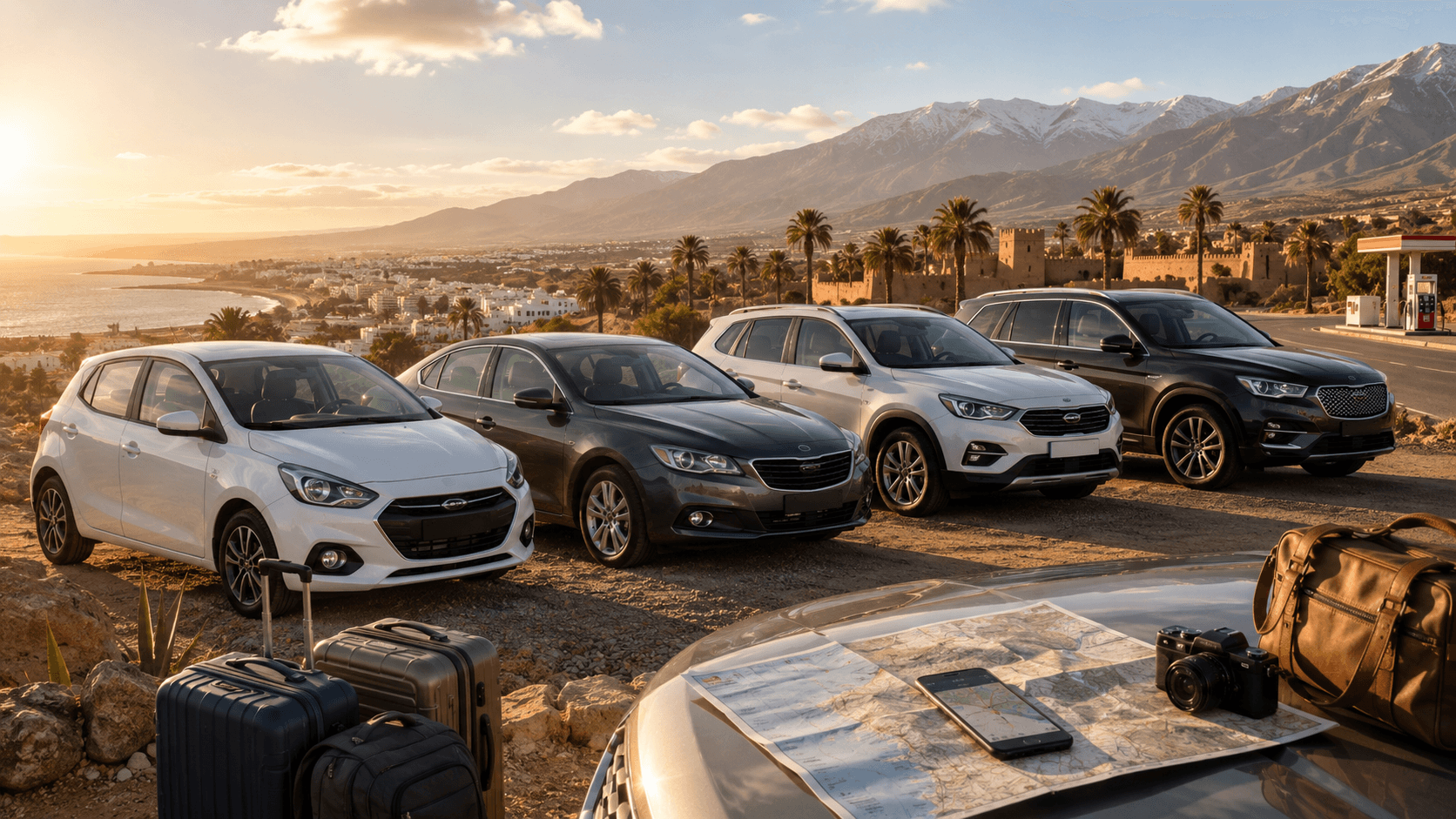
Compact SUVs are particularly popular because they provide comfort on highways while remaining practical inside medinas and coastal towns.
Booking in advance during summer is strongly recommended because Atlantic destinations become busy with both international visitors and Moroccan domestic tourism.
Travelers arriving in Tangier can compare options directly through Car Rental Tangier.
Best Time of Year
The Atlantic coastline is one of Morocco’s best year-round travel regions thanks to moderate temperatures.
Spring (March–May)
One of the best periods for this road trip. Temperatures are pleasant, landscapes are greener, and tourist crowds remain manageable.
Summer (June–August)
Beach season peaks during summer. Coastal cities remain cooler than Marrakech thanks to Atlantic winds, although destinations like Essaouira become busier.
Autumn (September–October)
Excellent conditions continue into autumn with warm ocean temperatures and fewer tourists.
Winter (November–February)
Northern cities like Tangier and Rabat can experience rain, but temperatures generally remain mild compared to inland Morocco.
For photography, surfing, and comfortable driving conditions, spring and autumn are usually ideal.
Budget & Fuel Costs
A Morocco coast itinerary can fit multiple travel budgets.
Estimated Daily Costs Per Person
- Budget travelers: €45–€70
- Mid-range travelers: €80–€150
- Premium travelers: €200+
Fuel Costs
The total route usually requires:
- Around 70–100 liters of fuel depending on vehicle type
- Approximate fuel budget: €80–€140 total
Highways between Tangier, Rabat, and Casablanca include toll roads, so budget an additional €20–€35 for tolls.
Accommodation costs vary significantly:
- Guesthouses in Asilah and Essaouira are often affordable
- Casablanca and Rabat hotels are generally more expensive
Traveling with a rental car becomes especially cost-effective for couples or groups because fuel and toll costs are shared.
FAQ : Morocco Atlantic Coast Road Trip
Is the Morocco Atlantic coast road trip safe?
Yes. The route is generally considered safe for tourists and features good highway infrastructure between major cities.
How many days do you need for this road trip?
Seven days is the minimum comfortable duration, while 10 days allows a more relaxed pace with extra beach and cultural stops.
Are Moroccan coastal roads easy to drive?
Yes. The highways are modern and well-maintained, especially between Tangier, Rabat, and Casablanca.
Do I need a 4x4 vehicle?
No. Standard compact cars or SUVs are perfectly sufficient for this itinerary.
Is Essaouira worth visiting?
Absolutely. Many travelers consider Essaouira one of Morocco’s most enjoyable coastal cities thanks to its relaxed atmosphere and Atlantic scenery.
Can I do this route in reverse?
Yes. Some travelers begin in Essaouira or Casablanca and drive north toward Tangier.
Are there toll roads?
Yes. Major highways include tolls, particularly between northern cities.
What is the best stop between Casablanca and Essaouira?
El Jadida is usually the most popular overnight stop due to its relaxed coastal atmosphere and historical sites.
Is parking difficult in Moroccan coastal cities?
Parking can be busy in medinas, but hotels and guarded parking areas are widely available.
What is the best month for a Morocco beach road trip?
April, May, September, and October usually offer the best balance of weather and manageable crowds.
Can tourists rent cars easily in Morocco?
Yes. International visitors can rent vehicles using their passport and valid driving license.
Is Tangier or Casablanca better to start from?
Tangier is usually preferred because it creates a natural north-to-south progression along the coastline.
Book with MarHire
Planning a Morocco Atlantic coast road trip becomes significantly easier with the right vehicle and flexible rental conditions.
MarHire offers convenient pickup options in Tangier with flexible return possibilities across Morocco, making one-way coastal routes simple and practical for international travelers.
For this itinerary, travelers often choose:
- Compact SUVs for comfort and luggage space
- Economy cars for lower fuel costs
- Automatic vehicles for easier long-distance driving
Explore available options here:
Whether you are planning a week-long Atlantic road Morocco journey or a longer coastal exploration, having your own vehicle gives you the flexibility to discover beaches, seafood stops, and smaller towns that organized tours rarely include.