






Merzouga Cultural Tour 2h30, Nomad Rahala + Qatari Museum + Gnaoua & Fossils
All times are shown in Morocco local time (GMT+1).
Specifications
Activity Type
Desert Experiences
Pickup
No Pickup
Tour Type
Private
difficulty
Easy
Why Book With Us
- Free Airport & Hotel Pickup
- Top-Rated for Quality & Service
- 24/7 WhatsApp Support Included
- Instant Booking Confirmation
Overview
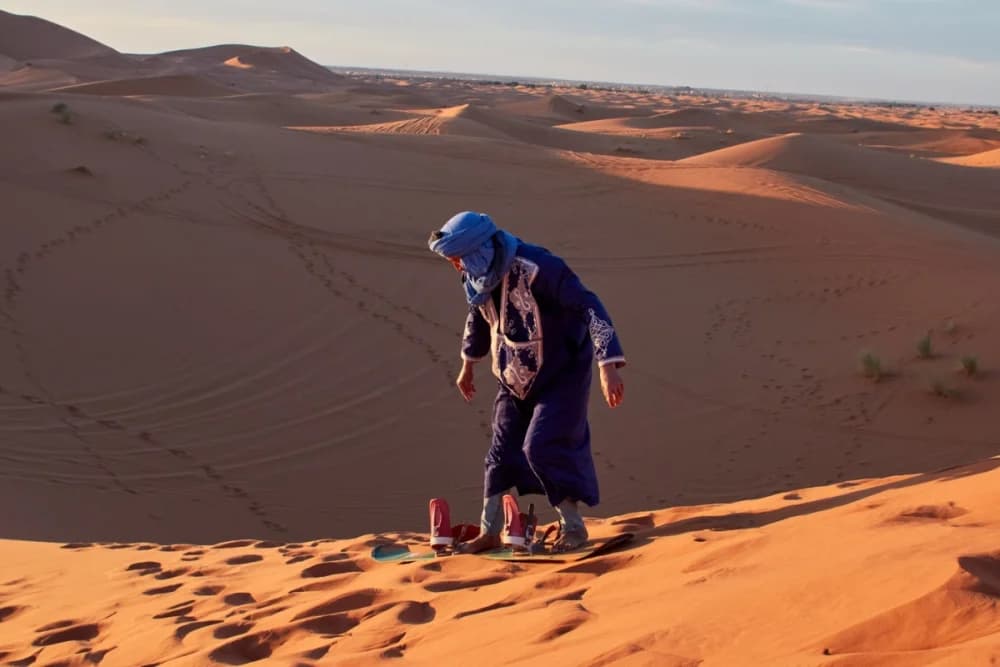
The Merzouga Cultural Experience is a 2h30 guided tour of nomad heritage, the Qatari Museum, Gnaoua tradition, and ancient fossils in southeastern Morocco. You'll follow a curated route through the dunes, hear stories of desert music, and finish with free sandboarding when conditions allow. Suited to first-time visitors, families, and culture lovers seeking a grounded look at Saharan life. Guided by a verified local partner with instant booking confirmation.
Special Notes
Arrive 10–15 minutes early at the meeting point in Merzouga.
Wear closed, comfortable shoes suitable for sandy terrain.
Bring sun protection, water, sunglasses, and a camera.
The free sandboarding session depends on weather and sand conditions.
The order of stops may adjust slightly based on local conditions.
Light layers recommended, desert temperatures shift between morning and afternoon.
What's Included
What's Included
- 2h30 guided cultural route
- Local guide and host
- Visit to Nomad Rahala
- Qatari Museum stop
- Gnaoua cultural moment
- Fossil site discovery
- Free sandboarding session
What's Not Included
- Personal Expenses
- Food and Drinks
- Hotel or airport transfer
Booking Terms
Before booking, please review:
From Our Partner
Description
Merzouga is more than a postcard of Saharan dunes, it's a living crossroads of nomadic life, music, and geology. This 2h30 cultural experience pulls back the curtain on the layers most travelers miss: the families who still herd camels across the erg, the artisans behind Gnaoua rhythm, and the fossils embedded in the desert floor long before any modern border was drawn. Instead of skimming the dunes for a single sunset, you slow down and meet the place on its own terms.
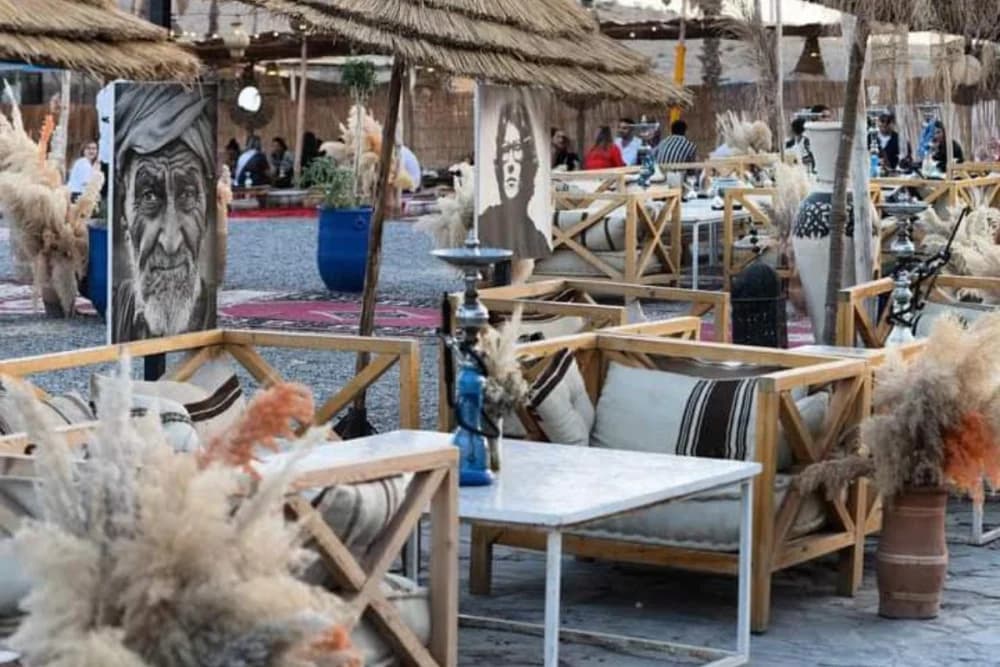
The route opens at Nomad Rahala, where a local host shares how desert families live, move, and trade across the seasons. You'll continue to the Qatari Museum, a small but well-curated space showcasing tools, textiles, and instruments collected from the southeastern Sahara. From there, the experience leans into music, a Gnaoua-themed cultural moment that connects the area's spiritual heritage to its sub-Saharan roots, often featuring the instruments and rhythm patterns that define the genre. The final stretch takes you out to the fossil grounds, where black-shelled marine fossils sit in plain sight as quiet reminders that this corner of Morocco was once an ancient ocean.
The tour starts directly at the meeting point in Merzouga, so plan to arrive 10–15 minutes early to settle in with your guide. The 2h30 duration is paced comfortably, not rushed, not long-winded, and the order of stops can shift slightly depending on the day's light, weather, and access to the dunes. When sand conditions allow, the experience closes with a free sandboarding session, a short, fun glide down a soft slope that doubles as a great photo opportunity.
Marked Easy on the difficulty scale, this is a low-effort experience suited to families with children, couples on a Morocco road trip, and first-time visitors who want to understand the desert beyond a single camel ride. Photography fans, music lovers, and anyone curious about how nomad life actually works will find each stop loaded with stories worth bringing home.
MarHire works with verified local partners across Morocco, so the host you meet in Merzouga is not an outsourced guide but someone who lives the culture they describe. Booking is handled instantly through our website, and our team is reachable on WhatsApp before, during, and after your visit if you need to adjust details, ask about timing, or coordinate the sandboarding stop. Trusted by more than 10,000 travelers across the country, MarHire keeps the process simple, transparent, and human. Reserve your Merzouga cultural experience today and step into a richer, slower, more rooted version of the Sahara, guided by people who call it home.
All times are shown in Morocco local time (GMT+1).