







A boat trip in Morocco can be the highlight of your trip blue water, coastal cliffs, fishing, swimming, and sunsets that look unreal. But if you’ve ever felt queasy on a boat (or you’re just not sure what “swell” means), you’re smart to ask questions before you book.
This guide is designed to be honest and practical. No “perfect conditions every day” promises just real advice about sea sickness, ocean swell, safety, and how to choose the right boat trip in Morocco.
1) First: What “Swell” Means (And Why It Matters in Morocco)
People often confuse waves and swell.
-
Wind waves are the choppy, messy bumps caused by local wind.
-
Ocean swell is longer, more powerful rolling movement created by weather far away (it can arrive even when the sky looks calm).
Morocco’s Atlantic coast (Agadir, Taghazout, Essaouira) is famous for surf because swells can be strong and consistent. That’s amazing for surfers—but for boat trips, swell can mean:
-
more rolling and motion (more sea sickness risk)
-
harder boarding and disembarking
-
trips changing route, ending early, or being postponed for safety
On the Mediterranean (around Al Hoceima, Nador) the sea is often calmer, while the Strait near Tangier can be changeable because currents and wind can interact.
Bottom line: swell isn’t “danger,” but it changes comfort and good operators plan around it.
2) Sea Sickness: Who Gets It and What It Actually Feels Like
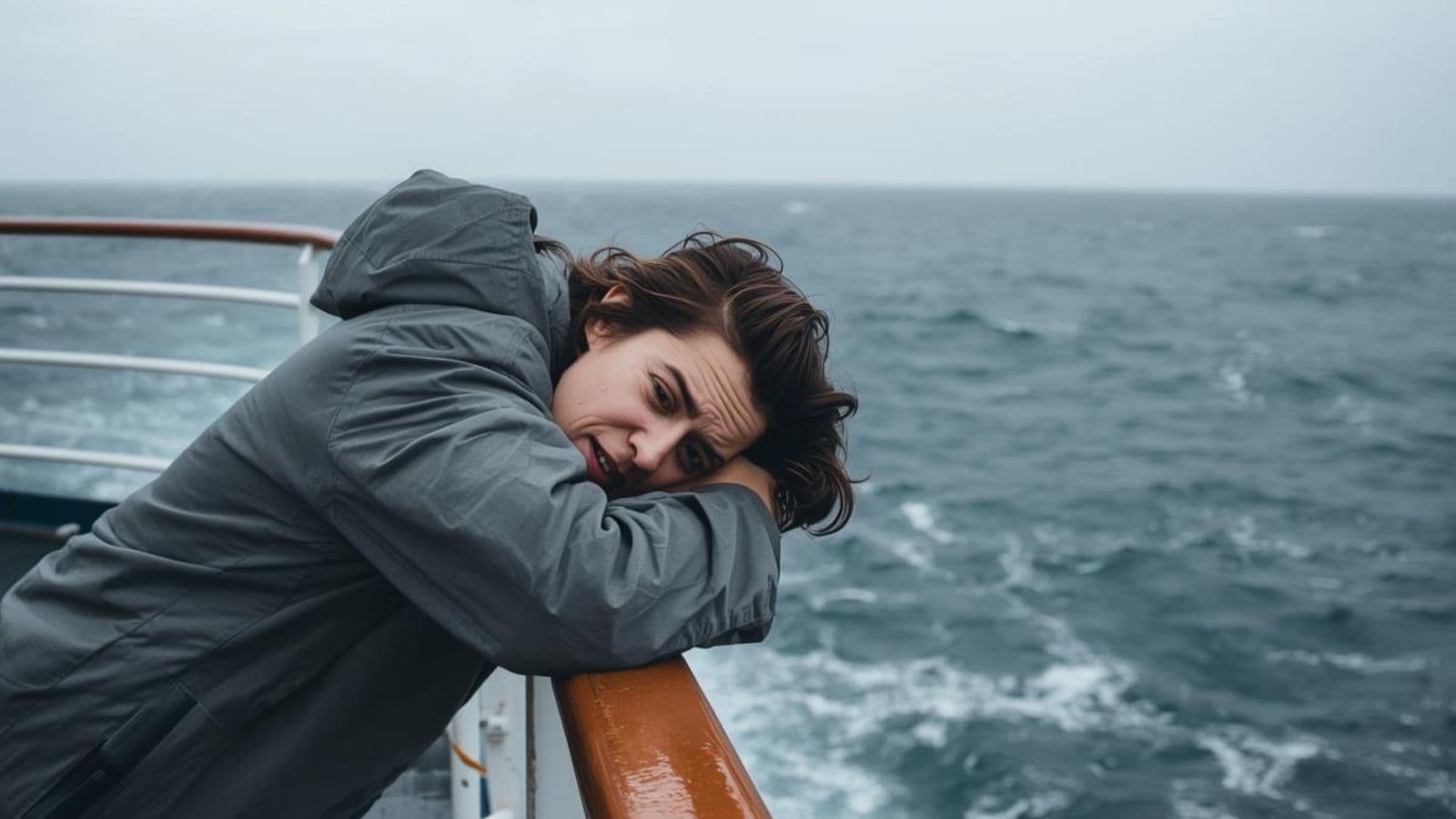
Sea sickness isn’t about toughness. It’s a mismatch between what your eyes see and what your inner ear senses. Even confident travelers can feel it—especially on smaller boats in rolling swell.
You’re more likely to get sea sick if:
-
you’re on a small boat with more movement
-
the sea is rolling (long swell)
-
you sit inside with less fresh air
-
you read or look at your phone
-
you’re tired, dehydrated, or haven’t eaten properly
The good news: most people can reduce the risk a lot with the right choices.
3) How to Reduce Sea Sickness (Simple, Real-World Tips)
Here’s what actually helps on boat trips in Morocco:
Choose the right type of trip
If you’re worried, avoid “open ocean” long routes on a small boat. Pick:
-
short coastal cruise (1–2 hours)
-
harbor/marina departures with sheltered segments
-
catamaran-style boats if available (more stable than small fishing boats)
Sit in the best place
-
Sit near the middle of the boat (least movement)
-
Stay outside where you see the horizon
-
Avoid the very back if the engine smell bothers you
Eat smart, not empty
-
Don’t go on an empty stomach
-
Avoid greasy heavy meals right before
-
Light meal + water is usually best
Use horizon + airflow
-
Look at the horizon (not your phone)
-
Fresh air helps a lot
Consider prevention
Some travelers use motion-sickness remedies. If you do, follow the product directions and ask a pharmacist if you’re unsure especially if you have medical conditions or take other medication.
Most important: Tell the crew early if you feel unwell. They can adjust speed, position you better, and help.
4) Morocco Boat Trip Safety: What “Safe” Should Look Like
A safe boat trip is not only about life jackets. It’s also about decisions, behavior, and how the operator reacts to sea conditions.
Before you board, check these basics
-
Life jackets available in your size (and for kids if traveling as a family)
-
Crew gives a clear safety briefing (even short)
-
Boat looks maintained: clean deck, secure rails, working lights, no obvious fuel smell
-
The operator is comfortable saying: “Today isn’t good, we reschedule.”
That’s a green flag, not a problem.
Ask these questions before booking
Use this checklist (copy/paste it into WhatsApp if you want):
-
“From where do we depart exactly (marina/port)?”
-
“How long is the trip and what route do you take if the sea is rough?”
-
“Do you provide life jackets for all passengers and children?”
-
“Is there shade on board and a toilet (if long trip)?”
-
“What happens if the swell is strong refund, reschedule, or shorter trip?”
-
“Can you recommend the best time of day for calmer sea today?”
A serious operator answers clearly, not vaguely.
5) Best Time of Day for Calmer Sea in Morocco
Conditions vary by city, season, and weather, but many coastal locations tend to be calmer:
-
in the morning (before wind builds)
-
less calm when afternoon wind rises
If sea sickness is your main worry, ask for an early departure.
6) Best Seasons for Boat Trips in Morocco (Comfort vs. Adventure)
Morocco is a year-round destination, but ocean comfort changes across seasons.
Spring (roughly March–May)
-
Often great weather
-
Some swell still possible on the Atlantic
-
Good balance for cruises and fishing
Summer (June–September)
-
Popular for families
-
Many days feel calmer and warmer for swimming (especially in sheltered areas)
-
Can be windy in some places ask locally
Autumn (October–November)
-
Warm water lingers
-
Swell can start increasing again on the Atlantic
-
Great photos, fewer crowds
Winter (December–February)
-
Cool water, stronger swell more common on the Atlantic
-
More cancellations/postponements (which is normal and safer)
-
Better for experienced sea travelers or calm-day planning
Tip: The “best season” depends on whether you want maximum comfort (often summer mornings) or dramatic coastlines and ocean energy (shoulder seasons).
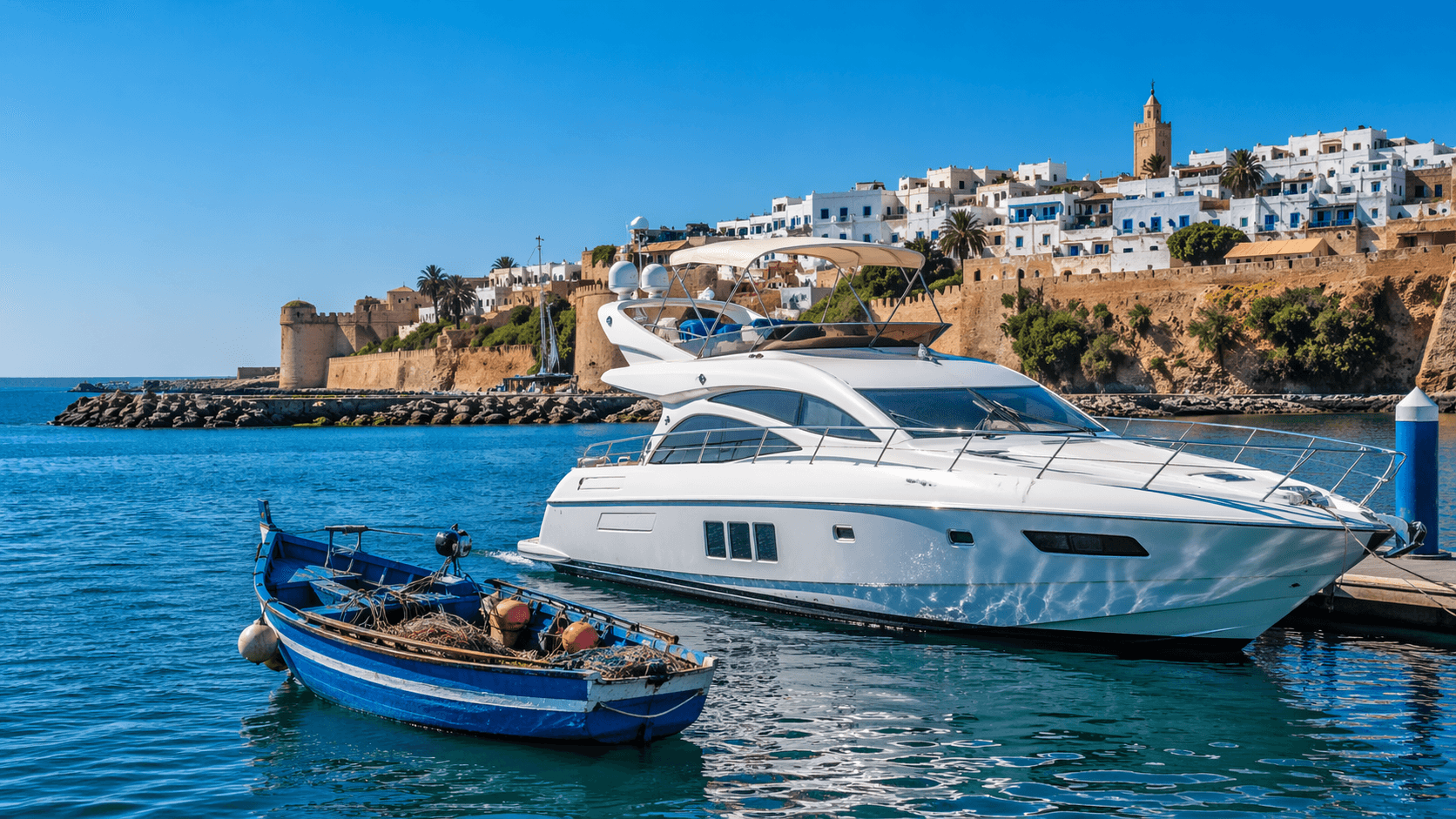
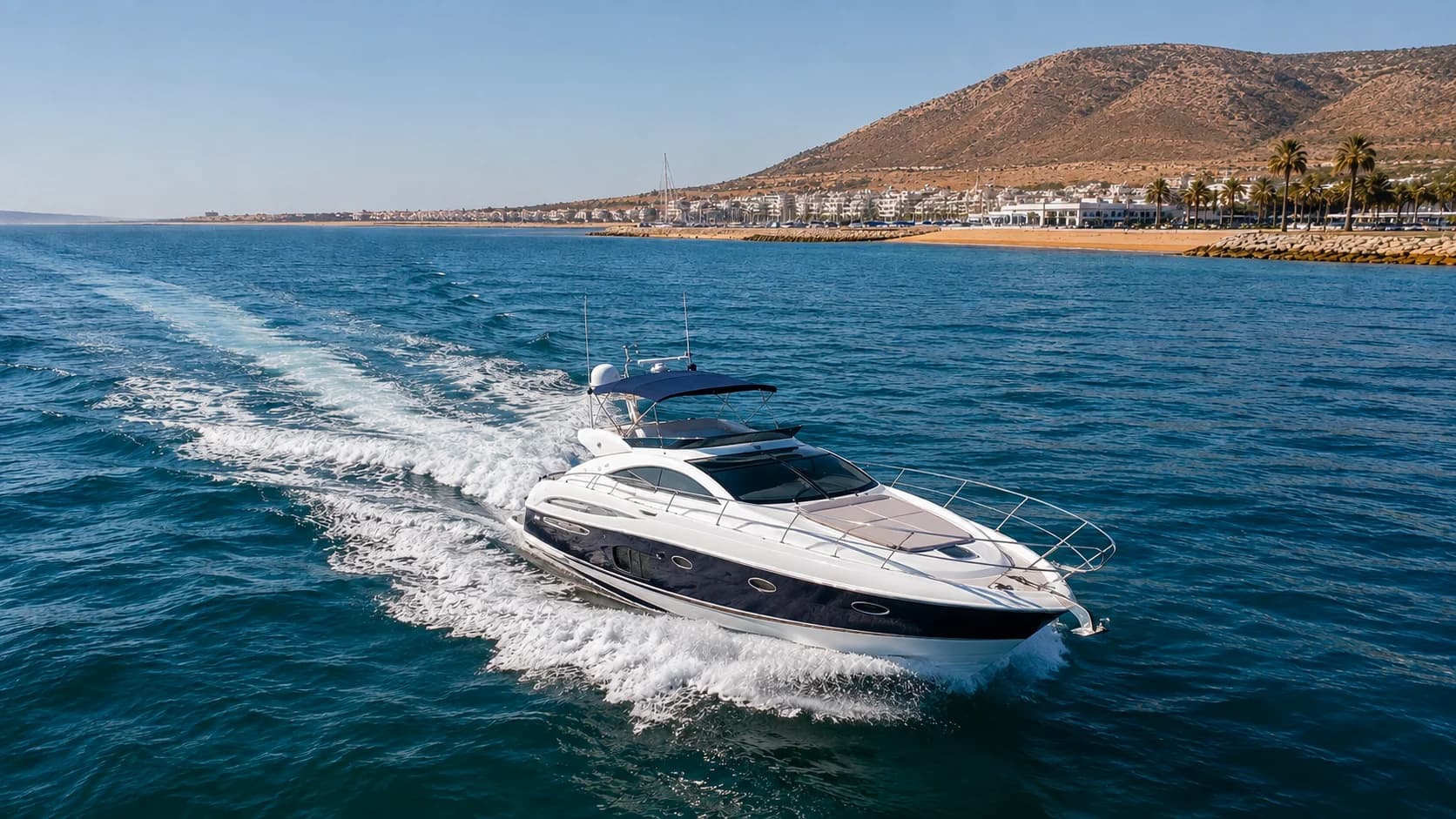
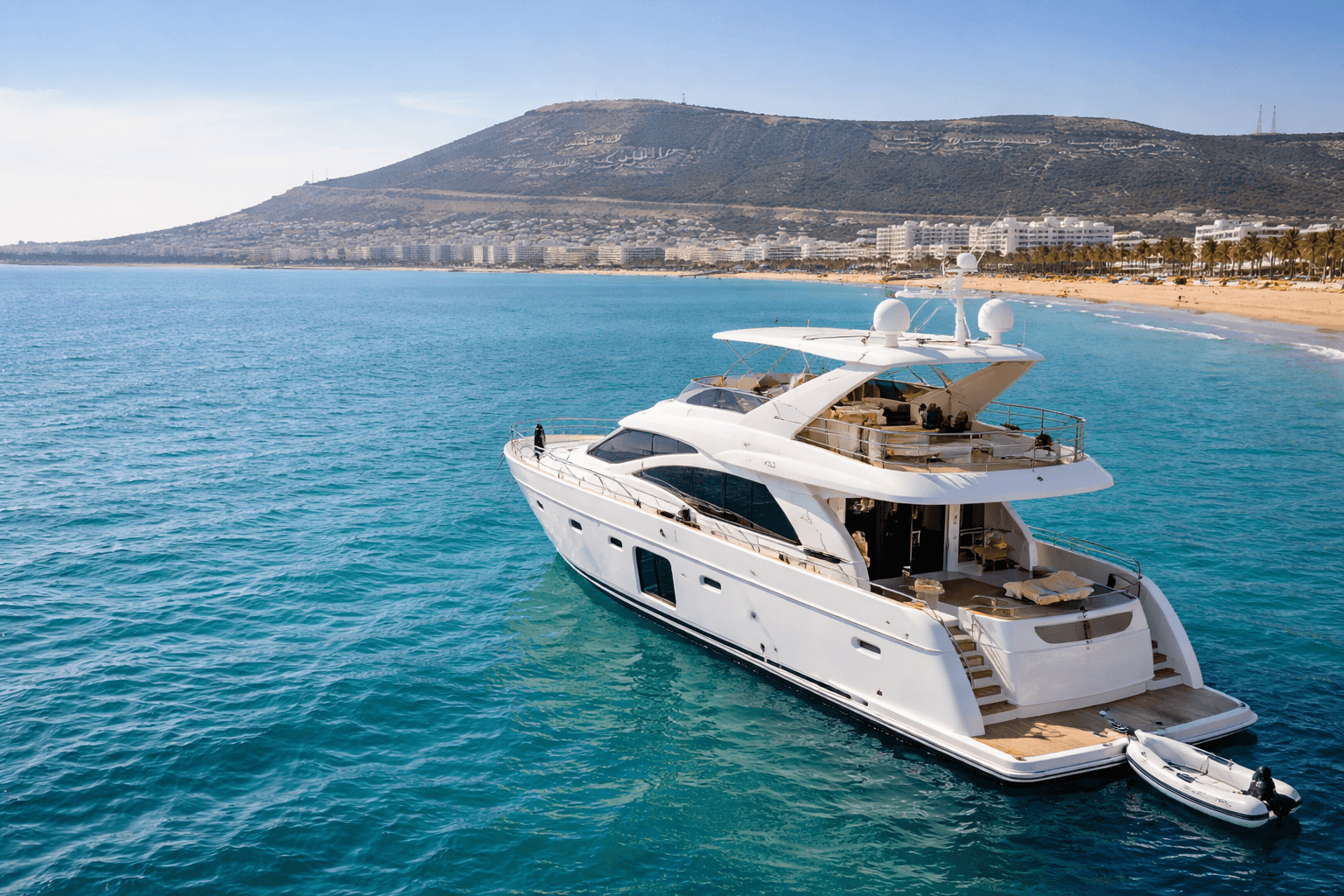
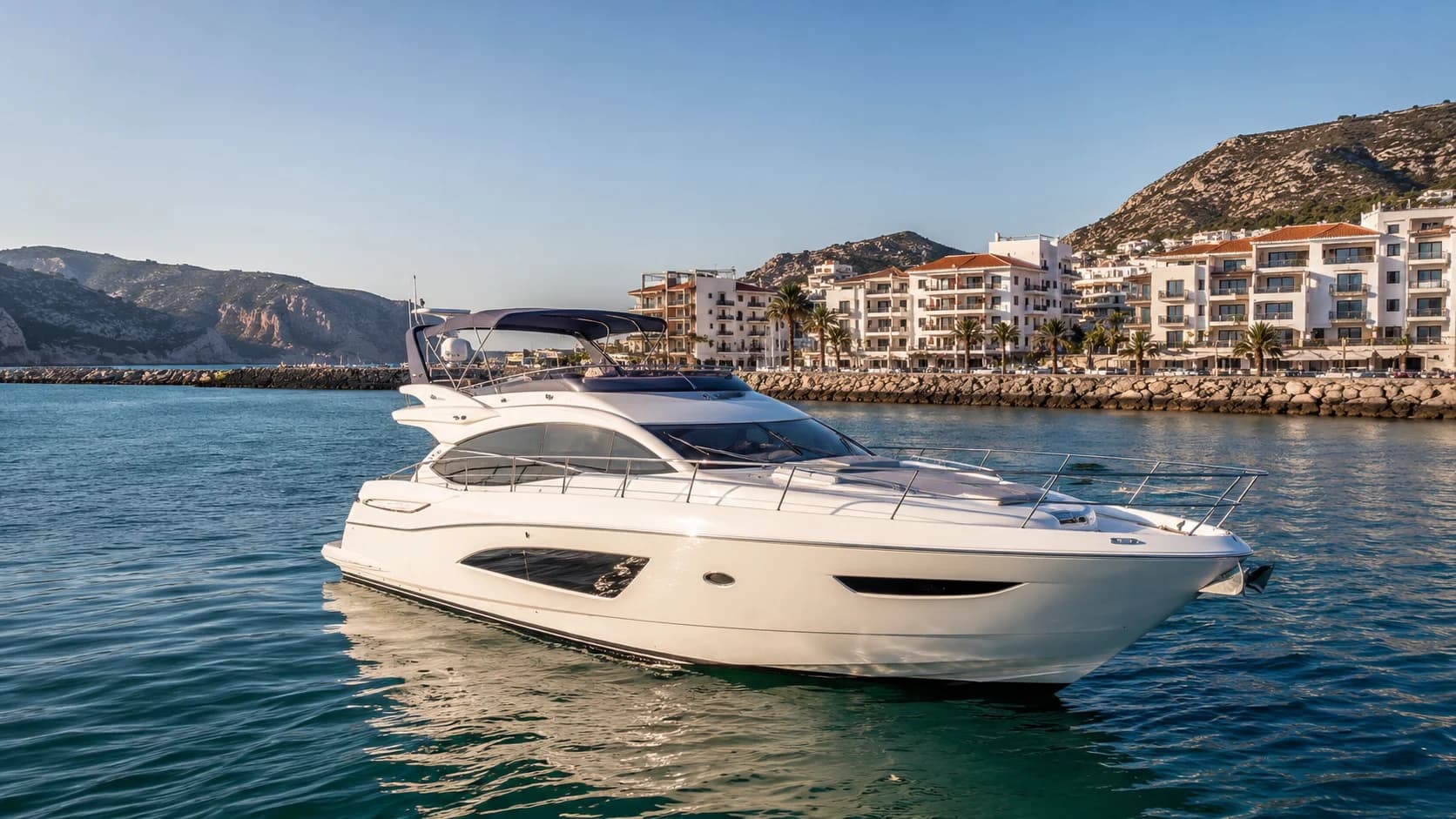
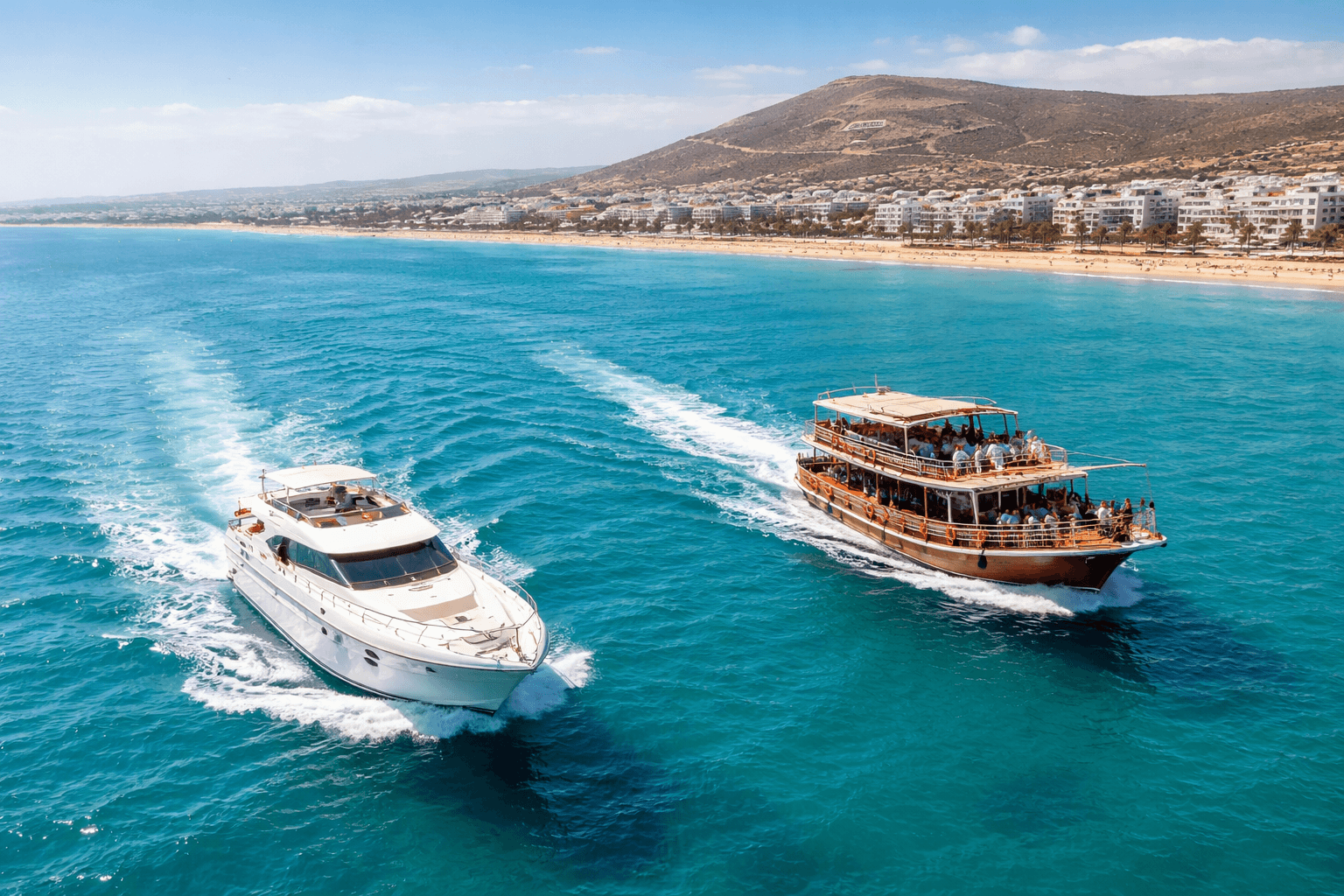
7) Choosing the Right Boat in Morocco: Fishing Boat vs Yacht vs Tour Boat
Not all boat experiences are equal. Pick what matches your comfort.
Small fishing boats
✅ Authentic, often affordable, great for short trips
⚠️ More movement in swell, limited shade/toilet
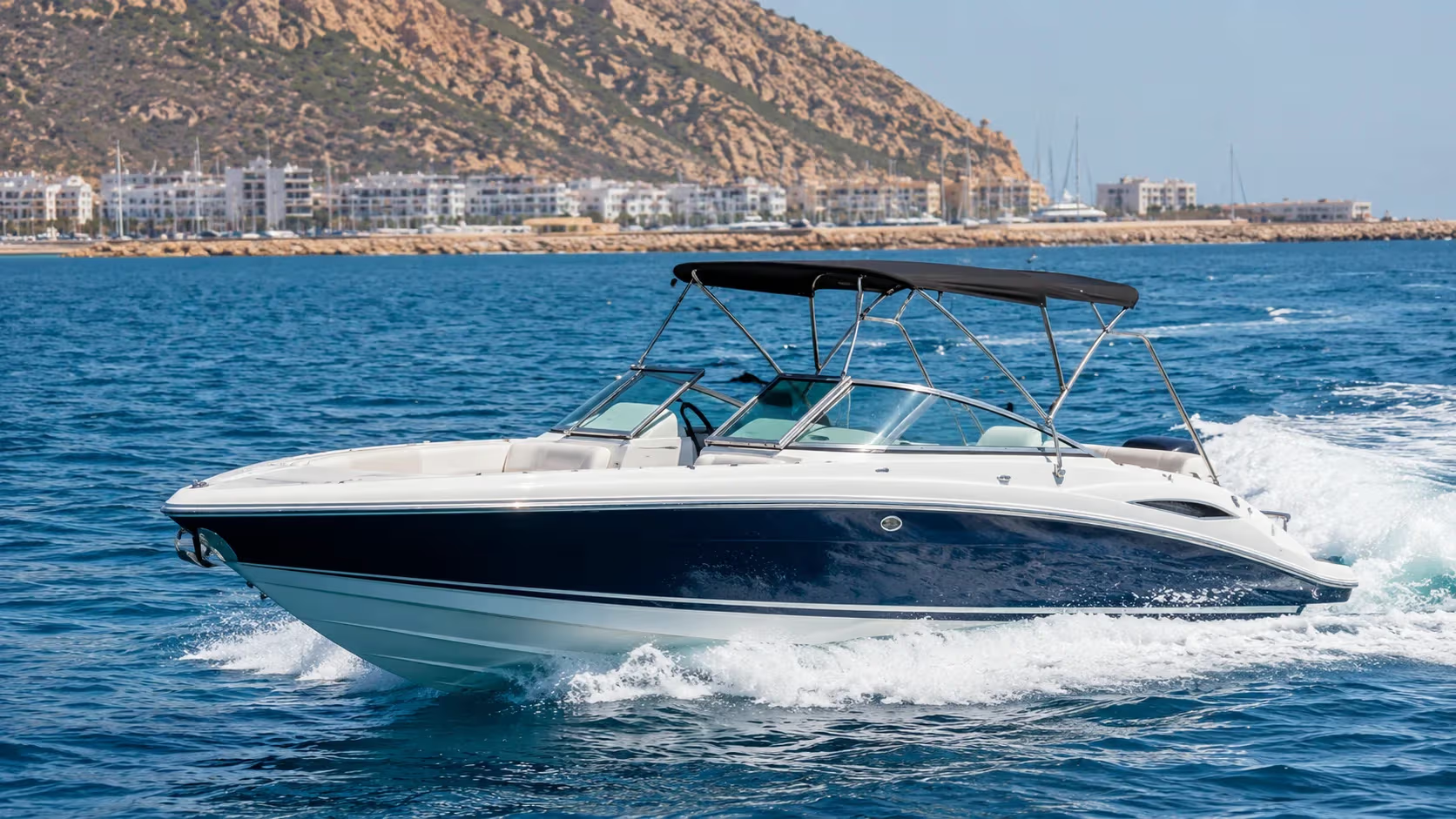
Mid-size tour boats
✅ More stable, better seating, sometimes shade and music
⚠️ Quality varies check reviews and photos
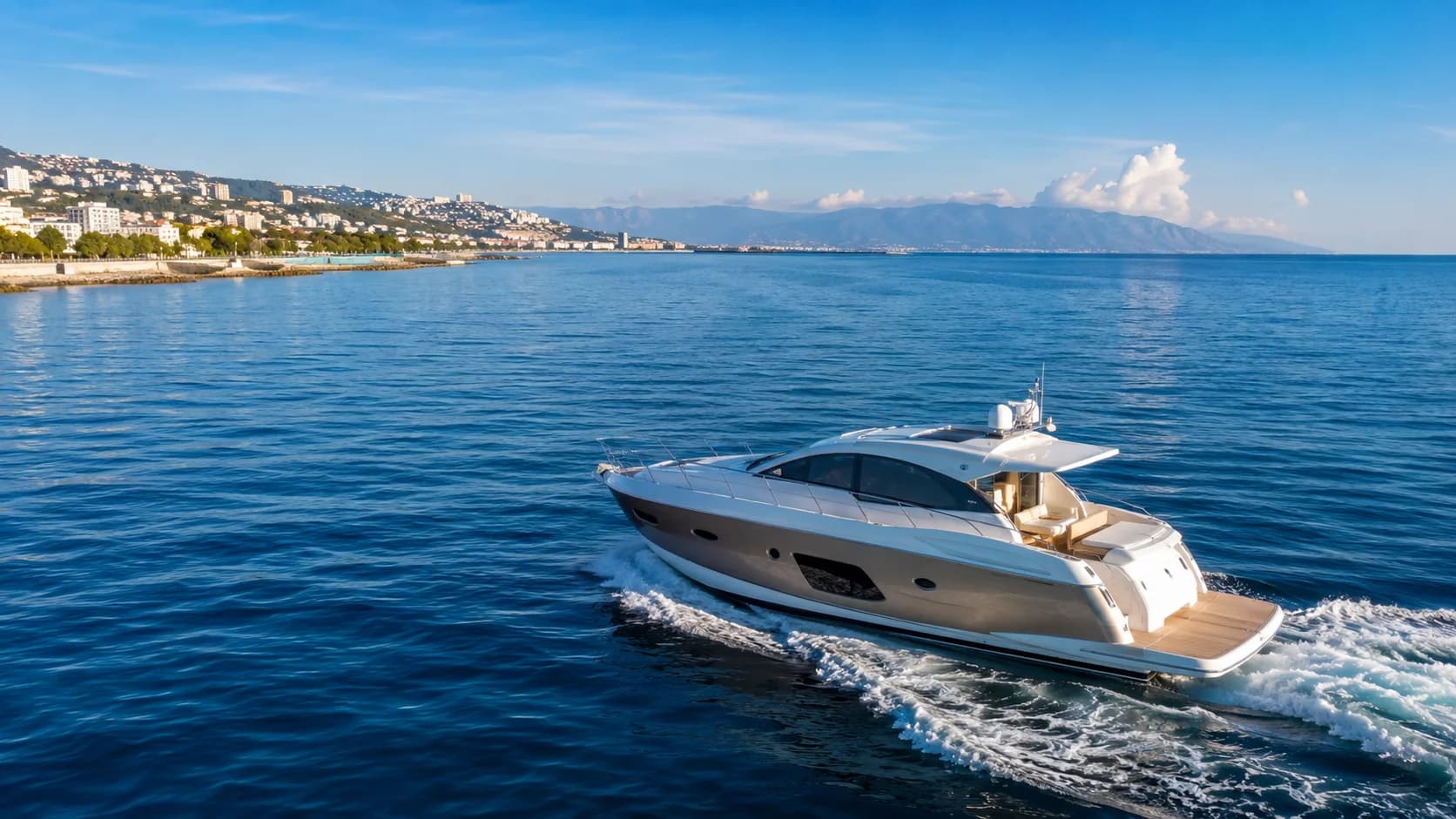
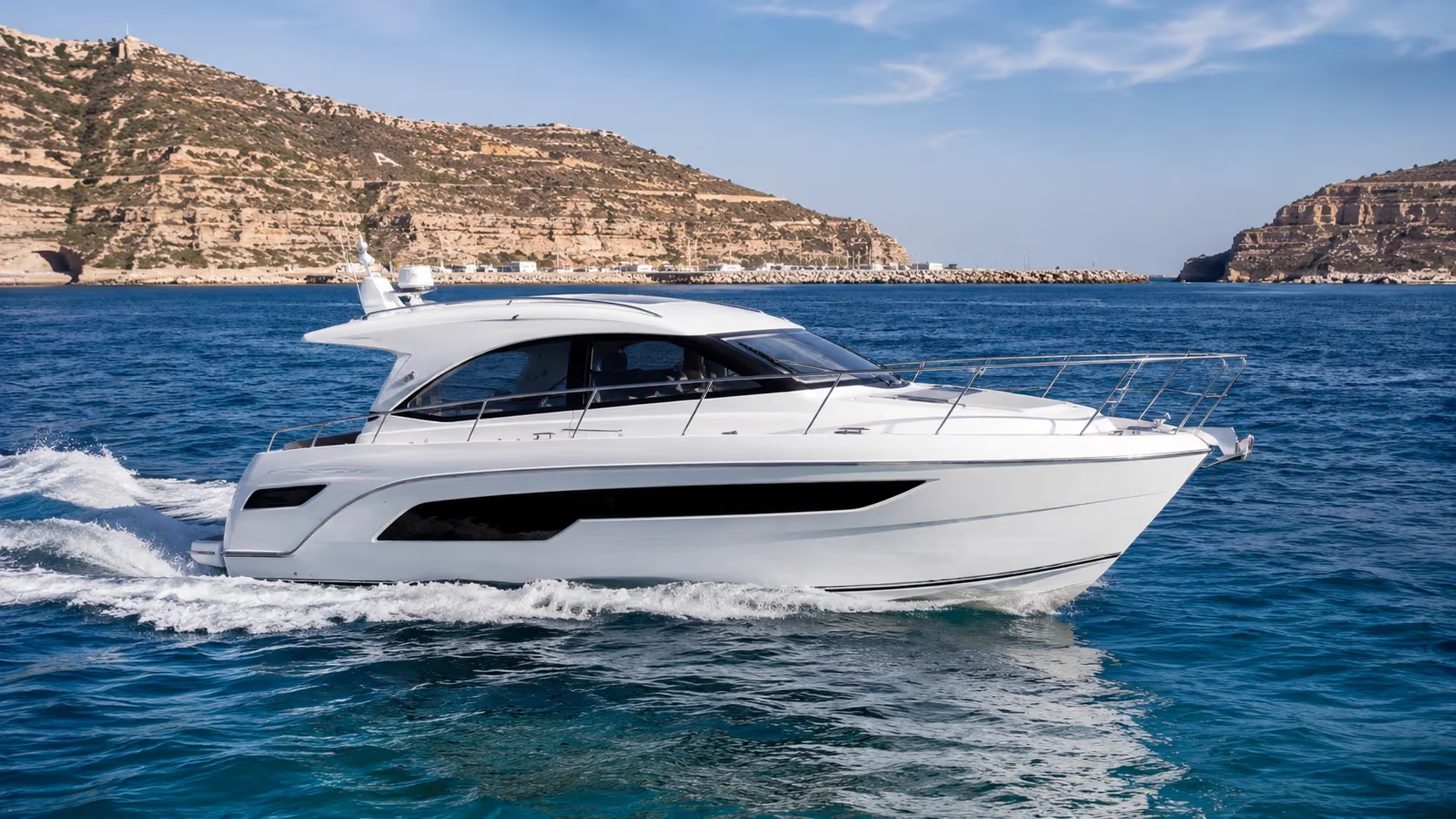
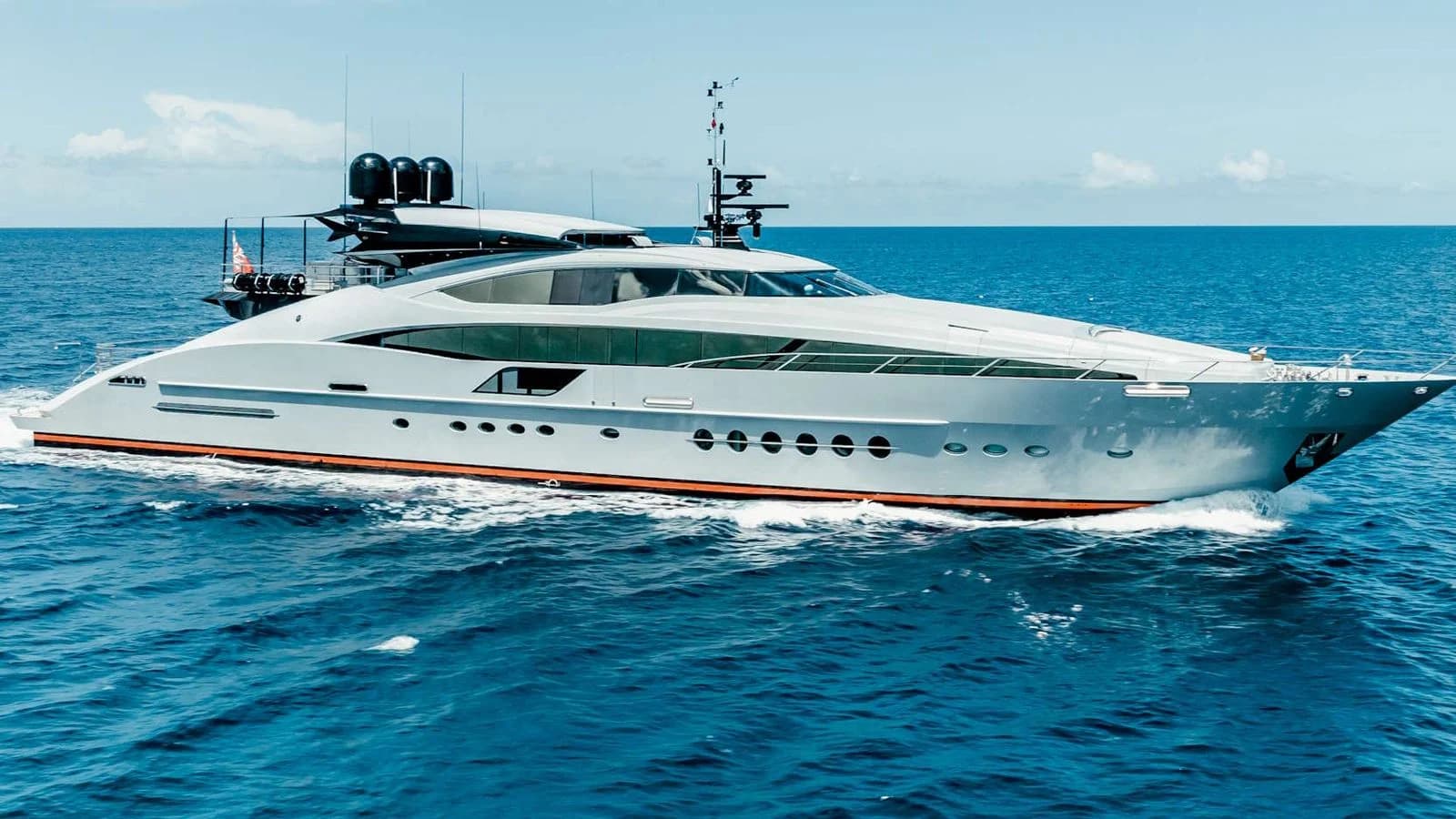
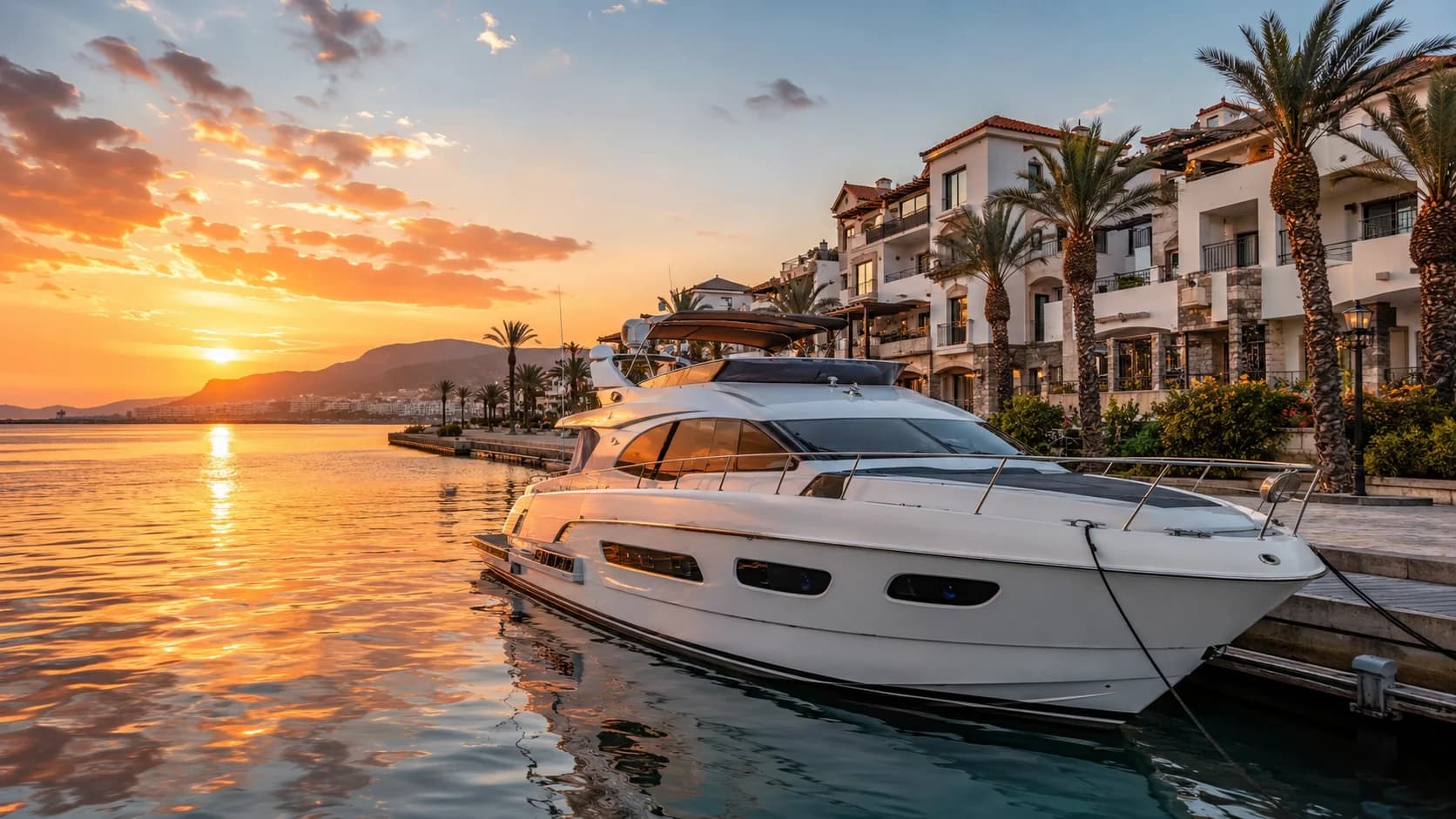
Private yachts or catamarans
✅ Most comfort and stability, good for families or groups
⚠️ Higher price worth it if comfort is a priority
If you’re traveling with kids, older family members, or you’re very prone to sea sickness, comfort usually matters more than saving a little money.
8) What to Pack for a Morocco Boat Trip
Keep it simple:
-
Sunglasses (with strap if possible)
-
Light jacket (even in warm weather it can feel cooler at sea)
-
Sunscreen
-
Water
-
Hat
-
Non-slip shoes (or sandals with good grip)
-
Dry bag for phone and passport
-
If swimming: towel + swimwear (ask if swimming is planned)
Avoid bringing valuable items you don’t need. Sea + salt + splash = risk.
9) Honest Expectations: Weather Changes and Cancellations
This is the part most blogs don’t say clearly:
A good operator cancels or changes the plan sometimes.
That doesn’t mean you got scammed it usually means they’re taking safety seriously.
What matters is the policy:
-
Can you reschedule?
-
Is there a refund if conditions are unsafe?
-
Do they communicate early?
Transparent communication is a strong sign you’re booking with professionals.
FAQ (AEO Optimized)
Is sea sickness common on boat trips in Morocco?
It can be, especially on the Atlantic coast when there is rolling swell or wind chop. Many people are fine with the right seat choice and a shorter route.
Where is the sea calmest in Morocco for a boat trip?
It depends on the day, but sheltered departures from marinas/ports and morning trips are often calmer. Mediterranean areas may feel calmer than the open Atlantic on many days.
Should I book a boat trip in Morocco if I get sea sick easily?
Yes, but choose a shorter trip, go early, sit mid-boat, stay outside with horizon view, and prioritize more stable boats when possible.
What safety features should a boat tour in Morocco have?
At minimum: life jackets for all passengers, a clear briefing, an experienced crew, and a plan for changing conditions (route adjustment or reschedule).
What should I ask before booking a boat in Morocco?
Ask about departure point, route options if the sea is rough, life jackets (especially kids sizes), shade/toilet, and cancellation/reschedule policy.
Final tip: Book the experience that matches your comfort
Morocco’s coastline is beautiful because it’s real ocean. A little swell is normal. The best boat trips are the ones planned with that reality in mind right timing, right boat, honest communication, and safety first.