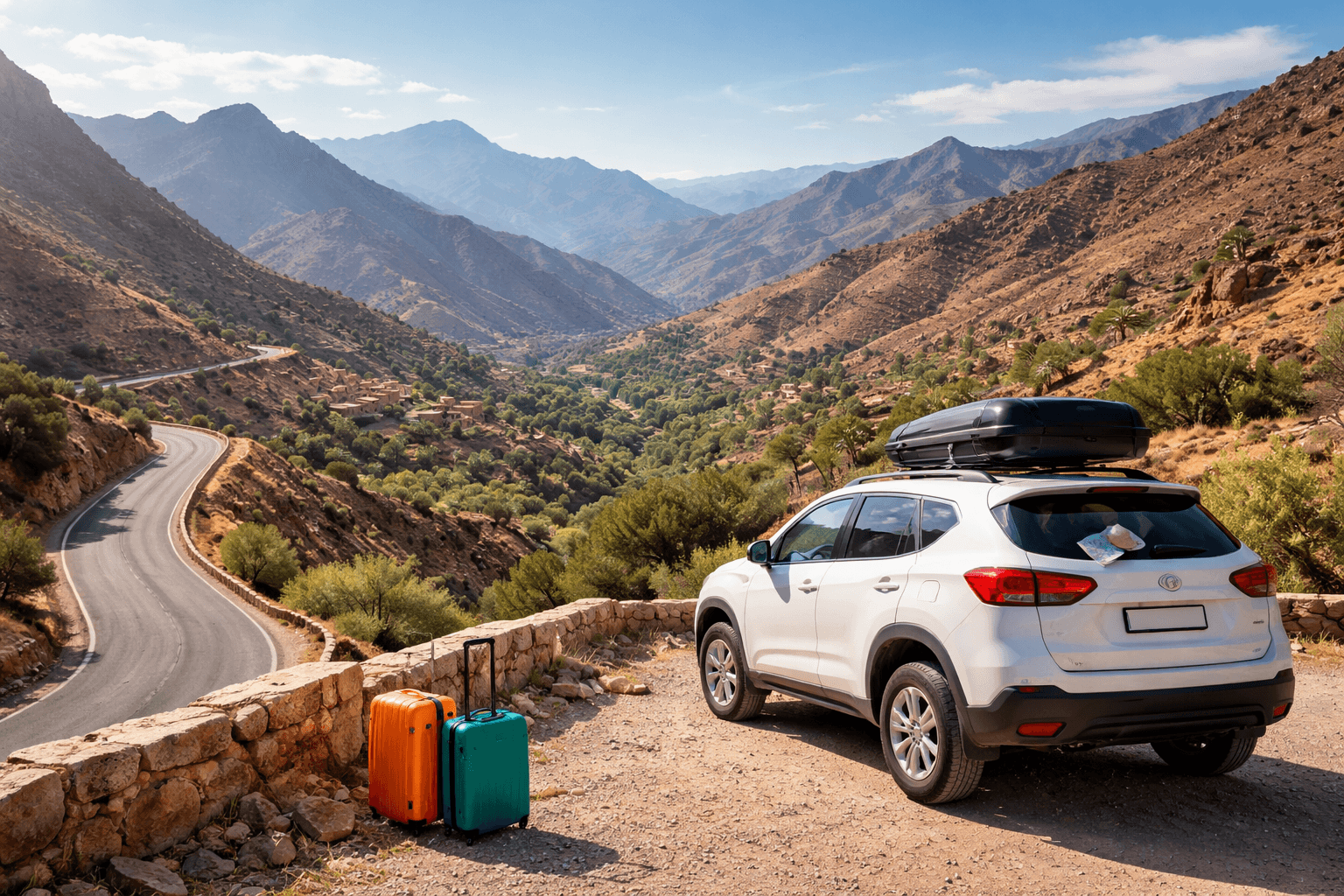









If you’re driving in Morocco, the biggest “surprise cost” for tourists isn’t fuel or tolls, it’s speeding fines. Not because Morocco is trying to “catch tourists,” but because speed enforcement is common and the trap patterns are predictable once you know what to watch for.
Most tickets happen in the same situations: you leave an open road, a town begins quietly, the speed limit drops, and you keep the same pace for 20 seconds too long. Add jet lag, unfamiliar signage, and a rental car you’re still getting used to, and it’s easy to see why so many travelers get fined on otherwise smooth trips.
This guide explains where speed cameras usually are, the most common “trap” layouts, what police checkpoints typically do, and how fines often show up for tourists, without fear or drama. If you learn the patterns, you’ll drive more calmly and almost never get caught.
If you’re planning your trip and want to compare self-drive options quickly, start from MarHire and browse categories on car rental before you arrive.
Quick Answer
-
The most common speed traps are town entrances, long straight roads, and downhill approaches.
-
Watch for quick limit changes (open road → village zone).
-
Cameras are often placed where drivers naturally speed up or forget to slow down.
-
Fines may be handled on the spot by police, or recorded and processed later depending on the situation and vehicle paperwork.
-
Best prevention: slow earlier than you think at town borders and use cruise control (where safe).
Table of Contents
-
How speed enforcement works in Morocco (tourist-friendly view)
-
The most common camera locations (the patterns)
-
Town entrance traps: why tourists get caught most
-
Road types that create “silent speeding”
-
Police checkpoints vs cameras: what’s different
-
How fines arrive for tourists and rental cars
-
Smart habits that prevent tickets (without driving slow forever)
-
FAQs
-
Conclusion
1) How Speed Enforcement Works in Morocco
Morocco has real speed enforcement. You’ll see:
-
speed cameras (fixed or mobile),
-
and police checks on certain routes.
The important thing is not “how many cameras exist.” It’s where they tend to be placed. They’re usually in spots where safety risk is higher:
-
town entrances (more pedestrians),
-
junctions and crossings,
-
roads that look fast but become populated quickly.
So the system makes sense, even if it surprises tourists.
Tourist mindset that helps: assume the speed limit is strictly enforced near any sign of settlement: buildings, roadside shops, intersections, parked cars, and pedestrians.
2) The Most Common Camera Locations (The Patterns)
You don’t need a list of exact camera coordinates. You need patterns. These are the places to be most alert:
Pattern A: Town entrances and exits
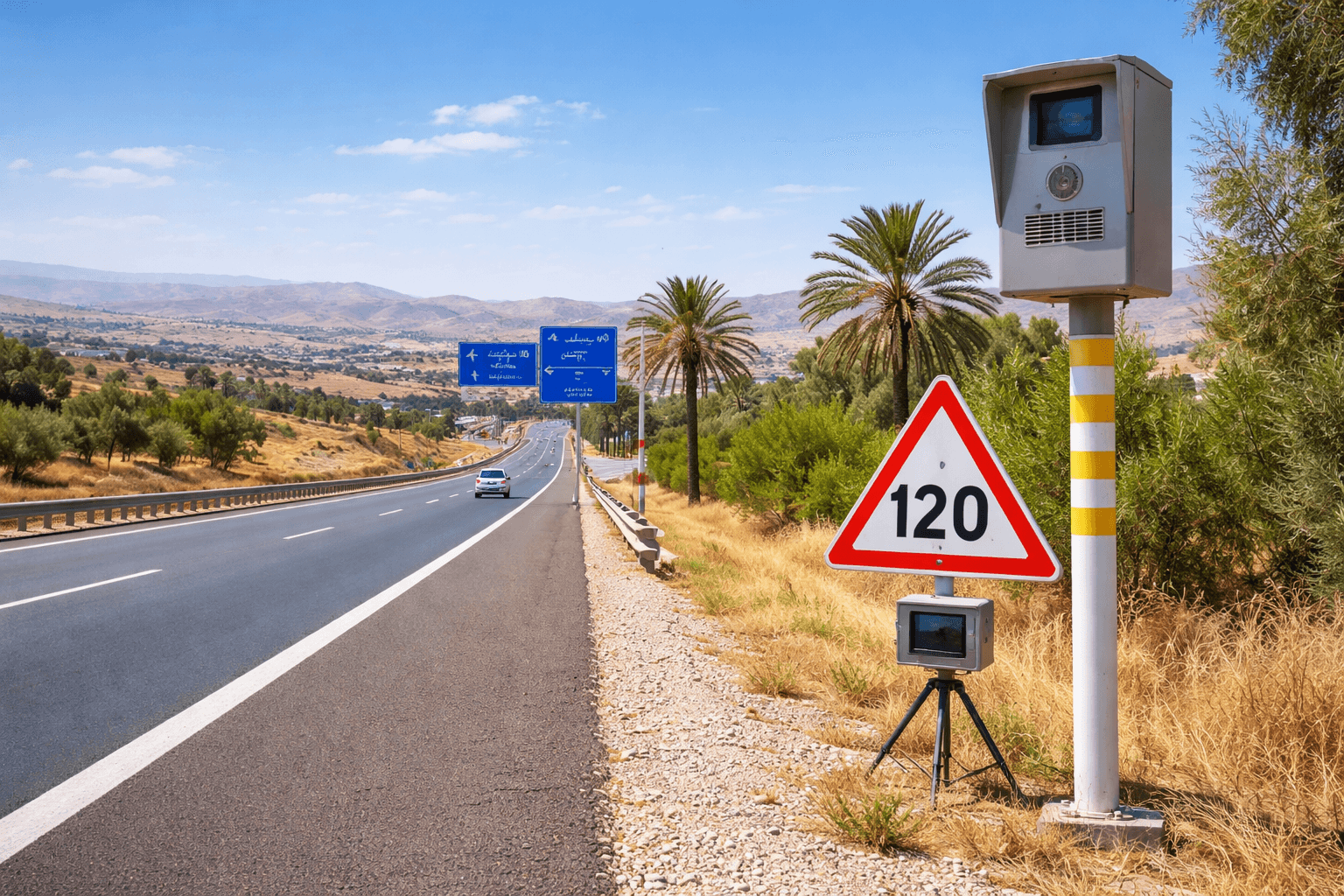
This is the #1 trap. The road still looks open, but the speed limit drops. Drivers keep their highway pace for a moment, camera catches them.
Pattern B: Long straight roads between towns
Straight roads create “silent speeding.” You don’t feel fast, so you drift upward. Cameras on long straight stretches catch this.
Pattern C: Downhill approaches
Gravity increases speed. If you’re not watching the speedometer, you can be 10–20 km/h over without noticing.
Pattern D: Just after a roundabout or junction
Drivers accelerate out of a roundabout, then a camera sits shortly after.
Pattern E: Approaches to big cities
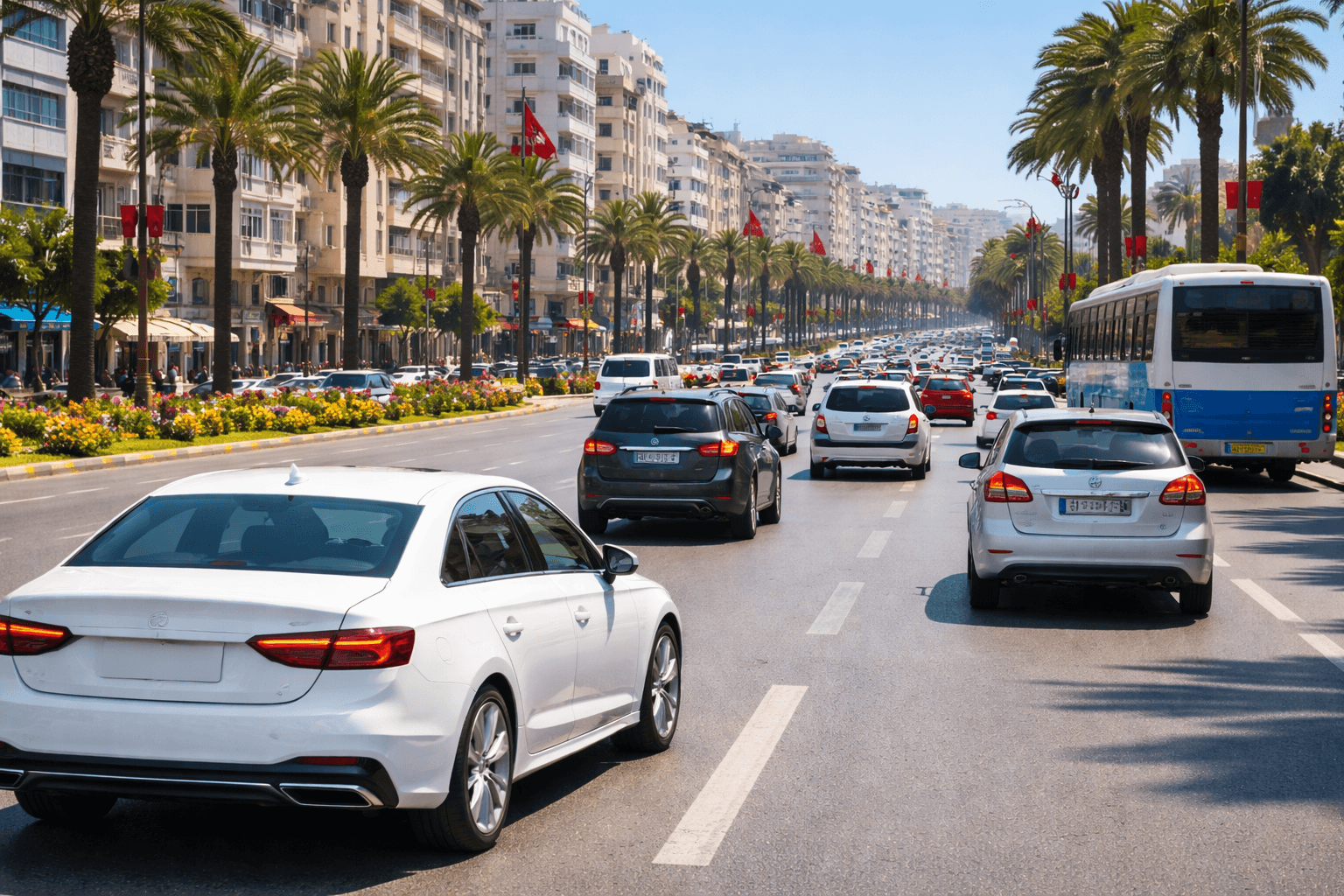
As you enter major urban areas, limits change and enforcement can be tighter.
Easy mental cue: when the road design suggests “speed up,” enforcement often appears nearby.
3) Town Entrance Traps: Why Tourists Get Caught Most
Town entrances are where the “speed trap story” happens.
Why it works as a trap
-
The first buildings are far apart.
-
The road still feels like a highway.
-
The driver is thinking about navigation, not speed.
-
The speed limit drops and the camera is placed before you fully adjust.
How to beat this trap every time
Use the “two-step slowdown”:
-
Slow down as soon as you see the first signs of settlement (buildings, shops, pedestrians).
-
Slow again when you see the formal speed sign.
Most tourists do only step 2. Step 1 is what saves you.
A very practical trick
Set a personal rule:
-
“When towns start, I drop speed early even before the sign.”
It feels minor, but it’s the difference between zero tickets and “why did that happen?”
4) Road Types That Create “Silent Speeding”
Certain road shapes make it easy to speed without feeling it.
Wide open national roads
Even if it’s not a motorway, the road might be wide and smooth. Your brain says “fast road,” but the limit might not match that feeling.
Smooth coastal stretches
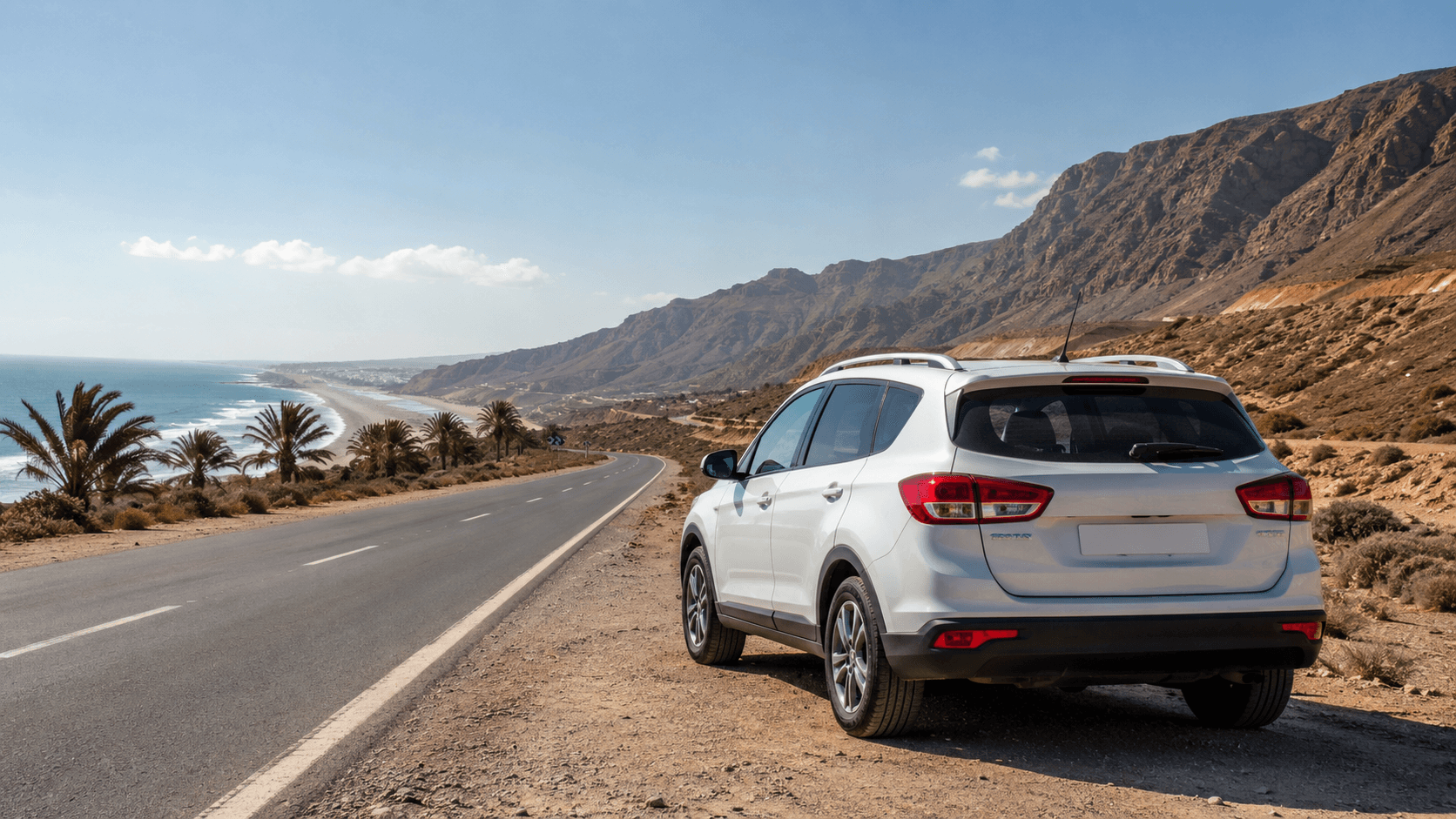
Coastal roads can feel relaxed, with long sight lines. That’s where speed drift happens.
Light-traffic mornings
Early mornings feel empty. Empty roads tempt speed, and that’s often when drivers get caught.
If you’re renting a car, the simplest way to avoid “oops speeding” is to drive with a calm pace from the start. If you’re choosing a vehicle for a road trip, start planning through car rental so you’re comfortable with the car size and handling before you hit long roads.
5) Police Checkpoints vs Cameras: What’s Different
Tourists sometimes confuse checkpoints with camera enforcement. They’re different.
Checkpoints
These are usually:
-
document checks,
-
routine road control,
-
or targeted safety enforcement.
Most are quick if you have your papers ready and you’re polite. They’re usually not dramatic.
Cameras
Cameras don’t care who you are. They measure speed and record. The “trap” feeling comes from how the camera is placed, not from a conversation.
Good habit at checkpoints:
-
slow early,
-
keep documents accessible,
-
answer briefly and politely.
6) How Fines Arrive for Tourists and Rental Cars
This is the part travelers worry about: “Will the fine arrive later? Will the rental company charge me?”
The key point is that fines can be handled in different ways depending on how the speed was recorded and the circumstances:
-
Sometimes a driver is stopped and informed directly.
-
Sometimes a camera records a plate and the process continues through official channels tied to the vehicle’s registration and rental paperwork.
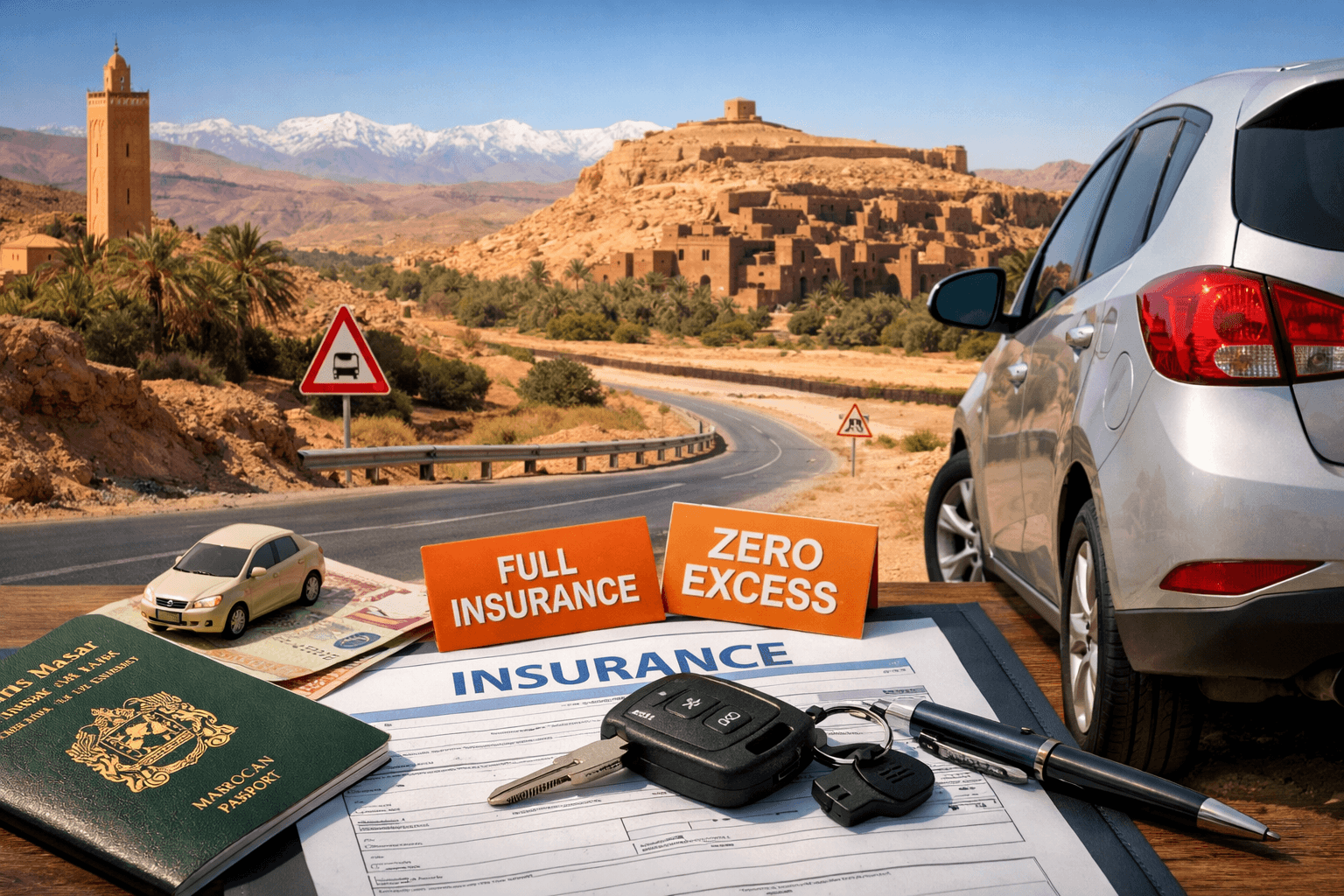
For rental cars, what matters most is your rental agreement. Many contracts include wording that:
-
the renter is responsible for traffic fines,
-
and an administration process may apply if the company receives a notice later.
That’s why your safest strategy is not “hope the fine never appears”, it’s to avoid getting caught in the first place by driving with the correct patterns.
If you want a simple explanation of what a speed camera is (and the general concept of automated enforcement), this overview is a clear.
7) Smart Habits That Prevent Tickets (Without Driving Slow Forever)
You don’t need to drive nervously. You need simple habits.
Habit 1: Town border discipline
This alone prevents most tickets:
-
slow at the first settlement signs,
-
then follow posted limits.
Habit 2: Watch the speedometer after roundabouts
The moment you accelerate out, glance at your speed.
Habit 3: Use cruise control when appropriate
On open roads with steady flow, cruise control helps prevent speed drift. Don’t use it in dense traffic or where frequent slowing is required.
Habit 4: Don’t follow the fastest driver
Locals may know the road, may take risks, or may accept fines. Follow signs, not bravado.
Habit 5: Build buffer time into your day
Speeding happens when people are late. Leave earlier and the temptation disappears.
Habit 6: Recognize downhill creep
Downhills raise speed. On slopes, check speed more often.
Habit 7: Treat “empty road” as a trap
Empty road = you feel safe = you drift faster. That’s exactly when enforcement catches people.
FAQs
Are speed cameras common in Morocco?
Yes, especially around town entrances, major roads, and approaches where speed changes quickly.
Where do tourists get caught most?
Town entrances and long straight roads. The limit drops or drivers drift faster without noticing.
Do police stops happen often?
They can, especially on main routes. Most are routine and quick with proper documents.
How do I avoid fines without driving too slow?
Slow early at towns, watch speed after roundabouts, and use cruise control on steady open roads.
Will fines show up later with a rental car?
Sometimes fines are processed through official channels tied to the vehicle and rental paperwork. Always assume fines can be handled later and drive accordingly.
What’s the simplest “never get caught” rule?
Slow down before town signs, don’t wait until the last second.
Conclusion
Morocco speed traps aren’t random, they follow patterns. If you watch town entrances, long straight stretches, downhill approaches, and post-roundabout acceleration, you’ll avoid most tickets naturally. Add a bit of buffer time to your day, keep your speed steady, and your road trip stays smooth and stress-free.