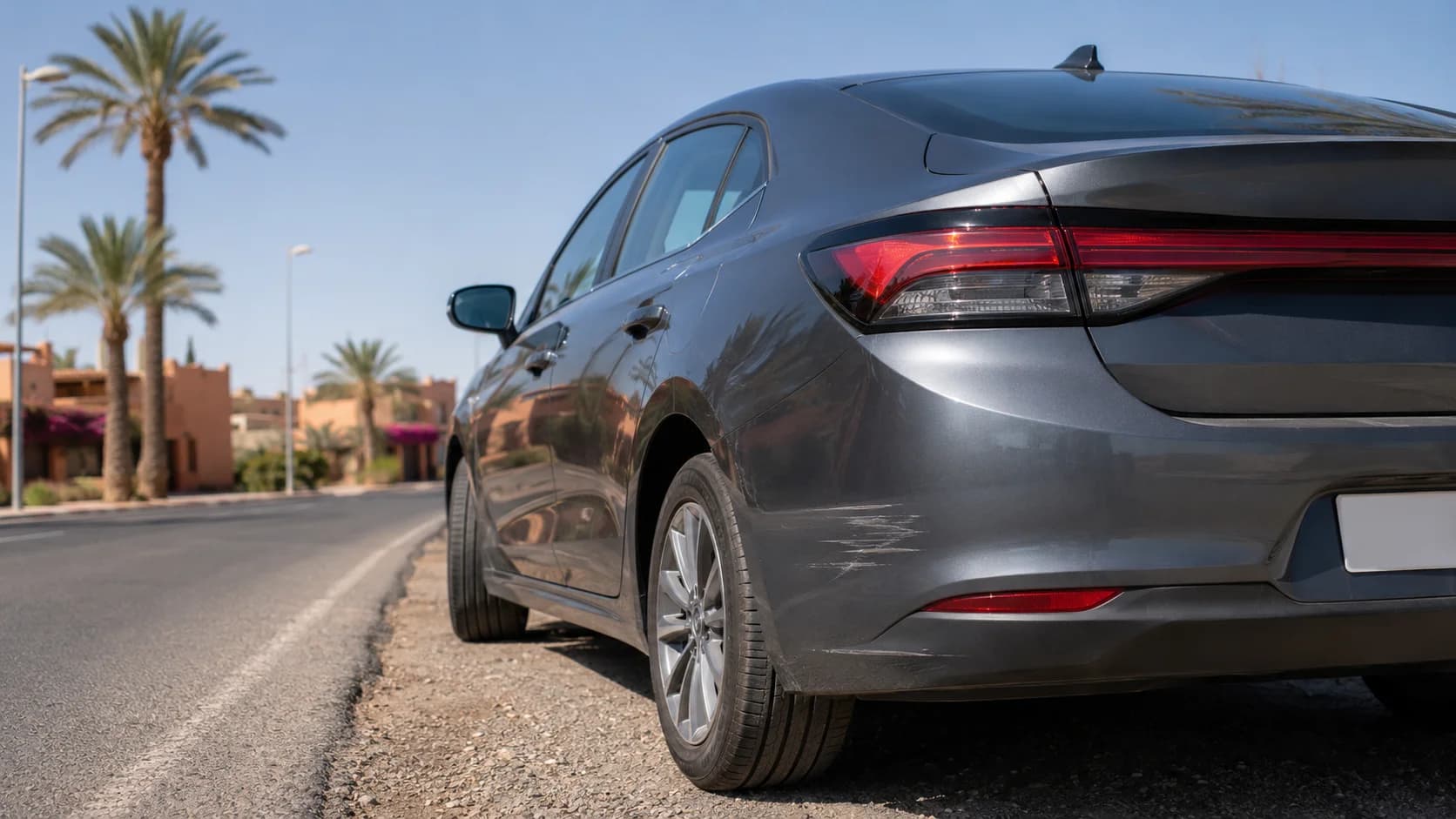









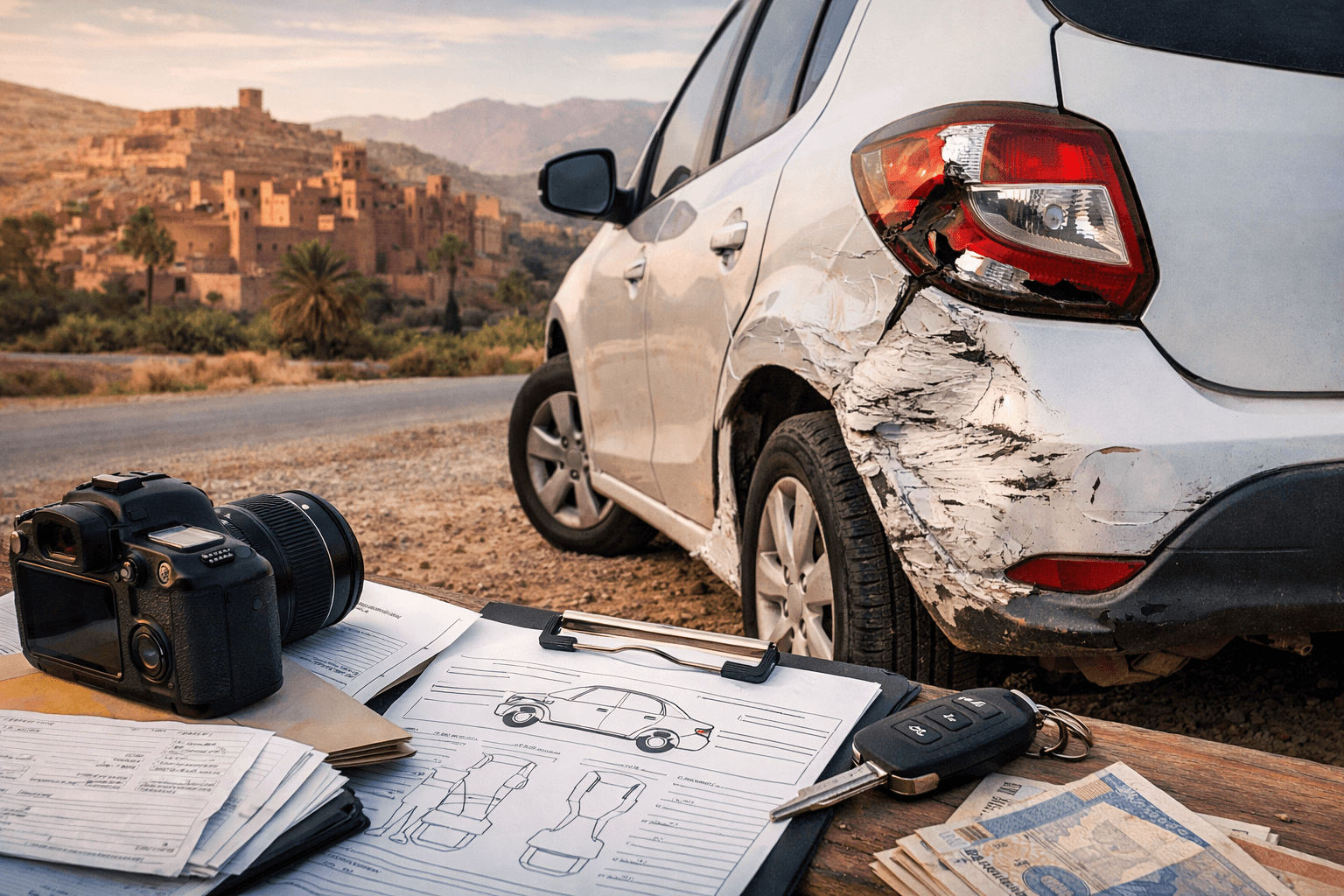
Damage claims are the part of car rental that travelers fear most, not because accidents are common, but because uncertainty is stressful. In Morocco, most rentals go perfectly fine. When something does happen (a scratch in a parking lot, a cracked mirror, a rim scrape, a small bump), the outcome usually depends on one thing: documentation.
If you can prove the car’s condition at pickup and at return, and you follow the correct reporting steps, damage claims become manageable and fair. If you can’t, small issues can turn into long debates, especially around “when did this happen?” and “what was already there?”
This guide gives you a clear, practical system: exactly what photos to take, when you need a report, how deposit refunds typically work, and realistic timelines, so you can rent and drive with confidence.
For booking and planning across Morocco, start with MarHire and browse policies and categories via car rental so you know what you’re agreeing to before pickup.
Quick Answer
-
Take pickup photos + a 60-second video before you drive away (all sides + wheels + windshield + fuel + odometer).
-
If there’s an incident, document immediately and follow the rental company’s reporting rules.
-
Not all damage requires police paperwork, but some incidents do, confirm your contract rules.
-
Deposit/hold refunds can take time depending on payment method; keep return confirmation and receipts.
-
The most common disputes are about existing scratches, rims/tires, glass, undercarriage, and unclear return inspection notes.
Table of Contents
-
Why damage claims happen (and what’s normal)
-
The pickup photo system that prevents disputes
-
The return photo system (don’t skip this)
-
When you need a report (and when you usually don’t)
-
What to do right after an incident (step-by-step)
-
How deposit holds and refunds typically work
-
Refund timelines: what’s realistic and what to keep
-
Common claim traps (and how to avoid them)
-
FAQs
-
Conclusion
1) Why Damage Claims Happen (and What’s Normal)
Most rental damage claims fall into two categories:
A) Real new damage
A bump, scratch, rim scrape, cracked mirror, or windshield chip that happened during the rental.
B) Disputed “existing” damage
This is the common headache: something was already there, but it wasn’t clearly marked, or your photos don’t show it.
Morocco driving adds a few common “micro-damage” risks:
-
tight parking spaces in busy areas,
-
scooters passing close,
-
road edges and curbs that catch rims,
-
dust that hides scratches until the car is washed.
That’s why your goal is not “avoid all risk.” Your goal is: make the car’s condition undeniable from the first minute.
2) The Pickup Photo System That Prevents Disputes
Do this before you move the car, even if staff is friendly and rushed. It takes 3–5 minutes and can save hours later.
Step 1: Take a wide photo set (8 photos)
-
Front full view
-
Rear full view
-
Left side full view
-
Right side full view
-
Front-left corner close-up
-
Front-right corner close-up
-
Rear-left corner close-up
-
Rear-right corner close-up
Step 2: Wheels and rims (4 photos)
Rim scratches are one of the most common disputes. Take:
-
one clear photo of each wheel/rim.
Step 3: Glass and roofline (2–3 photos)
-
windshield close-up (especially lower corners)
-
rear glass
-
optional: roofline if it’s a taller vehicle
Step 4: Interior quick proof (2–3 photos)
You’re not documenting every seat, just proof:
-
dashboard (shows condition)
-
front seats
-
trunk/cargo area
Step 5: Odometer + fuel gauge (2 photos)
-
odometer reading
-
fuel level
Step 6: A 60-second walkaround video
Walk slowly around the car once. The video captures “context” that photos miss (angles, reflections, continuity).
Pro tip: Make sure your phone has the correct time/date automatically. That makes your evidence stronger without extra effort.
3) The Return Photo System (Don’t Skip This)
People take photos at pickup and forget return photos. That’s a mistake.
At return, repeat the same structure:
-
wide angles,
-
four corners,
-
wheels/rims,
-
windshield,
-
odometer and fuel.
If you’re returning at night, use:
-
bright area lighting if possible,
-
your phone flashlight carefully,
-
and take slightly more close-ups (scratches appear differently in low light).
Get a written return confirmation
If staff checks the car and says “it’s fine,” ask for a written confirmation or a final receipt that indicates return condition. Keep it.
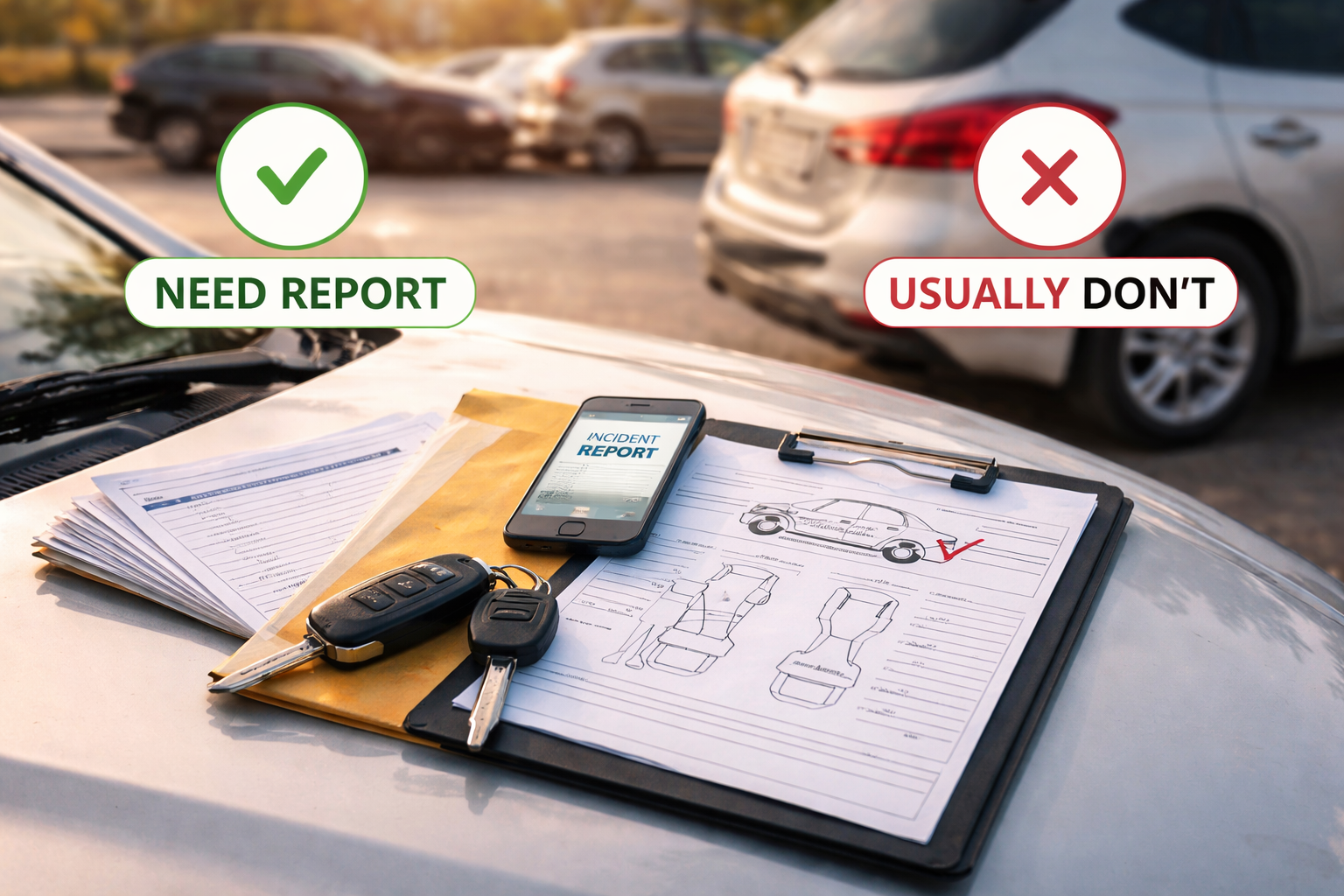
4) When You Need a Report (and When You Usually Don’t)
This depends on the rental company rules and the incident type.
Often requires a formal report (varies by policy)
-
accident involving another vehicle
-
injury or significant damage
-
theft or break-in
-
major damage where insurance will be used
Often does NOT require police paperwork (but confirm)
-
tiny scratches
-
minor rim scuffs
-
small interior cleaning issues
Important: You must follow what your contract says. If your agreement requires a report for certain incidents and you skip it, even “full insurance” may not apply.
For general background on what an accident report is (as a concept, not Morocco-specific).
5) What to Do Right After an Incident (Step-by-Step)
If something happens, your first 10 minutes matter.
Step 1: Safety first
Move to a safe place if you can. Turn on hazard lights.
Step 2: Call the rental support number
Use the contact number from your contract. Don’t wait until later.
Step 3: Document immediately
Take:
-
wide photos showing the car and surroundings
-
close-ups of the damage
-
a short video
-
time/location note (even a quick phone note)
Step 4: If another party is involved
Keep it calm. Exchange basic details if needed. Avoid arguing.
Step 5: Follow the report rule
If your rental company says you need a report, do it. If you’re unsure, ask them while you’re on the phone.
Step 6: Keep every receipt
If you pay for anything (towing, small fix, etc.), keep receipts and confirm with the rental company first.
6) How Deposit Holds and Refunds Typically Work
A “deposit” is usually either:
A) Card pre-authorization (hold)
A temporary block on your card. Not a charge, but it reduces available balance until released.
B) Cash deposit
You give cash and receive it back after inspection (timing depends on the company).
Why refunds aren’t always instant
Even when the rental company releases the hold immediately, banks can take time to update your available balance. That delay is usually banking processing, not the rental company “keeping your money.”
What helps in case of delay
-
Keep the return receipt
-
Ask for written confirmation that the hold was released
-
Save the rental agreement and final invoice
7) Refund Timelines: What’s Realistic and What to Keep
Refund timing depends on:
-
payment method (credit card vs debit card),
-
bank processing speed,
-
weekend/holiday timing,
-
and whether there’s any claim review.
Typical patterns
-
Cash deposit: often returned at return time or shortly after inspection.
-
Card hold: may appear released quickly on the merchant side, but your bank can take several business days to reflect it.
If there’s a damage review
If damage is being assessed, the timeline can extend while:
-
the company checks evidence,
-
estimates repair costs,
-
and determines what’s covered.
What to keep (non-negotiable)
-
pickup photos + video
-
return photos + video
-
fuel/odometer photos
-
return receipt / written confirmation
-
any messages/emails with the company
-
any reports/receipts if an incident occurred
This set makes your case strong and simple.
8) Common Claim Traps (and How to Avoid Them)
Trap 1: Wheels and rims not documented
Fix: photograph all four wheels clearly at pickup and return.
Trap 2: Night returns with weak photos
Fix: take extra close-ups and use good lighting.
Trap 3: “It’s fine” with no written proof
Fix: always get a return receipt or written confirmation.
Trap 4: Fuel disputes
Fix: photo the fuel gauge at pickup and return, keep the last fuel receipt if full-to-full.
Trap 5: Not following reporting rules
Fix: ask the rental company what they require immediately after an incident.
FAQs
What photos should I take when picking up a rental car in Morocco?
All sides, corners, wheels/rims, windshield, interior quick proof, fuel gauge, odometer, plus a short walkaround video.
Do I always need a police report for a scratch?
Not always, but it depends on the rental company policy and the incident type. Check your contract rules.
How long do deposit refunds take in Morocco?
Cash can be immediate after inspection. Card holds can take several business days depending on your bank.
What’s the most disputed damage type?
Rims/tires, small scratches, windshield chips, and undercarriage issues, often because they weren’t documented well at pickup.
What should I do if the company claims damage I didn’t cause?
Provide your pickup and return photos/video and ask for a clear written explanation and evidence.
How can I avoid damage claims entirely?
You can’t control everything, but you can control documentation. Photos + video + written confirmation prevent most disputes.