







A Marrakech to Merzouga desert tour is one of Morocco’s most memorable experiences: big landscapes, changing light, quiet nights, and that “I can’t believe this is real” moment when dunes start filling the horizon. But it’s also a trip that can go wrong in predictable ways, overpacked schedules, uncomfortable camps, bad timing, and tiny planning mistakes that turn a magical tour into a long, tiring bus ride.
This 3-day guide keeps it real. You’ll get a practical day-by-day rhythm, a packing list that matches desert reality, and the mistakes tourists make most often, so you arrive in Merzouga excited, not exhausted.
For general Morocco planning and logistics, start from MarHire. And if you want more Marrakech-based ideas to combine before or after the desert, browse things to do marrakech.
Quick Answer
-
A 3-day Merzouga tour is intense but doable if you start early, keep stops short, and choose a comfortable camp.
-
Pack for temperature swings: hot days, cooler nights.
-
Best tours prioritize sleep, comfort, and timing, not endless “photo stops.”
-
Avoid common mistakes: wrong camp level, poor footwear, overpacking, and unrealistic expectations about drive time.
Table of Contents
-
What a 3-day Merzouga tour really feels like
-
Route overview and timing expectations
-
Day 1: Marrakech → High Atlas → Aït Benhaddou area
-
Day 2: Todra/Dades rhythm → Merzouga dunes + camp night
-
Day 3: Sunrise → return drive (how to survive it)
-
Choosing your camp: standard vs luxury (what matters)
-
Packing list (desert-proof, not influencer-proof)
-
Mistakes to avoid (the big ones)
-
FAQs
-
Conclusion
1) What a 3-Day Merzouga Tour Really Feels Like
Let’s be honest: a 3-day desert tour is not a “relaxing road trip.” It’s a fast, high-impact route designed to get you from Marrakech to the Sahara and back in a tight window. You’ll spend a lot of time driving, especially on Day 1 and Day 3.
That doesn’t mean it’s not worth it. It means you should go in with the right mindset:
-
treat the drive as part of the experience,
-
protect your sleep,
-
and keep your expectations realistic.
If you want a more relaxed pace, 4 days is often easier. But if you only have 3 days, you can still have an incredible desert experience by making smart choices.
2) Route Overview and Timing Expectations
Most 3-day itineraries follow a similar backbone:
-
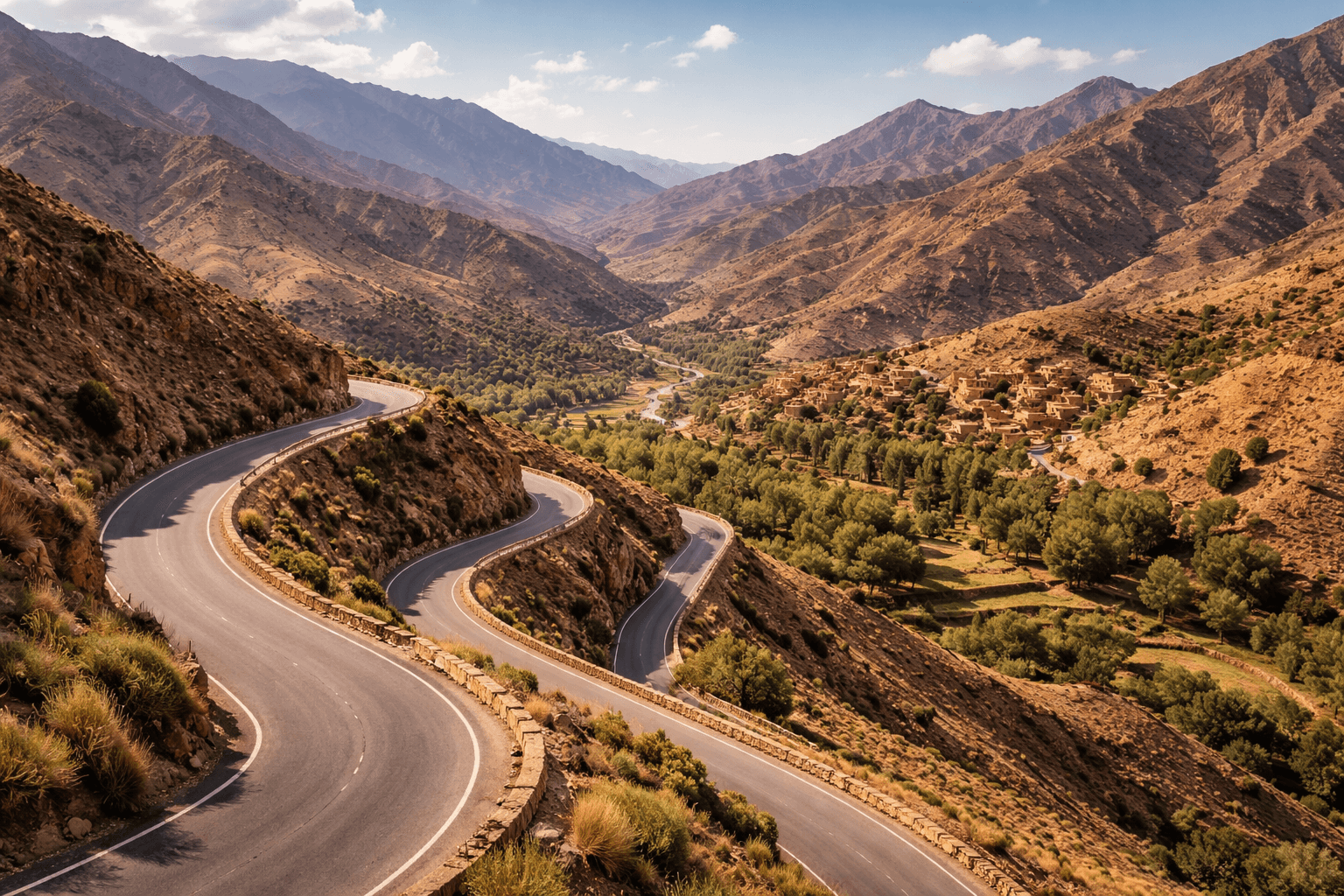
Cross the High Atlas via mountain roads
-
One “iconic stop” area (often Aït Benhaddou zone)
-
Dades/Todra region for dramatic canyon scenery
-
Merzouga dunes + camp night
-
Long return day back to Marrakech
If you want a quick reference for where Merzouga sits in Morocco’s geography.
Reality check: drive times can stretch due to:
-
roadworks,
-
traffic leaving Marrakech,
-
mountain weather,
-
and group stops.
Your success comes from not turning every stop into a 45-minute detour.
3) Day 1: Marrakech → High Atlas → Aït Benhaddou Area
Goal: cross the mountains smoothly, stop smart, and end the day with energy.
Morning: Leave early (seriously)
If you leave late, you don’t “sleep in.” You just push the whole itinerary into the worst hours: more traffic, more heat, and less time to enjoy the evening.
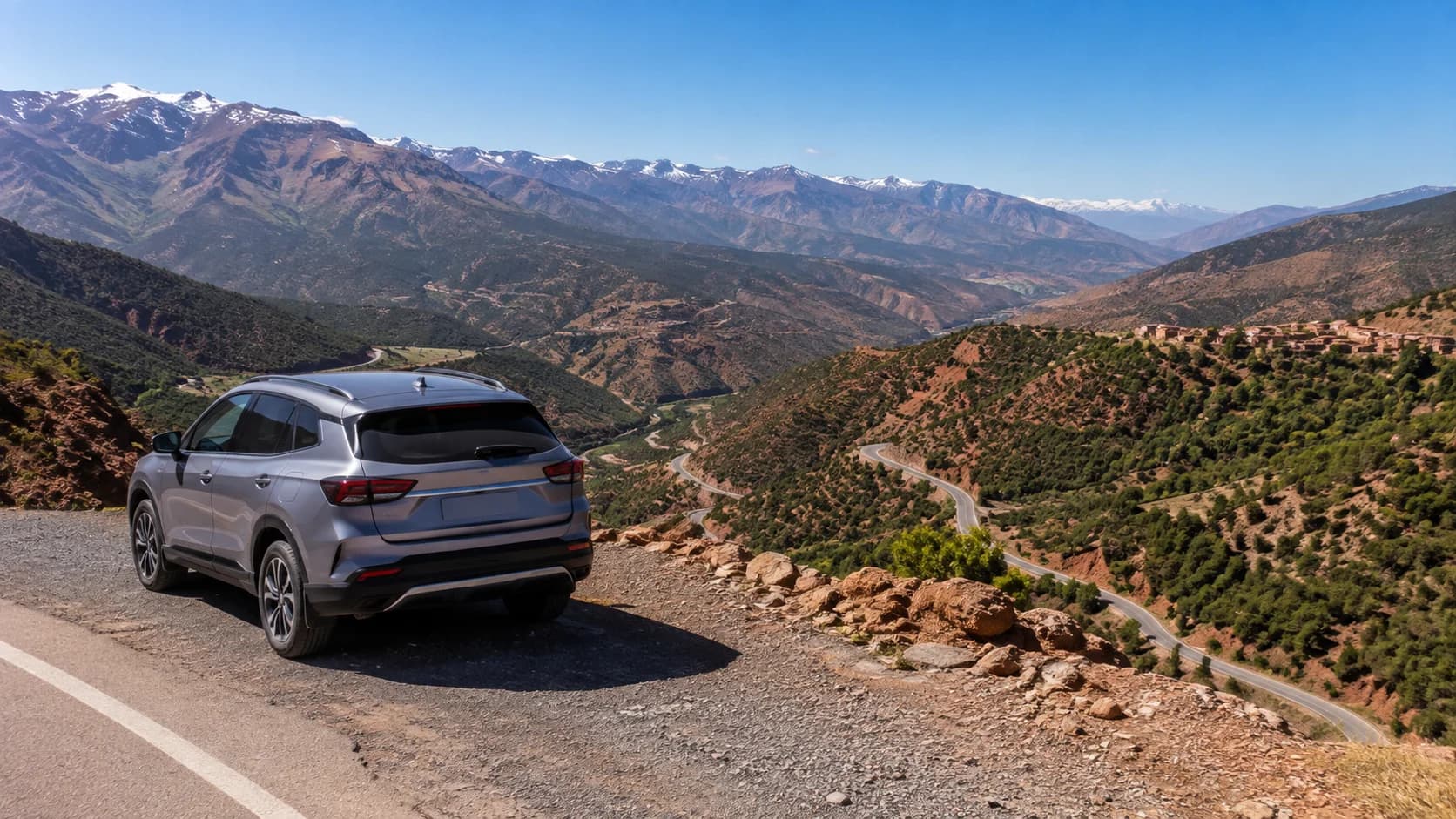
High Atlas drive: what to expect
The mountain route is scenic but can be winding. If you get motion sickness:
-
sit toward the front of the vehicle,
-
keep water accessible,
-
avoid heavy meals before tight roads.
Stop strategy that works
On Day 1, one good stop beats four rushed stops.
-
Choose a restroom/coffee break
-
Choose one main scenic/photo stop
-
Keep each stop short and purposeful
Evening: Don’t over-plan
Many tours end Day 1 near the Aït Benhaddou region or a similar stop zone. The best move is simple:
-
eat,
-
rest,
-
sleep.
Your Day 2 is also big. Protect your energy now.
4) Day 2: Dades/Todra Rhythm → Merzouga Dunes + Camp Night
Goal: enjoy the scenery without turning it into a race, then arrive at the dunes at a good time.
Morning: Canyon scenery, but keep it moving
The Dades/Todra-style landscapes are dramatic. The mistake is trying to “do everything.” Pick one standout canyon viewpoint and enjoy it properly.
Midday: heat management
Day 2 often includes warm midday driving. Your comfort depends on:
-
wearing breathable layers,
-
drinking water regularly,
-
keeping snacks simple (nuts, fruit, small sandwiches).
Afternoon: arriving to Merzouga
The best desert arrival isn’t at night when you’re tired. The best arrival is late afternoon so you can:
-
settle your bag,
-
do the dune transfer calmly,
-
and enjoy sunset without chaos.
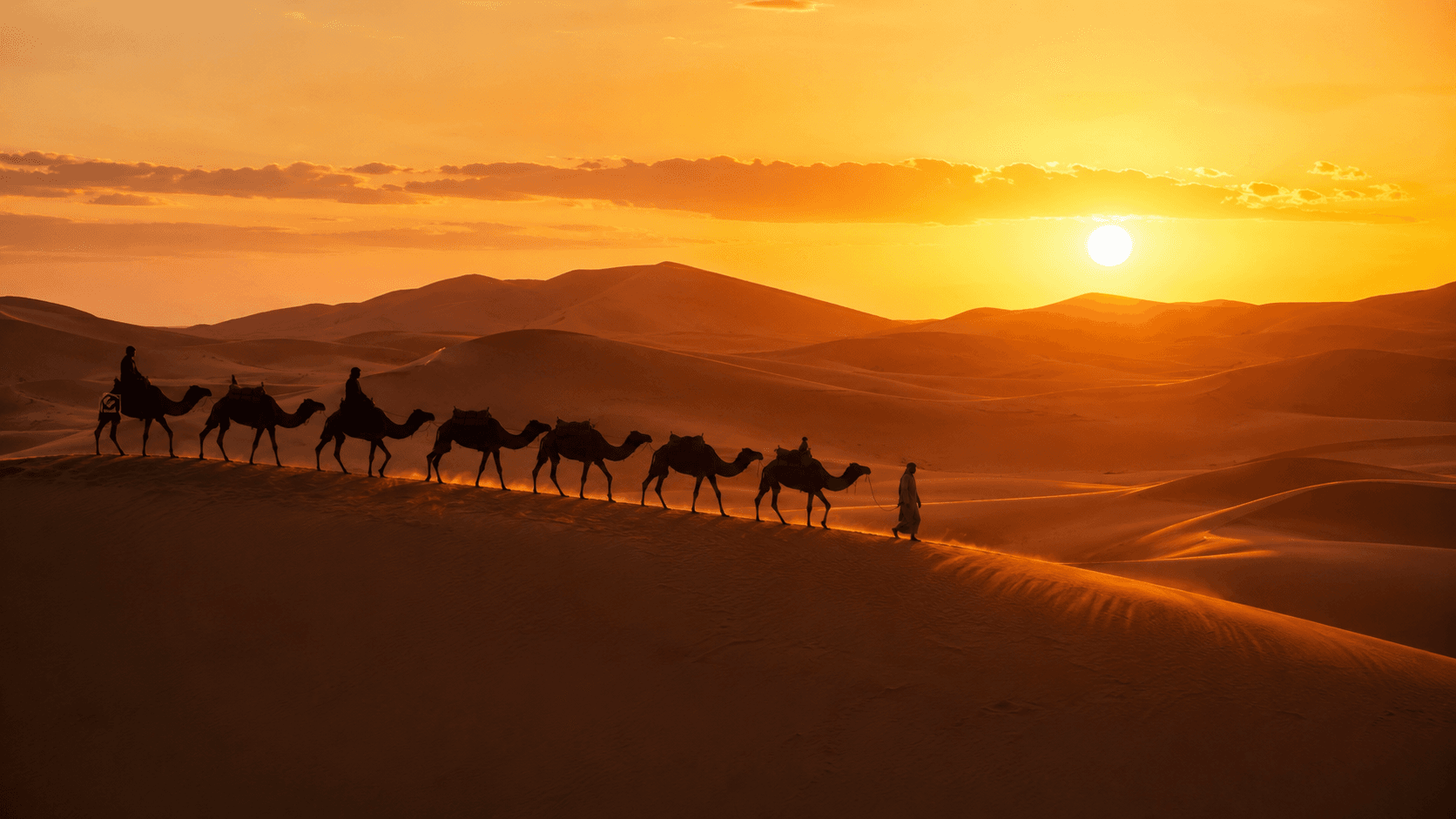
Camel ride vs 4x4 transfer (choose what fits you)
Many tours offer a camel ride into camp. It’s memorable, but not for everyone.
-
If you have back issues or you’re nervous, choose a 4x4 transfer.
-
If you love the “classic desert” moment, camel at sunset can be special.
Camp night: how to make it actually enjoyable
Your camp experience depends on:
-
mattress comfort,
-
bathroom situation,
-
warmth at night,
-
and whether you can sleep.
“Desert magic” is real, but only if you’re not freezing or uncomfortable.
5) Day 3: Sunrise → Return Drive (How to Survive It)
Goal: enjoy sunrise, then manage the long return like a pro.
Sunrise: yes, it’s worth it
Even if you’re not a sunrise person, Sahara sunrise is the kind of memory that sticks. Set a quick plan:
-
warm layer ready,
-
water ready,
-
phone/camera ready.
After sunrise: pack smart
Do not scatter your stuff. Pack in a simple system:
-
one day bag accessible,
-
everything else zipped and ready.
The return day reality
Day 3 is long. The best way to handle it is:
-
short stops,
-
steady hydration,
-
light food,
-
and sleep if you can.
If your group turns Day 3 into a “shopping day” with long detours, you’ll arrive back in Marrakech late and drained.
6) Choosing Your Camp: Standard vs Luxury (What Matters)
Camp level changes the trip more than people expect.
Standard camp (good if you’re flexible)
Usually fine if you’re easygoing and mainly want the experience.
Luxury camp (often worth it for most travelers)
Luxury camps usually improve:
-
bedding,
-
bathrooms,
-
warmth,
-
and overall comfort.
If you can afford the upgrade, it often turns the night from “surviving” into “enjoying.”
What to check before booking a camp
-
Private vs shared bathroom
-
Heating/blankets in cooler months
-
Real mattress (not thin foam only)
-
Distance into dunes (farther can feel quieter)
-
Dinner quality (simple but decent)
7) Packing List (Desert-Proof, Not Influencer-Proof)
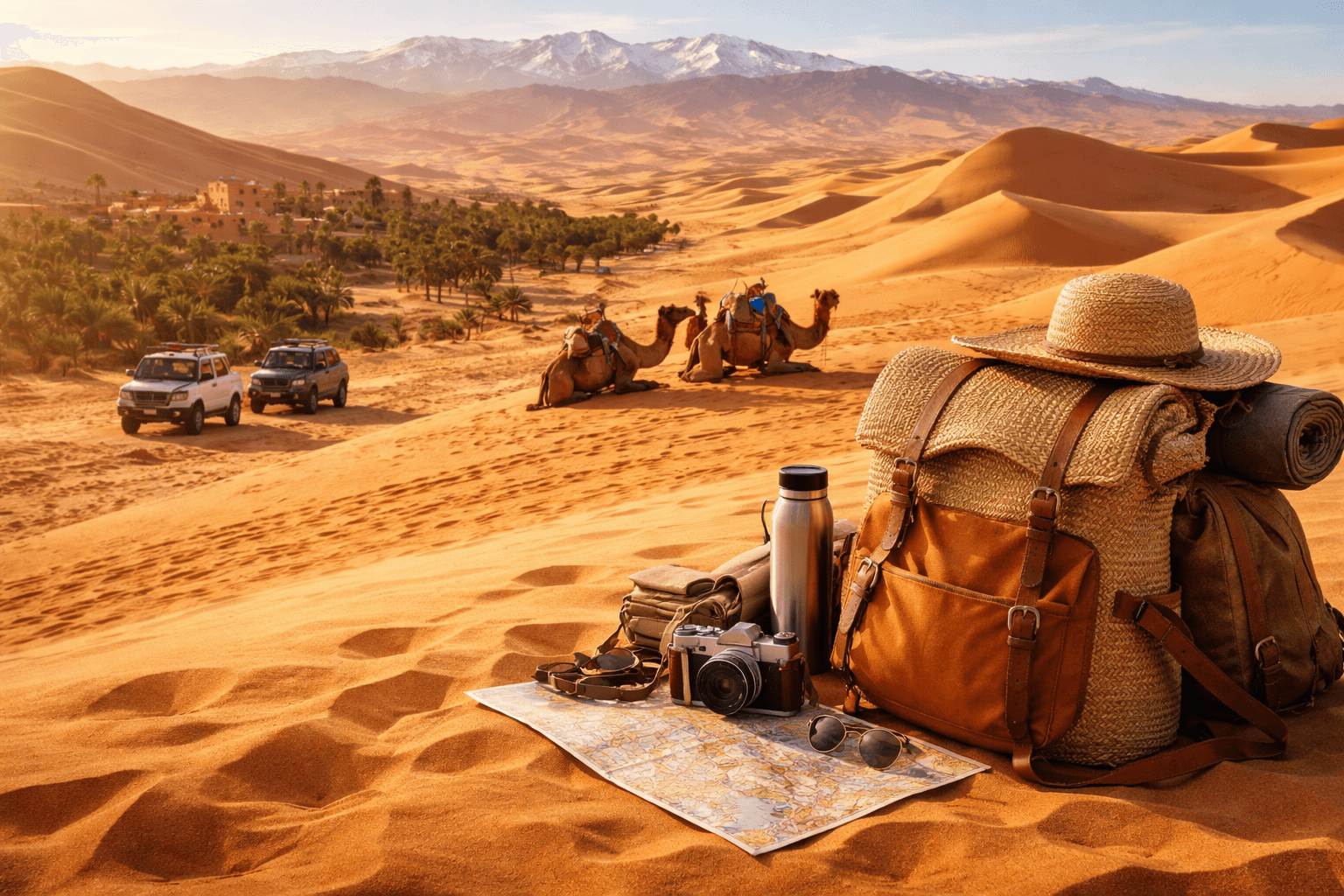
Pack for comfort and temperature swings. You don’t need 12 outfits.
Must-have essentials
-
Warm layer (hoodie/fleece) for evening and sunrise
-
Light jacket/wind layer (desert wind is real)
-
Comfortable closed shoes (sand + walking)
-
Sunglasses (sun + glare)
-
Scarf or buff (dust/wind protection)
-
Lip balm + moisturizer (dry air)
-
Sunscreen (reapply)
-
Power bank (you’ll use your phone a lot)
-
Small day bag (for stops and camp)
-
Water bottle (refill when you can)
Comfort extras that are genuinely useful
-
earplugs (camp sound can vary)
-
wet wipes (always useful)
-
motion sickness tablets if needed
-
a small flashlight/headlamp (night navigation)
Clothing rule
Two comfortable outfits you can re-wear beats a suitcase of “photoshoot clothes.”
8) Mistakes to Avoid (The Big Ones)
These are the mistakes that ruin desert tours most often.
Mistake 1: Booking a 3-day tour expecting “lots of free time”
It’s a fast route. Manage expectations and you’ll enjoy it more.
Mistake 2: Overpacking
Dragging heavy luggage for a one-night camp is painful. Pack light.
Mistake 3: Choosing the cheapest camp without checking bathrooms
Bathroom quality changes everything. Comfort matters in the desert.
Mistake 4: Wearing the wrong shoes
Sand + flip-flops + cold night = regret. Closed shoes win.
Mistake 5: Turning every stop into a long stop
Stops are fine. Long stops destroy timing and energy.
Mistake 6: Ignoring temperature swings
Hot day, cooler night, chilly sunrise. Bring layers.
Mistake 7: Not planning Marrakech days around the tour
Don’t schedule a heavy Marrakech day right after you return. Keep the next morning flexible. If you want lighter options after your desert return, browse things to do marrakech and choose calm activities.
FAQs
Is a 3-day Marrakech to Merzouga tour worth it?
Yes, if you accept the long drives and choose a comfortable camp. It’s the fastest way to get the Sahara experience from Marrakech.
Will it be cold at night in Merzouga?
It can be, especially outside hot summer months. Pack a warm layer and a wind layer.
Camel ride or 4x4 transfer, what’s better?
Camel is the classic experience; 4x4 is easier and better for anyone with back discomfort or time concerns.
Can kids do this tour?
Many families do, but the drive is long. Comfort stops and a better camp matter more with kids.
What’s the #1 thing to bring?
A warm layer and proper shoes. Those two items prevent the most discomfort.
Should I do this tour before or after Marrakech sightseeing?
Most travelers do some Marrakech first, then the desert, then a calmer Marrakech day after returning.
Conclusion
A Marrakech to Merzouga desert tour in 3 days is intense, but unforgettable when you plan it well. Leave early, keep stops short, choose a comfortable camp, and pack for temperature changes. Avoid the classic mistakes (overpacking, cheap camp surprises, long detours), and you’ll get the Sahara experience you came for: dunes, silence, sunrise, and a night you actually enjoy.