








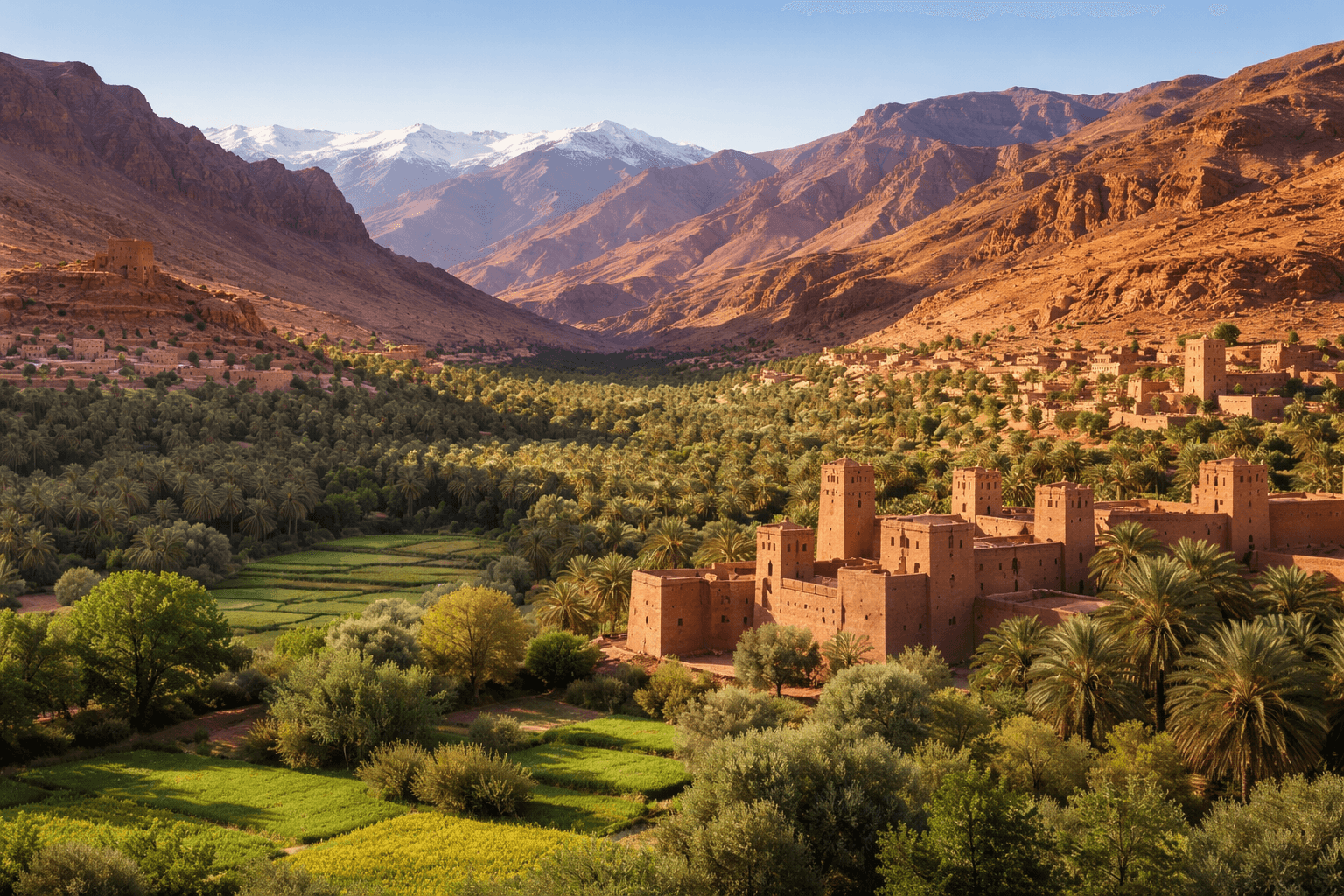
Dades Valley Morocco is one of the most rewarding road-trip destinations in the south of the country. Stretching through a landscape of kasbahs, rocky canyons, river-fed fields, mountain villages, and winding roads, the valley offers a very different side of Morocco from the coast or the imperial cities. It sits along the wider Ouarzazate–Tinghir route, an area promoted by Morocco’s official tourism office for its gorges, palm groves, and Great South scenery.
Often called the Valley of a Thousand Kasbahs, Dades is not just about dramatic views. It is also about earthen architecture, Amazigh village life, orchard landscapes, and access to some of the most memorable drives in Morocco. For travelers planning a self-drive itinerary, it works especially well between Ouarzazate, Skoura, Kelaat M’Gouna, Tinghir, and the desert routes farther east.
Overview and Why Visit
The appeal of Dades Valley comes from contrast. In a relatively compact area, you move between oasis scenery, fortified kasbahs, rose-growing villages, deep gorges, and high rock walls colored in red, ochre, and pink. Morocco’s tourism office highlights the Dades Gorges as a place for hiking, contemplation, and colorful canyon scenery, while the wider Ouarzazate-Zagora-Tinghir region is presented as a gateway to the Great South.
This is also one of the best places in Morocco for travelers who want scenery without rushing. Instead of checking off monuments, you can spend your day driving scenic roads, stopping at viewpoints, walking through fields near villages, sleeping in a kasbah-style guesthouse, and watching the light change across the cliffs. The valley feels especially rewarding for couples, photographers, hikers, and anyone building a longer south Morocco itinerary. That slower style fits well with the region’s natural strengths: landscape, architecture, and local culture rather than big-city attractions.
Another reason to visit is how well Dades connects with nearby highlights. You can combine it with the Valley of Roses, Todra Gorge, Skoura Oasis, Ouarzazate, and Aït Benhaddou in one route. UNESCO describes Aït Benhaddou as a striking example of southern Moroccan earthen architecture, which helps explain why this whole region is so compelling for travelers interested in kasbah landscapes.
Best Time to Visit
Spring is the most balanced season for most travelers. Temperatures are usually more comfortable for road trips and walks, valleys look greener, and the nearby rose-growing areas around Kelaat M’Gouna are at their most photogenic during the rose season. Morocco’s tourism material specifically notes the rose-growing villages between Kelaat M’Gouna and Boumalne Dades as part of the Valley of Roses area.
Autumn is another very good choice, especially for travelers who want mild sightseeing weather and clearer road-trip conditions after the hottest months. Summer can still work, but midday heat is stronger, especially in exposed stops and lower elevations. Winter brings a quieter atmosphere and beautiful light, but mountain conditions can change quickly, especially if your route includes higher Atlas roads before or after Dades. Official tourism content about the region also notes that off-road and mountain conditions can vary, which is worth keeping in mind when planning longer drives.
For hiking, photography, and relaxed village stops, late March to May and September to November are the easiest windows. Those periods generally give you the best mix of scenery, manageable temperatures, and comfortable driving days.
Top Experiences in Dades Valley
The classic experience is the drive through Dades Gorge itself. This is where the road tightens, the rock walls rise, and the famous bends create one of Morocco’s most photographed mountain-road scenes. It is the kind of drive where you should allow extra time, because the viewpoints are part of the experience. Morocco’s official tourism content repeatedly highlights the Dades Gorges as one of the standout nature stops in this region.
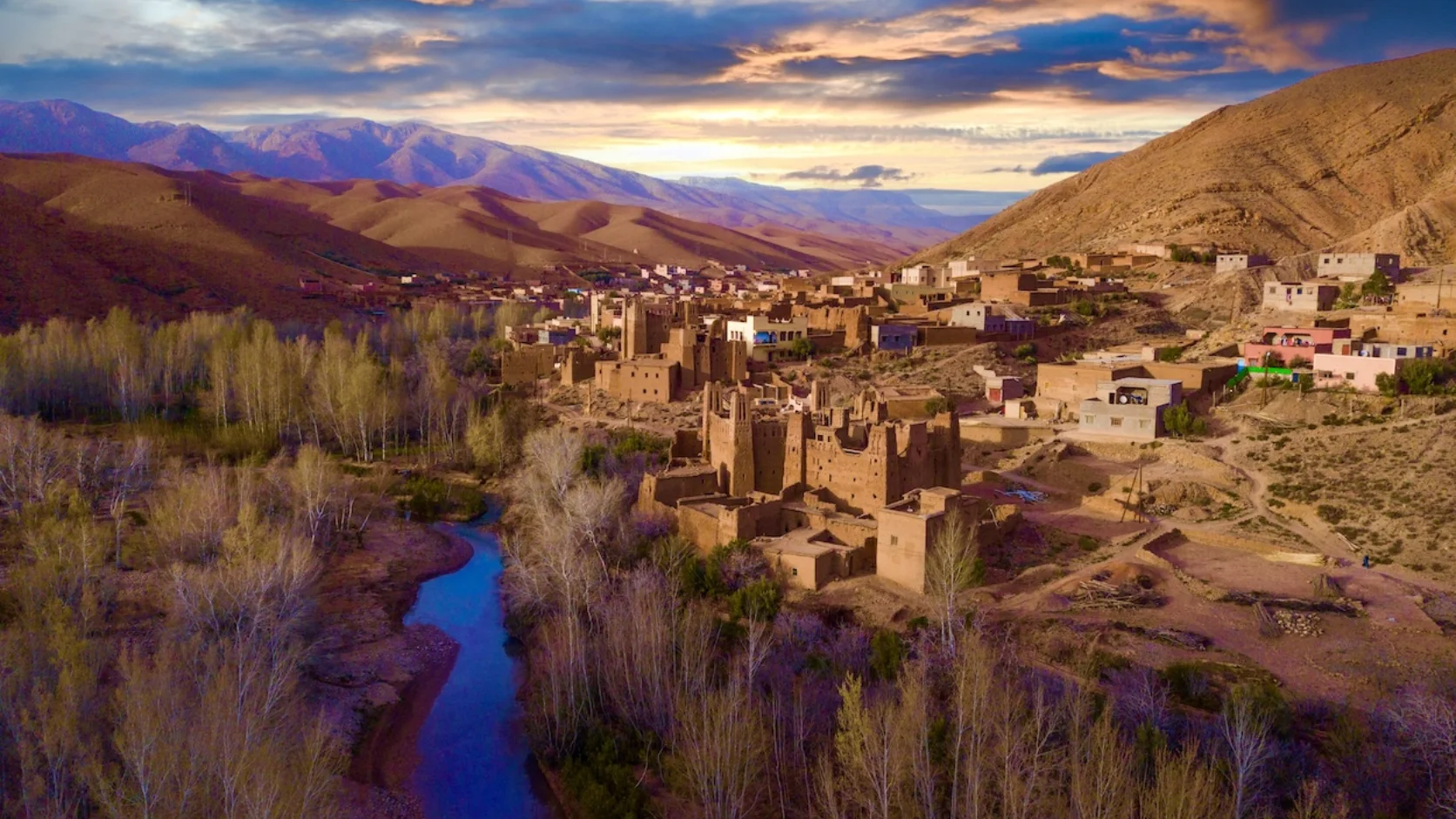
A second highlight is exploring kasbah country. Even when travelers use “Dades Valley” mainly to mean the gorge road, the broader valley experience includes fortified villages, old kasbahs, orchards, and palm-lined settlement zones. This is the landscape that gives the area its “thousand kasbahs” identity and makes it feel culturally rich, not just scenic. The nearby ksar of Aït Benhaddou is the best-known example at an international level, but the wider southern architecture tradition runs through the whole region.
Hiking is another major reason to come. Visit Morocco specifically describes hiking as the most popular activity around the Dades Gorges, and later tourism material points to routes through the gorge landscapes and nearby cliffs. You do not need to be an advanced trekker to enjoy the area either. Short valley walks, viewpoint hikes, and village-to-village strolls are often enough to appreciate the scenery.
Many travelers also pair Dades with the Valley of Roses. Around Kelaat M’Gouna, fields, cooperatives, and rose products add another texture to the trip. It is a softer, greener contrast to the mineral landscapes of the gorge. Morocco’s tourism content directly links this area of the Dades Valley with rose cultivation and rosewater production.
Finally, simply staying overnight is part of the experience. Sunset and early morning are when the valley often looks best. A one-night stop is good, but two nights gives you time to drive, hike, enjoy a kasbah hotel, and still explore nearby attractions without rushing.
How to Get There and Car Rental
Most visitors reach Dades Valley by road, usually as part of a route from Marrakech through the Atlas and Ouarzazate, or from the east via Tinghir and desert circuits. The valley is firmly a road-trip destination, and that is part of its charm. Public transport can get you to regional towns, but it is far less practical for stopping at viewpoints, kasbahs, villages, and trailheads.
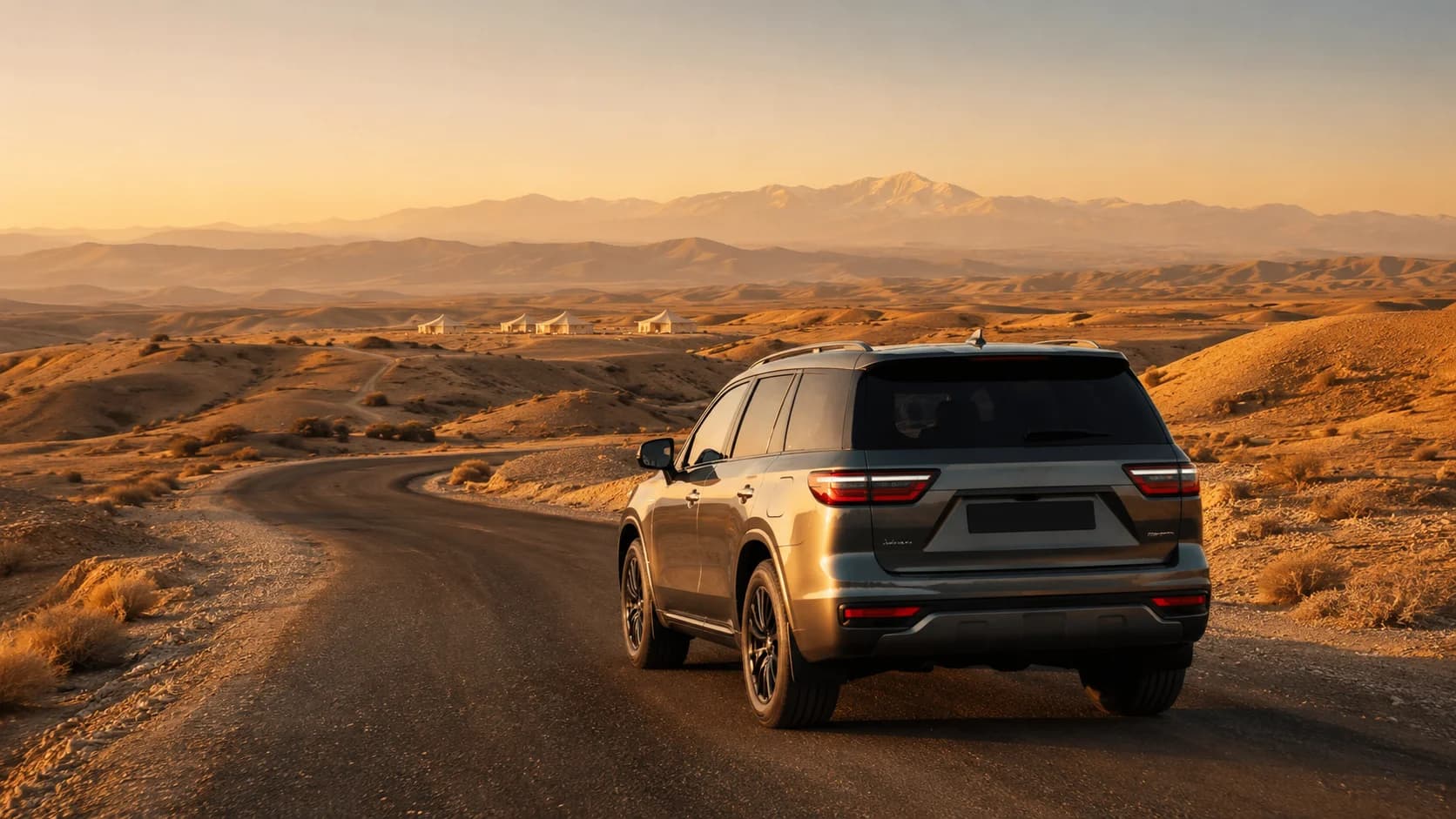
For flexibility, a self-drive plan makes the most sense. Booking Car Rental Morocco before leaving for the south allows you to move at your own pace and stop where the scenery changes. A standard car is fine for the main paved route in normal conditions, but travelers planning rougher detours, mountain tracks, or more remote Great South routes may prefer 4x4 Rental Morocco for extra ground clearance and confidence. Morocco’s tourism office also promotes 4x4 touring in this broader southern region, which matches how many travelers explore it.
The most practical approach is to leave early, keep your itinerary realistic, and avoid driving unfamiliar mountain roads after dark. Fuel up in larger towns when possible and download offline maps before entering the valley. Those simple choices make a big difference on south Morocco road trips.
Practical Travel Tips
Plan for longer travel times than the map suggests. Scenic roads, mountain bends, photo stops, and small villages naturally slow the journey. Dades is better enjoyed as a slow route than as a checkpoint between bigger destinations.
Choose accommodation with parking if you are self-driving. Many valley stays are small kasbah hotels or guesthouses, and parking convenience matters when arriving near sunset or leaving early. Two nights is ideal if you want both the gorge drive and some time in the surrounding villages.
Carry cash for smaller purchases, village cafés, and local products. Signal can vary by area, and card payment is not always as reliable as in larger cities. For hikes, bring water, sun protection, and proper shoes even if you only plan short walks. The landscapes look gentle from the road, but exposed terrain and rocky ground can feel more demanding once you are outside the car.
Respect village privacy and ask before photographing people or private homes. Dades is visually striking because it is a lived-in valley, not an open-air museum. A slower, more respectful travel style almost always leads to a better experience here.
For trip planning, Morocco’s official tourism portal is useful for broader regional inspiration, while UNESCO’s page on Aït Benhaddou adds helpful context for the earthen kasbah heritage that shapes this part of southern Morocco.
2-Day Dades Valley Itinerary
Day 1: Ouarzazate or Skoura to Dades Valley
Start from Ouarzazate or Skoura and drive east toward Kelaat M’Gouna and Boumalne Dades. Break the journey with short stops in the Valley of Roses area, especially if you are traveling in spring. Continue into Dades Valley, check into a kasbah-style stay, and spend the afternoon driving toward the gorge viewpoints. End the day with sunset over the cliffs and a relaxed dinner at your guesthouse.
Day 2: Gorge Drive, Walks, and Nearby Extension
Use the morning for the most scenic section of the Dades Gorge road and a short walk or hike. If you want a fuller day, continue with a side trip toward Todra Gorge or return west more slowly through villages and palm areas. Travelers who prefer photography and quiet landscapes may choose to remain in the valley longer instead of adding more kilometers. Either way, keeping the day focused gives you time to enjoy the road rather than just cover distance.
Nearby Attractions
The Valley of Roses is the most natural pairing with Dades Valley. It brings cultivated beauty, cooperatives, and a softer oasis atmosphere to a route that is otherwise dominated by rock scenery. In spring, it can become one of the visual highlights of the whole journey.
Todra Gorge is another classic extension. It is widely known for steep canyon walls, hiking, and climbing, and tourism sources place it within easy combination distance of the Dades area. For travelers who like dramatic natural formations, doing both gorges in one trip makes sense.
Skoura Oasis is a calmer stop with palm groves, kasbah settings, and a more oasis-centered atmosphere. It works well for a slower overnight before or after Dades. Aït Benhaddou is farther west but still one of the strongest heritage additions if you are connecting your route with Ouarzazate and Marrakech. UNESCO’s recognition of the site makes it one of the most important architectural stops in the region.
FAQ: Dades Valley Morocco
1. Where is Dades Valley in Morocco?
Dades Valley is in southern Morocco, in the wider Ouarzazate-Tinghir area, between mountain and oasis landscapes that connect with the Great South routes.
2. Is Dades Valley worth visiting?
Yes. It is one of Morocco’s most scenic valley-and-gorge destinations, combining kasbah landscapes, hiking, village life, and memorable road views.
3. How many days do you need in Dades Valley?
One night is the minimum, but two days works much better if you want to drive the gorge, stop at viewpoints, and add short walks or nearby attractions.
4. Do you need a 4x4 for Dades Valley?
Not for the main paved route in normal conditions. A regular car is usually enough, but a 4x4 is useful for rougher detours or broader south Morocco exploration.
5. What is the best time to visit Dades Valley?
Spring and autumn are the best overall seasons for comfortable weather, greener scenery, and easier sightseeing.
6. Can you visit Dades Valley and Todra Gorge together?
Yes. They are commonly paired in the same road-trip itinerary and make sense as linked gorge stops in southern Morocco.
7. Is Dades Valley good for hiking?
Yes. Hiking is one of the main activities highlighted for the Dades Gorges area, with options ranging from easy walks to more demanding routes.
8. What is the Valley of Roses in Morocco?
It is the rose-growing area around Kelaat M’Gouna and Boumalne Dades, known for fields, rosewater products, and seasonal bloom.
9. Can you stay in a kasbah in Dades Valley?
Yes. The area is known for guesthouses and kasbah-style stays, which are one of the best ways to experience the landscape at sunset and sunrise.
Book with MarHire
Dades Valley is the kind of place that rewards independence. The best viewpoints are between stops, the most memorable moments happen on the road, and the valley makes more sense when you can explore at your own pace. If you are planning a south Morocco road trip, book with MarHire for flexible Car Rental Morocco options and practical support for longer scenic routes. For travelers heading deeper into mountain roads or building a wider desert itinerary, 4x4 Rental Morocco can be the right fit for added comfort and confidence.